Introduction
Despite the critical role of accurate EKG interpretation in cardiovascular care, many healthcare professionals face significant challenges in navigating its complexities. With the evolution of technology, especially the integration of artificial intelligence, clinicians now have unprecedented opportunities to enhance EKG analysis accuracy.
So, how can clinicians tap into these advancements to boost patient outcomes and tackle the challenges of EKG interpretation? Let’s explore the latest innovations in EKG technology, including:
- Insights into common abnormalities
- Systematic interpretation methods
- How AI is transforming clinical practice
Clarify EKG Fundamentals and Importance
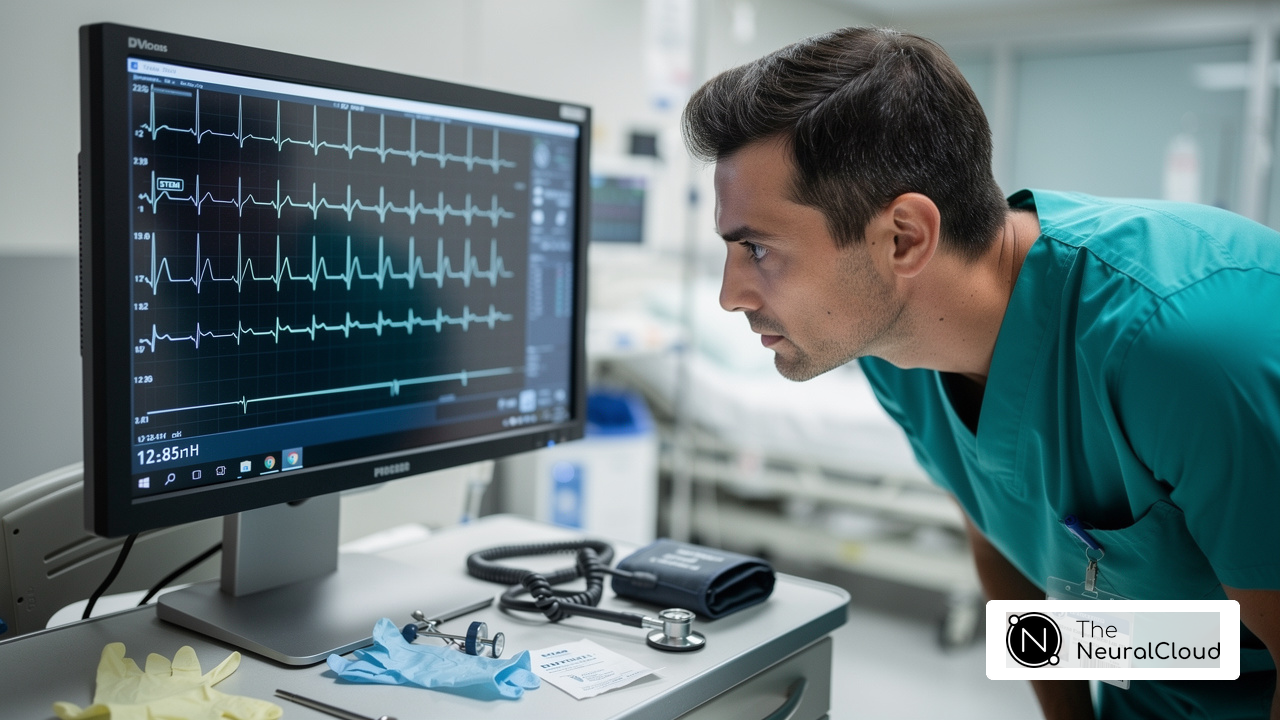
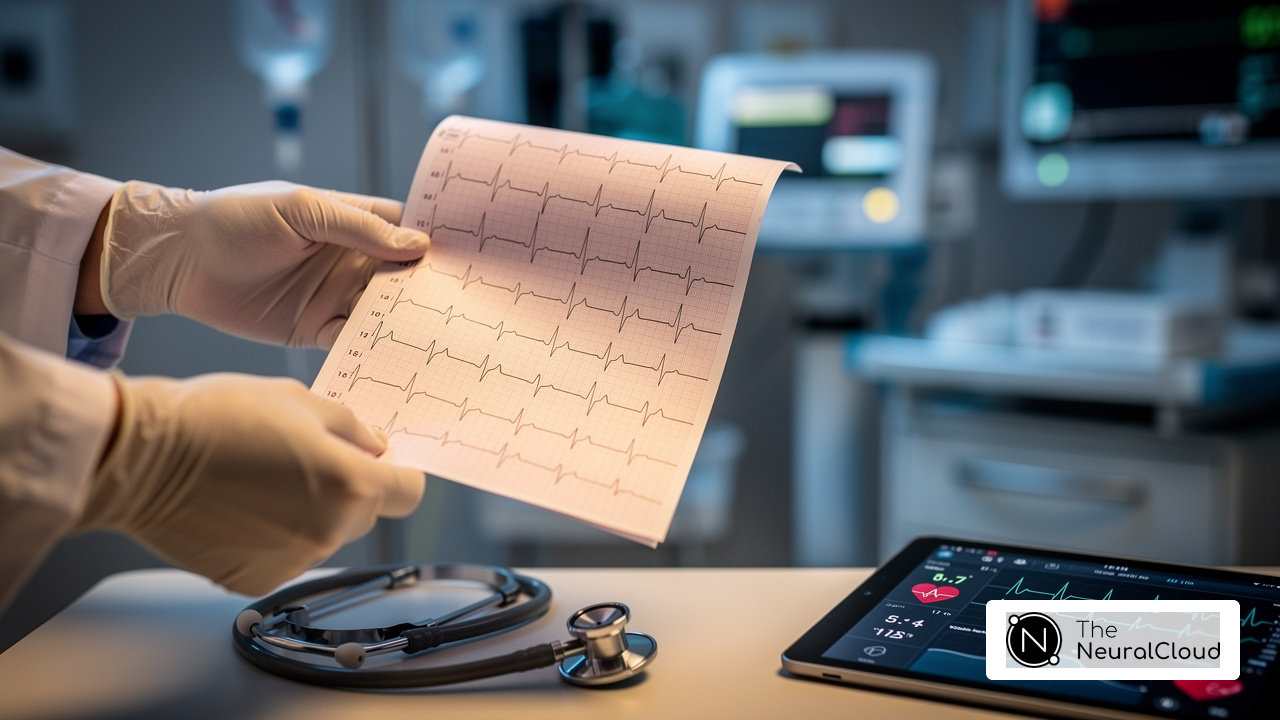
Accurate interpretation of electrocardiograms (EKGs) is crucial for effective patient care, yet many healthcare professionals face challenges in mastering its components. An EKG functions as an essential diagnostic instrument that records the heart's electrical activity over time. Understanding its components - P waves, QRS complexes, and T waves - is vital for accurately interpreting rhythms and identifying potential abnormalities. Each component provides essential insights into heart rate, rhythm, and any ischemic changes or arrhythmias, as well as abnormalities on EKG that may be present. By mastering these fundamentals, healthcare professionals can confidently make informed decisions about patient care and treatment options.
Moreover, the integration of advanced technologies, particularly artificial intelligence (AI), significantly enhances the accuracy and efficiency of EKG interpretation. AI algorithms analyze EKG data with remarkable precision. This capability allows for quicker and more reliable diagnoses. Recent advancements in EKG technology in Canada reflect a growing trend towards incorporating AI-driven solutions, which streamline workflows and enhance outcomes for individuals. Understanding EKG components not only assists in precise diagnosis but also plays a crucial role in improving care outcomes within the Canadian healthcare system. Ultimately, understanding EKG components and leveraging AI technology can transform patient outcomes in the Canadian healthcare landscape.

Identify Common EKG Abnormalities and Their Implications
Identifying common abnormalities on EKG is crucial for effective patient management and improved clinical outcomes. Common EKG abnormalities include:
- Atrial Fibrillation (AFib): This condition is characterized by an irregularly irregular rhythm and poses a significant risk of stroke if not effectively managed. Recent studies indicate that individuals who undergo catheter ablation for AFib are significantly more likely to remain free of abnormal heart rhythms compared to those treated with medication alone. This highlights the importance of timely intervention. With the incorporation of the new system, clinicians can utilize automated ECG labeling to improve the efficiency of AFib detection and management, ensuring compliance with FDA Class II SaMD clearance-pending status.
- ST Segment Elevation: Often indicative of a myocardial infarction, this abnormality requires immediate medical intervention. Prompt recognition and treatment of ST segment elevation can drastically improve outcomes. This reduces the risk of long-term complications. The solution aids in this process by providing clean, crisp signals that facilitate quicker and more accurate assessments.
- Prolonged QT Interval: This condition can lead to life-threatening arrhythmias, necessitating careful monitoring and management. Monitoring prolonged QT intervals can be challenging, often requiring advanced tools to ensure patient safety. Utilizing MaxYield™ allows for enhanced monitoring capabilities, ensuring that clinicians can respond swiftly to any abnormalities.
- Bundle Branch Blocks: These abnormalities can indicate underlying heart disease and disrupt the heart's electrical conduction system. Identifying bundle branch blocks is crucial for evaluating the overall cardiac health of individuals and establishing suitable management strategies. MaxYield™ uses advanced AI technology to accurately identify these blocks, which helps clinicians make better decisions.
Promptly identifying and addressing these abnormalities on EKG is essential. They can greatly influence outcomes and guide clinical decision-making. The Canadian Cardiovascular Society's new guidelines for managing atrial fibrillation emphasize the importance of standardized care, including the use of anticoagulation therapy for patients at high risk of stroke. By leveraging MaxYield™ and Insight360, healthcare providers can enhance their workflow and ensure that they are equipped with the best tools for accurate ECG analysis, transforming clean ECG data into interactive dashboards and clinical-ready reports.

Outline Steps for Interpreting and Responding to Abnormal EKG Results
Interpreting abnormalities on EKG can be challenging for clinicians, but a systematic approach can enhance accuracy. To effectively respond to abnormal EKG results, clinicians should follow these systematic steps:
- Assess the Rate: Confirm whether the pulse rate falls within the normal range of 60-100 beats per minute (bpm).
- Evaluate the Rhythm: Determine if the heart rhythm is regular or irregular, as this can indicate underlying issues.
- Analyze the P Waves: Check for the presence and morphology of P waves preceding each QRS complex, which can reveal atrial activity.
- Measure the QRS Duration: A prolonged QRS duration may suggest a conduction delay, necessitating further investigation.
- Examine the ST Segment: Look for any elevation or depression in the ST segment, which can signify ischemia or myocardial infarction.
- Consider Clinical Context: Correlate EKG findings with the individual's symptoms and medical history to provide a comprehensive assessment.
- Plan Further Action: Based on the findings, determine the need for immediate interventions or additional diagnostic testing.
This structured approach helps ensure accurate diagnoses and improves how patients are managed. In Canada, it's crucial to adhere to clinical guidelines for EKG interpretation, especially since studies show a significant percentage of misinterpretations, with 39% of ECGs analyzed incorrectly and 58% of misinterpreted ECGs being false-negative results. As Dr. Darragh O'Carroll notes, 'Sometimes, abnormalities on EKG may indicate a serious issue, such as a heart attack.' Integrating Neural Cloud Solutions' platform can help healthcare professionals enhance their EKG interpretations. This innovative technology reduces the workload associated with manual analysis and provides crisp, filtered ECG signals, addressing challenges such as physiological variability and signal artifacts. Furthermore, with FDA Class II SaMD clearance-pending status and audit-ready documentation supporting GxP inspections, the product ensures compliance and reliability in clinical settings. By following these steps and utilizing MaxYield™, healthcare professionals can mitigate risks associated with misdiagnosis and enhance outcomes for individuals.

Integrate Advanced Technologies for Enhanced EKG Analysis
Despite the advancements in EKG analysis, traditional methods still face challenges that can hinder accurate diagnosis. The integration of advanced technologies, such as AI and machine learning, offers numerous benefits that significantly enhance diagnostic capabilities:
- Automated Interpretation: AI algorithms can rapidly analyze EKG data, identifying abnormalities that may be overlooked by human eyes. This capability is crucial, as studies indicate that AI-ECG systems can achieve diagnostic accuracy superior to traditional methods, improving the detection of various cardiac conditions.
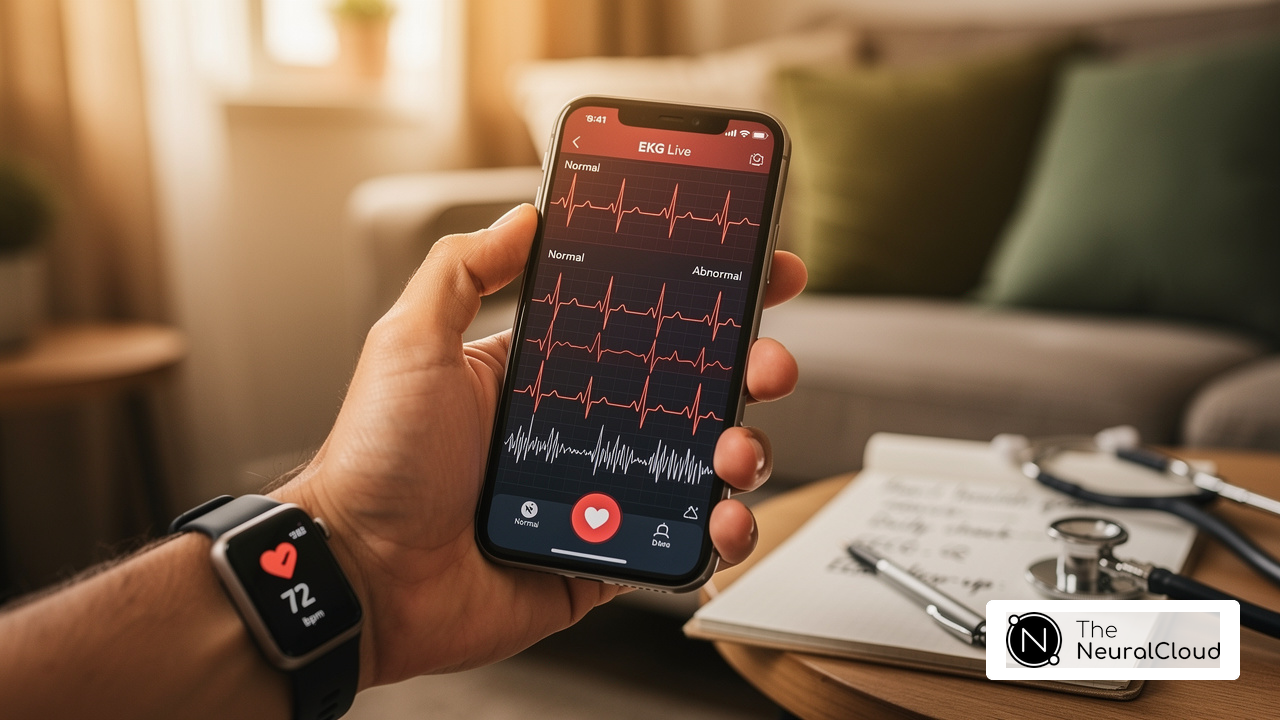
- Real-Time Monitoring: Wearable devices continuously monitor heart rhythms, providing healthcare providers with immediate alerts to potential issues. This proactive approach is essential in managing care, especially in environments where timely intervention can prevent adverse outcomes.
- Data Integration: Advanced systems aggregate data from multiple sources, offering a comprehensive view of an individual's cardiac health. This holistic perspective is essential for effective treatment planning and monitoring.
- Predictive Analytics: Machine learning models analyze historical EKG data to predict the likelihood of future cardiac events. This predictive capability can guide clinicians in making informed decisions about managing individuals.
Embracing these technologies not only enhances diagnostic capabilities but also transforms patient care, paving the way for better health outcomes. The ongoing evolution of AI in the EKG market, particularly in Canada, underscores the importance of these innovations in advancing cardiovascular health.

Conclusion
In the fast-paced world of healthcare, mastering EKG interpretation is vital for delivering exceptional patient care. Clinicians can significantly enhance their diagnostic accuracy and efficiency by understanding the fundamental components of EKGs. Leveraging advanced technologies like AI and machine learning further supports this goal. Current workflows can be cumbersome, often leading to delays in patient care. This integration streamlines those workflows and improves patient outcomes, especially in the Canadian healthcare context.
Throughout the article, we've highlighted key points, including:
- The identification of common EKG abnormalities like atrial fibrillation and ST segment elevation.
- A systematic approach to interpreting abnormal results.
The discussion on the role of advanced technologies, such as MaxYield™ and Insight360, emphasizes their importance in facilitating accurate diagnoses and timely interventions. Adopting these tools enhances patient management and adherence to clinical guidelines, minimizing the potential for diagnostic errors.
Mastering EKG interpretation and integrating cutting-edge technology is crucial for effective patient care. As cardiovascular health evolves, embracing these advancements is essential for clinicians, researchers, and diagnostic facilities. By prioritizing education and technology in EKG analysis, the healthcare community can ensure that patients receive the highest standard of care, paving the way for a healthier future.
Frequently Asked Questions
Why is accurate interpretation of EKGs important for patient care?
Accurate interpretation of electrocardiograms (EKGs) is crucial for effective patient care as it helps healthcare professionals identify heart rate, rhythm, and potential abnormalities, leading to informed decisions about patient treatment options.
What are the main components of an EKG?
The main components of an EKG include P waves, QRS complexes, and T waves. Each component provides essential insights into the heart's electrical activity and can indicate ischemic changes or arrhythmias.
How do EKG components assist in diagnosing heart conditions?
Understanding EKG components allows healthcare professionals to accurately interpret rhythms and identify potential abnormalities, which is vital for diagnosing heart conditions and improving patient care outcomes.
What role does artificial intelligence (AI) play in EKG interpretation?
AI enhances the accuracy and efficiency of EKG interpretation by analyzing EKG data with remarkable precision, allowing for quicker and more reliable diagnoses.
How is EKG technology evolving in Canada?
Recent advancements in EKG technology in Canada reflect a growing trend towards incorporating AI-driven solutions, which streamline workflows and enhance outcomes for patients.
What is the impact of mastering EKG fundamentals on patient outcomes?
Mastering EKG fundamentals and leveraging AI technology can significantly transform patient outcomes within the Canadian healthcare landscape by improving diagnostic accuracy and care delivery.
List of Sources
- Clarify EKG Fundamentals and Importance
- AI-ECG Momentum and Rising Competition Reshape Diagnostic Cardiology in 2026 (https://signifyresearch.net/insights/diagnostic-cardiology-market-bouncing-into-2026)
- WELL Health Partners with AliveCor to Bring AI-Powered Cardiac Monitoring and Cardiologist Oversight to Canadians (https://finance.yahoo.com/sectors/healthcare/articles/well-health-partners-alivecor-bring-110000835.html)
- News | CardioSTAT (https://cardiostat.com/news)
- ECG (https://dicardiology.com/channel/ecg)
- Identify Common EKG Abnormalities and Their Implications
- Health Canada Approves RF Ablation System for Atrial Fibrillation (https://dicardiology.com/content/health-canada-approves-rf-ablation-system-atrial-fibrillation)
- New study reveals a better way to get the heart back on beat - UBC Faculty of Medicine (https://med.ubc.ca/news/new-study-reveals-a-better-way-to-get-the-heart-back-on-beat)
- Landmark Canadian-led trial finds many atrial fibrillation patients can stop taking blood thinners | McGill University Health Centre (https://muhc.ca/news-and-patient-stories/news/landmark-canadian-led-trial-finds-many-atrial-fibrillation-patients)
- Better measurement, better care for atrial fibrillation - News - PHRI (https://phri.ca/better-measurement-better-care-for-atrial-fibrillation)
- eurekalert.org (https://eurekalert.org/news-releases/730912)
- Outline Steps for Interpreting and Responding to Abnormal EKG Results
- Abnormal EKG: Results, causes, and next steps (https://medicalnewstoday.com/articles/324922)
- Checking your browser - reCAPTCHA (https://pmc.ncbi.nlm.nih.gov/articles/PMC12137353)
- Next Steps After an Abnormal EKG: What You Need to Know | Joliet, IL (https://primarycarejoliet.com/blog/next-steps-after-an-abnormal-ekg-what-you-need-to-know)
- Integrate Advanced Technologies for Enhanced EKG Analysis
- ECG market keeps evolving thanks to AI, home monitoring and Epic integration (https://signifyresearch.net/2026/02/13/ecg-market-keeps-evolving-thanks-to-ai-home-monitoring-and-epic-integration)
- Three New Studies Show Viz.ai’s Cardio Suite Speeds Detection of Cardiac Disease and Improves Patient Follow-Up (https://viz.ai/news/three-new-studies-show-viz-ais-cardio-suite-speeds-detection-of-cardiac-disease-and-improves-patient-follow-up)
- How is AI transforming ECG interpretation? | AI ECG (https://powerfulmedical.com/blog/how-is-ai-transforming-ecg-interpretation)
- AI-powered electrocardiogram detects early signs of heart failure (https://utsouthwestern.edu/newsroom/articles/year-2026/may-ai-powered-electrocardiogram.html)