Introduction
Inaccurate EKG interpretations can lead to serious consequences for patient care, making mastery of sinus interpretation essential for health tech developers. By understanding fundamental concepts and implementing effective techniques, developers can create tools that significantly improve EKG analysis, ultimately benefiting clinicians and patients alike. With high misinterpretation rates and rapidly evolving technology, developers must find ways to ensure their solutions are reliable and effective in today's complex healthcare landscape.
Understand Basic EKG Concepts and Terminology
To develop effective health tech solutions for EKG sinus analysis, programmers must first understand the essential concepts and terminology associated with electrocardiograms. Key components include:
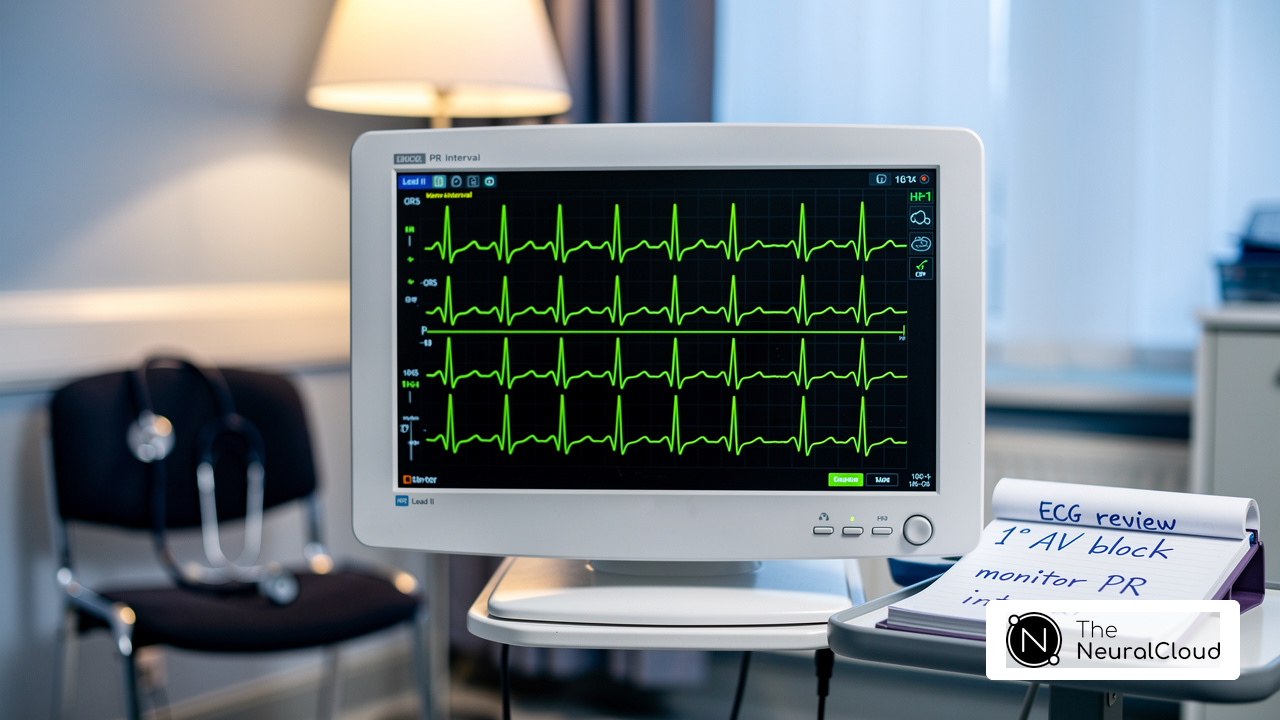
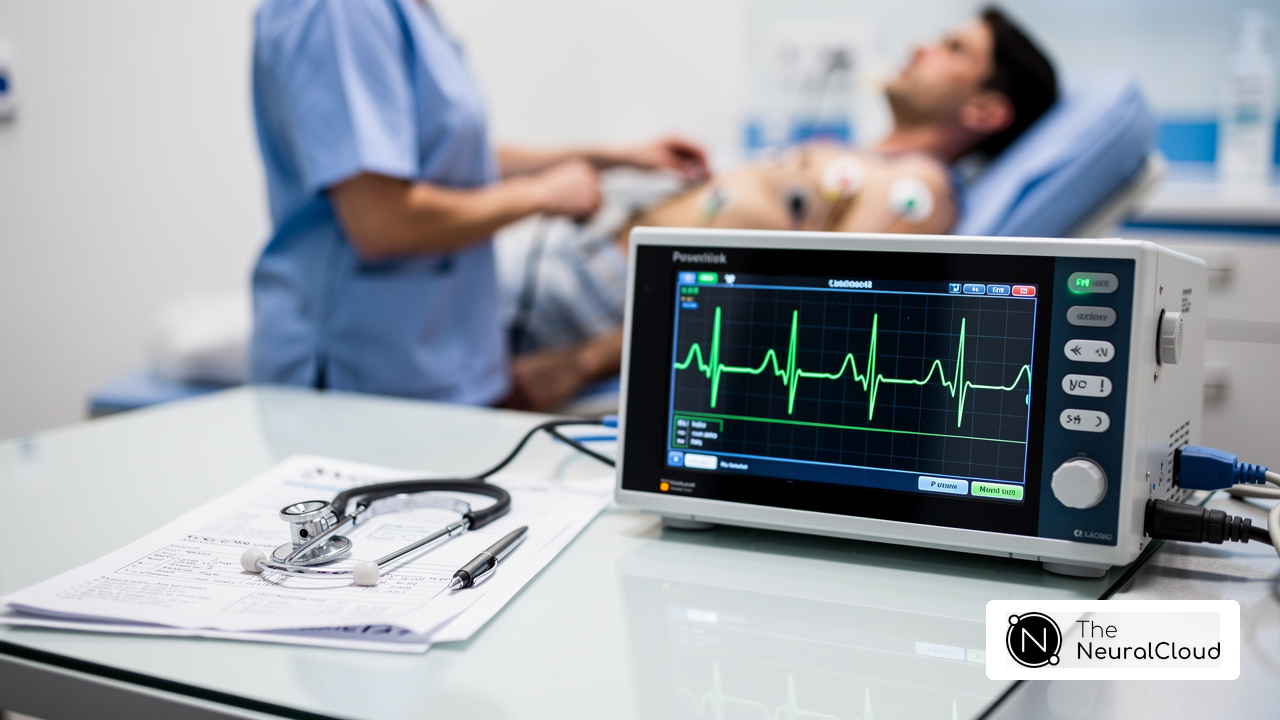
- P Wave: This represents atrial depolarization, indicating the electrical activity that triggers atrial contraction. Abnormalities in the P wave can signal significant clinical issues, such as left atrial enlargement, often linked to conditions like systemic hypertension.
- QRS Complex: Reflecting ventricular depolarization, the QRS complex is crucial for understanding the heart's pumping action. Variations in the QRS duration can indicate underlying cardiac conditions, making its accurate interpretation vital for diagnosis.
- T Wave: This indicates ventricular repolarization, essential for the heart's recovery phase. Changes in T wave morphology can suggest various cardiac issues, including ischemia or electrolyte imbalances, and are strong predictors of cardiovascular events.
- Heart Rate: The number of beats per minute can be calculated using various methods, such as the R-R interval. Maintaining a normal heart rate is linked to improved health outcomes, with research indicating that individuals spend an average of 38.2% of their days in normal sinus rhythm (NSR).
By mastering these terms, programmers can significantly improve the accuracy and reliability of EKG sinus analysis tools, ultimately benefiting patient outcomes. For instance, a programmer creating an EKG sinus analysis tool should incorporate algorithms that recognize these waveforms and their significance in cardiac health. Successful EKG analysis tools developed for healthcare professionals in Canada have demonstrated the importance of integrating these fundamental concepts into their design, ultimately enhancing patient care and outcomes.

Implement Effective Techniques for Accurate EKG Analysis
Achieving accurate EKG sinus analysis remains a challenge for healthcare professionals, often hindered by high misinterpretation rates and variability in device performance. To address these issues, developers should implement several effective techniques:
- Standardized Protocols: Adopting standardized protocols for EKG acquisition and interpretation is essential for ensuring consistency and reliability across various devices and settings. Following guidelines from organizations like the American Heart Association can significantly enhance the accuracy of EKG sinus readings. In Canada, studies have shown that adherence to standardized protocols can reduce misinterpretation rates, which are notably high, with 39% of ECGs analyzed incorrectly. High misinterpretation rates in EKG sinus analysis pose significant challenges for healthcare professionals, resulting in potential misdiagnoses and ineffective treatments.
Automated algorithms utilizing AI-driven technology can markedly enhance the accuracy of EKG sinus assessment by minimizing human error and accelerating analysis. For instance, machine learning models have been successfully implemented in Canadian medical environments, demonstrating a significant increase in diagnostic accuracy. One study revealed that AI-enhanced ECG interpretation improved STEMI detection accuracy from 71% to 92%, showcasing the potential of these technologies to transform cardiac diagnostics.
- Quality Control Measures: It's essential to have strong quality control measures in place, like regularly calibrating EKG machines and training staff thoroughly, to keep the data we collect reliable. This practice ensures that EKG sinus readings are not only accurate but also clinically relevant, ultimately leading to improved patient outcomes. In Canada, the integration of quality control protocols has been linked to a reduction in false-positive rates, which can lead to unnecessary procedures and increased healthcare costs.
By integrating these techniques, health tech developers can greatly improve the reliability of EKG sinus analysis, which leads to better patient care and outcomes.

Leverage Advanced Technologies for Enhanced EKG Workflows
Despite advancements in healthcare technology, many developers struggle to effectively optimize EKG sinus workflows. Health tech developers can leverage advanced technologies to enhance EKG workflows in several impactful ways:
- Integration with Existing Systems: Solutions that seamlessly integrate with current EKG machines and hospital information systems facilitate smoother data transfer and analysis. This integration minimizes manual data entry, significantly reducing the potential for errors and improving overall workflow efficiency. For instance, the Kardia 12L ECG system cuts acquisition time by 29 percent compared to standard machines, showcasing the efficiency of real-time monitoring solutions. MaxYield™ acts as a flexible ECG intelligence layer, easily connecting with existing systems through APIs or SDKs, so no hardware changes are needed, further enhancing system compatibility.
- Real-Time Monitoring: Implementing real-time monitoring capabilities allows medical providers to receive immediate alerts for abnormal EKG readings, which is crucial for timely interventions. This capability is particularly beneficial in emergency settings, where an EKG sinus can facilitate a rapid response that can be life-saving. For example, real-time Holter monitors can detect dangerous arrhythmias and alert cardiologists, ensuring prompt action. Technologies like the MoMe ARC platform exemplify innovative solutions that enhance real-time monitoring in EKG sinus workflows. MaxYield™ enhances this process by delivering beat-by-beat analysis, outputting insights from 200,000 heartbeats in less than 5 minutes, thus supporting confident clinical decisions.
- Data Visualization Tools: Utilizing advanced data visualization tools improves the understanding of EKG data. Customizable dashboards and graphical representations of EKG sinus trends empower healthcare professionals to make informed decisions quickly. Incorporating Insight360, the customizable visualization and reporting tool, transforms MaxYield’s clean ECG data into interactive dashboards and clinical-ready reports, significantly improving the overall efficiency of cardiac care.
However, many developers face hurdles in ensuring compatibility with existing systems. By addressing these challenges, developers can significantly enhance patient care and streamline clinical workflows. Expert endorsements from Dr. Alan Rabinowitz, Dr. Brett Heilbron, and Dr. Marc W. Deyell highlight that MaxYield™ competes with human analysis in precision and significantly diminishes noise, further supporting its incorporation into clinical workflows. Furthermore, tackling possible obstacles in the execution of these technologies can assist creators in steering clear of typical mistakes and guarantee effective incorporation into current medical systems, all while complying with regulatory standards, including FDA Class II SaMD clearance-pending status and audit-ready documentation supporting GxP inspections.

Prioritize Continuous Education and Training in EKG Interpretation
To effectively utilize EKG sinus interpretation tools, healthcare professionals must overcome the challenge of staying updated with evolving techniques and technologies.
Regular training sessions for healthcare providers on the latest EKG sinus interpretation techniques are crucial for boosting their skills and confidence. These sessions can include workshops, webinars, and hands-on training, which have been shown to significantly improve knowledge and practical application among participants.
Providing extensive access to educational resources, such as online courses, tutorials, and reference documents, is vital for keeping medical professionals informed about best practices in EKG sinus analysis. This is particularly important as technology and clinical guidelines evolve, ensuring that practitioners remain competent in their skills.
- Feedback Mechanisms: Incorporating feedback mechanisms within EKG analysis tools can help users identify areas for improvement and reinforce their learning. For instance, integrating quizzes or assessments encourages users to actively apply their knowledge, thereby enhancing their skills and confidence in real-world scenarios.
Fostering a culture of continuous education helps medical professionals maximize the effectiveness of EKG sinus analysis tools, which leads to improved patient outcomes. Recent studies indicate that structured educational initiatives can bridge significant gaps in EKG sinus interpretation proficiency, particularly among healthcare professionals in Canada, where ongoing training is essential for maintaining high clinical standards.

Conclusion
For health tech developers, mastering EKG sinus interpretation is not just beneficial; it's essential for creating effective patient care solutions. By understanding the fundamental concepts and terminology associated with electrocardiograms, developers can build tools that significantly improve the accuracy and reliability of EKG analysis. Understanding these basics is key to tackling the complexities of cardiac health and ensuring that healthcare professionals can make informed decisions based on precise data.
The article highlights several key strategies for achieving accurate EKG analysis, including:
- Implementation of standardized protocols
- Integration of advanced technologies
- Prioritization of continuous education
By adopting these best practices, developers can achieve:
- Reduced misinterpretation rates
- Enhanced workflow efficiency
- Improved patient outcomes
The use of AI-driven algorithms and real-time monitoring capabilities further exemplifies how technology can transform EKG workflows, making them more effective and reliable.
In conclusion, the significance of ongoing education and training in EKG interpretation cannot be overstated. With the rapid evolution of healthcare technology, staying informed and skilled in the latest techniques is crucial for professionals. By fostering a culture of continuous learning and integrating advanced technologies, health tech developers can redefine EKG analysis, paving the way for superior patient care across Canada. Embracing these best practices will not only enhance the capabilities of EKG interpretation tools but also contribute to the overall advancement of healthcare technology.
Frequently Asked Questions
What is the significance of the P Wave in EKG analysis?
The P Wave represents atrial depolarization, indicating the electrical activity that triggers atrial contraction. Abnormalities in the P wave can signal significant clinical issues, such as left atrial enlargement, often linked to conditions like systemic hypertension.
What does the QRS Complex indicate in an electrocardiogram?
The QRS Complex reflects ventricular depolarization and is crucial for understanding the heart's pumping action. Variations in the QRS duration can indicate underlying cardiac conditions, making its accurate interpretation vital for diagnosis.
What information does the T Wave provide in EKG readings?
The T Wave indicates ventricular repolarization, which is essential for the heart's recovery phase. Changes in T wave morphology can suggest various cardiac issues, including ischemia or electrolyte imbalances, and are strong predictors of cardiovascular events.
How is heart rate calculated from an EKG?
Heart rate can be calculated using various methods, such as the R-R interval, which measures the time between successive R waves in the QRS complex.
Why is maintaining a normal heart rate important?
Maintaining a normal heart rate is linked to improved health outcomes. Research indicates that individuals spend an average of 38.2% of their days in normal sinus rhythm (NSR).
How can understanding EKG terminology benefit programmers developing health tech solutions?
By mastering EKG terminology, programmers can significantly improve the accuracy and reliability of EKG sinus analysis tools, ultimately benefiting patient outcomes. Incorporating algorithms that recognize key waveforms and their significance in cardiac health is essential for effective tool design.
What impact have successful EKG analysis tools had on healthcare professionals in Canada?
Successful EKG analysis tools developed for healthcare professionals in Canada have demonstrated the importance of integrating fundamental EKG concepts into their design, ultimately enhancing patient care and outcomes.
List of Sources
- Understand Basic EKG Concepts and Terminology
- AI could safely replace human analysis of ambulatory ECG - News - PHRI (https://phri.ca/draimartini)
- theneuralcloud.com (https://theneuralcloud.com/post/10-basic-ekg-rhythms-every-health-tech-developer-should-know)
- P wave - StatPearls - NCBI Bookshelf (https://ncbi.nlm.nih.gov/books/NBK551635)
- ECG (https://dicardiology.com/channel/ecg)
- AI-ECG Finds STEMI Faster, Cuts False-Positive Cath Lab Activations (https://tctmd.com/news/ai-ecg-finds-stemi-faster-cuts-false-positive-cath-lab-activations)
- Implement Effective Techniques for Accurate EKG Analysis
- How Accurate ECG Interpretation Can Mitigate Healthcare Costs (https://gehealthcare.com/en-ca/insights/article/how-accurate-ecg-interpretation-can-mitigate-healthcare-costs?srsltid=AfmBOor4BVYalEE64gZ7NcC_p1sSBijk-EnLXDJSxyQNY7s8X-6Nz_mG)
- theneuralcloud.com (https://theneuralcloud.com/post/master-ekg-abnormalities-integrate-tech-for-accurate-analysis)
- PMcardio: AI ECG & Cardiac Care Platform (https://powerfulmedical.com)
- The ECG: old test, new possibilities - Canadian Journal of Emergency Medicine (https://link.springer.com/article/10.1007/s43678-024-00822-0)
- AI-Enabled ECG Analysis Improves Diagnostic Accuracy and Reduces False STEMI Activations: A Multicenter U.S. Registry | PMcardio: AI-Powered ECG Interpretation | Powerful Medical (https://powerfulmedical.com/research/ai-enabled-ecg-analysis-improves-diagnostic-accuracy-and-reduces-false-stemi-activations-a-multicenter-u-s-registry)
- How Accurate ECG Interpretation Can Mitigate Healthcare Costs (https://gehealthcare.com/en-ca/insights/article/how-accurate-ecg-interpretation-can-mitigate-healthcare-costs?srsltid=AfmBOooKxpbf2Q881Omf-PSiOfHIM4QnkmjDn2U3rRz3xHtdLEmUTUBX)
- Leverage Advanced Technologies for Enhanced EKG Workflows
- The latest innovations in ECG technology and analysis - Norav Medical (https://noravmedical.com/advancements-in-ecg-technology-exploring-the-latest-innovations-in-ecg-analysis)
- GE HealthCare to showcase latest cardiology care technology (https://todaysmedicaldevelopments.com/news/ge-healthcare-showcase-latest-cardiology-care-technology)
- Technological Advancements in Cardiology: Improved Monitoring (https://bstquarterly.com/article/technological-advancements-in-cardiology-improved-monitoring)
- Advances in Cardiac ECG Monitoring Technologies (https://dicardiology.com/channel/advances-cardiac-ecg-monitoring-technologies)
- theneuralcloud.com (https://theneuralcloud.com/post/master-ekg-abnormalities-integrate-tech-for-accurate-analysis)
- Prioritize Continuous Education and Training in EKG Interpretation
- ECG Interpretation Proficiency of Healthcare Professionals (https://mayoclinic.elsevierpure.com/en/publications/ecg-interpretation-proficiency-of-healthcare-professionals)
- Bridging ECG learning with emerging technologies: Advancing clinical excellence (https://mayoclinic.elsevierpure.com/en/publications/bridging-ecg-learning-with-emerging-technologies-advancing-clinic)
- Predictors of ECG Interpretation Proficiency in Healthcare Professionals - PubMed (https://pubmed.ncbi.nlm.nih.gov/37544624)
- The Importance Of ECG Interpretation In Critical Care Settings | Tricog Health (https://tricog.com/the-importance-of-ecg-interpretation-in-critical-care-settings?srsltid=AfmBOooUhuxDCaSxNk8WRhiCTLcRp91u-dbX7bc44m5GsplkWwPh02av)
- The Importance Of ECG Interpretation In Critical Care Settings | Tricog Health (https://tricog.com/the-importance-of-ecg-interpretation-in-critical-care-settings?srsltid=AfmBOopq5A6X0entSGfeqKYPaxnKOHdIElx5HHjOV2oWdq1-Y0XTlQQa)
- Exploring Factors Influencing ECG Interpretation Proficiency of Medical Professionals (https://sciencedirect.com/science/article/abs/pii/S0146280623002827)