Introduction
As Atrial fibrillation (A-Fib) becomes increasingly prevalent among older populations in Canada, the challenges in EKG analysis are intensifying. For health tech developers, mastering the intricacies of EKG signals associated with A-Fib is essential for creating effective diagnostic tools. But how can developers accurately interpret the chaotic A-Fib patterns and use AI to improve diagnostic precision? This article explores best practices that empower developers to navigate these complexities and enhance patient outcomes in cardiovascular care.
Understand EKG Signals in A-Fib
Atrial fibrillation presents significant challenges in ECG analysis due to its chaotic electrical activity and irregular heartbeat patterns. Comprehending the EKG with afib patterns associated with atrial fibrillation is crucial for developers seeking to design efficient diagnostic tools. Key features of EKG signals in A-Fib include:
- Irregularly Irregular Rhythm: A-Fib presents with an irregularly irregular rhythm, meaning the intervals between heartbeats vary unpredictably, which is a hallmark of this condition.
- Absence of P Waves: In atrial fibrillation, P waves are typically absent, serving as a critical diagnostic indicator. Instead, the EKG may display fibrillatory waves - rapid oscillations that signify chaotic atrial activity.
- Variable Ventricular Rate: The ventricular response varies significantly, often leading to a rapid heart rate that complicates EKG interpretation. This variability highlights the necessity for developers to incorporate adaptive algorithms that can accommodate these fluctuations.
Recent studies indicate that the prevalence of atrial fibrillation is increasing, particularly among older populations, with estimates suggesting that it affects 4% of individuals aged 65 and 12% of those aged 80 and older. This underscores the critical need for precise EKG interpretation in effectively diagnosing atrial fibrillation, particularly when analyzing an EKG with afib. Furthermore, innovative approaches, such as the use of AI in ECG interpretation, are emerging as promising methods to enhance diagnostic accuracy. By comprehending these signals, programmers can greatly enhance the efficiency of their diagnostic instruments, ensuring they can consistently recognize atrial fibrillation in patients. As the prevalence of atrial fibrillation rises, the need for precise and efficient diagnostic tools becomes increasingly critical for healthcare professionals.

Identify Key EKG Features of A-Fib
Diagnosing A-Fib presents unique challenges that require a focused approach to EKG with afib analysis. To effectively diagnose A-Fib, developers must concentrate on several key EKG features:
- Fibrillatory Waves: These small, rapid oscillations replace the P waves in the EKG. Detecting them is essential for an accurate diagnosis, so they become a primary focus for detection algorithms.
- Irregular Ventricular Response: The ventricular rate in atrial fibrillation can vary significantly, often resulting in a rapid heart rate. Algorithms must accommodate this variability to prevent misdiagnosis and ensure reliable readings.
- Absence of a Clear Baseline: In atrial fibrillation, the EKG with afib may appear chaotic due to rapid atrial activity. This characteristic complicates interpretation, highlighting the need for algorithms that can effectively filter out noise and concentrate on relevant signals.
By focusing on these key features, developers can enhance diagnostic accuracy, leading to improved patient outcomes. Integrating these features into diagnostic tools allows developers to enhance the precision and reliability of atrial fibrillation detection. This ultimately leads to better patient outcomes.

Integrate AI-Driven Solutions for Enhanced EKG Analysis
Traditional methods of EKG analysis often fall short in accurately detecting atrial fibrillation, making it a significant challenge for healthcare professionals when interpreting an EKG with afib. AI-driven solutions can significantly enhance EKG with afib analysis, especially for detecting atrial fibrillation. Here are some best practices for integrating AI into EKG analysis:
- Utilize Machine Learning Algorithms: Implement machine learning algorithms that learn from extensive datasets of EKG signals. These algorithms excel at recognizing patterns associated with EKG with AFib. This capability can significantly improve detection rates. For example, a recent AI model showed an area under the curve (AUC) of 0.87 for detecting atrial fibrillation from EKG with AFib, highlighting the potential of AI in improving diagnostic accuracy.
- Incorporate Deep Learning Techniques: Deep learning models, especially convolutional neural networks (CNNs), analyze EKG images and data more effectively than traditional methods. These models automatically extract features related to the detection of atrial fibrillation using EKG with AFib. This reduces the need for manual intervention and boosts efficiency in clinical workflows.
- Continuous Learning and Adaptation: Develop systems that continuously learn from new data. As more EKG signals are analyzed, the AI can refine its algorithms, improving accuracy over time. This adaptability is essential, particularly as the occurrence of atrial fibrillation is anticipated to increase, which can be detected using an EKG with afib, due to an aging population and rising cardiovascular risk factors.
- Collaborate with Cardiologists: Engage with cardiologists during the development process to ensure that AI solutions align with clinical needs and practices. Their insights can guide the design of algorithms that are both effective and user-friendly, ultimately enhancing the integration of AI into existing healthcare systems.
By following these practices, developers can create AI-driven solutions that improve EKG analysis accuracy and efficiency. This ultimately leads to better patient care. Case studies have demonstrated that AI-enhanced ECG interpretation can detect significantly more cases of EKG with afib than traditional methods, highlighting the transformative potential of these technologies in cardiovascular diagnostics. The integration of AI in EKG analysis not only enhances detection rates but also paves the way for a new standard in cardiovascular diagnostics.

Utilize Visualization Tools for Effective Reporting
Interpreting EKG data can be challenging, often leading to misdiagnosis or delayed treatment. Effective visualization of EKG data is essential for improving interpretability and supporting clinical decision-making. Here are key best practices for utilizing visualization tools:
- Create Customizable Dashboards: Design dashboards that empower healthcare professionals to tailor their views of EKG data. This flexibility helps users focus on the most relevant information for their clinical needs.
- Incorporate Interactive Elements: Implement interactive features in visualizations, such as zooming and filtering options, enabling users to delve into EKG data in greater detail. This interactivity aids clinicians in identifying patterns and anomalies more effectively.
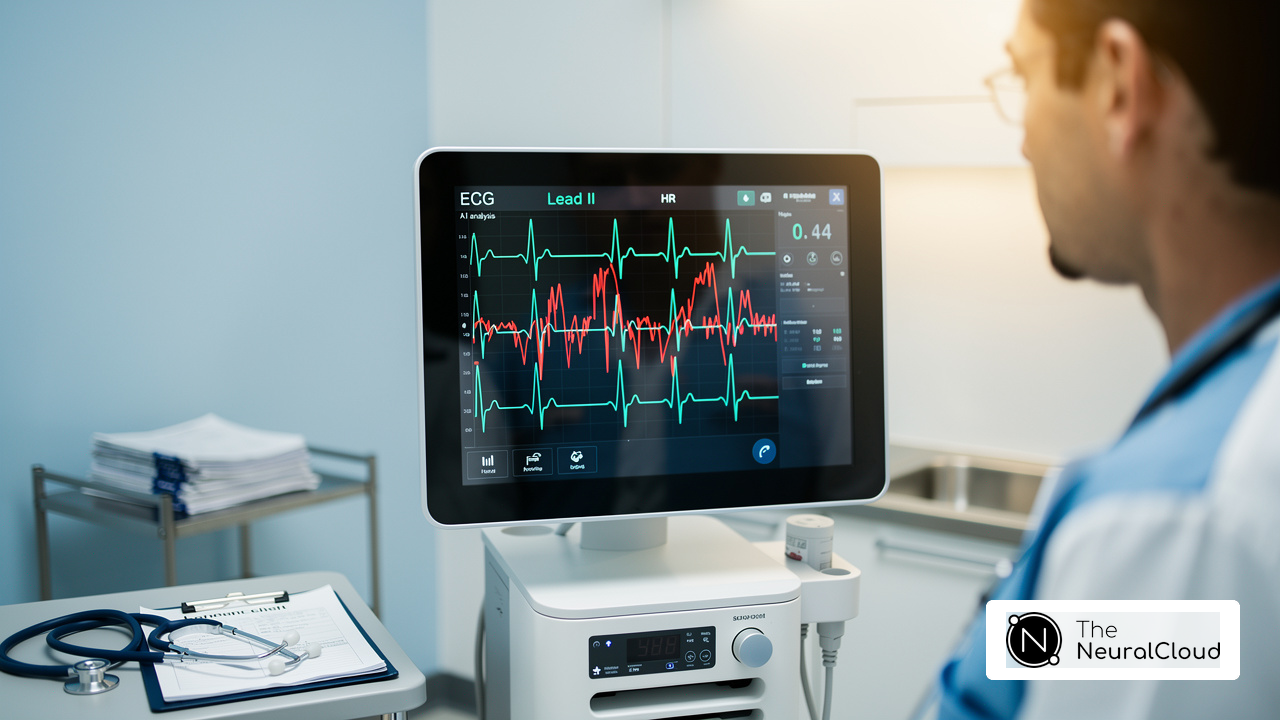
- Highlight Key Features: Ensure that visualizations prominently display critical aspects of EKG signals, such as the absence of P waves or irregular rhythms. This focus can facilitate the rapid identification of potential cases of EKG with AFib.
- Provide Contextual Information: Include relevant contextual data alongside visualizations, such as patient history or previous EKG results. This supplementary information can enhance interpretation and inform decision-making.
By adopting these visualization practices, developers can greatly enhance EKG analysis tools, leading to improved patient care. For instance, the integration of customizable dashboards has been shown to enhance the speed and accuracy of EKG data analysis, as evidenced by the experiences of over 100,000 clinicians utilizing advanced platforms in clinical settings. Such enhancements not only streamline workflows but also contribute to better patient outcomes in cardiovascular care.

Conclusion
Accurate diagnosis of atrial fibrillation remains a challenge for many healthcare professionals due to the complexity of EKG signals. Recognizing key features is crucial. These include:
- Irregular rhythms
- The absence of P waves
- Variable ventricular rates
By focusing on these elements, developers can enhance the accuracy of their tools, ultimately improving patient outcomes in the context of atrial fibrillation diagnosis.
Let’s look at some best practices, like integrating AI-driven solutions and using effective visualization techniques. Utilizing machine learning and deep learning can significantly improve the detection of atrial fibrillation. Customizable dashboards and interactive visualizations can aid clinicians in interpreting EKG data more effectively. These advancements not only streamline the diagnostic process but also ensure that healthcare professionals are equipped with the tools necessary to provide timely and accurate care.
With atrial fibrillation becoming more common, the demand for innovative and precise diagnostic solutions is growing. Developers are encouraged to embrace these best practices and collaborate with clinical experts to refine their tools. By doing so, they can contribute to a future where EKG analysis is not only more accurate but also more accessible, ultimately leading to better health outcomes for patients across Canada.
Frequently Asked Questions
What is atrial fibrillation (A-Fib) and why is it challenging for ECG analysis?
Atrial fibrillation is a condition characterized by chaotic electrical activity and irregular heartbeat patterns, making ECG analysis challenging due to its irregularly irregular rhythm and absence of P waves.
What are the key features of EKG signals in A-Fib?
The key features of EKG signals in A-Fib include an irregularly irregular rhythm, absence of P waves, and a variable ventricular rate, which complicates EKG interpretation.
How does the absence of P waves affect the diagnosis of A-Fib?
The absence of P waves in atrial fibrillation serves as a critical diagnostic indicator, with the EKG instead displaying fibrillatory waves that signify chaotic atrial activity.
What is the significance of the variable ventricular rate in A-Fib?
The variable ventricular rate in A-Fib can lead to a rapid heart rate, highlighting the need for developers to create adaptive algorithms that can accommodate these fluctuations for accurate EKG interpretation.
What is the prevalence of atrial fibrillation among older populations?
Recent studies indicate that atrial fibrillation affects approximately 4% of individuals aged 65 and 12% of those aged 80 and older, emphasizing the need for precise EKG interpretation.
How can AI enhance the diagnosis of atrial fibrillation?
Innovative approaches, such as the use of AI in ECG interpretation, are emerging as promising methods to enhance diagnostic accuracy, helping programmers improve the efficiency of diagnostic instruments for recognizing atrial fibrillation.
Why is precise EKG interpretation critical for healthcare professionals?
As the prevalence of atrial fibrillation rises, the need for precise and efficient diagnostic tools becomes increasingly critical for healthcare professionals to effectively diagnose and manage the condition.
List of Sources
- Understand EKG Signals in A-Fib
- New study reveals a better way to get the heart back on beat - UBC Faculty of Medicine (https://med.ubc.ca/news/new-study-reveals-a-better-way-to-get-the-heart-back-on-beat)
- One moment, please... (https://ccs.ca/guideline/2020-atrial-fibrillation/chapter-2-epidemiology)
- Improving Outcomes for People with Atrial Fibrillation - InventUM (https://news.med.miami.edu/improving-outcomes-for-people-with-atrial-fibrillation)
- Tempus Announces Multi-Center Validation of AI-Enabled ECG Model for Predicting Atrial Fibrillation Risk Published in Heart Rhythm (https://tempus.com/news/pr/tempus-announces-multi-center-validation-of-ai-enabled-ecg-model-for-predicting-atrial-fibrillation-risk-published-in-heart-rhythm?srsltid=AfmBOorwdkxFZXp6EEH410E89SOi6-cAKAE_Rypb35PmN7RTrmaWmYYl)
- Identify Key EKG Features of A-Fib
- AliveCor Mobile ECG Shows Momentum as Tool for AFib Detection (https://dicardiology.com/content/alivecor-mobile-ecg-shows-momentum-tool-afib-detection)
- Heart Rhythm 2023 Highlights Latest Advances in Pulsed Field Ablation - HRS (https://hrsonline.org/news/pulsed-field-ablation-advances)
- Arrhythmia Update 2024 Conference - News - PHRI (https://phri.ca/au24)
- Improving Outcomes for People with Atrial Fibrillation - InventUM (https://news.med.miami.edu/improving-outcomes-for-people-with-atrial-fibrillation)
- New Technologies for Detection and Management of Atrial Fibrillation - PMC (https://pmc.ncbi.nlm.nih.gov/articles/PMC8260036)
- Integrate AI-Driven Solutions for Enhanced EKG Analysis
- AI Screening for Atrial Fibrillation Shows 90% Accuracy at HRS (https://mddionline.com/cardiovascular/ai-powered-atrial-fibrillation-detection-how-machine-learning-is-transforming-cardiac-care-through-ecg-analysis)
- New AI-powered Algorithm Could Better Assess People’s Risk of Common Heart Condition (https://dicardiology.com/content/new-ai-powered-algorithm-could-better-assess-peoples-risk-common-heart-condition)
- Investigating the Efficacy of AI-Powered Innovations in ECG Analysis and Continuous Heart Monitoring: A Comprehensive Narrative Review - PMC (https://pmc.ncbi.nlm.nih.gov/articles/PMC12419789)
- Application of Artificial Intelligence in the Early Detection and Management of Atrial Fibrillation: State-of-the-art Review (https://ecrjournal.com/articles/application-artificial-intelligence-early-detection-and-management-atrial-fibrillation?language_content_entity=en)
- Heart Rhythm 2025 Features Advances in AI that Enhance Safety of Atrial Fibrillation Treatment - HRS (https://hrsonline.org/news/hr2025-features-advanced-ai-safety-afib-treatment)
- Utilize Visualization Tools for Effective Reporting
- From data to display, Pitt is giving the EKG an upgrade (https://pittwire.pitt.edu/features-articles/2025/11/04/machine-learning-heart-attack-diagnosis)
- PMcardio: AI ECG & Cardiac Care Platform (https://powerfulmedical.com)
- ECG market keeps evolving thanks to AI, home monitoring and Epic integration (https://cardiovascularbusiness.com/topics/cardiac-imaging/electrocardiography-ecg/ecg-market-keeps-evolving-thanks-ai-home-monitoring-and-epic-integration)
- medicalgorithmics.com (https://medicalgorithmics.com/medicalgorithmics-receives-approval-for-commercialization-in-canada-for-the-latest-generation-of-deeprhythmai-artificial-intelligence-algorithms)