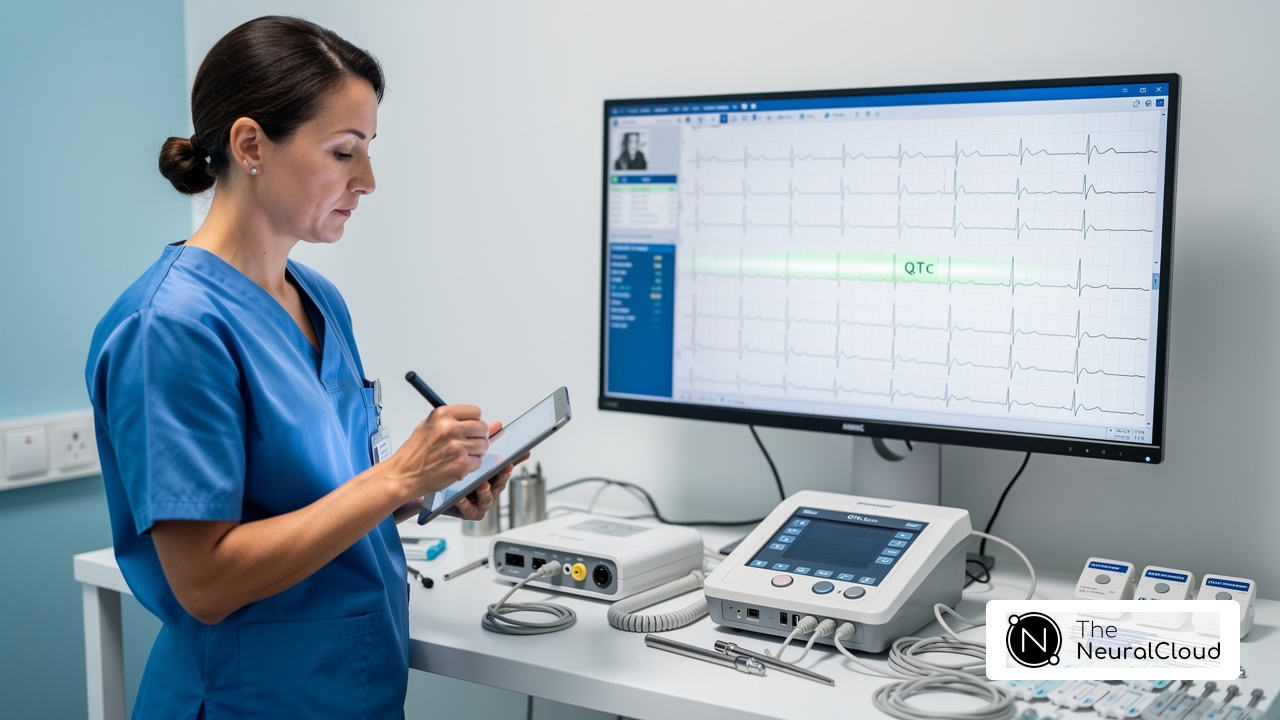
Introduction
Heart arrhythmias present significant risks, as irregular heartbeats can lead to serious health complications such as stroke and heart failure. The ability to swiftly and accurately analyze these conditions is essential for healthcare professionals, especially with the emergence of advanced technologies like MaxYield™. This article explores the transformative capabilities of MaxYield™ in ECG analysis, detailing how its automated processes enhance diagnostic accuracy and improve patient outcomes. Can this innovative platform truly revolutionize the way clinicians evaluate heart arrhythmias, or are there limitations that still require attention?
Define Heart Arrhythmias and Their Clinical Importance
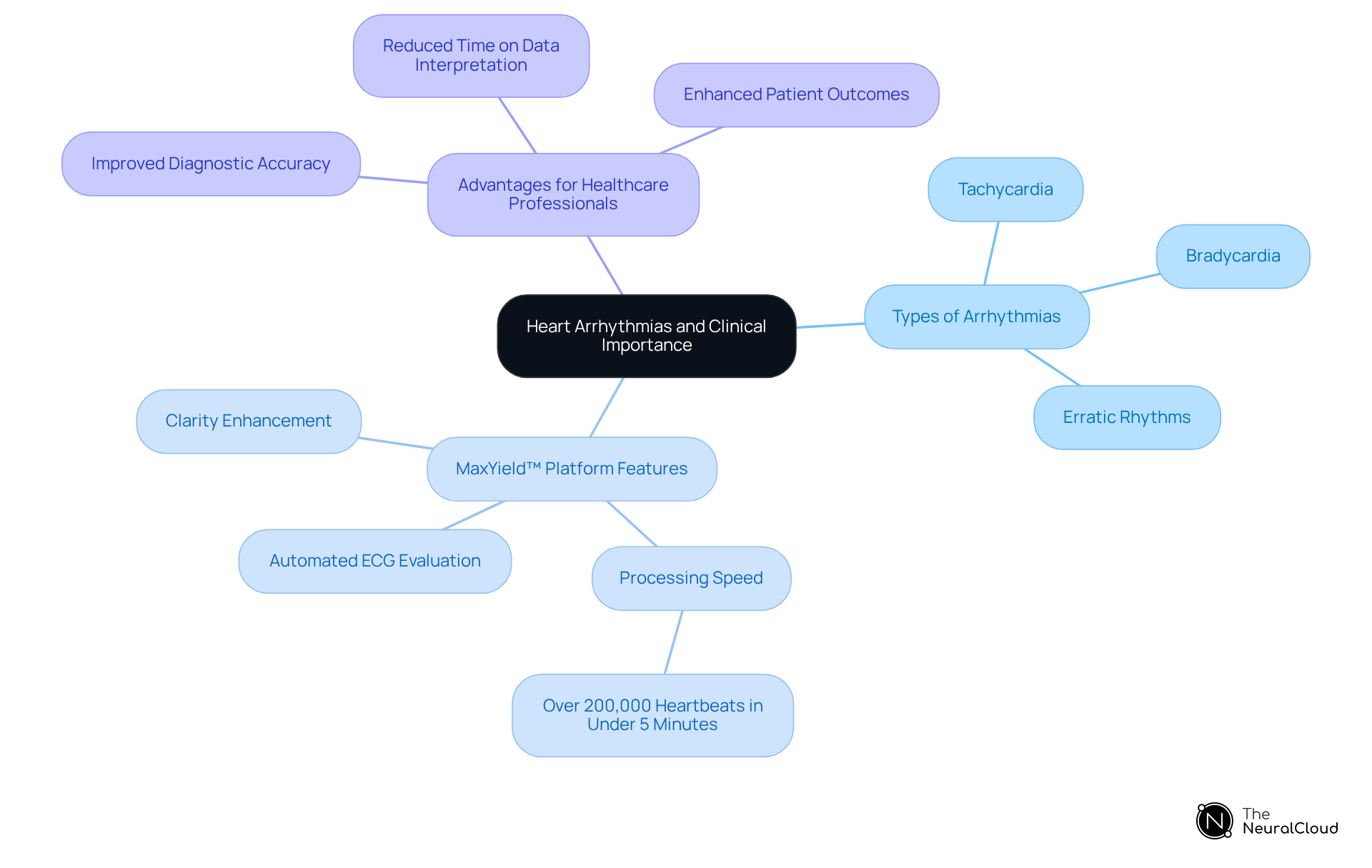
are irregular heartbeats that can manifest as tachycardia (too fast), bradycardia (too slow), or erratic rhythms. Their clinical significance is profound, as these conditions can lead to severe complications such as stroke, heart failure, and sudden cardiac arrest. Understanding various types of arrhythmias—including atrial fibrillation, ventricular tachycardia, and premature ventricular contractions—is crucial for healthcare professionals. Precise identification through ECG analysis is essential for prompt interventions, significantly improving patient outcomes and reducing healthcare expenses.
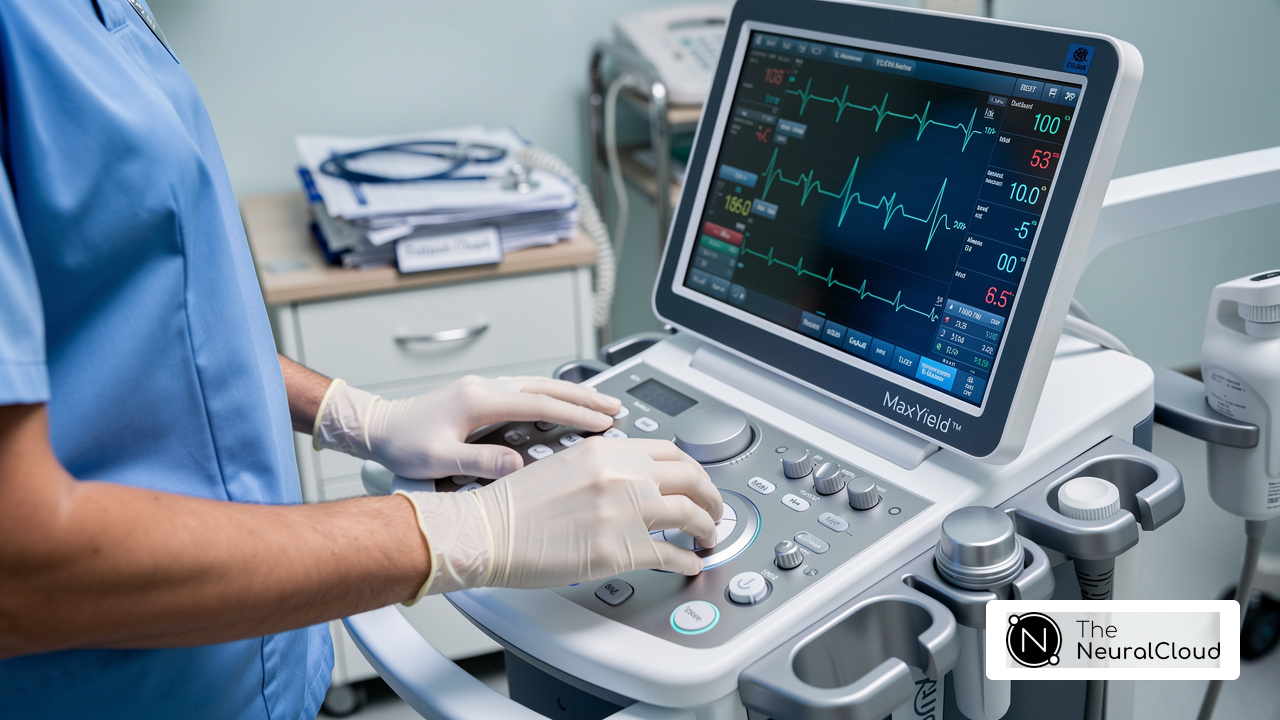
The MaxYield™ platform plays a critical role in this diagnostic procedure by providing accurate and efficient analysis, processing more than 200,000 heartbeats in less than five minutes. This capability allows clinicians to concentrate on critical decision-making instead of labor-intensive data interpretation. For instance, a case study involving a 65-year-old man with complete atrioventricular block demonstrated how advanced techniques can restore cardiac function and enhance quality of life. By automating the labeling of ECG waveforms and effectively addressing noise and signal artifacts, MaxYield™ improves the diagnostic process, enabling healthcare providers to identify cardiac events with greater confidence.
This streamlined approach not only enhances patient care but also optimizes resource allocation, making it an invaluable tool in the management of heart arrhythmia ECG. The key features of the MaxYield™ platform include:
- Enhanced accuracy
The advantages for healthcare professionals are significant:
- Reduced time spent on data interpretation
In conclusion, the MaxYield™ platform addresses the challenges in ECG analysis, providing healthcare professionals with the tools necessary for effective management of heart arrhythmias.
Analyze Key ECG Waveforms: P-Waves, QRS Complexes, and T-Waves
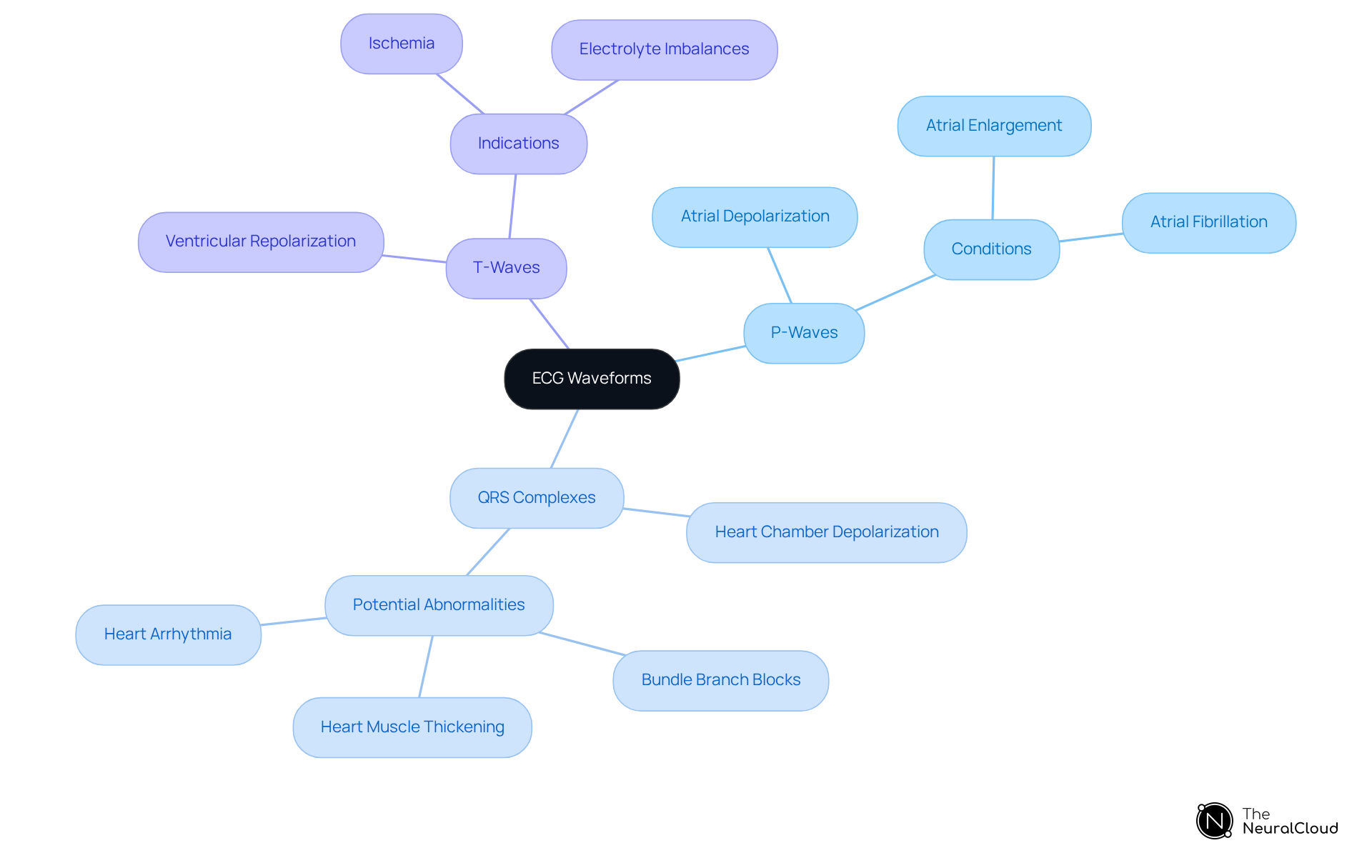
The ECG consists of several key waveforms: P-waves, QRS complexes, and T-waves.
- P-Waves: These represent atrial depolarization. Abnormalities in P-wave morphology can indicate underlying conditions like atrial enlargement and atrial fibrillation.
- QRS Complexes: These reflect heart chamber depolarization. A widened QRS complex may suggest bundle branch blocks or heart muscle thickening, while irregularities can indicate arrhythmias.
- T-Waves: These indicate ventricular repolarization. Inverted or peaked T-waves can signal ischemia or electrolyte imbalances.
By utilizing the MaxYield techniques, clinicians can improve diagnostic accuracy, significantly enhancing the speed and accuracy of ECG interpretation. The platform's advanced algorithms excel in detecting abnormalities, ensuring that even subtle waveform changes are detected. The system can analyze 200,000 heartbeats in under 5 minutes, converting noisy recordings into clear waveforms and assisting in identifying potential issues. This comprehensive view of the patient's cardiac health supports confident clinical decision-making.
Implement Advanced ECG Analysis Techniques Using MaxYield™
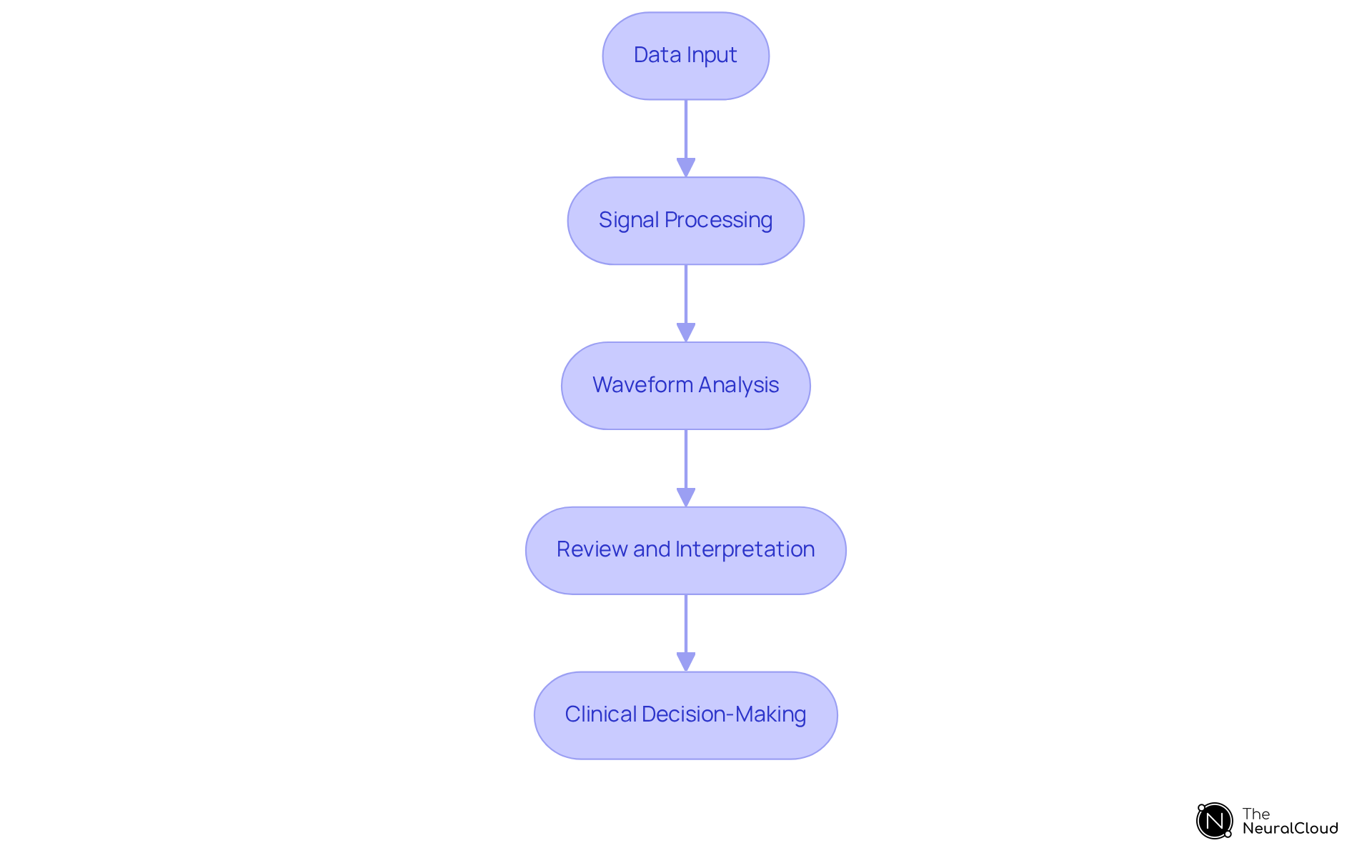
To implement advanced ECG analysis using MaxYield™, clinicians can follow these essential steps:
- Data Input: Import ECG data from various sources, including patients and devices, into the platform. The system supports multiple file formats, ensuring seamless integration and accessibility.
- Signal Processing: Utilize the platform's AI algorithms to effectively filter out noise and artifacts, which is crucial for ensuring that the ECG signals are clear and reliable. This advanced noise reduction significantly enhances data quality, leading to more accurate assessments.
- Waveform Analysis: Allow the system to analyze P-waves, QRS complexes, and T-waves. With the capability to process over 200,000 heartbeats in under five minutes, the platform's advanced neural network delivers rapid insights that empower confident diagnoses.
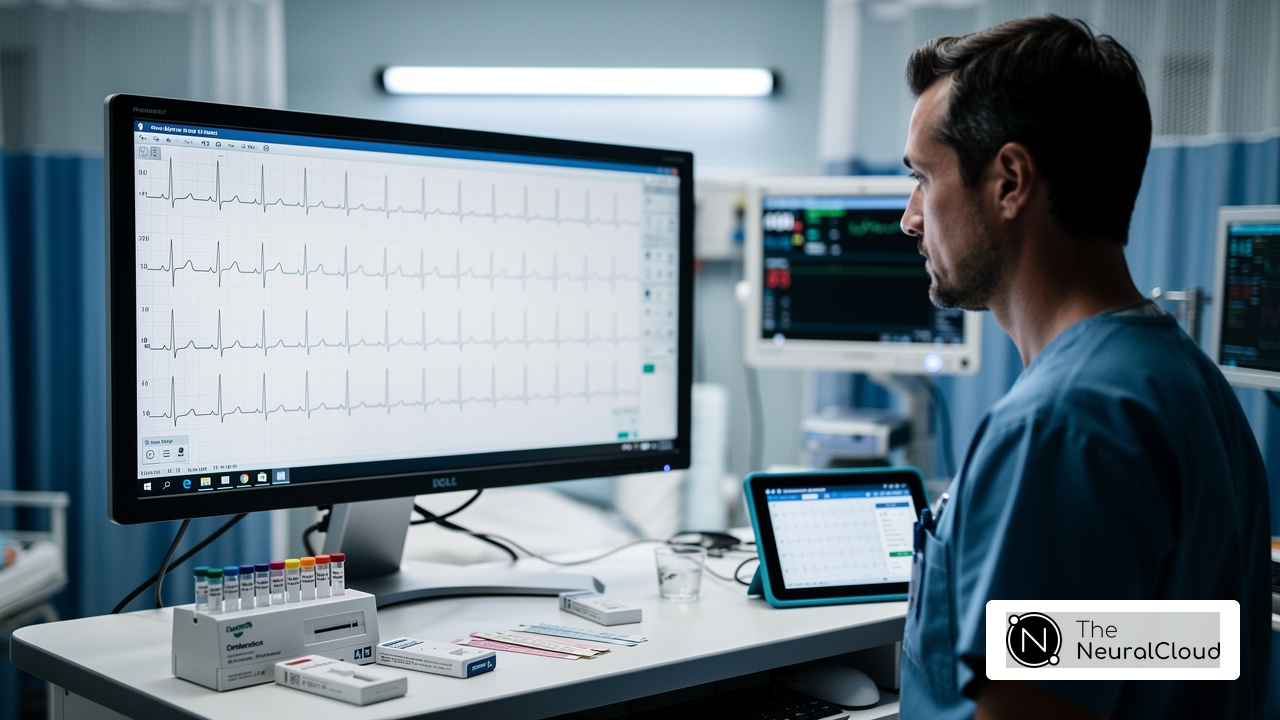
- Review and Interpretation: Examine the automated results with a focus on any flagged abnormalities. The platform provides visual representations of the heart arrhythmia ECG, which facilitates the identification of arrhythmias and enhances clarity in the interpretation process.
- Clinical Decision-Making: Leverage the insights derived from the evaluation to guide treatment decisions. The platform allows healthcare professionals to concentrate on high-level decision-making rather than manual data interpretation, ultimately improving productivity and patient care.
By following these steps, clinicians can maximize the diagnostic yield of their ECG analyses. This enables them to leverage the transformative capabilities of MaxYield™ to improve patient outcomes.
Conclusion
Mastering heart arrhythmia ECG analysis through MaxYield™ techniques is essential for enhancing diagnostic accuracy and improving patient outcomes. The platform automates the evaluation process, allowing healthcare professionals to concentrate on critical decision-making rather than being hindered by manual data interpretation. This innovative approach streamlines analysis and significantly reduces the time required to process large volumes of ECG data.
Understanding heart arrhythmias and key ECG waveforms—P-waves, QRS complexes, and T-waves—is crucial. MaxYield™ offers advanced techniques to enhance waveform analysis. By implementing these methods, clinicians can achieve more reliable results, directly contributing to improved patient care and resource allocation. A case study illustrates the profound impact timely ECG analysis can have on patient health, showcasing the platform's ability to transform complex data into actionable insights.
The integration of MaxYield™ techniques into ECG analysis signifies a major advancement in managing heart arrhythmias. Healthcare professionals are encouraged to adopt these innovations to enhance their diagnostic capabilities and improve patient outcomes. As cardiology evolves, staying informed about the latest advancements in ECG analysis is vital for delivering high-quality care and effectively addressing the challenges posed by heart arrhythmias.
Frequently Asked Questions
What are heart arrhythmias?
Heart arrhythmias are irregular heartbeats that can occur as tachycardia (too fast), bradycardia (too slow), or erratic rhythms.
Why are heart arrhythmias clinically significant?
Heart arrhythmias are clinically significant because they can lead to severe complications such as stroke, heart failure, and sudden cardiac arrest.
What are some common types of heart arrhythmias?
Common types of heart arrhythmias include atrial fibrillation, ventricular tachycardia, and premature ventricular contractions.
How is heart arrhythmia diagnosed?
Heart arrhythmias are diagnosed through ECG evaluation, which allows for precise identification and prompt interventions.
What role does the MaxYield™ platform play in diagnosing heart arrhythmias?
The MaxYield™ platform provides accurate and automated ECG evaluation, processing over 200,000 heartbeats in less than five minutes, which helps clinicians focus on critical decision-making.
Can you provide an example of the effectiveness of the MaxYield™ platform?
A case study of a 65-year-old man with complete atrioventricular block demonstrated that timely intervention through advanced ECG analysis could restore cardiac function and improve quality of life.
What are the key features of the MaxYield™ platform?
Key features of the MaxYield™ platform include automated ECG evaluation, processing of over 200,000 heartbeats in under five minutes, and enhanced clarity of ECG signals.
What advantages does the MaxYield™ platform offer to healthcare professionals?
The advantages include improved diagnostic accuracy, reduced time spent on data interpretation, and better patient outcomes and quality of life.
How does the MaxYield™ platform improve ECG signal clarity?
The platform automates the labeling of ECG waveforms and effectively addresses noise and signal artifacts, enhancing the clarity of ECG signals for better identification of cardiac events.
List of Sources
- Define Heart Arrhythmias and Their Clinical Importance
- scribd.com (https://scribd.com/document/862713553/Case-Study1)