Introduction
Hyperkalemia, characterized by elevated potassium levels, presents significant challenges in EKG interpretation for healthcare professionals. This condition poses serious risks to cardiac health and can dramatically alter EKG readings. Grasping the intricacies of high potassium EKG diagnostics is essential for healthcare professionals, as timely recognition and intervention can prevent life-threatening complications.
Clinicians often face challenges in interpreting ECG changes due to the varied presentations of hyperkalemia. This guide outlines a systematic approach to diagnosing and managing hyperkalemia through EKG analysis. It equips healthcare providers with essential knowledge for navigating this critical aspect of patient care.
Understand Hyperkalemia and Its Impact on ECG Readings
Hyperkalemia, characterized by potassium levels exceeding 5.5 mEq/L, presents serious risks to cardiac health and can significantly alter high potassium EKG results. This condition may arise from various factors, including renal failure, excessive potassium intake, or certain medications. Prompt recognition and management of elevated potassium levels are essential, as failure to recognize hyperkalemia can lead to severe cardiac events and life-threatening arrhythmias.
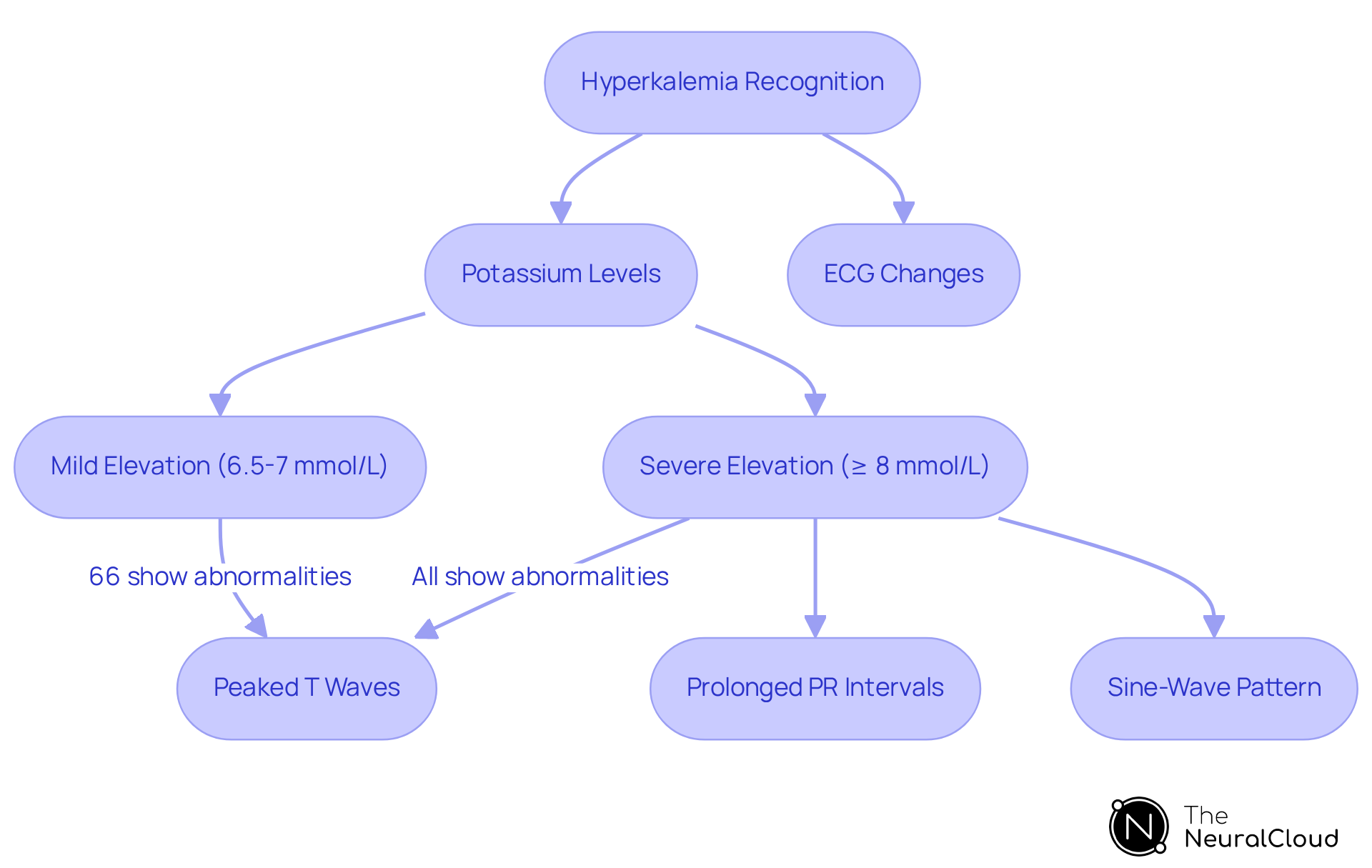
Elevated potassium levels affect the heart by altering depolarization and repolarization processes, resulting in a high potassium EKG with noticeable changes in ECG readings. In mild potassium elevation (6.5-7 mmol/L), approximately 66% of patients display high potassium EKG abnormalities, while all patients with severe potassium elevation (≥ 8 mmol/L) demonstrate significant alterations. Common ECG manifestations include:
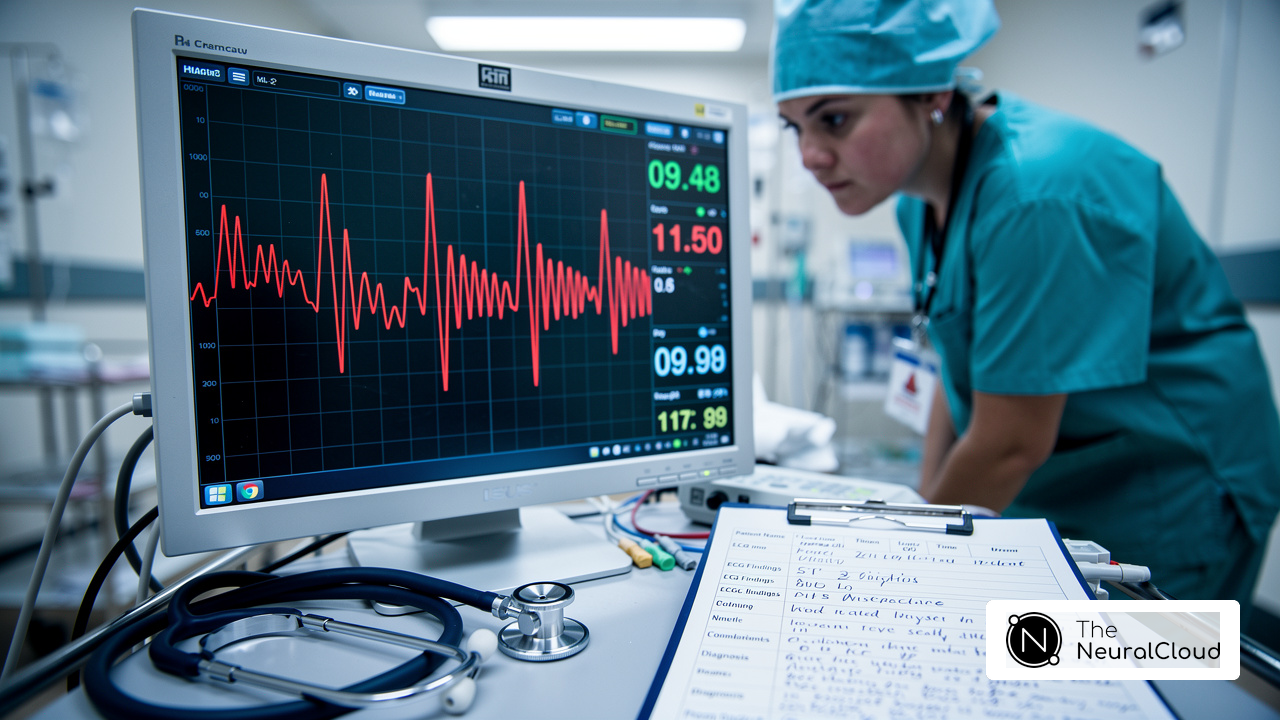
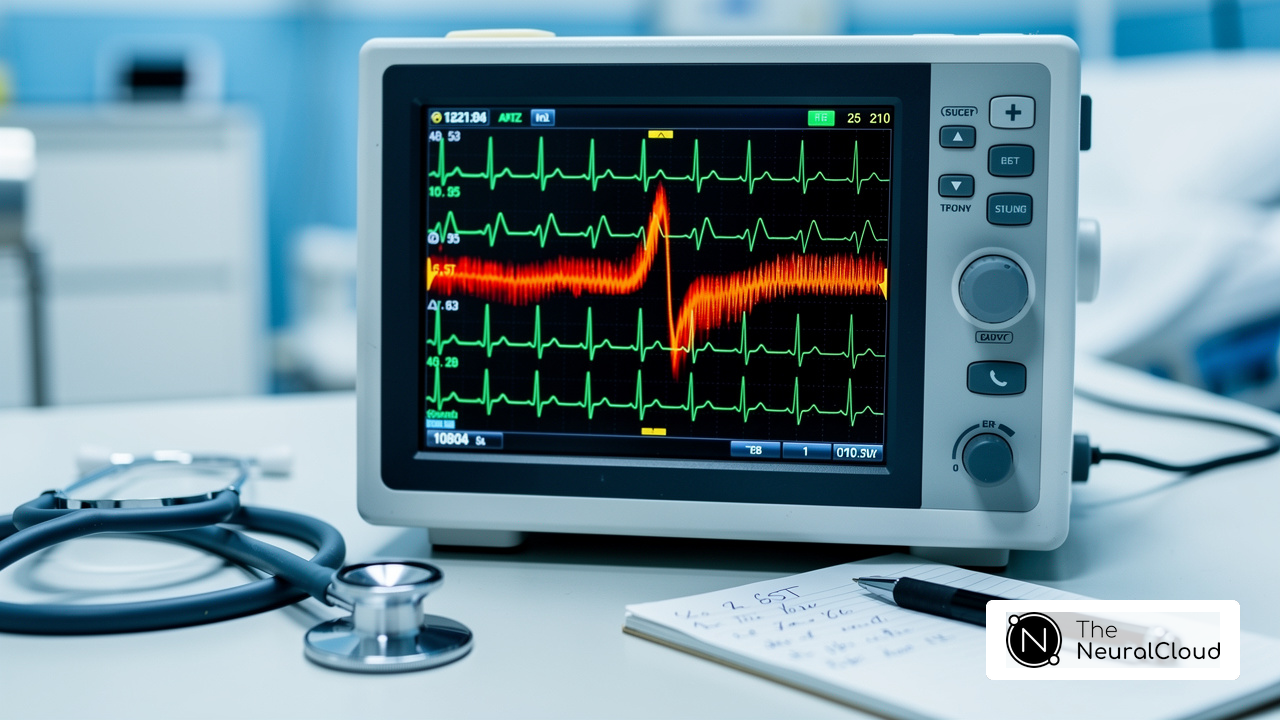
In severe cases, the ECG may display a sine-wave pattern associated with high potassium EKG, complicating diagnosis and necessitating immediate intervention.
Case studies illustrate the urgency of addressing hyperkalemia. For example, a 62-year-old man with a potassium level of 9.1 mmol/L exhibited severe ECG changes, underscoring the need for rapid diagnosis and treatment. Another study discovered that individuals with chronic kidney disease (CKD) frequently exhibit ECG irregularities like wide QRS complexes and peaked T waves, emphasizing the importance for healthcare professionals to remain vigilant in identifying ECG changes related to high potassium EKG levels.
Expert opinions emphasize the critical role of high potassium EKG in the diagnosis of hyperkalemia. The characteristics of ECG alterations can act as a more dependable indicator of outcomes than serum electrolyte levels alone. Moreover, the average absolute error of estimated potassium concentration from ECG analysis is approximately 0.46 ± 0.39 mM, indicating the potential for ECG to aid in accurate potassium assessment.
Recent statistics show that 21.3% of patients experience severe potassium imbalance, particularly prevalent in Canada. This highlights the importance for healthcare professionals to be attentive in identifying variations in the high potassium EKG, ensuring prompt actions to avert negative cardiac incidents. Furthermore, the interval between diagnosis and alterations in ECG findings is approximately 22 minutes, further emphasizing the significance of timely monitoring and response. With MaxYield™, a device-agnostic ECG intelligence layer that integrates seamlessly via API, SDK, or CDK, health tech developers can enhance diagnostic yield and clinical workflows. Additionally, the integration of Insight360 as a customizable visualization tool transforms MaxYield’s clean ECG data into interactive dashboards and clinical-ready reports, providing a comprehensive solution for effective patient monitoring.
Identify Key ECG Changes Associated with High Potassium Levels
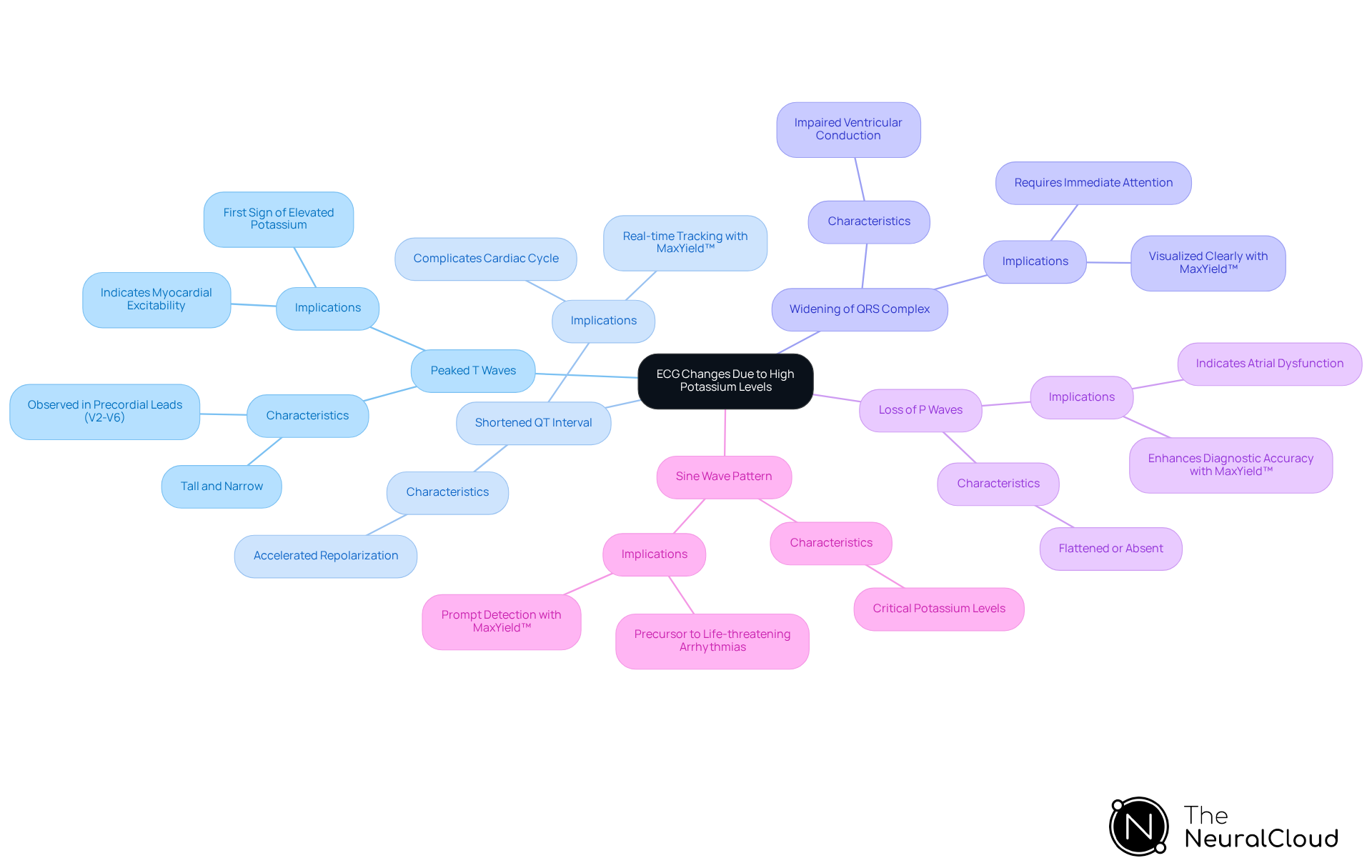
The analysis of ECG changes due to hyperkalemia presents significant challenges for healthcare professionals, necessitating advanced solutions like the MaxYield™ platform:
- Peaked T Waves: The earliest and most characteristic change, peaked T waves are prominently observed in the precordial leads (V2-V6). These waves appear tall and narrow, indicating heightened myocardial excitability and are frequently the initial sign of raised electrolyte levels. With MaxYield™, identifying these features becomes automated, ensuring accurate detection even in noisy recordings.
- Shortened QT Interval: As potassium levels increase, the QT interval may shorten, indicating accelerated repolarization, which can complicate the cardiac cycle. MaxYield™ offers beat-by-beat analysis, enabling healthcare professionals to track these variations in real-time.
- Widening of the QRS Complex: An additional increase in potassium results in widening of the QRS complex, indicating impaired conduction through the ventricles. This crucial alteration requires immediate attention. MaxYield™ helps clinicians visualize these changes clearly, supporting timely interventions.
- Loss of P Waves: In severe cases, P waves may become flattened or disappear entirely, indicating significant atrial dysfunction and a deteriorating cardiac condition. The platform's advanced algorithms can highlight these essential modifications, enhancing diagnostic accuracy.
- Sine Wave Pattern: At critical levels of elevated potassium, the ECG may display a sine wave pattern, a precursor to life-threatening arrhythmias such as ventricular fibrillation or asystole. MaxYield™'s automated noise reduction capabilities ensure that such patterns are detected promptly, aiding in urgent clinical decision-making.
Recognizing these developments is vital for healthcare professionals since they can indicate the seriousness of high potassium EKG readings and the need for immediate action. Notably, studies indicate that more than half of hyperkalemic patients may lack characteristic ECG alterations, underscoring the importance of methodical ECG analysis. In clinical practice, cardiologists have attained only 35.8% accuracy in ECG-based potassium imbalance detection, emphasizing the necessity for advanced diagnostic tools like MaxYield™. For example, a case study demonstrated that a patient with a potassium level of 9.5 mEq/L exhibited significant high potassium EKG alterations, emphasizing the essential role of ECG monitoring in managing elevated potassium levels effectively. Dr. Alan Rabinowitz emphasizes, 'Recognizing ECG changes in time can save lives, highlighting the need for ongoing education and advanced tools in our practice.' Additionally, utilizing Insight360 can transform MaxYield™'s clean ECG data into interactive dashboards and clinical-ready reports, further enhancing the analysis and presentation of critical cardiac insights.
Diagnose Hyperkalemia Through Systematic ECG Analysis
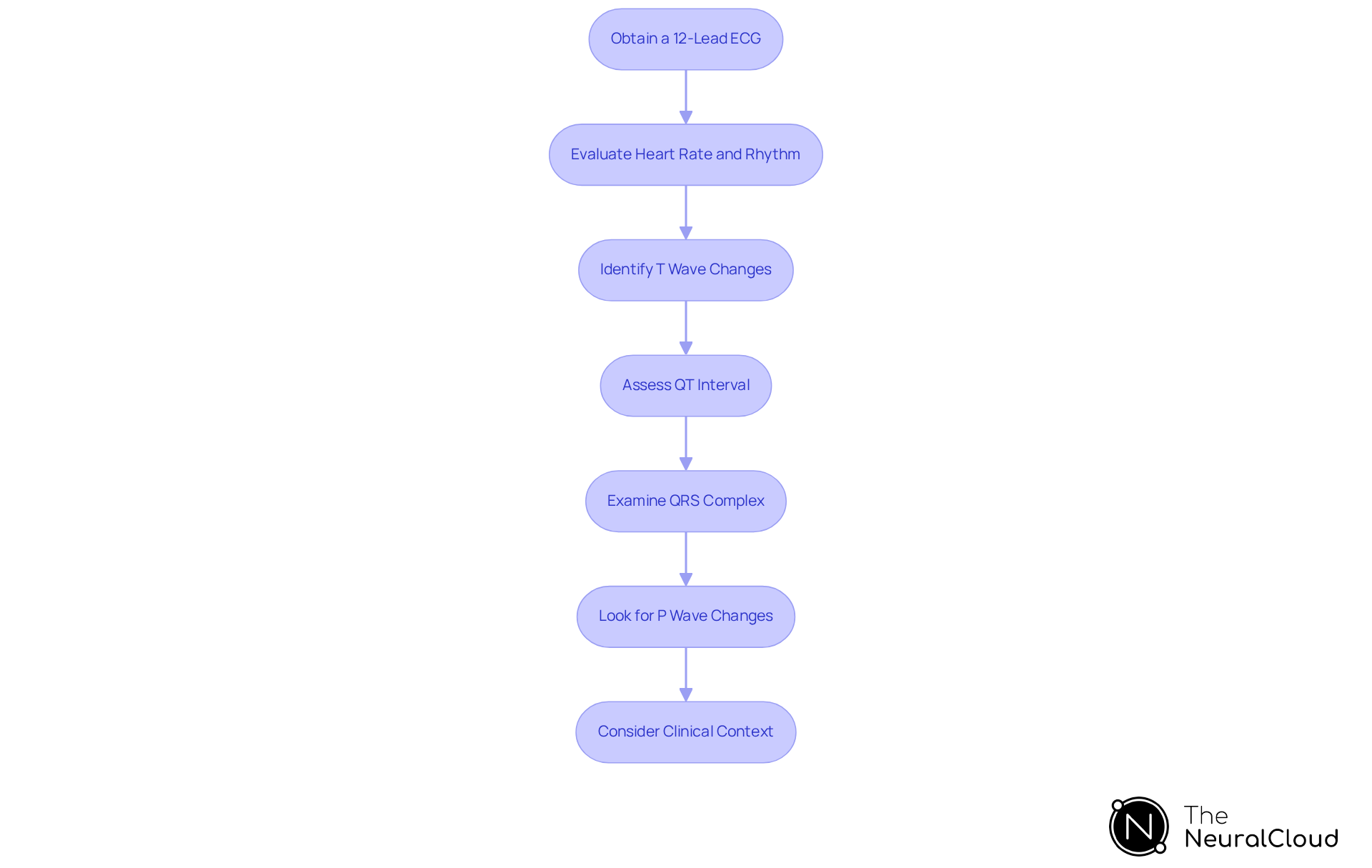
Diagnosing hyperkalemia through high potassium EKG analysis requires a systematic approach to ensure accuracy and timely intervention. Follow these steps to effectively diagnose elevated potassium levels:
- Obtain a 12-Lead ECG: Ensure that a 12-lead ECG is performed to capture comprehensive cardiac electrical activity.
- Evaluate Heart Rate and Rhythm: Assess the heart rate and rhythm for any abnormalities, such as bradycardia or junctional rhythms, which may indicate a high potassium EKG.
- Identify T Wave Changes: Look for peaked T waves, which are the earliest signs of a high potassium EKG. Note their amplitude and morphology.
- Assess the QT interval to determine if it is shortened, which can indicate a high potassium EKG.
- Examine the QRS complex: Check for widening of the QRS complex, which indicates a high potassium EKG and suggests severe potassium elevation. An expanding QRS can result in severe arrhythmias, with a QRS duration of ≥120 ms being highly specific for a high potassium EKG, especially in individuals with end-stage renal disease (ESRD).
- Look for P Wave Changes: Note any flattening or absence of P waves, which indicates severe potassium elevation and potential atrial dysfunction, often seen in a high potassium EKG.
- Consider Clinical Context: Correlate ECG findings with the patient's clinical history, symptoms, and laboratory results to confirm the diagnosis of high potassium EKG.
By following this systematic approach, healthcare professionals can accurately diagnose elevated potassium levels and initiate appropriate treatment. The MaxYield™ platform enhances this process by automating repetitive tasks and providing a clean, "neuralized" signal, which allows for efficient analysis of ECG data. ECG alterations associated with high potassium levels, such as prolonged PR intervals and QRS widening, are crucial for timely intervention, particularly in individuals with chronic kidney disease, where the prevalence of high potassium EKG can reach 50%. For instance, a case study of an 83-year-old woman with severely elevated blood levels demonstrated the importance of ECG monitoring, as her concentration was critically high at 9.62 mmol/L, leading to urgent treatment and normalization of her ECG. Additionally, Varga et al. highlight that ECG abnormalities related to elevated potassium levels, such as ST depression and QT prolongation, are common and require thorough assessment. Leveraging MaxYield™'s advanced ECG analysis capabilities can significantly improve diagnostic accuracy and workflow efficiency. Furthermore, it is important to note that the MaxYield™ platform is currently pending FDA Class II SaMD clearance, ensuring regulatory compliance. To improve data presentation, using Insight360 can transform MaxYield’s clean ECG data into interactive dashboards and clinical-ready reports. For more information or to request a free trial of MaxYield and Insight360, please contact Neural Cloud Solutions.
Explore Treatment Strategies for Managing Hyperkalemia
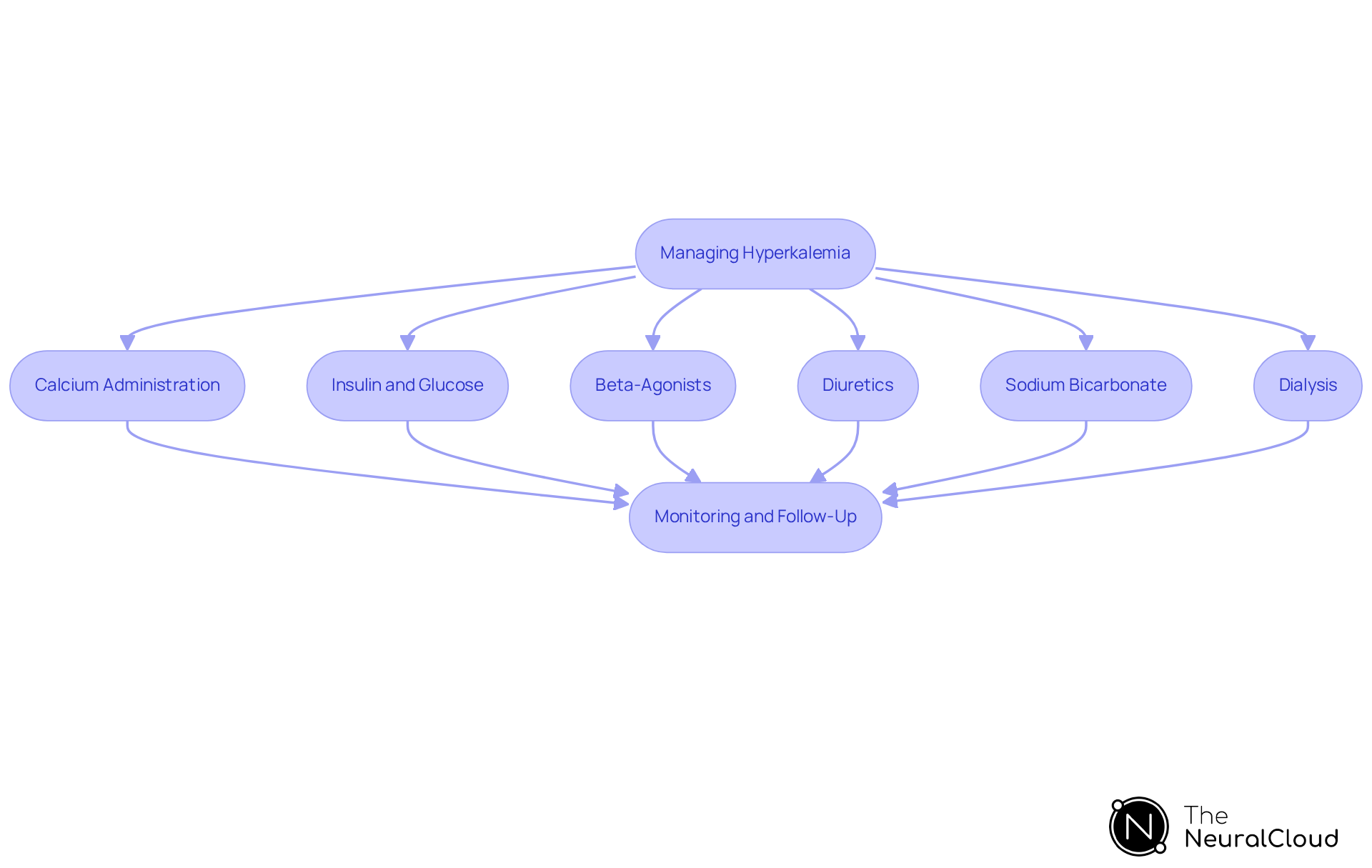
Managing hyperkalemia poses significant challenges due to the potential for life-threatening cardiac complications, which can be detected through a high potassium EKG. Effective treatment strategies are essential for stabilizing cardiac function and reducing serum potassium levels. Here are the key approaches:
- Calcium Administration: Administer intravenous calcium gluconate or calcium chloride to stabilize cardiac membranes and reduce the risk of arrhythmias. Starting with this step is vital for effective acute management.
- Insulin and Glucose: Administer insulin along with glucose to facilitate the intracellular shift of potassium, effectively lowering serum levels.
- Beta-Agonists: Inhaled beta-agonists (e.g., albuterol) can encourage the movement of potassium into cells, providing a rapid reduction in serum levels.
- Diuretics: Loop diuretics (e.g., furosemide) enhance renal potassium excretion, particularly in patients with adequate renal function.
- Sodium Bicarbonate: In cases of metabolic acidosis, sodium bicarbonate may assist in moving potassium into cells.
- Dialysis: For patients with severe hyperkalemia or renal failure, dialysis may be necessary to remove excess potassium from the body.
- Monitoring and Follow-Up: It's crucial to continuously monitor cardiac function during treatment to ensure interventions are effective and to catch any complications early.
By implementing these treatment strategies, healthcare providers can effectively manage hyperkalemia and mitigate its associated risks. Effective management of hyperkalemia is crucial to prevent serious cardiac events and ensure patient safety, especially when monitoring a high potassium EKG.
Conclusion
Hyperkalemia poses significant risks to cardiac health, making accurate ECG analysis essential for effective management. This condition, marked by elevated potassium levels, can escalate into severe cardiac complications without timely intervention. The article emphasizes the importance of systematic ECG analysis as a reliable tool for diagnosing hyperkalemia, highlighting how specific ECG changes can serve as indicators of potassium imbalances.
Key insights discussed include the characteristic ECG alterations associated with hyperkalemia, such as:
- Peaked T waves
- Widened QRS complexes
- The potential for life-threatening sine wave patterns
Failing to utilize systematic ECG analysis can delay critical treatment. Furthermore, effective treatment strategies, including:
- Calcium administration
- Insulin and glucose therapy
- Dialysis
are vital for managing hyperkalemia and preventing serious cardiac events.
By leveraging advanced diagnostic tools like MaxYield™ and Insight360, healthcare professionals can significantly improve patient safety and outcomes in cases of hyperkalemia. It's crucial for healthcare professionals to keep a close eye on high potassium EKG readings and take the right steps to protect patient safety. By prioritizing education and utilizing innovative technologies, the risks associated with hyperkalemia can be effectively mitigated, ultimately leading to better patient outcomes in the Canadian healthcare landscape.
Frequently Asked Questions
What is hyperkalemia and how does it affect ECG readings?
Hyperkalemia is a condition characterized by potassium levels exceeding 5.5 mEq/L, which poses serious risks to cardiac health and can significantly alter ECG readings. Elevated potassium levels can affect the heart's depolarization and repolarization processes, leading to noticeable changes in ECG results.
What are the common causes of hyperkalemia?
Hyperkalemia can arise from various factors, including renal failure, excessive potassium intake, and certain medications.
What are the ECG manifestations of hyperkalemia?
Common ECG manifestations of hyperkalemia include peaked T waves, prolonged PR intervals, and decreased P wave amplitude. In severe cases, the ECG may display a sine-wave pattern.
How prevalent is hyperkalemia among patients?
Recent statistics indicate that 21.3% of patients experience severe potassium imbalance, which is particularly prevalent in Canada.
What is the significance of recognizing ECG changes in hyperkalemia?
Recognizing ECG changes is critical as it can serve as a more reliable indicator of outcomes than serum electrolyte levels alone. Timely identification of these changes can help prevent severe cardiac events and life-threatening arrhythmias.
How quickly can ECG changes occur after a diagnosis of hyperkalemia?
The interval between diagnosis and alterations in ECG findings is approximately 22 minutes, highlighting the importance of timely monitoring and response.
Can ECG analysis assist in estimating potassium concentration?
Yes, the average absolute error of estimated potassium concentration from ECG analysis is approximately 0.46 ± 0.39 mM, indicating that ECG can aid in accurate potassium assessment.
What role does MaxYield™ play in managing hyperkalemia?
MaxYield™ is a device-agnostic ECG intelligence layer that integrates seamlessly via API, SDK, or CDK, enhancing diagnostic yield and clinical workflows for healthcare professionals monitoring hyperkalemia.
How does Insight360 contribute to ECG data analysis?
Insight360 is a customizable visualization tool that transforms MaxYield’s clean ECG data into interactive dashboards and clinical-ready reports, providing a comprehensive solution for effective patient monitoring.
List of Sources
- Understand Hyperkalemia and Its Impact on ECG Readings
- ECG frequency changes in potassium disorders: a narrative review - PMC (https://pmc.ncbi.nlm.nih.gov/articles/PMC9301030)
- De Novo Hyperkalemia Increases Risks for Death, Hospitalizations (https://renalandurologynews.com/news/hyperkalemia-ups-risk-mortality-cardiovascular-events-hospitalizations-icu)
- Hyperkalemia ECG Changes: Peaked T Waves (https://powerfulmedical.com/blog/hyperkalemia-ecg-critical-changes)
- Changes in ECG in Acute versus Chronic Hyperkalemia | Docwire News (https://docwirenews.com/post/changes-in-ecg-in-acute-versus-chronic-hyperkalemia)
- Identify Key ECG Changes Associated with High Potassium Levels
- Changes in ECG in Acute versus Chronic Hyperkalemia | Docwire News (https://docwirenews.com/post/changes-in-ecg-in-acute-versus-chronic-hyperkalemia)
- Empowering Insights: ECG in Hyperkalemia Explained (https://tricog.com/how-to-interpret-ecg-in-hyperkalemia?srsltid=AfmBOookw5z3VwOnBla4oubHKdV7hC9vkhvdf-ZS4kticVDnlGwHBe8N)
- ECG Changes in Hyperkalemia | Patient Care Online (https://patientcareonline.com/view/ecg-changes-hyperkalemia)
- ECG frequency changes in potassium disorders: a narrative review - PMC (https://pmc.ncbi.nlm.nih.gov/articles/PMC9301030)
- Hyperkalemia ECG Changes: Peaked T Waves (https://powerfulmedical.com/blog/hyperkalemia-ecg-critical-changes)
- Diagnose Hyperkalemia Through Systematic ECG Analysis
- Changes in ECG in Acute versus Chronic Hyperkalemia | Docwire News (https://docwirenews.com/post/changes-in-ecg-in-acute-versus-chronic-hyperkalemia)
- ECG frequency changes in potassium disorders: a narrative review - PMC (https://pmc.ncbi.nlm.nih.gov/articles/PMC9301030)
- Using ECG for the Diagnosis of Hyperkalemia - Hyperkalemia Updates (https://medpagetoday.com/resource-centers/hyperkalemia-updates/using-ecg-diagnosis-hyperkalemia/4284)
- Empowering Insights: ECG in Hyperkalemia Explained (https://tricog.com/how-to-interpret-ecg-in-hyperkalemia?srsltid=AfmBOoqlM3FG0s1w1qVKy6BugnVwid0LucYSjYqWnNbG9uiOofqqgcDk)
- Explore Treatment Strategies for Managing Hyperkalemia
- New draft guidance recommends treatment for more adults with high potassium and chronic kidney disease - Kidney Research UK (https://kidneyresearchuk.org/2026/04/13/new-recommended-treatment-for-high-potassium)
- Current and future treatment options for managing hyperkalemia - PMC (https://pmc.ncbi.nlm.nih.gov/articles/PMC6340903)
- Hyperkalemia Treatment & Management: Approach Considerations, Initial Emergency Management, Pharmacologic Therapy and Dialysis (https://emedicine.medscape.com/article/240903-treatment)
- Clinical Management of Hyperkalemia (https://mayoclinicproceedings.org/article/S0025-6196(20)30618-2/fulltext)
- New Treatment for Hyperkalemia Shows Promise (https://cardiometabolichealth.org/new-treatment-hyperkalemia-shows-promise)