Introduction
Many healthcare professionals encounter significant challenges when interpreting EKG test results, which can compromise patient care. With the growing need for accurate cardiac assessments, it's crucial for clinicians to master the complexities of EKG interpretation. Yet, many practitioners struggle with the intricacies of EKG analysis, risking misdiagnoses that can affect patient outcomes. To address these challenges, the MaxYield™ platform offers innovative solutions that enhance EKG analysis and interpretation.
Understand the Basics of EKG Readings
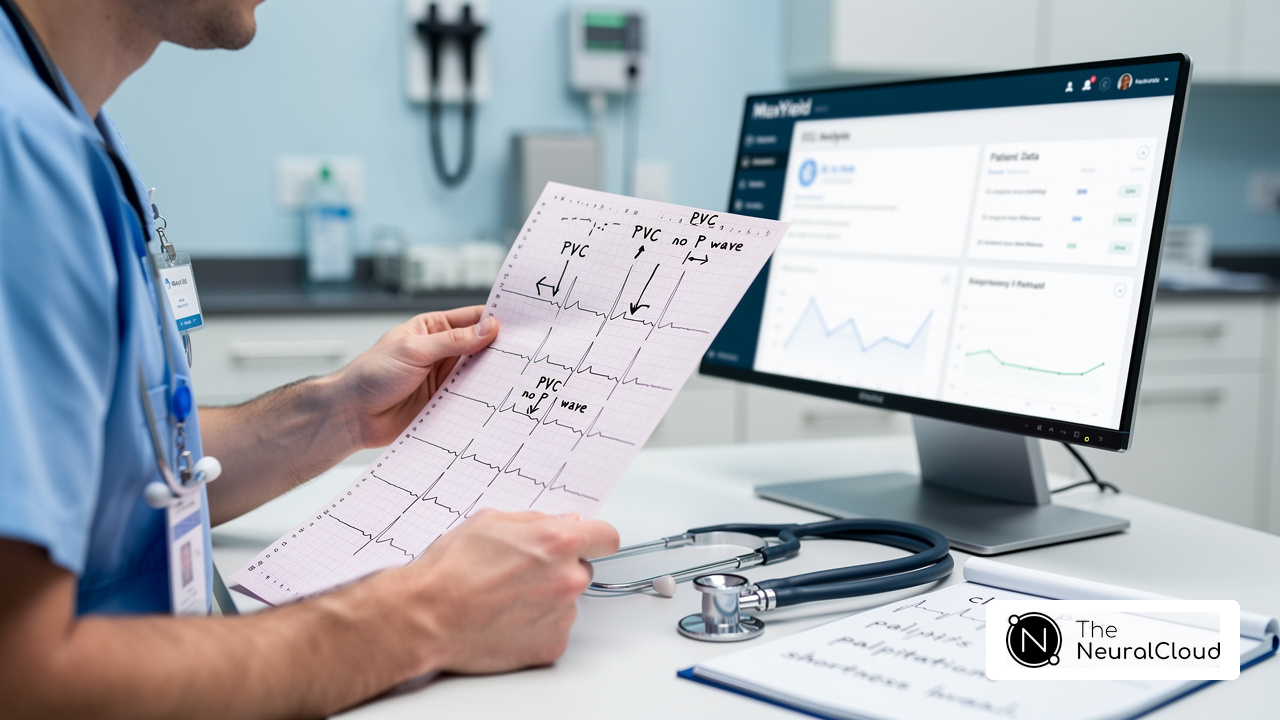
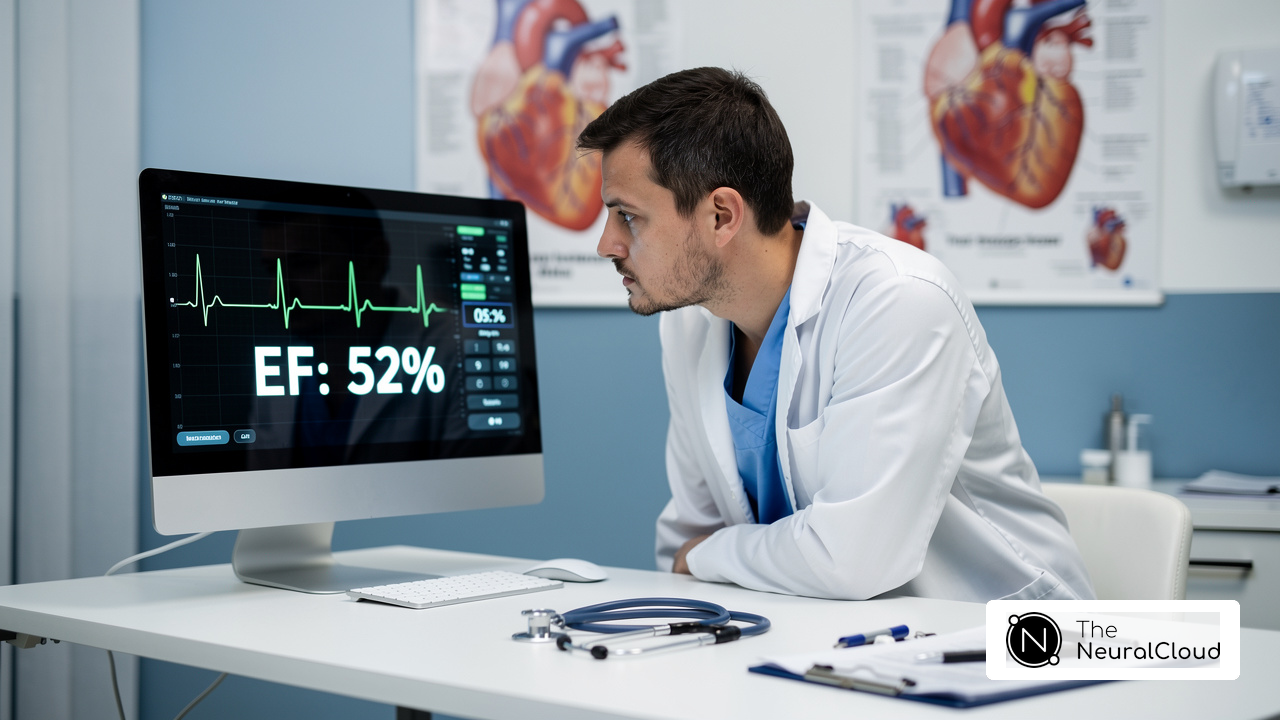
Understanding the intricacies of EKG interpretation is crucial for accurate cardiac assessments. To effectively interpret EKG test results, it is essential to understand how to read EKG test results and grasp the fundamentals of what an EKG (electrocardiogram) is and its operational mechanics. An EKG captures the heart's electrical activity over time, offering vital insights into cardiac health. Here are the key components:
-
Purpose of EKG: EKGs are instrumental in diagnosing a range of heart conditions, including arrhythmias, myocardial infarctions, and other cardiac anomalies. Recent studies indicate that incorporating EKGs into routine evaluations can significantly enhance the identification of underlying cardiac diseases. For instance, one study showed an increase in referrals to cardiologists from 0.5% to 18% when EKGs were included in athletic pre-participation evaluations.
-
Basic Terminology: Familiarity with terms such as 'P wave', 'QRS complex', and 'T component' is crucial. Each component represents distinct phases of the heart's electrical cycle:
- P Wave: Signifies atrial depolarization, indicating the contraction of the atria.
- QRS Complex: Represents ventricular depolarization, marking the contraction of the ventricles.
- T Wave: Reflects ventricular repolarization, the recovery phase of the ventricles.
-
Interpreting the EKG: An EKG usually displays a sequence of peaks that recur in a consistent pattern. However, many practitioners struggle with identifying these patterns, which can lead to misdiagnosis. Recognizing this pattern is vital for detecting abnormalities. For example, a retrospective study of more than 342,000 primary care patients showed a significant link between abnormal T waves and heightened mortality risk, highlighting the importance of comprehensive EKG analysis. This mastery not only improves diagnostic accuracy but also provides insights on how to read EKG test results, thereby enhancing patient care and outcomes.
With the integration of MaxYield™, health tech developers can leverage advanced ECG analysis that ensures clean PPG data and hospital-grade accuracy from consumer devices. With MaxYield™, analyzing ECG signals becomes easier, turning noisy recordings into clear insights that teach you how to read EKG test results more effectively. As Dr. Alan Rabinowitz notes, "MaxYield’s precision rivals human interpretation, significantly reducing noise and improving diagnostic yield." Additionally, Insight360 serves as a customizable visualization and reporting tool that transforms MaxYield’s clean ECG data into interactive dashboards, further enriching the analysis process. With MaxYield™, healthcare professionals can elevate their diagnostic capabilities, ultimately leading to better patient care and outcomes.

Analyze Key Components of EKG Results
It is crucial for accurate cardiac assessments to understand how to read EKG test results. Here’s how to break down the EKG:
- Identify the Rhythm: Look for regularity in the rhythm. Is it consistent, or are there irregularities? Count the number of beats in a specific time frame to determine the heart rate.
- Measure Intervals: Key intervals include:
- PR Interval: The time from the start of the P wave to the start of the QRS complex. The normal range is 120-200 milliseconds.
- QRS Duration: The width of the QRS complex. The normal range is less than 120 milliseconds.
- QT Interval: The duration from the beginning of the Q deflection to the conclusion of the T deflection. The normal range varies with heart rate, typically around 350-450 milliseconds in adults.
- Assess Waveforms: Examine the shape of the P component, QRS complex, and T component. Look for abnormalities such as:
- Peaked T waves, which may indicate hyperkalemia.
- Inverted T waves, which can suggest ischemia.
- Look for ST Segment Changes: Elevation or depression in the ST segment can indicate myocardial ischemia or infarction.
Systematically analyzing these components is essential for learning how to read EKG test results and uncovering valuable insights into a patient's cardiac condition. Recent studies suggest that precise EKG analysis is essential, as misreadings can lead to serious consequences, particularly in young athletes. By adopting standardized guidelines, healthcare professionals can significantly reduce the risk of misdiagnosis and enhance patient care.

Integrate EKG Analysis into Health Tech Solutions
Incorporating EKG analysis into medical technology solutions presents unique challenges that can be effectively addressed. Here’s how to effectively incorporate EKG interpretation into your health tech applications:
- Utilize AI Algorithms: Implement AI-driven algorithms like MaxYield™ that analyze EKG data in real-time, identifying patterns and anomalies that may be overlooked by human interpretation. MaxYield™ effectively analyzes ECG signals, filtering out noise to highlight important features in each heartbeat. This not only boosts accuracy but also speeds up the diagnostic process, which is vital in urgent care situations. Recent statistics indicate that AI integration in EKG analysis has led to a 30% increase in diagnostic accuracy in Canadian medical technology solutions.
- Develop User-Friendly Interfaces: Create intuitive dashboards using Insight360, which transforms MaxYield™’s clean ECG data into interactive visual representations. This enables medical professionals to make swift decisions based on clear data presentations, improving user experience and facilitating quicker clinical responses, tackling the common challenge of user adoption in technology.
- Ensure Data Interoperability: Integrate EKG data with electronic health records (EHR) systems to provide a comprehensive view of patient condition. This interoperability is essential for facilitating better clinical decision-making and ensuring that all relevant patient information is readily accessible, which is a critical requirement for compliance with healthcare regulations in Canada, including FDA Class II SaMD clearance-pending status.
- Utilize Wearable Technology: Integrate EKG monitoring into wearable devices, allowing continuous heart condition tracking and instant notifications for any irregularities. The shift towards wearable technology is transforming cardiac care, allowing for proactive wellness management and early detection of potential issues. Notably, the market for wearable ECG devices is expanding rapidly in Canada, with a projected growth rate of 25% over the next five years. MaxYield™ supports this integration by delivering beat-by-beat analysis and smooth waveforms, enhancing the clarity of data.
- Train Healthcare Professionals: Provide training on how to interpret EKG results effectively within the context of the technology being used. Ensuring that users are well-versed in the integrated system maximizes the benefits of AI-enhanced EKG analysis. Expert endorsements from Dr. Alan Rabinowitz, Dr. Brett Heilbron, and Dr. Marc W. Deyell highlight that MaxYield™’s precision competes with human analysis, significantly decreasing errors in assessment by up to 40%.
Following these steps can significantly improve how medical technology solutions analyze EKGs, leading to better patient care. As the landscape of health tech evolves, embracing these strategies will be essential for improving patient outcomes.

Troubleshoot Common EKG Interpretation Challenges
Many healthcare professionals struggle with ECG interpretation due to various challenges that can lead to misdiagnosis. Here are some prevalent issues and strategies to troubleshoot them:
-
Poor Signal Quality: If the EKG tracing is unclear, consider the following:
- Electrode Placement: Verify that electrodes are securely attached and positioned correctly.
- Patient Movement: Instruct the patient to remain still during the test to avoid artifacts.
- Electrical Interference: Reduce background noise from other devices that may disrupt the signal.
-
Misinterpretation of Waveforms: If uncertain about a waveform:
- Standard Comparison: Refer to established EKG patterns to distinguish between normal and abnormal waveforms.
- Peer Consultation: Engage with colleagues or utilize peer review to validate your understanding.
-
Inconsistent Heart Rate: If the heart rate appears irregular:
- Rhythm Reassessment: Count the number of complexes over a specific time frame to confirm the rate.
- Clinical History Consideration: Take into account the patient's medical history, as certain conditions can lead to heart rate variability.
-
Software Errors: When using automated interpretation software:
- Regular Updates: Ensure the software is updated frequently to incorporate the latest algorithms.
- Manual Cross-Check: Compare automated results with manual assessments to identify any discrepancies.
Did you know that nearly three-quarters of internal medicine residents feel unsure about their ECG analysis skills? Moreover, a study indicated that the median accuracy for ECG analysis was only 54% before training, highlighting the need for enhanced educational resources. Case studies have shown that structured practice significantly enhances learning outcomes, with students achieving a 75% grade after an average of 112 minutes of training and 34 practice cases.
To address these challenges, Neural Cloud Solutions Inc. has developed MaxYield™, an advanced ECG intelligence layer that works well with existing systems. MaxYield™ employs sophisticated noise filtering and distinct wave recognition to enhance the clarity of ECG data, allowing healthcare professionals to salvage previously obscured sections of lengthy Holter, 1-Lead, and patch monitor recordings. Experts such as Dr. Alan Rabinowitz, Dr. Brett Heilbron, and Dr. Marc W. Deyell support MaxYield™ for its accuracy, competing with human analysis and greatly minimizing noise artifacts.
By leveraging advanced tools like MaxYield™, healthcare professionals can significantly improve their ECG interpretation skills and patient outcomes.

Conclusion
Reading EKG test results is a critical skill for healthcare professionals seeking to improve cardiac assessments and patient outcomes. Understanding EKG interpretation helps diagnose heart conditions and enables clinicians to utilize advanced health tech solutions from companies like Neural Cloud Solutions Inc. With tools like MaxYield™, EKG data can be turned into clear, actionable insights, ultimately leading to better patient care.
This article explores the key components of EKG readings, highlighting the P wave, QRS complex, and T wave. It underscores the necessity of systematic analysis, including rhythm identification, interval measurement, and waveform assessment, to avoid misdiagnosis. Additionally, the integration of AI-driven algorithms and user-friendly interfaces, like those provided by Insight360, is crucial for enhancing the accuracy and efficiency of EKG interpretation in health tech applications.
As the landscape of health technology continues to evolve, embracing these strategies is vital for healthcare professionals. By prioritizing accurate EKG interpretation and utilizing advanced tools, clinicians can significantly improve diagnostic capabilities and patient outcomes. By integrating advanced EKG analysis into their practice, healthcare professionals can not only enhance patient care but also play a pivotal role in advancing cardiac health across Canada.
Frequently Asked Questions
What is the purpose of an EKG?
EKGs are instrumental in diagnosing various heart conditions, including arrhythmias and myocardial infarctions. Incorporating EKGs into routine evaluations can significantly enhance the identification of underlying cardiac diseases.
What are the key components of an EKG?
The key components of an EKG include:
- P Wave: Indicates atrial depolarization, showing the contraction of the atria.
- QRS Complex: Represents ventricular depolarization, marking the contraction of the ventricles.
- T Wave: Reflects ventricular repolarization, the recovery phase of the ventricles.
Why is it important to interpret EKG readings accurately?
Accurate interpretation of EKG readings is crucial for detecting abnormalities and preventing misdiagnosis. For instance, a study showed a significant link between abnormal T waves and increased mortality risk, emphasizing the need for comprehensive EKG analysis.
How can MaxYield™ enhance EKG analysis?
MaxYield™ allows health tech developers to leverage advanced ECG analysis, ensuring clean PPG data and hospital-grade accuracy from consumer devices. It helps turn noisy recordings into clear insights, improving the effectiveness of EKG interpretation.
What role does Insight360 play in EKG analysis?
Insight360 serves as a customizable visualization and reporting tool that transforms MaxYield’s clean ECG data into interactive dashboards, enriching the analysis process and enhancing diagnostic capabilities for healthcare professionals.
List of Sources
- Understand the Basics of EKG Readings
- ‘Superhuman’ AI tool spots heart disease in less than 2 seconds (https://theguardian.com/technology/2026/aug/31/superhuman-ai-tool-spots-heart-disease)
- Retrospective Analysis of ECG Data Supports Cardiologists' Clinical Judgment (https://gehealthcare.com/en-us/insights/article/retrospective-analysis-of-ecg-data-supports-cardiologists-clinical-judgment?srsltid=AU7gw4VZRWiLF_xMCSOPbFvjNH94P_4TkheydogVk1zItp77Y-Vml32t)
- Study Shows Promising Results for ECG Technology (https://dicardiology.com/content/study-shows-promising-results-ecg-technology)
- An AI tool aims to catch harder-to-detect heart attacks in EKGs (https://statnews.com/2026/09/11/fda-new-ekg-heart-attack-detection-algo-queen-of-hearts)
- Analyze Key Components of EKG Results
- New recommendations on interpreting athletes' ECG results prepared by Stanford team (https://med.stanford.edu/news/all-news/2011/08/new-recommendations-on-interpreting-athletes-ecg-results-prepared-by-stanford-team.html)
- AI proves better than humans at analyzing long-term ECG recordings in large international study (https://medicalxpress.com/news/2025-02-ai-humans-term-ecg-large.html)
- Test 2 Flashcards (https://quizlet.com/669657085/test-2-flash-cards)
- Precision Medicine for Electrocardiogram Interpretation: Clinical Relevance, Challenges, and Advances - PMC (https://pmc.ncbi.nlm.nih.gov/articles/PMC12781007)
- Integrate EKG Analysis into Health Tech Solutions
- How Wearable ECG Devices Are Revolutionizing Heart Monitoring (https://acibademinternational.com/how-wearable-ecg-devices-are-revolutionizing-heart-monitoring)
- ECG market keeps evolving thanks to AI, home monitoring and Epic integration (https://cardiovascularbusiness.com/topics/cardiac-imaging/electrocardiography-ecg/ecg-market-keeps-evolving-thanks-ai-home-monitoring-and-epic-integration)
- Revolutionising Acute Cardiac Care With Artificial Intelligence: Opportunities and Challenges (https://onlinecjc.ca/article/S0828-282X(24)00443-4/fulltext)
- Troubleshoot Common EKG Interpretation Challenges
- How can we fix the ECG training gap for medical students and trainees? (https://gehealthcare.com/en-ca/insights/article/the-ecg--how-can-we-fix-the-training-gap-for-medical-students-and-trainees?srsltid=AU7gw4X6bGfQQVwE6Vq7Zb4Hx90bauqZDMJBl7wzZ9xI4NEZWmsFrrz2)
- ECG Leads Off Alarm: How to Fix It in 6 Steps (https://med-linket-corp.com/blogs/news/ecg-leads-off-alarm-fix)