Introduction
In high-pressure hospital settings, accurately interpreting heart monitor data is essential for effective patient management. This guide offers a streamlined approach to mastering the interpretation of vital cardiac data, empowering clinicians and researchers alike to enhance patient outcomes. The intricate nature of heart monitor data can lead to misinterpretations, especially in urgent situations.
How can healthcare professionals ensure accurate assessments? Ensuring precise readings can significantly impact patient safety and treatment efficacy.
Understand Key Parameters of Heart Monitors
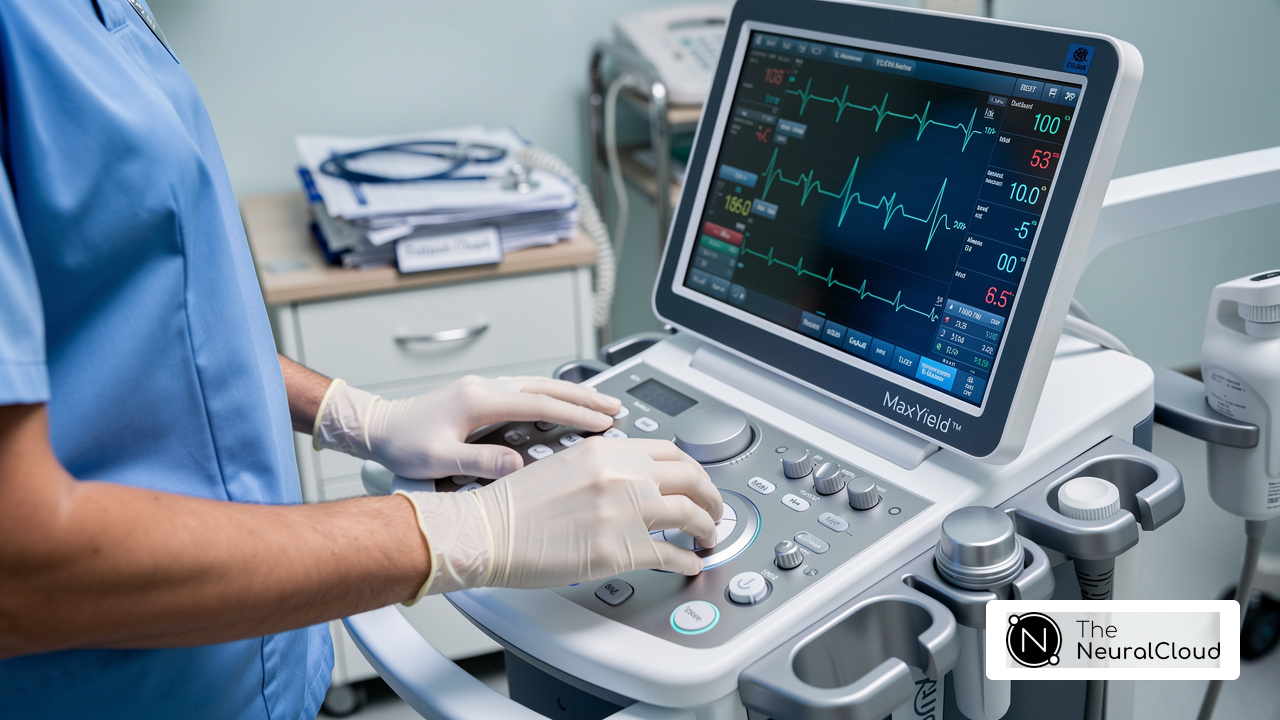
It is essential for healthcare professionals to know how to read heart monitor at hospital, as interpreting data from cardiac devices can be complex and overwhelming. Here are the most common metrics:
- Heart Rate (HR): Displayed prominently on the monitor, often in green text, this indicates the number of heartbeats per minute (bpm). A typical resting pulse rate for adults varies from 60 to 100 bpm.
- Blood Pressure (BP): Blood pressure readings are shown as two numbers (systolic/diastolic), for example, 120/80 mmHg. The systolic number represents the pressure in your arteries when your heart beats, while the diastolic number indicates the pressure when your heart is at rest between beats.
- Oxygen Saturation (SpO₂): This percentage indicates how much oxygen your blood is carrying, with normal levels typically ranging from 95% to 100%.
- Respiratory Rate: This measures how many breaths a person takes per minute, with a normal rate usually between 12 and 20 breaths per minute.
- Temperature: Monitors may also display body temperature, which is crucial for evaluating an individual's overall health.
Understanding these parameters can significantly enhance your ability to analyze cardiac device data, which is vital for knowing how to read heart monitor at hospital and improving patient outcomes in cardiovascular care. By leveraging MaxYield's hospital-grade ECG accuracy from consumer devices, you can greatly improve your interpretation skills. Plus, with MaxYield's pending FDA Class II SaMD clearance, you can trust that it meets rigorous regulatory standards. Experts like Dr. Alan Rabinowitz, Dr. Brett Heilbron, and Dr. Marc W. Deyell endorse MaxYield, noting that its precision rivals human interpretation. This ensures you have top-notch tools to tackle the growing issue of cardiovascular diseases in Canada and improve health outcomes.

Interpret the Numbers on Heart Monitors
Interpreting cardiac data accurately is essential for effective patient management and timely interventions. Here’s how to interpret the figures shown on the cardiac device:
- Heart Rate: If you see a measurement below 60 bpm, it could mean bradycardia, or a slow heart rate. Conversely, a figure above 100 bpm suggests tachycardia, indicating a fast heart rate. In Canada, about 0.5% to 2.0% of adults experience bradycardia, so it’s important to evaluate these cases further.
- Blood Pressure: Assess both the systolic and diastolic numbers. A systolic measurement above 130 mmHg or a diastolic measurement above 80 mmHg may indicate hypertension, while lower values could suggest hypotension. Always consider the individual's baseline measurements for context.
- Oxygen Saturation: A measurement below 90% may indicate hypoxemia, requiring immediate intervention. It’s crucial to monitor trends over time rather than relying on a single reading, as fluctuations can provide critical insights into the individual’s respiratory status.
- Respiratory Rate: Count the number of breaths displayed. Rates outside the normal range can indicate respiratory distress or other health issues, which are crucial to identify in clinical settings.
- Temperature: A temperature above 100.4°F (38°C) may indicate fever, while a lower temperature could suggest hypothermia. Always compare with the individual’s normal range to assess deviations accurately.
Mastering these interpretations can significantly enhance patient care and outcomes in clinical settings.

Analyze the Visual Displays of Heart Monitors
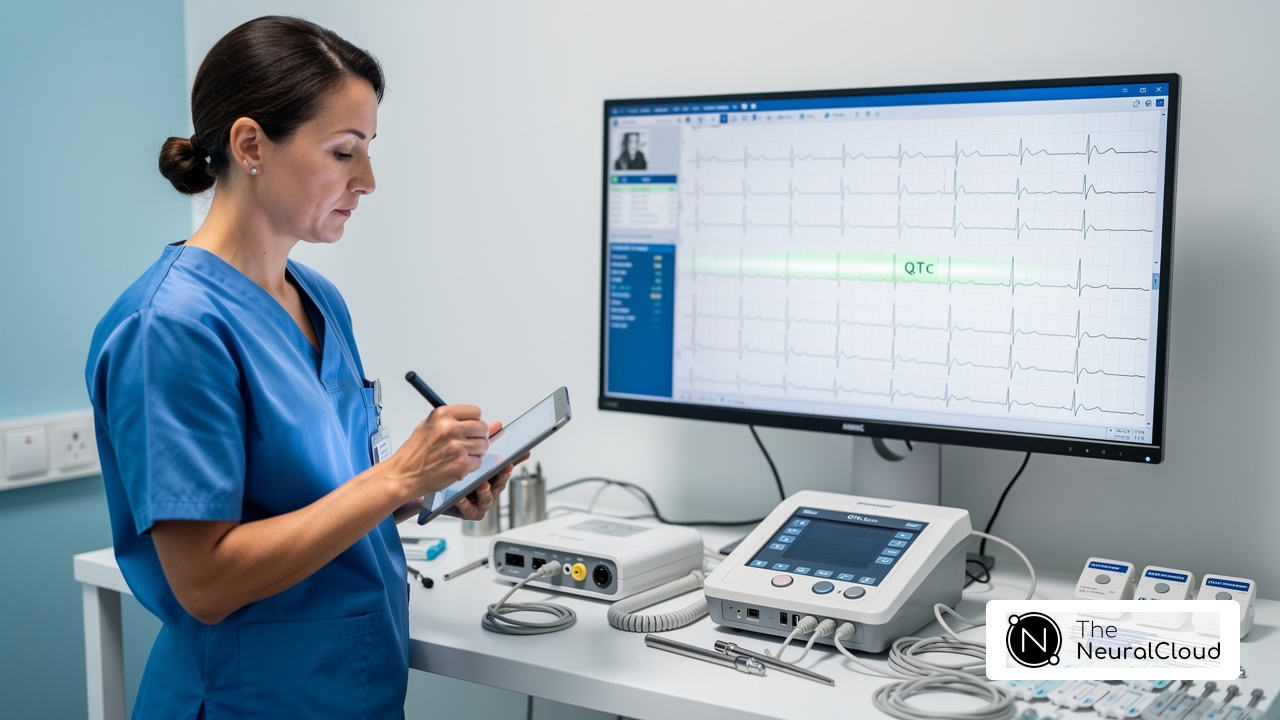
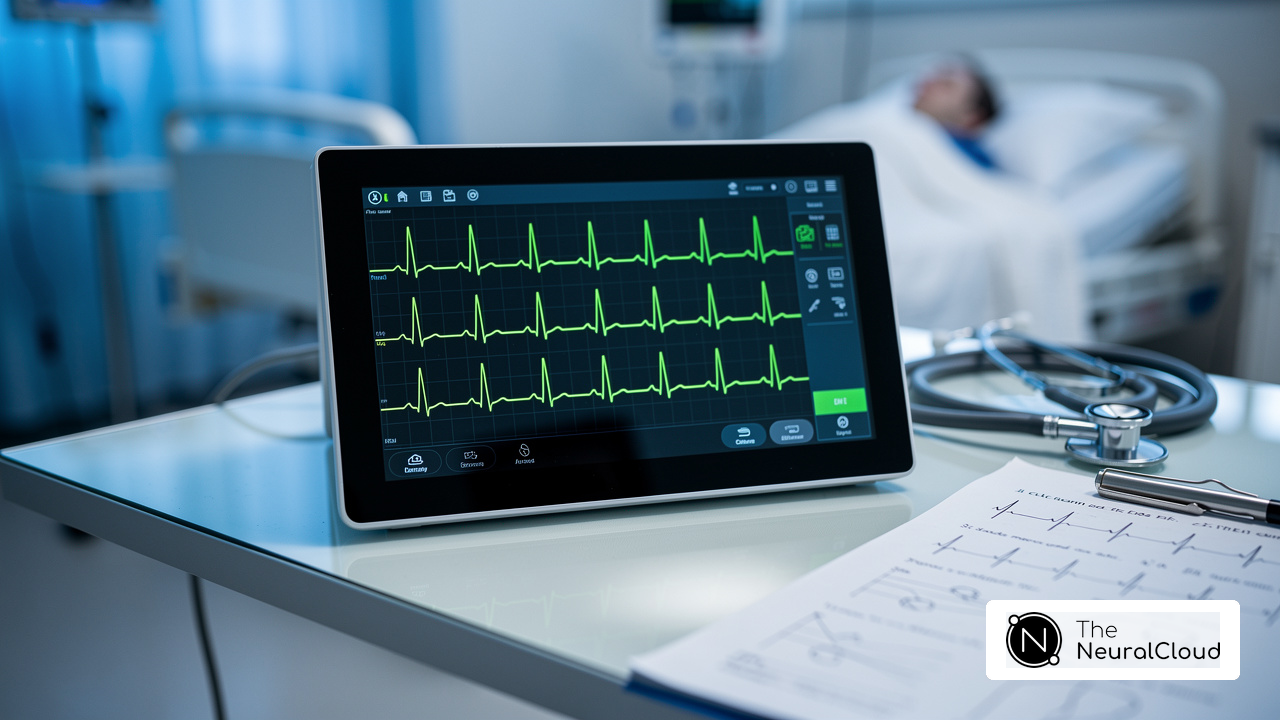
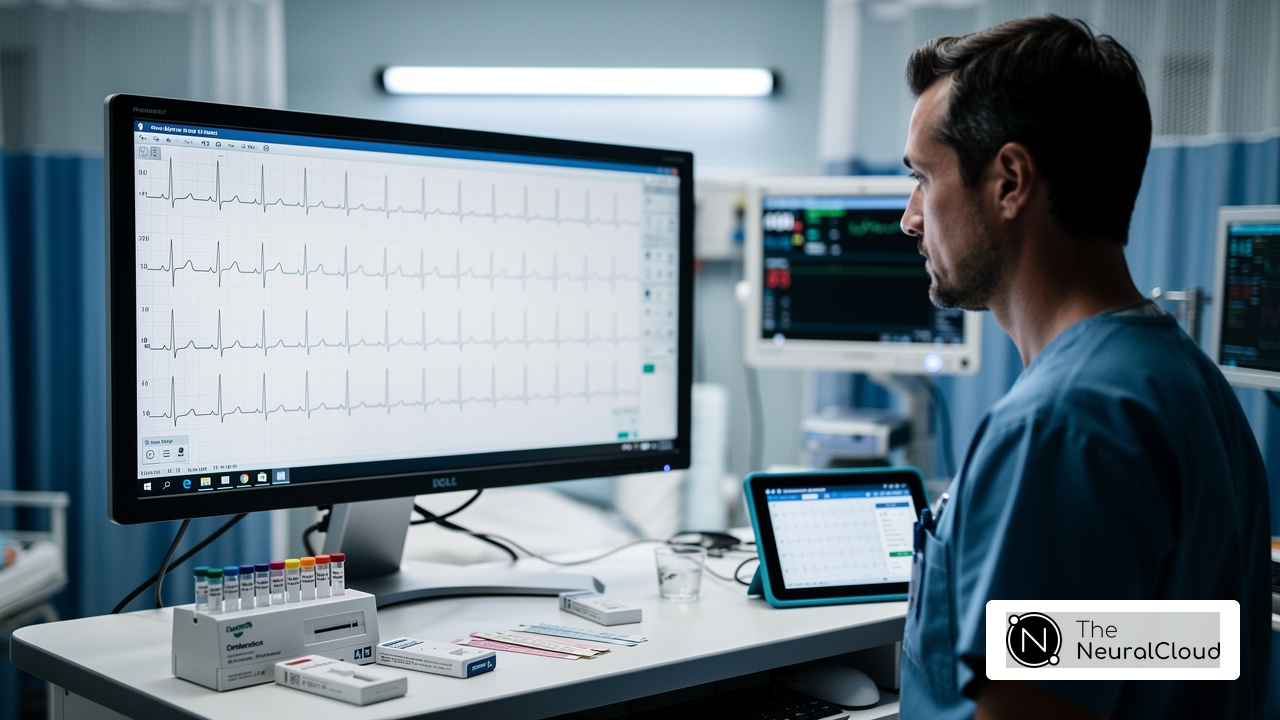
Analyzing ECG displays can be challenging due to the complexity of the data presented. Along with numerical data, monitors offer visual displays that illustrate the organ's electrical activity. Here’s how to analyze these displays:
-
ECG Waveforms: The ECG (electrocardiogram) waveform is a graphical representation of the heart's electrical impulses. Familiarize yourself with the components:
- P Wave: Represents atrial depolarization, typically lasting 0.08-0.12 seconds.
- QRS Complex: Indicates ventricular depolarization and is the most prominent feature on the ECG, with a duration of 0.06-0.12 seconds.
- T Wave: Reflects ventricular repolarization, with a duration of 0.1-0.25 seconds.
- U Wave: Occasionally seen, representing further repolarization.
-
Rhythm Strips: Look for regularity in the rhythm. A normal sinus rhythm is characterized by consistent intervals between beats, typically with RR intervals ranging from 0.6 to 1.2 seconds. Irregularities may suggest arrhythmias, which can significantly affect outcomes for individuals.
-
Trends Over Time: Pay attention to how the waveforms change over time. Sudden changes can indicate acute issues, such as myocardial ischemia, while gradual changes may suggest chronic conditions. Continuous monitoring can enhance early detection of cardiovascular diseases, which are responsible for 32% of global deaths.
-
Artifact Recognition: Be aware of artifacts that can distort the readings, such as motion or electrical interference. Power-line interference, occurring at 50/60 Hz, is a common source of noise that can disrupt ECG analysis. Misinterpretation of ECG data due to artifacts can lead to incorrect diagnoses, so recognizing these artifacts is crucial.
The MaxYield™ platform from Neural Cloud Solutions Inc. revolutionizes ECG analysis. It uses advanced noise filtering and distinct wave recognition capabilities. This technology turns lengthy and noisy ECG recordings into clear signals. This significantly enhances the efficiency of ECG interpretation. Expert endorsements from Dr. Alan Rabinowitz, Dr. Brett Heilbron, and Dr. Marc W. Deyell highlight MaxYield's precision, rivaling human interpretation while effectively reducing noise. Plus, the platform is awaiting FDA Class II SaMD clearance, which ensures it meets regulatory standards. Analyzing both numerical and visual data helps you understand an individual's cardiac status better, which ultimately improves diagnostic accuracy and care. Additionally, Insight360 is a customizable visualization tool. It transforms MaxYield’s clean ECG data into interactive dashboards and clinical-ready reports.

Respond to Alarms and Alerts from Heart Monitors
Effective response to alarm systems in heart devices is crucial for patient safety and timely intervention. These devices are equipped with alarm systems designed to alert healthcare providers about critical changes in a patient's condition. Here’s how to respond effectively:
-
Understand Alarm Types: Familiarize yourself with the different alarm colors and sounds:
- Red Alarms: Indicate life-threatening conditions (e.g., severe bradycardia or tachycardia) and require immediate action.
- Yellow Alarms: Suggest a need for prompt assessment but are not immediately life-threatening.
- Blue Alarms: Often indicate equipment issues or disconnections.
-
Evaluate the Situation: Upon hearing an alarm, quickly assess the individual's condition. Check vital signs and the monitor's displays to determine the cause of the alarm. Studies show that how quickly you respond to critical alarms can really impact patient outcomes, with delays increasing the risk of adverse events.
-
Take Action: Depending on your assessment, you may need to:
- Adjust medications or interventions based on the readings.
- Notify a physician or nursing supervisor if the situation requires further evaluation.
- Record the incident and any actions taken, as comprehensive documentation is essential for continuous care and safety.
-
Follow Protocols: Make sure to follow your facility's protocols when responding to alarms. Regular training and drills can help ensure that you are prepared for real-life scenarios. Working as a team to manage alarms can help cut down on alarm fatigue and speed up response times, emphasizing the importance of staff education in maintaining effective monitoring practices.
By understanding how to respond to alarms, you can play a vital role in ensuring patient safety and effective care. Your proactive engagement in alarm management can significantly enhance patient outcomes and safety in critical care settings.

Conclusion
Navigating the complexities of heart monitor data is essential for healthcare professionals aiming to provide optimal patient care. By understanding key parameters, interpreting numerical data, analyzing visual displays, and responding effectively to alarms, clinicians can significantly enhance patient care and outcomes. This knowledge empowers healthcare providers and is crucial for managing cardiovascular health, which is increasingly important in Canada.
The article outlined essential metrics such as heart rate, blood pressure, oxygen saturation, respiratory rate, and temperature, emphasizing their significance in patient assessment. It also provided insights into interpreting these readings, recognizing ECG waveforms, and responding to alarm systems. Each of these components contributes to a comprehensive understanding of a patient's cardiac status, enabling timely interventions and improved health outcomes.
In a landscape where cardiovascular diseases are a leading cause of mortality, the ability to accurately read and respond to heart monitor data cannot be overstated. Engaging with advanced tools like MaxYield from Neural Cloud Solutions Inc. offers several benefits:
- Enhanced interpretation skills
- Improved adherence to regulatory standards
By prioritizing education and training in heart monitor management, healthcare professionals can make a profound impact on patient safety and care quality in clinical settings across Canada. Ultimately, enhancing heart monitor management skills can transform patient care and save lives in clinical settings across Canada.
Frequently Asked Questions
What are the key parameters of heart monitors that healthcare professionals should understand?
The key parameters include Heart Rate (HR), Blood Pressure (BP), Oxygen Saturation (SpO₂), Respiratory Rate, and Temperature.
How is Heart Rate (HR) displayed on a heart monitor?
Heart Rate is prominently displayed on the monitor, often in green text, indicating the number of heartbeats per minute (bpm), with a typical resting pulse rate for adults ranging from 60 to 100 bpm.
What do the two numbers in a Blood Pressure (BP) reading represent?
The two numbers in a Blood Pressure reading represent systolic and diastolic pressures. The systolic number indicates the pressure in the arteries when the heart beats, while the diastolic number indicates the pressure when the heart is at rest between beats.
What is considered a normal range for Oxygen Saturation (SpO₂)?
Normal levels of Oxygen Saturation typically range from 95% to 100%, indicating how much oxygen the blood is carrying.
What is the normal range for Respiratory Rate?
The normal Respiratory Rate usually falls between 12 and 20 breaths per minute.
Why is it important for healthcare professionals to understand these parameters?
Understanding these parameters enhances the ability to analyze cardiac device data, which is vital for improving patient outcomes in cardiovascular care.
How can MaxYield assist healthcare professionals in interpreting heart monitor data?
MaxYield offers hospital-grade ECG accuracy from consumer devices, which can significantly improve interpretation skills. It is also endorsed by experts for its precision that rivals human interpretation.
What regulatory standards does MaxYield meet?
MaxYield is pending FDA Class II SaMD clearance, ensuring it meets rigorous regulatory standards for safety and effectiveness.
List of Sources
- Understand Key Parameters of Heart Monitors
- Heart disease: Monitoring - Canada.ca (https://canada.ca/en/public-health/services/diseases/heart-health/heart-diseases-conditions/surveillance-heart-diseases-conditions.html)
- What’s a Normal Heart Rate? (https://my.clevelandclinic.org/health/diagnostics/heart-rate)
- 6 Modern Cardiac Technologies for Heart Monitoring — (https://movesense.com/news/2025/04/a-guide-to-heart-monitoring-technologies)
- Cardiac Monitoring Devices Market Size, Trends & Forecast, 2026-2033 (https://coherentmarketinsights.com/market-insight/cardiac-monitoring-devices-market-1272)
- Interpret the Numbers on Heart Monitors
- Medical Technology and Solutions Supplier - Mindray (https://mindray.com/na/news-and-events/blog/how-to-read-a-vital-signs-monitor)
- How to Read a Hospital Monitor: 6 Vital Signs Explained (2026) (https://med-linket-corp.com/blogs/news/how-to-read-a-hospital-monitor-and-interpret-key-parameters?srsltid=AfmBOopv1xYyve772c2a8wo7K43t1fkReEze-5Zl8UzuZ91xMZbT2Kau)
- At HCA hospitals, the person monitoring your vital signs may be doing it for 79 other patients too (https://nbcnews.com/health/health-care/hca-hospitals-telemetry-vital-signs-hearts-rcna129517)
- Bradycardia - The Cardiology Advisor (https://thecardiologyadvisor.com/ddi/bradycardia)
- Analyze the Visual Displays of Heart Monitors
- Harnessing AI to Decode the Heart | UHN Research (https://uhnresearch.ca/news/12-10-2025/harnessing-ai-to-decode-the-heart)
- Frontiers | The most common errors in automatic ECG interpretation (https://frontiersin.org/journals/physiology/articles/10.3389/fphys.2025.1590170/full)
- Analysis of various techniques for ECG signal in healthcare, past, present, and future (https://sciencedirect.com/science/article/pii/S2667099223000191)
- New Clinical Trial Finds Human Oversight ECG Monitors Outperform AI-Dependent Monitoring - HRS (https://hrsonline.org/news/human-oversight-ecg-monitors-outperform-ai-dependent-monitoring)
- Respond to Alarms and Alerts from Heart Monitors
- Ignored Monitor Alarms Pose Huge Patient Safety Risks - Becker’s ASC (https://beckersasc.com/uncategorized/ignored-monitor-alarms-pose-huge-patient-safety-risks)
- At HCA hospitals, the person monitoring your vital signs may be doing it for 79 other patients too (https://nbcnews.com/health/health-care/hca-hospitals-telemetry-vital-signs-hearts-rcna129517)
- Reducing the Safety Hazards of Monitor Alert and Alarm Fatigue | PSNet (https://psnet.ahrq.gov/perspective/reducing-safety-hazards-monitor-alert-and-alarm-fatigue)
- Alarm fatigue a top patient safety hazard - PMC (https://pmc.ncbi.nlm.nih.gov/articles/PMC3928208)
- Stats on the desats: alarm fatigue and the implications for patient safety (https://bmjopenquality.bmj.com/content/12/3/e002262)