Introduction
As the landscape of myocardial infarction diagnosis evolves, healthcare professionals face mounting challenges in accurately interpreting ECG changes. Let’s explore the essential ECG changes associated with MI and how advanced analysis techniques can enhance diagnostic precision. As ECG interpretation becomes more complex, the risk of misdiagnosis increases, potentially jeopardizing patient care. Leveraging advanced technologies can empower clinicians to enhance their diagnostic accuracy and respond more effectively to myocardial infarction cases.
Define Myocardial Infarction and Its ECG Manifestations
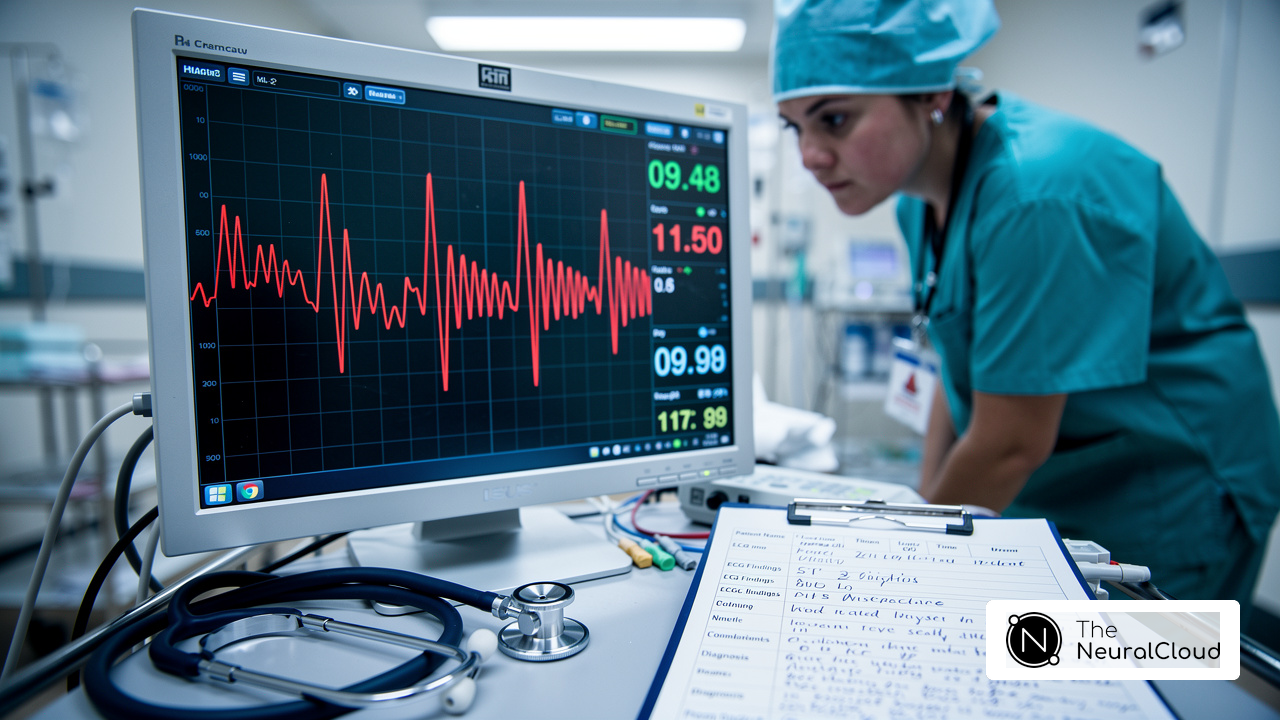
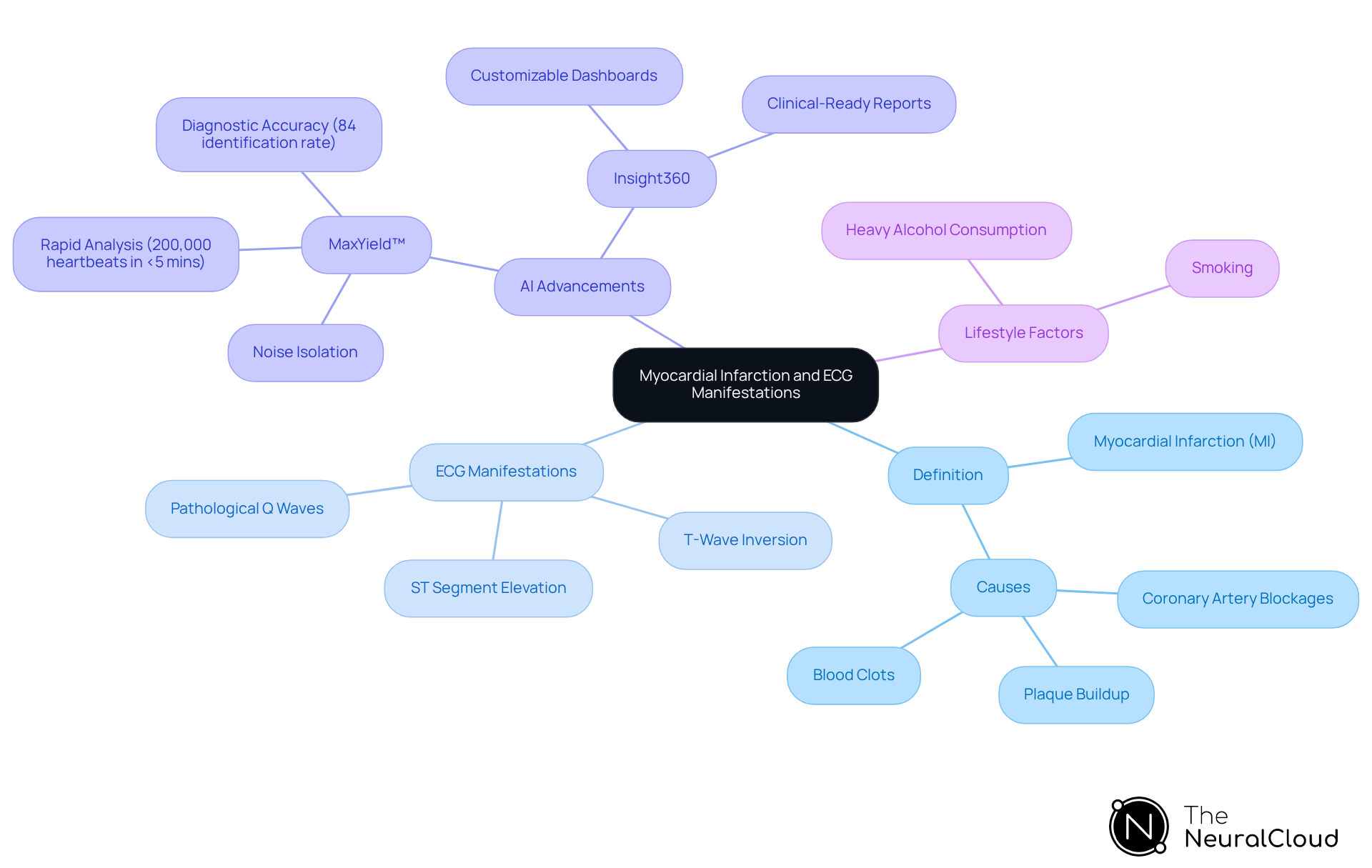
Accurate diagnosis of myocardial infarction (MI) is critical, yet healthcare professionals often struggle with distinguishing true heart attacks from false alarms. Myocardial damage, commonly referred to as a heart attack, occurs when blood flow to a portion of the heart is obstructed, resulting in harm or death of heart muscle cells. This condition is frequently caused by blockages in one or more coronary arteries due to plaque buildup or blood clots. The ECG manifestations of MI are crucial for accurate diagnosis and include several key changes:
- ST Segment Elevation: This is a primary indicator of an acute myocardial infarction, particularly in ST-Elevation Myocardial Infarction (STEMI), reflecting ongoing transmural ischemia.
- T-Wave Inversion: This change can happen in the leads related to the ischemic region, indicating heart tissue damage.
- Pathological Q Waves: These may develop over time and signify necrosis of the heart tissue.
For healthcare professionals, grasping these manifestations is key when interpreting ECGs and making quick decisions about patient care. In Canada, the prevalence of acute heart attack remains a significant health concern, with ongoing studies indicating that 58% of patients reviewed in recent analyses had STEMI, while 42% were false alarms. This highlights how crucial it is to have precise ECG analysis to distinguish infarction on ECG from other conditions that may mimic heart attacks.
Recent advancements in AI-driven ECG analysis, particularly with Neural Cloud Solutions' MaxYield™ platform, show promise in enhancing early detection of occlusive heart attacks. MaxYield™ maps ECG signals through noise, isolating and labeling key features in every heartbeat, which is crucial for identifying cardiac events. It can analyze 200,000 heartbeats in less than 5 minutes, providing rapid insights that are essential for timely clinical decisions. A study presented at the ESC Acute CardioVascular Care 2026 congress demonstrates that AI models can correctly identify obstructive MI in 84% of cases, with a sensitivity of 77% and specificity of 99%, significantly outperforming standard diagnostic pathways. This underscores the potential of integrating advanced technologies like MaxYield™ in improving diagnostic accuracy and patient outcomes in cardiovascular care. Additionally, Insight360 serves as a customizable visualization tool that transforms MaxYield’s clean ECG data into interactive dashboards and clinical-ready reports, further enhancing workflow efficiency. As noted by experts, "Accurate diagnosis and rapid treatment to restore blood flow are critical, and any tool that speeds up this process can help us save more lives." Incorporating lifestyle factors, such as smoking and heavy alcohol consumption, is also essential in understanding the prevalence and risk associated with MI. Integrating AI-driven solutions like MaxYield™ could be the key to transforming cardiovascular care and improving patient survival rates.
Identify Key ECG Changes in Myocardial Infarction
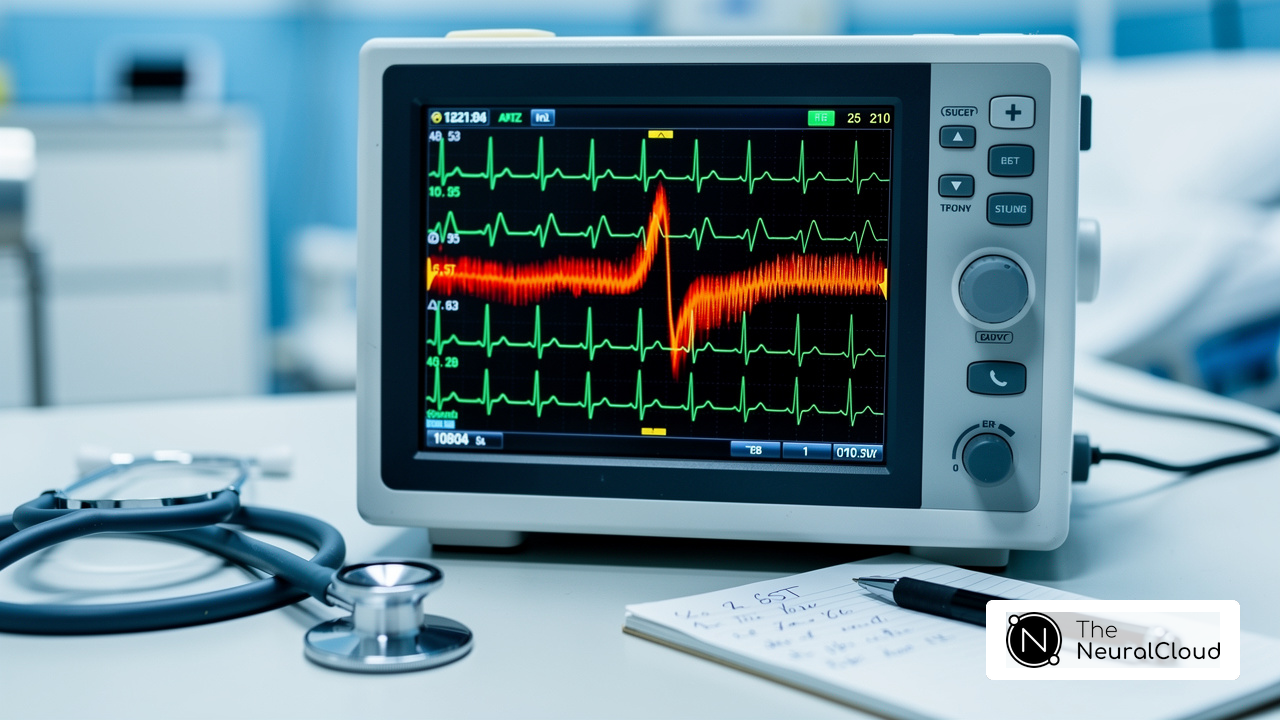
Recognizing the signs of infarction on ECG readings is critical for timely and effective patient care. Several key changes should be identified:
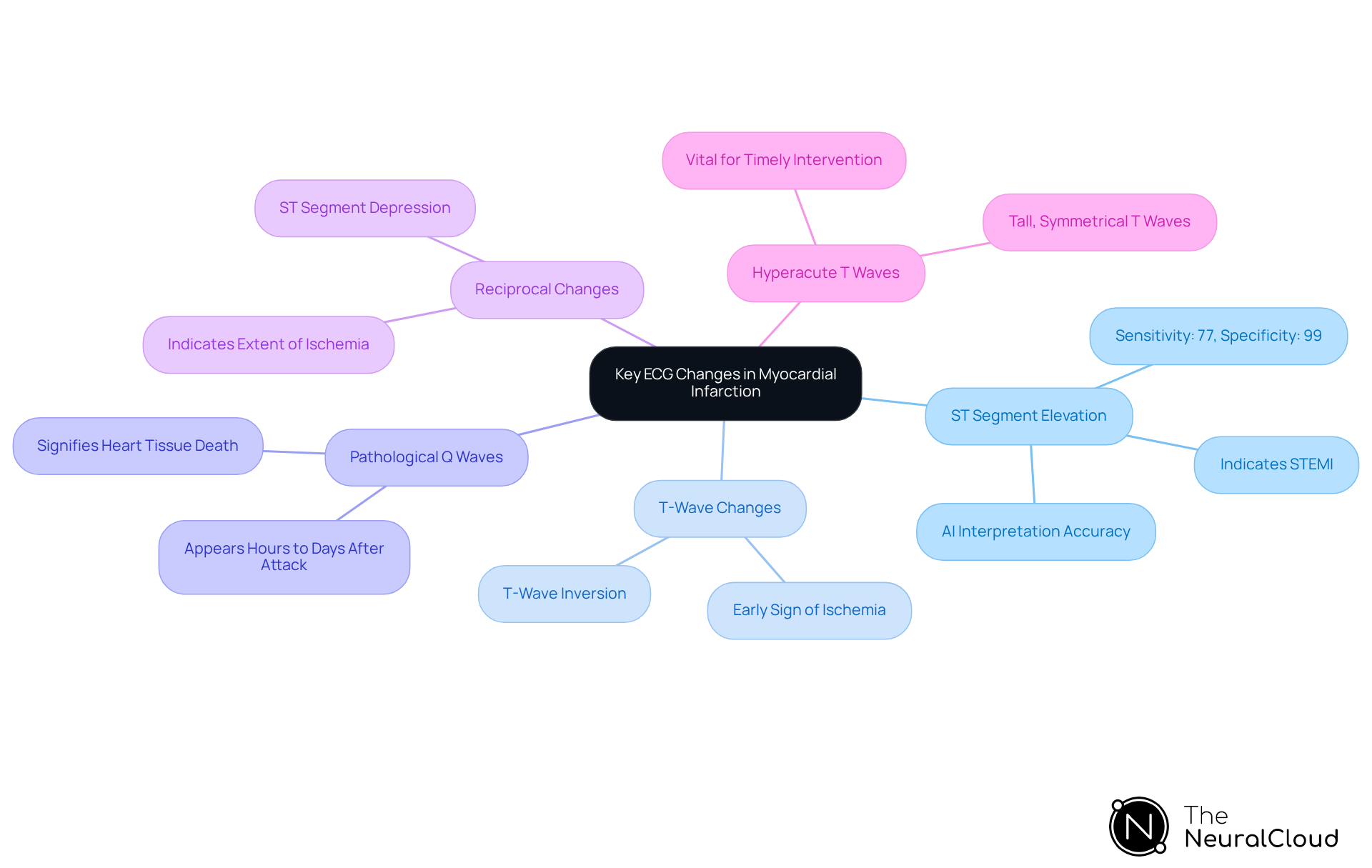
- ST Segment Elevation: Look for elevation of the ST segment in two or more contiguous leads. This is a hallmark of ST-Elevation Heart Attack (STEMI) and indicates acute heart damage. In recent studies, AI-based ECG interpretation has demonstrated a sensitivity of 77% and a specificity of 99% in detecting occlusive heart attacks, highlighting the critical role of accurate ST segment assessment.
- T-Wave Changes: You might notice T-wave inversion in leads corresponding to the area of ischemia. This change can be an early sign of heart damage, often showing up before more definitive indicators.
- Pathological Q Waves: The emergence of Q waves signifies heart tissue death and usually manifests hours to days following the beginning of a heart attack. Their presence is a significant marker for diagnosing past myocardial events.
- Reciprocal Changes: ST segment depression in leads opposite to the area of damage can also be observed, indicating the extent of ischemia. This mutual alteration is essential for comprehending the complete effect of the heart attack on cardiac function.
- Hyperacute T Waves: These may appear within minutes of the onset of ischemia and are characterized by tall, symmetrical T waves. Their early detection can be vital for timely intervention.
Failure to identify these changes promptly can lead to severe consequences for patient outcomes. By recognizing these key changes related to infarction on ECG, healthcare professionals can make timely decisions about the necessary interventions. The integration of advanced AI technologies in ECG interpretation further enhances diagnostic accuracy, ensuring that critical conditions like STEMI are recognized swiftly and effectively. With the integration of AI, healthcare professionals can significantly improve their diagnostic capabilities, ultimately saving lives.
Leverage Advanced Technologies for Enhanced ECG Analysis
Healthcare professionals face significant challenges in ECG analysis, often leading to delays in diagnosis and treatment. Incorporating advanced technologies into ECG analysis significantly enhances diagnostic accuracy and efficiency. Key technologies include:
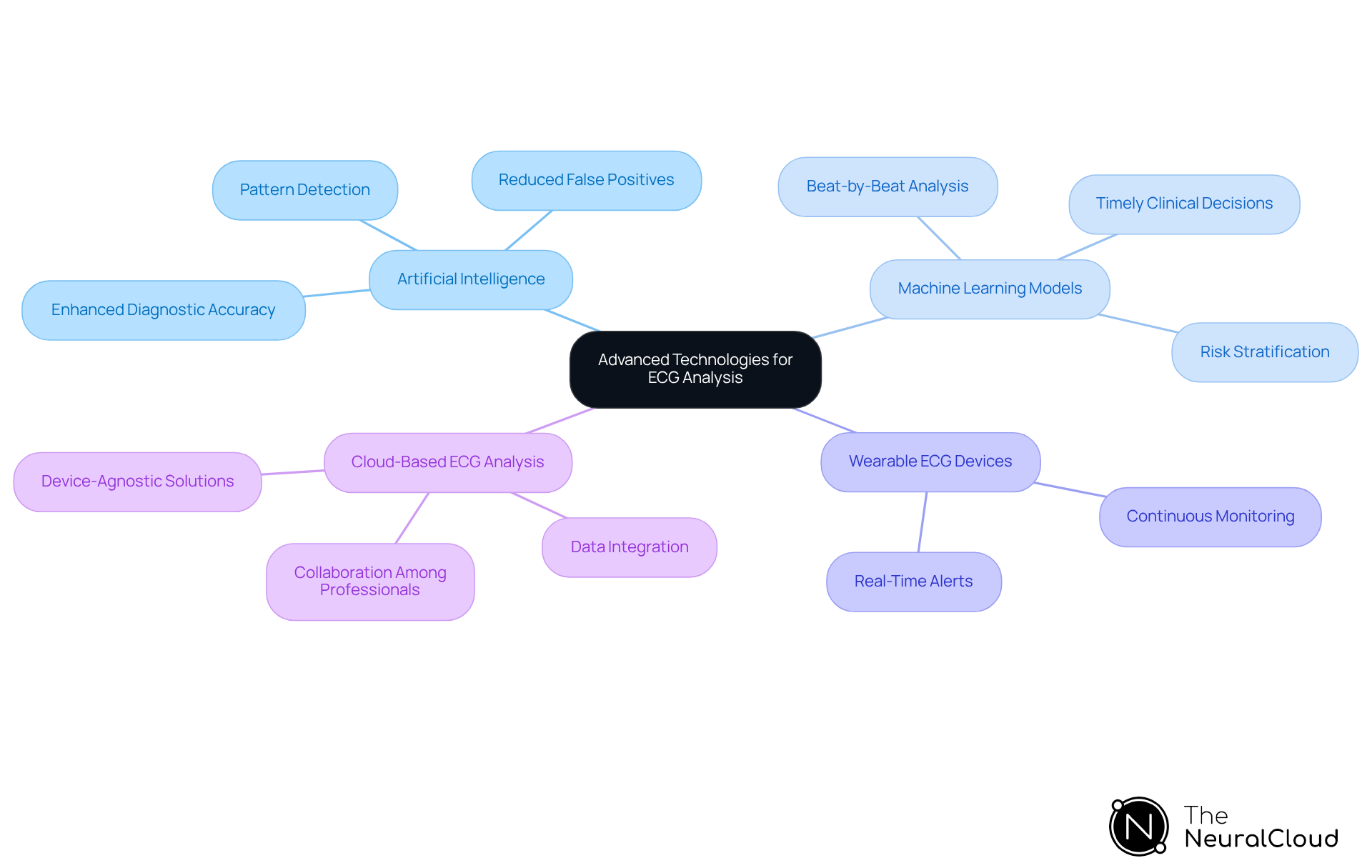
- Artificial Intelligence (AI): AI algorithms rapidly and accurately analyze ECG data, identifying patterns that may elude human detection. For instance, AI can detect slight variations in ST segments and T waves suggestive of ischemia or tissue damage, enhancing early diagnosis.
- Machine Learning Models: With MaxYield™, you get advanced machine learning algorithms that provide beat-by-beat analysis, delivering insights from 200,000 heartbeats in under 5 minutes-essential for making timely clinical decisions. These models, trained on extensive datasets, enhance predictive capabilities, facilitating better risk stratification and early detection of heart attacks.
- Wearable ECG Devices: Innovations in wearable technology allow for continuous cardiac rhythm monitoring, providing real-time data that can alert healthcare providers to potential issues before they escalate.
- Cloud-Based ECG Analysis: Utilizing cloud technology enables the integration of ECG data from various sources, promoting comprehensive analysis and collaboration among healthcare professionals. MaxYield™ serves as a device-agnostic ECG intelligence layer that integrates seamlessly via API, SDK, or CDK, enhancing existing workflows without requiring hardware changes.
AI is transforming ECG diagnostic accuracy in remarkable ways. Recent studies indicate that AI-based ECG models can identify confirmed STEMI cases with a significantly lower false positive rate compared to traditional methods, enhancing the reliability of diagnoses. By utilizing these advanced technologies, including the innovative features of MaxYield™ and the customizable visualization and reporting tool Insight360, clinicians can enhance their diagnostic processes, resulting in faster and more precise identification of heart attacks. As Robert Herman, MD, PhD, emphasizes, AI-driven ECG interpretation can bring the best of both worlds-identify true heart attacks early while reducing unnecessary activations. Expert endorsements from Dr. Alan Rabinowitz, Dr. Brett Heilbron, and Dr. Marc W. Deyell further highlight MaxYield’s precision rivaling human interpretation and its noise reduction benefits. With MaxYield™, clinicians can trust in a system that not only enhances diagnostic accuracy but also streamlines their workflow, ultimately benefiting patient care.
Apply Step-by-Step ECG Interpretation Techniques
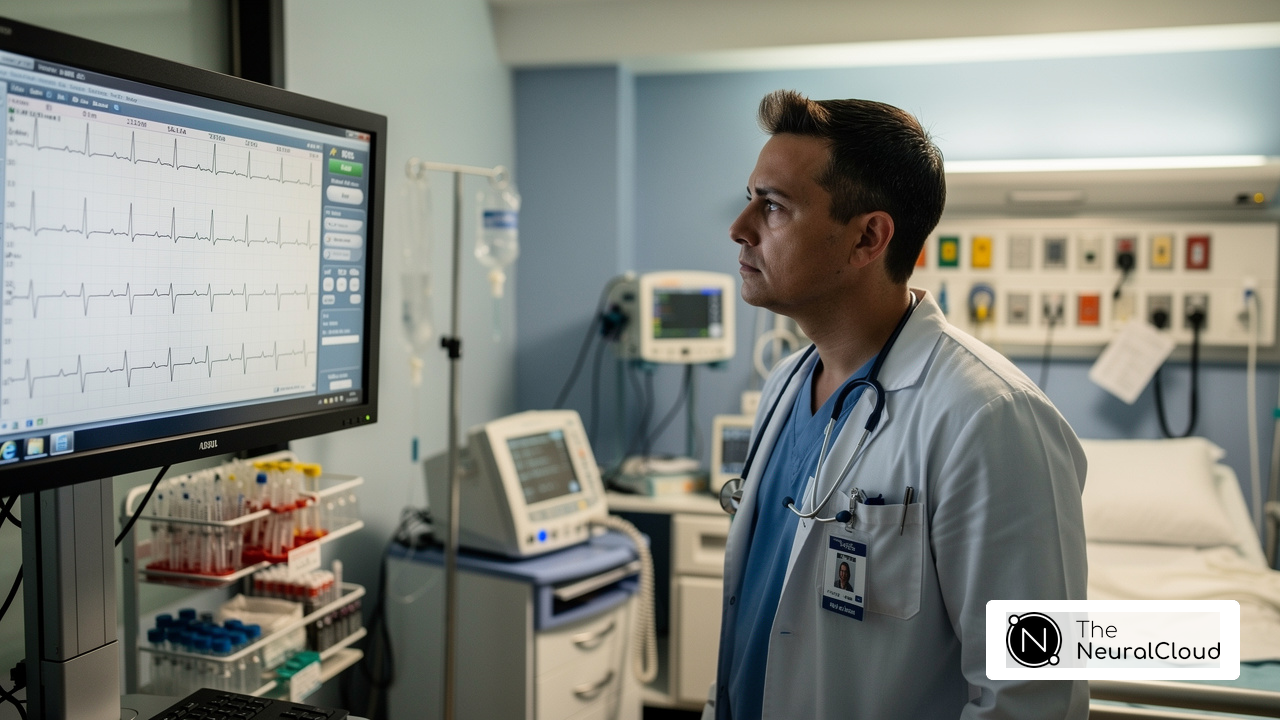
Interpreting an ECG can be challenging due to the intricacies of heart rhythms and signal quality. To effectively interpret an ECG using Neural Cloud Solutions' MaxYield platform, follow these step-by-step techniques:
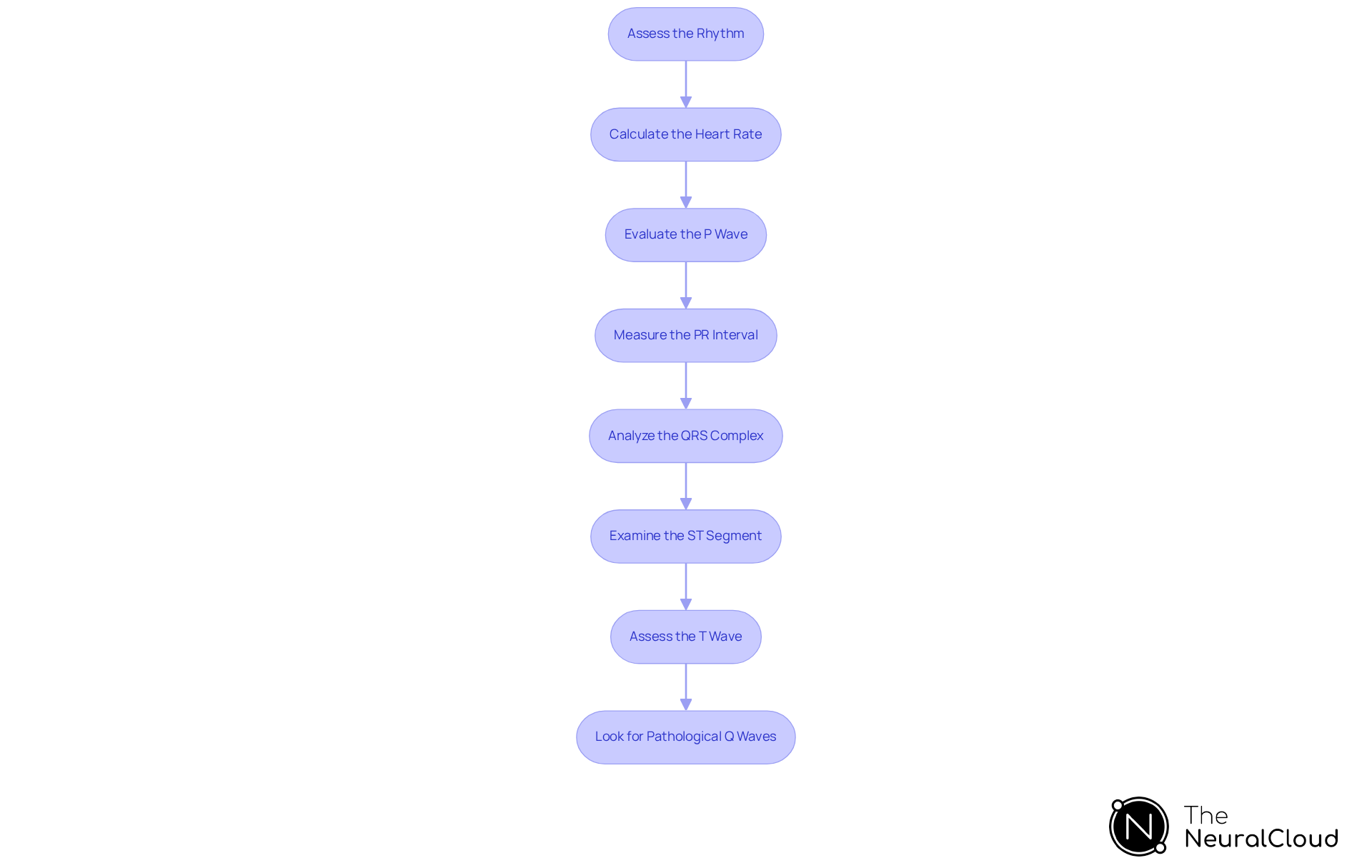
- Assess the Rhythm: Determine if the rhythm is regular or irregular. Look for P waves and QRS complexes to identify atrial and ventricular activity.
- Calculate the Heart Rate: Use the 300 rule for regular rhythms (300 divided by the number of large squares between R-R intervals) or count the number of QRS complexes in a 6-second strip for irregular rhythms. At a standard paper speed of 25mm/sec, a heart rate of 150 bpm corresponds to 10 small squares between R-R intervals.
- Evaluate the P Wave: Check for the presence and morphology of P waves. They should be upright in leads I, II, and aVF.
- Measure the PR Interval: The PR interval should be between 120-200 ms. Prolongation may indicate a block.
- Analyze the QRS Complex: The QRS duration should be less than 120 ms. A wide QRS may indicate a bundle branch block or ventricular rhythm.
- Examine the ST Segment: Look for elevation or depression compared to the baseline. ST segment elevation is indicative of heart injury.
- Assess the T Wave: Check for inversion or hyperacute changes, which may indicate ischemia.
- Look for Pathological Q Waves: The presence of Q waves can indicate previous myocardial infarction.
Following these steps helps healthcare professionals analyze ECGs more systematically, which can lead to accurate diagnoses and timely interventions. Moreover, the MaxYield platform enhances this process with advanced noise filtering and automation, effectively addressing challenges like physiological variability and signal artifacts. A study on the accuracy of ECG interpretation by physicians highlighted the need for improved diagnostic accuracy, emphasizing the importance of these techniques in clinical practice. For a more interactive experience, consider utilizing Insight360, which transforms MaxYield’s clean ECG data into clinical-ready reports and dashboards. With the MaxYield platform, healthcare professionals can enhance their ECG analysis, leading to improved patient outcomes and more efficient clinical workflows.
Conclusion
Accurate interpretation of ECG changes linked to myocardial infarction is crucial for timely patient care. Understanding critical indicators such as ST segment elevation, T-wave inversion, and pathological Q waves can significantly enhance diagnostic accuracy. The use of advanced technologies, especially AI-driven solutions like MaxYield™, empowers clinicians to make swift and informed decisions, ultimately improving patient outcomes.
Throughout the article, we shared key insights regarding the importance of recognizing specific ECG changes that signal myocardial infarction. We highlighted how AI and machine learning can streamline the analysis process, allowing for rapid identification of heart attacks and reducing the likelihood of misdiagnosis. Additionally, we outlined step-by-step techniques for ECG interpretation, emphasizing the systematic approach necessary for accurate assessments in clinical settings.
As the landscape of cardiovascular care continues to evolve, embracing advanced ECG analysis technologies is not just beneficial but imperative. By leveraging tools like MaxYield™ and Insight360, healthcare professionals can enhance their diagnostic capabilities, ensuring they are equipped to respond effectively to acute cardiac events. By focusing on innovative solutions, we can enhance diagnostic accuracy and improve patient care.
Frequently Asked Questions
What is myocardial infarction (MI)?
Myocardial infarction, commonly known as a heart attack, occurs when blood flow to a portion of the heart is obstructed, leading to damage or death of heart muscle cells. This is often caused by blockages in the coronary arteries due to plaque buildup or blood clots.
What are the key ECG manifestations of myocardial infarction?
The key ECG manifestations of myocardial infarction include: - ST Segment Elevation: A primary indicator of acute myocardial infarction, especially in STEMI, reflecting ongoing transmural ischemia. - T-Wave Inversion: Indicates heart tissue damage and can occur in leads related to the ischemic region. - Pathological Q Waves: These may develop over time and signify necrosis of the heart tissue.
Why is accurate ECG analysis important in diagnosing myocardial infarction?
Accurate ECG analysis is crucial for distinguishing true heart attacks from false alarms. In Canada, studies show that a significant percentage of patients reviewed had STEMI, while others were misdiagnosed. Precise ECG interpretation helps healthcare professionals make quick and informed decisions about patient care.
How does Neural Cloud Solutions' MaxYield™ platform enhance the detection of myocardial infarction?
MaxYield™ utilizes AI-driven ECG analysis to enhance early detection of occlusive heart attacks by mapping ECG signals through noise and isolating key features in every heartbeat. It can analyze 200,000 heartbeats in less than 5 minutes, providing rapid insights essential for timely clinical decisions.
What are the performance metrics of AI models in identifying obstructive myocardial infarction?
AI models, as demonstrated in a study presented at the ESC Acute CardioVascular Care 2026 congress, can correctly identify obstructive myocardial infarction in 84% of cases, with a sensitivity of 77% and specificity of 99%, significantly outperforming standard diagnostic pathways.
How does Insight360 complement the MaxYield™ platform?
Insight360 serves as a customizable visualization tool that transforms MaxYield’s clean ECG data into interactive dashboards and clinical-ready reports, enhancing workflow efficiency for healthcare professionals.
What lifestyle factors are important in understanding the prevalence and risk of myocardial infarction?
Incorporating lifestyle factors such as smoking and heavy alcohol consumption is essential in understanding the prevalence and risk associated with myocardial infarction.
What is the potential impact of integrating AI-driven solutions like MaxYield™ in cardiovascular care?
Integrating AI-driven solutions like MaxYield™ could transform cardiovascular care by improving diagnostic accuracy and patient survival rates, ultimately helping to save more lives through accurate diagnosis and rapid treatment.
List of Sources
- Define Myocardial Infarction and Its ECG Manifestations
- New Study Finds AI Model Improves Heart Attack Detection (https://miragenews.com/new-study-finds-ai-model-improves-heart-attack-1573724)
- Number of heart disease deaths in Canada 2000-2023| Statista (https://statista.com/statistics/882535/diagnosed-heart-disease-number-of-deaths-canada?srsltid=AfmBOoogXPZP231XNEOZSe5wF0WnvNBCpvOlP7ljcbdCMKv6dF7OOo4C)
- AI-based ECG interpretation outperforms standard diagnosis of occlusive myocardial infarction (https://news-medical.net/news/20260323/AI-based-ECG-interpretation-outperforms-standard-diagnosis-of-occlusive-myocardial-infarction.aspx)
- Identify Key ECG Changes in Myocardial Infarction
- AI-driven ECG improves detection of severe heart attacks (https://news-medical.net/news/20251029/AI-driven-ECG-improves-detection-of-severe-heart-attacks.aspx)
- AI-based ECG interpretation outperforms standard diagnosis of occlusive myocardial infarction (https://news-medical.net/news/20260323/AI-based-ECG-interpretation-outperforms-standard-diagnosis-of-occlusive-myocardial-infarction.aspx)
- AI dramatically improves the detection of severe heart attacks (https://cardiovascularbusiness.com/topics/artificial-intelligence/ai-dramatically-improves-detection-severe-heart-attacks)
- New study finds AI model improves heart attack detection (https://health.ucdavis.edu/news/headlines/new-study-finds-ai-model-improves-heart-attack-detection/2025/11)
- AI ECG Better Detects Severe Heart Attacks in Emergency Setting - American College of Cardiology (https://acc.org/about-acc/press-releases/2025/10/28/18/55/ai-ecg-better-detects-severe-heart-attacks-in-emergency-setting)
- Leverage Advanced Technologies for Enhanced ECG Analysis
- New study finds AI model improves heart attack detection (https://health.ucdavis.edu/news/headlines/new-study-finds-ai-model-improves-heart-attack-detection/2025/11)
- AI-driven ECG improves detection of severe heart attacks (https://news-medical.net/news/20251029/AI-driven-ECG-improves-detection-of-severe-heart-attacks.aspx)
- AI outperforms conventional diagnosis for certain types of heart attacks (https://medicalxpress.com/news/2026-03-ai-outperforms-conventional-diagnosis-heart.html)
- MedTech Breakthrough Names AI-powered Hyperkalemia Detection Software 'Best New ECG Technology Solution' (https://dicardiology.com/content/medtech-breakthrough-names-ai-powered-hyperkalemia-detection-software-best-new-ecg)
- Artificial intelligence may speed heart attack diagnosis and treatment (https://newsroom.heart.org/news/artificial-intelligence-may-speed-heart-attack-diagnosis-and-treatment)
- Apply Step-by-Step ECG Interpretation Techniques
- ECG Rate Interpretation (https://litfl.com/ecg-rate-interpretation)
- Study Demonstrates Accuracy and Reliability of ECG Interpretation by Physicians is Limited | Newswise (https://newswise.com/articles/study-demonstrates-accuracy-and-reliability-of-ecg-interpretation-by-physicians-is-limited)
- RPubs - Statistical analysis of ECG heart rate signals (Athletes vs. Sedentary adults) (https://rpubs.com/J_Vishnupriya/statistics)
- Novel AI ECG model outperforms standard triage for acute coronary occlusion (https://news-medical.net/news/20251029/Novel-AI-ECG-model-outperforms-standard-triage-for-acute-coronary-occlusion.aspx)