Introduction
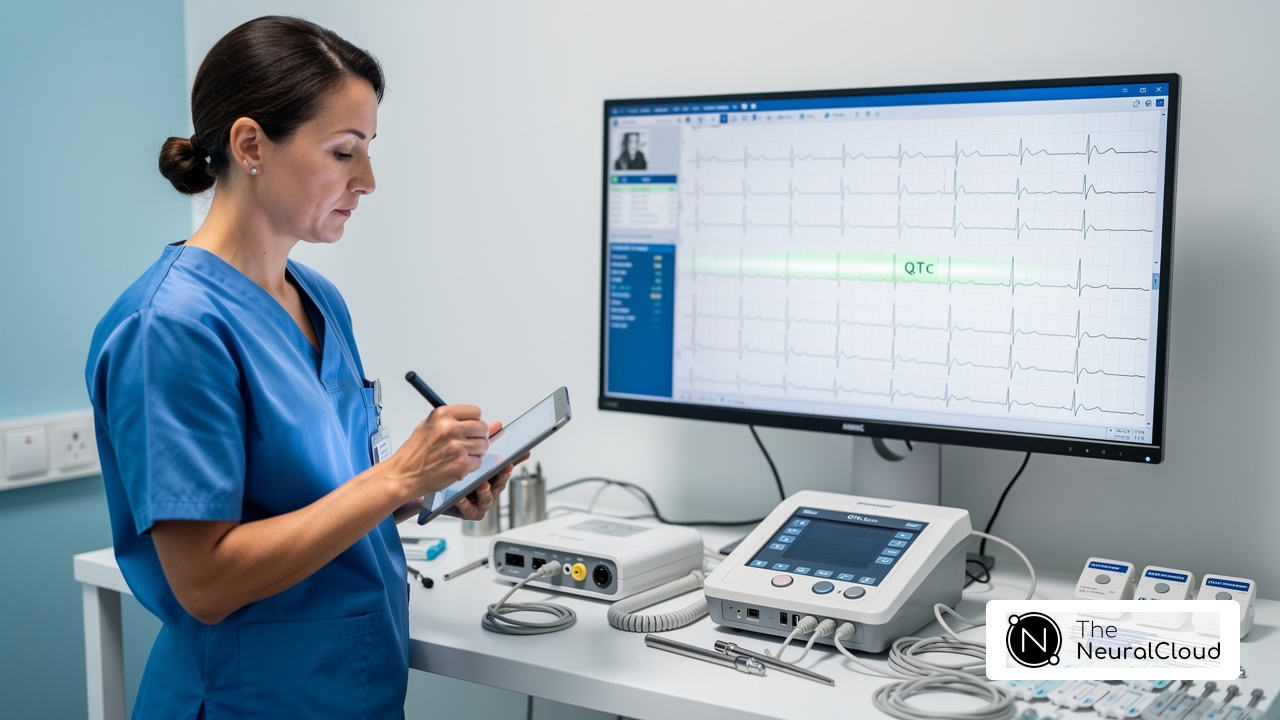
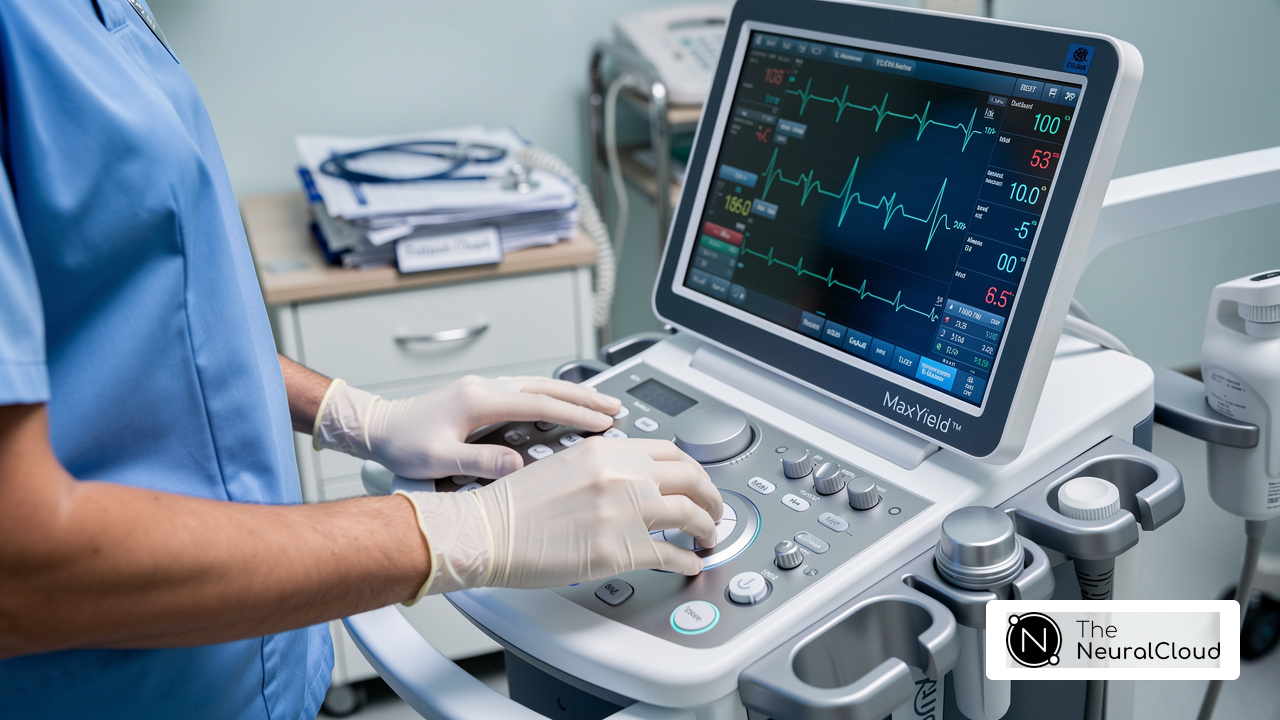
Understanding the complexities of junctional rhythm is essential for healthcare professionals, as it often serves as a crucial indicator of underlying cardiac conditions. ECG analysis can be challenging, particularly when interpreting junctional rhythms with ST elevation. This article explores these challenges and introduces the MaxYield™ platform, a cutting-edge tool designed to enhance diagnostic accuracy in ECG analysis.
The MaxYield™ platform offers several key features that set it apart:
- Advanced algorithms for rhythm interpretation
- Real-time data analysis
- User-friendly interfaces that streamline the diagnostic process
These features not only improve the accuracy of ECG readings but also reduce the time clinicians spend on analysis, allowing for quicker decision-making in patient care.
The advantages of utilizing the MaxYield™ platform are significant:
- By enhancing diagnostic accuracy, healthcare professionals can identify underlying cardiac conditions more effectively, leading to improved patient outcomes
- The platform's intuitive design makes it accessible for both seasoned clinicians and those less familiar with ECG technology, ensuring that all users can benefit from its capabilities
In conclusion, exploring the complexities of junctional rhythm and leveraging innovative technologies like the MaxYield™ platform equips clinicians with the insights needed to optimize patient care. By addressing the challenges in ECG analysis and utilizing advanced tools, healthcare professionals can enhance their diagnostic capabilities and ultimately improve patient outcomes.
Define Junctional Rhythm and Its Clinical Importance
Junctional activity occurs when the heart's electrical impulses originate from the atrioventricular (AV) node or His bundle, bypassing the sinoatrial (SA) node, which serves as the heart's primary pacemaker. This pattern typically presents with a heart rate ranging from 40 to 60 beats per minute and is characterized by narrow QRS complexes measuring less than 120 ms. Understanding this specific heart pattern is crucial, as it may indicate underlying cardiac conditions such as sick sinus syndrome or varying degrees of AV block.
For instance, a notable case involved a 21-year-old woman with a history of panic attacks, who exhibited an escape pattern during an episode. This highlights the importance for clinicians to recognize how this pattern affects cardiac output and patient stability. Statistics indicate that irregularities in cardiac activity affect over 2% of community-dwelling adults, underscoring the necessity for prompt intervention when symptoms arise. Cardiologists stress that grasping these specific patterns is vital for effective patient management, as they can significantly influence clinical outcomes.
Accurate ECG interpretation is essential for healthcare professionals, enabling them to distinguish between physiological adaptations and pathological conditions. This ensures that appropriate treatment strategies are implemented. The integration of wearable technology with Neural Cloud Solutions' MaxYield™ platform enhances the efficiency of ECG analysis by automating labeling and addressing challenges such as physiological variability and signal distortions.
Features of the MaxYield™ Platform:
- Automates ECG labeling
- Tackles physiological variability
- Addresses signal distortions
Advantages for Healthcare Professionals:
- Streamlines ECG interpretation process
- Supports informed clinical decisions
- Improves patient outcomes
This technological advancement not only simplifies the ECG interpretation process but also empowers clinicians to make well-informed decisions, ultimately leading to enhanced patient care.

Identify ST Elevation Features in Junctional Rhythm
In junction patterns, a ST elevation can occur due to various underlying conditions, particularly myocardial ischemia or pericarditis. Clinicians must pay close attention to the morphology of the ST segment, assessing it against the baseline. Key features to identify include:
- Convex or straight ST segment elevations, especially in leads that correspond to the affected myocardial territory.
- Measurement of the elevation from the J point to the baseline, with significant elevation typically defined as greater than 1 mm in contiguous leads.
Recognizing these morphological characteristics is vital for the timely diagnosis of conditions such as junctional rhythm with ST elevation, which requires immediate intervention to optimize patient outcomes.
Patients presenting to the Emergency Department with chest pain should have an electrocardiogram performed within 10 minutes of arrival to ensure the best possible outcomes. The MaxYield™ platform addresses the challenges in ECG analysis by utilizing advanced algorithms that enhance the effectiveness and precision of readings. This Continuous Learning Model improves with each application, boosting diagnostic output and addressing issues like physiological variability and signal distortions.
The integration of AI-driven automation not only streamlines the analysis process but also supports clinicians in making timely and informed decisions. By leveraging the MaxYield™ platform, healthcare professionals can enhance their diagnostic capabilities, ultimately leading to improved patient care and outcomes.

Implement ECG Setup for Analyzing Junctional Rhythm
To effectively analyze junctional rhythm with ST elevation, an optimal ECG setup is crucial. Begin by placing electrodes according to the standard 12-lead configuration; accurate lead placement is vital. Studies indicate that only 10% of healthcare providers consistently position all leads correctly. This precision reduces noise and distortions, which can obscure critical data. Utilize high-quality ECG machines that capture clear signals, and adjust gain settings to enhance the visibility of P waves and QRS complexes. Guiding the patient to stay motionless during the recording is also essential to avoid motion distortions.
Physiological variability can significantly impact ECG readings. Factors such as age, sex, and health conditions lead to diverse ECG patterns. Neural Cloud Solutions' MaxYield™ platform addresses these challenges by incorporating advanced noise reduction and artifact handling capabilities. This ensures that recordings are not compromised by traditional limitations. After acquiring the ECG, examine the strip for clarity and completeness, as this aids in the precise interpretation of heart patterns, particularly junctional rhythm with ST elevation and related ST segment changes.
Features of the MaxYield™ Platform:
- Advanced noise reduction capabilities.
- Artifact handling to ensure clear recordings.
- User-friendly interface for easy navigation.
Advantages for Healthcare Professionals:
- Improved quality of ECG recordings.
- More reliable diagnoses based on clear data.
- Enhanced ability to interpret complex heart patterns.
By implementing these best practices alongside the MaxYield™ platform, healthcare professionals can significantly enhance the quality of ECG recordings, leading to more reliable diagnoses.

Explore Causes and Differential Diagnosis of Junctional Rhythm with ST Elevation
ST elevation can arise from various causes, such as sinoatrial node dysfunction, myocardial ischemia, and electrolyte imbalances. Common differential diagnoses include acute coronary syndromes, pericarditis, and digoxin toxicity. Clinicians must consider the patient's medical history, presenting symptoms, and related ECG findings when assessing heart patterns. For example, ST elevation accompanied by reciprocal changes in other leads may indicate an acute myocardial infarction. A thorough assessment, including laboratory tests and imaging, is often necessary to confirm the diagnosis and guide appropriate management strategies.
The challenges in ECG analysis can be significant, particularly when dealing with noise and interference in recordings. To enhance the efficiency of this process, integrating wearable technology with Neural Cloud Solutions' MaxYield™ platform can streamline ECG analysis. MaxYield™ features sophisticated noise filtering and unique wave recognition, allowing for the swift isolation of ECG waves, even in recordings with substantial noise. This capability improves the accuracy of identifying junctional rhythms and reduces operational costs by automating labor-intensive tasks like data labeling.
Features of MaxYield™:
- Noise Filtering: Effectively reduces background noise, enhancing signal clarity.
- Wave Recognition: Quickly identifies and isolates ECG waves, improving diagnostic accuracy.
- Automation: Streamlines data labeling, saving time and resources for healthcare professionals.
By leveraging MaxYield™, health tech developers can tackle the challenges of physiological variability and signal artifacts. This ultimately enhances the quality and reliability of ECG interpretations, providing significant benefits for healthcare professionals. With improved accuracy and efficiency, clinicians can make better-informed decisions, leading to enhanced patient care.

Conclusion
Understanding junctional rhythm and its relationship with ST elevation is crucial for accurate ECG analysis and effective patient care. Recognizing junctional rhythms can indicate serious underlying cardiac conditions, and advanced technology, such as the MaxYield™ platform, plays a significant role in enhancing ECG interpretation.
Key insights include:
- The clinical importance of junctional rhythm
- Specific features of ST elevation to monitor
- The necessity of proper ECG setup for reliable readings
The article discusses various causes and differential diagnoses associated with junctional rhythm with ST elevation, underscoring the need for thorough assessment and timely intervention.
Incorporating advanced tools and best practices into ECG analysis not only improves diagnostic accuracy but also empowers healthcare professionals to make informed decisions. As the landscape of cardiology continues to evolve, embracing these innovations is essential for enhancing patient outcomes and ensuring that clinicians can effectively manage complex cardiac conditions.
Frequently Asked Questions
What is junctional rhythm?
Junctional rhythm occurs when the heart's electrical impulses originate from the atrioventricular (AV) node or His bundle, bypassing the sinoatrial (SA) node, which is the primary pacemaker of the heart.
What are the characteristics of junctional rhythm?
Junctional rhythm typically presents with a heart rate ranging from 40 to 60 beats per minute and is characterized by narrow QRS complexes measuring less than 120 ms.
Why is understanding junctional rhythm clinically important?
Understanding junctional rhythm is crucial as it may indicate underlying cardiac conditions such as sick sinus syndrome or varying degrees of AV block, which can significantly influence patient management and clinical outcomes.
Can you provide an example of junctional rhythm in a clinical scenario?
A notable case involved a 21-year-old woman with a history of panic attacks who exhibited an escape pattern during an episode, highlighting the impact of this rhythm on cardiac output and patient stability.
How common are irregularities in cardiac activity?
Irregularities in cardiac activity affect over 2% of community-dwelling adults, emphasizing the need for prompt intervention when symptoms arise.
What role does accurate ECG interpretation play in healthcare?
Accurate ECG interpretation is essential for healthcare professionals to distinguish between physiological adaptations and pathological conditions, ensuring appropriate treatment strategies are implemented.
What is the MaxYield™ platform and its features?
The MaxYield™ platform, integrated with wearable technology, automates ECG labeling, tackles physiological variability, and addresses signal distortions to enhance the efficiency of ECG analysis.
What advantages does the MaxYield™ platform offer to healthcare professionals?
The MaxYield™ platform streamlines the ECG interpretation process, supports informed clinical decisions, and improves patient outcomes, ultimately enhancing patient care.
List of Sources
- Define Junctional Rhythm and Its Clinical Importance
- clinmedjournals.org (https://clinmedjournals.org/articles/ijsem/international-journal-of-sports-and-exercise-medicine-ijsem-5-117.php?jid=ijsem)
- pmc.ncbi.nlm.nih.gov (https://pmc.ncbi.nlm.nih.gov/articles/PMC10357390)
- Checking your browser - reCAPTCHA (https://pmc.ncbi.nlm.nih.gov/articles/PMC6051725)
- journals.lww.com (https://journals.lww.com/htin/fulltext/2021/09010/a_study_on_hospitalized_patients_of_junctional.5.aspx)
- Identify ST Elevation Features in Junctional Rhythm
- STEMI - Electrocardiogram - M3 Curriculum | SAEM (https://saem.org/about-saem/academies-interest-groups-affiliates2/cdem/for-students/online-education/m3-curriculum/group-electrocardiogram-(ecg)-rhythm-recognition/stemi)
- openheart.bmj.com (https://openheart.bmj.com/content/13/1/e004019)
- STEMI ECG Criteria: ST-Elevation Thresholds (https://powerfulmedical.com/blog/stemi-ecg-criteria)
- ejcrim.com (https://ejcrim.com/index.php/EJCRIM/article/view/4495)
- Implement ECG Setup for Analyzing Junctional Rhythm
- theneuralcloud.com (https://theneuralcloud.com/post/master-junctional-rhythm-strip-analysis-a-step-by-step-guide)
- pubmed.ncbi.nlm.nih.gov (https://pubmed.ncbi.nlm.nih.gov/18019521)
- sciencedirect.com (https://sciencedirect.com/book/monograph/9780323187725/case-studies-in-clinical-cardiac-electrophysiology)
- ECG Noise Filtering Improves Clinical Accuracy (https://emjreviews.com/interventional-cardiology/news/ecg-noise-filtering-improves-clinical-accuracy)
- Explore Causes and Differential Diagnosis of Junctional Rhythm with ST Elevation
- ST elevation: Differential diagnosis and caveats. A comprehensive review to help distinguish ST elevation myocardial infarction from nonischemic etiologies of ST elevation - PMC (https://pmc.ncbi.nlm.nih.gov/articles/PMC6009807)
- Junctional Rhythm: Causes, Symptoms and Treatment (https://my.clevelandclinic.org/health/diseases/23206-junctional-rhythm)
- Junctional Rhythm: Background, Etiology, Pathophysiology (https://emedicine.medscape.com/article/155146-overview)