Introduction
Many healthcare professionals may not recognize mild systolic dysfunction due to its subtle symptoms, which can lead to serious heart health issues. These symptoms are often mistaken for normal aging or fatigue. Understanding this condition is crucial, as early diagnosis and effective management can prevent progression to more severe heart failure.
How can healthcare professionals use advanced diagnostic tools and treatment strategies to improve outcomes for patients with this misunderstood condition?
Define Mild Systolic Dysfunction and Its Clinical Significance
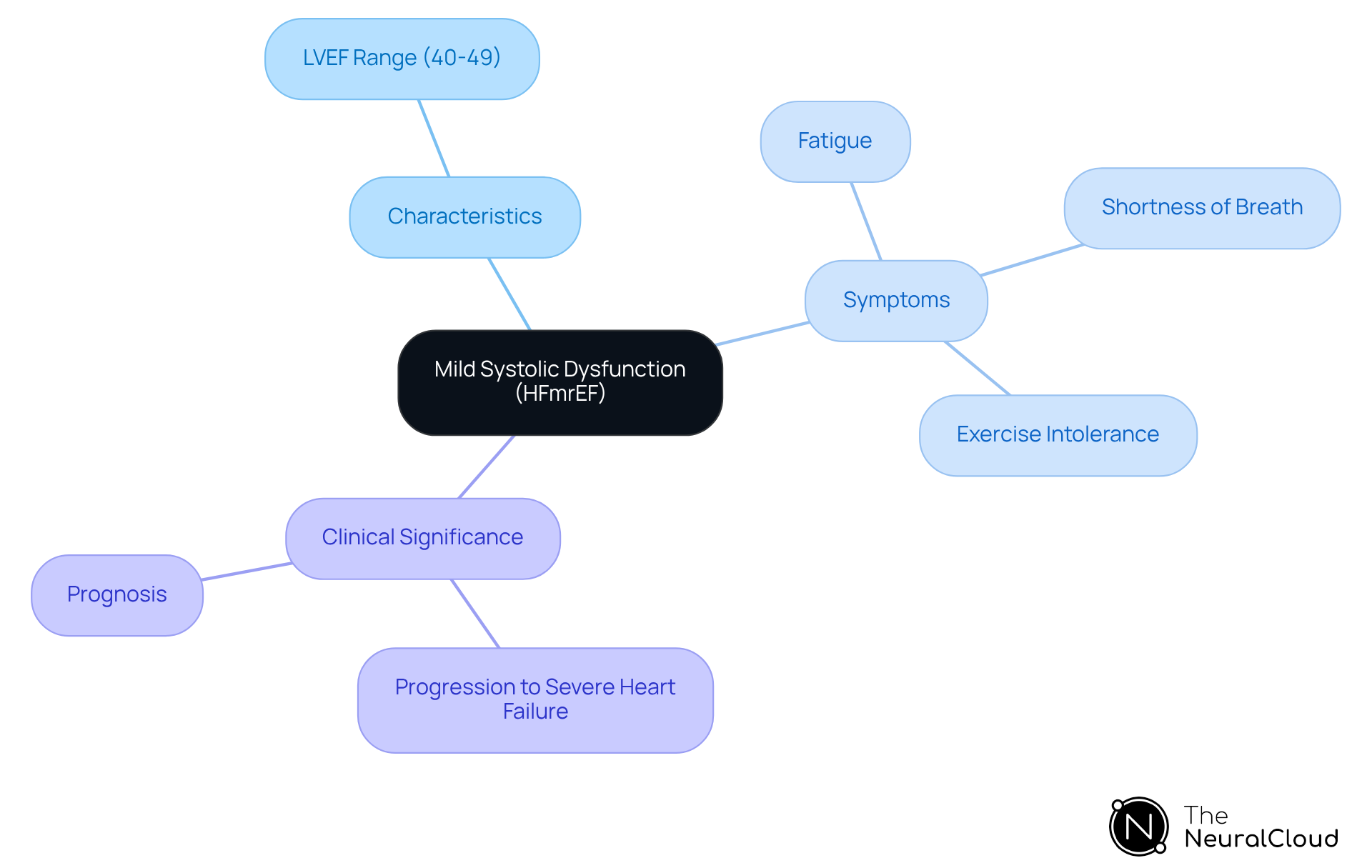
Mild systolic dysfunction, known as HFmrEF, is characterized by a left ventricular ejection fraction (LVEF) ranging from 40% to 49%, indicating a subtle yet significant decline in heart function. This condition indicates that there is mild systolic dysfunction, meaning the heart's ability to pump blood is somewhat diminished, but not to a critical level.
Clinically, this impairment is important as it can manifest through symptoms like:
- Fatigue
- Shortness of breath
- Exercise intolerance
These symptoms often go unnoticed at first. Understanding mild systolic dysfunction is vital, as this impairment can progress to more severe heart failure without appropriate treatment. Moreover, patients with mild systolic impairment typically have a more favorable prognosis than those with severe forms, underscoring the importance of early detection and management.
Explore Diagnostic Criteria and Methods for Mild Systolic Dysfunction
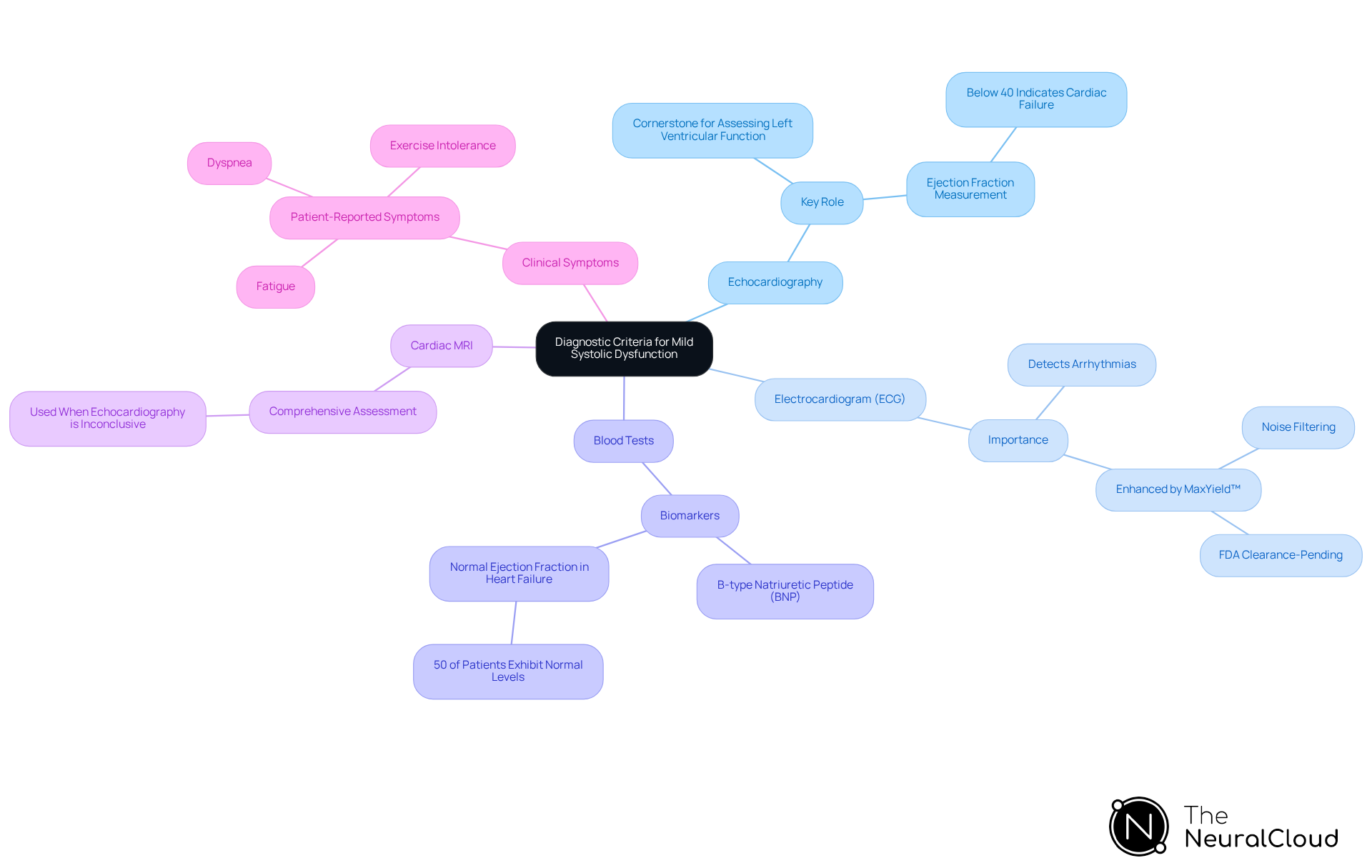
Diagnosing mild systolic dysfunction presents significant challenges that require a comprehensive approach, integrating clinical evaluation with advanced imaging techniques. The current diagnostic criteria for 2026 emphasize the following key methods:
- Echocardiography: Serving as the cornerstone for assessing left ventricular function, echocardiography provides detailed images that facilitate accurate measurement of ejection fraction. An ejection fraction below 40% may suggest cardiac failure or cardiomyopathy, making this tool vital for diagnosis.
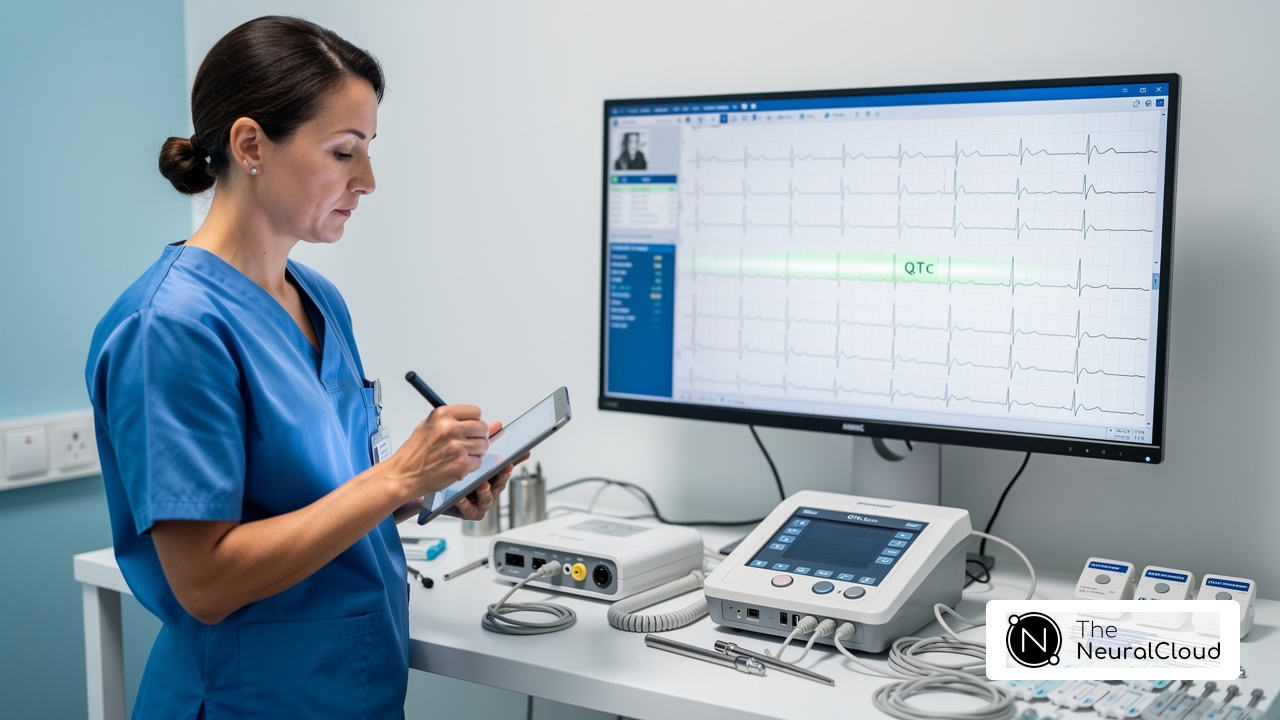
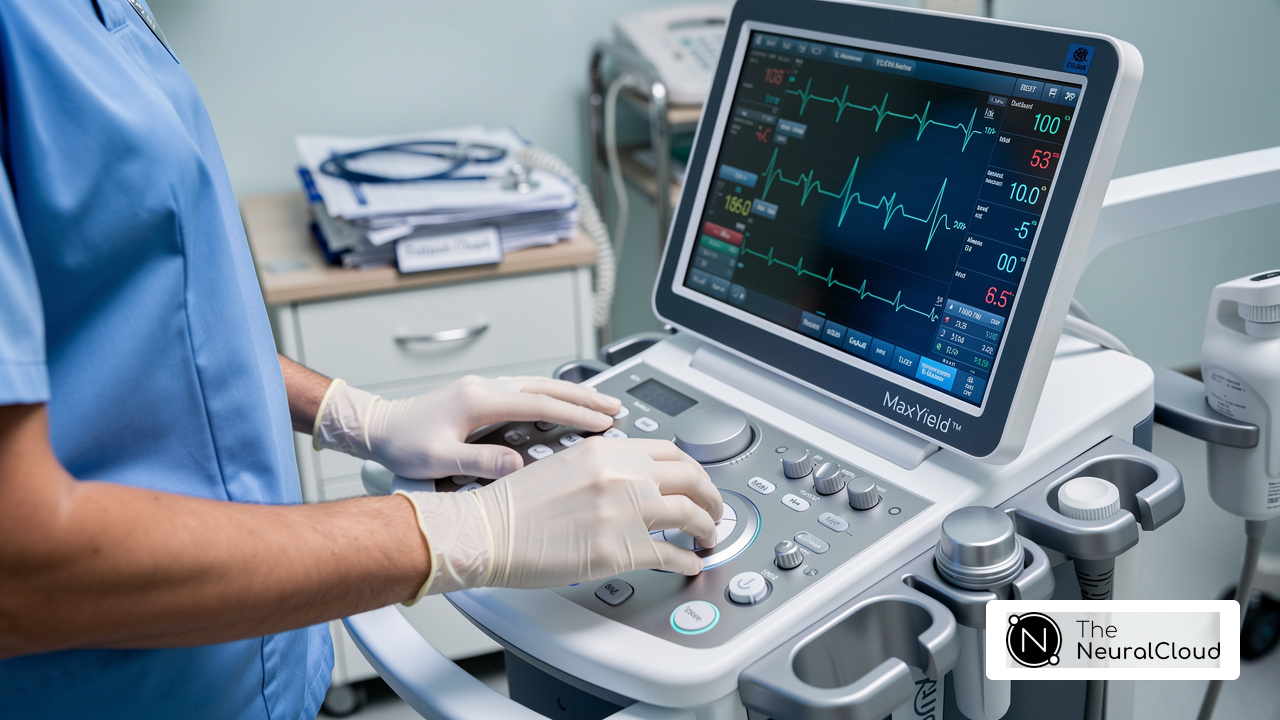
- Electrocardiogram (ECG): An ECG is essential for detecting underlying arrhythmias or electrical irregularities that may lead to systolic dysfunction, providing insights into the organ's electrical activity. With Neural Cloud Solutions' MaxYield™ platform, ECG analysis is significantly enhanced through advanced noise filtering and distinct wave recognition. MaxYield™ isolates important ECG waves from recordings affected by noise, ensuring clearer results for healthcare providers. Additionally, MaxYield™ is supported by FDA Class II SaMD clearance-pending status, ensuring regulatory compliance and reliability in clinical settings. The platform also integrates with Insight360, a customizable visualization tool that transforms clean ECG data into interactive dashboards and clinical-ready reports.
- Blood Tests: Biomarkers such as B-type natriuretic peptide (BNP) levels are instrumental in indicating cardiac strain, helping to differentiate between heart failure and other ailments. Research indicates that roughly 50% of individuals with heart failure exhibit normal or near-normal ejection fractions, complicating diagnosis.
- Cardiac MRI: In select cases, cardiac MRI may be employed for a more comprehensive assessment of cardiac function and structure, particularly when echocardiographic results are inconclusive.
- Clinical Symptoms: Patient-reported symptoms, including fatigue, dyspnea, and exercise intolerance, play a critical role in the diagnostic process, guiding healthcare providers in their evaluations.
Using these diagnostic techniques helps healthcare professionals accurately identify mild systolic dysfunction and develop tailored management plans. The integration of MaxYield™ not only improves diagnostic accuracy but also streamlines the ECG analysis process, making it a vital tool in modern healthcare. By incorporating MaxYield™, healthcare professionals can enhance diagnostic precision and improve patient outcomes in the management of cardiac conditions.
Review Treatment Options and Management Strategies for Mild Systolic Dysfunction
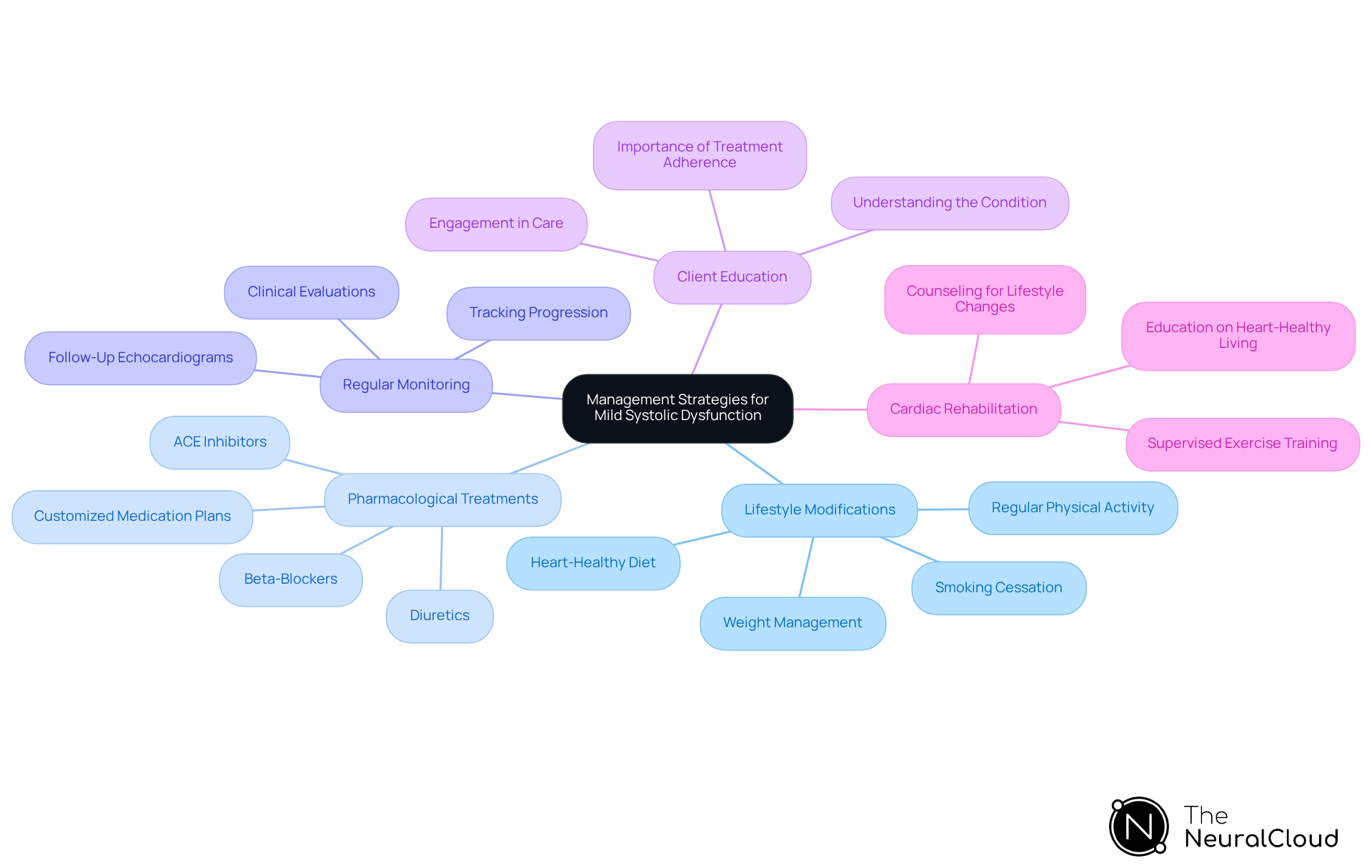
Managing mild systolic impairment presents unique challenges that require a comprehensive approach to optimize patient outcomes. Key strategies include:
- Lifestyle Modifications: Patients are encouraged to adopt heart-healthy habits, such as a balanced diet low in sodium, regular moderate-intensity physical activity, weight management, and smoking cessation. Regular exercise can enhance cardiac function, significantly improving outcomes for individuals experiencing mild systolic dysfunction. For instance, engaging in regular physical activity has been shown to enhance ejection fraction and reduce hospitalizations, as supported by recent evidence.
- Pharmacological Treatments: Commonly prescribed medications include ACE inhibitors, beta-blockers, and diuretics, which work to enhance cardiac function and alleviate symptoms. These treatments help reduce the heart's workload and improve ejection fraction, contributing to better overall cardiac health. Expert recommendations indicate that these medications should be customized to individual profiles to maximize efficacy.
- Regular Monitoring: Continuous assessment through follow-up echocardiograms and clinical evaluations is essential for tracking the progression of the condition. This enables healthcare providers to modify treatment plans as needed, ensuring that individuals receive the most effective care. Regular monitoring has been associated with enhanced outcomes for individuals, as it enables timely interventions.
- Client Education: Informing individuals about their condition and the significance of following treatment plans is essential for effective management. Empowering individuals with knowledge fosters better engagement in their care and adherence to prescribed therapies. Insights from experts emphasize that informed individuals are more likely to participate actively in their treatment plans.
- Cardiac Rehabilitation: Participation in a structured cardiac rehabilitation program can significantly enhance recovery and improve overall cardiovascular health. These programs often include supervised exercise training, education on heart-healthy living, and counseling to support lifestyle changes. Case studies have shown that individuals who participate in cardiac rehabilitation experience improved health outcomes and quality of life.
By implementing these strategies, healthcare providers can significantly enhance the quality of life for individuals experiencing mild systolic dysfunction.
Integrate Advanced Technologies for Enhanced Management of Mild Systolic Dysfunction
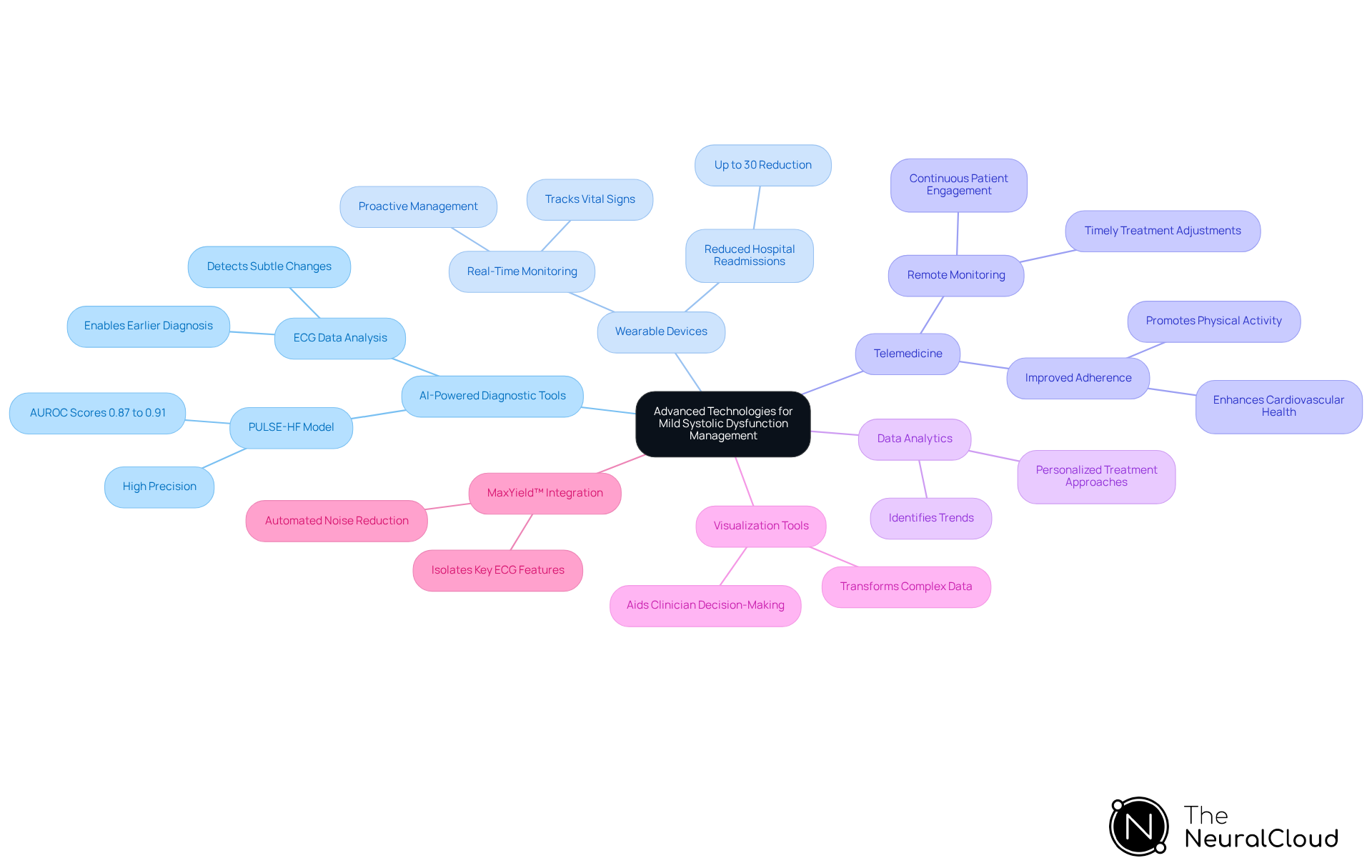
Healthcare professionals encounter significant challenges in accurately diagnosing and managing patients with mild systolic dysfunction, which often results in delayed interventions and suboptimal outcomes. The integration of advanced technologies into this management significantly enhances care for individuals. Key technologies include:
- AI-Powered Diagnostic Tools: AI algorithms analyze ECG data to detect subtle changes in cardiac function, enabling earlier diagnosis and intervention. For instance, the PULSE-HF model has demonstrated high precision in forecasting alterations in left ventricular ejection fraction (LVEF), achieving AUROC scores ranging from 0.87 to 0.91 across various patient groups.
- Wearable Devices: Gadgets that track pulse rate, rhythm, and other vital signs provide real-time information, allowing for proactive management of symptoms and prompt interventions. Studies indicate that keeping track of vital signs with wearables can cut hospital readmissions by up to 30% for heart failure patients, underscoring their importance in efficient management.
- Telemedicine: Remote monitoring and telehealth consultations facilitate continuous engagement with patients and timely adjustments to treatment plans, improving adherence and outcomes. The use of telemonitoring has been shown to enhance treatment outcomes by promoting physical activity and improving overall cardiovascular health.
- Data Analytics: Utilizing big data analytics helps identify trends and patterns in individual data, leading to more personalized treatment approaches. This method enables healthcare providers to customize interventions based on individual profiles, enhancing the effectiveness of care.
- Visualization Tools: Advanced visualization software, such as Insight360, transforms complex data into understandable formats, aiding clinicians in making informed decisions. This capability is crucial for interpreting the vast amounts of data generated by wearable devices and AI diagnostics.
- MaxYield™ Integration: Leveraging Neural Cloud Solutions' MaxYield™ platform enhances ECG analysis through automated noise reduction and adaptive algorithms. MaxYield™ maps ECG signals through noise, isolating and labeling key features in every heartbeat, which helps streamline workflows and improve diagnostic yield. By integrating MaxYield™ into existing systems, healthcare providers can rapidly highlight meaningful ECG data, ensuring that critical cardiac events are identified with precision. Additionally, Insight360 complements MaxYield™ by transforming clean ECG data into interactive dashboards and clinical-ready reports.
Embracing these advanced technologies is essential for healthcare providers to ensure timely interventions and improve patient care in the face of evolving cardiac health challenges.
Conclusion
Mild systolic dysfunction is a critical cardiac condition that often goes unnoticed, yet it demands immediate attention. Recognizing this condition is essential, as without proper management, it can escalate into severe heart failure. We can't stress enough how vital early detection and intervention are, as timely management can significantly improve patient outcomes and quality of life.
Throughout the article, we discussed various diagnostic methods, including:
- Echocardiography
- ECG analysis through Neural Cloud Solutions' MaxYield™
- Blood tests
These tools are vital for accurately identifying mild systolic dysfunction. Additionally, effective management strategies, such as:
- Lifestyle modifications
- Pharmacological treatments
- The integration of advanced technologies like AI and telemedicine
empower patients to take an active role in their health management.
In conclusion, the integration of advanced technologies and comprehensive management strategies is crucial for addressing the challenges posed by mild systolic dysfunction. By embracing these innovations, healthcare providers can profoundly influence the trajectory of cardiac health for their patients. Prioritizing early detection and personalized treatment plans can lead to better health outcomes and enhanced quality of life.
Frequently Asked Questions
What is mild systolic dysfunction?
Mild systolic dysfunction, also known as HFmrEF, is characterized by a left ventricular ejection fraction (LVEF) ranging from 40% to 49%, indicating a subtle decline in heart function.
What does mild systolic dysfunction indicate about heart function?
It indicates that the heart's ability to pump blood is somewhat diminished, but not to a critical level.
What are the common symptoms of mild systolic dysfunction?
Common symptoms include fatigue, shortness of breath, and exercise intolerance.
Why is understanding mild systolic dysfunction important?
Understanding this condition is vital because it can progress to more severe heart failure without appropriate treatment.
How does the prognosis of patients with mild systolic dysfunction compare to those with severe forms?
Patients with mild systolic impairment typically have a more favorable prognosis than those with severe forms, highlighting the importance of early detection and management.
List of Sources
- Define Mild Systolic Dysfunction and Its Clinical Significance
- Heart Failure With Mildly Reduced Ejection Fraction: Treatment Options Explored (https://renalandurologynews.com/news/heart-failure-with-mildly-reduced-ejection-fraction-treatment-options-explored)
- Heart failure prevalence in Canada 2000-2023| Statista (https://statista.com/statistics/882520/diagnosed-heart-failure-prevalence-canada?srsltid=AfmBOoqzvImq5wkhh0G7Af0zy2Hbv4rjJ89L3eOTCj65yQ4wppUHs1yn)
- pmc.ncbi.nlm.nih.gov (https://pmc.ncbi.nlm.nih.gov/articles/PMC1767972)
- New HFSA Scientific Statement Provides Practical Guidance for Managing Heart Failure with Mildly Reduced Ejection Fraction | HFSA (https://hfsa.org/new-hfsa-scientific-statement-provides-practical-guidance-managing-heart-failure-mildly-reduced)
- HFSA Releases Scientific Statement on Heart Failure With Mildly Reduced EF (https://thecardiologyadvisor.com/news/hfsa-scientific-statement-hfmref-guidance)
- Explore Diagnostic Criteria and Methods for Mild Systolic Dysfunction
- Diagnosing heart failure with AI - New advances in echocardiography (https://ultromics.com/articles/diagnosing-heart-failure-with-ai-new-advances-in-echocardiography)
- AI Tool Shows Promise in Diagnosing Advanced Heart Failure (https://news.weill.cornell.edu/news/2026/03/ai-tool-shows-promise-in-diagnosing-advanced-heart-failure)
- Global experts update heart failure definition to improve prevention, diagnosis and care (https://newsroom.heart.org/news/global-experts-update-heart-failure-definition-to-improve-prevention-diagnosis-and-care)
- Review Treatment Options and Management Strategies for Mild Systolic Dysfunction
- Emerging Heart Failure Therapies in 2026: GLP-1s, Nonsteroidal MRAs, and Precision Care | AJMC (https://ajmc.com/view/emerging-heart-failure-therapies-in-2026-glp-1s-nonsteroidal-mras-and-precision-care)
- Clinical trial offers first-of-its-kind heart failure treatment (https://health.ucdavis.edu/news/headlines/clinical-trial-offers-first-of-its-kind-heart-failure-treatment/2026/02)
- Lifestyle Changes for Heart Failure (https://heart.org/en/health-topics/heart-failure/treatment-options-for-heart-failure/lifestyle-changes-for-heart-failure)
- Heart failure evidence update 2026 - PMC (https://pmc.ncbi.nlm.nih.gov/articles/PMC12979370)
- New heart failure therapy could prevent substantial number of deaths, study finds (https://uclahealth.org/news/release/new-heart-failure-therapy-could-prevent-substantial-number-of-deaths-study-finds)
- Integrate Advanced Technologies for Enhanced Management of Mild Systolic Dysfunction
- Can AI help predict which heart-failure patients will worsen within a year? (https://news.mit.edu/2026/can-ai-help-predict-which-heart-failure-patients-will-worsen-0312)
- AI for Heart Failure Care Is Evolving Rapidly, THT 2026 Makes Clear (https://tctmd.com/news/ai-heart-failure-care-evolving-rapidly-tht-2026-makes-clear)
- New AI-enabled heart failure implant shows early potential (https://cardiovascularbusiness.com/topics/clinical/heart-failure/new-ai-enabled-heart-failure-implant-shows-early-potential)
- Impact of Wearable Technology on Heart Failure Management - PMC (https://pmc.ncbi.nlm.nih.gov/articles/PMC11525106)
- pmc.ncbi.nlm.nih.gov (https://pmc.ncbi.nlm.nih.gov/articles/PMC11522764)