Introduction
Delays in diagnosing myocardial infarction can jeopardize patient outcomes, highlighting the need for improved ECG interpretation methods. As heart attacks continue to be a leading cause of mortality in Canada, integrating advanced AI tools offers healthcare professionals a chance to improve their diagnostic capabilities. These technologies not only enhance the accuracy of ECG readings but also streamline the diagnostic process. This leads to the important consideration of how clinicians can utilize AI to enhance patient outcomes during myocardial infarction.
Define Myocardial Infarction and Its ECG Implications
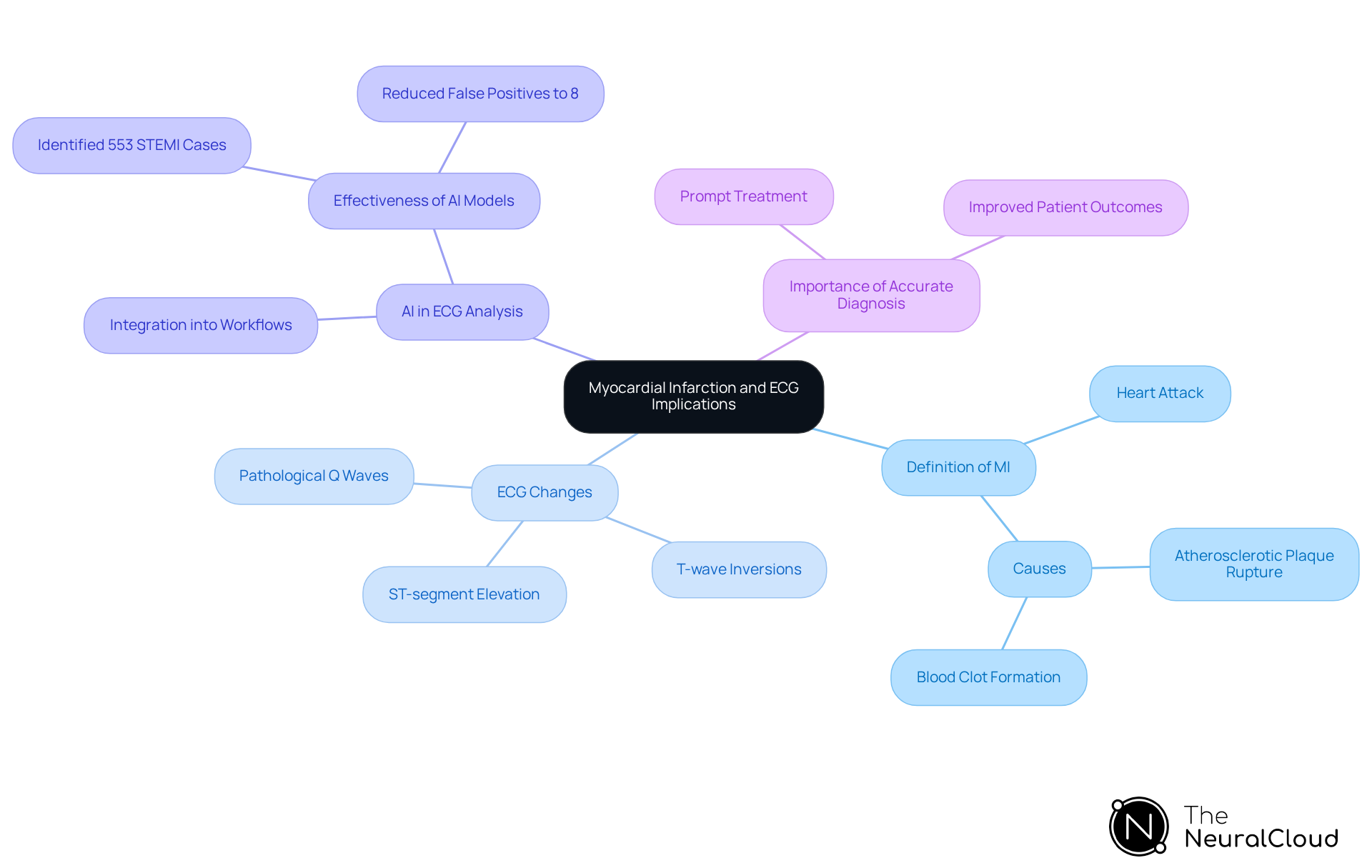
Diagnosing myocardial damage effectively is crucial, yet conventional ECG methods often fall short. Myocardial damage (MI), commonly referred to as a heart attack, occurs when blood flow to a section of the heart is blocked, leading to harm or death of heart muscle cells. Typically, this condition starts when atherosclerotic plaques rupture, causing a blood clot to form. The implications of myocardial infarction abnormal ECG are critical, as they reflect the heart's electrical activity during ischemic events. Key ECG changes associated with myocardial infarction abnormal ECG include:
- ST-segment elevation
- T-wave inversions
- The emergence of pathological Q waves
Recognizing these changes is vital for prompt diagnosis and treatment, as they indicate the severity and location of the damage.
Recent studies highlight the significance of advanced ECG analysis in improving outcomes for MI patients. For example, an AI-driven ECG model showed enhanced effectiveness in recognizing ST-elevation heart attacks (STEMI) cases, accurately identifying 553 confirmed instances compared to 427 detected by conventional techniques. This model significantly reduced false positives from nearly 42% to about 8%, showcasing the potential of AI to enhance triage accuracy in emergency settings.
In Canada, heart attacks continue to be a significant issue, highlighting the urgent need for effective diagnostic tools. Current expert opinions underscore the importance of integrating AI technologies into existing workflows to facilitate faster and more accurate ECG interpretations. By leveraging advanced algorithms, healthcare professionals can better understand the implications of ECG changes during MI, ultimately leading to improved patient outcomes and streamlined emergency care. Integrating AI into ECG analysis not only enhances diagnostic accuracy but also has the potential to save lives.
Identify ECG Changes in Various Myocardial Infarction Types
Accurate ECG interpretation is critical, as various forms of heart attack, including myocardial infarction abnormal ecg, exhibit distinct alterations that can significantly impact diagnosis and treatment.
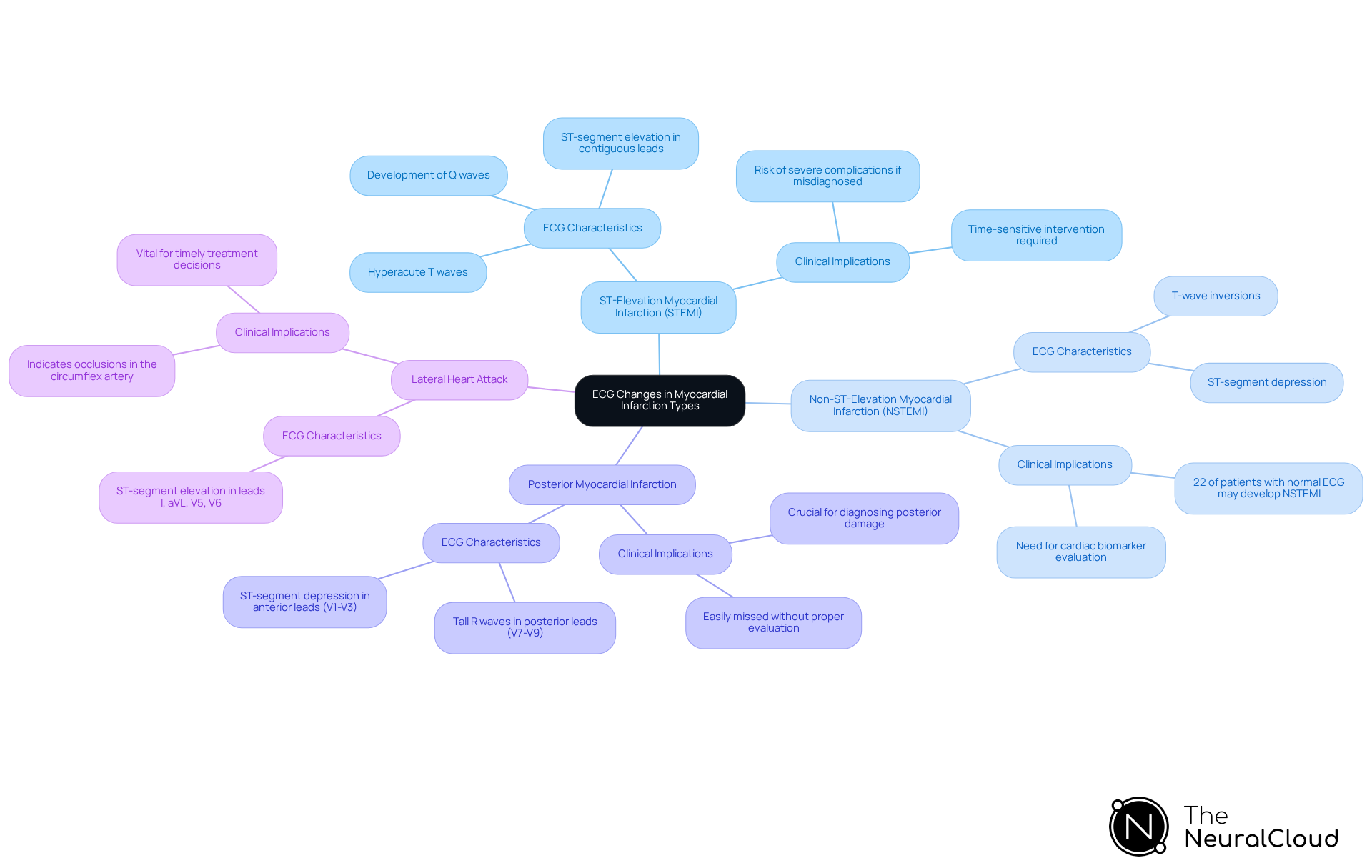
- ST-Elevation Myocardial Infarction (STEMI): This condition is marked by ST-segment elevation in two or more contiguous leads, indicating transmural ischemia. Accompanying features often include hyperacute T waves and the eventual development of Q waves, which are indicative of heart tissue necrosis. The urgency of recognizing STEMI is underscored by its classification as a time-sensitive clinical challenge, necessitating immediate intervention to restore blood flow. Failure to promptly identify a myocardial infarction abnormal ecg can lead to severe complications, emphasizing the need for rapid ECG analysis.
- Non-ST-Elevation Myocardial Infarction (NSTEMI): NSTEMI typically presents with ST-segment depression or T-wave inversions, signaling subendocardial ischemia. Notably, a study revealed that 22% of patients with normal ECG findings subsequently developed NSTEMI, highlighting the need for careful evaluation of cardiac biomarkers in such cases.
- Posterior Myocardial Infarction: This type often manifests as ST-segment depression in the anterior leads (V1-V3) and tall R waves in the posterior leads (V7-V9). Comprehending these patterns is crucial for diagnosing posterior damage, which can be easily missed without proper evaluation.
- Lateral Heart Attack: Characterized by ST-segment elevation in leads I, aVL, V5, and V6, lateral heart attacks can indicate occlusions in the circumflex artery. The recognition of these changes is vital for timely treatment decisions.
Recognizing these changes in the myocardial infarction abnormal ecg is crucial, as they directly shape treatment decisions and can lead to significantly better patient outcomes. Healthcare professionals are increasingly turning to advanced AI tools to improve ECG interpretation accuracy. These tools are particularly effective at detecting subtle ischemic changes that traditional methods might overlook.
Utilize Advanced ECG Analysis Tools for Accurate Diagnosis
Healthcare professionals face significant challenges in ECG analysis, particularly in achieving timely and accurate diagnoses of heart conditions. Advanced ECG analysis tools utilize artificial intelligence and machine learning to significantly improve diagnostic accuracy in identifying myocardial infarction abnormal ECG. Key applications of these tools include:
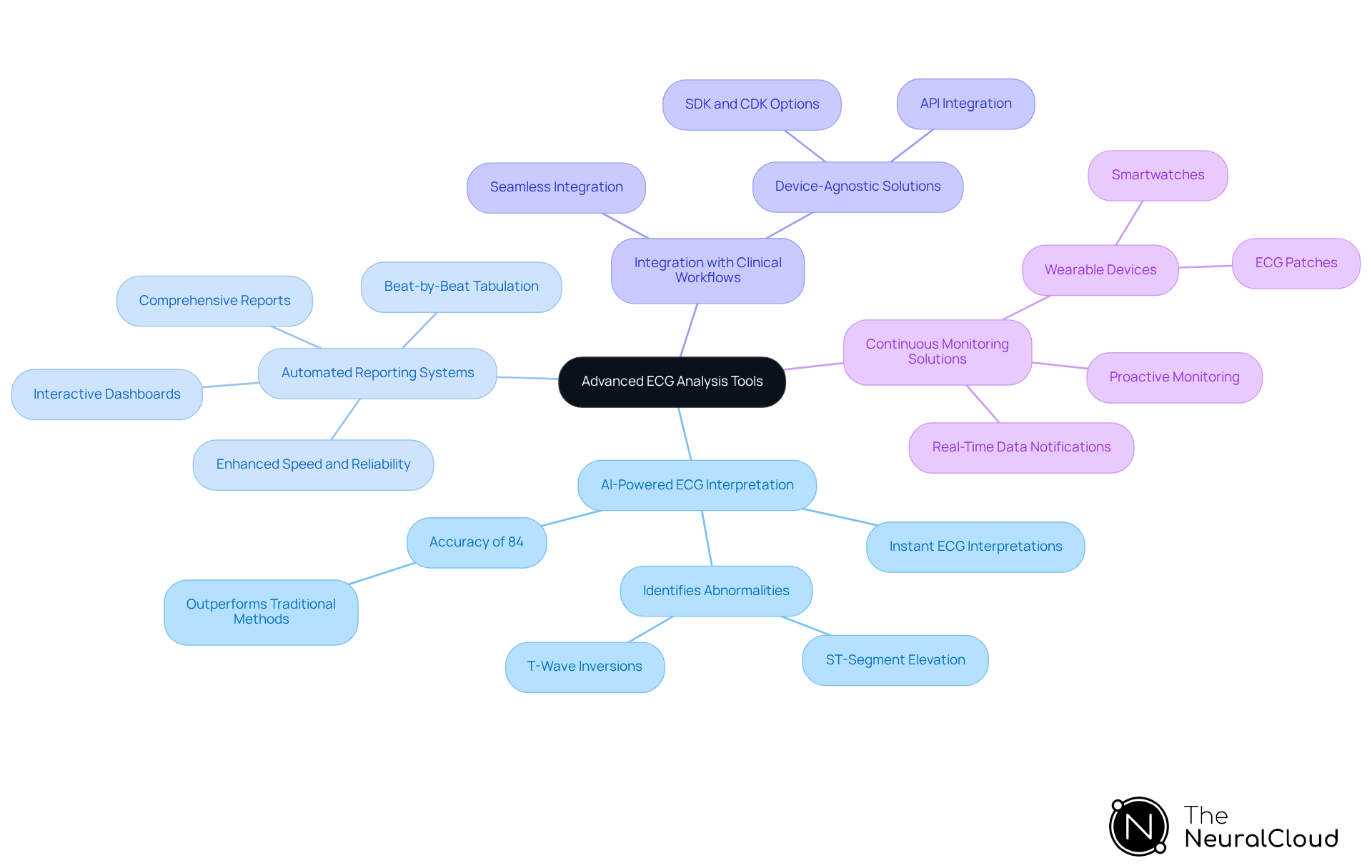
- AI-Powered ECG Interpretation: Innovative tools like this one provide instant ECG interpretations, effectively identifying abnormalities such as ST-segment elevation and T-wave inversions with remarkable sensitivity. This system effectively navigates through noise, pinpointing and tagging essential features in each heartbeat, achieving an accuracy of 84% in detecting myocardial infarction abnormal ECG. This significantly outperforms traditional methods that only identified 42% of cases. As Dr. Federico Nani noted, "This simple, accessible AI-based approach demonstrated superior accuracy in identifying and excluding occlusive MI compared with conventional diagnostic pathways in patients without an ST elevation."
- Automated Reporting Systems: The system generates comprehensive reports that emphasize critical findings, enabling clinicians to make informed decisions swiftly. The integration of AI in reporting enhances the speed and reliability of ECG data analysis, which is crucial in time-sensitive scenarios. With beat-by-beat tabulation in CSV format, users can analyze more data in less time, ensuring clear data sets and clean signals. Additionally, Insight360 transforms clean ECG data into interactive dashboards and clinical-ready reports, further enhancing the reporting process.
- Integration with Clinical Workflows: Advanced ECG tools, including other solutions, can seamlessly integrate into existing clinical workflows, ensuring efficient data processing and analysis. This integration is vital for healthcare providers aiming to streamline operations and improve diagnostic capabilities without extensive hardware modifications. The ECG intelligence layer serves as a device-agnostic solution that integrates via API, SDK, or CDK, enhancing operational efficiency.
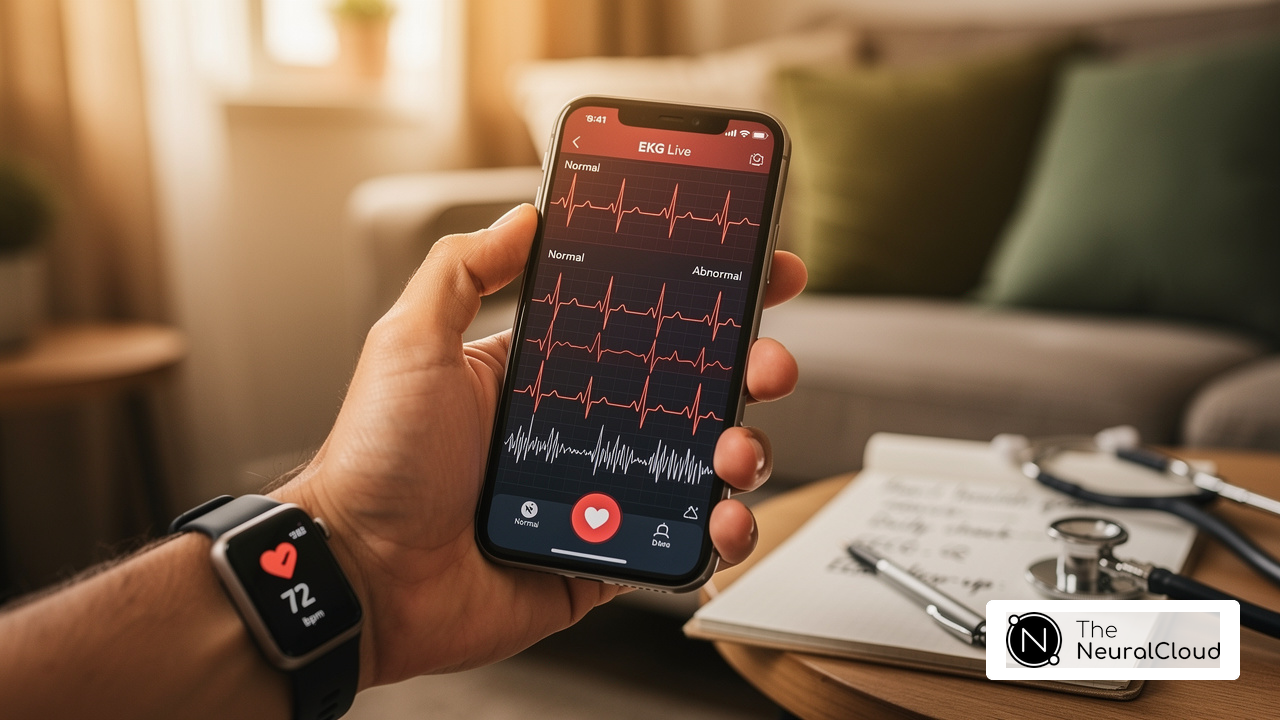
- Continuous Monitoring Solutions: Wearable devices, such as smartwatches and ECG patches, equipped with monitoring capabilities provide real-time data, notifying healthcare providers of potential heart attack events. This proactive approach to monitoring can lead to timely interventions, ultimately improving patient outcomes.
By adopting advanced ECG analysis tools, healthcare providers can significantly enhance diagnostic accuracy and improve patient outcomes. The integration of AI-powered ECG tools not only streamlines diagnostic processes but also empowers healthcare providers to deliver timely and effective patient care.
Interpret Abnormal ECG Results in Myocardial Infarction Cases
Interpreting myocardial infarction abnormal ECG results can be challenging, especially where precision is crucial. A systematic approach is essential for accurate diagnosis and effective patient management.
- Initial Assessment: Start by evaluating the patient's clinical history and symptoms, looking for signs of ischemia such as chest pain or shortness of breath.
- ECG Analysis: Identify key abnormalities:
- ST-Segment Elevation: Indicates STEMI; immediate intervention is critical.
- ST-Segment Depression: Suggests NSTEMI; further evaluation is warranted.
- T-Wave Inversions: May indicate ischemia; consider serial ECGs for ongoing monitoring.
- Leverage AI Tools: Use AI-powered ECG analysis tools to confirm findings and reduce interpretation errors, making the process smoother for clinicians. The system features advanced noise filtering and distinct wave recognition, allowing for the rapid isolation of ECG waves from recordings with high levels of noise and artifact. Recent studies indicate that AI-driven ECG analysis reached an 84% accuracy rate in identifying occlusive heart attacks, with a sensitivity of 77%, specificity of 99%, and a negative predictive value of 98%. This significantly outperformed traditional methods, which only identified it correctly in 42% of cases, based on a study involving 1,490 patients with symptoms suggestive of acute coronary syndrome but without ST elevation. Additionally, the continuous learning model of the system enhances its adaptability and ongoing improvement in ECG analysis.
- Clinical Correlation: Correlate ECG findings with laboratory results, such as troponin levels, and imaging studies to validate the diagnosis.
By following this structured approach and utilizing the system's capabilities, clinicians can effectively interpret abnormal ECG results related to myocardial infarction, enhancing decision-making in patient management and improving outcomes. This approach reflects the latest insights shared at the ESC Acute CardioVascular Care 2026 congress, emphasizing the role of AI in advancing cardiovascular diagnostics. Furthermore, it is important to note that MaxYield™ is currently pending FDA Class II SaMD clearance, ensuring compliance with regulatory standards.

Conclusion
Understanding abnormal ECG readings in myocardial infarction is crucial for healthcare professionals focused on improving patient outcomes. Integrating advanced AI tools into ECG analysis streamlines diagnostics and improves accuracy, allowing for timely interventions that can save lives. By adopting these technologies, clinicians can navigate the complexities of myocardial infarction diagnostics more effectively, ensuring that critical changes in ECG readings are promptly recognized and addressed.
Throughout the article, we explored various types of myocardial infarction and their corresponding ECG changes, such as ST-segment elevation and T-wave inversions. We highlighted the importance of utilizing AI-powered ECG interpretation tools, which have shown superior accuracy compared to traditional methods. These tools not only enhance diagnostic capabilities but also integrate seamlessly into existing clinical workflows, ultimately leading to more effective patient management.
As the landscape of cardiovascular diagnostics evolves, embracing advanced ECG analysis technologies becomes increasingly vital. Healthcare providers are encouraged to adopt these innovative solutions to improve diagnostic precision and patient care. Embracing these technologies can transform patient care, ensuring that timely and accurate diagnoses become the norm.
Frequently Asked Questions
What is myocardial infarction?
Myocardial infarction, commonly known as a heart attack, occurs when blood flow to a section of the heart is blocked, resulting in damage or death of heart muscle cells.
What are the common causes of myocardial infarction?
Myocardial infarction typically begins when atherosclerotic plaques rupture, leading to the formation of a blood clot that obstructs blood flow to the heart.
What are the key ECG changes associated with myocardial infarction?
Key ECG changes include ST-segment elevation, T-wave inversions, and the emergence of pathological Q waves.
Why is recognizing ECG changes important in myocardial infarction?
Recognizing these ECG changes is vital for prompt diagnosis and treatment, as they indicate the severity and location of the heart damage.
How does advanced ECG analysis improve outcomes for myocardial infarction patients?
Advanced ECG analysis, particularly through AI-driven models, has shown enhanced effectiveness in recognizing ST-elevation heart attacks (STEMI), significantly reducing false positives and improving triage accuracy in emergency settings.
What are the statistics regarding AI-driven ECG models in detecting heart attacks?
An AI-driven ECG model accurately identified 553 confirmed instances of STEMI compared to 427 detected by conventional techniques, reducing false positives from nearly 42% to about 8%.
What is the current situation regarding heart attacks in Canada?
Heart attacks remain a significant issue in Canada, highlighting the urgent need for effective diagnostic tools to improve patient outcomes.
How can AI technologies be integrated into ECG analysis?
Integrating AI technologies into existing workflows can facilitate faster and more accurate ECG interpretations, helping healthcare professionals better understand the implications of ECG changes during myocardial infarction.
What is the potential impact of integrating AI into ECG analysis?
Integrating AI into ECG analysis enhances diagnostic accuracy and has the potential to save lives by improving emergency care and patient outcomes.
List of Sources
- Define Myocardial Infarction and Its ECG Implications
- AI-enhanced ECG readings beat clinicians and labs in identifying MI (https://bioworld.com/articles/718625-ai-enhanced-ecg-readings-beat-clinicians-and-labs-in-identifying-mi)
- STEMI: ST-segment Elevation Myocardial Infarction - The Cardiology Advisor (https://thecardiologyadvisor.com/ddi/stemi-st-elevation-myocardial-infarction)
- HeartBeam Announces First Patient Enrollments in Heart Attack Detection Pilot Study (https://ir.heartbeam.com/news-events/press-releases/detail/112/heartbeam-announces-first-patient-enrollments-in-heart)
- New study finds AI model improves heart attack detection (https://health.ucdavis.edu/news/headlines/new-study-finds-ai-model-improves-heart-attack-detection/2025/11)
- AI-based ECG interpretation outperforms standard diagnosis of occlusive myocardial infarction (https://news-medical.net/news/20260323/AI-based-ECG-interpretation-outperforms-standard-diagnosis-of-occlusive-myocardial-infarction.aspx)
- Identify ECG Changes in Various Myocardial Infarction Types
- ESC ACS Guidelines Update: OMI Paradigm (https://powerfulmedical.com/blog/acs-guidelines-update-2023-esc-omi)
- Frequency of Non-ST Segment Elevation Myocardial Infarction (NSTEMI) in Acute Coronary Syndrome With Normal Electrocardiogram (ECG): Insights From a Cardiology Hospital in Pakistan - PMC (https://pmc.ncbi.nlm.nih.gov/articles/PMC7377671)
- AI-based ECG interpretation outperforms standard diagnosis of occlusive myocardial infarction (https://news-medical.net/news/20260323/AI-based-ECG-interpretation-outperforms-standard-diagnosis-of-occlusive-myocardial-infarction.aspx)
- Understanding STEMI vs NSTEMI: ECG Interpretation Guide (https://tricog.com/understanding-stemi-vs-nstemi-in-ecg-interpretation?srsltid=AfmBOorH7pTfqX7nMMCSIxJt6BOPedQDNx2vYmxlnV6bILgTPJY3sgkR)
- Utilize Advanced ECG Analysis Tools for Accurate Diagnosis
- AI improves detection of hard-to-diagnose heart attacks | ICT&health (https://icthealth.org/news/ai-improves-detection-of-hard-to-diagnose-heart-attacks)
- New study finds AI model improves heart attack detection (https://health.ucdavis.edu/news/headlines/new-study-finds-ai-model-improves-heart-attack-detection/2025/11)
- AI-based ECG interpretation outperforms standard diagnosis of occlusive myocardial infarction (https://news-medical.net/news/20260323/AI-based-ECG-interpretation-outperforms-standard-diagnosis-of-occlusive-myocardial-infarction.aspx)
- AI outperforms conventional diagnosis for certain types of heart attacks (https://escardio.org/news/press/press-releases/acvc-press)
- Interpret Abnormal ECG Results in Myocardial Infarction Cases
- AI outperforms conventional diagnosis for certain types of heart attacks (https://escardio.org/news/press/press-releases/acvc-press)
- AI outperforms conventional diagnosis for certain types of heart attacks (https://medicalxpress.com/news/2026-03-ai-outperforms-conventional-diagnosis-heart.html)
- AI-based ECG interpretation outperforms standard diagnosis of occlusive myocardial infarction (https://news-medical.net/news/20260323/AI-based-ECG-interpretation-outperforms-standard-diagnosis-of-occlusive-myocardial-infarction.aspx)