Introduction
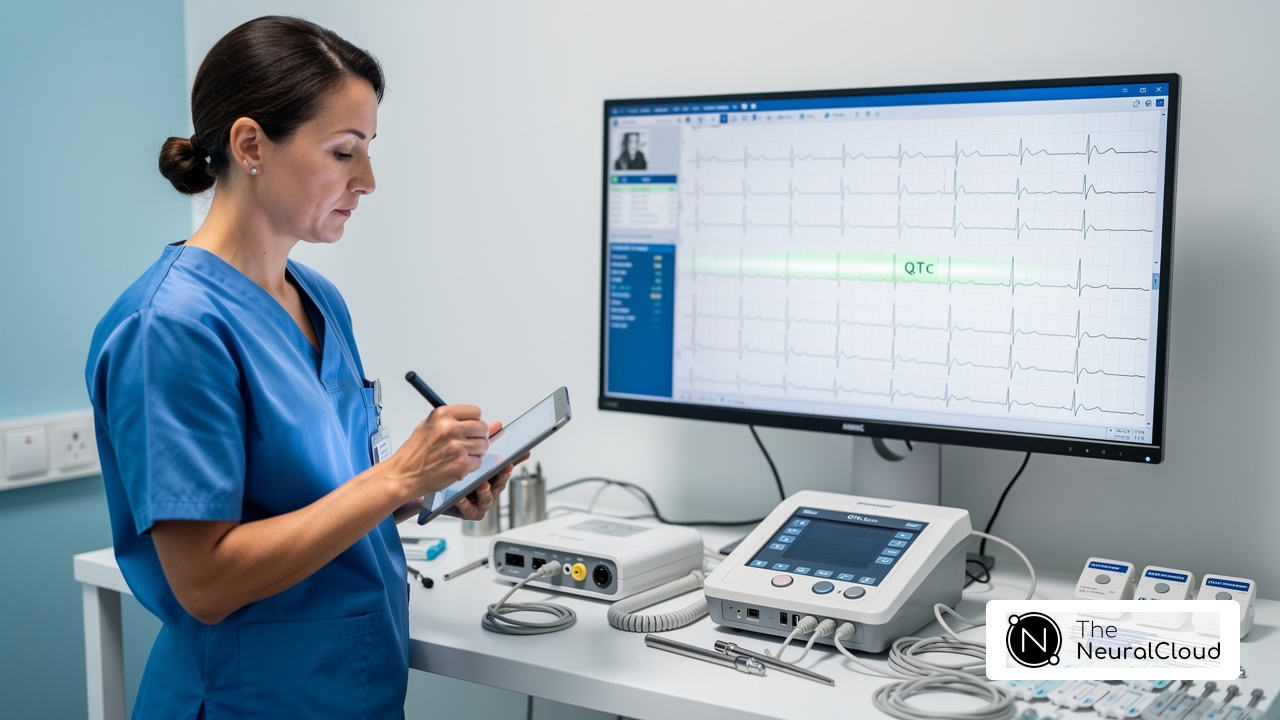
ECG readings present unique challenges in women's health due to physiological differences that can complicate diagnosis. Let’s explore how factors like hormonal changes and anatomical differences affect the interpretation of women's ECGs. These challenges can lead to misdiagnosis or delayed treatment, impacting patient care. As heart disease becomes more common among women, it’s crucial for healthcare professionals to recognize these differences and use advanced technologies to improve outcomes. By understanding these nuances, healthcare professionals can enhance diagnostic accuracy and improve patient outcomes.
Explore the Unique Aspects of Women's ECG Readings
Women’s ECG characteristics differ significantly from men’s, influenced by various anatomical and physiological factors that can complicate diagnosis. Key differences include:
- QRS Duration: Women typically have a shorter QRS duration, averaging about 10 ms less than men. This difference can significantly impact the interpretation of ventricular depolarization.
- QT Interval: Women often present with a longer corrected QT interval, which is crucial for assessing the risk of arrhythmias. This variation underscores the need for gender-specific considerations in ECG analysis.
- Pulse Rate Variability: Women typically possess a higher resting pulse rate, impacting overall ECG analysis and possibly influencing clinical choices.
- Hormonal Influences: Fluctuations in hormones, particularly estrogen, can alter ECG patterns, necessitating a gender-aware approach to interpretation.
Understanding these gender-specific ECG characteristics is crucial for accurate diagnosis and treatment, yet many practitioners overlook them, particularly in conditions like ischemic cardiovascular disease, where symptoms may present differently in women. Recent studies have highlighted that women with ECGs resembling typical male patterns face significantly higher risks of cardiovascular events, emphasizing the importance of tailored assessments in clinical practice. This is particularly alarming given that women are twice as likely to die from coronary heart disease than from breast cancer in the UK, highlighting the urgent need for gender-specific ECG analysis.
Incorporating insights from AI models, such as the AIRE risk estimation model, can further enhance the identification of risks in women, aligning with the latest advancements in health technology. Additionally, leveraging Neural Cloud Solutions' platform can significantly enhance ECG analysis by automating the labeling of key features and filtering out noise. This capability directly addresses traditional limitations in ECG interpretation, ensuring that the unique characteristics of women's ECGs are accurately captured. The system's ability to evolve with each use guarantees continuous adaptation to these unique features, ultimately supporting more accurate clinical decisions.

Analyze Key Components of Normal ECG Waveforms
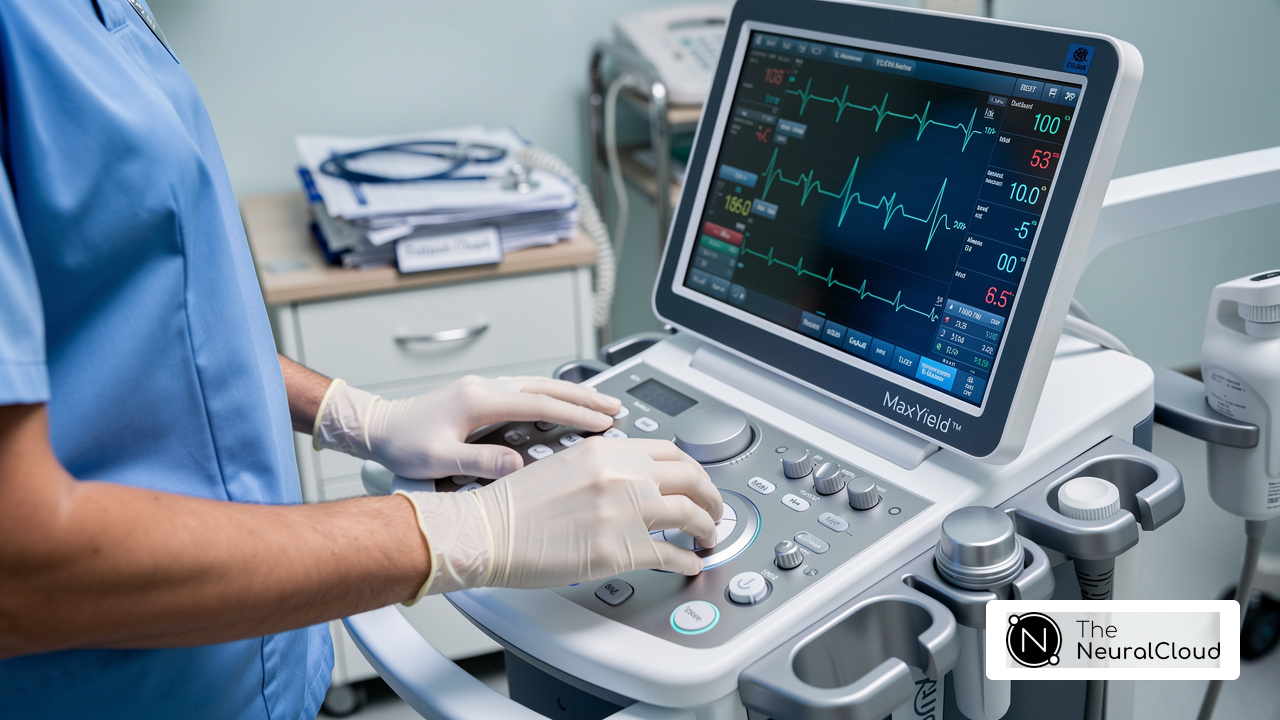
Analyzing ECG components accurately can be challenging due to noise and obscured signals, but the MaxYield™ platform offers a solution. A normal ECG consists of several key components that reflect the heart's electrical activity, and with the integration of Neural Cloud Solutions' MaxYield™, the analysis of these components becomes more efficient and accurate:
- P Wave: Represents atrial depolarization. Normal duration is less than 120 ms. This enhancement improves the identification of P-wave onsets and offsets, ensuring precise measurements even in noisy recordings.
- QRS Complex: Indicates ventricular depolarization. A typical QRS duration ranges from 80-100 ms. The system provides beat-by-beat analysis, enabling quick detection of conduction irregularities through its advanced noise filtering features.
- T Wave: Reflects ventricular repolarization. T waves should be upright in most leads, except aVR. With its ability to filter out artifacts, the platform helps clinicians make confident decisions regarding T waves.
- U Wave: Occasionally seen, representing repolarization of the Purkinje fibers. MaxYield™ can salvage previously obscured sections of lengthy Holter and patch monitor recordings, providing a comprehensive view of the ECG.
To assess the heart's rhythm and spot potential abnormalities, it's crucial to analyze each component together. For example, a prolonged QT interval can indicate a risk for torsades de pointes, a potentially life-threatening arrhythmia. By utilizing MaxYield™, healthcare professionals can enhance their diagnostic capabilities and streamline their workflow, ultimately improving patient outcomes. Additionally, the company continuously evolves its algorithms, enhancing accuracy and efficiency over time, thereby overcoming traditional limitations in ECG analysis.
Interpret Normal ECG Intervals and Rhythms
Normal ECG intervals are crucial for understanding the heart's electrical conduction, yet challenges in analysis can hinder accurate assessments:
- PR Interval: This measures the time from the onset of the P wave to the beginning of the QRS complex, typically ranging from 120-200 ms. Prolongation may indicate AV block, with each increase of 20 milliseconds in the PR duration doubling the risk of atrial fibrillation, tripling the need for a pacemaker, and increasing the risk of death. With MaxYield™, recognizing these intervals becomes easier, allowing for precise readings even in challenging conditions.
- QT Interval: This duration spans from the start of the Q wave to the end of the T wave, where a normal ECG reading for women indicates a corrected QT duration (QTc) of less than 460 ms. A prolonged QT can lead to serious arrhythmias. Dr. Alan Rabinowitz emphasizes, "Comprehending the QT segment is essential for evaluating potential arrhythmias in patients." MaxYield™ enables clinicians to quickly analyze QT intervals, benefiting from automated labeling and noise reduction features that enhance diagnostic accuracy. It can analyze 200,000 heartbeats in under 5 minutes, significantly improving workflow efficiency.
- RR Interval: This measures the duration between consecutive R waves, which is used to calculate pulse rate. A normal pulse rate ranges from 60 to 100 bpm. MaxYield™ allows for the examination of RR gaps by providing beat-by-beat insights, facilitating a more thorough evaluation of cardiac rhythm.
Understanding these intervals helps clinicians assess the heart's rhythm and identify potential conduction abnormalities, which is vital for effective patient management. By leveraging MaxYield™, healthcare professionals can transform ECG analysis, overcoming challenges related to signal artifacts and enhancing workflow efficiency.

Leverage Advanced Technologies for Enhanced ECG Analysis
Traditional ECG analysis often misses subtle indicators of heart disease, leading to delayed diagnoses. Advanced technologies, particularly AI and machine learning, are revolutionizing ECG analysis in significant ways:
- AI Algorithms: These algorithms can rapidly analyze ECG data, identifying patterns and anomalies that may elude human detection. For example, AI models are capable of flagging female patients at a higher risk for heart disease by analyzing subtle changes in their normal ECG reading for women.
- Signal Mapping: Technologies such as MaxYield employ patented algorithms to clean and isolate ECG signals, significantly enhancing data clarity and improving diagnostic accuracy. This innovation is crucial for delivering precise insights into cardiac health.
- Wearable Devices: The advent of wearable ECG technology facilitates continuous monitoring, providing real-time data essential for the early detection of cardiac issues. This capability allows healthcare professionals to intervene promptly, ultimately improving patient outcomes.
By adopting these technologies, healthcare professionals can significantly enhance patient care and outcomes. Embracing these technologies not only improves diagnostic accuracy but also transforms patient care.

Conclusion
The unique characteristics of women's ECG readings present challenges that demand attention for accurate diagnosis. The unique features of women's ECGs, shaped by their anatomy and physiology, highlight the necessity for gender-specific approaches in clinical practice. Recognizing these differences can lead to improved patient outcomes and a better understanding of cardiovascular health in women.
This article has explored critical aspects such as variations in QRS duration, QT intervals, and the impact of hormonal fluctuations on ECG patterns. It emphasized the importance of advanced technologies like AI and machine learning in enhancing ECG analysis, ensuring that subtle indicators of heart disease are not overlooked. Additionally, the integration of platforms like MaxYield™ aids in overcoming traditional challenges associated with ECG interpretation, enabling healthcare professionals to provide more accurate assessments.
As we learn more about women's health, it's vital to embrace these advancements and prioritize gender-specific considerations in ECG interpretation. By doing so, healthcare providers can significantly improve diagnostic accuracy, leading to timely interventions that can save lives. The call to action is clear: to foster a more inclusive approach in cardiovascular care that recognizes and addresses the unique needs of women.
Frequently Asked Questions
How do women's ECG characteristics differ from men's?
Women's ECG characteristics differ from men's in several ways, including a shorter QRS duration, a longer corrected QT interval, a higher resting pulse rate, and variations influenced by hormonal changes.
What is the average difference in QRS duration between women and men?
Women typically have a QRS duration that is about 10 ms shorter than that of men.
Why is the QT interval significant in women's ECG readings?
The QT interval is crucial for assessing the risk of arrhythmias, and women often present with a longer corrected QT interval, highlighting the need for gender-specific considerations in ECG analysis.
How does pulse rate variability affect ECG analysis in women?
Women generally have a higher resting pulse rate, which can impact overall ECG analysis and may influence clinical decisions.
What role do hormonal influences play in women's ECG patterns?
Fluctuations in hormones, particularly estrogen, can alter ECG patterns, necessitating a gender-aware approach to interpretation.
Why is it important to consider gender-specific ECG characteristics in clinical practice?
Understanding gender-specific ECG characteristics is crucial for accurate diagnosis and treatment, especially since symptoms of conditions like ischemic cardiovascular disease may present differently in women.
What risks do women face with ECGs that resemble typical male patterns?
Women whose ECGs resemble typical male patterns face significantly higher risks of cardiovascular events.
How does the risk of death from coronary heart disease compare to breast cancer in women in the UK?
Women are twice as likely to die from coronary heart disease than from breast cancer in the UK, underscoring the need for gender-specific ECG analysis.
How can AI models improve ECG analysis for women?
AI models, such as the AIRE risk estimation model, can enhance the identification of risks in women, aligning with advancements in health technology.
What benefits do Neural Cloud Solutions' platform provide for ECG analysis?
Neural Cloud Solutions' platform automates the labeling of key features and filters out noise in ECG readings, addressing traditional limitations in interpretation and ensuring the unique characteristics of women's ECGs are accurately captured.
List of Sources
- Explore the Unique Aspects of Women's ECG Readings
- imperial.ac.uk (https://imperial.ac.uk/news/261516/ai-model-reads-ecgs-identify-female)
- bhf.org.uk (https://bhf.org.uk/what-we-do/news-from-the-bhf/news-archive/2025/march/ai-model-can-identify-women-at-higher-risk-of-heart-disease-from-ecgs-study-suggests)
- AI-enhanced ECG identifies increased heart disease risk in women | Contemporary OB/GYN (https://contemporaryobgyn.net/view/ai-enhanced-ecg-identifies-increased-heart-disease-risk-in-women)
- insideprecisionmedicine.com (https://insideprecisionmedicine.com/topics/precision-medicine/ai-powered-ecg-model-exposes-hidden-cardiovascular-risks-in-women)
- medrxiv.org (https://medrxiv.org/content/10.64898/2026.03.07.26347862v1.full-text)
- Analyze Key Components of Normal ECG Waveforms
- ECG Learning Center - An introduction to clinical electrocardiography (https://ecg.utah.edu/lesson/3)
- The Normal ECG | Normal 12-lead ECG | Geeky Medics (https://geekymedics.com/the-normal-ecg)
- ECG interpretation: Characteristics of the normal ECG (P-wave, QRS complex, ST segment, T-wave) – The Cardiovascular (https://ecgwaves.com/topic/ecg-normal-p-wave-qrs-complex-st-segment-t-wave-j-point)
- Normal Electrocardiography (ECG) Intervals: Normal Electrocardiography Intervals (https://emedicine.medscape.com/article/2172196-overview)
- Interpret Normal ECG Intervals and Rhythms
- Common ECG finding may indicate serious cardiac problems — Harvard Gazette (https://news.harvard.edu/gazette/story/2009/06/common-ecg-finding-may-indicate-serious-cardiac-problems)
- Normal Electrocardiography (ECG) Intervals: Normal Electrocardiography Intervals (https://emedicine.medscape.com/article/2172196-overview)
- stopafib.org (https://stopafib.org/afib-news-events/news/ekg-warns-of-potential-atrial-fibrillation-risk)
- Normal Duration Times - Normal Function of the Heart - Cardiology Teaching Package - Practice Learning - Division of Nursing - The University of Nottingham (https://nottingham.ac.uk/nursing/practice/resources/cardiology/function/normal_duration.php)
- Leverage Advanced Technologies for Enhanced ECG Analysis
- AI-powered ECG model outperforms doctors in detecting hidden heart disease (https://news-medical.net/news/20250721/AI-powered-ECG-model-outperforms-doctors-in-detecting-hidden-heart-disease.aspx)
- gehealthcare.com (https://gehealthcare.com/en-us/insights/article/ai-and-ecg-interpretation-insights-and-trends-for-todays-cardiologists?srsltid=AfmBOoqRPm_rmkwDqqzans0VQo8Jef9RYPWSpL_rLqri0GLqYEy28mLm)
- allstatesmed.com (https://allstatesmed.com/blogs/medical-equipment-reviews-sales-repair-service/the-impact-of-artificial-intelligence-on-ecg-diagnostics?srsltid=AfmBOorvpk4gNbg2se3RGJ9F5WQCSPC5vn1VUquIEjBb_8La3si-ANUA)
- AI-Powered ECG Analysis Offers Promising Path for Early Detection of Chronic Obstructive Pulmonary Disease, Say Mount Sinai Researchers (https://mountsinai.org/about/newsroom/2026/ai-powered-ecg-analysis-offers-promising-path-for-early-detection-of-chronic-obstructive-pulmonary-disease-say-mount-sinai-researchers)