Introduction
As the demand for accurate cardiac monitoring grows in Canadian hospitals, mastering telemetry readings becomes essential for healthcare professionals. This guide provides a step-by-step approach to mastering telemetry readings, enabling clinicians and researchers to improve patient care through accurate analysis. Many healthcare professionals struggle with the intricacies of ECG signals, leading to potential misinterpretations. How can they ensure accurate assessments of telemetry data?
Understand the Basics of Telemetry and ECG
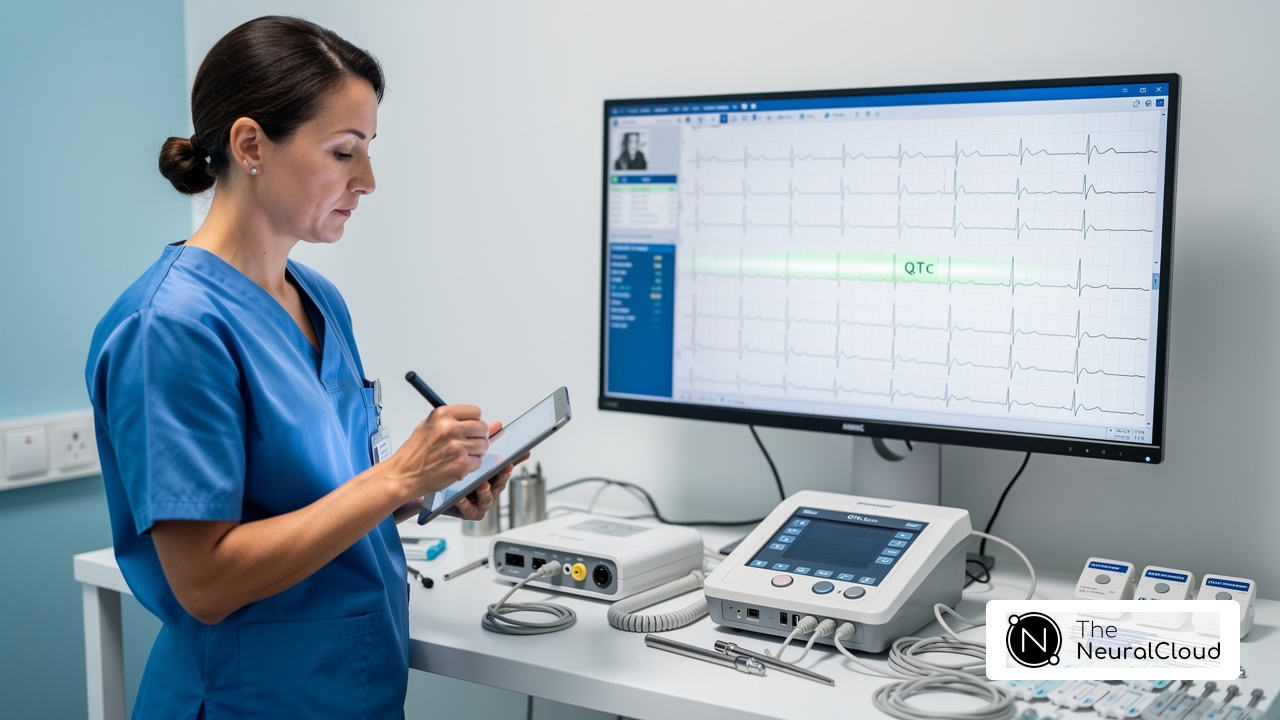
Interpreting telemetry data poses significant challenges for healthcare professionals, particularly in the context of ECG analysis. Telemetry is the automated method of gathering and sending data from a patient's cardiovascular system to a monitoring system, enabling continuous observation of rhythms and identification of abnormalities in real-time. An electrocardiogram (ECG) serves as a graphical representation of the heart's electrical activity, recorded through electrodes placed on the skin. Mastering the interpretation of telemetry data requires a solid understanding of the ECG components, which include:
- P Wave: Represents atrial depolarization, indicating the electrical activity associated with the contraction of the atria.
- QRS Complex: Indicates ventricular depolarization, reflecting the electrical impulses that trigger the ventricles to contract.
- T Wave: Reflects ventricular repolarization, showing the recovery phase of the ventricles after contraction.
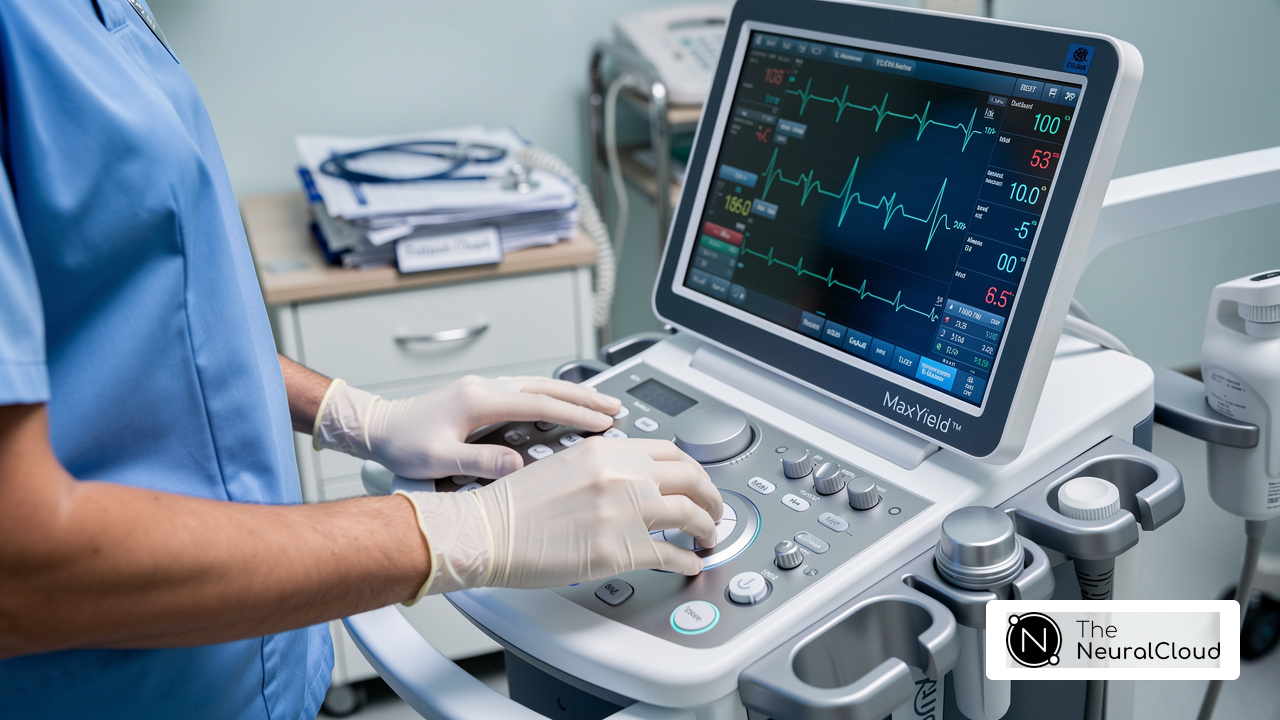
Understanding these key concepts is vital for accurately interpreting normal telemetry readings. In Canadian hospitals, advanced monitoring systems are becoming more common. This shift is driven by the need for real-time data to manage cardiovascular health effectively. Recent advancements in monitoring technology, particularly with solutions like MaxYield from Neural Cloud Solutions Inc., have enhanced the ability to observe patients remotely, improving access to care and facilitating timely interventions. MaxYield's automated ECG analysis platform excels at filtering noise and recognizing waves. This allows for quick isolation of ECG waves, even in noisy recordings.
For example, a study published in the Canadian Journal of Cardiology emphasized that hospitals employing sophisticated monitoring systems, including those powered by MaxYield, reported a 20% decrease in emergency response times for arrhythmia detection. As the need for efficient cardiac monitoring keeps increasing, comprehending these fundamental components will enable healthcare professionals to utilize monitoring systems effectively. Furthermore, the increasing trend towards home care monitoring devices is reshaping patient management, allowing for continuous monitoring outside traditional clinical settings. Specialists such as Dr. Alan Rabinowitz and Dr. Brett Heilbron highlight that MaxYield's accuracy competes with human analysis, rendering it an essential instrument in contemporary monitoring practices. Additionally, with FDA Class II SaMD clearance-pending status and the Insight360 visualization tool, MaxYield provides a comprehensive solution for transforming ECG data into actionable insights. As healthcare continues to evolve, leveraging advanced tools like MaxYield will be crucial for improving patient outcomes in cardiovascular care.

Identify Key Components of Normal Telemetry Readings
To accurately interpret telemetry readings, understanding the key components of cardiac function is essential. The following elements are critical for assessment:
- Pulse Rate: A normal resting pulse rate generally varies from 60 to 100 beats per minute (bpm). Deviations from this range may suggest bradycardia (slow pulse rate) or tachycardia (rapid pulse rate), both of which require further evaluation.
- Rhythm: The rhythm should be regular, characterized by consistent intervals between beats. A clear pattern in the P waves, QRS complexes, and T waves is indicative of a healthy cardiac cycle.
- P Wave: Each P wave should precede a QRS complex, confirming proper atrial depolarization and indicating effective electrical conduction through the organ.
- QRS Complex: The duration of the QRS complex should be less than 0.12 seconds, reflecting normal ventricular depolarization. Prolonged QRS durations can indicate underlying cardiac issues.
- T Wave: The T wave should be upright and follow the QRS complex, signifying normal ventricular repolarization. Abnormalities in the T wave can suggest electrolyte imbalances or ischemic conditions.
Getting to know these components helps you spot any deviations from a normal telemetry reading, which is crucial for effective telemetry interpretation. Recent studies involving Canadian individuals emphasize that maintaining a heart rate within the normal range significantly correlates with improved outcomes in cardiac health. MaxYield’s advanced algorithms tackle the common issue of data quality, ensuring hospital-grade ECG accuracy even from consumer-grade devices. This ensures clean PPG data that significantly reduces error variance in downstream models. Comprehending these metrics not only assists in the immediate evaluation of individuals but also contributes to long-term monitoring strategies in cardiac care. As Dr. Alan Rabinowitz notes, "MaxYield’s precision rivals human interpretation, providing healthcare professionals with the confidence needed for remote patient monitoring." Furthermore, with FDA Class II SaMD clearance-pending status and audit-ready documentation supporting GxP inspections, MaxYield stands out as a reliable solution for clinicians and researchers in Canada. MaxYield not only enhances immediate ECG analysis but also supports ongoing cardiac health monitoring, ultimately improving patient care.

Follow Steps to Interpret Telemetry Readings
Accurate interpretation of telemetry readings is essential for effective patient care and can be achieved through structured steps:
Step-by-Step Interpretation:
- Evaluate the Pulse Rate: Count the number of QRS complexes in a 6-second strip and multiply by 10 to determine the pulse rate. Getting the heart rate right is vital; even moving an electrode just one intercostal space can change the QRS shape and lead to misdiagnosis.
- Evaluate the Rhythm: Determine if the rhythm is regular or irregular by measuring the intervals between R-R intervals. This evaluation is essential, as rhythm irregularities can indicate underlying cardiac issues.
- Analyze the P Waves: Check for the presence of P waves before each QRS complex. Ensure they are uniform in shape and size, as abnormalities can signal atrial issues.
- Measure the PR Interval: The PR interval should be between 120-200 milliseconds. A prolonged PR interval may indicate a block, necessitating further investigation.
- Examine the QRS Complex: Ensure the QRS duration is less than 0.12 seconds. Look for any abnormalities in shape or morphology, as these can indicate conduction disorders.
- Review the T Waves: Ensure T waves are upright and consistent in shape. Inverted T waves may indicate ischemia, which is critical to identify early.
- Document Findings: Record your observations and any abnormalities for further evaluation by a healthcare provider. Precise documentation is essential for continuous care and adherence to clinical standards.
By adhering to these procedures, healthcare experts can methodically analyze normal telemetry readings, which enhances diagnostic precision and improves client outcomes. This structured approach not only enhances diagnostic accuracy but also fosters better patient outcomes and operational efficiency.

Troubleshoot Common Issues in Telemetry Interpretation
Even seasoned practitioners face hurdles when interpreting normal telemetry readings, leading to potential misdiagnoses. Here are some common issues and how to troubleshoot them, along with insights on how Neural Cloud Solutions Inc.'s MaxYield™ platform can enhance the process:
Common Issues and Solutions:
-
Artifact Interference: Electrical interference can create artifacts that mimic arrhythmias. Ensure that electrodes are properly positioned and that the individual is not in motion.
- Solution: Check lead connections and reposition electrodes if necessary. MaxYield™ is great at pinpointing and labeling crucial data, even when recordings are noisy, making it easier to separate ECG waves from artifacts.
-
Poor Signal Quality: A weak signal can lead to inaccurate readings. This may occur due to poor skin preparation or electrode placement.
- Solution: Clean the skin thoroughly before applying electrodes and ensure they are securely attached. MaxYield™'s advanced noise filtering capabilities can salvage previously obscured sections of lengthy Holter and patch monitor recordings, ensuring better signal quality.
-
Misinterpretation of Rhythm: Misreading the rhythm can lead to incorrect conclusions about the patient's condition.
- Solution: Always compare findings with previous telemetry strips and consult with colleagues if uncertain. With MaxYield™, the accuracy of rhythm interpretation is enhanced, as the algorithm evolves with each use, continuously improving diagnostic yield.
-
Inconsistent Pulse Rate: Variability in pulse rate can complicate interpretation.
- Solution: Use a longer strip for analysis to obtain a more precise representation of the pulse rate. The adaptability of MaxYield™ allows for automated, scalable ECG analysis, making it easier to manage heart rate variability.
By understanding these common issues and how to tackle them, along with using MaxYield™, you can boost your skills in normal telemetry reading and ensure accurate patient monitoring. As Dr. Alan Rabinowitz notes, "MaxYield™ rivals human interpretation in precision, significantly reducing noise and improving clarity in ECG readings." Furthermore, Neural Cloud Solutions Inc. is committed to regulatory compliance, with FDA Class II SaMD clearance-pending status and audit-ready documentation supporting GxP inspections. For a deeper dive into how MaxYield™ can transform your ECG analysis, consider reaching out for a free trial or personalized walkthrough.

Conclusion
Inaccurate telemetry readings can jeopardize patient care in cardiovascular health. Mastering the interpretation of telemetry readings is essential for healthcare professionals aiming to enhance patient care. Understanding telemetry and ECG helps clinicians monitor patients and spot potential issues quickly. This guide offers a clear overview of the key components of telemetry readings, emphasizing the importance of accurate interpretation in clinical settings.
Key insights discussed include critical elements of telemetry, such as:
- Pulse rate
- Rhythm
- The various waves of the ECG
The structured step-by-step approach to interpreting telemetry readings ensures that healthcare professionals can methodically analyze data, leading to improved diagnostic accuracy and patient outcomes. Additionally, troubleshooting common issues in telemetry interpretation, particularly with the aid of advanced tools like MaxYield from Neural Cloud Solutions Inc., can significantly enhance the reliability of readings and reduce the likelihood of misdiagnosis.
Adopting advanced telemetry solutions can transform patient management and outcomes. By leveraging technologies like MaxYield, healthcare professionals can ensure they are equipped with the tools necessary for effective monitoring and analysis. This dedication to mastering telemetry interpretation improves patient care and advances cardiovascular health practices across Canada.
Frequently Asked Questions
What is telemetry in the context of ECG analysis?
Telemetry is the automated method of gathering and sending data from a patient's cardiovascular system to a monitoring system, enabling continuous observation of rhythms and identification of abnormalities in real-time.
What does an electrocardiogram (ECG) represent?
An electrocardiogram (ECG) serves as a graphical representation of the heart's electrical activity, recorded through electrodes placed on the skin.
What are the key components of an ECG?
The key components of an ECG include:
- P Wave: Represents atrial depolarization, indicating the electrical activity associated with the contraction of the atria.
- QRS Complex: Indicates ventricular depolarization, reflecting the electrical impulses that trigger the ventricles to contract.
- T Wave: Reflects ventricular repolarization, showing the recovery phase of the ventricles after contraction.
Why is understanding ECG components important for healthcare professionals?
Understanding ECG components is vital for accurately interpreting normal telemetry readings, which is essential for effective cardiovascular health management.
How are advanced monitoring systems impacting Canadian hospitals?
Advanced monitoring systems are becoming more common in Canadian hospitals, driven by the need for real-time data to manage cardiovascular health effectively, leading to improved patient care.
What role does MaxYield play in ECG analysis?
MaxYield, developed by Neural Cloud Solutions Inc., is an automated ECG analysis platform that excels at filtering noise and recognizing waves, allowing for quick isolation of ECG waves even in noisy recordings.
What evidence supports the effectiveness of advanced monitoring systems like MaxYield?
A study published in the Canadian Journal of Cardiology reported that hospitals using sophisticated monitoring systems, including those powered by MaxYield, experienced a 20% decrease in emergency response times for arrhythmia detection.
How is home care monitoring changing patient management?
The trend towards home care monitoring devices is reshaping patient management by allowing for continuous monitoring outside traditional clinical settings.
What is the significance of MaxYield's accuracy in ECG analysis?
MaxYield's accuracy competes with human analysis, making it an essential instrument in contemporary monitoring practices for improving patient outcomes in cardiovascular care.
What additional features does MaxYield offer?
MaxYield provides FDA Class II SaMD clearance-pending status and includes the Insight360 visualization tool, which transforms ECG data into actionable insights.
List of Sources
- Understand the Basics of Telemetry and ECG
- Advances in Cardiac ECG Monitoring Technologies (https://dicardiology.com/channel/advances-cardiac-ecg-monitoring-technologies)
- AI in Cardiac Care: Redefining Telemetry Monitoring and Oversight (https://breakthroughsforphysicians.nm.org/cardiovascular-research-video-ai-human-oversight-telemetry-monitoring-services)
- Worldwide ECG Telemetry Devices Industry to 2025 - Technological Advancements in Remote Monitoring Technologies are Driving Growth (https://finance.yahoo.com/news/worldwide-ecg-telemetry-devices-industry-133300442.html)
- Technological Advancements in Cardiology: Improved Monitoring (https://bstquarterly.com/article/technological-advancements-in-cardiology-improved-monitoring)
- ECG Telemetry Devices Market Size, Share, Devices, Companies (https://delveinsight.com/report-store/ecg-telemetry-devices-market)
- Identify Key Components of Normal Telemetry Readings
- What is a Normal Heart Rate on a Hospital Monitor? HR & PR Explained | MedLinket (https://med-linket-corp.com/blogs/news/normal-heart-rate-hospital-monitor?srsltid=AfmBOoqCEbpBkApdXhLBFgsxIG_EtlBVOLDTDrXlbCE6R96WHOBcp45-)
- Wired for a Diagnosis: Cardiac Telemetry Monitoring (https://my.clevelandclinic.org/health/diagnostics/cardiac-telemetry-monitoring)
- News - Cardiac Rhythm News (https://cardiacrhythmnews.com/news)
- At HCA hospitals, the person monitoring your vital signs may be doing it for 79 other patients too (https://nbcnews.com/health/health-care/hca-hospitals-telemetry-vital-signs-hearts-rcna129517)
- Follow Steps to Interpret Telemetry Readings
- Cardiac Telemetry Best Practices for Hospital Implementation (https://rhythm360.io/blog/cardiac-telemetry-monitoring-implementation-guide)
- AACN Updates Cardiac Monitoring Practice Alerts - AACN (https://aacn.org/newsroom/aacn-updates-cardiac-monitoring-practice-alerts)
- Common errors in computer electrocardiogram interpretation - PubMed (https://pubmed.ncbi.nlm.nih.gov/16321696)
- Frontiers | The most common errors in automatic ECG interpretation (https://frontiersin.org/journals/physiology/articles/10.3389/fphys.2025.1590170/full)
- Troubleshoot Common Issues in Telemetry Interpretation
- At HCA hospitals, the person monitoring your vital signs may be doing it for 79 other patients too (https://nbcnews.com/health/health-care/hca-hospitals-telemetry-vital-signs-hearts-rcna129517)
- Keeping Watch: Reviewing Recent Telemetry-Related Events in Pennsylvania Facilities | Published in PATIENT SAFETY (https://patientsafetyj.com/article/154644-keeping-watch-reviewing-recent-telemetry-related-events-in-pennsylvania-facilities)
- What Happened on Telemetry? | PSNet (https://psnet.ahrq.gov/web-mm/what-happened-telemetry)
- Challenges in managing a remote monitoring device clinic - PMC (https://pmc.ncbi.nlm.nih.gov/articles/PMC8859788)