Introduction
Misinterpretation of ECG changes in Non-ST-Segment Elevation Myocardial Infarction (NSTEMI) can lead to critical delays in treatment, highlighting the need for advanced analysis techniques.
Let’s explore how advanced analysis techniques can enhance the accuracy of NSTEMI diagnosis and management, especially with the innovative capabilities of MaxYield™.
As the demand for precise cardiac diagnostics increases, understanding how to effectively integrate advanced ECG solutions into clinical workflows becomes essential for improving patient outcomes.
Define NSTEMI and Its Clinical Importance
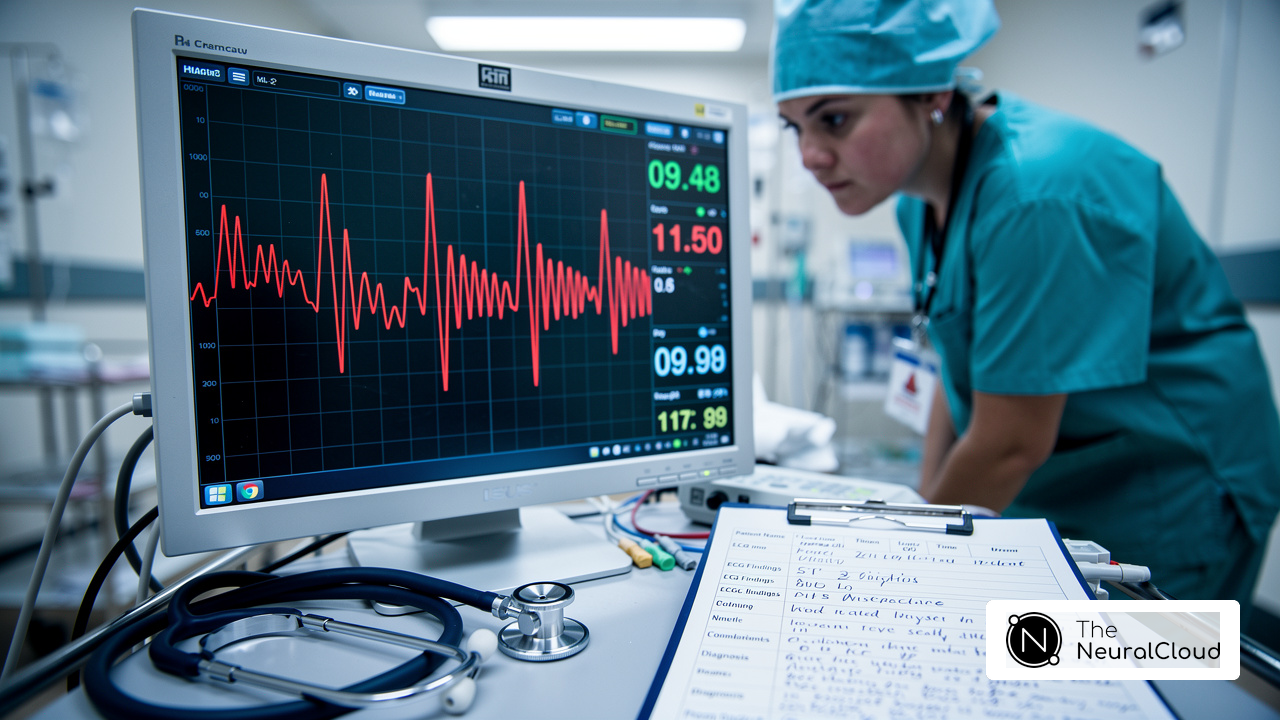
Non-ST-Segment Elevation Myocardial Infarction, which involves NSTEMI ECG changes, presents unique challenges in acute coronary syndrome management. This condition usually arises from a partial blockage of coronary arteries, which can cause myocardial ischemia and even necrosis. Clinically, the NSTEMI ECG changes are significant as they often mimic the symptoms of ST-Elevation Myocardial Infarction (STEMI), necessitating distinct management strategies.
Early recognition and accurate diagnosis are crucial; delays in recognizing NSTEMI ECG changes can lead to severe consequences for patients. Observational data indicate that individuals presenting to urban noncardiac hospitals face a higher risk of in-hospital cardiovascular mortality, underscoring the need for improved treatment protocols and timely interventions.
A retrospective examination of adult NSTEMI patients in Manitoba revealed that out of 30,817 individuals, 19,482 underwent cardiac catheterization, with 12,567 receiving revascularization. This shows why understanding NSTEMI ECG changes and their clinical consequences is so important, as it allows healthcare professionals to prioritize timely interventions and enhance outcomes effectively.
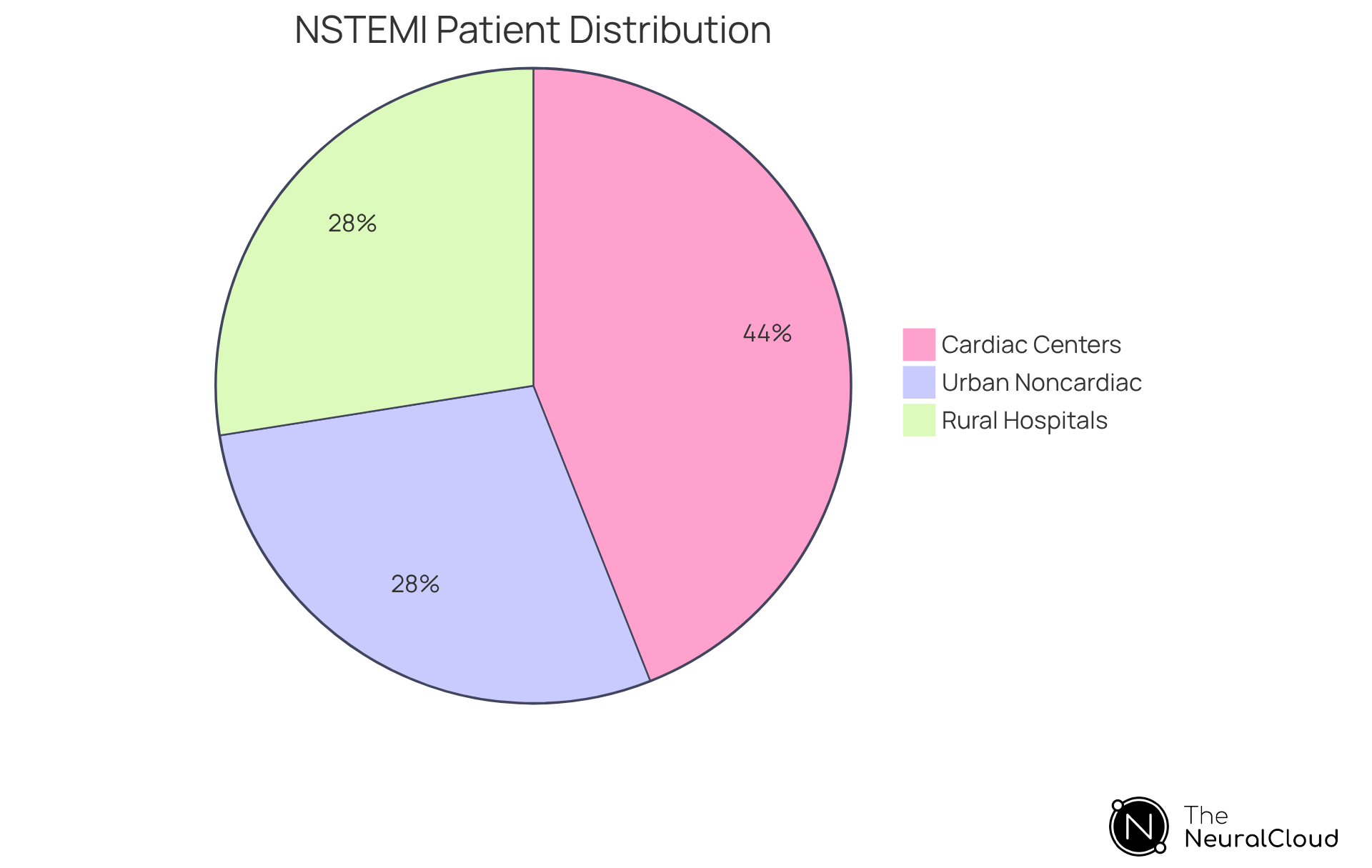
Notably, the distribution of NSTEMI patients by initial presentation site indicates that:
- 44% were treated at cardiac centers
- 28.5% at urban noncardiac hospitals
- 27.5% at rural hospitals
This highlights the differing access to specialized care.
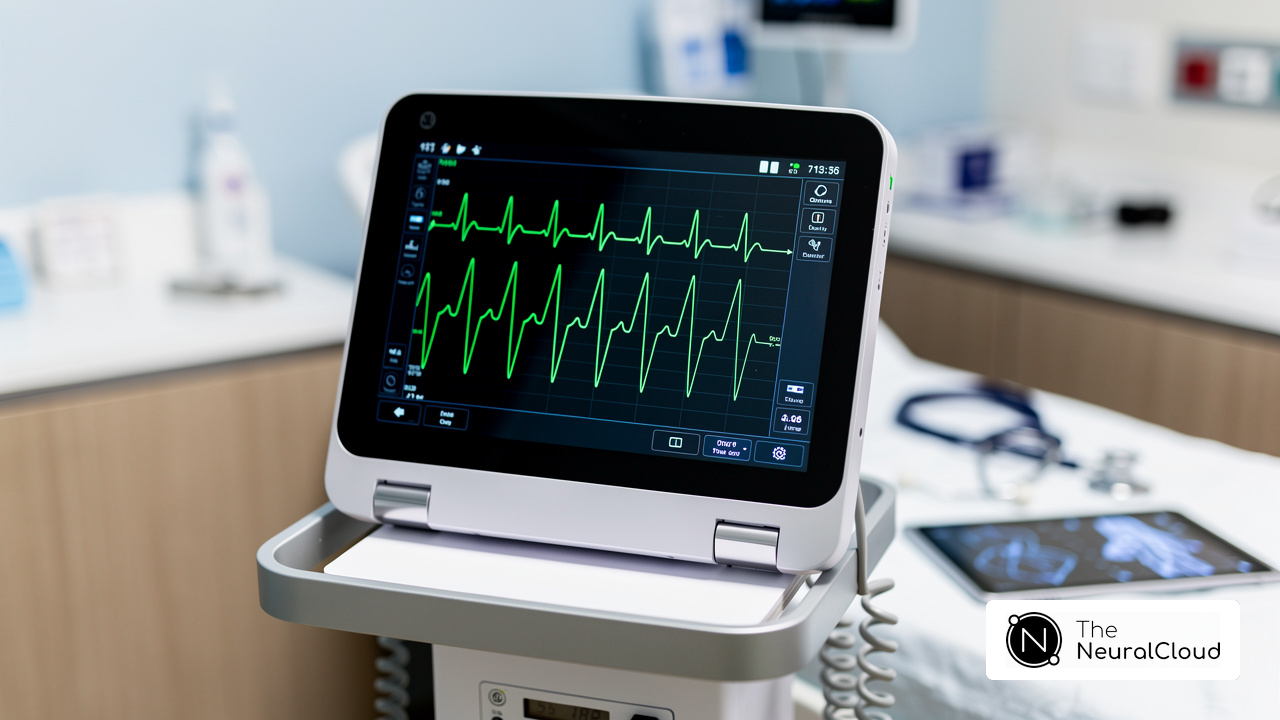
To enhance workflow efficiency in ECG analysis, Neural Cloud Solutions' MaxYield™ platform offers advanced noise filtering, including P, QRS, and T Wave highlighting, and automated signal processing. By employing MaxYield™, healthcare professionals can obtain a clean, 'neuralized' signal and clear, beat-by-beat data, ultimately enhancing the precision of diagnosis and management of NSTEMI ECG changes.
Identify Key ECG Changes in NSTEMI
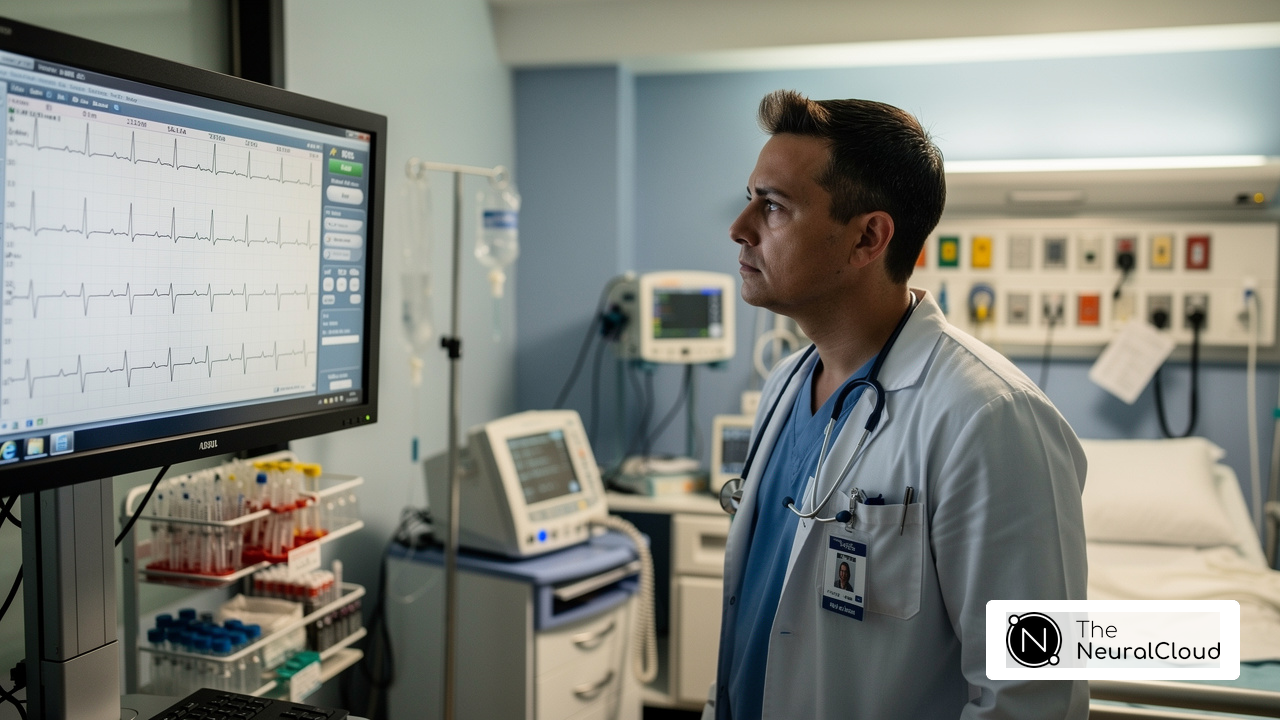
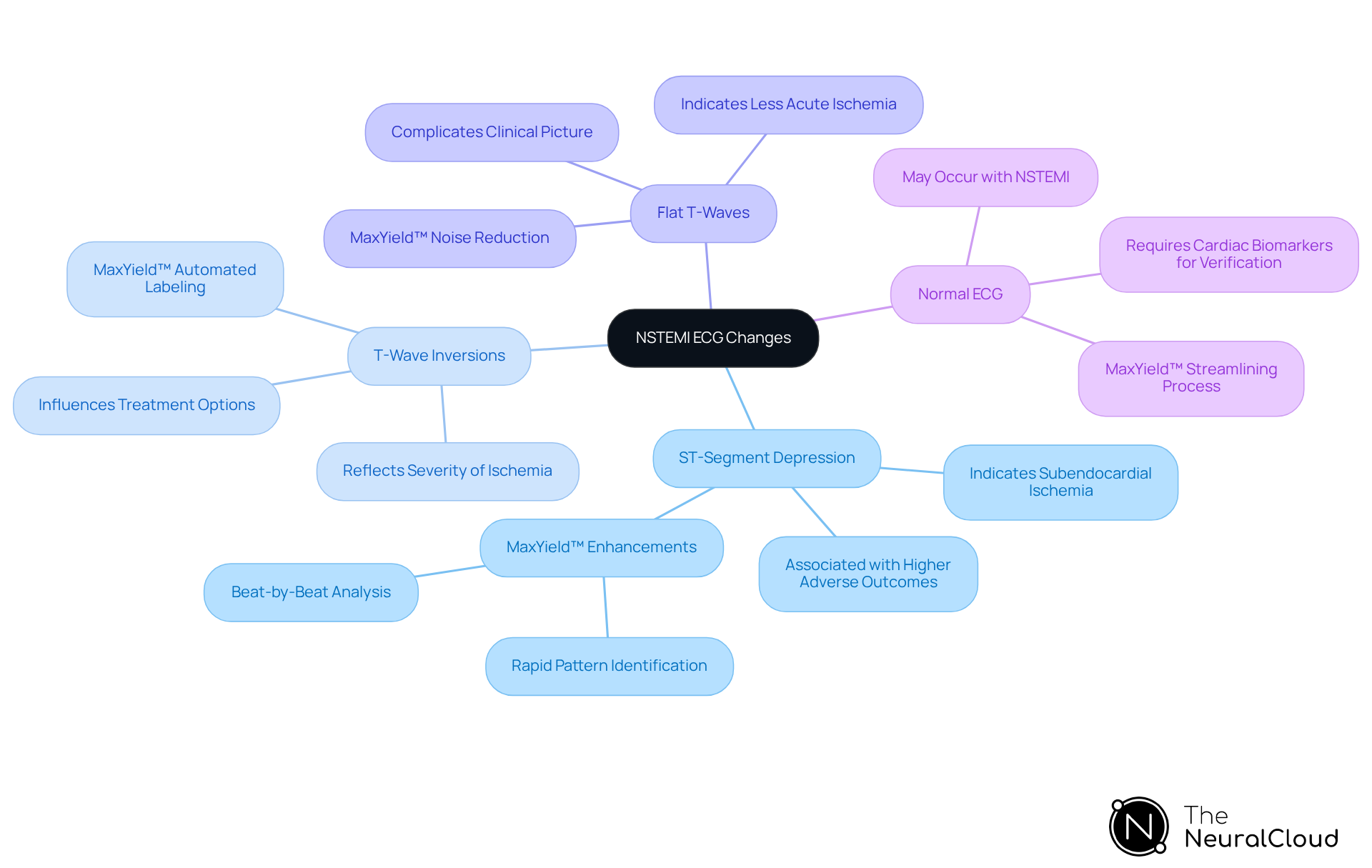
In the realm of cardiac care, accurately interpreting NSTEMI ECG changes presents significant challenges for healthcare professionals. Key ECG changes include:
- ST-Segment Depression: Typically observed in two or more contiguous leads, this finding indicates subendocardial ischemia and is crucial for diagnosis. The presence of ST depression is particularly significant, as it’s associated with higher rates of in-hospital and 30-day adverse outcomes. With MaxYield™, detecting this change becomes easier thanks to its beat-by-beat analysis feature, allowing for rapid identification of critical patterns.
- T-Wave Inversions: Often seen in leads corresponding to the ischemic area, these changes can be transient or persistent, reflecting the severity of ischemia. Spotting these patterns can significantly influence treatment options and outcomes for individuals. With MaxYield™, healthcare professionals can leverage automated labeling to ensure these changes are accurately identified and analyzed.
- Flat T-Waves: These may also occur, indicating a less acute ischemic state, which can complicate the clinical picture. MaxYield™ helps in distinguishing these subtle variations through its advanced noise reduction capabilities, ensuring clarity in ECG readings.
- Normal ECG: In certain cases, the ECG may seem normal even with the occurrence of non-ST elevation myocardial infarction, requiring additional assessment via cardiac biomarkers to verify the diagnosis. This highlights the importance of timely and precise ECG interpretation, a process that MaxYield™ streamlines by transforming noisy recordings into detailed insights.
Spotting NSTEMI ECG changes is key for quick diagnosis and effective management of NSTEMI, as studies show that around 15.7% of individuals experience dynamic NSTEMI ECG changes during transport. Mastering the interpretation of these ECG patterns can significantly impact treatment choices and patient outcomes, reinforcing the need for healthcare professionals to be vigilant in their assessments. By integrating MaxYield™ into their workflow, clinicians can enhance their diagnostic yield and support confident clinical decisions. Additionally, the customizable visualization and reporting tool, Insight360, transforms MaxYield’s clean ECG information into interactive dashboards and clinical-ready reports, further aiding in the analysis and interpretation process. This capability not only streamlines the diagnostic process but also empowers clinicians to make informed decisions that can ultimately save lives.
Implement Advanced ECG Analysis Techniques Using MaxYield
Healthcare professionals face significant challenges in ECG analysis due to noise and artifacts that can obscure critical data. To implement advanced ECG analysis techniques using MaxYield, follow these steps:
- Data Acquisition: Gather raw ECG information from compatible devices, such as Holter monitors or wearable technology, ensuring the information is suitable for analysis.
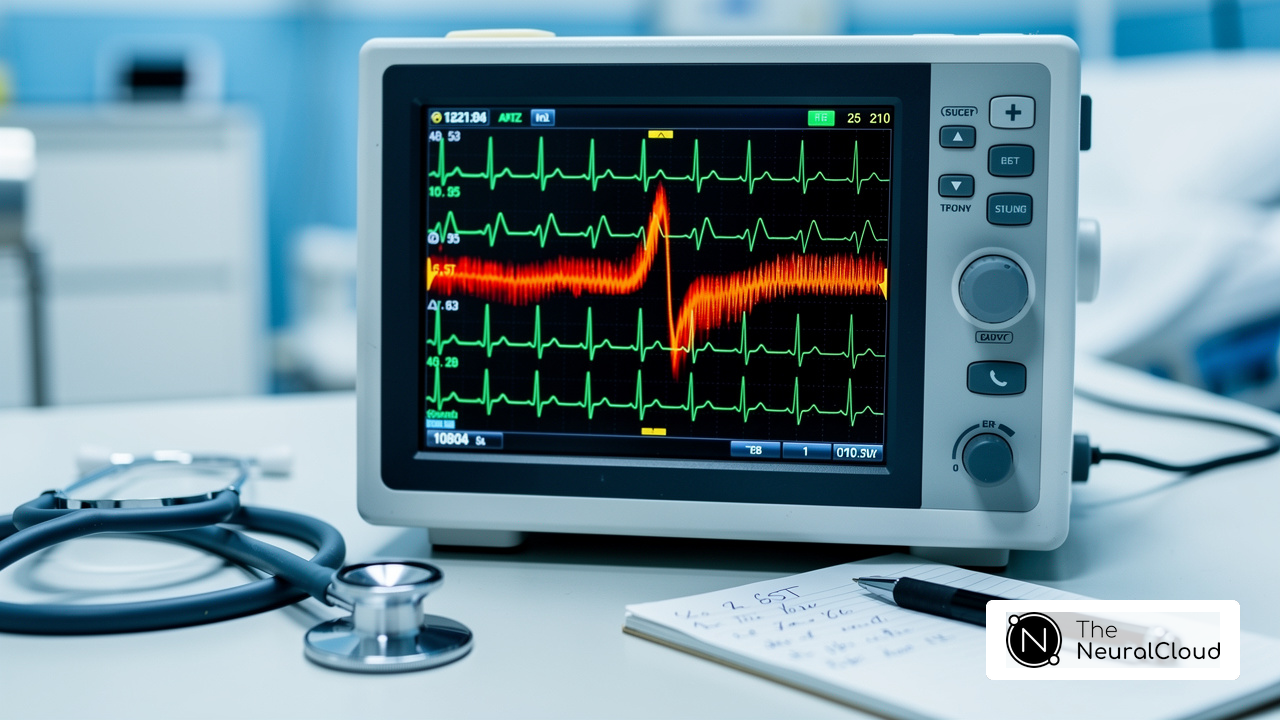
- Signal Cleaning: Utilize MaxYield's patented algorithms to filter out noise and artifacts from the ECG signals, significantly enhancing clarity and reliability. MaxYield effectively isolates ECG waves, even when recordings are affected by baseline wander, movement, or muscle artifacts, ensuring that even previously obscured sections of lengthy Holter and patch monitor recordings can be salvaged. This adaptive algorithm continuously improves with each use, enhancing diagnostic yield over time.
- Feature Extraction: Use MaxYield to identify critical features, including P, QRS, and T wave onsets and offsets, transforming raw information into structured tables for easier interpretation. This process is automated, allowing for rapid analysis of 200,000 heartbeats in under 5 minutes.
- Visualization: Employ Insight360 to create customizable dashboards and reports that visualize trends and key metrics, facilitating informed clinical decision-making. Insight360 transforms MaxYield’s clean ECG data into interactive, clinical-ready reports that enhance understanding and usability.
- Continuous Monitoring: Implement ongoing ECG monitoring to track individual progress and adjust treatment plans as necessary, ensuring timely interventions.
Integrating these advanced techniques allows healthcare professionals to significantly boost the accuracy and efficiency of diagnosing and managing NSTEMI ECG changes. Research shows that prompt recognition of ST segment alterations can greatly enhance outcomes for individuals, aiming to achieve Door to Balloon time for PCI in under 90 minutes. Furthermore, the MaxYield platform's ability to analyze 200,000 heartbeats in under 5 minutes exemplifies its potential to streamline workflows and improve diagnostic capabilities in real-world clinical settings. Additionally, it is important to note that MaxYield is currently pending FDA Class II SaMD clearance, ensuring compliance with regulatory standards.

Address Integration Challenges and Compliance in ECG Solutions
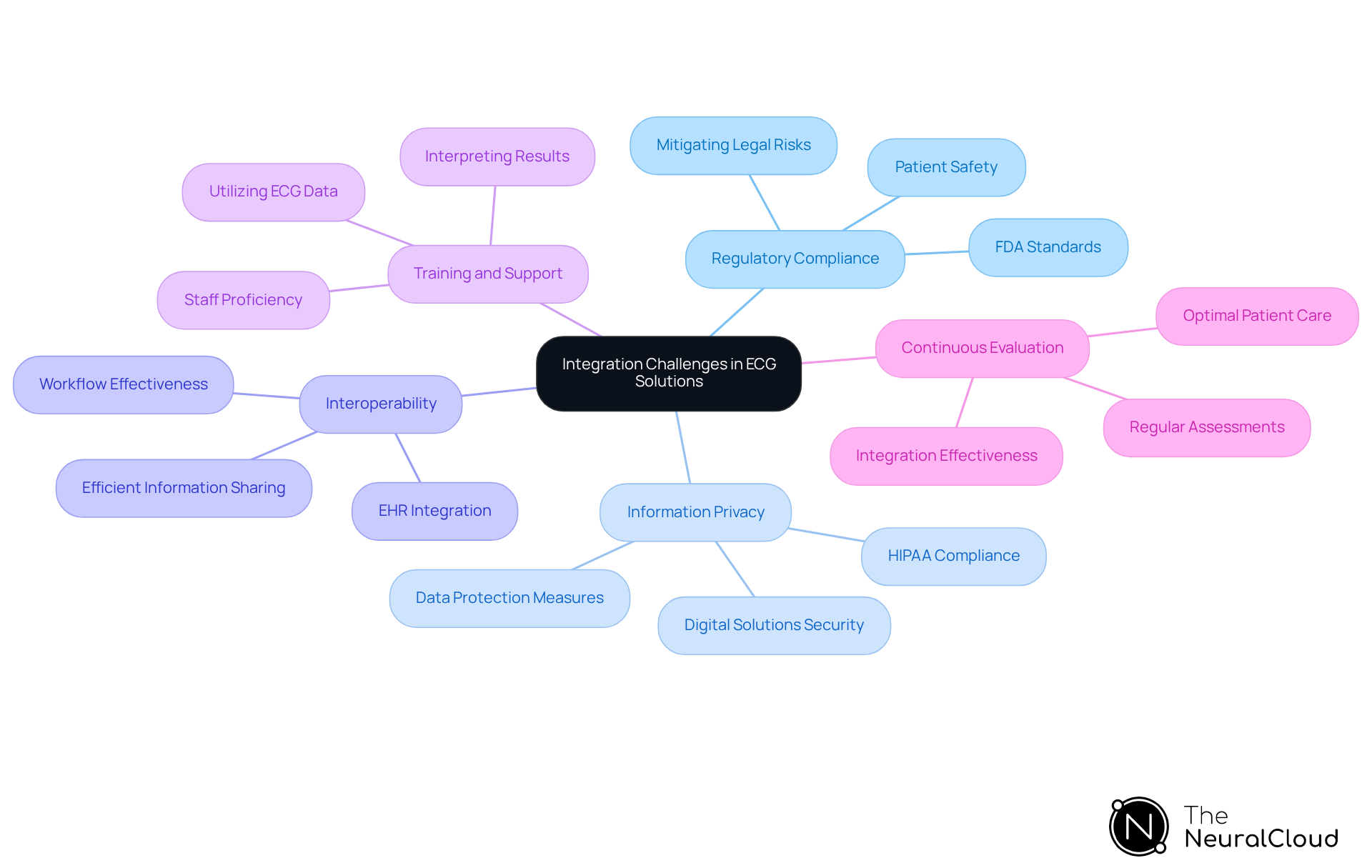
Integrating advanced ECG solutions like MaxYield into clinical workflows can be fraught with challenges that healthcare providers must address:
- Regulatory Compliance: Ensuring that ECG devices and software meet FDA and other regulatory standards is essential. This compliance not only mitigates legal risks but also safeguards patient safety, which is paramount in healthcare settings.
- Information Privacy: Strong measures to protect patient information must be in place, aligning with HIPAA and other privacy regulations. This is increasingly vital as healthcare systems embrace more digital solutions.
- Interoperability: The ECG solution should integrate seamlessly with existing electronic health record (EHR) systems. This integration promotes efficient information sharing and enhances workflow effectiveness, which is crucial for timely patient care.
- Training and Support: Adequate training for healthcare staff is vital for the successful adoption of new technologies. Staff must be proficient in utilizing advanced ECG data and interpreting results to fully leverage the benefits of these solutions.
- Continuous Evaluation: Regular assessments of the ECG integration's effectiveness are necessary. Without regular assessments, healthcare providers risk falling short of optimal patient care.
Tackling these challenges head-on is key to unlocking the full potential of advanced ECG analysis in clinical practice, particularly as the demand for precise and efficient cardiac diagnostics continues to grow.
Conclusion
Healthcare professionals face significant challenges in mastering NSTEMI ECG changes, which are crucial for effective acute coronary syndrome management. By understanding the unique characteristics of NSTEMI and employing advanced analysis techniques, clinicians can significantly improve their diagnostic capabilities and treatment strategies. Using tools like MaxYield™ and Insight360 helps healthcare providers analyze ECGs more efficiently, enabling them to make better decisions that can save lives.
Key insights from the article highlight the importance of recognizing critical ECG changes such as:
- ST-segment depression
- T-wave inversions
- The challenges posed by noise and artifacts in ECG readings
The implementation of advanced techniques, including:
- Data acquisition
- Signal cleaning
- Continuous monitoring
is crucial for accurate diagnosis and timely interventions. Furthermore, addressing integration challenges and ensuring compliance with regulatory standards are vital steps in optimizing the use of ECG solutions in clinical practice.
Embracing advanced technologies and continuous education is essential for healthcare professionals to navigate the complexities of NSTEMI and improve patient outcomes. As the demand for precise cardiac diagnostics continues to grow, healthcare professionals must adopt best practices to enhance their diagnostic yield. By prioritizing education, training, and the integration of innovative solutions like MaxYield™, the healthcare community can improve patient care and outcomes in the face of NSTEMI challenges.
Frequently Asked Questions
What is NSTEMI and why is it clinically important?
Non-ST-Segment Elevation Myocardial Infarction (NSTEMI) involves specific ECG changes and presents unique challenges in managing acute coronary syndrome. It typically results from a partial blockage of coronary arteries, leading to myocardial ischemia and potential necrosis. Recognizing NSTEMI is crucial as it can mimic ST-Elevation Myocardial Infarction (STEMI), requiring different management strategies.
What are the consequences of delays in recognizing NSTEMI?
Delays in recognizing NSTEMI ECG changes can lead to severe consequences for patients, including increased risk of in-hospital cardiovascular mortality, particularly for those presenting to urban noncardiac hospitals.
What does the data from Manitoba reveal about NSTEMI patients?
A retrospective examination of adult NSTEMI patients in Manitoba showed that out of 30,817 individuals, 19,482 underwent cardiac catheterization, and 12,567 received revascularization. This data emphasizes the importance of understanding NSTEMI ECG changes for prioritizing timely interventions and improving patient outcomes.
How are NSTEMI patients distributed by initial presentation site?
The distribution of NSTEMI patients by initial presentation site indicates that 44% were treated at cardiac centers, 28.5% at urban noncardiac hospitals, and 27.5% at rural hospitals, highlighting the varying access to specialized care.
How does Neural Cloud Solutions' MaxYield™ platform assist in NSTEMI management?
Neural Cloud Solutions' MaxYield™ platform enhances workflow efficiency in ECG analysis by offering advanced noise filtering and automated signal processing. This allows healthcare professionals to obtain a clean, 'neuralized' signal and clear, beat-by-beat data, improving the precision of diagnosis and management of NSTEMI ECG changes.
List of Sources
- Define NSTEMI and Its Clinical Importance
- CMR Could Change Diagnosis, Management of Suspected NSTEMI: OxAMI (https://tctmd.com/news/cmr-could-change-diagnosis-management-suspected-nstemi-oxami)
- TCTMD’s Top 10 Most Popular Stories for February 2026 (https://tctmd.com/news/tctmds-top-10-most-popular-stories-february-2026)
- Trial Demonstrates Importance of FFR in Guiding Treatment of NSTEMI Patients (https://dicardiology.com/content/trial-demonstrates-importance-ffr-guiding-treatment-nstemi-patients)
- Outcomes of Non-ST Elevation Myocardial Infarction Patients by Presentation Site: Rural, Urban Community, or Specialized Cardiac Hospital - PMC (https://pmc.ncbi.nlm.nih.gov/articles/PMC12713178)
- Coverage of SCAI Scientific Sessions 2026 | SCAI (https://scai.org/media-center/news-and-articles/coverage-scai-scientific-sessions-2026)
- Identify Key ECG Changes in NSTEMI
- What Is an NSTEMI? (https://my.clevelandclinic.org/health/diseases/22233-nstemi-heart-attack)
- Unstable Angina/Non-ST Elevation Myocardial Infarction (UA-NSTEMI) Diagnosis : Emergency Care BC (https://emergencycarebc.ca/clinical_resource/clinical-summary/unstable-angina-non-st-elevation-myocardial-infarction-ua-nstemi-diagnosis)
- NSTEMI: Non-ST-Segment Elevation Myocardial Infarction - The Cardiology Advisor (https://thecardiologyadvisor.com/ddi/nstemi)
- ST depression on ECG: What it means and causes (https://medicalnewstoday.com/articles/st-depression-on-ecg)
- Understanding STEMI vs NSTEMI: ECG Interpretation Guide (https://tricog.com/understanding-stemi-vs-nstemi-in-ecg-interpretation?srsltid=AfmBOopqNXTtvPIf7vzvtX7gF8lugyPZnc0Lfi5fyngsgIY7Y0183LGj)
- Implement Advanced ECG Analysis Techniques Using MaxYield
- theneuralcloud.com (https://theneuralcloud.com/post/10-essential-ekg-identifiers-for-enhanced-cardiac-insights)
- Retrospective Analysis of ECG Data Supports Cardiologists' Clinical Judgment (https://gehealthcare.com/en-us/insights/article/retrospective-analysis-of-ecg-data-supports-cardiologists-clinical-judgment?srsltid=AfmBOoqbYUMz6zwprqOquglMjogbik48nWYyIkG2s7Bsi6X8c0Q0IUWY)
- Revolutionary AI-Powered ECG Platform MaxYield Seeks FDA Clearance: What This Means for Digital Health (https://stocktitan.net/news/AIMLF/aiml-hits-key-regulatory-benchmark-with-510-k-filing-for-max-yield-mj718ol7q93m.html)
- ECG market keeps evolving thanks to AI, home monitoring and Epic integration (https://signifyresearch.net/2026/02/13/ecg-market-keeps-evolving-thanks-to-ai-home-monitoring-and-epic-integration)
- Address Integration Challenges and Compliance in ECG Solutions
- Medical Device Regulations recent news | MDDI (https://mddionline.com/regulatory-quality/medical-device-regulations)
- Ecg Management Systems Market Report, Trends & Insights 2026-2033 (https://coherentmarketinsights.com/market-insight/ecg-management-systems-market-1478)
- CDRH New (https://fda.gov/medical-devices/medical-devices-news-and-events/cdrh-new-news-and-updates)
- Medical Devices - New regulations (https://health.ec.europa.eu/medical-devices-new-regulations_en)
- Articles & News: Medical device regulation analysis & updates (https://mantrasystems.com/articles)