Introduction
As the prevalence of QTc prolongation rises in urban Canadian populations, understanding its implications for cardiac health has never been more critical. The QT interval on an EKG is a vital indicator of cardiac health, reflecting the heart's electrical stability and potential arrhythmia risks.
Clinicians often struggle with the intricacies of QTc measurement, which can lead to misinterpretation and inadequate patient management. With advanced technologies emerging, healthcare professionals must master the techniques for accurate assessment to ensure effective patient care.
Equipping themselves with the right knowledge and tools is essential for healthcare professionals to navigate this evolving landscape of patient care.
Define the QT Interval and Its Clinical Importance
The measurement of qtc on ekg is critical in ECG analysis, as it reflects the heart's electrical stability and potential arrhythmia risks. It is defined as the time from the onset of the QRS complex to the conclusion of the T wave. Clinically, the qtc on ekg is crucial as it can indicate potential arrhythmias. A prolonged QT duration, indicated by qtc on ekg, can lead to serious conditions such as Torsades de Pointes, a life-threatening arrhythmia.
Understanding the normal range of QT duration, which fluctuates with heart rate, is essential for clinicians to accurately evaluate cardiac health, especially when considering the qtc on ekg. In Canada, normal QT durations typically range from 350 to 450 milliseconds, with significant variations based on gender and age. Studies show that the average QTc duration is shorter for men compared to women across all age groups, with notable differences in older populations. As individuals age, the percentage of those with extended QTc increases, particularly among men aged 80 and older, highlighting the importance of age factors in QT assessment.
Monitoring the qtc on ekg is vital in various clinical settings, especially when patients are prescribed medications known to prolong QT duration. Variability in QT duration measurements can lead to misdiagnosis and inappropriate treatment. Recent guidelines emphasize the importance of training healthcare professionals to enhance the accuracy of QT measurements, ultimately benefiting patient care.
Neural Cloud Solutions Inc.'s MaxYield™ platform addresses these challenges by providing hospital-grade ECG accuracy from consumer-grade devices, ensuring clean PPG data and enhancing the efficiency of ECG analysis. With advanced noise filtering and distinct wave recognition capabilities, isolating ECG waves from noisy recordings becomes quick and easy, boosting the reliability of QT duration measurements. As Dr. Alan Rabinowitz notes, "MaxYield’s precision rivals human interpretation, making it an invaluable tool for clinicians." Additionally, the platform's compliance with FDA Class II SaMD clearance-pending status and its audit-ready documentation support GxP inspections, ensuring that healthcare providers can trust the data generated.
In summary, the clinical significance of QT duration, especially the qtc on ekg, cannot be overstated, as it serves as a key indicator of cardiovascular health and arrhythmia risk, necessitating vigilant monitoring and assessment in clinical practice. With MaxYield™, clinicians can trust their QT measurements, leading to better patient outcomes and enhanced cardiovascular care.

Measure the QT Interval: Techniques and Best Practices
Accurate assessment of qtc on ekg is crucial for effective cardiac management, yet various methods present distinct challenges. The primary methods include:
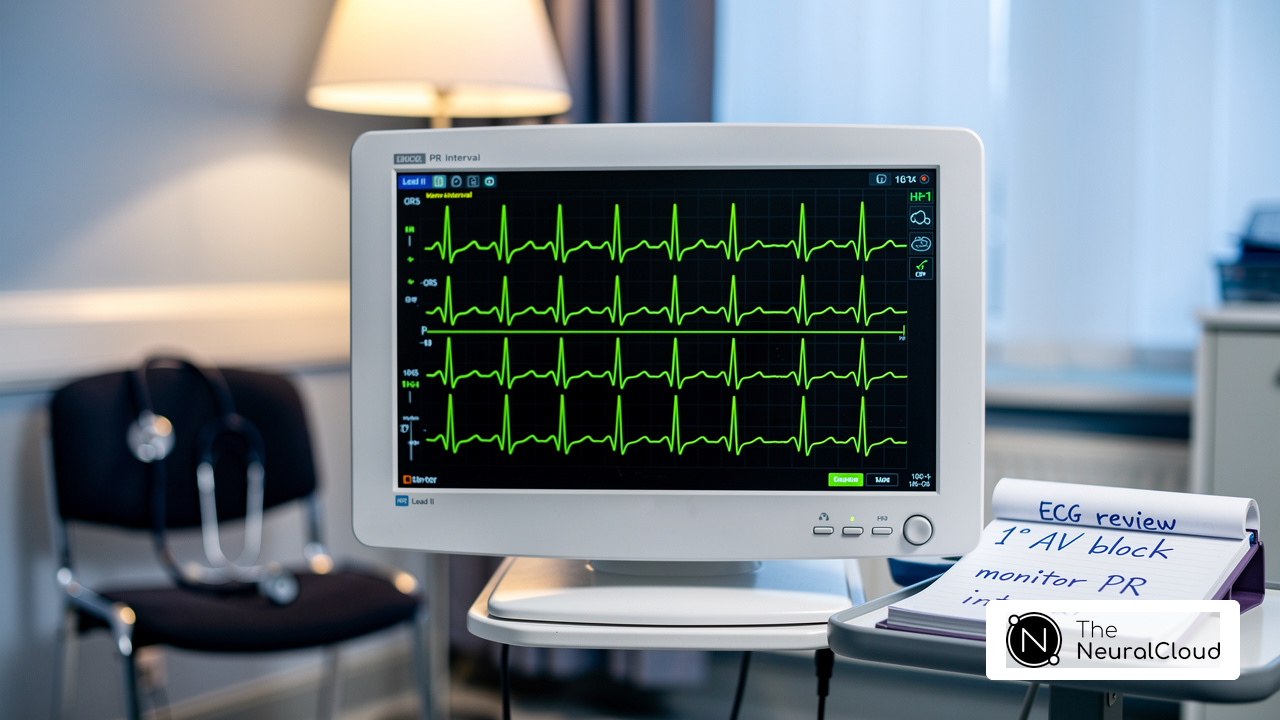
- Manual Measurement: This technique requires clinicians to identify the onset of the Q wave and the conclusion of the T wave on a standard 12-lead ECG. It is recommended to utilize leads that best display the T wave, typically lead II or V5. Two prevalent approaches for determining the end of the T wave are the tangent method and the threshold method. The tangent method involves drawing a tangent line at the steepest slope of the T wave, while the threshold method employs a predefined voltage level to mark the end.
- Automated Measurement: Automated measurements can lead to inaccuracies, especially in patients with abnormal T waves or noise. Clinicians should always verify the qtc on ekg readings with manual techniques. While convenient, these systems may not always provide reliable results.
- Averaging Techniques: To enhance measurement accuracy, averaging the QT duration over several consecutive beats can yield a more reliable assessment. This approach is especially advantageous for individuals with variable heart rates when evaluating the qtc on ekg. Methods like the five-beat average can assist in reducing the impacts of temporary fluctuations in the QT duration.
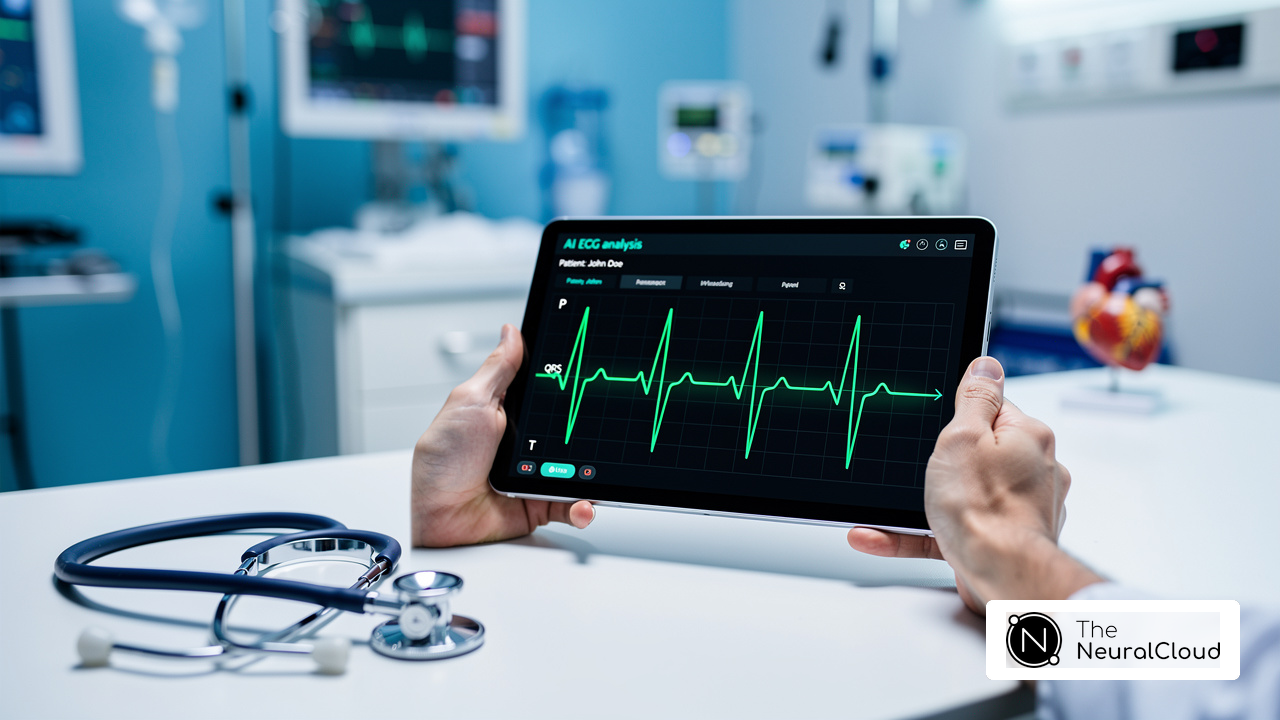
- Use of Software Tools: Advanced software tools, including those integrated with AI, can significantly improve measurement accuracy by filtering noise and providing real-time analysis. These tools also help in monitoring changes in the qtc on ekg over time, which is essential for individuals on QT-prolonging medications.
In Canada, studies show that manual QT duration measurements often yield more reliable results than automated methods, especially in complex cases. A study indicated that the intra-reader validity for manual QT-interval assessment was exceptionally high, with a systematic error of only 4 ms. This highlights the significance of training healthcare professionals in precise QT duration measurement techniques to ensure patient safety and effective management of cardiac conditions. Ultimately, mastering these measurement techniques is vital for healthcare professionals to enhance patient safety and optimize cardiac care.

Interpret QTc Prolongation: Causes and Clinical Implications
The challenges posed by QTc prolongation on EKG necessitate a deeper understanding of its implications for patient care in ECG analysis. A QTc on EKG duration greater than 440 milliseconds in men and 460 milliseconds in women is regarded as prolonged and may suggest a heightened risk for life-threatening arrhythmias. Recent studies indicate that approximately 34.1% of individuals admitted to emergency medical services in Canada exhibit QTc prolongation, emphasizing the urgent need for improved awareness and monitoring of QTc on EKG in clinical practice, particularly in urban areas like Toronto and Calgary.
Several factors contribute to QTc prolongation, including:
- Electrolyte Imbalances: Low levels of potassium (hypokalemia), magnesium (hypomagnesemia), and calcium (hypocalcemia) can significantly prolong the QT duration. In Canadian individuals, electrolyte abnormalities are often noted, requiring careful monitoring.
- Medications: Numerous drugs, including certain antiarrhythmics, antidepressants, and antipsychotics, are known to prolong the QT duration. A recent analysis found that 99.5% of individuals studied were prescribed at least one QT-prolonging medication, underscoring the need for vigilance among clinicians when prescribing these drugs, especially in individuals with pre-existing conditions.
- Genetic Factors: Congenital Long QT Syndrome (LQTS) is a hereditary condition that predisposes individuals to prolonged QT durations and associated arrhythmias. Genetic testing may be warranted in individuals with a family history of sudden cardiac death or unexplained syncope, as expert opinions suggest that early identification can improve management outcomes.
- Acquired Conditions: Conditions such as myocardial ischemia, heart failure, and autonomic dysfunction can also lead to QTc prolongation. In a recent study, individuals with chronic kidney disease and heart failure were found to have significantly higher rates of QTc prolongation, emphasizing the importance of assessing these factors when evaluating individuals with prolonged QT durations.
Neural Cloud Solutions Inc.'s MaxYield™ platform addresses these challenges by employing advanced noise filtering and distinct wave recognition capabilities. This technology enhances ECG analysis efficiency, allowing for the rapid isolation of critical data even in recordings with significant noise and artifacts. Dr. Alan Rabinowitz emphasizes that MaxYield's precision rivals human interpretation, which significantly boosts diagnostic accuracy.
Additionally, MaxYield™ is pending FDA Class II SaMD clearance, ensuring compliance with regulatory standards, and features audit-ready documentation supporting GxP inspections. Comprehending the causes and implications of QTc on EKG prolongation is essential for effective management of individuals. Clinicians should implement regular monitoring and consider risk factors when prescribing medications that may influence the QT duration, particularly in populations with multiple comorbidities. By leveraging MaxYield™, healthcare professionals can enhance their diagnostic capabilities and ultimately improve patient outcomes in those at risk for QTc on EKG prolongation. Furthermore, Insight360 transforms MaxYield’s clean ECG data into interactive dashboards and clinical-ready reports, enhancing the overall analysis experience.

Leverage Advanced Technologies for Enhanced QTc Analysis
Traditional ECG analysis often struggles to detect subtle variations in the QTc on EKG, posing challenges for accurate cardiac diagnostics. Key innovations are emerging to address these issues:
- Artificial Intelligence (AI): AI algorithms examine ECG data with exceptional accuracy, detecting subtle variations in the QT duration that conventional methods may miss. Machine learning models trained on extensive datasets can predict QTc on EKG prolongation and assess associated risk factors with enhanced accuracy. Notably, AI has shown impressive accuracy in detecting ventricular arrhythmia, reaching between 99.2% and 98.8%, underscoring the reliability of these technologies. Neural Cloud Solutions Inc.'s MaxYield™ exemplifies this innovation, delivering beat-by-beat analysis and transforming noisy recordings into detailed insights, which supports confident clinical decisions. Furthermore, MaxYield™ is pending FDA Class II SaMD clearance, ensuring compliance with regulatory standards.
- Wearable Technology: Devices such as smartwatches and portable ECG monitors continuously track heart rhythms and QT intervals, providing real-time data to clinicians. This ongoing monitoring of the QTc on EKG is especially beneficial for individuals on QT-prolonging medications or those with a history of arrhythmias, facilitating proactive management. Wearable cardiac monitors are more convenient, relatively inexpensive, and linked to improved user compliance compared to traditional devices, enhancing their effectiveness.
- Telemedicine Solutions: Remote monitoring and telehealth platforms enable clinicians to assess QT intervals without necessitating individuals to visit healthcare facilities. The demand for remote monitoring has surged due to the expansion of telemedicine in response to the COVID-19 pandemic, making this approach particularly relevant. This not only enhances individual engagement but also enables timely interventions when QT prolongation is detected, improving overall care.
- Automated Alert Systems: Implementing automated alert systems within electronic health records can notify clinicians of significant prolongation of QTc on EKG, prompting immediate evaluation and intervention. These systems enhance safety for individuals by ensuring that at-risk individuals receive timely care, which is critical for effective management.
The integration of these technologies not only enhances diagnostic accuracy but also empowers healthcare providers to deliver timely and effective patient care. As Dr. Alan Rabinowitz notes, "MaxYield™ provides precision rivaling human interpretation, making it an invaluable tool in ECG analysis." Dr. Brett Heilbron adds, "The noise reduction benefits of MaxYield™ enhance the clarity of ECG data, supporting better clinical decisions." As Manuel Martínez-Sellés emphasizes, "AI is increasingly used in electrocardiography (ECG) to assist in diagnosis, stratification, and management," highlighting the transformative potential of these innovations.

Conclusion
Accurate measurement of the QTc interval is vital for preventing serious cardiovascular complications. This article highlights the importance of accurately measuring and interpreting the QTc interval, as it serves as a key indicator of cardiac stability. With the integration of advanced technologies like Neural Cloud Solutions Inc.'s MaxYield™, clinicians can enhance their diagnostic capabilities, leading to improved patient outcomes.
Key insights discussed include:
- The importance of recognizing the normal QT duration
- The various techniques for accurate measurement
- The clinical implications of QTc prolongation
Factors such as electrolyte imbalances, medications, and genetic predispositions were explored, underscoring the need for vigilant monitoring in clinical practice. Additionally, innovations in AI, wearable technology, and telemedicine are transforming QTc analysis, making it more accessible and reliable for healthcare providers.
As the landscape of cardiology continues to evolve, embracing these advancements is crucial for clinicians aiming to optimize patient care. By prioritizing accurate QTc assessment and leveraging cutting-edge tools, healthcare professionals can significantly enhance their ability to manage arrhythmia risks and improve overall cardiovascular health in Canadian populations. By committing to ongoing education and adopting innovative technologies, we can improve clinical outcomes and create a safer healthcare environment for everyone.
Frequently Asked Questions
What is the QT interval and why is it clinically important?
The QT interval, measured as QTc on an ECG, reflects the heart's electrical stability and potential arrhythmia risks. It is defined as the time from the onset of the QRS complex to the conclusion of the T wave, and a prolonged QT duration can indicate serious conditions such as Torsades de Pointes.
What is the normal range for QT duration in Canada?
In Canada, normal QT durations typically range from 350 to 450 milliseconds, with variations based on gender and age. Studies indicate that men generally have shorter QTc durations compared to women across all age groups.
How does age affect QTc duration?
As individuals age, the percentage of those with extended QTc increases, particularly among men aged 80 and older. This highlights the importance of considering age factors in QT assessment.
Why is monitoring QTc on ECG vital in clinical settings?
Monitoring QTc is crucial, especially when patients are prescribed medications known to prolong QT duration. Variability in QT duration measurements can lead to misdiagnosis and inappropriate treatment, making accurate monitoring essential for patient care.
What recent guidelines emphasize regarding QT measurements?
Recent guidelines emphasize the importance of training healthcare professionals to enhance the accuracy of QT measurements, which ultimately benefits patient care.
How does Neural Cloud Solutions Inc.'s MaxYield™ platform assist in QT measurement?
MaxYield™ provides hospital-grade ECG accuracy from consumer-grade devices, ensuring clean PPG data and enhancing ECG analysis efficiency. It features advanced noise filtering and distinct wave recognition capabilities, making it easier to isolate ECG waves from noisy recordings.
What is the significance of MaxYield™ in clinical practice?
MaxYield™ enhances the reliability of QT duration measurements, and its precision rivals human interpretation, making it an invaluable tool for clinicians. Its compliance with FDA Class II SaMD clearance-pending status and audit-ready documentation support GxP inspections, ensuring trust in the data generated.
What is the overall clinical significance of QT duration?
The QT duration, especially QTc on ECG, is a key indicator of cardiovascular health and arrhythmia risk, necessitating vigilant monitoring and assessment in clinical practice to improve patient outcomes and enhance cardiovascular care.
List of Sources
- Define the QT Interval and Its Clinical Importance
- Mayo Clinic Creates Institution-Wide Electronic Prolonged QT Interval Warning System - Mayo Clinic News Network (https://newsnetwork.mayoclinic.org/discussion/mayo-clinic-creates-institution-wide-electronic-prolonged-qt-interval-warning-system)
- Detailed analysis of the impact of age on the QT interval - PMC (https://pmc.ncbi.nlm.nih.gov/articles/PMC5122499)
- jamanetwork.com (https://jamanetwork.com/journals/jama/fullarticle/1357296)
- onlinecjc.ca (https://onlinecjc.ca/article/S0828-282X(23)00520-2/fulltext)
- Measure the QT Interval: Techniques and Best Practices
- The 2023 Canadian Cardiovascular Society Clinical Practice Update on Management of the Patient With a Prolonged QT Interval (https://sciencedirect.com/science/article/abs/pii/S0828282X23005202)
- How to: measure the QT interval? (https://escardio.org/communities/councils/genomics/scientific-documents-and-publications/cardiogenomics-insights/volume-9/how-to-measure-the-qt-interval)
- How To Measure and Assess a Long QT IntervaHow To Measure and Assess a Long QT Interva (https://gehealthcare.com/en-us/insights/article/how-to-measure-and-assess-a-long-qt-interval?srsltid=AfmBOopV4IP_5-BLQ50H-05N8-oTHQBTZur7ftiFPZM2cKG4rdmvyI8-)
- Manual vs. automatic assessment of the QT-interval and corrected QT - PMC (https://pmc.ncbi.nlm.nih.gov/articles/PMC10469369)
- jamanetwork.com (https://jamanetwork.com/journals/jama/fullarticle/1357296)
- Interpret QTc Prolongation: Causes and Clinical Implications
- Home :: Crediblemeds (https://crediblemeds.org)
- Drug-induced QT prolongation and Torsades de Pointes - the facts (https://medsafe.govt.nz/profs/puarticles/druginducedqtprolongation.htm)
- pmc.ncbi.nlm.nih.gov (https://pmc.ncbi.nlm.nih.gov/articles/PMC5869797)
- Prevalence of the QT interval prolongation and its risk factors in hospitalized geriatric patients: findings of a single center cross-sectional study in Pakistan - BMC Geriatrics (https://link.springer.com/article/10.1186/s12877-025-06418-2)
- Leverage Advanced Technologies for Enhanced QTc Analysis
- pmc.ncbi.nlm.nih.gov (https://pmc.ncbi.nlm.nih.gov/articles/PMC10145690)
- Checking your browser - reCAPTCHA (https://pmc.ncbi.nlm.nih.gov/articles/PMC12230838)
- AI in Healthcare: News, Trends & the Future of Patient Care (https://sidebench.com/ai-healthcare-future-holds)
- Frontiers | Smart devices to measure and monitor QT intervals (https://frontiersin.org/journals/cardiovascular-medicine/articles/10.3389/fcvm.2023.1172666/full)