Introduction
Despite their critical role in cardiac care, many healthcare professionals find interpreting electrocardiograms (EKGs) challenging. In this guide, we’ll walk developers through mastering EKG results step by step, highlighting best practices and the importance of each waveform component. Given the complexity of EKG readings and the risk of misdiagnosis, how can developers create applications that truly support clinicians in providing timely and accurate cardiac care?
Understand the Basics of EKGs: Definition and Purpose
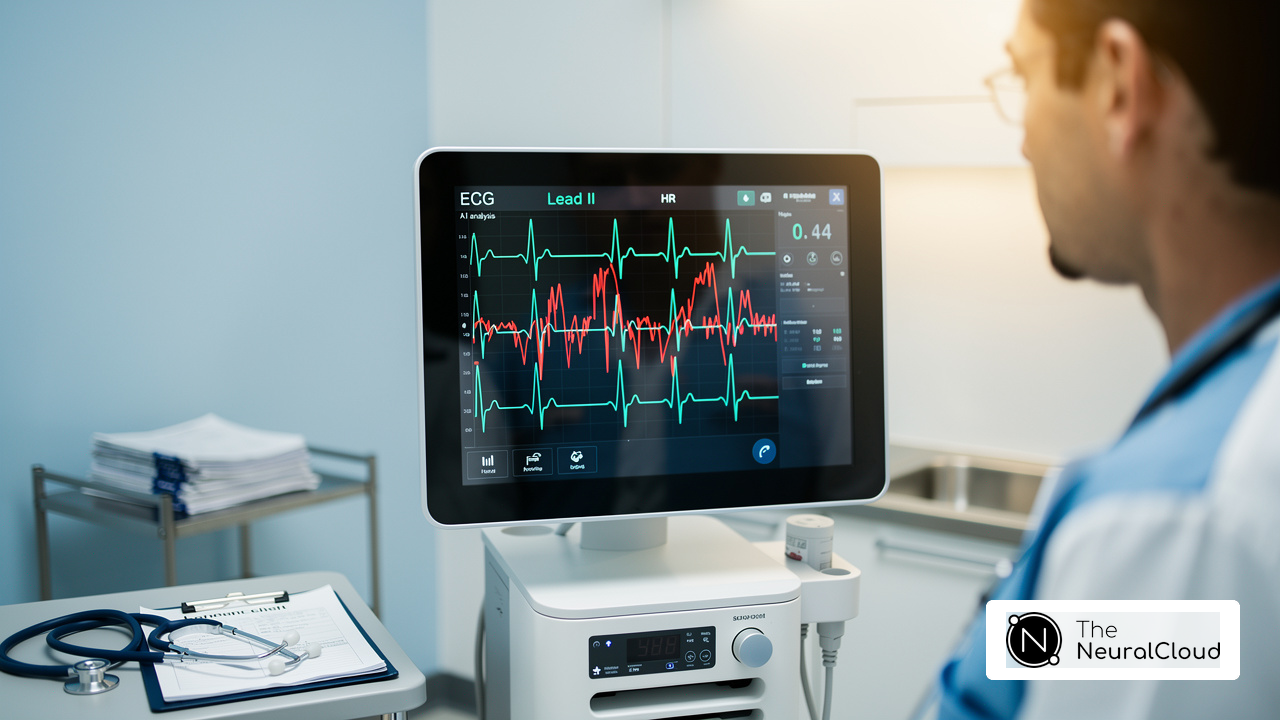
Despite the critical role of electrocardiograms in cardiac diagnostics, many healthcare professionals face challenges in reading EKG results accurately. An electrocardiogram (EKG or ECG) is a crucial diagnostic instrument that records the organ's electrical activity over time, providing essential insights into pulse rate, rhythm, and the structural features of the cardiac chambers. For developers engaged in cardiac data processing, a solid understanding of EKGs is crucial, as it directly influences how data is interpreted and utilized in applications. EKGs play a vital role in diagnosing various cardiovascular conditions, monitoring ongoing cardiac health, and informing treatment strategies.
In Canada, the significance of EKGs in cardiac diagnostics is underscored by recent statistics indicating that timely and accurate EKG interpretation can significantly impact patient outcomes. For example, advancements in EKG technology, especially through AI-driven algorithms similar to those present in other systems, have resulted in enhanced sensitivity and specificity in identifying conditions such as acute coronary syndrome. This is critical given that heart attacks affect patients in the U.S. every 40 seconds, emphasizing the urgency for effective diagnostic tools.
Recent innovations in electrocardiogram technology in Canada include the integration of AI-driven algorithms that enhance the accuracy of readings and reduce false positives. MaxYield, developed by Neural Cloud Solutions Inc., exemplifies this advancement by providing hospital-grade ECG accuracy from consumer-grade devices. This platform solves the garbage-in/garbage-out problems linked to PPG feeds. It ensures clean data and allows for continuous monitoring without the high costs of clinical hardware. These advancements not only streamline the diagnostic process but also empower healthcare providers to make informed decisions more rapidly. As such, programmers must stay informed about these trends to create applications that effectively utilize EKG data, ultimately enhancing healthcare delivery and patient outcomes.
Understanding the details of reading EKG results assists developers in creating applications that are easier for healthcare professionals to use. By harnessing the power of EKGs and the capabilities of MaxYield, creators can contribute to a more efficient and effective cardiac care landscape in Canada. By leveraging MaxYield's capabilities, developers can significantly improve the quality of cardiac care delivered to patients.

Identify Key Components of EKG Results: Waveform Breakdown
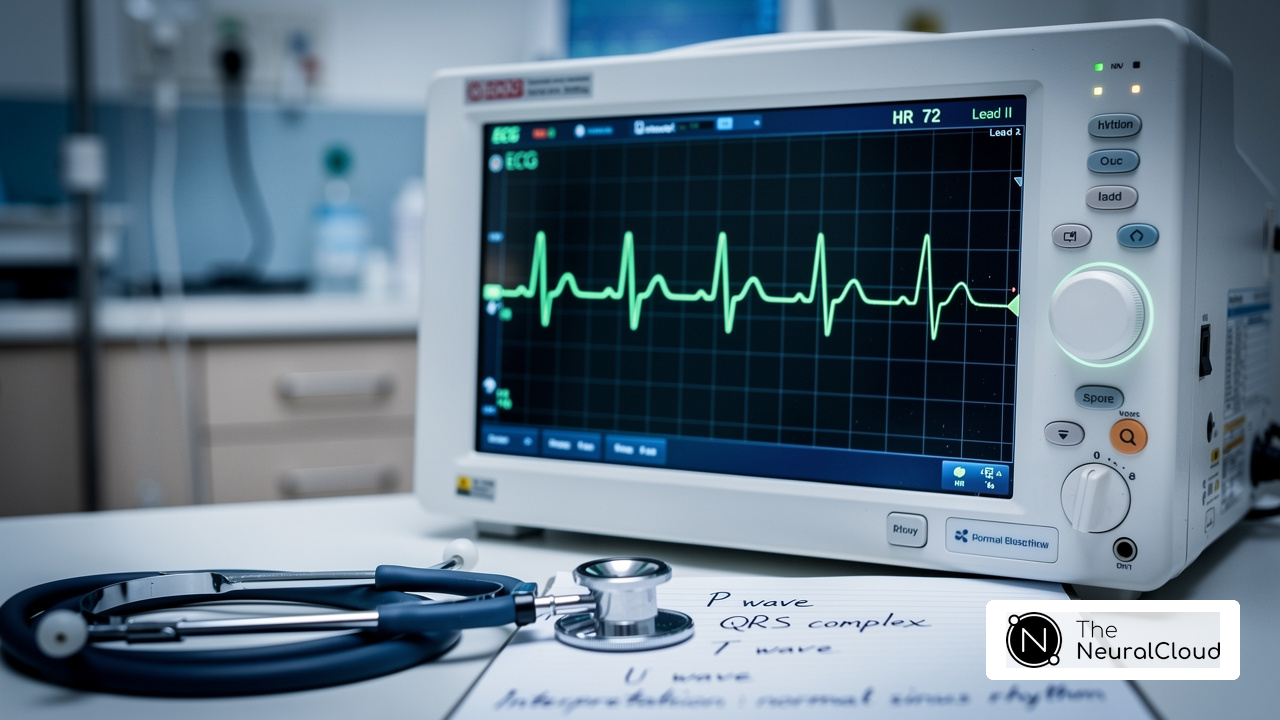
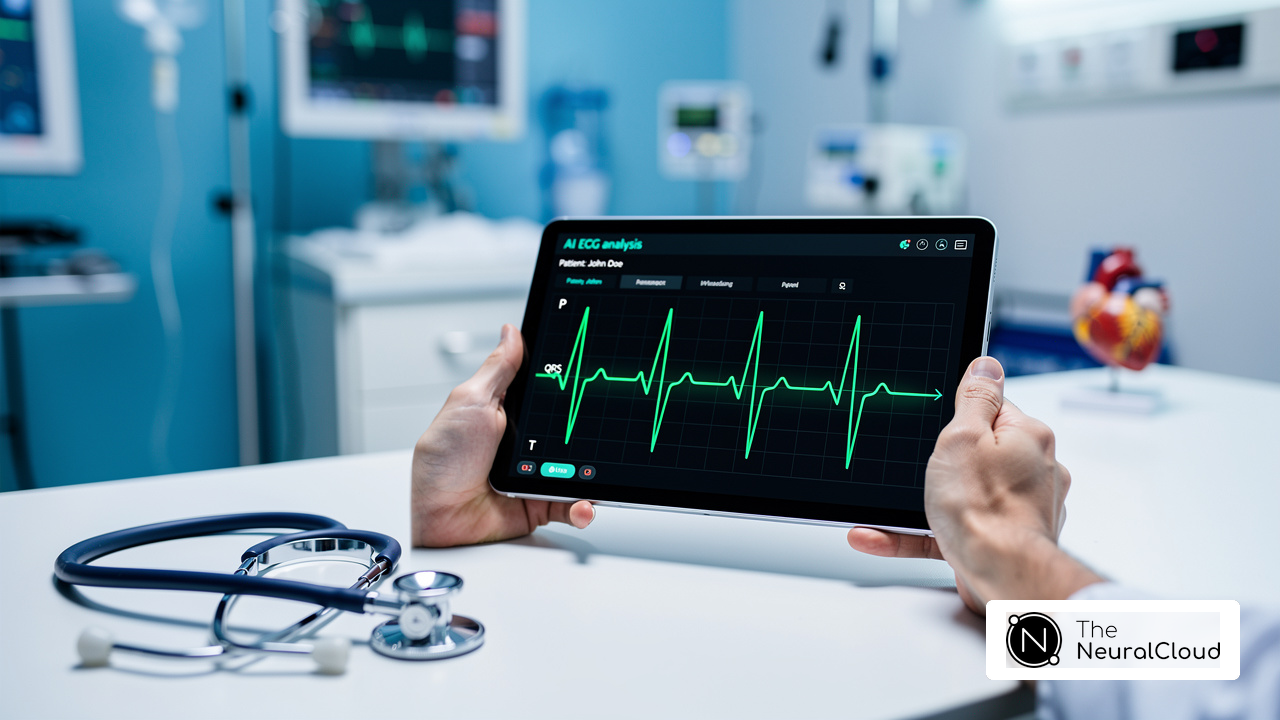
Understanding the critical components of reading EKG results is essential for accurate cardiac analysis and diagnosis. An EKG waveform comprises several key elements: the P wave, QRS complex, and T wave, each representing distinct phases of the heart's electrical cycle.
- P Wave: This component signifies atrial depolarization, reflecting the contraction of the atria. It typically lasts between 0.08 to 0.10 seconds and is essential for assessing atrial function.
- QRS Complex: The QRS complex indicates ventricular depolarization, characterized by a sharp spike in the EKG. This phase is crucial as it represents the contraction of the ventricles, vital for effective blood circulation.
- T Wave: Representing ventricular repolarization, the T wave indicates the recovery phase of the ventricles. Its duration is longer than that of the QRS complex, highlighting the slower conduction of repolarization compared to depolarization.
Many healthcare professionals find that reading EKG results is challenging, which can sometimes lead to misdiagnoses. Comprehending these components is essential for individuals crafting algorithms that focus on reading EKG results. When you accurately detect and interpret these features in reading EKG results, you can greatly improve diagnostic capabilities. For instance, studies have shown that over 86 percent of patients marked as high-risk by AI algorithms were not recognized by conventional left ventricular ejection fraction (LVEF) measures, underscoring the importance of precise waveform analysis.
Moreover, with advanced noise reduction and artifact management features, creators can utilize its capabilities to convert noisy recordings into detailed insights, facilitating assured clinical decisions. The FDA Class II SaMD clearance-pending status and audit-ready documentation support GxP inspections, enhancing regulatory compliance. Research indicates that mastering EKG fundamentals is crucial for reading EKG results, enabling developers to enhance diagnostic accuracy and ultimately improve patient outcomes in cardiac care. As Dr. Alan Rabinowitz observes, 'This system's precision rivals human interpretation, making it an invaluable tool for healthcare professionals.' Additionally, Insight360 serves as the customizable visualization tool that transforms MaxYield’s clean ECG data into interactive dashboards and clinical-ready reports. Integrating these insights into EKG analysis tools can ultimately lead to better patient care and outcomes in cardiac health.

Follow a Systematic Approach to Reading EKG Results
To accurately interpret EKG results, a systematic approach is essential to avoid misdiagnosis and ensure patient safety:
- Assess the Quality of the Tracing: Ensure the EKG is clear and free from artifacts, as poor quality can lead to misinterpretation. With its advanced noise filtering, MaxYield™ from Neural Cloud Solutions Inc. ensures clearer tracings, even in tough conditions.
- Determine the Pulse Rate: Count the number of QRS complexes within a specific time frame to accurately calculate the pulse rate. A normal adult pulse rate ranges from 60 to 100 beats per minute.
- Analyze the Rhythm: Identify whether the rhythm is regular or irregular by examining the spacing of the QRS complexes. Irregular rhythms may indicate underlying issues that require further investigation.
- Evaluate the P Waves: Check for the presence and morphology of P waves before each QRS complex. Ensure they are upright in leads I, II, and aVF, with a duration of less than 0.12 seconds.
- Examine the QRS Complex: Assess the width and morphology of the QRS complex, measuring its duration from the beginning of the Q wave to the end of the S wave. A normal duration is less than 0.12 seconds.
- Review the ST Segment: Look for elevation or depression in the ST segment, as deviations can indicate ischemia or myocardial infarction. Elevation greater than 1 mm in two contiguous limb leads or greater than 2 mm in two contiguous chest leads is particularly concerning.
- Analyze the T Waves: Evaluate T wave morphology for abnormalities. T waves should typically be upright in leads I, II, V3 through V6, with amplitudes less than 5 mm in limb leads and 10 mm in chest leads.
By following this structured approach, programmers can develop algorithms that assist in reading EKG results systematically, boosting both diagnostic accuracy and efficiency. Expert endorsements from Dr. Alan Rabinowitz, Dr. Brett Heilbron, and Dr. Marc W. Deyell emphasize that MaxYield™ rivals human interpretation in precision and significantly reduces noise, further supporting the need for accurate interpretation. Additionally, regulatory compliance details, including FDA Class II SaMD clearance-pending status, ensure that the methods employed meet industry standards. Case studies from Canada highlight the importance of these practices, demonstrating improved outcomes in clinical settings when systematic methods are employed. For instance, research indicates that systematic EKG testing has proven cost-effective in screening young athletes for conditions that could lead to sudden cardiac death, reinforcing the need for accurate reading EKG results and adherence to established guidelines. The integration of systematic methods in EKG analysis is not just beneficial; it is vital for improving patient care and outcomes in clinical practice.

Recognize Common EKG Abnormalities and Their Implications
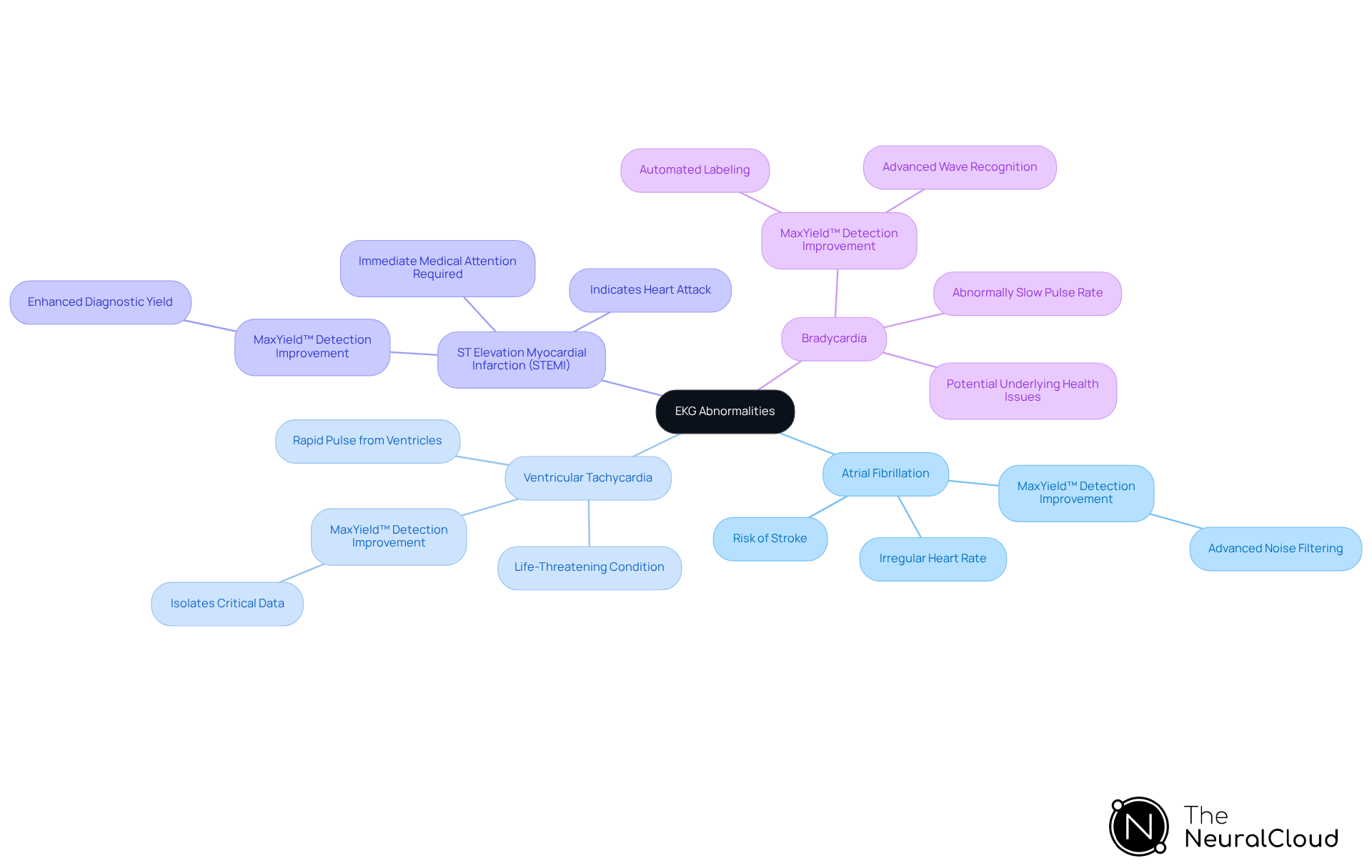
Reading EKG results to detect abnormalities poses significant challenges in clinical practice, particularly among older adults. Common EKG abnormalities include:
- Atrial Fibrillation: Atrial fibrillation is marked by an irregular and often rapid heart rate. This condition can lead to blood clots, raising the risk of stroke. The prevalence of this condition among older adults, especially those over 60, underscores the importance of accurate detection when reading EKG results in clinical settings. With advanced noise filtering capabilities, MaxYield™ improves the detection of atrial fibrillation even in noisy recordings, ensuring timely intervention.
- Ventricular Tachycardia: This condition involves a rapid pulse originating from the ventricles and can be life-threatening. Early identification is crucial for effective intervention, particularly in emergencies that require reading EKG results. MaxYield™ isolates critical data from recordings affected by baseline wander and muscle artifact, significantly enhancing the accuracy of ventricular tachycardia detection.
- ST Elevation Myocardial Infarction (STEMI): STEMI indicates a heart attack and requires immediate medical attention. Recognizing the signs of STEMI is essential when it comes to reading EKG results, as it can greatly impact patient outcomes. Therefore, it is essential for developers to integrate robust detection algorithms into their applications. MaxYield™'s evolving algorithm enhances diagnostic yield, ensuring that even subtle signs of STEMI are not overlooked.
- Bradycardia: Bradycardia is characterized by an abnormally slow pulse rate, which may indicate underlying health issues. Detecting bradycardia can prompt further investigation and management of potential cardiac conditions. By leveraging MaxYield™'s automated labeling and advanced wave recognition, programmers can streamline the identification of bradycardia in ECG data.
In Canada, studies show that over 20% of seniors have at least one abnormality identified through reading EKG results. When reading EKG results, minor abnormalities are linked to a 35% increased risk of heart problems, while major abnormalities correlate with a 51% increased risk. This underscores the necessity for creators to design applications that not only identify these conditions but also provide actionable insights for prompt medical intervention. Incorporating EKG data into electronic health records enhances risk assessment and improves patient care outcomes by facilitating reading EKG results. Furthermore, with the device-agnostic ECG intelligence layer, developers can seamlessly integrate advanced analysis capabilities into their existing systems without hardware modifications. Expert endorsements from Dr. Alan Rabinowitz, Dr. Brett Heilbron, and Dr. Marc W. Deyell emphasize that this precision technology rivals human interpretation, making it an essential tool for contemporary ECG analysis. Additionally, it is important to note that MaxYield™ is currently pending FDA Class II SaMD clearance, ensuring compliance with regulatory standards.
Conclusion
Developers face significant challenges in accurately interpreting EKG results, which is crucial for enhancing cardiac diagnostics. By understanding the intricacies of EKGs, including their definition, purpose, and the systematic approach to reading them, developers can create applications that significantly improve the accuracy and efficiency of cardiac care. MaxYield™ offers advanced technologies that streamline ECG analysis, enabling healthcare professionals to make informed decisions that enhance patient outcomes.
Key insights discussed throughout the article highlight the importance of recognizing the components of EKG waveforms, following a structured methodology for analysis, and identifying common abnormalities. Each of these elements plays a crucial role in ensuring accurate diagnoses and timely interventions. The emphasis on systematic approaches not only aids in reducing misdiagnoses but also enhances the overall quality of care provided to patients, particularly in the Canadian context where timely EKG interpretation can have life-saving implications.
In conclusion, by embracing advanced EKG analysis tools, healthcare professionals can significantly improve patient care and outcomes, ultimately saving lives in critical situations. As the landscape of cardiac diagnostics continues to evolve, developers are called to leverage their skills and knowledge to create innovative solutions that address the challenges faced by healthcare professionals. Prioritizing the integration of advanced EKG analysis tools, such as those provided by MaxYield, holds immense potential for improving patient care and outcomes in Canada.
Frequently Asked Questions
What is an electrocardiogram (EKG or ECG)?
An electrocardiogram (EKG or ECG) is a diagnostic instrument that records the electrical activity of the heart over time, providing insights into pulse rate, rhythm, and the structural features of the cardiac chambers.
Why are EKGs important in cardiac diagnostics?
EKGs are crucial for diagnosing various cardiovascular conditions, monitoring ongoing cardiac health, and informing treatment strategies. Timely and accurate EKG interpretation can significantly impact patient outcomes.
How has EKG technology advanced in Canada?
Recent innovations in EKG technology in Canada include the integration of AI-driven algorithms that enhance the accuracy of readings and reduce false positives, improving the sensitivity and specificity in identifying conditions such as acute coronary syndrome.
What role does MaxYield play in EKG technology?
MaxYield, developed by Neural Cloud Solutions Inc., provides hospital-grade ECG accuracy from consumer-grade devices, addressing issues related to data quality and enabling continuous monitoring without the high costs of clinical hardware.
How can developers benefit from understanding EKGs?
A solid understanding of EKGs allows developers to create applications that are easier for healthcare professionals to use, ultimately enhancing healthcare delivery and patient outcomes in the cardiac care landscape.
What is the significance of accurate EKG interpretation in Canada?
Accurate EKG interpretation is significant in Canada as it can lead to better patient outcomes, especially given the urgency for effective diagnostic tools in light of statistics indicating that heart attacks occur every 40 seconds in the U.S.
List of Sources
- Understand the Basics of EKGs: Definition and Purpose
- FDA De Novo Authorization for Queen of Hearts (https://powerfulmedical.com/blog/powerful-medical-receives-fda-de-novo-authorization-for-pmcardio-queen-of-hearts-its-ai-ecg-model-for-detecting-acute-heart-attacks)
- Advances in Cardiac ECG Monitoring Technologies (https://dicardiology.com/channel/advances-cardiac-ecg-monitoring-technologies)
- The latest innovations in ECG technology and analysis - Norav Medical (https://noravmedical.com/advancements-in-ecg-technology-exploring-the-latest-innovations-in-ecg-analysis)
- With AI, researchers discover new way to detect sudden cardiac death risk - Berkeley News (https://news.berkeley.edu/2026/06/24/with-ai-researchers-discover-new-way-to-detect-sudden-cardiac-death-risk)
- Identify Key Components of EKG Results: Waveform Breakdown
- AI finds hidden ECG signal that predicts sudden cardiac death risk (https://scientificamerican.com/article/ai-finds-hidden-ecg-signal-that-predicts-sudden-cardiac-death-risk)
- With AI, researchers discover new way to detect sudden cardiac death risk - Berkeley News (https://news.berkeley.edu/2026/06/24/with-ai-researchers-discover-new-way-to-detect-sudden-cardiac-death-risk)
- A sweeping new AI to detect heart conditions is coming to OpenEvidence (https://statnews.com/2026/06/23/pathway-labs-echonext-ai-tool-heart-disease-detection)
- the-neural-cloud-3738ff.webflow.io (https://the-neural-cloud-3738ff.webflow.io/post/master-ecg-interpretation-a-step-by-step-guide-for-developers)
- CV Physiology | Electrocardiogram (EKG, ECG) (https://cvphysiology.com/arrhythmias/a009)
- Follow a Systematic Approach to Reading EKG Results
- With AI, researchers discover new way to detect sudden cardiac death risk - Berkeley News (https://news.berkeley.edu/2026/06/24/with-ai-researchers-discover-new-way-to-detect-sudden-cardiac-death-risk)
- New recommendations on interpreting athletes' ECG results prepared by Stanford team (https://med.stanford.edu/news/all-news/2011/08/new-recommendations-on-interpreting-athletes-ecg-results-prepared-by-stanford-team.html)
- How To Read An ECG: Step-By-Step 12-Lead Interpretation (https://advancedlifesupport.com.au/how-to-read-an-ecg)
- Measurement, Prediction, and Control of Individual Heart Rate Responses to Exercise—Basics and Options for Wearable Devices - PMC (https://pmc.ncbi.nlm.nih.gov/articles/PMC6026884)
- Recognize Common EKG Abnormalities and Their Implications
- WebMD Atrial Fibrillation News Library (https://webmd.com/heart-disease/atrial-fibrillation/news-features)
- Lifestyle & risk factor changes improved AFib symptoms, not burden, over standard care (https://newsroom.heart.org/news/lifestyle-risk-factor-changes-improved-afib-symptoms-not-burden-over-standard-care)
- ECG test may signal heart attack risk in elderly | CBC News (https://cbc.ca/news/health/ecg-test-may-signal-heart-attack-risk-in-elderly-1.1210492)