Introduction
Right ventricular myocardial infarction (RVMI) presents a unique challenge for clinicians, often masked by subtle symptoms that can lead to misdiagnosis. Grasping the nuances of RVMI is vital for clinicians, as prompt diagnosis and management can greatly enhance patient survival rates. Yet, the complexities of diagnosing and treating RVMI prompt important questions:
- How can healthcare professionals spot this condition despite its subtle signs?
- What new strategies can improve patient care?
In this article, we’ll explore the latest guidelines, diagnostic techniques, and advanced technologies that are transforming RVMI management, providing insights for those facing this complex challenge.
Define Right Ventricular Myocardial Infarction and Its Clinical Importance
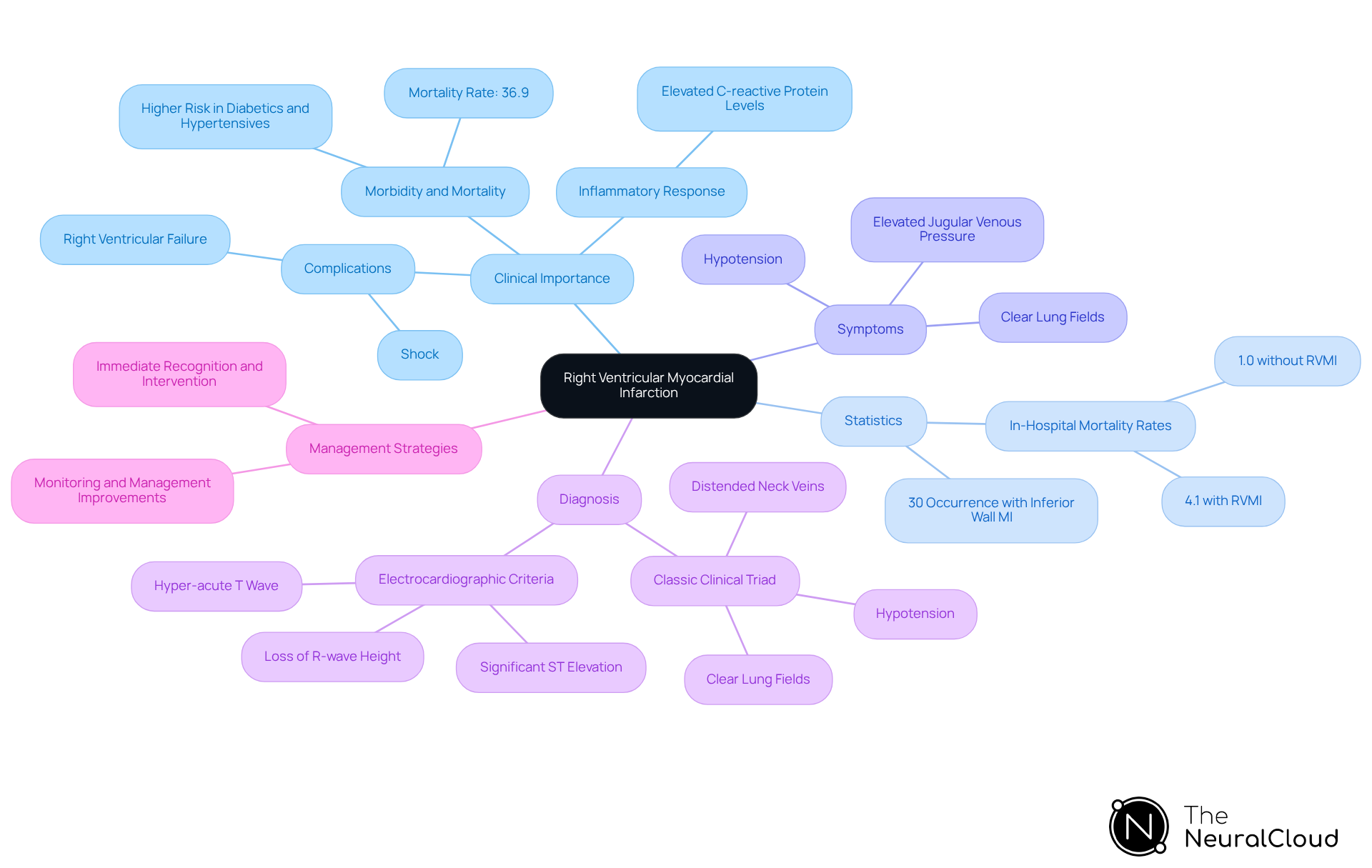
Right ventricular myocardial infarction presents significant challenges because it can complicate treatment and outcomes in patients experiencing inferior ST-segment elevation myocardial infarction. This condition occurs when blood flow to the right ventricle is significantly reduced or stopped, often due to blockage of the right coronary artery. Clinically, it is critical because it can lead to increased morbidity and mortality. Studies show that over 30% of patients with inferior wall myocardial infarction also experience right ventricular myocardial infarction. The mortality rate for these patients is 36.9%, compared to 14.81% for those without it. Notably, the highest occurrence of inferior wall myocardial infarction is found in the 51 to 60 years age group, affecting a significant demographic.
Patients often show hypotension, elevated jugular venous pressure, and clear lung fields - key indicators for diagnosis. The classic clinical triad for right ventricular myocardial infarction consists of distended neck veins, hypotension, and clear lung fields, emphasizing the necessity for immediate recognition and intervention. Failure to recognize and manage right ventricular myocardial infarction can result in severe complications, such as right ventricular failure and shock, which significantly impact patient outcomes. Furthermore, individuals who experience right ventricular myocardial infarction exhibit much higher levels of C-reactive protein compared to those who do not. This elevated inflammatory response may contribute to worse outcomes for these patients.
Experts emphasize the importance of quick assessments and actions for patients experiencing right ventricular myocardial infarction, especially for those at high risk, including individuals with diabetes or hypertension. A recent study conducted in Canadian hospitals underscores the need for improved monitoring and management strategies for these patients, who face a greater risk for negative in-hospital outcomes, including cardiogenic shock and acute heart failure. Recognizing the complexities of right ventricular myocardial infarction is essential for improving patient outcomes in cardiovascular settings. As William E. 'Gene' Gandy noted, recognizing the signs of a right ventricular myocardial infarction is crucial, as treatment differs significantly between patients with this condition and those with other infarct sites.
Identify Diagnostic Criteria and Techniques for RVMI
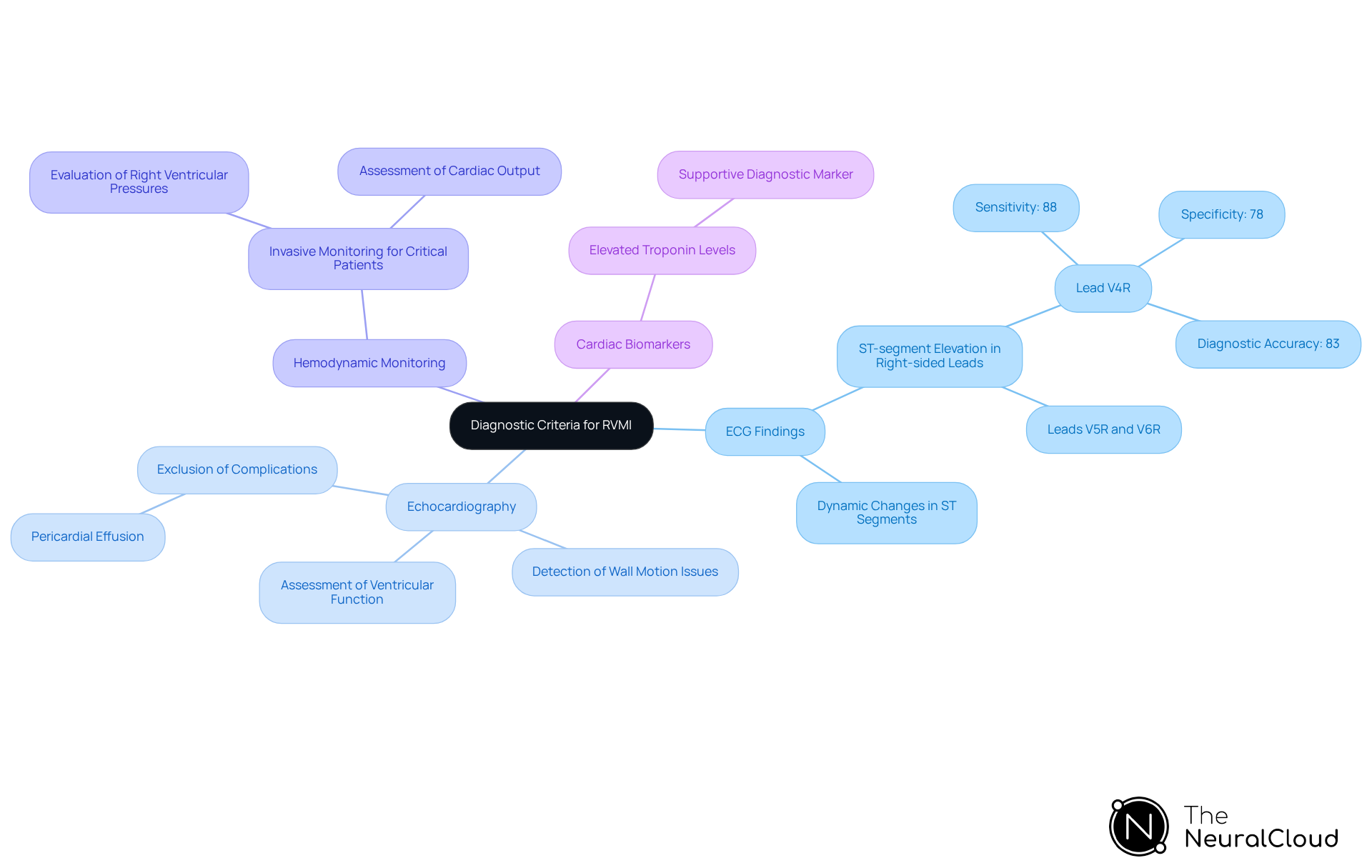
Diagnosing right ventricular myocardial infarction presents unique challenges that require a multifaceted approach. The diagnosis relies on a combination of clinical evaluation and electrocardiographic findings, which encompass several key components:
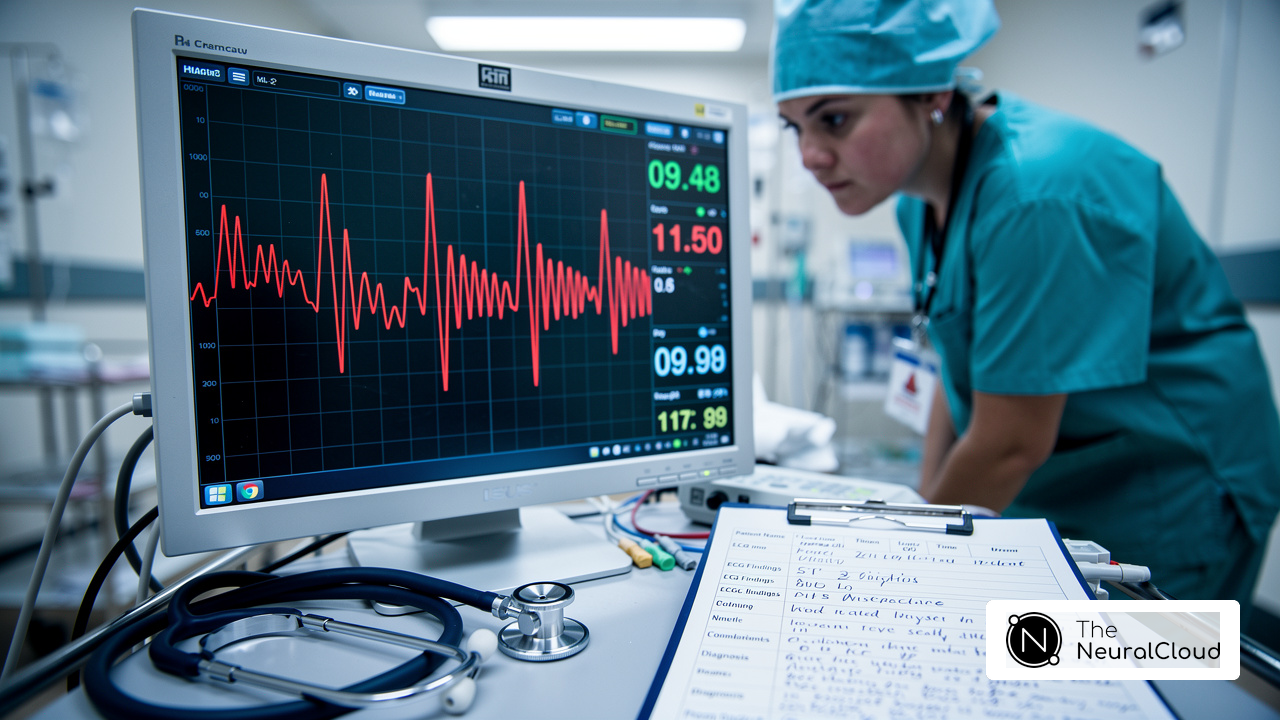
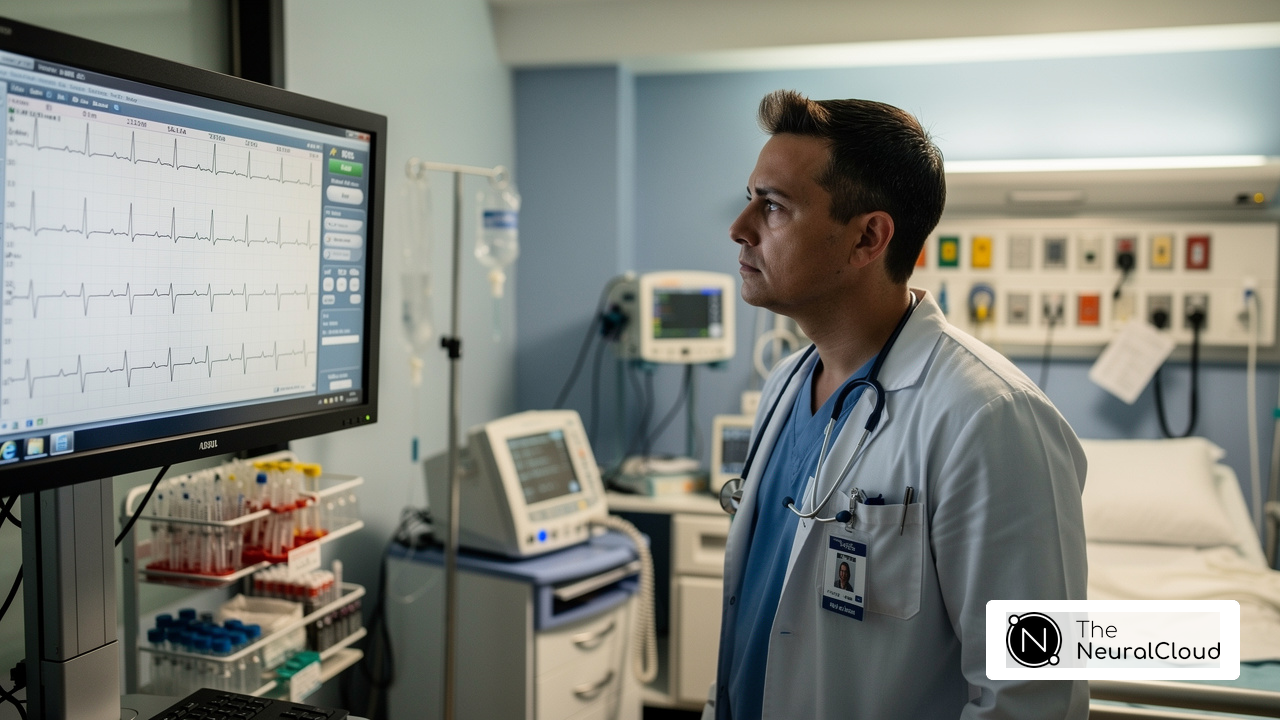
- The hallmark of right ventricular myocardial infarction is ST-segment elevation in right-sided leads, particularly V4R, V5R, and V6R. A prompt 12-lead ECG is essential for patients presenting with chest pain, as it can reveal critical changes indicative of RV involvement.
- Echocardiography: Echocardiography is essential for assessing how well the ventricles are functioning and spotting any wall motion issues. It also helps eliminate other possible complications, such as pericardial effusion, which can mimic the symptoms of right ventricular myocardial infarction.
- Hemodynamic Monitoring: For individuals in critical condition, invasive hemodynamic monitoring may be necessary to evaluate right ventricular pressures and cardiac output, providing insights into the severity of the condition.
- Cardiac biomarkers, such as elevated troponin levels, serve as a supportive diagnostic marker for myocardial infarction, particularly right ventricular myocardial infarction. These biomarkers help confirm the diagnosis when correlated with clinical findings.
Case studies illustrate the importance of these diagnostic criteria. For example, in individuals with inferior STEMI, the presence of ST elevation in lead V4R has shown high sensitivity and specificity for diagnosing right ventricular myocardial infarction. Furthermore, a multicenter study indicated that 16% of STEMI individuals exhibited electrocardiographic evidence of right ventricular myocardial infarction, underscoring the need for vigilance in diagnosis.
Ultimately, the integration of these diagnostic tools is vital for improving recovery outcomes in patients with RVMI.
Outline Management Strategies and Treatment Options for RVMI
A multifaceted approach is required to manage right ventricular myocardial infarction effectively, optimizing patient outcomes and addressing the complexities of the condition. Several key strategies can be employed to effectively manage this condition:
- Volume Resuscitation: Administering intravenous fluids is crucial for enhancing ventricular preload and cardiac output. Normal saline is often used to achieve this.
- Revascularization: Early reperfusion through percutaneous coronary intervention (PCI) is essential for restoring blood flow to the affected area. This intervention can significantly reduce morbidity and mortality related to right ventricular myocardial infarction.
- Avoidance of Preload-Reducing Agents: Medications such as nitrates and diuretics should be avoided, as they can exacerbate hypotension and worsen ventricular function.
- Inotropic Support: In cases of severe hypotension or shock, inotropic agents may be necessary to enhance cardiac contractility and improve hemodynamic stability.
- Monitoring and Support: Continuous monitoring of vital signs and cardiac function is essential. In severe cases, advanced support measures, such as mechanical circulatory support, may be required.
When these strategies are effectively implemented, patients can experience a marked improvement in their condition and overall prognosis.

Integrate Advanced Technologies for Enhanced RVMI Diagnosis and Management
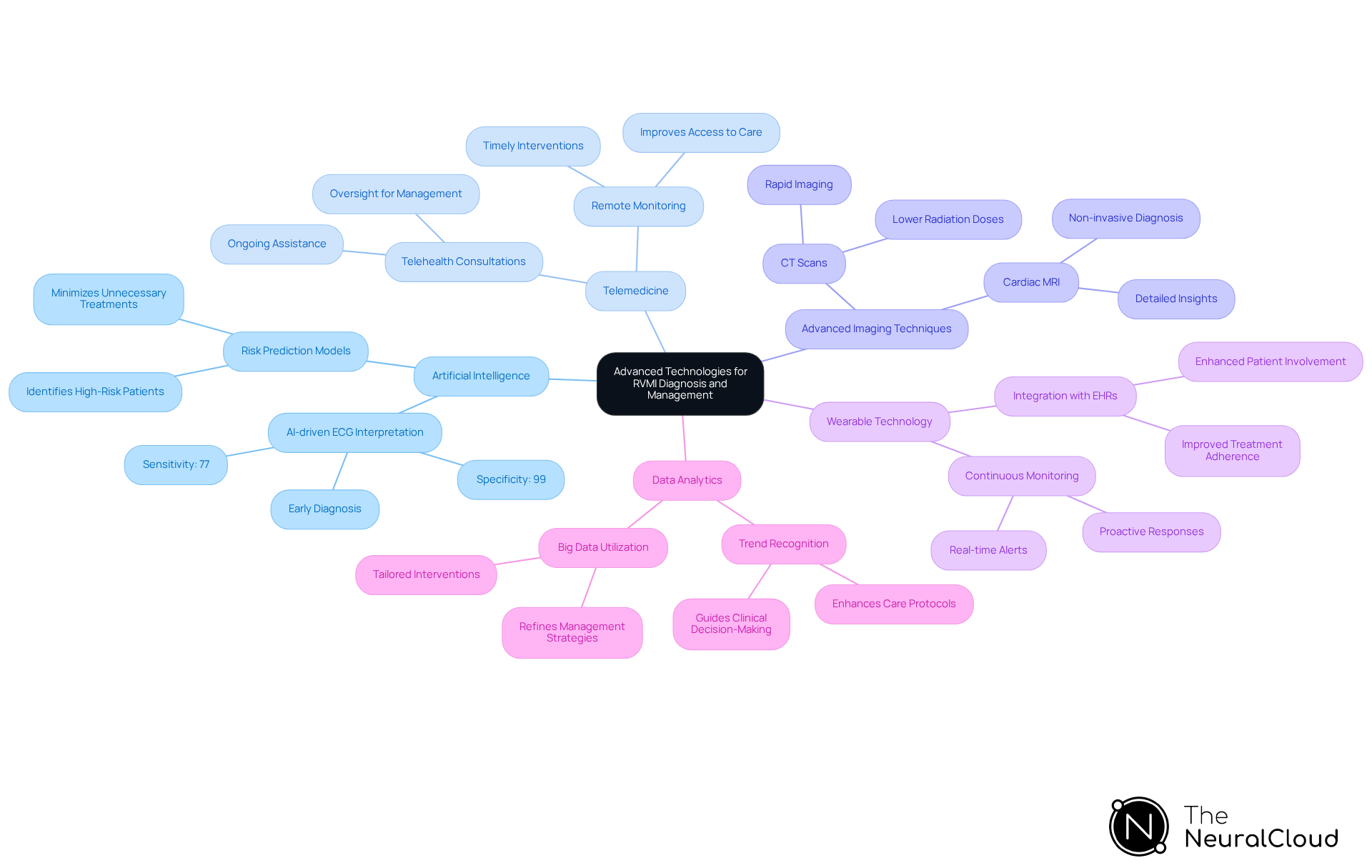
The integration of advanced technologies into the diagnosis and management of right ventricular myocardial infarction offers both challenges and opportunities for healthcare professionals. Key technologies include:
- Artificial Intelligence (AI): Research shows that AI-driven ECG interpretation can achieve a sensitivity of 77% and an impressive specificity of 99%. This exceptional precision in analyzing ECG data allows for the recognition of patterns suggestive of right ventricular myocardial infarction, which enables early diagnosis and prompt intervention.
- Telemedicine: Remote monitoring and telehealth consultations improve access to care, facilitating timely interventions and follow-ups, especially in rural or underserved areas. This method ensures that individuals receive ongoing assistance and oversight, which is essential for the effective management of right ventricular myocardial infarction.
- Advanced imaging techniques: Advanced imaging techniques, such as cardiac MRI and CT scans, provide detailed insights into cardiac structure and function, which are essential for the diagnosis and assessment of right ventricular myocardial infarction. These imaging methods enable accurate evaluations that can inform treatment choices and enhance outcomes for individuals.
- Wearable Technology: Devices that monitor heart rhythms and vital signs offer continuous data, alerting healthcare providers to potential complications in real-time. This proactive monitoring can lead to quicker responses to changes in a patient's condition, enhancing overall care.
- Data Analytics: Utilizing big data analytics helps in recognizing trends and outcomes in resource management, guiding clinical decision-making and enhancing care protocols. By examining extensive datasets, healthcare providers can refine their strategies for managing heart attacks, ensuring that interventions are both effective and tailored.
By embracing these advanced technologies, healthcare providers can enhance the accuracy of diagnosing right ventricular myocardial infarction and optimize management strategies. Ultimately, by leveraging these technologies, healthcare providers can not only improve diagnostic accuracy but also significantly enhance patient outcomes in the management of right ventricular myocardial infarction.
Conclusion
Right ventricular myocardial infarction (RVMI) presents significant challenges that require prompt recognition and intervention due to its potential to complicate treatment and worsen patient outcomes. Grasping the complexities of RVMI - its clinical significance, diagnostic criteria, and management strategies - is crucial for healthcare professionals focused on enhancing patient care in cardiovascular settings.
The article emphasizes the importance of early diagnosis through a combination of clinical evaluation, electrocardiographic findings, and advanced imaging techniques. Key diagnostic tools, such as echocardiography and cardiac biomarkers, play a vital role in confirming RVMI. Effective management strategies, including volume resuscitation and early revascularization, are crucial for optimizing patient outcomes. Furthermore, the integration of advanced technologies like artificial intelligence and telemedicine enhances diagnostic accuracy and facilitates timely interventions.
Given the complexities of RVMI, clinicians, researchers, and healthcare providers must stay updated on the latest treatment guidelines and advancements. By prioritizing early diagnosis and utilizing innovative technologies, the healthcare community can greatly enhance the management of RVMI. This approach leads to improved patient outcomes and lower morbidity and mortality rates.
Frequently Asked Questions
What is right ventricular myocardial infarction?
Right ventricular myocardial infarction occurs when blood flow to the right ventricle is significantly reduced or stopped, often due to blockage of the right coronary artery. It complicates treatment and outcomes in patients experiencing inferior ST-segment elevation myocardial infarction.
Why is right ventricular myocardial infarction clinically important?
It is clinically important because it can lead to increased morbidity and mortality. Studies indicate that over 30% of patients with inferior wall myocardial infarction also experience right ventricular myocardial infarction, with a mortality rate of 36.9% compared to 14.81% for those without it.
What are the common indicators for diagnosing right ventricular myocardial infarction?
Common indicators include hypotension, elevated jugular venous pressure, and clear lung fields. The classic clinical triad consists of distended neck veins, hypotension, and clear lung fields.
What complications can arise from untreated right ventricular myocardial infarction?
Untreated right ventricular myocardial infarction can lead to severe complications such as right ventricular failure and shock, which significantly impact patient outcomes.
How does right ventricular myocardial infarction affect inflammatory response?
Individuals who experience right ventricular myocardial infarction exhibit much higher levels of C-reactive protein compared to those who do not, indicating an elevated inflammatory response that may contribute to worse outcomes.
What demographic is most affected by inferior wall myocardial infarction?
The highest occurrence of inferior wall myocardial infarction is found in the 51 to 60 years age group, affecting a significant demographic.
What is the importance of quick assessments for patients with right ventricular myocardial infarction?
Quick assessments and actions are crucial for patients experiencing right ventricular myocardial infarction, especially for those at high risk, such as individuals with diabetes or hypertension, to improve monitoring and management strategies.
What recent findings highlight the need for improved management of right ventricular myocardial infarction in Canada?
A recent study conducted in Canadian hospitals underscores the need for improved monitoring and management strategies for patients with right ventricular myocardial infarction, who face a greater risk for negative in-hospital outcomes, including cardiogenic shock and acute heart failure.
List of Sources
- Define Right Ventricular Myocardial Infarction and Its Clinical Importance
- A study of Right ventricular involvement in acute inferior wall myocardial infarction in tertiary care center of India. (https://healthcare-bulletin.co.uk/article/a-study-of-right-ventricular-involvement-in-acute-inferior-wall-myocardial-infarction-in-tertiary-care-center-of-india--3736)
- Right Ventricular Infarction Clinical Presentation: History, Physical Examination (https://emedicine.medscape.com/article/157961-clinical)
- Recognition and Treatment of Right Ventricular Myocardial Infarction (https://hmpgloballearningnetwork.com/site/emsworld/article/10321209/recognition-and-treatment-right-ventricular-myocardial-infarction)
- The Incidence and Impact of Permanent Right Ventricular Infarction on Left Ventricular Infarct Size in Patients With Inferior ST-Segment Elevation Myocardial Infarction (https://ajconline.org/article/S0002-9149(22)01115-8/fulltext)
- Impact of concurrent right ventricular myocardial infarction on outcomes among patients with left ventricular myocardial infarction - Scientific Reports (https://nature.com/articles/s41598-020-58713-0)
- Identify Diagnostic Criteria and Techniques for RVMI
- Right Ventricular Myocardial Infarction - StatPearls - NCBI Bookshelf (https://ncbi.nlm.nih.gov/books/NBK431048)
- Right Ventricular Infarction (https://litfl.com/right-ventricular-infarction-ecg-library)
- ECG Diagnosis: Right Ventricular Myocardial Infarction | The Permanente Journal (https://thepermanentejournal.org/doi/10.7812/TPP/16-105)
- Outline Management Strategies and Treatment Options for RVMI
- The challenges in the management of right ventricular infarction (https://academic.oup.com/ehjacc/article-abstract/2/3/226/5921795)
- Current and Emerging Strategies for RV Shock Management in the Setting of RV Infarct - American College of Cardiology (https://acc.org/latest-in-cardiology/articles/2021/11/01/12/41/current-and-emerging-strategies-for-rv-shock-management)
- Right Ventricular Infarction Treatment & Management: Approach Considerations, Right Ventricular Dysfunction and Shock, Inotropic Therapy in Cardiogenic Shock (https://emedicine.medscape.com/article/157961-treatment)
- Management of Post–Myocardial Infarction Right Ventricular Failure (https://jscai.org/article/S2772-9303(22)00562-2/fulltext)
- Right Ventricular Support Options - Cardiac Interventions Today (https://citoday.com/articles/2019-jan-feb/right-ventricular-support-options)
- Integrate Advanced Technologies for Enhanced RVMI Diagnosis and Management
- AI-based ECG interpretation outperforms standard diagnosis of occlusive myocardial infarction (https://news-medical.net/news/20260323/AI-based-ECG-interpretation-outperforms-standard-diagnosis-of-occlusive-myocardial-infarction.aspx)
- Artificial intelligence may speed heart attack diagnosis and treatment (https://newsroom.heart.org/news/artificial-intelligence-may-speed-heart-attack-diagnosis-and-treatment)
- New study finds AI model improves heart attack detection (https://health.ucdavis.edu/news/headlines/new-study-finds-ai-model-improves-heart-attack-detection/2025/11)
- Advancements in Artificial Intelligence for Precision Diagnosis and Treatment of Myocardial Infarction: A Comprehensive Review of Clinical Trials and Randomized Controlled Trials - PMC (https://pmc.ncbi.nlm.nih.gov/articles/PMC11164835)
- The Future of Heart Care: How Advanced Imaging is Transforming Diagnosis and Treatment (https://solutionhealth.org/2025/02/24/the-future-of-heart-care-how-advanced-imaging-is-transforming-diagnosis-and-treatment)