Introduction
Effective patient care hinges on understanding heart rhythms, particularly in the context of first-degree AV block. This often asymptomatic yet clinically significant condition demands careful diagnosis and management strategies that can significantly influence patient outcomes. As healthcare professionals explore ECG analysis and treatment options, they must consider how to effectively monitor and manage patients at risk for this condition, especially in Canada.
Define Sinus Rhythm and First-Degree AV Block
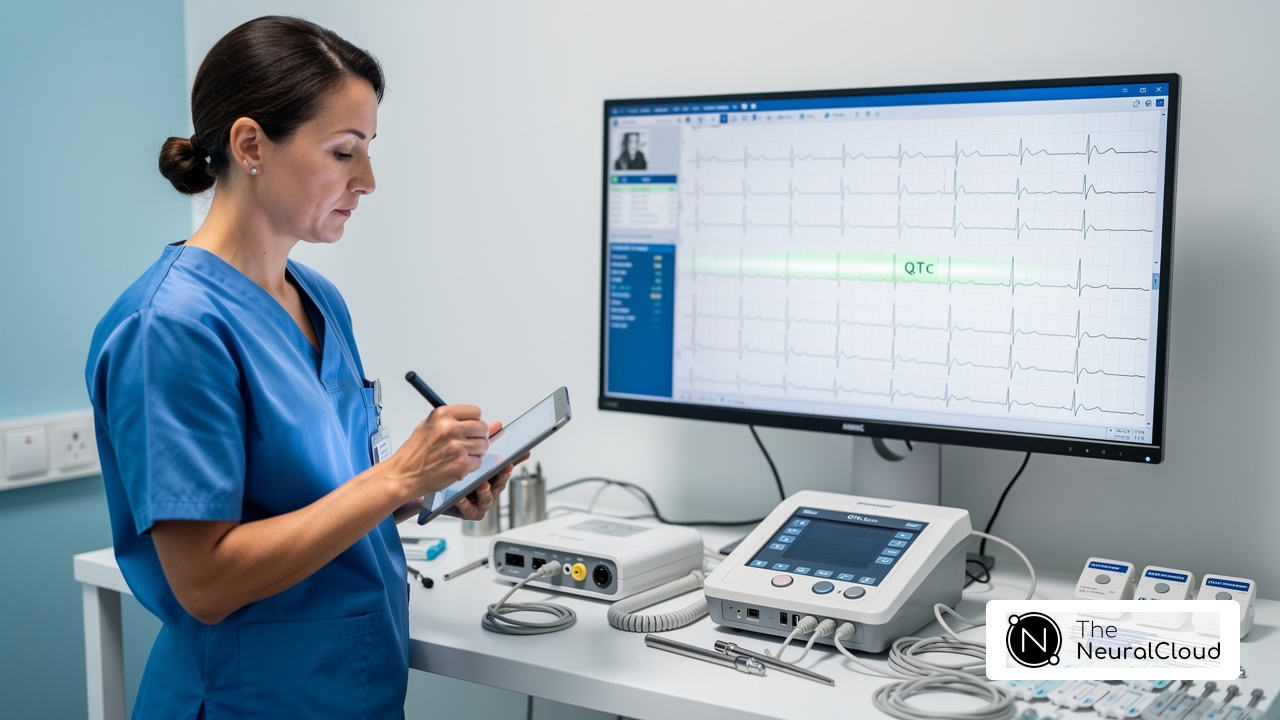
Understanding the nuances of heart rhythms is crucial for effective patient care, especially when it comes to conditions like primary AV obstruction. Sinus rhythm is the normal heartbeat that starts in the sinoatrial (SA) node. It features regular electrical impulses that coordinate heart contractions. In contrast, primary AV obstruction is characterized by a delay in the transmission of electrical signals from the atria to the ventricles, indicated by a PR interval exceeding 0.20 seconds on an ECG. Often, this condition shows no symptoms and is found incidentally during routine ECGs.
Primary AV obstruction becomes more common with age, affecting about 6.0% of those over 60, compared to just 1.0% to 1.5% in younger individuals. Additionally, patients with primary AV obstruction are more likely to experience atrial fibrillation than those with normal PR intervals, highlighting the clinical importance of this condition. Regular monitoring is recommended to ensure the condition does not worsen, as many individuals with primary heart impairment remain asymptomatic and may not require treatment.
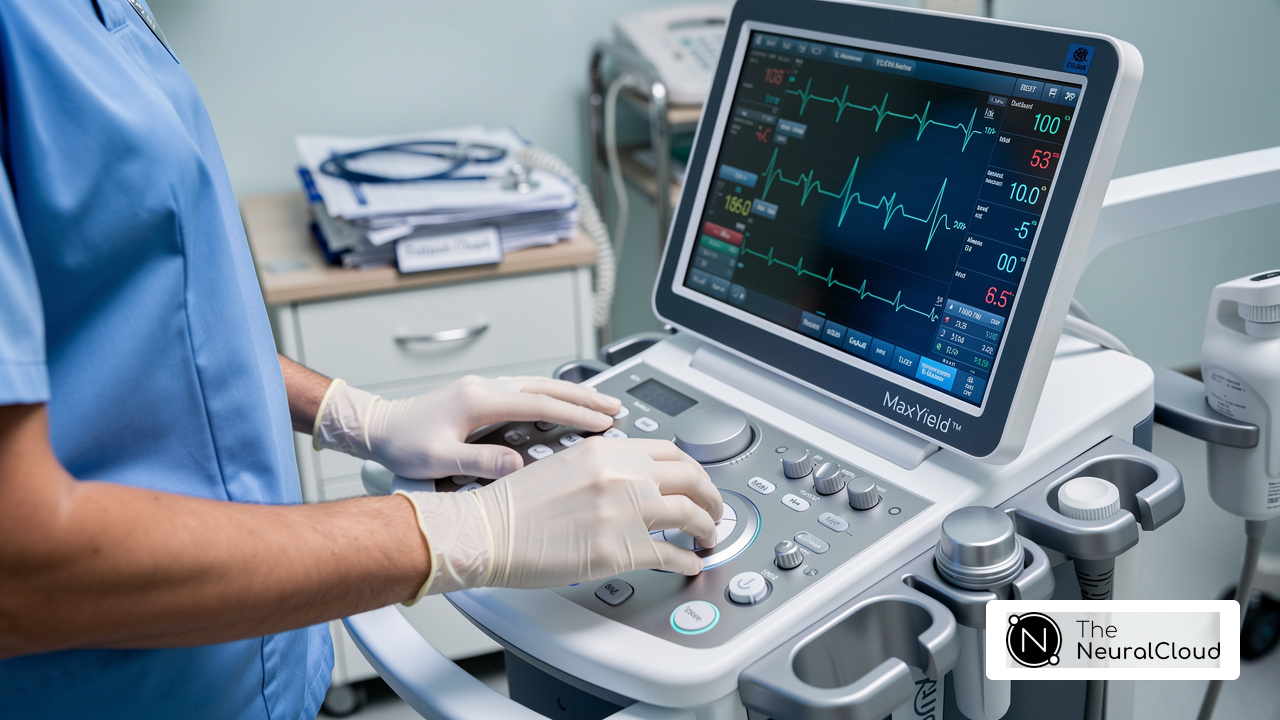
Neural Cloud Solutions Inc.'s MaxYield platform significantly enhances ECG evaluation, particularly for primary AV obstruction cases. MaxYield employs advanced noise filtering and precise wave recognition to accurately identify and label critical data, even in noisy recordings. This capability is vital for healthcare professionals aiming for accurate diagnosis and management of conditions like primary AV obstruction. Experts like Dr. Alan Rabinowitz and Dr. Brett Heilbron endorse MaxYield for its precision, comparable to human interpretation, and its noise-reduction capabilities that enhance diagnostic outcomes. Understanding these definitions is key to recognizing the implications of primary AV obstruction for patient care and treatment strategies.

Explore Causes and Risk Factors of First-Degree AV Block
Understanding the complexities of first-degree AV obstruction is crucial for effective patient management. This condition can result from several factors:
- Increased vagal tone, commonly seen in athletes or during sleep, is one cause.
- Structural heart changes due to aging or myocardial infarction also contribute.
- Other factors include medications that affect AV conduction, such as beta-blockers and calcium channel blockers, along with electrolyte imbalances.
Risk factors for developing primary AV obstruction include:
- Older age
- Male gender
- A history of cardiovascular disease
Research in Canada indicates that the occurrence of primary AV obstruction among young adults ranges from 0.65% to 1.6%. This statistic is similarly relevant in the United States. Notably, higher rates are observed in trained athletes, reaching approximately 7.5%. Comprehending these causes and risk factors is essential for clinicians to recognize individuals who may need closer monitoring.
For instance, a study involving 3,816 individuals emphasized that hypertensive persons with primary AV impairment encounter a higher risk of developing advanced AV impairment and atrial fibrillation (Stumph, 2026). Moreover, a case study from rural Northeast China reported a prevalence of 3.4% for primary AV obstruction among participants aged 40 and older, highlighting the significance of demographic factors in evaluating risk.
It's essential for clinicians to keep a close eye on individuals with these risk factors to ensure they receive timely intervention. As noted in the consensus statement, a PR interval >400 ms constitutes a high-risk screening ECG requiring further workup.
Using advanced technologies like MaxYield™ from Neural Cloud Solutions Inc. can greatly improve ECG analysis efficiency. It filters noise and recognizes distinct waveforms, enhancing diagnostic accuracy. This device-agnostic ECG intelligence layer integrates seamlessly with existing systems, providing clinicians with the tools necessary to navigate the complexities of ECG interpretation in the presence of artifacts and physiological variability.
Expert endorsements from Dr. Alan Rabinowitz, Dr. Brett Heilbron, and Dr. Marc W. Deyell emphasize MaxYield’s precision rivaling human interpretation and its noise reduction benefits. Additionally, the regulatory compliance details regarding FDA Class II SaMD clearance-pending status further strengthen the credibility of this technology. By leveraging advanced technologies like MaxYield™, clinicians can significantly improve patient outcomes through enhanced ECG analysis.

Diagnose First-Degree AV Block: ECG Analysis Techniques
Identifying primary AV obstruction requires careful attention to the 12-lead ECG and the PR interval. The definitive diagnostic criterion is a PR interval consistently exceeding 0.20 seconds, with each P wave followed by a QRS complex. Clinicians must also evaluate any morphological changes in the P waves or QRS complexes, as these alterations may signal other underlying cardiac conditions.
Monitoring patients with risk factors for AV interruption can be challenging and requires diligence. For example, cohort studies show that individuals with primary AV obstruction have a higher occurrence of atrial fibrillation and might need pacemaker implantation as they grow older. Neglecting routine evaluations can lead to worsening conditions and increased patient risk.
In Canada, recent guidelines highlight the significance of comprehensive history-taking and evaluation of possible underlying heart conditions when diagnosing primary AV interruption. Case studies have indicated that most individuals do not require treatment beyond observation, although those with significant symptoms or related heart disease may need further investigation or referral for electrophysiologic studies.
Expert views emphasize that grasping the subtleties of ECG analysis methods is essential for prompt and precise recognition of first-degree AV obstruction, allowing healthcare professionals to provide optimal care.
Integrating MaxYield™ into your diagnostic workflow can really enhance the process. MaxYield™ automates ECG signal analysis, getting insights for each heartbeat and highlighting key features. This advanced platform analyzes 200,000 heartbeats in under 5 minutes. It provides clinicians with detailed information on P-wave, QRS complex, and T-wave intervals. Experts like Dr. Alan Rabinowitz and Dr. Brett Heilbron have endorsed MaxYield™ for its precision, rivaling human interpretation while effectively reducing noise in ECG recordings. By utilizing MaxYield™, healthcare professionals can make more confident clinical decisions, ensuring that they address physiological variability and signal artifacts that often complicate traditional ECG analysis. Frequent use of this technology not only simplifies the diagnostic process but also promotes improved outcomes for individuals. Additionally, Insight360 serves as a customizable visualization tool that transforms MaxYield™'s clean ECG data into interactive dashboards and clinical-ready reports, further enhancing the analysis and decision-making process. Furthermore, it is important to note that MaxYield™ is currently pending FDA Class II SaMD clearance, ensuring compliance with regulatory standards.

Manage First-Degree AV Block: Treatment Options and Monitoring Strategies
While first-degree AV obstruction often remains asymptomatic, the importance of regular monitoring cannot be overstated. Regular monitoring is crucial, particularly for those with risk factors that could lead to more severe AV obstruction. For individuals who do show symptoms, management strategies may involve:
- Stopping medications that could exacerbate the issue
- Addressing any underlying health conditions
If symptoms are severe or the PR interval exceeds 300 msec, further evaluation by an electrophysiologist is advisable.
Regular follow-up visits are essential to monitor any changes in the patient's condition and to ensure that appropriate management strategies are implemented. Most individuals with primary AV obstruction can live normal lives without intervention, provided their condition remains stable. In Canada, healthcare professionals emphasize the need for regular ECG monitoring to catch any potential progression to more serious heart issues, allowing for timely intervention.
Furthermore, individuals with primary AV impairment should be informed about the possible dangers linked to specific medications, as these can worsen the condition. For those with coexisting conditions, such as neuromuscular diseases, careful monitoring and possible pacemaker consideration may be warranted. Ultimately, a proactive approach to management can significantly improve the quality of life for patients with first-degree AV block.

Conclusion
First-degree AV block may seem benign, but its subtle nature can mask significant risks for patients if left unmonitored. Understanding this condition is crucial for clinicians and healthcare professionals, as it plays a significant role in patient management and care. Characterized by a prolonged PR interval on an ECG, first-degree AV block often goes unnoticed due to its asymptomatic nature. Recognizing its implications and the necessity for regular monitoring can significantly enhance patient outcomes and facilitate timely interventions.
This article explores the causes and risk factors of first-degree AV block, highlighting the critical role of ECG analysis in accurate diagnosis. Advanced technologies like MaxYield™ from Neural Cloud Solutions Inc. can enhance diagnostic precision, allowing healthcare providers to identify and manage this condition effectively. Furthermore, the discussion on treatment options and monitoring strategies underscores the necessity of a proactive approach, particularly for patients with risk factors or coexisting conditions.
In conclusion, prioritizing regular ECG evaluations and informed clinical decisions can profoundly impact the health trajectory of patients with first-degree AV block, ensuring they receive optimal care. Emphasizing the importance of vigilant follow-up care will lead to better health outcomes for individuals with this condition in the Canadian context.
Frequently Asked Questions
What is sinus rhythm?
Sinus rhythm is the normal heartbeat that originates in the sinoatrial (SA) node, characterized by regular electrical impulses that coordinate heart contractions.
What is primary AV obstruction?
Primary AV obstruction is a condition marked by a delay in the transmission of electrical signals from the atria to the ventricles, indicated by a PR interval exceeding 0.20 seconds on an ECG.
Are there any symptoms associated with primary AV obstruction?
Primary AV obstruction often shows no symptoms and is typically discovered incidentally during routine ECGs.
How common is primary AV obstruction in different age groups?
Primary AV obstruction becomes more prevalent with age, affecting about 6.0% of individuals over 60, compared to just 1.0% to 1.5% in younger individuals.
What is the relationship between primary AV obstruction and atrial fibrillation?
Patients with primary AV obstruction are more likely to experience atrial fibrillation than those with normal PR intervals, highlighting its clinical significance.
What monitoring is recommended for individuals with primary AV obstruction?
Regular monitoring is recommended to ensure that the condition does not worsen, as many individuals with primary heart impairment remain asymptomatic and may not require treatment.
How does Neural Cloud Solutions Inc.'s MaxYield platform assist in ECG evaluation?
MaxYield enhances ECG evaluation for primary AV obstruction cases by employing advanced noise filtering and precise wave recognition to accurately identify and label critical data, even in noisy recordings.
Who endorses the MaxYield platform and why?
Experts like Dr. Alan Rabinowitz and Dr. Brett Heilbron endorse MaxYield for its precision, comparable to human interpretation, and its noise-reduction capabilities that enhance diagnostic outcomes.
List of Sources
- Define Sinus Rhythm and First-Degree AV Block
- First-Degree Heart Block - StatPearls - NCBI Bookshelf (https://ncbi.nlm.nih.gov/books/NBK448164)
- 1st degree ventricular block: Causes, symptoms, and treatment (https://medicalnewstoday.com/articles/1st-degree-heart-block)
- First-Degree Atrioventricular Block: Background, Pathophysiology, Etiology (https://emedicine.medscape.com/article/161829-overview)
- Explore Causes and Risk Factors of First-Degree AV Block
- Understanding First-Degree Heart Block | UMass Memorial Health (https://ummhealth.org/health-library/understanding-first-degree-heart-block)
- Profound First-Degree Atrioventricular Block in a High-Level Basketball Athlete - PMC (https://pmc.ncbi.nlm.nih.gov/articles/PMC11531002)
- First-Degree Atrioventricular Block: Background, Pathophysiology, Etiology (https://emedicine.medscape.com/article/161829-overview)
- Diagnose First-Degree AV Block: ECG Analysis Techniques
- First-Degree Heart Block (https://aclscertification.org/criteria-for-determining-first-degree-heart-block)
- First-Degree Heart Block - StatPearls - NCBI Bookshelf (https://ncbi.nlm.nih.gov/books/NBK448164)
- 1st degree ventricular block: Causes, symptoms, and treatment (https://medicalnewstoday.com/articles/1st-degree-heart-block)
- Manage First-Degree AV Block: Treatment Options and Monitoring Strategies
- First-Degree Heart Block - StatPearls - NCBI Bookshelf (https://ncbi.nlm.nih.gov/books/NBK448164)
- First-Degree Atrioventricular Block Treatment & Management: Approach Considerations, Pacemaker Implantation, Long-Term Monitoring (https://emedicine.medscape.com/article/161829-treatment)
- 1st degree ventricular block: Causes, symptoms, and treatment (https://medicalnewstoday.com/articles/1st-degree-heart-block)
- First-Degree Atrioventricular Block: Background, Pathophysiology, Etiology (https://emedicine.medscape.com/article/161829-overview)