Introduction
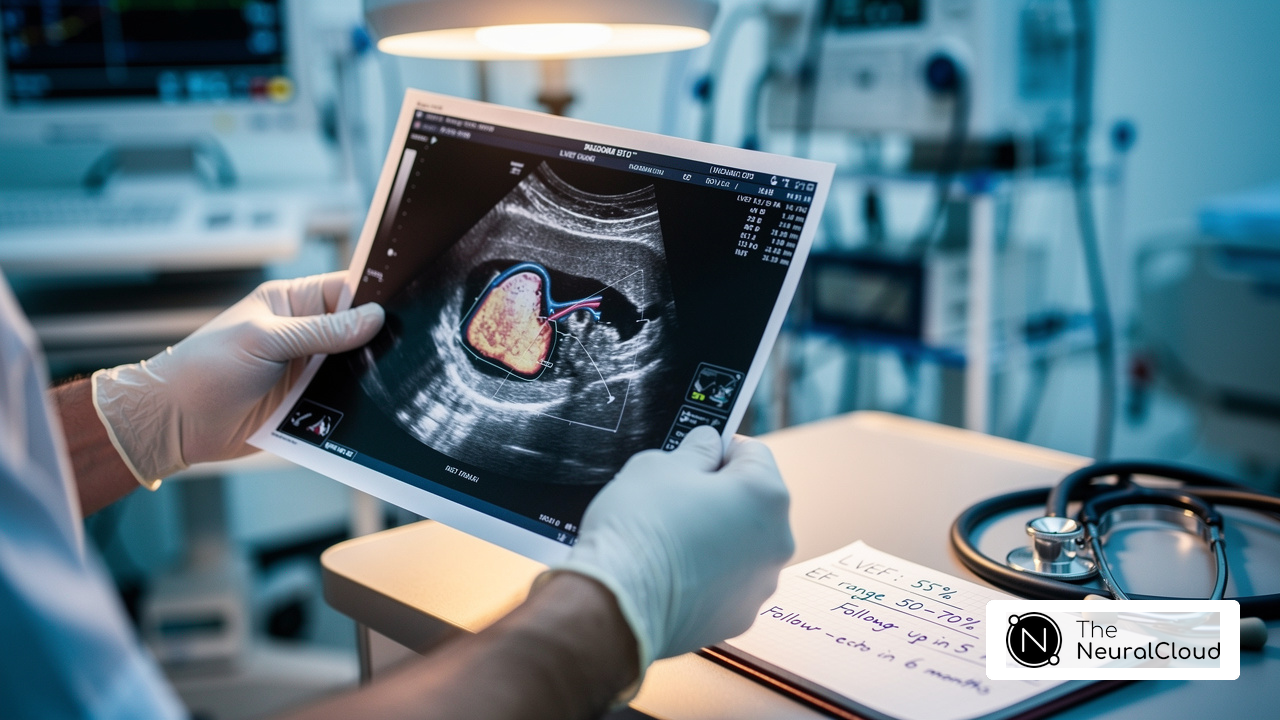
ST-segment elevation in ECGs is a crucial marker for myocardial damage, highlighting the urgent need for precise diagnostic tools. For health tech developers, understanding the nuances of ST-segment elevation presents a unique opportunity to innovate diagnostic tools that can enhance patient outcomes in the face of cardiovascular emergencies.
Developers face significant hurdles in distinguishing between ischemic and non-ischemic causes, which can lead to misdiagnosis and delayed treatment. By mastering these complexities, developers can create tools that significantly improve diagnostic accuracy and patient care in the Canadian healthcare landscape.
Define ST-Segment Elevation and Its Clinical Importance
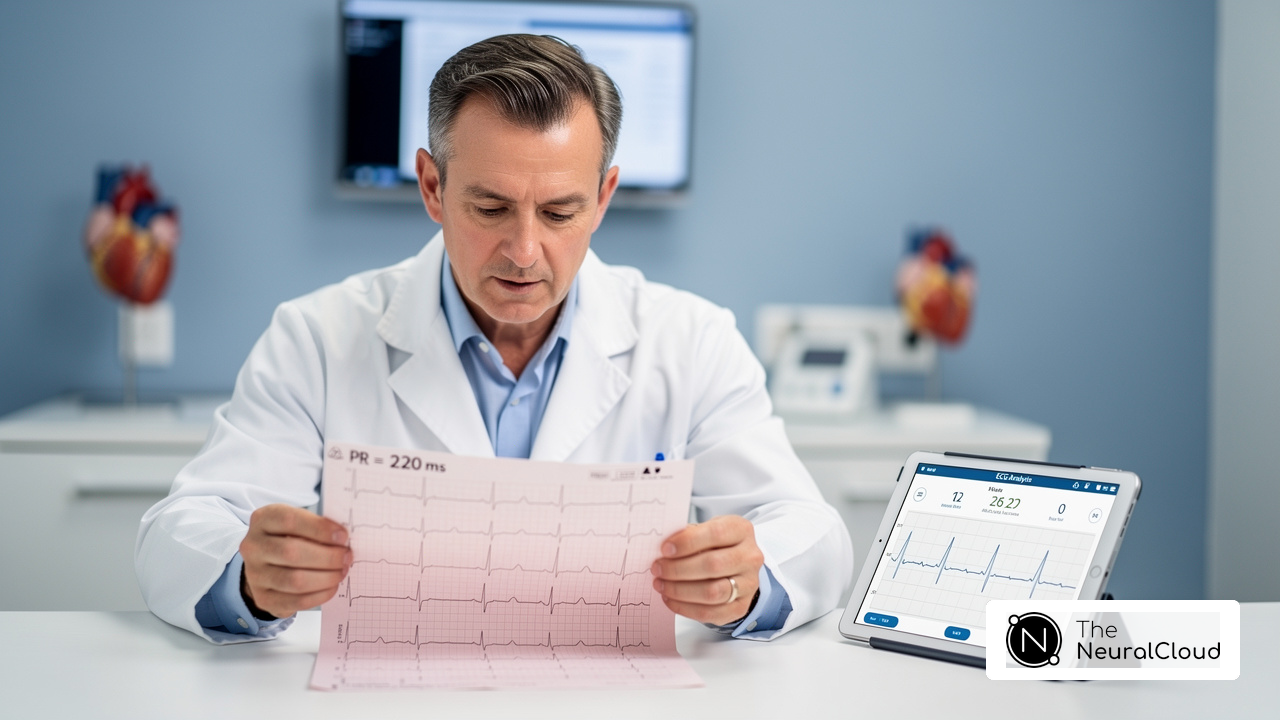
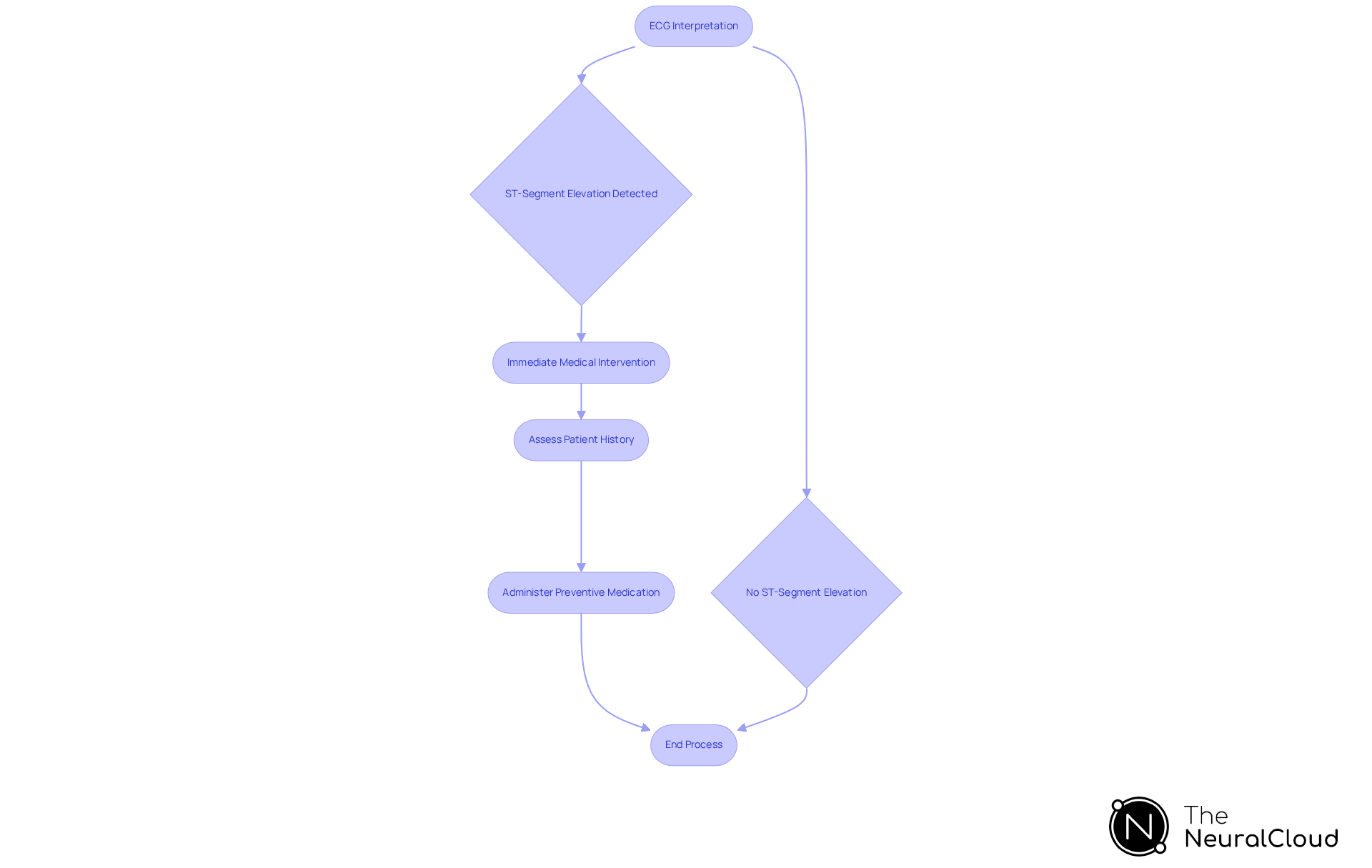
An upward shift of the st-segment elevation on an electrocardiogram (ECG) signals potential myocardial damage, making swift diagnosis crucial for effective treatment. This st-segment elevation is crucial for diagnosing ST-Elevation Myocardial Infarction (STEMI), which necessitates immediate medical intervention to enhance patient outcomes. Experts emphasize the importance of quickly identifying the rise in st-segment elevation, as timely diagnosis can significantly alter the course of care and recovery.
In Canada, st-segment elevation is a major concern, as it indicates that STEMI is a leading cause of death. Recent studies show that many individuals with STEMI do not receive adequate preventive medication before their heart attack, revealing a gap in cardiovascular care that health tech developers can address with innovative diagnostic tools. For example, research from the Minneapolis Heart Institute Foundation indicates that 70% of STEMI cases occur in individuals without prior cardiovascular disease, highlighting the need for effective early detection strategies.
Case studies in Canadian cardiovascular care demonstrate how critical st-segment elevation is in clinical practice. The Society for Cardiovascular Angiography & Interventions (SCAI) has published guidelines that outline best practices for managing STEMI patients, reinforcing the necessity of precise ECG interpretation in emergency settings. Health tech developers can greatly improve cardiac care and patient outcomes by creating technologies that enhance the identification and analysis of ST changes.
Explore the Physiological Mechanisms of ST-Segment Elevation
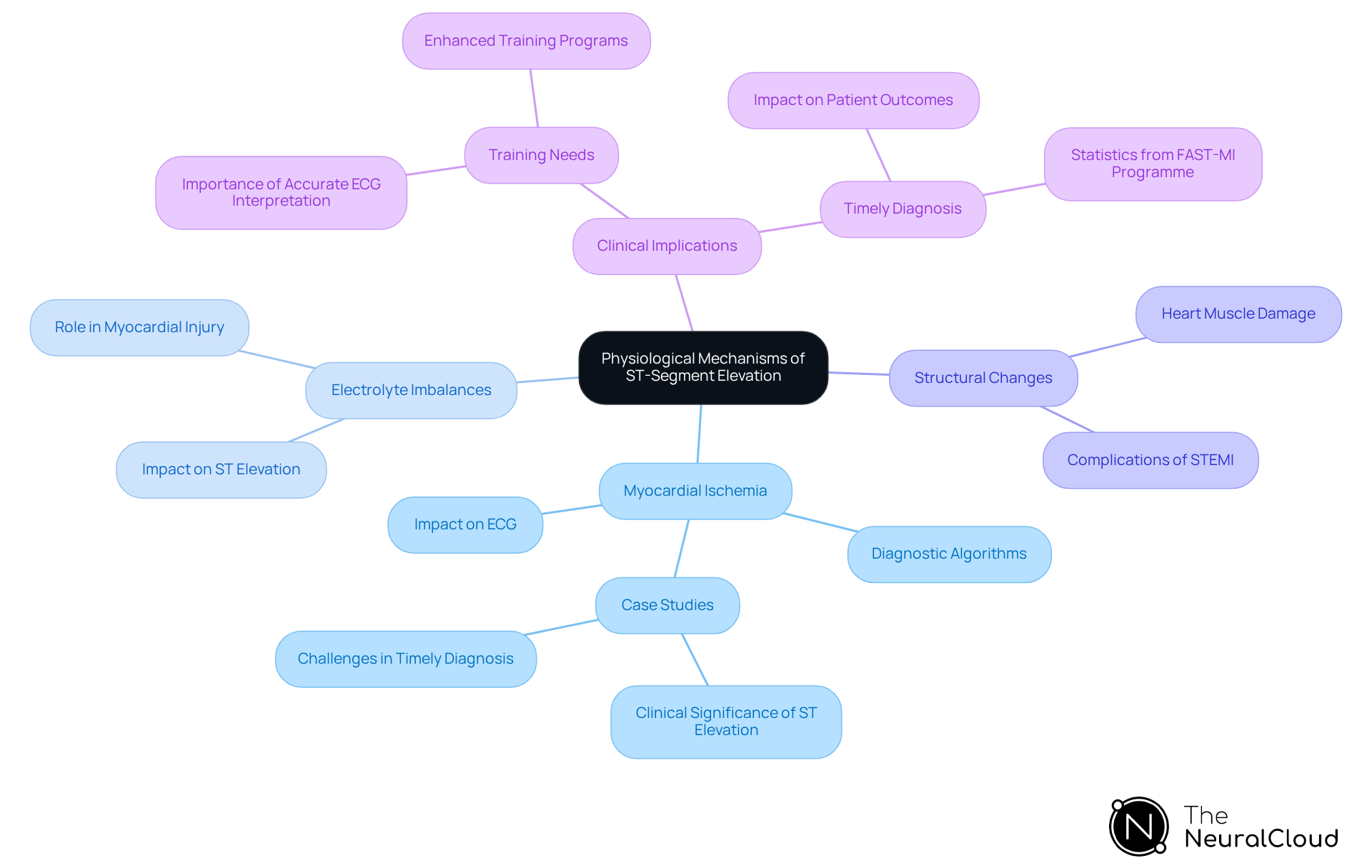
Myocardial ischemia presents significant challenges in ECG analysis, primarily due to its impact on the ST segment. This disruption leads to an imbalance in electrical activity and results in st-segment elevation on the ECG. Additional factors contributing to st-segment elevation include electrolyte imbalances and structural changes in the heart, complicating the clinical picture.
Comprehending these physiological mechanisms is crucial for health tech developers, as it directly affects the design of algorithms capable of differentiating between ischemic and non-ischemic causes of st-segment elevation. Research has shown that prompt identification of st-segment elevation changes can greatly improve outcomes for individuals during heart attacks, highlighting the necessity for precise diagnostic instruments.
Case studies emphasize the critical nature of st-segment elevation as an indicator of myocardial injury. For instance, the FAST-MI programme highlights that delays in recognizing st-segment elevation can lead to missed treatment opportunities, with only 17% of individuals at rural centers arriving at the catheterization lab in time for intervention. This statistic illustrates the urgent need for improved diagnostic efficiency to reduce mortality rates associated with myocardial infarction.
Moreover, expert opinions stress the importance of accurate ECG interpretation, especially in detecting st-segment elevation, as misinterpretation can result in increased mortality rates. Improved training in ECG interpretation is essential for clinicians, as it can greatly enhance outcomes for individuals in acute coronary syndromes.
Understanding these physiological processes is essential for developing technologies that enhance diagnostic accuracy and improve patient outcomes.
Identify Causes of ST-Segment Elevation: Ischemic vs. Non-Ischemic
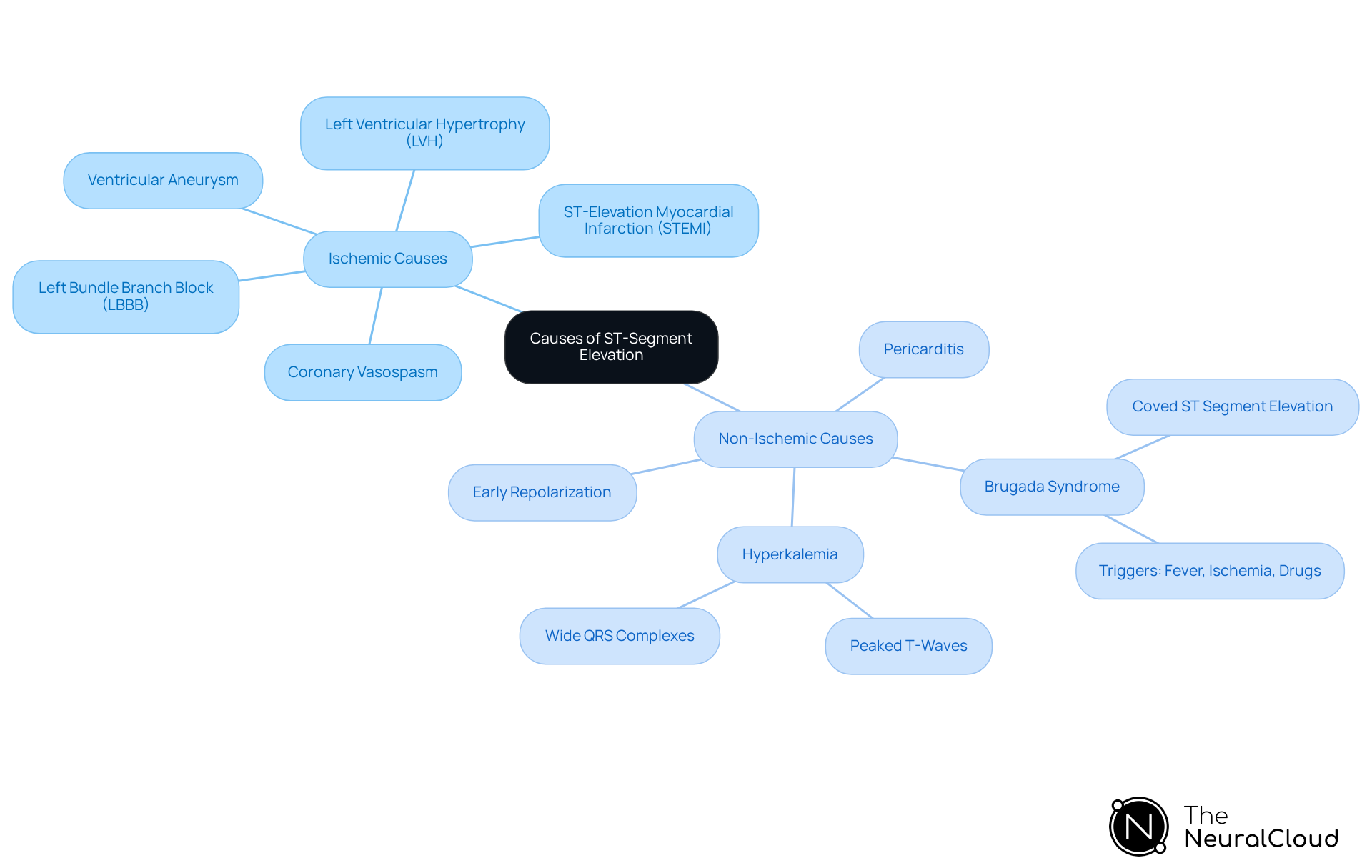
Differentiating between ischemic and non-ischemic factors in ST-segment elevation is essential for accurate ECG analysis. Ischemic causes, such as ST-segment elevation myocardial infarction (STEMI), result from a blockage in a coronary artery, leading to myocardial damage. Non-ischemic causes, such as early repolarization, pericarditis, and Brugada syndrome, can also result in ST-segment elevation. However, they stem from different underlying mechanisms and may appear similar on an ECG.
For developers, accurately distinguishing these causes is vital for creating effective ECG interpretation algorithms. For instance, Brugada syndrome, characterized by distinct rises in the right precordial leads, can mimic STEMI but lacks the reciprocal changes typically seen in ischemic events. Grasping these nuances helps developers improve the accuracy of cardiac assessments.
Case studies illustrate the complexities involved:
- One individual with Brugada syndrome exhibited an increase in the ST segment without chest discomfort, highlighting the need for thorough clinical evaluation.
- Another case demonstrated how hyperkalemia can produce ST-elevation patterns that resemble ischemia, necessitating a detailed review of medical history and lab results.
In Canada, the prevalence of ischemic causes versus non-ischemic causes of ST-segment elevation underscores the importance of accurate diagnosis. With a growing focus on advanced ECG interpretation technologies, integrating knowledge of these causes into diagnostic tools can significantly enhance patient care and outcomes.
Implement Advanced ECG Analysis Techniques for ST-Segment Elevation
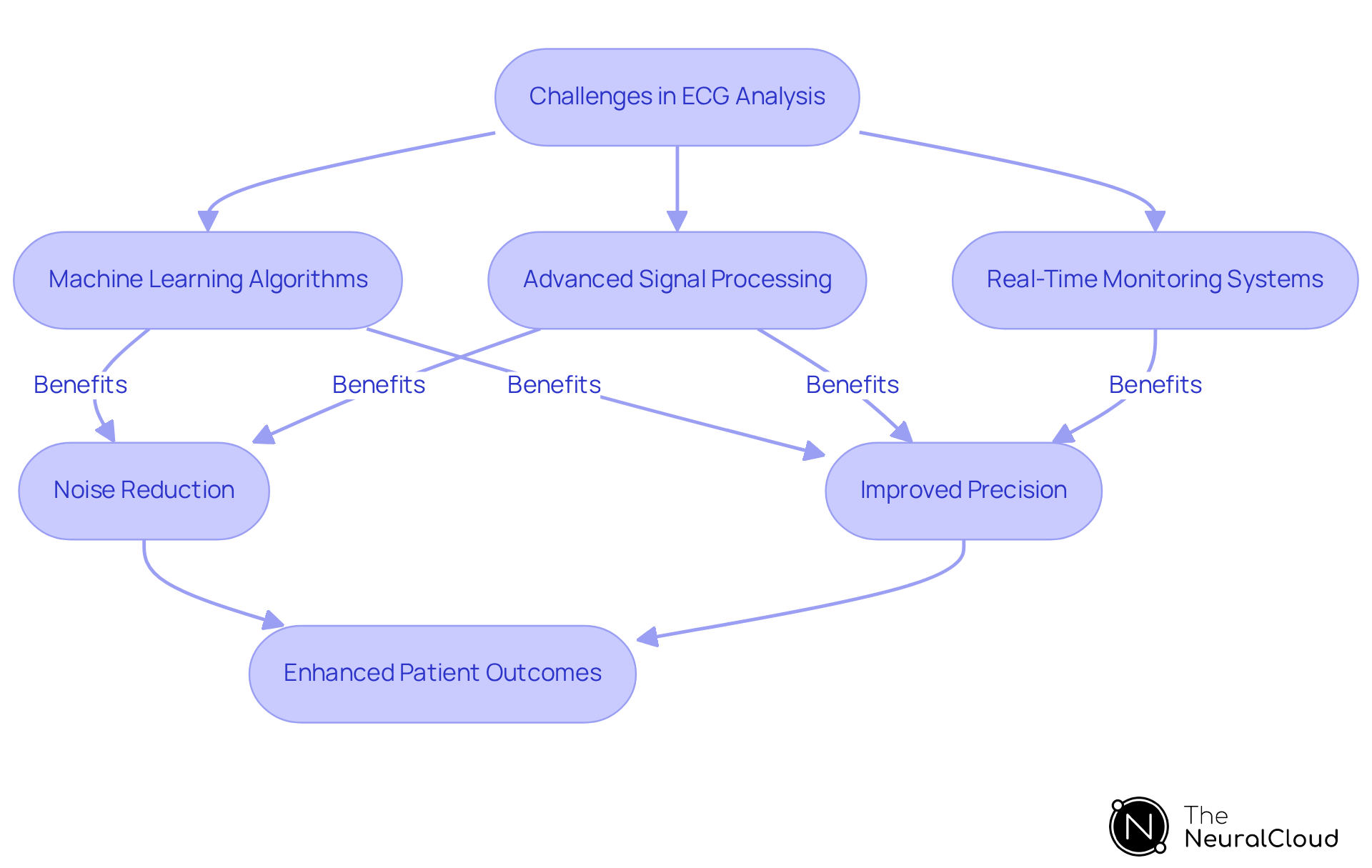
Healthcare professionals face significant challenges in accurately analyzing ECG data due to noise and artifacts. To effectively analyze the rise in st-segment elevation, health tech developers can leverage cutting-edge techniques such as machine learning algorithms and advanced signal processing methods. Innovations like Neural Cloud Solutions Inc.'s MaxYield™ platform enhance the identification of ST changes by filtering out noise and improving the precision of ECG readings. MaxYield™ effectively identifies and labels critical data in noisy recordings. This capability allows for the rapid isolation of ECG waves affected by baseline wander, movement, and muscle artifact. Such functionality is crucial for salvaging previously obscured sections of lengthy Holter, 1-Lead, and patch monitor recordings.
For instance, deep learning models have shown promise in recognizing patterns associated with st-segment elevation, facilitating timely diagnoses. Recent studies indicate that AI-assisted ECG analysis has achieved an AUCROC of 0.952, demonstrating higher sensitivity and specificity compared to traditional methods, which significantly reduces false-positive activations. Additionally, integrating real-time monitoring systems allows for continuous assessment of st-segment elevation changes, enabling immediate clinical responses.
By adopting advanced techniques like automated noise reduction and adaptive algorithms, MaxYield™ significantly enhances the reliability of ECG analysis. This improvement ultimately leads to better patient outcomes in cardiovascular care. However, it is essential to consider challenges such as integration with existing healthcare systems and compliance with healthcare regulations, including FDA Class II SaMD clearance-pending status, which can impact the successful implementation of these technologies.
Expert endorsements from Dr. Alan Rabinowitz, Dr. Brett Heilbron, and Dr. Marc W. Deyell further support the precision and noise reduction benefits of MaxYield™, emphasizing its capability to rival human interpretation. The successful integration of MaxYield™ could redefine ECG analysis, leading to improved patient outcomes and more efficient clinical workflows.
Conclusion
Navigating the complexities of ST-segment elevation is crucial for health tech developers focused on advancing cardiovascular care. This upward shift on an electrocardiogram (ECG) serves as a critical indicator of potential myocardial damage, particularly in diagnosing ST-Elevation Myocardial Infarction (STEMI). Accurate and timely diagnoses are crucial, directly impacting patient outcomes and treatment success.
This article explores how ST-segment elevation works physiologically, differentiating between ischemic and non-ischemic causes, and highlights the importance of advanced ECG analysis techniques. By leveraging innovative technologies like Neural Cloud Solutions Inc.'s MaxYield™, developers can significantly improve the accuracy of ECG interpretations, addressing the gaps in cardiovascular care identified in Canadian studies. The integration of machine learning and advanced signal processing methods can lead to more reliable diagnoses, ultimately saving lives.
In conclusion, mastering ST-segment elevation is essential for improving patient care in cardiovascular health. Health tech developers are encouraged to prioritize the development of tools that enhance diagnostic accuracy and efficiency. By doing so, they can play a pivotal role in transforming cardiovascular health outcomes, ensuring that timely and effective interventions are accessible to all patients, particularly in critical situations.
Frequently Asked Questions
What does ST-segment elevation indicate on an electrocardiogram (ECG)?
ST-segment elevation on an ECG signals potential myocardial damage and is crucial for diagnosing ST-Elevation Myocardial Infarction (STEMI), which requires immediate medical intervention.
Why is timely diagnosis of ST-segment elevation important?
Timely diagnosis of ST-segment elevation can significantly alter the course of care and recovery for patients, improving outcomes in cases of STEMI.
What is the significance of ST-segment elevation in Canada?
In Canada, ST-segment elevation is a major concern as STEMI is a leading cause of death, and many individuals do not receive adequate preventive medication before experiencing a heart attack.
What do recent studies reveal about individuals with STEMI?
Recent studies indicate that 70% of STEMI cases occur in individuals without prior cardiovascular disease, highlighting the need for effective early detection strategies.
How do case studies in Canadian cardiovascular care emphasize the importance of ST-segment elevation?
Case studies demonstrate that precise ECG interpretation is critical in emergency settings for managing STEMI patients, as outlined in guidelines published by the Society for Cardiovascular Angiography & Interventions (SCAI).
How can health tech developers improve cardiac care related to ST-segment elevation?
Health tech developers can enhance cardiac care and patient outcomes by creating technologies that improve the identification and analysis of ST changes on ECGs.
List of Sources
- Define ST-Segment Elevation and Its Clinical Importance
- STEMI: ST-segment Elevation Myocardial Infarction - The Cardiology Advisor (https://thecardiologyadvisor.com/ddi/stemi-st-elevation-myocardial-infarction)
- What Is a STEMI? (https://my.clevelandclinic.org/health/diseases/22068-stemi-heart-attack)
- Research Data Reveal Trends in Cardiovascular Risk Factors and Preventive Medication Use Prior to Heart Attacks│American College of Cardiology's Scientific Session (ACC.24) | Minneapolis Heart Institute Foundation (https://mplsheart.org/news/research-data-reveal-trends-cardiovascular-risk-factors-prevention-medication)
- North American COVID-19 ST-Elevation Myocardial Infarction (STEMI) Research Reveals Impact on Minority Populations, High Mortality and Atypical Symptoms | Minneapolis Heart Institute Foundation (https://mplsheart.org/news/north-american-covid-19-st-elevation-myocardial-infarction-stemi-research-reveals-impact)
- Explore the Physiological Mechanisms of ST-Segment Elevation
- STEMI: ST-segment Elevation Myocardial Infarction - The Cardiology Advisor (https://thecardiologyadvisor.com/ddi/stemi-st-elevation-myocardial-infarction)
- What Is a STEMI? (https://my.clevelandclinic.org/health/diseases/22068-stemi-heart-attack)
- theneuralcloud.com (https://theneuralcloud.com/post/understanding-st-elevation-key-insights-for-ecg-analysis)
- ST-segment Elevation Myocardial Infarction: Challenges in Diagnosis (https://uscjournal.com/articles/st-segment-elevation-myocardial-infarction-challenges-diagnosis?language_content_entity=en)
- Identify Causes of ST-Segment Elevation: Ischemic vs. Non-Ischemic
- ST-Segment Elevation is not always Myocardial Infarction - Kauvery Hospital (https://kauveryhospital.com/kauverian-scientific-journal/st-segment-elevation-is-not-always-myocardial-infarction-v5i5)
- STEMI Mimics: ECG Impostors of Heart Attack (https://powerfulmedical.com/blog/stemi-mimics)
- Implement Advanced ECG Analysis Techniques for ST-Segment Elevation
- Mount Sinai Researchers Use New Deep Learning Approach to Enable Analysis of Electrocardiograms as Language (https://dicardiology.com/content/mount-sinai-researchers-use-new-deep-learning-approach-enable-analysis-electrocardiograms)
- AI ECG for STEMI: Real-World Performance (https://powerfulmedical.com/research/performance-of-artificial-intelligence-powered-ecg-analysis-in-suspected-st-segment-elevation-myocardial-infarction-2)
- New AI Tool Beats Standard Approaches for Detecting Heart Attacks (https://upmc.com/media/news/062923-ecg-model-heart-attacks)