Introduction
Timely diagnosis of ST-Elevation Myocardial Infarction (STEMI) is crucial, as it can dramatically influence patient survival rates. Health tech developers have a chance to make a real difference in diagnostic accuracy by implementing best practices and advanced technologies. Despite advancements, many developers struggle to implement these technologies effectively in real-world settings, raising the question of how to ensure ECG analysis meets the critical standards for emergency care.
Define STEMI Criteria and Their Importance in Emergency Care
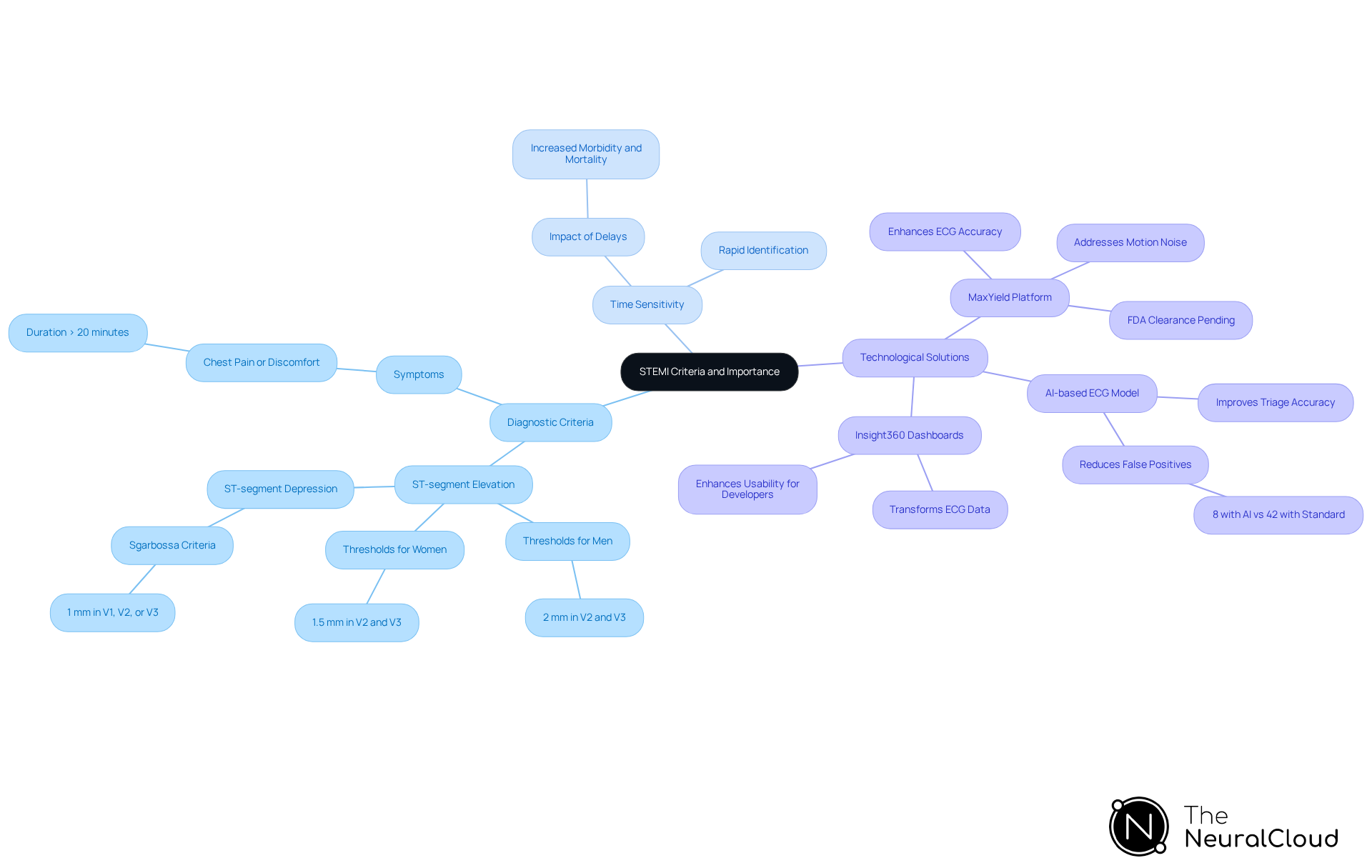
ST-Elevation Myocardial Infarction (STEMI) presents significant challenges in timely diagnosis and treatment, making accurate ECG analysis critical. The diagnostic criteria for STEMI include:
- ST-segment elevation of at least 1 mm in two contiguous leads, with thresholds of 2 mm for men and 1.5 mm for women in leads V2 and V3.
- Symptoms indicative of myocardial ischemia, such as chest pain or discomfort lasting more than 20 minutes.
- Time sensitivity: Rapid identification and treatment are crucial, as delays can significantly increase morbidity and mortality rates.
Recognizing these criteria is crucial, especially in emergency situations where every second counts. Accurate identification of STEMI is essential for facilitating timely interventions, which can lead to quicker reperfusion therapy. This is vital for salvaging heart muscle and minimizing the risk of complications.
Neural Cloud Solutions Inc. has developed the MaxYield platform to enhance ECG accuracy, addressing common challenges like motion noise and providing clear PPG data. This capability is crucial for achieving hospital-grade ECG accuracy from consumer-grade devices. Furthermore, MaxYield is currently pursuing FDA Class II SaMD clearance-pending status, ensuring compliance with regulatory standards. As Dr. Alan Rabinowitz notes, "MaxYield’s precision rivals human interpretation, significantly reducing noise and improving diagnostic outcomes." Additionally, Insight360 transforms MaxYield’s clean ECG data into interactive dashboards, enhancing the usability of the data for health tech developers. By incorporating MaxYield, developers can guarantee that their tools not only meet but surpass the standards necessary for effective heart attack diagnosis, ultimately transforming remote patient monitoring and improving emergency care efficiency.
Identify Key ECG Patterns for Accurate STEMI Diagnosis
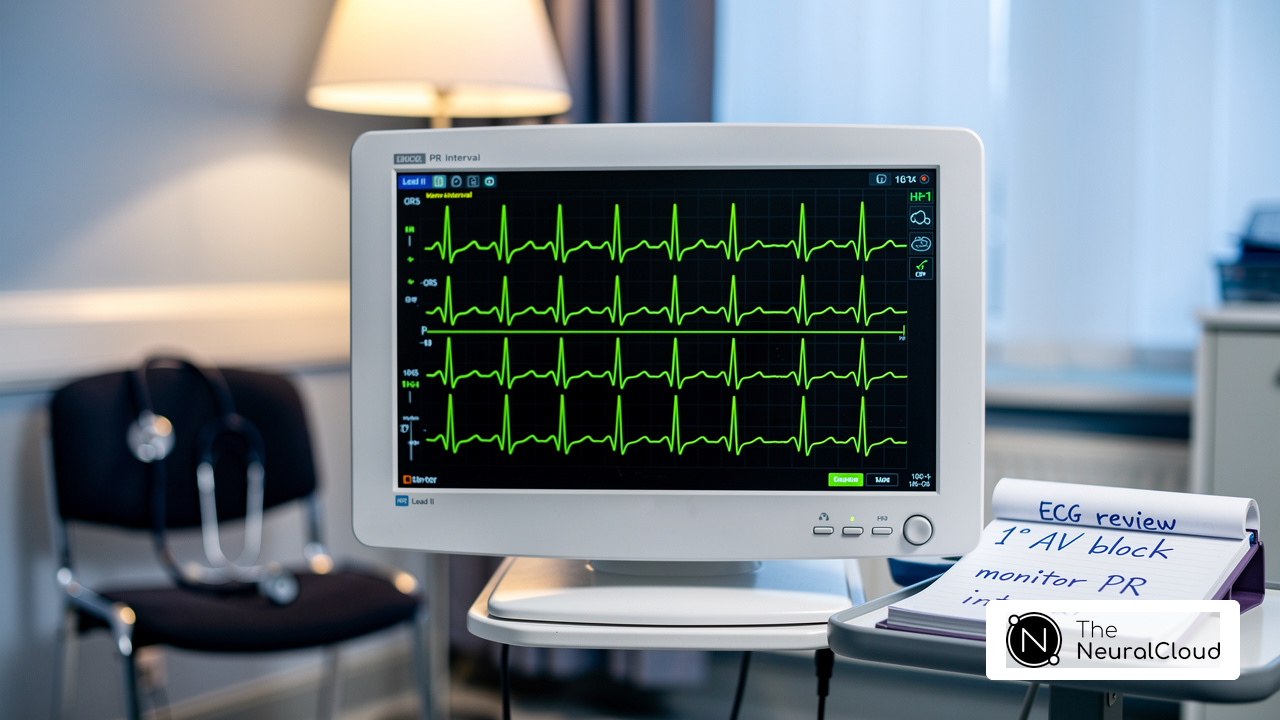
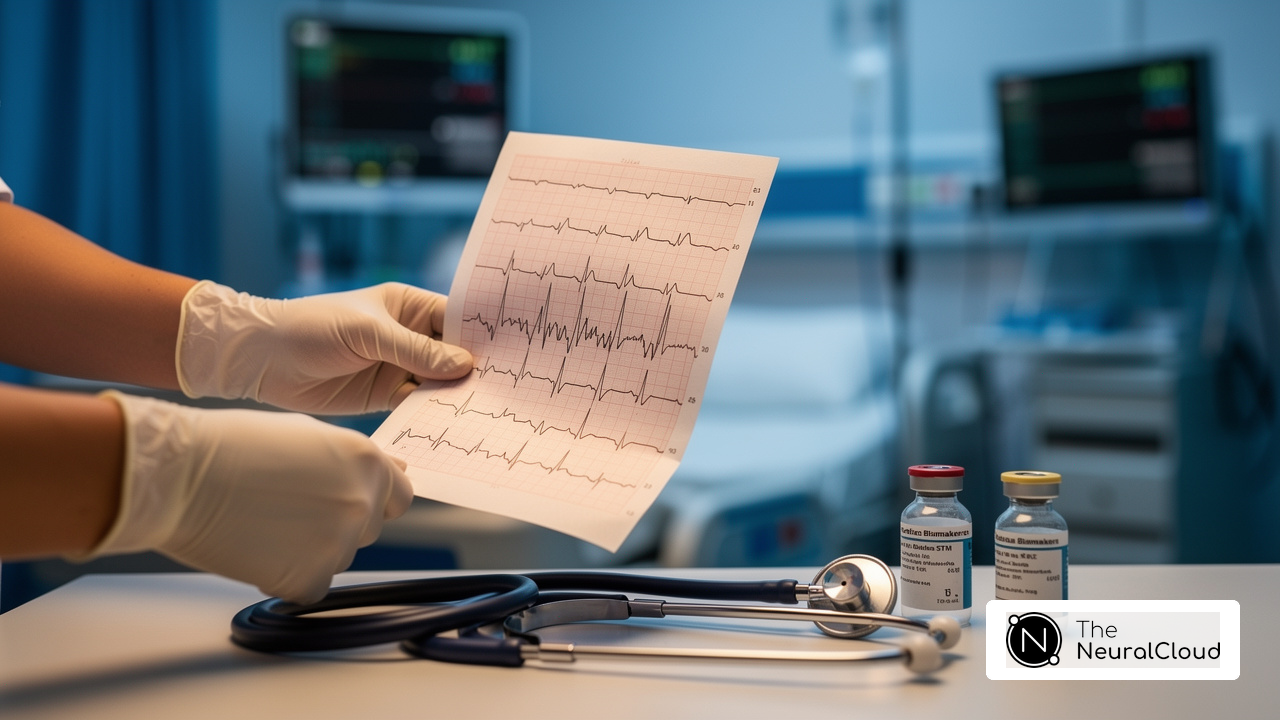
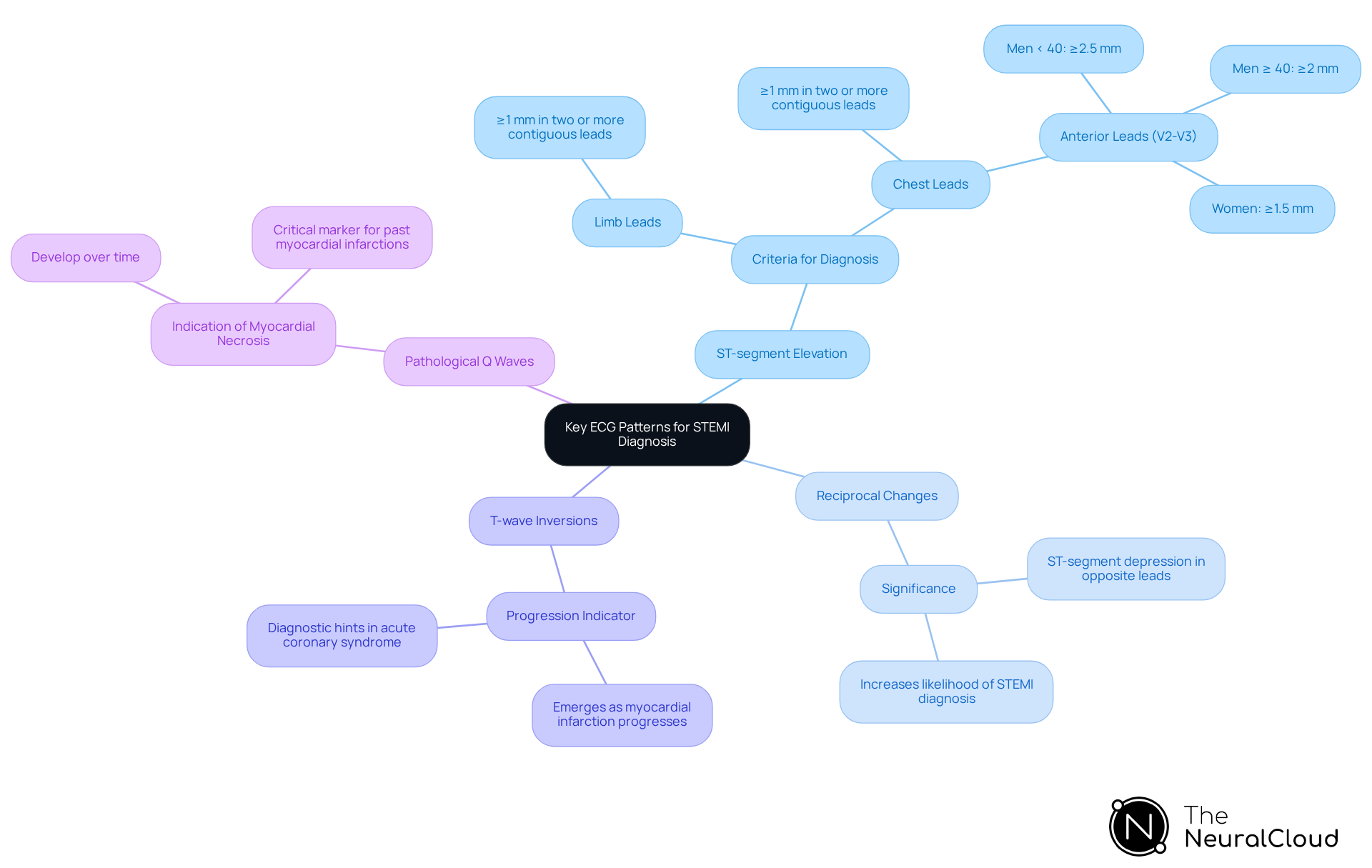
Accurate diagnosis of STEMI through ECG analysis presents significant challenges for healthcare professionals. Key ECG patterns that indicate STEMI include:
- ST-segment elevation: This is the hallmark of STEMI, typically observed in leads corresponding to the affected myocardial territory. For limb electrodes, a minimum elevation of 1 mm in two or more adjacent electrodes is required for diagnosis, while chest electrodes also necessitate similar elevation, with specific thresholds for anterior electrodes based on age and gender.
- Reciprocal changes: ST-segment depression in leads opposite to those showing elevation can indicate myocardial injury. The presence of these changes raises the probability of a heart attack diagnosis, while their absence does not eliminate it.
- T-wave inversions: These may emerge as the myocardial infarction progresses and can offer further diagnostic hints, especially in the context of acute coronary syndrome.
- Pathological Q waves: These may develop over time and indicate myocardial necrosis, serving as a critical marker for past myocardial infarctions.
It's crucial for developers to ensure that ECG analysis tools can accurately identify these patterns. For instance, algorithms utilizing machine learning can be trained on extensive datasets of ECGs to enhance their sensitivity and specificity in detecting these critical changes. A recent study found that an AI-driven ECG model achieved a specificity of 81%. This is a significant improvement over traditional methods, which only had a specificity of 29%. This underscores the importance of integrating advanced technologies in ECG analysis to improve diagnostic accuracy and patient outcomes.
Leverage AI-Driven Technologies for Enhanced ECG Analysis
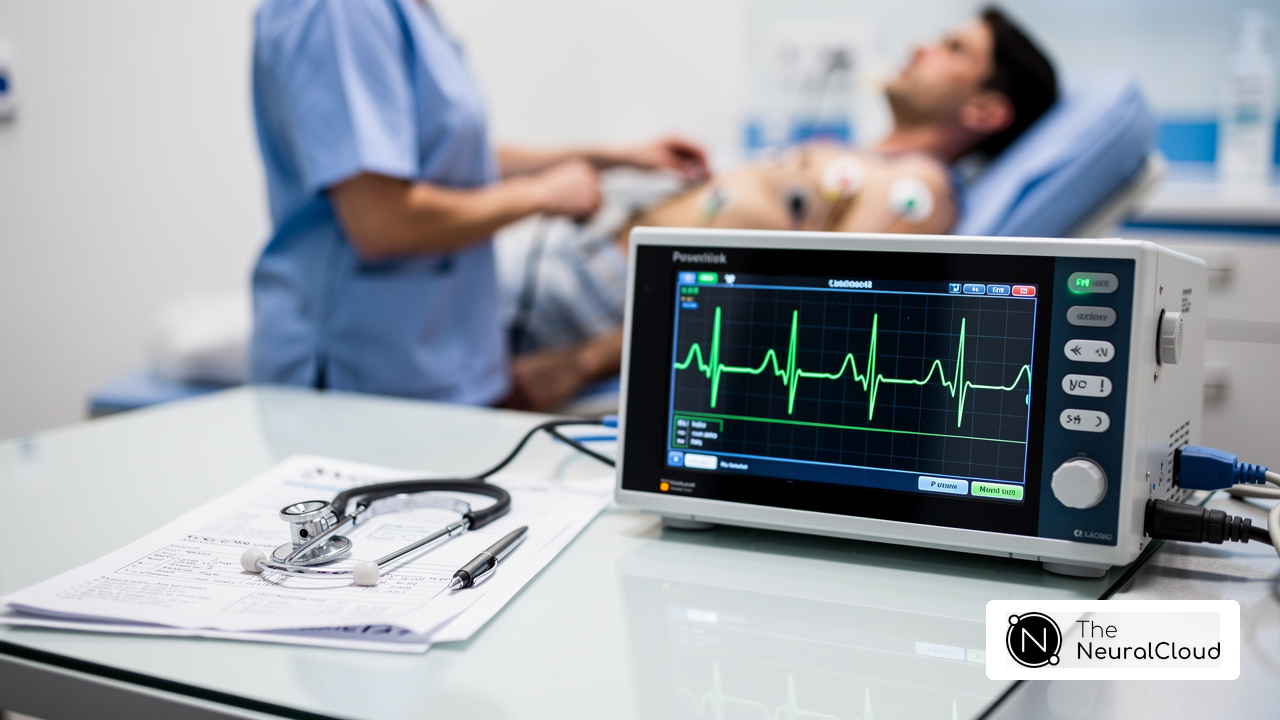
Despite advancements in technology, human error in ECG interpretation remains a significant challenge in STEMI diagnosis as outlined by the STEMI criteria v2 v3. AI-driven technologies are revolutionizing ECG analysis through several key advancements:
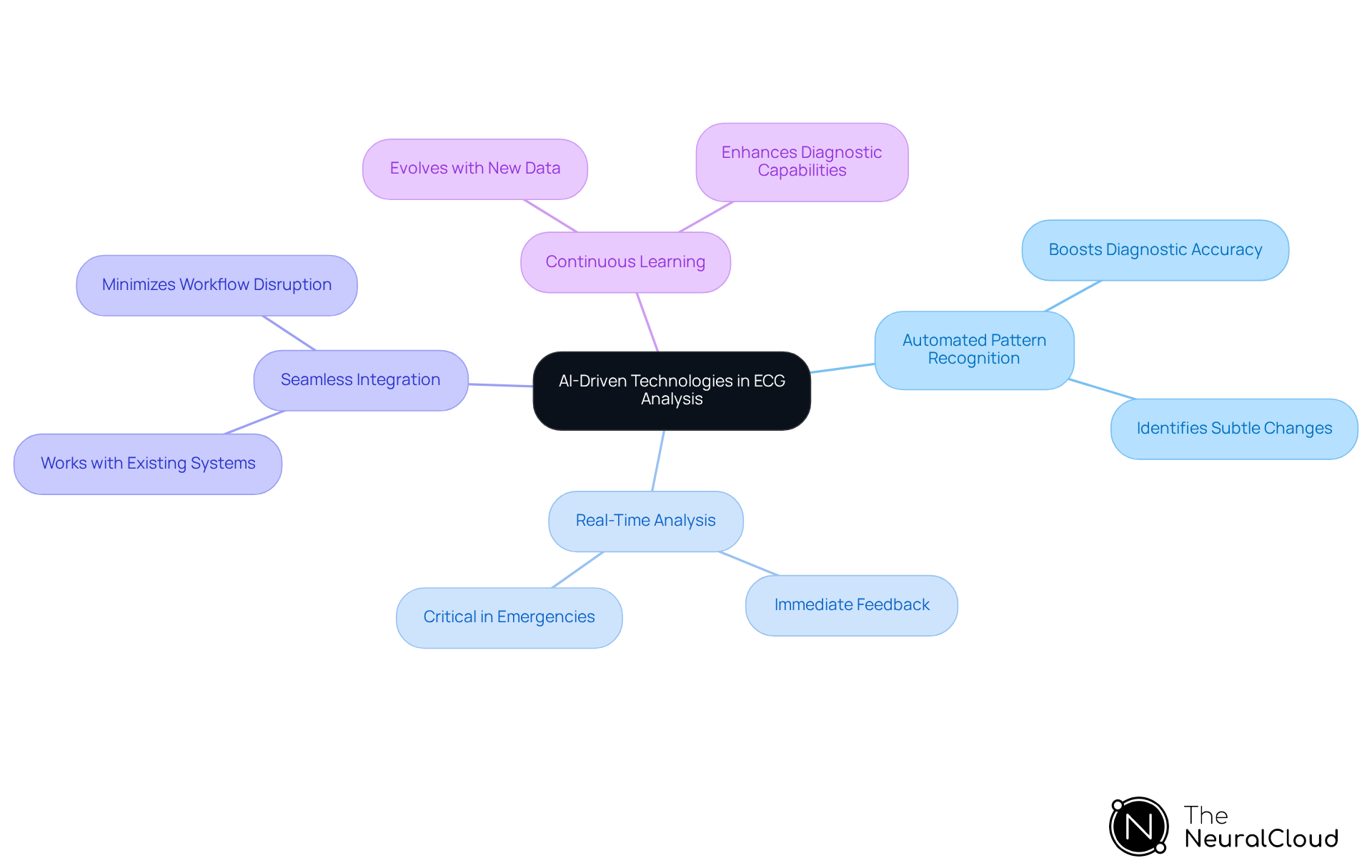
- Automated Pattern Recognition: Machine learning algorithms excel at spotting subtle ECG changes that human interpreters might miss, which boosts diagnostic accuracy.
- Real-Time Analysis: AI systems quickly analyze ECG data, providing healthcare providers with immediate feedback, crucial in emergency situations where every second counts.
- Seamless Integration: These AI tools are designed to work harmoniously with existing ECG machines and software, minimizing disruption to established workflows and ensuring smooth adoption.
- Continuous Learning: AI systems evolve by learning from new data, progressively enhancing their diagnostic capabilities.
Recent studies demonstrate that AI models outperform traditional methods in identifying ST elevation myocardial infarction based on the stemi criteria v2 v3. They achieve a remarkable 92% reduction in false-positive cath-lab activations caused by common mimics. For instance, AI-enabled ECGs show a positive predictive value of 88% and a negative predictive value of 99.9%, significantly improving patient triage efficiency. Developers should prioritize creating AI solutions that are not only precise but also user-friendly, facilitating their integration into clinical practice. Ultimately, the integration of AI in ECG analysis not only streamlines workflows but also elevates the standard of care for patients experiencing STEMI.
Apply Best Practices: Real-World Examples of STEMI Criteria Utilization
The integration of advanced technologies in healthcare is crucial for overcoming the challenges associated with ECG analysis, particularly in the timely diagnosis of STEMI. Several real-world examples illustrate the successful application of STEMI criteria in health tech development:
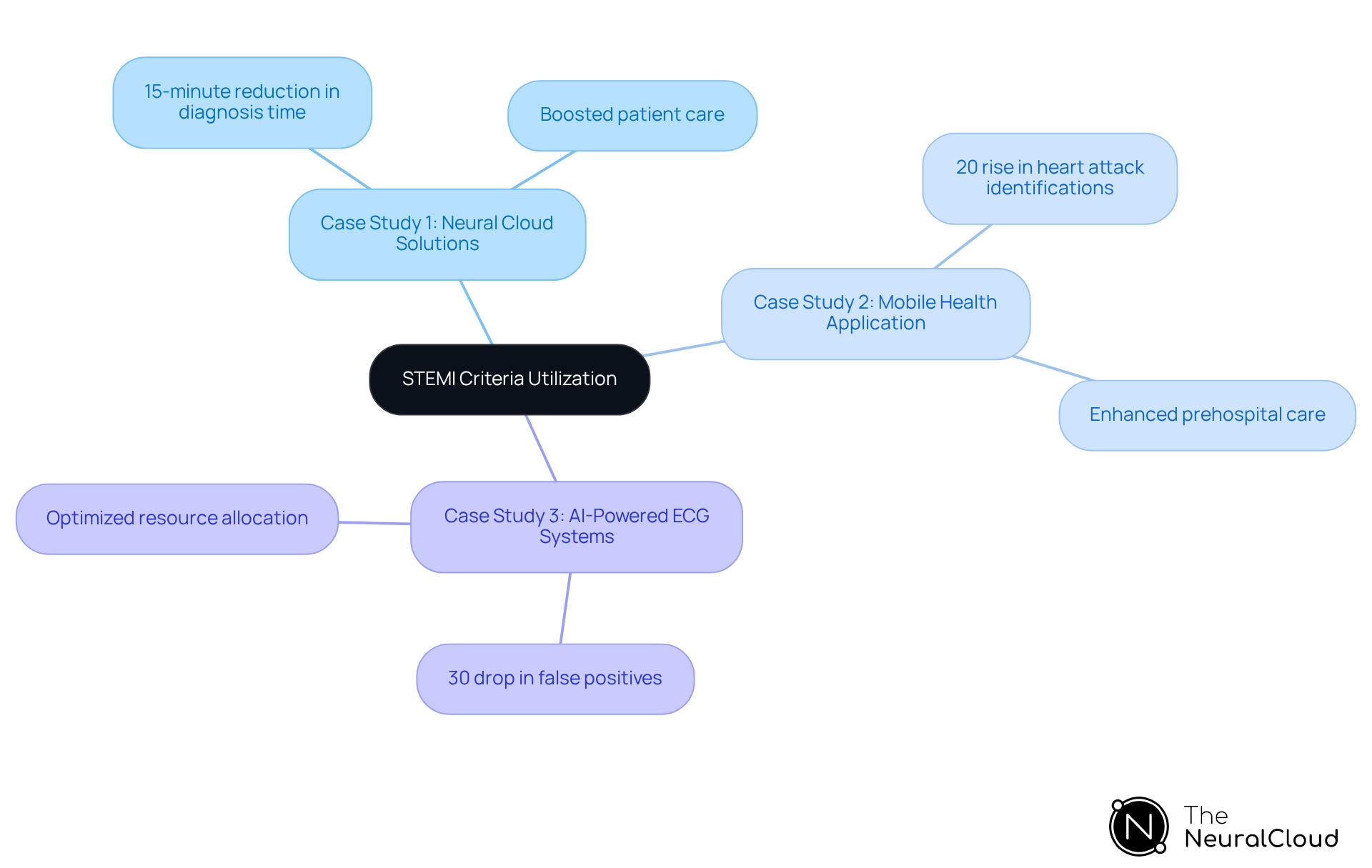
- Case Study 1: A hospital integrated Neural Cloud Solutions' MaxYield™ AI-based ECG analysis tool into its workflow, achieving an average reduction of 15 minutes in diagnosis time for STEMI patients. This quick triage ability really boosted patient care and aligns with recent studies highlighting the effectiveness of AI in enhancing diagnostic speed, particularly through advanced noise filtering and wave recognition capabilities.
- Case Study 2: A mobile health application created for paramedics employed MaxYield™'s AI algorithms to assess ECG data in real-time, leading to a 20% rise in precise heart attack identifications before hospital arrival, thereby enhancing prehospital care. This reflects findings that emphasize the role of AI in improving prehospital care, showcasing how MaxYield™ transforms lengthy and noisy ECG recordings into clean, crisp signals.
- Case Study 3: Studies showed that hospitals using AI-powered ECG systems like MaxYield™ saw a 30% drop in false-positive heart attack diagnoses. This improvement, linked to the capabilities of AI systems, not only optimized resource allocation but also minimized unnecessary catheterizations, demonstrating the effectiveness of AI in clinical settings.
These cases highlight how integrating advanced technologies like MaxYield™ can improve diagnosis and management according to the STEMI criteria v2 v3 in health tech. Additionally, the customizable visualization and reporting tool, Insight360, complements MaxYield™ by transforming clean ECG data into interactive dashboards and clinical-ready reports. Expert endorsements from Dr. Alan Rabinowitz, Dr. Brett Heilbron, and Dr. Marc W. Deyell emphasize MaxYield™'s precision rivaling human interpretation and its significant noise reduction benefits, further validating its transformative impact on ECG workflows. Furthermore, it is important to note that MaxYield™ is currently pending FDA Class II SaMD clearance, ensuring compliance with regulatory standards. As MaxYield™ continues to evolve, its potential to redefine ECG analysis and improve patient outcomes becomes increasingly evident, making it a vital tool in modern healthcare.
Conclusion
In the fast-paced world of emergency care, timely and accurate STEMI diagnosis is crucial for saving lives. The effective implementation of STEMI criteria is paramount for health tech developers aiming to enhance emergency care outcomes. By understanding and applying these criteria, developers can create tools that significantly improve the speed and accuracy of STEMI diagnosis, ultimately saving lives.
Advanced technologies, especially AI-driven solutions like MaxYield™, are changing ECG analysis. This change helps healthcare professionals make informed decisions quickly. Key insights from the article highlight the importance of recognizing specific ECG patterns, such as ST-segment elevation and reciprocal changes, which are critical for accurate STEMI diagnosis. Furthermore, the role of AI in automating pattern recognition and providing real-time analysis cannot be overstated. Real-world case studies demonstrate the tangible benefits of these technologies, including reduced diagnosis times and improved patient outcomes, reinforcing the necessity for developers to prioritize innovation in this field.
As the healthcare landscape continues to evolve, embracing best practices in STEMI criteria implementation is essential. Health tech developers are encouraged to leverage AI technologies to enhance ECG interpretation and streamline workflows. By doing so, they not only contribute to improved emergency care but also play a vital role in advancing the overall quality of healthcare delivery in Canada. When developers commit to these best practices, they can improve patient outcomes and make the healthcare system more efficient.
Frequently Asked Questions
What is STEMI and why is it important in emergency care?
ST-Elevation Myocardial Infarction (STEMI) is a serious condition that requires timely diagnosis and treatment. Accurate ECG analysis is critical for identifying STEMI, as delays in treatment can significantly increase morbidity and mortality rates.
What are the diagnostic criteria for STEMI?
The diagnostic criteria for STEMI include: - ST-segment elevation of at least 1 mm in two contiguous leads, with thresholds of 2 mm for men and 1.5 mm for women in leads V2 and V3. - Symptoms indicative of myocardial ischemia, such as chest pain or discomfort lasting more than 20 minutes. - Time sensitivity, as rapid identification and treatment are crucial.
Why is rapid identification and treatment of STEMI crucial?
Rapid identification and treatment of STEMI are crucial because delays can lead to increased morbidity and mortality rates. Timely interventions can facilitate quicker reperfusion therapy, which is vital for salvaging heart muscle and minimizing complications.
How does Neural Cloud Solutions Inc. contribute to the diagnosis of STEMI?
Neural Cloud Solutions Inc. has developed the MaxYield platform to enhance ECG accuracy, addressing challenges like motion noise and providing clear PPG data. This capability allows for hospital-grade ECG accuracy from consumer-grade devices.
What is the current status of the MaxYield platform?
MaxYield is currently pursuing FDA Class II SaMD clearance-pending status, ensuring compliance with regulatory standards for medical devices.
How does Insight360 enhance the usability of ECG data?
Insight360 transforms MaxYield’s clean ECG data into interactive dashboards, improving the usability of the data for health tech developers and ensuring that their tools meet the necessary standards for effective heart attack diagnosis.
What impact does incorporating MaxYield have on remote patient monitoring?
Incorporating MaxYield into health tech tools can transform remote patient monitoring by improving diagnostic outcomes and enhancing emergency care efficiency.
List of Sources
- Define STEMI Criteria and Their Importance in Emergency Care
- New study finds AI model improves heart attack detection (https://health.ucdavis.edu/news/headlines/new-study-finds-ai-model-improves-heart-attack-detection/2025/11)
- Outcomes from COVID-19 STEMI Research Study Presented in TCT Late-Breaking Clinical Science Session | Minneapolis Heart Institute Foundation (https://mplsheart.org/news/outcomes-covid-19-stemi-research-study-presented-tct-late-breaking-clinical-science-session)
- Acute ST-Segment Elevation Myocardial Infarction (STEMI) - StatPearls - NCBI Bookshelf (https://ncbi.nlm.nih.gov/books/NBK532281)
- Disappearing STEMI - Prehospital Post-ROSC STEMI Is Suspect - JournalFeed (https://journalfeed.org/article-a-day/2025/associations-with-resolution-of-st-segment-elevation-myocardial-infarction-criteria)
- Identify Key ECG Patterns for Accurate STEMI Diagnosis
- Novel AI ECG model outperforms standard triage for acute coronary occlusion (https://news-medical.net/news/20251029/Novel-AI-ECG-model-outperforms-standard-triage-for-acute-coronary-occlusion.aspx)
- STEMI ECG Criteria: ST-Elevation Thresholds (https://powerfulmedical.com/blog/stemi-ecg-criteria)
- AI-ECG Finds STEMI Faster, Cuts False-Positive Cath Lab Activations (https://tctmd.com/news/ai-ecg-finds-stemi-faster-cuts-false-positive-cath-lab-activations)
- New study finds AI model improves heart attack detection (https://health.ucdavis.edu/news/headlines/new-study-finds-ai-model-improves-heart-attack-detection/2025/11)
- STEMI - Electrocardiogram - M3 Curriculum | SAEM (https://saem.org/about-saem/academies-interest-groups-affiliates2/cdem/for-students/online-education/m3-curriculum/group-electrocardiogram-(ecg)-rhythm-recognition/stemi)
- Leverage AI-Driven Technologies for Enhanced ECG Analysis
- New study finds AI model improves heart attack detection (https://health.ucdavis.edu/news/headlines/new-study-finds-ai-model-improves-heart-attack-detection/2025/11)
- Improving STEMI Outcomes with Artificial Intelligence (https://tricog.com/improving-stemi-outcomes-with-ai?srsltid=AfmBOoqnAzudswsv617gZfhu06Bp_McvpofVLQ1Qa9u1kbH6thiFLh-g)
- Queen of Hearts: AI ECG for STEMI & OMI (https://powerfulmedical.com/pmcardio-stemi)
- Checking your browser - reCAPTCHA (https://pubmed.ncbi.nlm.nih.gov/41158088)
- AI-Based ECG Analysis Significantly Improves STEMI Detection, Reduces False Activations - American College of Cardiology (https://acc.org/latest-in-cardiology/articles/2025/10/24/16/56/tues-554pm-ai-tct-2025)
- Apply Best Practices: Real-World Examples of STEMI Criteria Utilization
- New study finds AI model improves heart attack detection (https://health.ucdavis.edu/news/headlines/new-study-finds-ai-model-improves-heart-attack-detection/2025/11)
- Improving STEMI Outcomes with Artificial Intelligence (https://tricog.com/improving-stemi-outcomes-with-ai?srsltid=AfmBOoqQR9TEkGrcyt4nNr3UX2wa3J3eyEMpknlFYtn6XRTEdCyrHGY0)
- AI-Based ECG Analysis Significantly Improves STEMI Detection, Reduces False Activations - American College of Cardiology (https://acc.org/latest-in-cardiology/articles/2025/10/24/16/56/tues-554pm-ai-tct-2025)
- AI-ECG Model Outperforms STEMI Criteria for Identifying ACS Patients With Occlusions (https://tctmd.com/news/ai-ecg-model-outperforms-stemi-criteria-identifying-acs-patients-occlusions)
- AI-ECG Finds STEMI Faster, Cuts False-Positive Cath Lab Activations (https://tctmd.com/news/ai-ecg-finds-stemi-faster-cuts-false-positive-cath-lab-activations)