Introduction
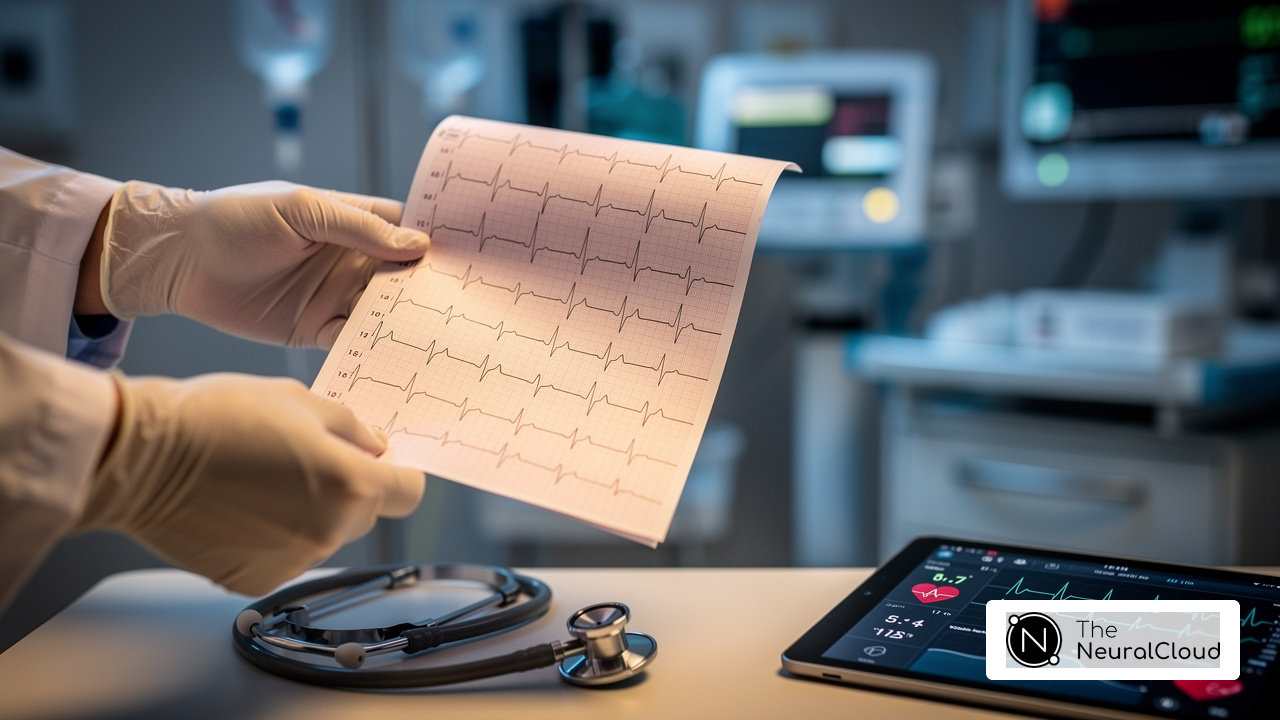
The complexities of diagnosing ST-Elevation Myocardial Infarction (STEMI) present significant challenges for healthcare professionals. If not diagnosed and treated promptly, STEMI can lead to serious cardiac damage. This guide explores the critical role of ECG interpretation in diagnosing STEMI. It highlights best practices and advanced technologies that enhance diagnostic accuracy. With such high stakes, how can clinicians effectively identify STEMI and leverage the latest innovations to improve patient outcomes?
Define STEMI: Understanding Its Importance in Cardiac Health
ST-Elevation Myocardial Infarction is a critical form of heart attack caused by the complete blockage of a coronary artery. The stemi diagnosis involves assessing ST-Elevation Myocardial Infarction by identifying ST-segment elevation in at least two adjacent leads on a 12-lead ECG, with a threshold of 1 mm or more. This condition is urgent; delays in treatment can lead to lasting damage to the heart. Understanding stemi diagnosis is crucial, as it directly impacts treatment decisions and patient outcomes.
Timely stemi diagnosis and intervention are vital for restoring blood flow, reducing heart damage, and improving survival rates. Recent studies indicate that prompt intervention, such as primary percutaneous coronary intervention (PCI), is the gold standard for treating ST elevation myocardial infarction, significantly enhancing patient outcomes. In Canada, heart attacks continue to be a significant concern, highlighting the importance of awareness and prompt care to effectively tackle this life-threatening issue.

Interpret ECG: Key Criteria for Identifying STEMI Patterns
To accurately diagnose STEMI, clinicians must navigate several critical criteria that can significantly impact patient outcomes:
- ST-Segment Elevation: Identify ST-segment elevation of ≥1 mm in two or more adjacent leads, which is the hallmark of ST-elevation myocardial infarction.
- Contiguous Leads: Ensure that the leads showing elevation are anatomically contiguous, indicating the affected myocardial territory.
- J-Point Measurement: Measure the ST elevation at the J-point, where the QRS complex meets the ST segment, to confirm the elevation.
- Morphology: Assess the morphology of the ST segment; it can be concave, convex, or straight, providing additional diagnostic clues.
- Reciprocal Changes: Be aware of reciprocal ST depression in leads opposite to those with ST elevation, which can further support the diagnosis of STEMI.
Understanding these criteria is crucial for healthcare providers to improve diagnostic accuracy and effectively respond to patients with chest pain, especially regarding STEMI diagnosis. Accurate ECG interpretation is vital for making a STEMI diagnosis. Misdiagnoses can delay treatment and negatively affect patient outcomes. For instance, conditions that resemble ST elevation myocardial infarction, such as early repolarization and pericarditis, can lead to false-positive diagnoses, underscoring the need for thorough assessment. Statistics indicate that traditional myocardial infarction criteria miss over 50% of acute coronary blockages, highlighting the need for thorough ECG evaluation. By integrating these practices, clinicians can significantly enhance their ability to identify genuine cases of coronary occlusion and initiate timely reperfusion therapies.

Apply Best Practices: Step-by-Step Guide to STEMI Diagnosis via ECG
Diagnosing STEMI via ECG presents several challenges that require adherence to best practices for effective patient care:
- Prompt ECG Acquisition: Ensure that a 12-lead ECG is conducted within 10 minutes of individual presentation. Timely identification is crucial, as the 2025 guidelines state that a 12-lead ECG must be recorded and assessed within this timeframe to significantly improve patient outcomes.
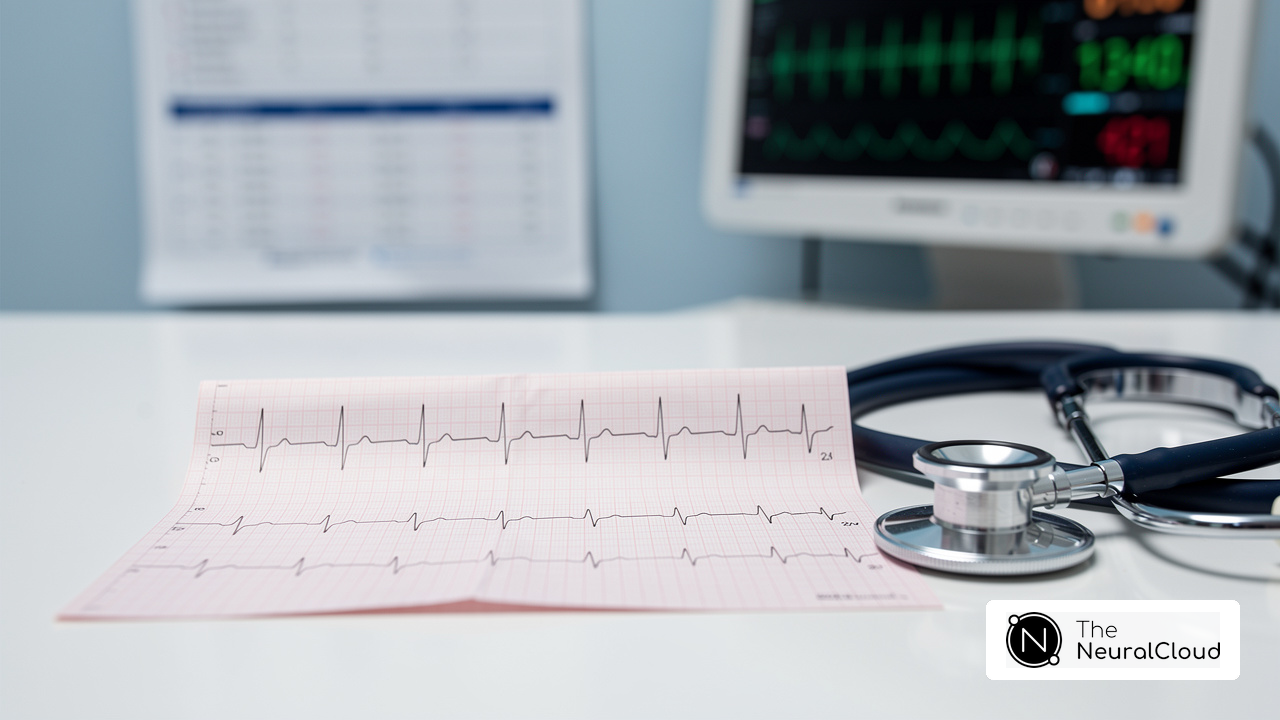
- Systematic Interpretation: Use a systematic approach to interpret the ECG, focusing on rate, rhythm, axis, and ST segment changes. This methodical evaluation is essential for identifying STEMI diagnosis indicative of myocardial infarction.
- Identify Symptoms: Correlate ECG findings with clinical symptoms such as chest pain, shortness of breath, or diaphoresis. Recognizing these symptoms alongside ECG changes is vital for accurate assessment.
- Utilize Technology: Leverage advanced ECG analysis tools, such as MaxYield™ developed by Neural Cloud Solutions Inc. This platform provides high-fidelity cardiac data that enhances signal clarity and reduces noise, improving diagnostic accuracy in acute settings. Dr. Alan Rabinowitz highlights that MaxYield™ matches human interpretation in precision. It also significantly reduces noise, making it an essential tool for healthcare professionals. Additionally, Insight360 transforms MaxYield’s clean ECG data into interactive dashboards and clinical-ready reports, further enhancing decision-making capabilities.
- Consultation and Collaboration: Engage with a multidisciplinary team, including cardiologists and emergency medicine specialists, to confirm the diagnosis and determine the best course of action. Dr. Venu Menon emphasizes that being at a center with a multidisciplinary heart team is crucial for optimizing care and treatment strategies.
- Document Findings: Keeping detailed records helps healthcare providers communicate better and ensures patient safety. Thorough documentation facilitates effective communication among healthcare providers and improves safety for individuals, while also ensuring adherence to regulatory standards, including FDA Class II SaMD clearance-pending status.
By following these best practices, healthcare professionals can diagnose myocardial infarction more accurately and quickly, leading to a better STEMI diagnosis and improved patient outcomes. Incorporating these best practices, along with advanced tools like MaxYield™, can transform the approach to diagnosing myocardial infarction, leading to better patient outcomes.

Leverage Technology: Enhancing STEMI Diagnosis with Advanced ECG Solutions
The integration of advanced ECG solutions presents significant challenges and opportunities in the stemi diagnosis of heart attacks. Here are key technologies to consider:
- AI-Driven ECG Analysis: Utilize AI algorithms that assess ECG data in real-time, recognizing patterns suggestive of a heart attack with remarkable accuracy. These systems have demonstrated a false-positive rate reduction from 41.8% to just 7.9%, improving diagnostic speed and reliability. Dr. Alan Rabinowitz highlights that MaxYield’s precision rivals human interpretation, making it a valuable tool in clinical settings.
- Signal Processing Algorithms: Implement patented signal mapping algorithms, such as those utilized in MaxYield, to isolate and clean noisy signals. This guarantees clearer ECG readings, which are essential for precise evaluation in stemi diagnosis. The advanced noise reduction capabilities of MaxYield transform noisy recordings into detailed insights, enabling beat-by-beat analysis of 200,000 heartbeats in less than 5 minutes.
- Integration with Existing Systems: Choose flexible solutions like MaxYield that easily fit into your existing ECG workflows using API, SDK, or CDK. This reduces disruption and boosts diagnostic capabilities, making it easier to adopt advanced technologies. Additionally, MaxYield is currently pending FDA Class II SaMD clearance, ensuring compliance with regulatory standards.
- Visualization Tools: Utilize advanced visualization tools like Insight360 to create customizable dashboards and reports. These tools facilitate trend analysis and support clinical decision-making, making it easier for healthcare professionals to interpret complex data. Insight360 transforms MaxYield’s clean ECG data into interactive, clinical-ready reports.
- Training and Education: Ensure that healthcare professionals receive comprehensive training on these advanced technologies. This maximizes their potential to improve patient outcomes and enhances the overall effectiveness of heart attack diagnosis. Dr. Brett Heilbron and Dr. Marc W. Deyell also endorse the importance of training in utilizing these technologies effectively.
By embracing these technologies, healthcare providers can transform their diagnostic processes, ultimately leading to improved patient care and outcomes, including more accurate stemi diagnosis. For those interested, we invite you to contact Neural Cloud Solutions Inc. for free trials or personalized walkthroughs of MaxYield and Insight360.

Conclusion
Timely and accurate diagnosis of ST-Elevation Myocardial Infarction (STEMI) is a challenge that can significantly impact patient outcomes. This guide shows how crucial ECG interpretation is for diagnosing STEMI. It stresses the need to quickly recognize ST-segment elevation and follow established protocols. Understanding the nuances of ECG patterns helps clinicians enhance their diagnostic capabilities. Leveraging advanced technologies further improves patient care.
Key insights from this tutorial include:
- The necessity of prompt ECG acquisition
- Systematic interpretation
- The integration of advanced tools like MaxYield™ and Insight360
These technologies streamline the diagnostic process and provide healthcare professionals with the clarity needed to make informed decisions. Furthermore, collaboration among multidisciplinary teams is crucial for confirming diagnoses and determining optimal treatment strategies.
In conclusion, the significance of accurate STEMI diagnosis cannot be overstated. Embracing advanced ECG technologies not only enhances diagnostic accuracy but also directly contributes to improved patient outcomes. By integrating advanced ECG technologies and prioritizing education, healthcare providers can transform the landscape of STEMI diagnosis, ultimately leading to improved patient survival rates.
Frequently Asked Questions
What is STEMI?
STEMI stands for ST-Elevation Myocardial Infarction, which is a critical form of heart attack caused by the complete blockage of a coronary artery.
How is STEMI diagnosed?
STEMI is diagnosed by identifying ST-segment elevation of 1 mm or more in at least two adjacent leads on a 12-lead ECG.
Why is timely diagnosis of STEMI important?
Timely diagnosis of STEMI is crucial because delays in treatment can lead to lasting damage to the heart, impacting treatment decisions and patient outcomes.
What is the recommended intervention for STEMI?
The gold standard for treating STEMI is primary percutaneous coronary intervention (PCI), which significantly enhances patient outcomes by restoring blood flow and reducing heart damage.
What is the significance of STEMI in Canada?
In Canada, heart attacks, including STEMI, continue to be a significant health concern, emphasizing the importance of awareness and prompt care to effectively address this life-threatening issue.
List of Sources
- Define STEMI: Understanding Its Importance in Cardiac Health
- New Stemi-DTU Data Provides Deeper Insight Into Patient Outcomes | SCAI (https://scai.org/media-center/news-and-articles/new-stemi-dtu-data-provides-deeper-insight-patient-outcomes)
- Nationwide Study Finds Significant Decline in Treatment for Heart Attacks During Pandemic | SCAI (https://scai.org/media-center/news-and-articles/nationwide-study-finds-significant-decline-treatment-heart-attacks)
- Contributing to Advancing STEMI Heart Attack Care | Minneapolis Heart Institute Foundation (https://mplsheart.org/news/contributing-advancing-stemi-heart-attack-care)
- In-Hospital STEMI Patients Face Reperfusion Delays and Worse Outcomes (https://tctmd.com/news/hospital-stemi-patients-face-reperfusion-delays-and-worse-outcomes)
- Interpret ECG: Key Criteria for Identifying STEMI Patterns
- STEMI ECG Criteria: ST-Elevation Thresholds (https://powerfulmedical.com/blog/stemi-ecg-criteria)
- 50% of Heart Attacks Miss STEMI Criteria (https://powerfulmedical.com/pmcardio-stemi/50-of-heart-attacks-do-not-meet-classic-ecg-based-stemi-criteria)
- Acute ST-Segment Elevation Myocardial Infarction (STEMI) - StatPearls - NCBI Bookshelf (https://ncbi.nlm.nih.gov/books/NBK532281)
- OMI-nously Yours: Is it time to re-think Code STEMI? (https://emottawablog.com/2026/08/omi-nously-yours-is-it-time-to-re-think-code-stemi)
- Apply Best Practices: Step-by-Step Guide to STEMI Diagnosis via ECG
- Acute ST-Segment Elevation Myocardial Infarction (STEMI) - StatPearls - NCBI Bookshelf (https://ncbi.nlm.nih.gov/books/NBK532281)
- New Guideline on Acute Coronary Syndromes: Key Takeaways (https://consultqd.clevelandclinic.org/new-guideline-on-acute-coronary-syndromes-key-takeaways-for-cardiologists)
- Management of suspected STEMI: key principles (https://aci.health.nsw.gov.au/networks/cardiac/resources/key-principles-stemi-management)
- Leverage Technology: Enhancing STEMI Diagnosis with Advanced ECG Solutions
- Novel AI ECG model outperforms standard triage for acute coronary occlusion (https://news-medical.net/news/20251029/Novel-AI-ECG-model-outperforms-standard-triage-for-acute-coronary-occlusion.aspx)
- New study finds AI model improves heart attack detection (https://health.ucdavis.edu/news/headlines/new-study-finds-ai-model-improves-heart-attack-detection/2025/11)
- FDA De Novo Authorization for Queen of Hearts (https://powerfulmedical.com/blog/powerful-medical-receives-fda-de-novo-authorization-for-pmcardio-queen-of-hearts-its-ai-ecg-model-for-detecting-acute-heart-attacks)
- AI-ECG Finds STEMI Faster, Cuts False-Positive Cath Lab Activations (https://tctmd.com/news/ai-ecg-finds-stemi-faster-cuts-false-positive-cath-lab-activations)
- FDA Clears First AI-ECG Model for Acute MI Detection (https://tctmd.com/news/fda-clears-first-ai-ecg-model-acute-mi-detection)