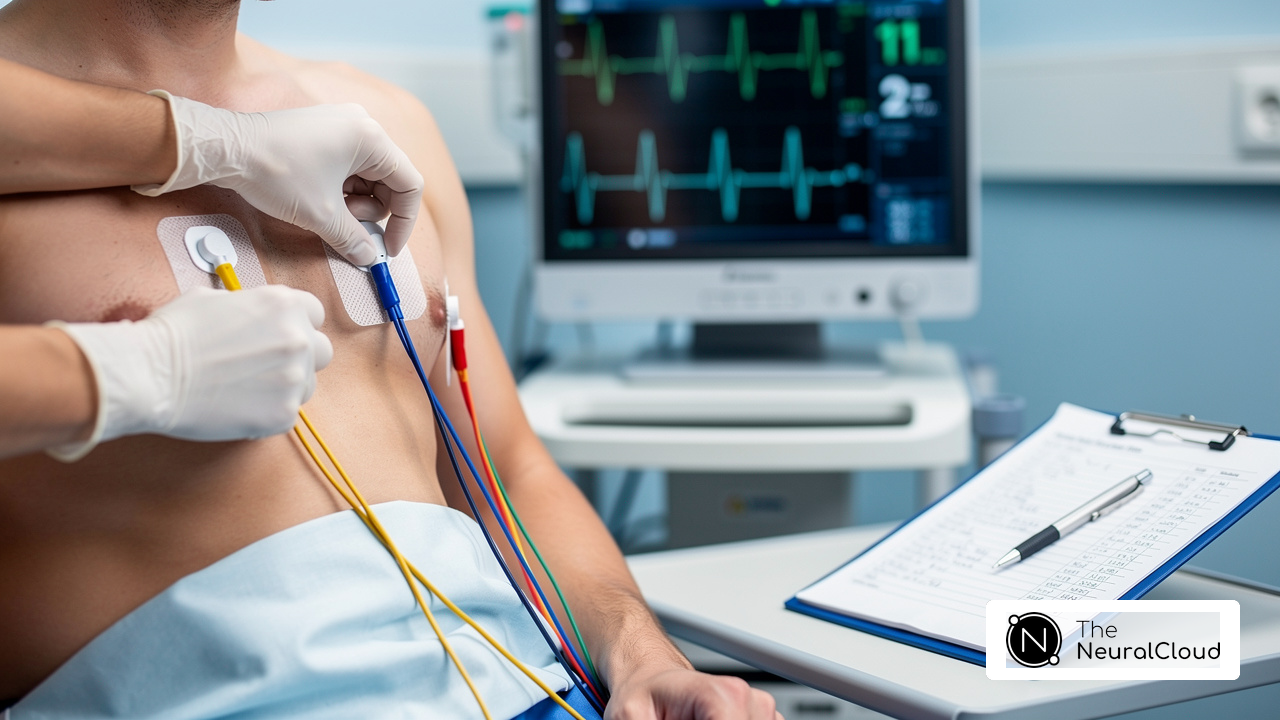
Introduction
The misdiagnosis of ST-Elevation Myocardial Infarction (STEMI) poses a significant challenge for health tech developers striving to improve cardiac care. Alarming statistics reveal a high prevalence of misdiagnosis, underscoring the critical need for timely intervention and advanced diagnostic tools.
So, how can developers tap into the latest technologies to boost the accuracy of STEMI diagnosis and save lives? Let’s explore the essential ECG criteria, the progression of ECG changes, and innovative management strategies that can reshape STEMI care in Canada.
Define STEMI and Its Clinical Importance
ST-Elevation Myocardial Infarction poses significant challenges in acute coronary syndrome due to its critical nature and the complexities involved in diagnosis. This condition requires immediate medical intervention to restore blood flow and minimize heart muscle damage. Therefore, timely diagnosis is essential.
In Canada, the clinical significance of ST-elevation myocardial infarction is underscored by recent statistics showing that:
- 58% of activations pertain to genuine cases
- 42% are imitations, including biomarker-negative individuals
Despite established criteria, many cases of acute coronary occlusion go undetected, leading to delays in treatment. The integration of AI-driven tools, such as the Queen of Hearts platform, has shown promise in improving diagnostic accuracy, achieving a sensitivity of 92% and a specificity of 81% compared to standard processes.
Case studies, including the DIFOCCULT-3 Randomized Controlled Trial, highlight the potential of AI to reduce treatment durations for individuals with subtle coronary occlusions. The trial demonstrated a nearly five-hour reduction in ECG-to-balloon time for individuals with acute coronary occlusion without typical ST-elevation. This showcases the transformative impact of advanced diagnostic technologies in emergency cardiac care.
Health tech developers are working hard to enhance healthcare delivery, making it vital for professionals to understand the definition and clinical significance of ST elevation myocardial infarction. This understanding underscores the urgent need for rapid and accurate diagnostic tools that facilitate timely treatment, ultimately improving patient outcomes in cardiovascular care.

Identify Key ECG Criteria for STEMI Diagnosis
The effectiveness of STEMI diagnosis hinges on understanding critical ECG criteria that can significantly impact patient outcomes:
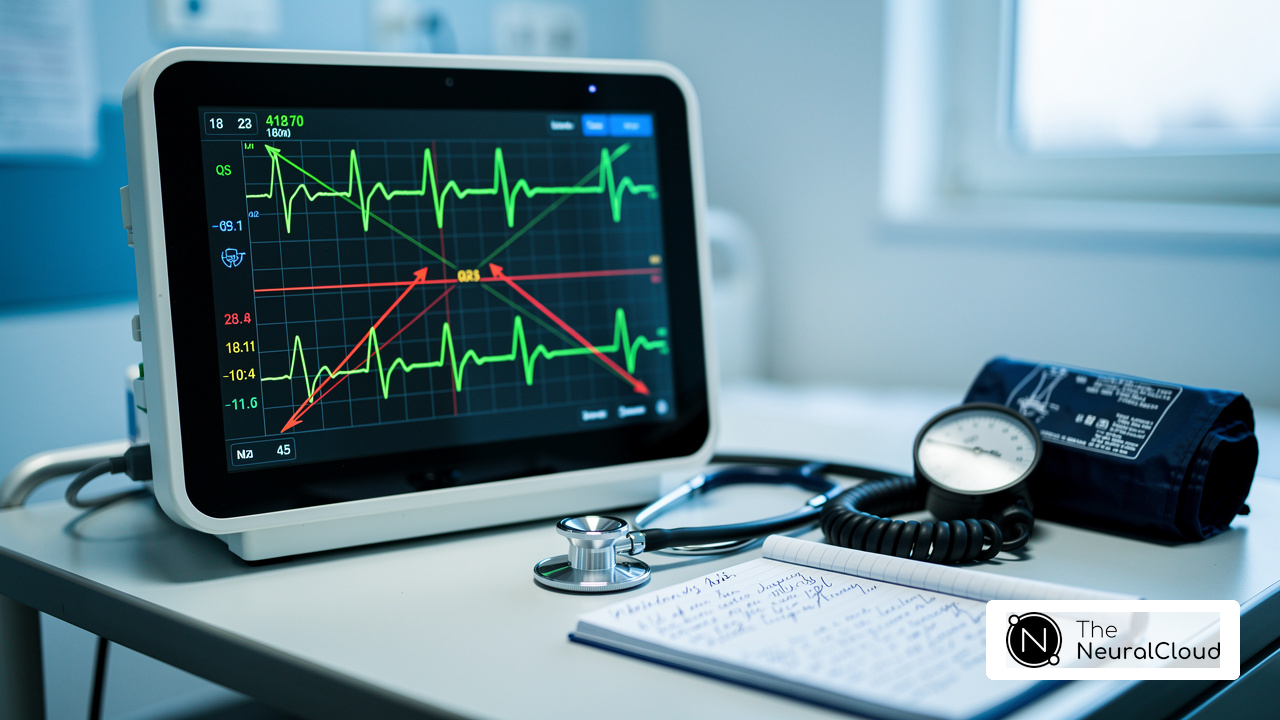
- ST-Segment Elevation: A minimum of 1 mm of ST-segment elevation in two contiguous leads, measured 0.04 seconds after the J-point, is essential. This elevation indicates heart muscle damage due to ischemia, as observed in stemi ecg progression.
- Reciprocal Changes: ST-segment depression may be noted in leads opposite to those displaying elevation, offering further diagnostic assistance and strengthening the probability of a myocardial infarction.
- T-Wave Changes: Hyperacute T waves may emerge early in the heart attack progression, signaling ongoing heart tissue damage and requiring swift action.
- Pathological Q Waves: Pathological Q Waves may develop within hours to days after the onset of ST elevation myocardial infarction, indicating necrosis of myocardial tissue and serving as a late marker of myocardial infarction, which is important for assessing stemi ecg progression.
Recent studies show that about 50% of heart attacks don't meet traditional ECG criteria. This gap underscores the need for advanced diagnostic tools that can identify atypical presentations in the context of stemi ecg progression. For instance, the Queen of Hearts AI-driven ECG model has demonstrated enhanced sensitivity and specificity in detecting heart attacks and similar conditions, surpassing traditional techniques. This model is particularly relevant in Canada, where clinicians are urged to recognize emerging ECG patterns that indicate life-threatening coronary occlusions.
Furthermore, the integration of AI technologies in ECG interpretation, such as Neural Cloud Solutions Inc.'s MaxYield™, has shown a significant reduction in false-positive activations, decreasing from 41.8% with standard care to just 7.9% when utilizing AI-ECG tools. By leveraging these advancements, healthcare professionals can boost diagnostic accuracy and ensure timely interventions for better patient outcomes. Currently, MaxYield™ is awaiting FDA Class II SaMD clearance, which will confirm its compliance with essential regulatory standards. As health tech developers work to create innovative solutions, understanding these key ECG criteria and their implications in the Canadian healthcare landscape is crucial for improving cardiac care. Experts like Dr. Alan Rabinowitz and Dr. Brett Heilbron emphasize that MaxYield™ rivals human interpretation in precision and noise reduction, making it an invaluable tool in the evolving landscape of cardiac diagnostics.

Explain the Progression of ECG Changes in STEMI
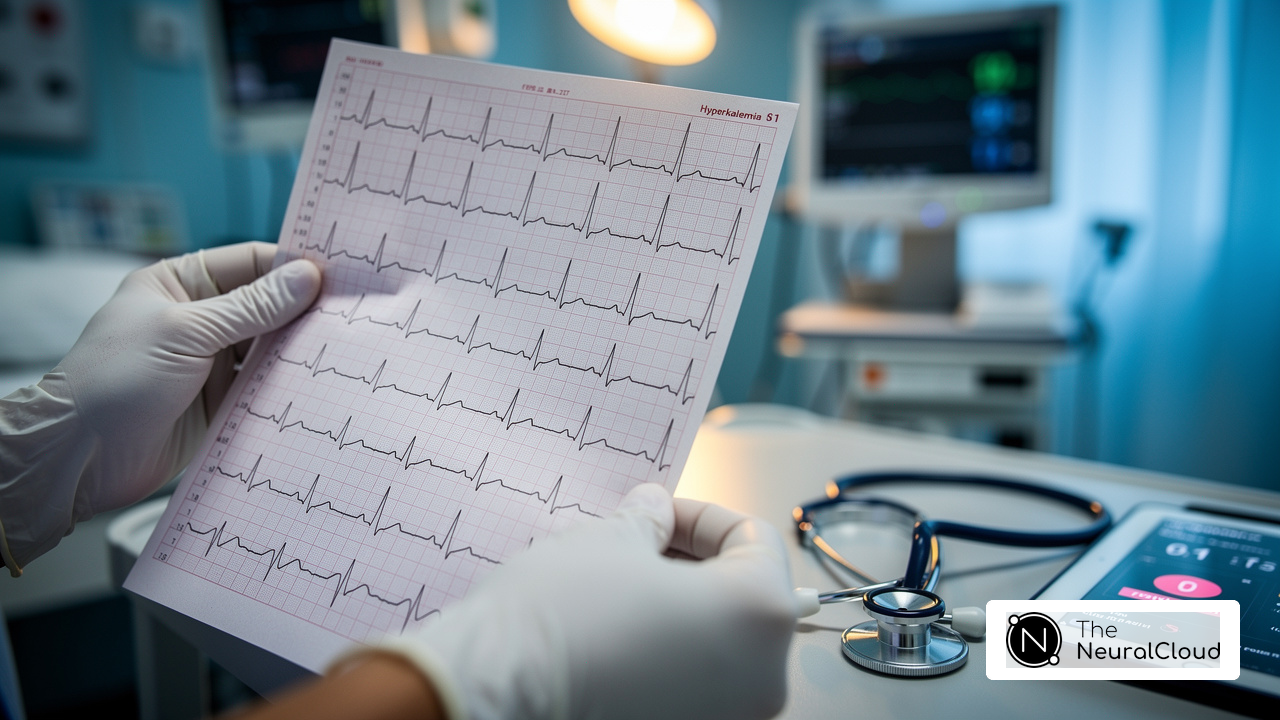
Timely diagnosis and intervention in STEMI hinge on understanding the critical timeline of ECG changes. The STEMI ECG progression of these changes follows a well-defined path that is essential for healthcare professionals.
- Hyperacute T Waves: These changes can appear within minutes of ischemia onset, serving as an early sign of heart damage.
- ST-Segment Elevation: This characteristic of STEMI usually arises soon after symptom onset, indicating considerable heart tissue damage. Rapid recognition of these changes is crucial for optimizing patient outcomes.
- T-Wave Inversion: As the ischemic process progresses, T waves may invert, indicating ongoing heart distress.
- Pathological Q Waves: These emerge within 12 to 24 hours, indicating irreversible heart tissue death and are essential for verifying a heart attack diagnosis.
- Normalization of ST Segments: Over days to weeks, ST segments may return to baseline, although Q waves may persist, indicating a prior myocardial infarction.
Grasping the STEMI ECG progression is crucial for health tech developers looking to innovate real-time monitoring tools for ECG changes. These innovations can facilitate timely interventions, significantly improving patient outcomes in heart attack management across Canada.

Outline Management Strategies for STEMI Based on ECG Findings
Effective management of STEMI hinges on accurate ECG analysis, which is crucial for understanding STEMI ECG progression and presents several challenges for healthcare professionals. Key strategies include:
- Immediate Reperfusion Therapy: This is the cornerstone of STEMI management, typically achieved through percutaneous coronary intervention (PCI) or thrombolytic therapy, aimed at restoring blood flow to the affected myocardium. Delays in reperfusion therapy can lead to serious complications, making timely intervention critical, especially within the first 90 minutes of symptom onset.
- Medications: Antiplatelet agents, anticoagulants, and beta-blockers are often administered to manage symptoms and prevent further clot formation. These medications are vital for stabilizing patients and improving outcomes after intervention.
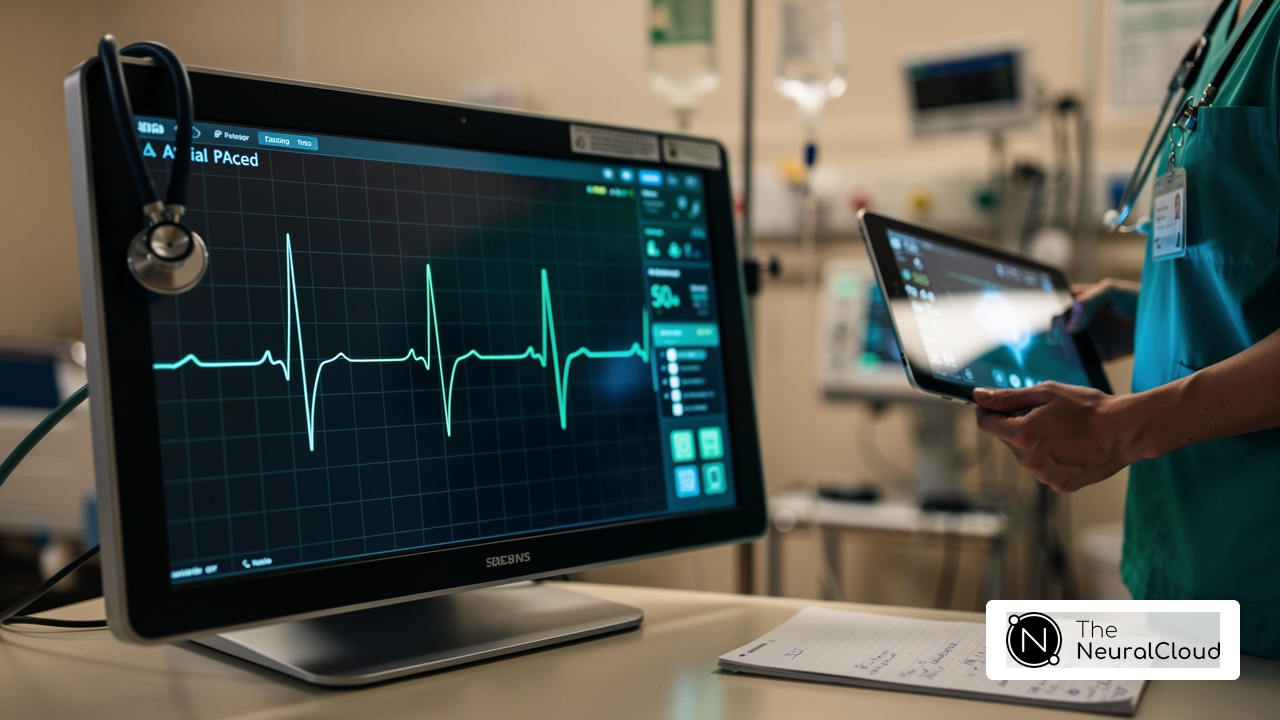
- Monitoring and follow-up of STEMI ECG progression is crucial for evaluating treatment effectiveness and spotting complications early. This continuous assessment allows for timely adjustments to the treatment strategy, ensuring optimal care. Leveraging Neural Cloud Solutions Inc.'s MaxYield™, which rapidly labels P, QRS, and T Wave onsets and offsets, can enhance this monitoring process. The platform's ability to provide clean signals and clear data sets allows for more efficient analysis, addressing challenges such as physiological variability and signal artifacts. Additionally, the regulatory compliance details, including FDA Class II SaMD clearance-pending status, ensure that the solutions meet necessary standards for safety and efficacy.
- Client Education: Instructing individuals on identifying symptoms and the significance of pursuing prompt care can greatly enhance results. By promoting awareness, individuals are more likely to act swiftly in the event of a heart attack, which is crucial for effective management. Expert endorsements from Dr. Alan Rabinowitz, Dr. Brett Heilbron, and Dr. Marc W. Deyell highlight that MaxYield™ competes with human interpretation in accuracy and provides substantial noise reduction advantages, further reinforcing the necessity for advanced ECG solutions in education and awareness. Integrating the Insight360 tool turns MaxYield’s clear ECG data into interactive dashboards and clinical-ready reports, boosting educational efforts for individuals.
By understanding these management strategies, health tech developers can create solutions that enhance the speed and accuracy of STEMI ECG progression in diagnosis and treatment, ultimately improving patient care outcomes. By leveraging advanced technologies like MaxYield™, healthcare providers can significantly improve the speed and accuracy of STEMI diagnosis and treatment, ultimately enhancing patient care outcomes.

Conclusion
For health tech developers, grasping the complexities of ST-Elevation Myocardial Infarction (STEMI) and its ECG progression is crucial. Timely diagnosis and intervention are critical because they directly affect patient outcomes. By leveraging advanced technologies and AI-driven tools, such as Neural Cloud Solutions Inc.'s MaxYield™, healthcare professionals can significantly improve diagnostic accuracy and treatment efficacy, ultimately saving lives.
Key insights from the article include:
- Recognizing critical ECG criteria
- Understanding the timeline of ECG changes during STEMI
- Implementing effective management strategies
The integration of AI technologies is proving effective in overcoming the challenges faced by traditional diagnostic methods, reducing false positives, and facilitating rapid interventions. Moreover, continuous monitoring and patient education play crucial roles in ensuring timely responses to heart attack symptoms, further enhancing care quality.
As the landscape of cardiac diagnostics evolves, it is imperative for health tech developers to prioritize innovations that support rapid and accurate STEMI diagnosis and management. Embracing these innovations is not just beneficial; it is essential for the future of cardiovascular care in Canada.
Frequently Asked Questions
What is ST-Elevation Myocardial Infarction (STEMI)?
ST-Elevation Myocardial Infarction (STEMI) is a critical condition within acute coronary syndrome that requires immediate medical intervention to restore blood flow and minimize heart muscle damage.
Why is timely diagnosis important for STEMI?
Timely diagnosis is essential for STEMI because delays in treatment can lead to significant heart muscle damage and worsen patient outcomes.
What are the statistics regarding STEMI activations in Canada?
In Canada, 58% of STEMI activations pertain to genuine cases, while 42% are imitations, including individuals who are biomarker-negative.
What challenges exist in diagnosing STEMI?
Despite established criteria, many cases of acute coronary occlusion go undetected, leading to delays in treatment.
How can AI-driven tools improve the diagnosis of STEMI?
AI-driven tools, such as the Queen of Hearts platform, have shown promise in improving diagnostic accuracy, achieving a sensitivity of 92% and a specificity of 81% compared to standard processes.
What did the DIFOCCULT-3 Randomized Controlled Trial demonstrate?
The DIFOCCULT-3 Randomized Controlled Trial highlighted the potential of AI to reduce treatment durations for individuals with subtle coronary occlusions, demonstrating a nearly five-hour reduction in ECG-to-balloon time for those without typical ST-elevation.
Why is it important for healthcare professionals to understand STEMI?
Understanding the definition and clinical significance of STEMI is vital for healthcare professionals to facilitate timely treatment and improve patient outcomes in cardiovascular care.
List of Sources
- Define STEMI and Its Clinical Importance
- Queen of Hearts AI Hits 92% STEMI Accuracy (https://powerfulmedical.com/blog/pmcardio-reports-positive-rct-results-and-late-breaking-clinical-science-for-stemi-detection)
- AI-ECG Finds STEMI Faster, Cuts False-Positive Cath Lab Activations (https://tctmd.com/news/ai-ecg-finds-stemi-faster-cuts-false-positive-cath-lab-activations)
- New Stemi-DTU Data Provides Deeper Insight Into Patient Outcomes | SCAI (https://scai.org/media-center/news-and-articles/new-stemi-dtu-data-provides-deeper-insight-patient-outcomes)
- Artificial intelligence may speed heart attack diagnosis and treatment (https://newsroom.heart.org/news/artificial-intelligence-may-speed-heart-attack-diagnosis-and-treatment)
- Identify Key ECG Criteria for STEMI Diagnosis
- FDA Clears First AI-ECG Model for Acute MI Detection (https://tctmd.com/news/fda-clears-first-ai-ecg-model-acute-mi-detection)
- 50% of Heart Attacks Miss STEMI Criteria (https://powerfulmedical.com/pmcardio-stemi/50-of-heart-attacks-do-not-meet-classic-ecg-based-stemi-criteria)
- AI-ECG Finds STEMI Faster, Cuts False-Positive Cath Lab Activations (https://tctmd.com/news/ai-ecg-finds-stemi-faster-cuts-false-positive-cath-lab-activations)
- STEMI ECG Criteria: ST-Elevation Thresholds (https://powerfulmedical.com/blog/stemi-ecg-criteria)
- Explain the Progression of ECG Changes in STEMI
- New ST-elevation myocardial infarction protocol trial data provide deeper insight into patient outcomes (https://medicalxpress.com/news/2026-04-st-elevation-myocardial-infarction-protocol.html)
- Queen of Hearts: AI ECG for STEMI & OMI (https://powerfulmedical.com/pmcardio-stemi)
- STEMI - Electrocardiogram - M3 Curriculum | SAEM (https://saem.org/about-saem/academies-interest-groups-affiliates2/cdem/for-students/online-education/m3-curriculum/group-electrocardiogram-(ecg)-rhythm-recognition/stemi)
- AI-ECG Finds STEMI Faster, Cuts False-Positive Cath Lab Activations (https://tctmd.com/news/ai-ecg-finds-stemi-faster-cuts-false-positive-cath-lab-activations)
- Outline Management Strategies for STEMI Based on ECG Findings
- Nationwide Study Finds Significant Decline in Treatment for Heart Attacks During Pandemic | SCAI (https://scai.org/media-center/news-and-articles/nationwide-study-finds-significant-decline-treatment-heart-attacks)
- Assessment and Management of Acute Coronary Syndromes (ACS): A Canadian Perspective on Current Guideline-Recommended Treatment – Part 2: ST-Segment Elevation Myocardial Infarction (https://onlinecjc.ca/article/S0828-282X(11)01174-3/fulltext)
- STEMI Management Update 2021: What Have We Learned? - American College of Cardiology (https://acc.org/latest-in-cardiology/articles/2021/09/21/12/05/stemi-management-update-2021)