Introduction
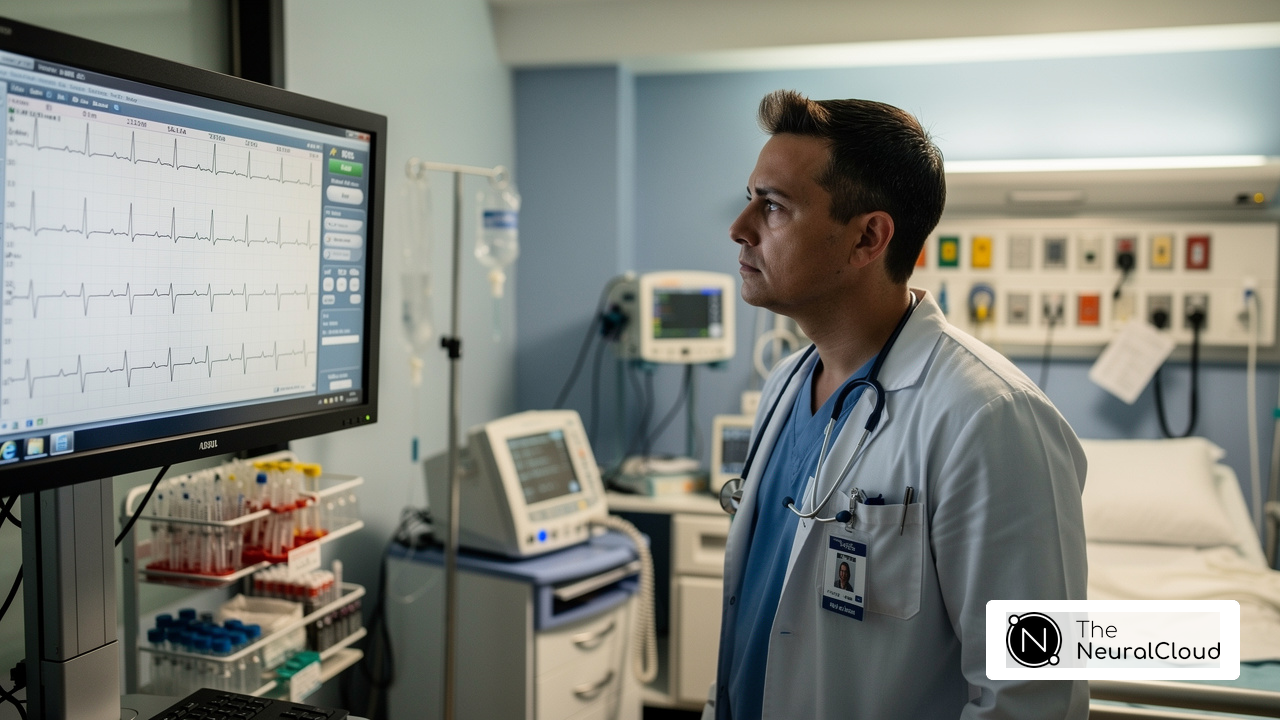
Diagnosing ST-Elevation Myocardial Infarction (STEMI) quickly is essential to prevent lasting heart damage. With the rise of advanced ECG technologies, healthcare professionals have powerful tools to enhance diagnostic accuracy and improve patient outcomes. However, many clinicians struggle to integrate these innovations into their STEMI diagnosis and treatment processes effectively. This article explores key ST elevation criteria, the latest advancements in ECG technology, and their implications for clinical practice, providing insights that can enhance the management of this critical condition.
Define STEMI: Understanding the Basics of ST-Elevation Myocardial Infarction
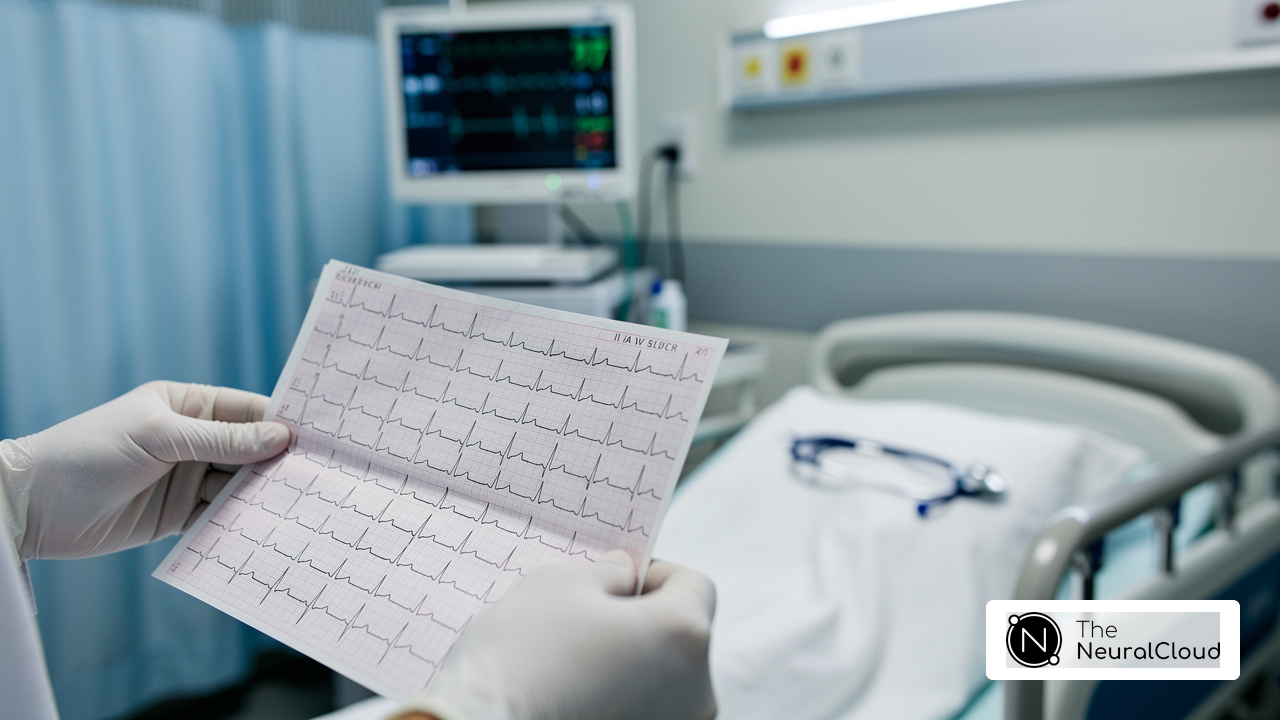
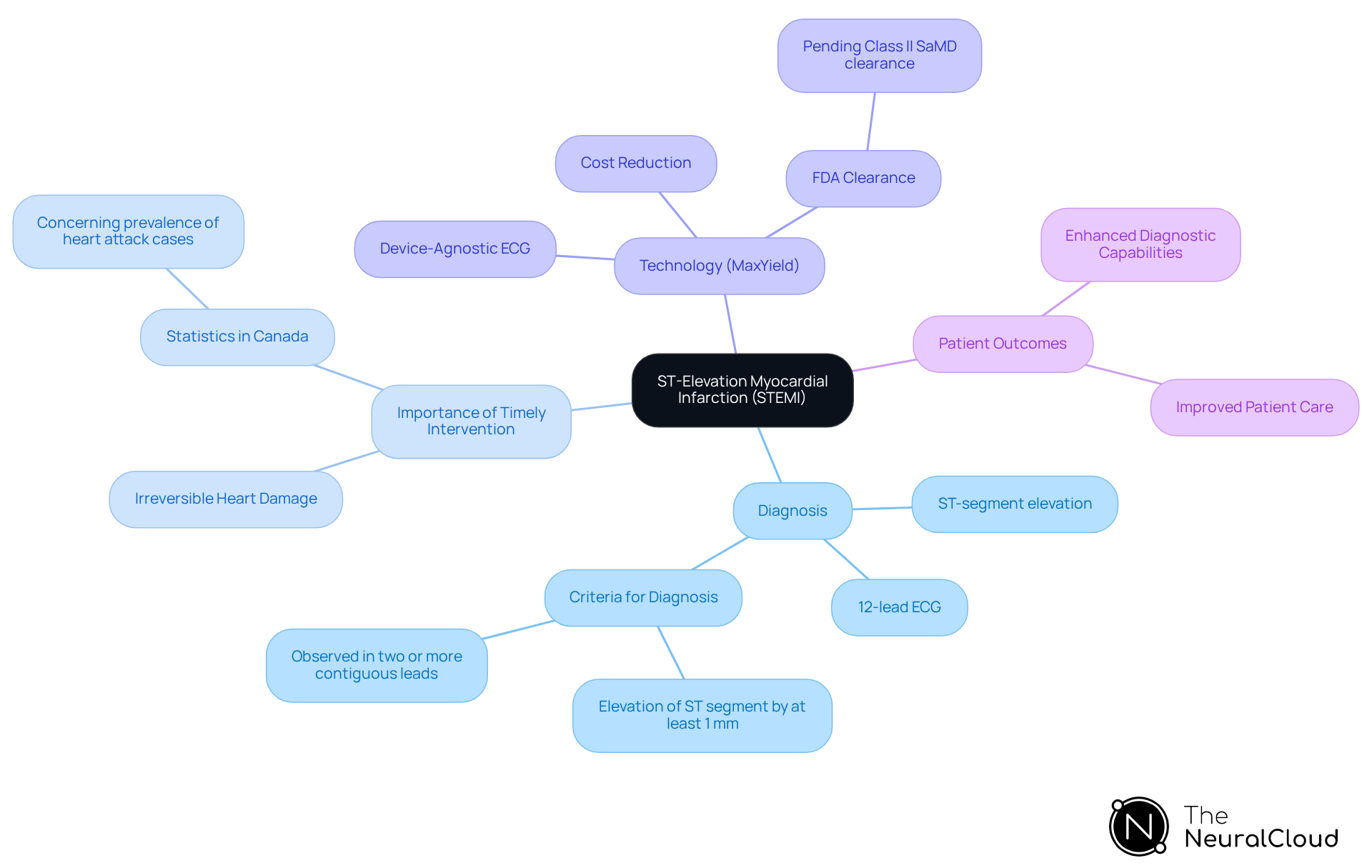
Diagnosing ST-Elevation Myocardial Infarction can be challenging, yet timely intervention is crucial for patient outcomes. ST-Elevation Myocardial Infarction represents a critical form of acute coronary syndrome, marked by the complete blockage of a coronary artery, leading to significant myocardial ischemia. This condition is diagnosed by observing ST-segment elevation on a 12-lead ECG. This elevation shows that part of the heart muscle is not receiving enough blood. The defining feature of ST elevation myocardial infarction is an elevation of the ST segment by at least 1 mm in two or more contiguous leads, which aligns with the stemi st elevation criteria, typically assessed at the J-point. Delays in diagnosing ST-Elevation Myocardial Infarction can lead to irreversible heart damage. Recent statistics indicate a concerning prevalence of heart attack cases in Canada, underscoring the importance of effective diagnostic and treatment protocols. For example, the STEMI-DTU study, which included 527 individuals, emphasized the importance of prompt interventions in handling anterior myocardial infarction without cardiogenic shock.
With Neural Cloud Solutions' MaxYield, health tech developers can utilize a device-agnostic ECG intelligence layer that integrates effortlessly via API, SDK, or CDK. This ensures dependable data for prompt diagnosis of heart attacks. This approach cuts costs for clinical-grade hardware and boosts patient trust in home monitoring systems. Additionally, MaxYield is pending FDA Class II SaMD clearance, ensuring regulatory compliance and audit-ready documentation. The Insight360 tool further transforms MaxYield’s clean ECG data into interactive dashboards and clinical-ready reports, providing comprehensive insights for healthcare professionals.
In summary, with MaxYield, healthcare professionals can enhance their diagnostic capabilities, ultimately improving patient care and outcomes.
Identify Key ECG Criteria for STEMI Diagnosis
Timely diagnosis of STEMI is critical, yet healthcare providers face significant challenges in accurately interpreting ECG data. To diagnose STEMI, healthcare providers must adhere to specific ECG criteria, which include:
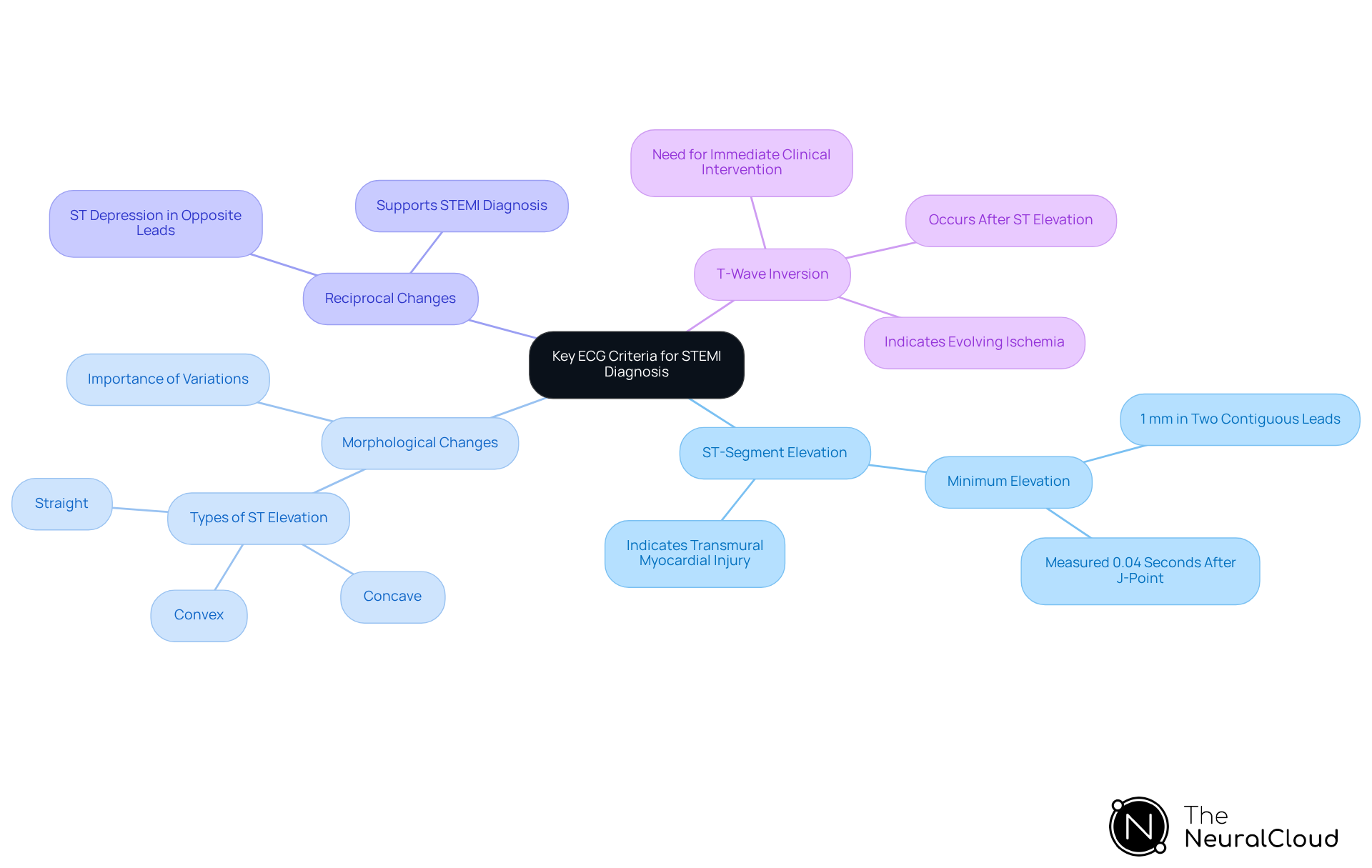
- ST-Segment Elevation: A minimum elevation of 1 mm in two contiguous leads, measured 0.04 seconds after the J-point, indicates transmural myocardial injury. This criterion is essential for identifying an occluded coronary artery.
- Morphological Changes: ST elevation can appear in various forms, such as concave, convex, or straight. Understanding these variations is crucial for accurate interpretation and diagnosis.
- Reciprocal Changes: Observing ST depression in leads opposite the area of elevation can further support the diagnosis of STEMI, highlighting the importance of comprehensive ECG analysis.
- T-Wave Inversion: Following the initial ST elevation, T-wave inversion may occur, indicating evolving ischemia and the need for immediate clinical intervention.
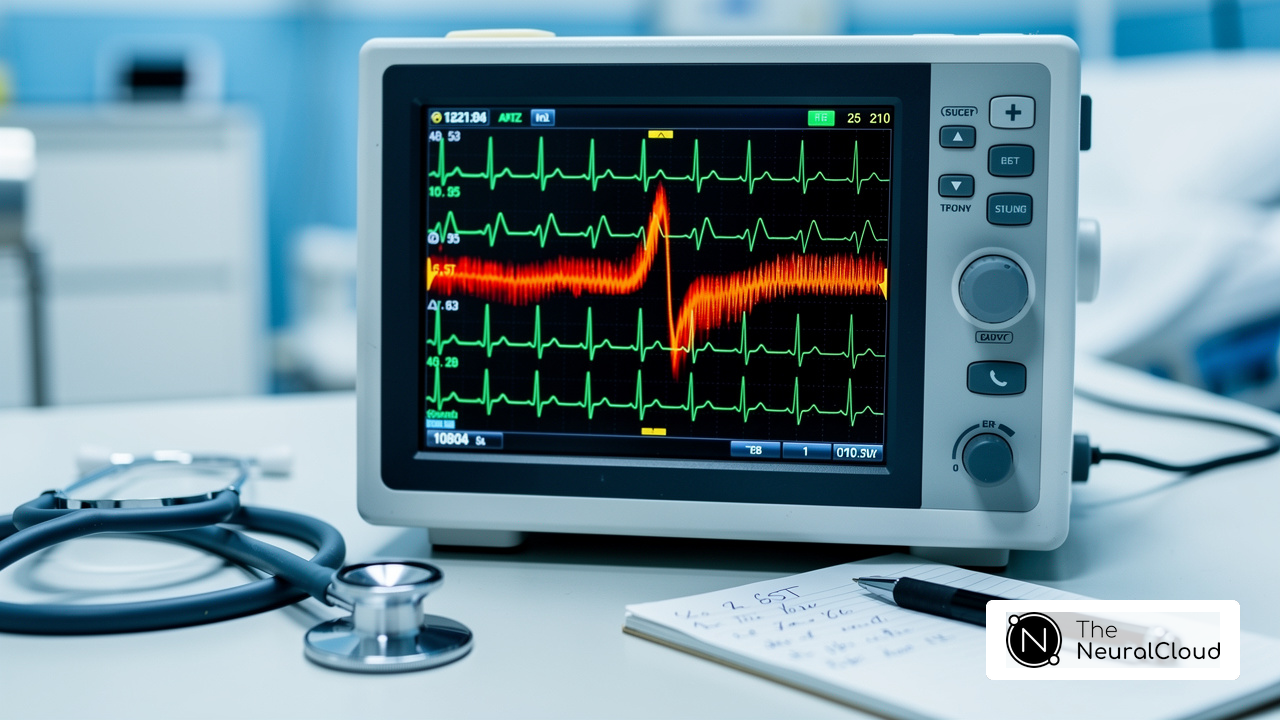
It's crucial to quickly recognize the STEMI ST elevation criteria, as an early diagnosis can really make a difference in patient outcomes. Recent AI advancements, like those from Neural Cloud Solutions, are proving to boost the accuracy of ECG interpretations. The system filters out noise from ECG signals, pinpointing and labeling key features in each heartbeat, and can analyze 200,000 heartbeats in less than 5 minutes. This capability allows healthcare professionals to rapidly highlight potentially meaningful ECG data, reducing diagnostic delays and improving treatment times. The system provides detailed outputs, including P-wave, QRS complex, and T-wave onsets, offsets, and time-series intervals for each heartbeat. Furthermore, integrating AI into ECG analysis fits perfectly with the latest guidelines from the American College of Cardiology, which stress the importance of immediate ECG evaluation at first medical contact. The TIMI risk score, which assesses the risk linked to STEMI, is also an essential tool for evaluating outcomes, as mortality rates for individuals presenting with STEMI range from 2.5% to 10% at 30 days. Additionally, the product is currently pending FDA Class II SaMD clearance, ensuring compliance with regulatory standards. By utilizing these innovations, including MaxYield™'s advanced noise reduction and adaptive algorithms, healthcare professionals can enhance their diagnostic capabilities and ultimately improve care for individuals. For those interested, we invite you to contact Neural Cloud Solutions for free trials or personalized walkthroughs of MaxYield and Insight360.
Explore Management and Treatment Options for STEMI Patients
Effective management of STEMI relies on rapid assessment and intervention based on the stemi st elevation criteria, yet many healthcare providers struggle with timely treatment delivery. Several key treatment options are available to restore blood flow to the heart:
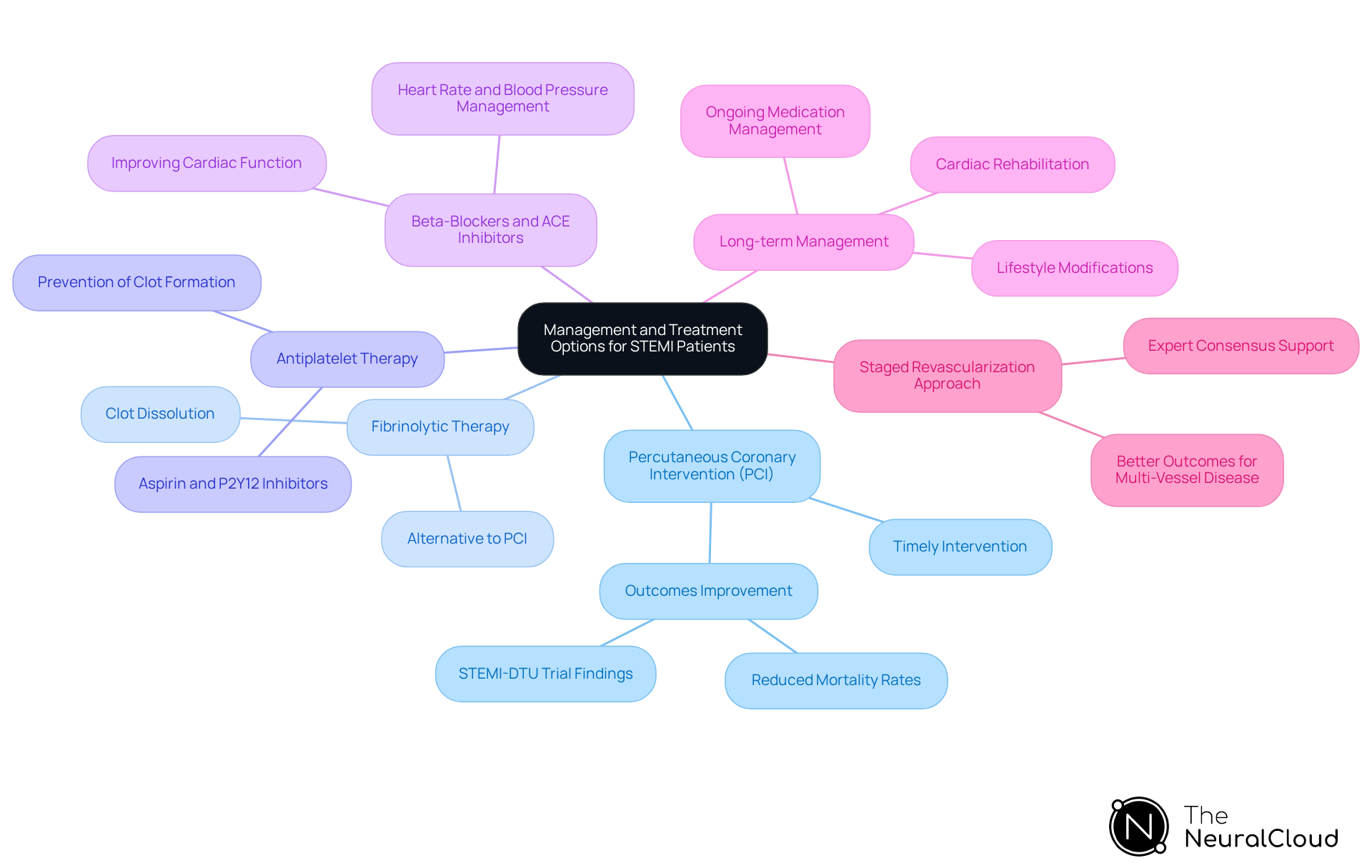
- Percutaneous Coronary Intervention (PCI): This is the preferred reperfusion therapy, ideally performed within 90 minutes of diagnosis. PCI involves catheter insertion to open blocked arteries, significantly enhancing outcomes for individuals. Recent studies, including findings from the STEMI-DTU trial, indicate that immediate PCI significantly reduces mortality rates compared to delayed interventions, particularly in individuals who meet the stemi st elevation criteria and do not have heart failure.
- Fibrinolytic Therapy: In cases where PCI cannot be performed promptly, fibrinolytics may be administered to dissolve the clot obstructing blood flow, providing a critical alternative.
- Antiplatelet Therapy: Patients should receive aspirin alongside a P2Y12 inhibitor (e.g., clopidogrel or ticagrelor) to prevent further clot formation, which is essential for long-term recovery.
- Beta-Blockers and ACE Inhibitors: These medications are commonly prescribed to manage heart rate and blood pressure, thereby reducing the heart's workload and improving overall cardiac function.
Long-term Management: Post-STEMI care, in accordance with the stemi st elevation criteria, includes lifestyle modifications, cardiac rehabilitation, and ongoing medication management to prevent recurrence, emphasizing the importance of comprehensive care for individuals.
Experts suggest that a staged revascularization approach could lead to better outcomes for patients with multi-vessel disease and heart failure, highlighting the need for tailored management strategies. A recent multi-society expert consensus statement supports the prompt implementation of advanced radiation protection technologies in fluoroscopy labs, aligning with the focus on enhancing safety and outcomes in acute myocardial infarction management. By understanding and implementing these treatment modalities, healthcare professionals can significantly enhance patient outcomes and safety in acute myocardial infarction management.
Leverage Advanced ECG Technologies for Enhanced STEMI Analysis
Despite advancements in technology, traditional ECG analysis often leads to misdiagnosis and delayed treatment, highlighting the need for innovative solutions like MaxYield™. Advanced ECG technologies, such as those developed by Neural Cloud Solutions, play a vital role in enhancing the precision and effectiveness of heart attack diagnosis. Here are some key innovations that stand out:
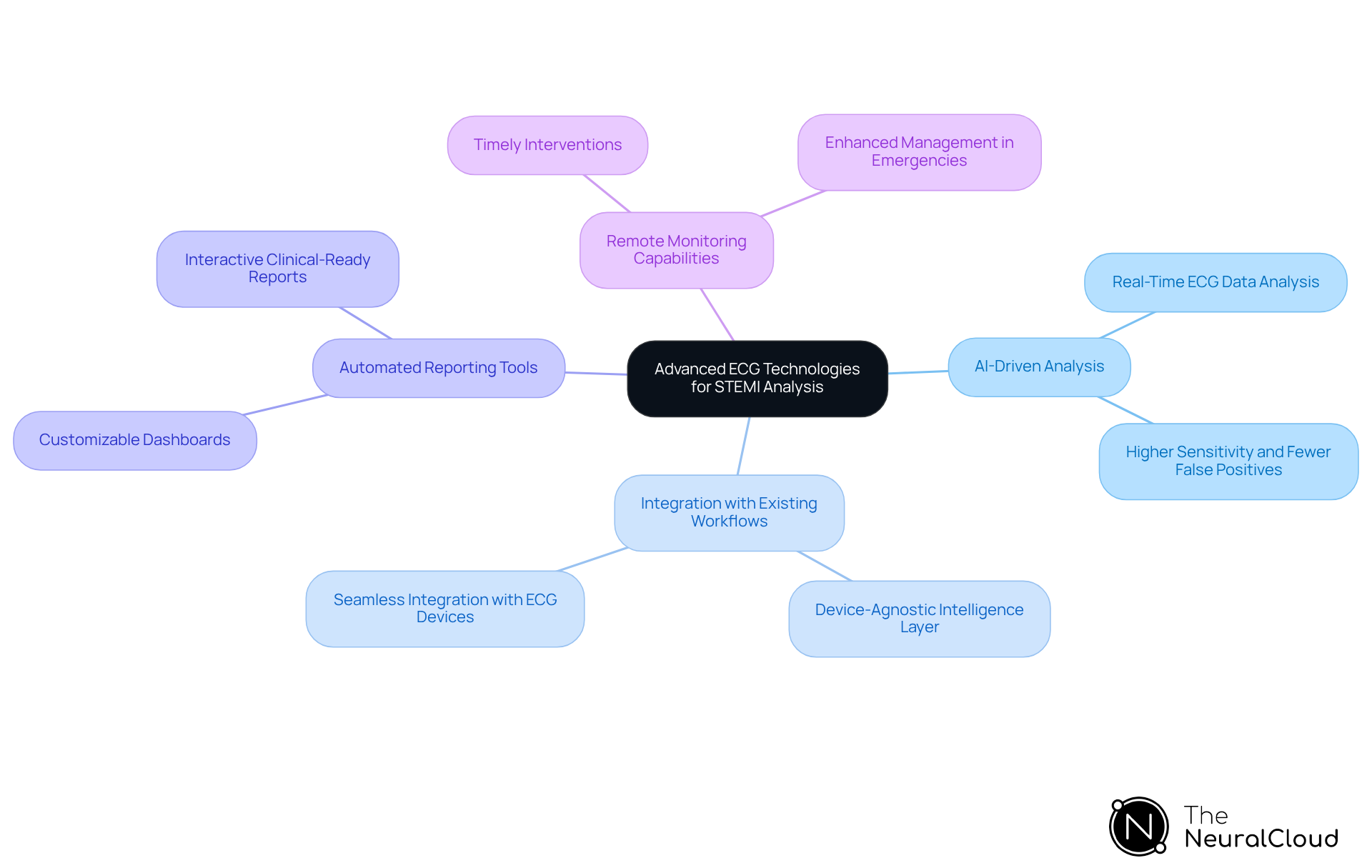
- AI-Driven Analysis: Utilizing machine learning algorithms, the MaxYield™ platform can analyze ECG data in real-time, identifying STEMI with greater sensitivity and fewer false positives compared to traditional methods.
- Integration with Existing Workflows: MaxYield™ can seamlessly integrate with various ECG devices, enhancing diagnostic capabilities without requiring extensive hardware changes, acting as a device-agnostic ECG intelligence layer.
- Automated Reporting Tools: Solutions like Insight360 provide customizable dashboards and reports, transforming MaxYield’s clean ECG data into interactive, clinical-ready reports that allow clinicians to visualize trends and make informed decisions quickly.
- Remote Monitoring Capabilities: Advanced ECG systems enable remote monitoring of individuals, facilitating timely interventions and enhancing management in emergency settings.
By embracing these technologies, healthcare providers can boost diagnostic accuracy, streamline their workflows, and significantly enhance patient outcomes by adhering to the STEMI ST elevation criteria in cases. For those interested in exploring these innovations further, Neural Cloud Solutions Inc. offers free trials and personalized walkthroughs of MaxYield™ and Insight360.
Conclusion
Timely diagnosis of ST-Elevation Myocardial Infarction (STEMI) remains a challenge that directly impacts patient outcomes. Understanding the key ST elevation criteria is crucial for healthcare professionals. Advanced ECG technologies from Neural Cloud Solutions Inc. enhance diagnostic capabilities. This allows for quicker and more reliable identification of STEMI cases. By leveraging innovations like MaxYield™ and Insight360, clinicians can significantly improve their ability to interpret ECG data and respond effectively to this critical condition.
Throughout the article, we've emphasized the importance of recognizing specific ECG criteria for diagnosing STEMI, including:
- ST-segment elevation
- Morphological changes
- Reciprocal changes
We've also highlighted how advanced technologies can reduce diagnostic delays and improve treatment protocols. With AI-driven analysis and automated reporting tools, healthcare providers can streamline their workflows and enhance patient care, ultimately leading to better outcomes for individuals experiencing STEMI.
As the landscape of cardiac care continues to evolve, embracing these technological advancements is vital for healthcare professionals. When clinicians prioritize innovative ECG solutions, they boost their diagnostic accuracy and ensure timely interventions that can save lives. Engaging with tools like MaxYield™ and Insight360 empowers healthcare providers to stay at the forefront of STEMI management, ultimately transforming patient care in Canada and beyond.
Frequently Asked Questions
What is ST-Elevation Myocardial Infarction (STEMI)?
ST-Elevation Myocardial Infarction (STEMI) is a critical form of acute coronary syndrome characterized by the complete blockage of a coronary artery, leading to significant myocardial ischemia.
How is STEMI diagnosed?
STEMI is diagnosed by observing ST-segment elevation on a 12-lead ECG, specifically an elevation of the ST segment by at least 1 mm in two or more contiguous leads, assessed at the J-point.
Why is timely intervention important in STEMI cases?
Timely intervention is crucial in STEMI cases because delays in diagnosis can lead to irreversible heart damage.
What are the statistics regarding heart attack prevalence in Canada?
Recent statistics indicate a concerning prevalence of heart attack cases in Canada, highlighting the importance of effective diagnostic and treatment protocols.
What does the STEMI-DTU study emphasize?
The STEMI-DTU study, which included 527 individuals, emphasizes the importance of prompt interventions in managing anterior myocardial infarction without cardiogenic shock.
How does Neural Cloud Solutions' MaxYield assist in diagnosing heart attacks?
MaxYield provides a device-agnostic ECG intelligence layer that integrates via API, SDK, or CDK, ensuring dependable data for prompt diagnosis of heart attacks while reducing costs for clinical-grade hardware.
What regulatory status does MaxYield hold?
MaxYield is pending FDA Class II SaMD clearance, ensuring regulatory compliance and audit-ready documentation.
What additional tool does MaxYield offer for healthcare professionals?
The Insight360 tool transforms MaxYield’s clean ECG data into interactive dashboards and clinical-ready reports, providing comprehensive insights for healthcare professionals.
How does MaxYield improve patient care and outcomes?
By enhancing diagnostic capabilities, MaxYield ultimately improves patient care and outcomes in the context of heart attack management.
List of Sources
- Define STEMI: Understanding the Basics of ST-Elevation Myocardial Infarction
- New ST-elevation myocardial infarction protocol trial data provide deeper insight into patient outcomes (https://medicalxpress.com/news/2026-04-st-elevation-myocardial-infarction-protocol.html)
- Mechanical Circulatory Support Doesn’t Reduce Infarct Size in STEMI (https://tctmd.com/news/mechanical-circulatory-support-doesnt-reduce-infarct-size-stemi)
- STEMI-DTU: Left Ventricular Unloading in Anterior STEMI Without Shock - American College of Cardiology (https://acc.org/latest-in-cardiology/articles/2026/03/25/21/27/sat-930am-stemidtu-acc-2026)
- OPTION-STEMI: Staged vs Immediate Revascularisation Insights (https://cfrjournal.com/news/option-stemi-staged-revascularisation-stemi-hf?language_content_entity=en)
- Identify Key ECG Criteria for STEMI Diagnosis
- AI-Based ECG Analysis Significantly Improves STEMI Detection, Reduces False Activations - American College of Cardiology (https://acc.org/latest-in-cardiology/articles/2025/10/24/16/56/tues-554pm-ai-tct-2025)
- Acute ST-Segment Elevation Myocardial Infarction (STEMI) - StatPearls - NCBI Bookshelf (https://ncbi.nlm.nih.gov/books/NBK532281)
- Improving STEMI Outcomes with Artificial Intelligence (https://tricog.com/improving-stemi-outcomes-with-ai?srsltid=AfmBOoofb-gzu-OVLVKXkt9VVDENwxvJUzMIyYUdMFs6gulFiKgJNA2u)
- AI-ECG Model Outperforms STEMI Criteria for Identifying ACS Patients With Occlusions (https://tctmd.com/news/ai-ecg-model-outperforms-stemi-criteria-identifying-acs-patients-occlusions)
- AI-ECG Finds STEMI Faster, Cuts False-Positive Cath Lab Activations (https://tctmd.com/news/ai-ecg-finds-stemi-faster-cuts-false-positive-cath-lab-activations)
- Explore Management and Treatment Options for STEMI Patients
- OPTION-STEMI: Staged vs Immediate Revascularisation Insights (https://cfrjournal.com/news/option-stemi-staged-revascularisation-stemi-hf?language_content_entity=en)
- New Stemi-DTU Data Provides Deeper Insight Into Patient Outcomes | SCAI (https://scai.org/media-center/news-and-articles/new-stemi-dtu-data-provides-deeper-insight-patient-outcomes)
- STEMI Management Update 2021: What Have We Learned? - American College of Cardiology (https://acc.org/latest-in-cardiology/articles/2021/09/21/12/05/stemi-management-update-2021)
- SCAI Expert Consensus Statement on the Management of Patients With STEMI Referred for Primary PCI (https://jscai.org/article/S2772-9303(24)01740-X/fulltext)
- Leverage Advanced ECG Technologies for Enhanced STEMI Analysis
- AI-Based ECG Algorithms Show High Accuracy in Predicting STEMI - The Cardiology Advisor (https://thecardiologyadvisor.com/reports/ai-ecg-algorithms-stemi-prediction)
- New study finds AI model improves heart attack detection (https://health.ucdavis.edu/news/headlines/new-study-finds-ai-model-improves-heart-attack-detection/2025/11)
- AI-driven ECG improves detection of severe heart attacks (https://news-medical.net/news/20251029/AI-driven-ECG-improves-detection-of-severe-heart-attacks.aspx)
- AI-ECG Finds STEMI Faster, Cuts False-Positive Cath Lab Activations (https://tctmd.com/news/ai-ecg-finds-stemi-faster-cuts-false-positive-cath-lab-activations)
- AI-Based ECG Analysis Significantly Improves STEMI Detection, Reduces False Activations - American College of Cardiology (https://acc.org/latest-in-cardiology/articles/2025/10/24/16/56/tues-554pm-ai-tct-2025)