Introduction
ST-Elevation Myocardial Infarction (STEMI) is a critical medical emergency where timely identification and intervention can be life-saving. Healthcare professionals face significant challenges in diagnosing and treating this life-threatening condition. The integration of advanced technology, particularly AI-driven ECG analysis, is emerging as a transformative solution.
But how can these modern tools enhance diagnostic accuracy and treatment efficiency in the fast-paced realm of cardiac care? This article explores the latest advancements in STEMI management, focusing on the intersection of technology, diagnosis, and treatment strategies that are shaping the future of cardiac healthcare.
Define STEMI: Understanding ST-Elevation Myocardial Infarction
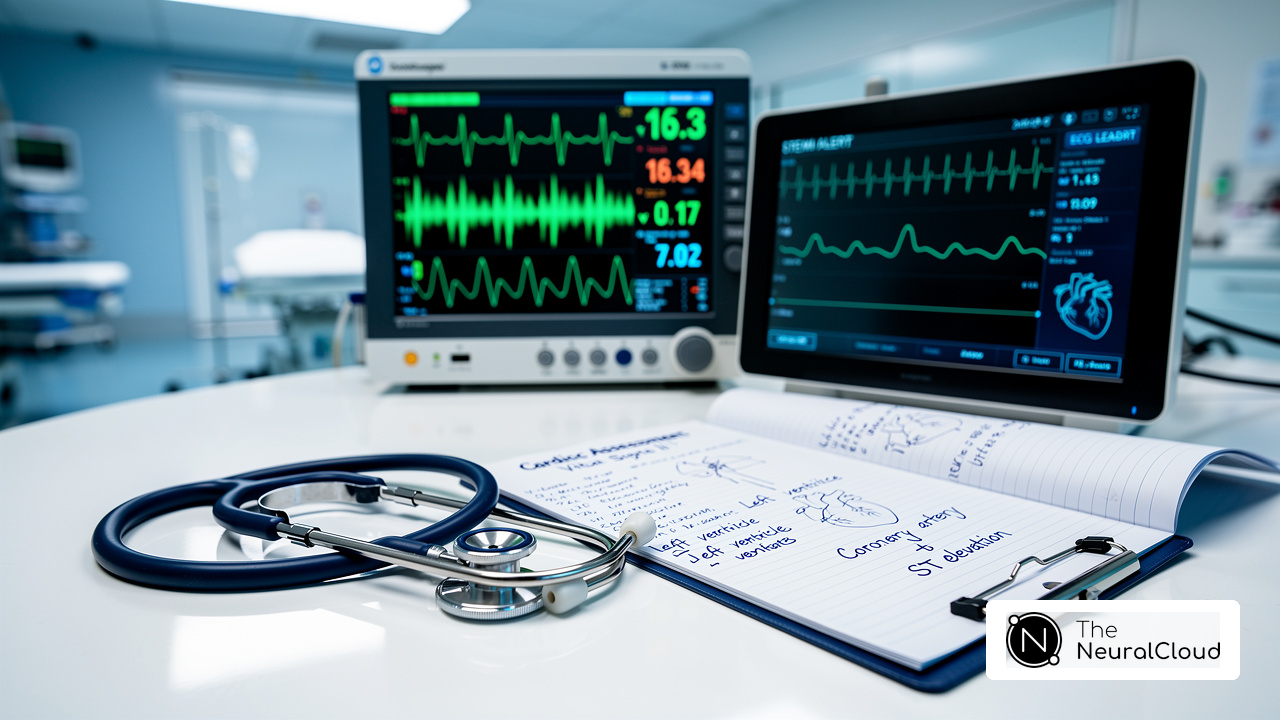
ST-Elevation Heart Attack (STEMI) is a condition characterized by a complete blockage of a coronary artery, leading to significant ischemia of heart tissue. This condition is identifiable through specific changes on an electrocardiogram (ECG), particularly ST-segment elevation in two or more contiguous leads. Understanding STEMI is crucial for healthcare professionals, as it indicates an urgent need for intervention to restore blood flow and minimize damage to the heart muscle. The urgency of treatment for STEMI arises from the fact that prolonged ischemia can result in irreversible myocardial injury, making timely intervention essential.
Neural Cloud Solutions' platform addresses the challenges faced in STEMI diagnosis by integrating advanced technology. One of its key features is the ECG analysis tool, which ensures that critical data are accurately interpreted. This capability is vital for the rapid diagnosis of heart attacks, allowing healthcare professionals to act quickly. The advantages of this innovative approach extend beyond accuracy; it also tackles issues such as physiological variability and signal artifacts, ultimately leading to improved patient outcomes.
By leveraging the MaxYield™ platform, healthcare professionals can enhance the efficiency of STEMI management. The platform not only improves the accuracy of ECG readings but also streamlines the diagnostic process, allowing for quicker decision-making in critical situations. This integration of technology into clinical practice represents a significant advancement in the management of STEMI, ensuring that patients receive timely and effective care.

Diagnose STEMI: Key Diagnostic Strategies and Tools
Identifying this condition requires a combination of clinical evaluation and diagnostic instruments, significantly enhanced by advanced technology such as Neural Cloud Solutions' ECG analysis. ECG analysis presents challenges, particularly in accurately diagnosing ST-Elevation Myocardial Infarction. The technology addresses these challenges through its advanced algorithms, improving diagnostic precision and supporting healthcare professionals in making confident clinical decisions.
Key Features of MaxYield™:
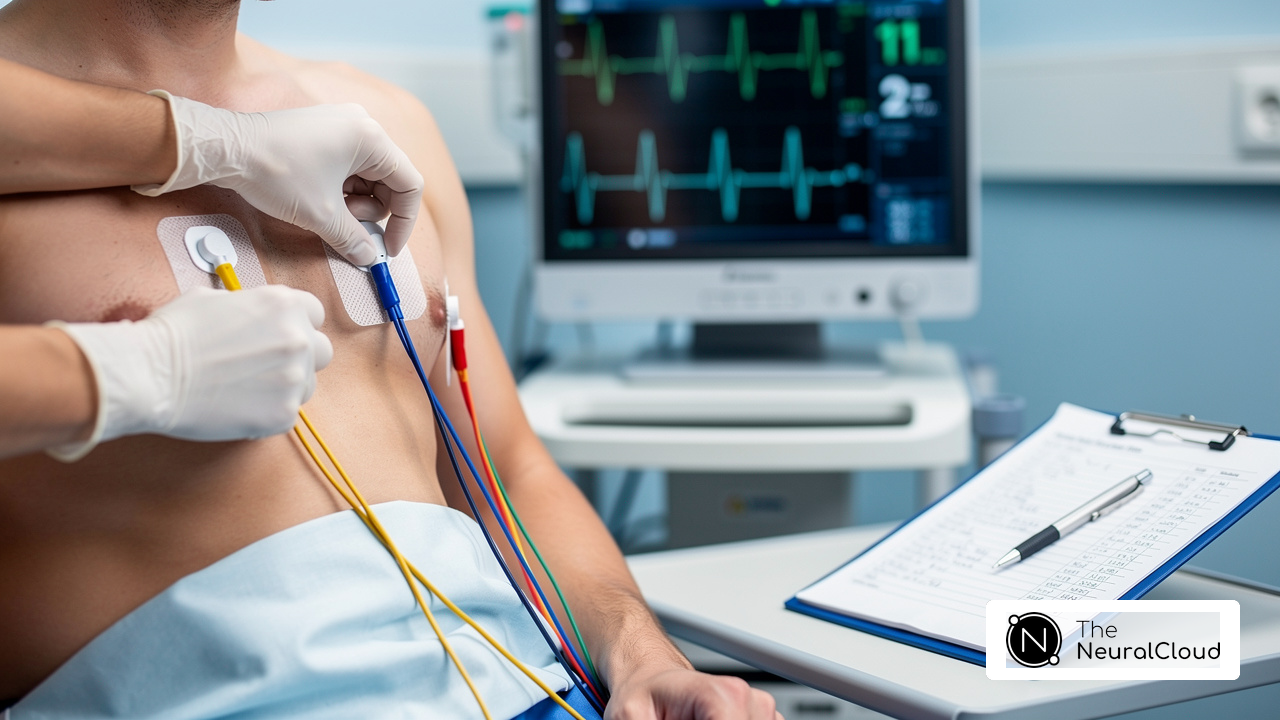
- ECG Monitoring: As the primary diagnostic tool for STEMI, it should be performed immediately upon patient presentation. Look for ST-segment elevation of 1 mm or more in two contiguous leads. MaxYield™ automates this process, mapping ECG signals through noise to isolate and label key features in every heartbeat, which is crucial for ensuring accurate readings in the diagnosis of myocardial infarction.
- Clinical Symptoms: Patients frequently exhibit chest pain, shortness of breath, and other signs of heart tissue ischemia. A thorough history and physical examination are crucial for accurate diagnosis.
- Cardiac Biomarkers: Increased concentrations of cardiac troponins in blood tests support the diagnosis of heart attack. These biomarkers signify heart tissue damage and assist in distinguishing acute myocardial infarction from other conditions.
- Imaging Techniques: In some cases, echocardiography or cardiac MRI may be utilized to assess myocardial function and identify areas of ischemia.
- AI Integration: Employing AI algorithms, like those in MaxYield™, enhances diagnostic precision by decreasing false positives and improving the identification of STEMI, especially in unusual presentations. MaxYield™ delivers beat-by-beat analysis, outputting insights from 200,000 heartbeats in less than 5 minutes, thus supporting confident clinical decisions.
Advantages for Healthcare Professionals:
The integration of MaxYield™ into clinical practice not only streamlines the ECG analysis process but also significantly improves patient outcomes. By providing accurate, real-time insights, healthcare professionals can make informed decisions quickly, ultimately enhancing patient care.

Treat STEMI: Current Treatment Approaches and Guidelines
The management of acute myocardial infarction focuses on swift reperfusion to restore blood circulation to the affected heart muscle. Here are the current approaches:
- Primary Percutaneous Coronary Intervention (PCI): This is the preferred treatment for STEMI, ideally performed within 90 minutes of first medical contact. PCI mechanically opens the blocked artery using a balloon and stent, allowing for immediate restoration of blood flow.
- Fibrinolytic Therapy: When PCI isn't available within the critical time frame, fibrinolytics can be administered to dissolve the clot obstructing the coronary artery. This therapy is most effective when given within the first few hours of symptom onset, significantly improving outcomes.
- Antiplatelet Therapy: Dual Antiplatelet Therapy (DAPT) with aspirin and a P2Y12 inhibitor (such as clopidogrel or ticagrelor) is recommended for at least 12 months following a STEMI event. This approach helps prevent thrombotic events, enhancing long-term patient safety.
- Adjunctive Medications: Beta-blockers, ACE inhibitors, and statins are commonly prescribed to manage risk factors and improve long-term outcomes for patients recovering from myocardial infarction.
- Guidelines Adherence: Adhering to the latest guidelines, such as the 2025 ACC/AHA recommendations, is crucial for optimizing treatment strategies and improving patient care. Following these guidelines ensures that healthcare professionals provide the best possible outcomes for their patients.

Integrate Technology: Enhancing STEMI Management with Advanced ECG Analysis
The integration of technology, particularly advanced ECG analysis, is crucial for improving STEMI myocardial infarction management. The challenges in diagnosis often stem from the time-consuming nature of interpretation and the need for accurate, real-time data. The technology addresses these challenges through several key features:
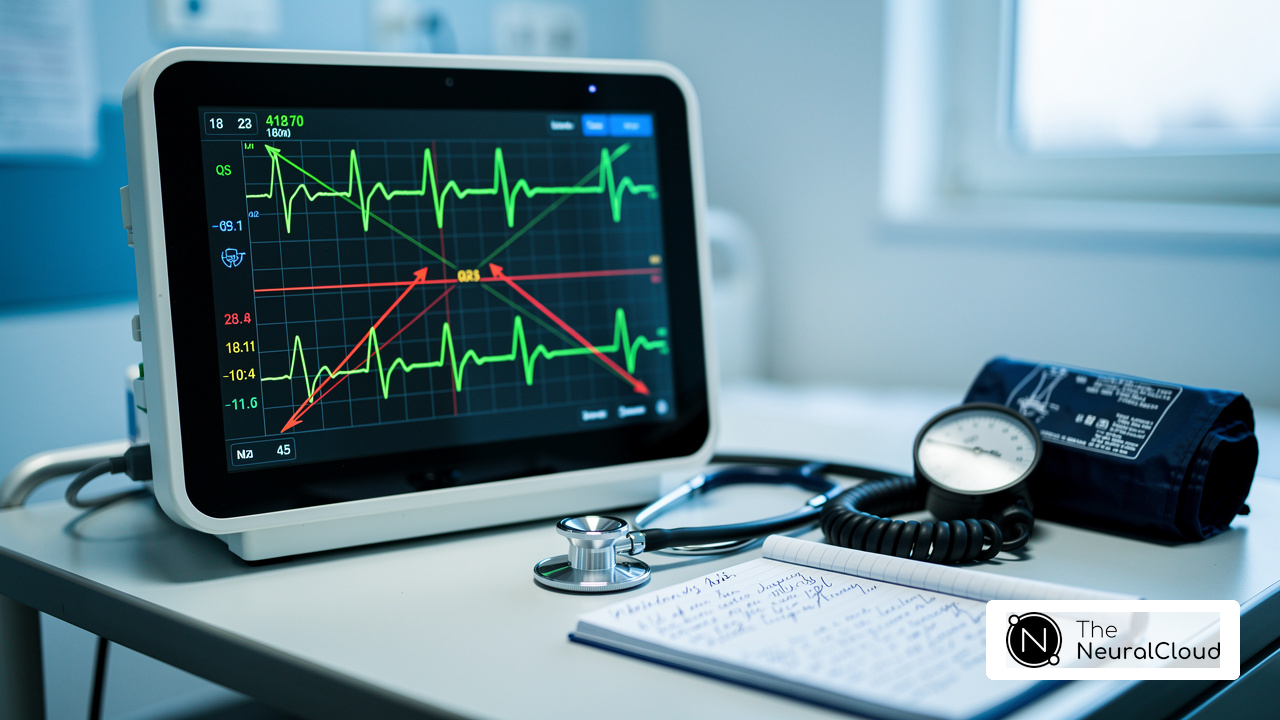
- Speed: With advanced algorithms, such as those found in Neural Cloud Solutions' technology, the time required for ECG interpretation is significantly reduced. This allows for quicker diagnosis and treatment initiation. The system effectively maps ECG signals through noise, isolating and labeling key features in every heartbeat. It delivers beat-by-beat analysis of 200,000 heartbeats in under five minutes, providing detailed insights on P-wave, QRS complex, and T-wave onsets and offsets.
- Remote Monitoring: Telehealth and remote monitoring systems offer continuous surveillance, enabling healthcare providers to promptly detect changes in a patient's condition. This solution integrates clean signals and clear data throughout the entire workflow, enhancing patient safety.
- Data Integration: Advanced platforms like Neural Cloud Solutions' system facilitate seamless integration of data from various devices. This improves the clarity and reliability of diagnostics. Its noise filtering and highlighting of P, QRS, and T waves streamline workflows and enhance diagnostic yield.
- Decision Support: AI-enhanced tools provided by this company assist clinicians in making informed choices. They offer evidence-based recommendations and alerts for critical changes in patient status, supporting confident clinical decisions and effectively identifying cardiac events.
- Training and Education: Incorporating technology into training programs for healthcare professionals ensures they are equipped to utilize these advanced tools effectively. By automating repetitive tasks and processing more data in less time, MaxYield™ enhances overall efficiency.
In summary, the integration of technology not only improves the efficiency of diagnosis but also enhances the quality of patient care by providing healthcare professionals with the tools they need to make informed decisions.

Conclusion
Mastering the complexities of ST-Elevation Myocardial Infarction (STEMI) is crucial for healthcare professionals, as timely and accurate diagnosis can greatly influence patient outcomes. This article has examined the essential elements of STEMI, covering its definition, diagnostic strategies, and the latest treatment approaches, along with the integration of advanced technology in clinical practice.
One of the key insights is the significance of the MaxYield™ platform for improved ECG analysis. This platform automates the interpretation process, enhancing diagnostic precision and streamlining clinical workflows. By utilizing MaxYield™, healthcare professionals can expect a more efficient analysis that leads to quicker decision-making in critical situations.
The article also highlighted the necessity of rapid reperfusion strategies, such as:
- Primary Percutaneous Coronary Intervention
- Fibrinolytic therapy
Adhering to the latest treatment guidelines is vital for optimizing patient care and ensuring the best possible outcomes.
As the field of STEMI management evolves, embracing technological advancements and evidence-based practices becomes increasingly important. Healthcare professionals are encouraged to stay updated on the latest research and tools available, ensuring they deliver the highest standard of care for patients experiencing myocardial infarction. The integration of AI and advanced diagnostic platforms not only boosts the efficiency of STEMI management but also plays a pivotal role in saving lives.
Frequently Asked Questions
What is STEMI?
STEMI stands for ST-Elevation Myocardial Infarction, a critical type of acute heart attack characterized by a complete blockage of a coronary artery, leading to significant ischemia of heart tissue.
How is STEMI identified?
STEMI is identifiable through specific changes on an electrocardiogram (ECG), particularly ST-segment elevation in two or more contiguous leads.
Why is understanding STEMI important for healthcare professionals?
Understanding STEMI is crucial for healthcare professionals as it indicates an urgent need for swift intervention to restore blood flow and minimize damage to the heart muscle.
What are the consequences of prolonged ischemia in STEMI?
Prolonged ischemia can result in irreversible myocardial injury, making timely diagnosis and management essential to prevent further damage.
How does Neural Cloud Solutions' platform assist in ECG analysis for STEMI?
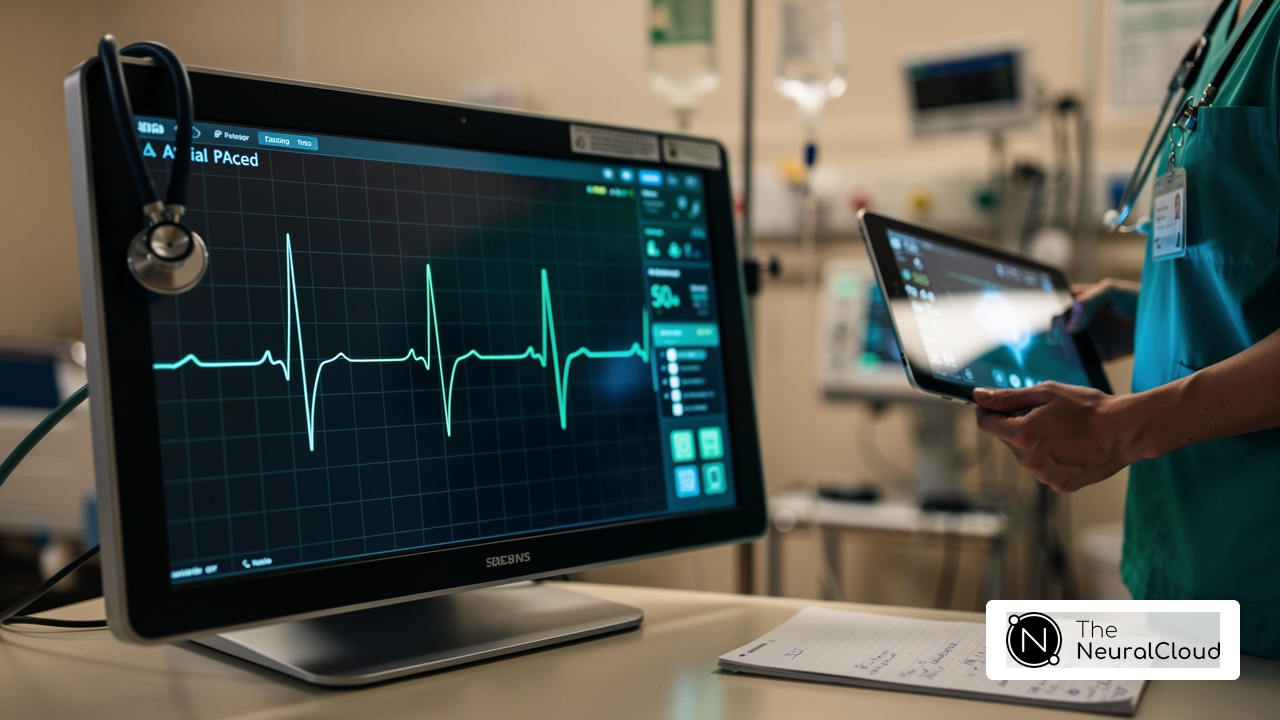
The platform integrates advanced AI-driven automation, including automated labeling of P-Waves and QRS-onsets, which ensures accurate interpretation of critical ECG signals for rapid diagnosis of heart attacks.
What are the benefits of using the MaxYield™ platform in ECG analysis?
The MaxYield™ platform enhances the efficiency of ECG analysis by improving accuracy, streamlining the diagnostic process, and allowing for quicker decision-making in critical situations.
How does technology integration impact the management of STEMI myocardial infarction?
The integration of technology into clinical practice represents a significant advancement in the management of STEMI, ensuring that patients receive timely and effective care.
List of Sources
- Define STEMI: Understanding ST-Elevation Myocardial Infarction
- New study finds AI model improves heart attack detection (https://health.ucdavis.edu/news/headlines/new-study-finds-ai-model-improves-heart-attack-detection/2025/11)
- Queen of Hearts AI Hits 92% STEMI Accuracy (https://powerfulmedical.com/blog/pmcardio-reports-positive-rct-results-and-late-breaking-clinical-science-for-stemi-detection)
- geekymedics.com (https://geekymedics.com/st-elevation-myocardial-infarction-stemi)
- sciencedirect.com (https://sciencedirect.com/science/article/pii/S1470211824026873)
- Integrate Technology: Enhancing STEMI Management with Advanced ECG Analysis
- Queen of Hearts AI Hits 92% STEMI Accuracy (https://powerfulmedical.com/blog/pmcardio-reports-positive-rct-results-and-late-breaking-clinical-science-for-stemi-detection)
- Mobile ECG Devices Market Size, Share | Forecast [2026-2034] (https://fortunebusinessinsights.com/mobile-ecg-devices-market-109626)
- Checking your browser - reCAPTCHA (https://pmc.ncbi.nlm.nih.gov/articles/PMC10800643)
- New study finds AI model improves heart attack detection (https://health.ucdavis.edu/news/headlines/new-study-finds-ai-model-improves-heart-attack-detection/2025/11)
- AI-Based ECG Analysis Significantly Improves STEMI Detection, Reduces False Activations - American College of Cardiology (https://acc.org/latest-in-cardiology/articles/2025/10/24/16/56/tues-554pm-ai-tct-2025)