Introduction
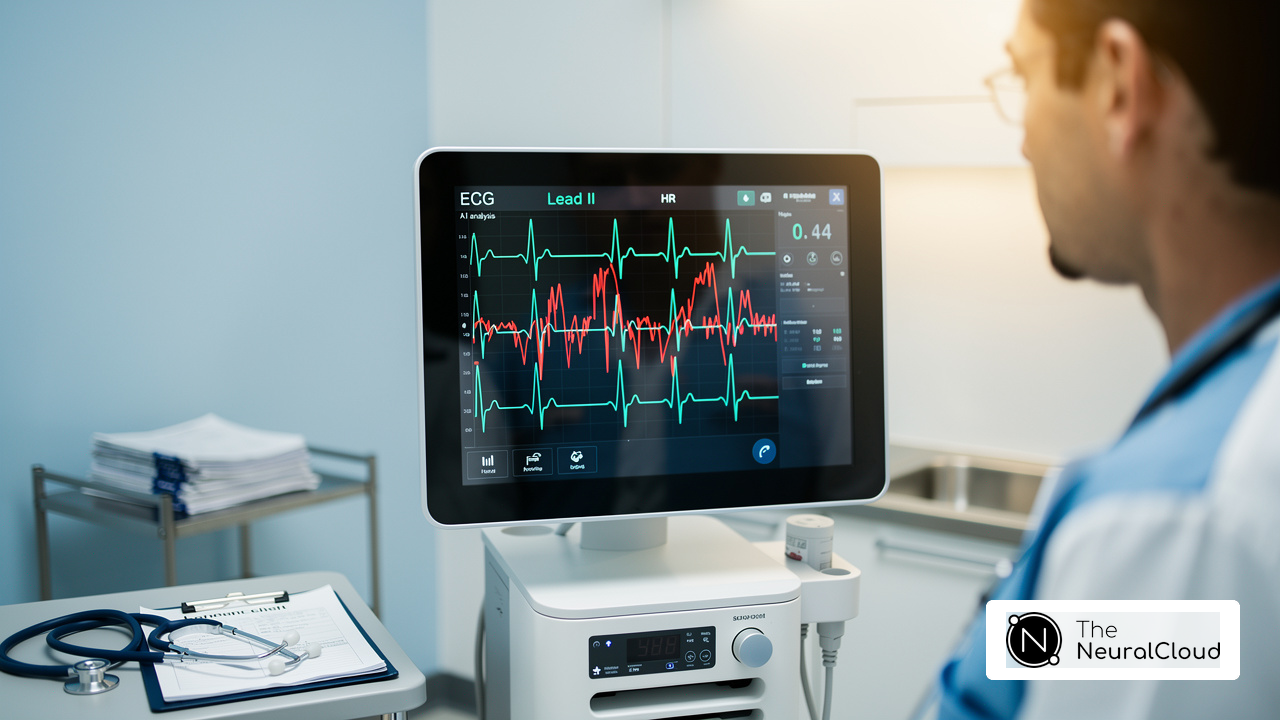
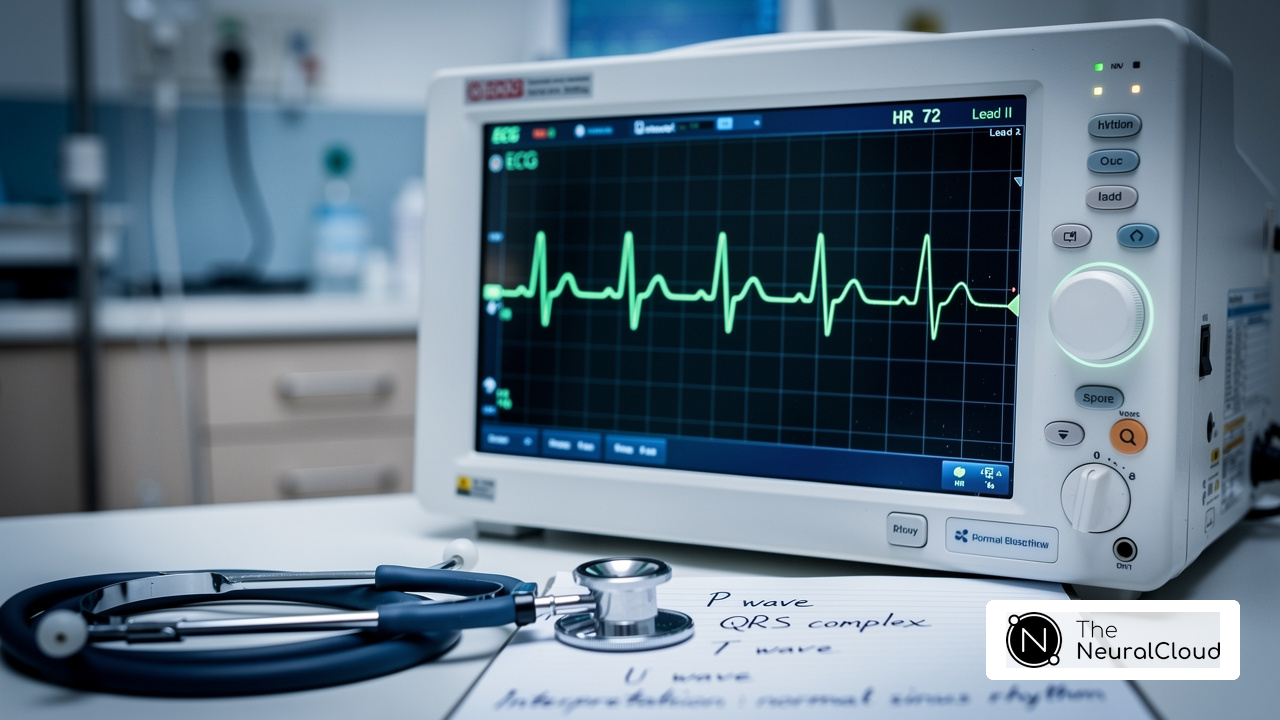
Timely diagnosis of ST-Elevation Myocardial Infarction (STEMI) is often hindered by the complexities of ECG interpretation. Let’s explore advanced ECG techniques that enhance the interpretation of STEMI rhythm strips, focusing on the latest technological advancements and best practices in cardiac care.
With the complexity of ECG readings and the potential for misinterpretation, understanding these advanced techniques is essential for clinicians to improve diagnostic accuracy and patient care.
Define STEMI: Key Concepts and Importance in Cardiac Care
ST-Elevation Myocardial Infarction poses a serious threat, as it results from a complete blockage of a coronary artery, leading to critical myocardial ischemia. You can identify this condition through specific changes in the electrocardiogram (ECG), especially by examining the stemi rhythm strip for ST-segment elevation in two or more contiguous leads. Identifying this type of heart attack is crucial, as it represents a medical emergency that necessitates immediate intervention to restore blood flow and minimize heart damage. Timely treatment is essential; studies indicate that prompt intervention can significantly reduce morbidity and mortality rates associated with acute coronary syndromes.
Recent data emphasizes the effect of prompt diagnosis of heart attacks on individual outcomes. For instance, a nationwide study revealed that delays in treatment can lead to increased mortality and complications, particularly among vulnerable populations. In Canada, the significance of rapid identification and handling of myocardial infarction is highlighted by expert views stressing that prompt primary percutaneous coronary intervention (PCI) is crucial for enhancing outcomes for individuals. Moreover, the Society for Cardiovascular Angiography & Interventions (SCAI) has created guidelines to standardize care for individuals with ST-elevation myocardial infarction, which includes the use of a stemi rhythm strip to ensure best practices are adhered to in clinical environments.
The connection between timely treatment and enhanced outcomes is clear in numerous case studies, which show that individuals receiving prompt care experience significantly better prognoses. As the field of interventional cardiology continues to advance, the focus on identifying and addressing ST-elevation myocardial infarction promptly remains a cornerstone of effective cardiac care, reinforcing the need for ongoing education and advocacy in this critical area. Additionally, the NACMI study aims to gather insights to improve care for COVID-positive heart attack patients, further highlighting the contemporary relevance of timely STEMI treatment.
Neural Cloud Solutions Inc.'s platform plays a crucial role in this context by providing hospital-grade ECG accuracy from consumer-grade devices. By ensuring clean PPG data and utilizing advanced noise filtering and wave recognition, the system enhances the efficiency of ECG analysis, allowing for rapid labeling and processing of critical data. The platform also offers premium subscription opportunities with unique metrics, catering to the need for near-clinical vitals for home management. Expert endorsements from Dr. Alan Rabinowitz, Dr. Brett Heilbron, and Dr. Marc W. Deyell emphasize MaxYield’s precision, rivaling human interpretation and significantly reducing noise-related artifacts. This innovative method helps solve the challenges of ECG analysis and supports the quick identification of heart attacks using a stemi rhythm strip, which can lead to better patient outcomes. Furthermore, MaxYield™ is pending FDA Class II SaMD clearance, ensuring compliance with regulatory standards and providing audit-ready documentation to support GxP inspections.

Identify STEMI Characteristics: ECG Findings and Diagnostic Criteria
Identifying ST-segment elevation myocardial infarction requires healthcare professionals to be adept at recognizing specific ECG findings, such as the stemi rhythm strip, that can be critical for timely intervention. Key characteristics include:
- ST-Segment Elevation: This is the hallmark of ST-Elevation Myocardial Infarction, defined as an elevation of at least 1 mm in two contiguous leads, typically occurring at the J point. In Canada, around 38% of individuals presenting with acute coronary syndrome (ACS) have a type of heart attack, emphasizing the critical nature of this finding.
- Reciprocal Changes: These may be observed in leads opposite to the area of infarction, often indicating significant ischemia. Recognizing these changes can aid in confirming the diagnosis.
- T-Wave Inversion: Following the initial ST elevation, T-wave inversion may occur, indicating evolving ischemia. This progression is crucial for monitoring the individual's condition.
- Pathological Q Waves: These may develop over time, indicating necrosis of myocardial tissue. Their presence can signify a more advanced stage of myocardial injury.
Grasping these criteria is vital for ensuring quick diagnosis and timely intervention, as misinterpretation of the stemi rhythm strip can lead to critical delays in treatment, underscoring the need for precise analysis. Moreover, recent advancements in AI-driven ECG interpretation have shown promise in enhancing diagnostic accuracy, particularly in recognizing unusual presentations of myocardial infarction that may not display classic ST-segment elevation. For instance, studies indicate that up to 40% of individuals with ST-elevation myocardial infarction may not display typical ECG findings, highlighting the necessity for improved diagnostic tools in clinical practice. Canadian healthcare professionals stress the significance of comprehensive ECG analysis to guarantee prompt and effective treatment for patients undergoing a heart attack. With advancements in technology, the potential for improved diagnostic accuracy in ECG interpretation is more crucial than ever for effective patient care during heart attacks.

Analyze STEMI Rhythm Strips: Step-by-Step Interpretation Techniques
Analyzing the STEMI rhythm strip can be challenging due to noise and artifacts that obscure critical data. To effectively analyze these strips using advanced ECG techniques, follow these systematic steps:
- Obtain a Clear ECG: Ensure the ECG is of high quality. A clear ECG is essential for reliable analysis. Diagnostic delays can happen if the signal quality is unclear. With MaxYield™, you can leverage advanced noise filtering capabilities to enhance the clarity of your ECG data.
- Identify the Rhythm: Determine whether the rhythm is regular or irregular by examining P waves and QRS complexes. This assessment helps in understanding the underlying rhythm and potential complications. The system automates this process, allowing for rapid identification of critical data.
- Measure Heart Rate: Calculate the heart rate using the 300 method or by counting the number of R-R intervals in a 6-second strip and multiplying by 10 for a quick estimate. Precise heart rate measurement is crucial for evaluating the patient's condition, and this system offers automated labeling to simplify this task.
- Assess the ST Segment: Look for ST-segment elevation in the appropriate leads, confirming that the elevation is at least 1 mm in two contiguous leads, which is critical for STEMI diagnosis. Timely recognition of the STEMI rhythm strip is vital, as it indicates the need for immediate intervention. This feature helps isolate ECG waves, even when recordings have a lot of noise.
- Evaluate T Waves: Check for T-wave inversions or hyperacute T waves, as these may indicate ongoing ischemia and require immediate attention. Acknowledging these changes can greatly influence patient results, and the adaptive algorithms enhance diagnostic yield over time.
- Look for Q Waves: Identify any pathological Q waves that may suggest myocardial necrosis, which is essential for understanding the extent of myocardial damage. Pathological Q waves can indicate a more severe cardiac event, and this tool aids in accurately detecting these critical markers.
By integrating these steps, you can enhance the precision of heart attack STEMI rhythm strip interpretation and align with best practices in cardiovascular care. As emphasized by experts like Dr. Alan Rabinowitz, Dr. Brett Heilbron, and Dr. Marc W. Deyell, MaxYield™ rivals human interpretation in precision and offers significant noise reduction benefits. Prompt serial assessments of high-sensitivity cardiac troponin (hs-cTn) can result in quicker diagnoses and shorter emergency department durations, highlighting the significance of precise ECG interpretation in the context of heart attack diagnosis. With MaxYield™, healthcare professionals can achieve faster, more accurate diagnoses, ultimately improving patient outcomes.

Leverage Technology: Enhancing ECG Analysis with Advanced AI Solutions
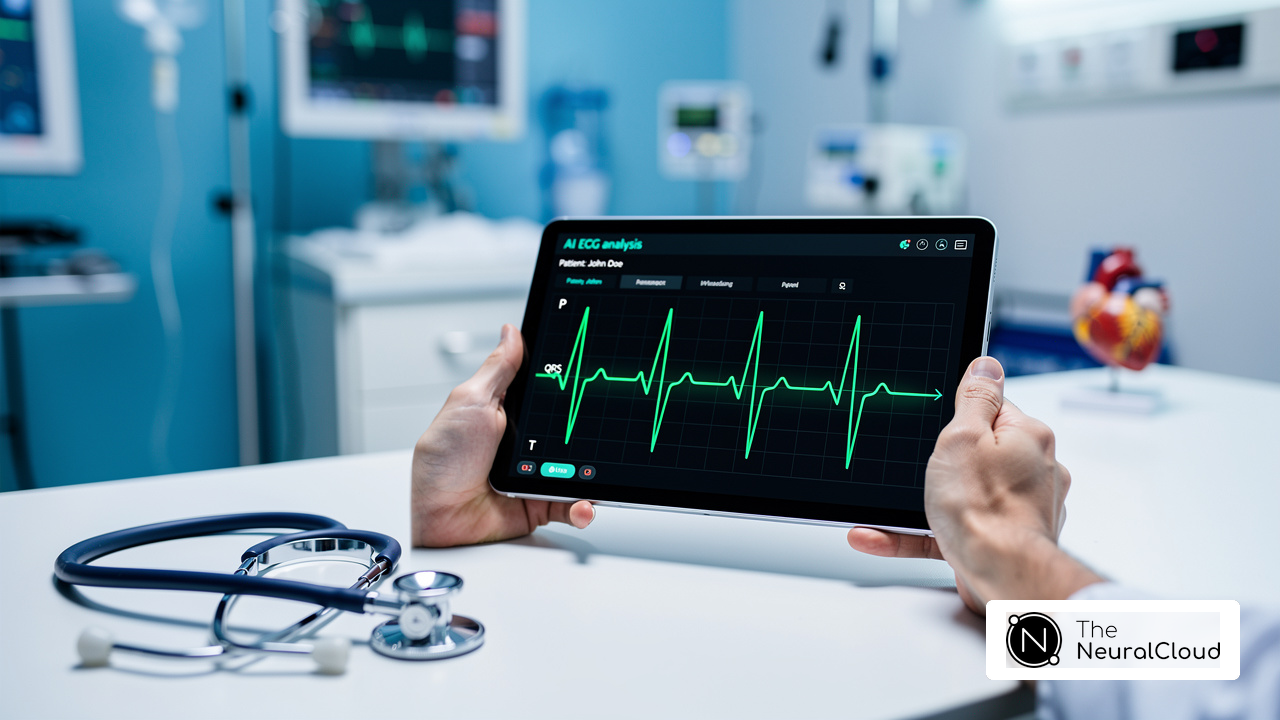
Timely detection of ST-elevation myocardial infarction (STEMI) is a critical challenge in cardiology, and the incorporation of artificial intelligence (AI) into the analysis of the STEMI rhythm strip represents a significant advancement in addressing this issue. Here are key ways AI enhances STEMI detection in Canada:
- Automated Interpretation: The system employs advanced AI algorithms to analyze ECG data swiftly, recognizing heart attack patterns with high precision, frequently competing with human analysis. According to Dr. Alan Rabinowitz, this system's precision in detecting critical cardiac events is truly unmatched.
- Real-Time Notifications: AI systems within this platform can provide instant alerts to healthcare providers when STEMI is detected, facilitating quicker response times and enhancing outcomes for individuals.
- Data Integration: Advanced AI solutions such as this system can integrate data from various sources, including patient history and other diagnostic tests, to provide a comprehensive assessment, streamlining workflows for clinicians in Toronto and Calgary.
- Continuous Learning: The system employs a continuous learning model, improving over time by learning from new data, which enhances its diagnostic capabilities and reduces false positives and negatives. Dr. Brett Heilbron notes that this adaptability is crucial for addressing physiological variability in ECG analysis.
- Regulatory Compliance: The product is currently pending FDA Class II SaMD clearance and is equipped with audit-ready documentation to support GxP inspections, ensuring adherence to regulatory standards.
- Visualization Tool: Insight360 complements the existing system by transforming clean ECG data into interactive dashboards and clinical-ready reports, enhancing the overall analysis experience.
By integrating AI, healthcare professionals can significantly enhance their ability to detect the STEMI rhythm strip, leading to faster interventions and better patient outcomes. Exploring the capabilities of MaxYield™ could be the key to transforming your approach to ECG analysis and improving patient care.

Conclusion
Mastering the analysis of ST-Elevation Myocardial Infarction (STEMI) through advanced ECG techniques is essential for improving patient outcomes in cardiac care. Many healthcare professionals struggle with the complexities of STEMI rhythm strip analysis, which is crucial for improving patient outcomes in cardiac care. Accurately interpreting STEMI rhythm strips helps ensure timely diagnoses and improves the effectiveness of treatments. Throughout this article, we've seen how advanced technologies like those from Neural Cloud Solutions Inc. and MaxYield™ can improve the precision and efficiency of ECG analysis, leading to better management of heart attack cases.
Key insights discussed include:
- The critical characteristics of STEMI as identified on ECG
- The step-by-step techniques for analyzing rhythm strips
- The transformative role of AI in enhancing diagnostic accuracy
The importance of recognizing ST-segment elevation, reciprocal changes, and other key markers cannot be overstated, as these elements are vital for ensuring prompt treatment. Furthermore, the advancements in AI-driven solutions provide healthcare professionals with tools that not only streamline the analysis process but also improve the overall quality of care delivered to patients in Canada.
In conclusion, many healthcare professionals struggle with the complexities of STEMI rhythm strip analysis, which is crucial for improving patient outcomes in cardiac care. As the landscape of cardiac care continues to evolve, embracing advanced ECG techniques and AI solutions will be crucial for clinicians, researchers, and diagnostic facilities alike. By embracing advanced ECG techniques and AI solutions, the healthcare community can transform the landscape of STEMI management, ultimately saving lives across Canada.
Frequently Asked Questions
What is STEMI and why is it important in cardiac care?
ST-Elevation Myocardial Infarction (STEMI) is a serious condition resulting from a complete blockage of a coronary artery, leading to critical myocardial ischemia. It is important because it represents a medical emergency that requires immediate intervention to restore blood flow and minimize heart damage.
How can STEMI be identified?
STEMI can be identified through specific changes in the electrocardiogram (ECG), particularly by examining the stemi rhythm strip for ST-segment elevation in two or more contiguous leads.
What is the significance of timely treatment for STEMI?
Timely treatment is crucial as studies indicate that prompt intervention can significantly reduce morbidity and mortality rates associated with acute coronary syndromes. Delays in treatment can lead to increased mortality and complications, especially among vulnerable populations.
What guidelines exist for the treatment of STEMI?
The Society for Cardiovascular Angiography & Interventions (SCAI) has created guidelines to standardize care for individuals with STEMI, which includes the use of a stemi rhythm strip to ensure best practices in clinical environments.
How does the connection between timely treatment and patient outcomes manifest?
Numerous case studies show that individuals receiving prompt care for STEMI experience significantly better prognoses, reinforcing the importance of rapid identification and treatment.
What role does Neural Cloud Solutions Inc. play in STEMI diagnosis?
Neural Cloud Solutions Inc. provides a platform that ensures hospital-grade ECG accuracy from consumer-grade devices, enhancing the efficiency of ECG analysis and allowing for rapid labeling and processing of critical data.
What features does the MaxYield platform offer for ECG analysis?
The MaxYield platform offers advanced noise filtering and wave recognition, ensuring clean PPG data and improving the accuracy of ECG analysis, which aids in the quick identification of heart attacks.
What endorsements support the effectiveness of MaxYield?
Expert endorsements from Dr. Alan Rabinowitz, Dr. Brett Heilbron, and Dr. Marc W. Deyell emphasize MaxYield’s precision, which rivals human interpretation and significantly reduces noise-related artifacts in ECG analysis.
What is the regulatory status of MaxYield?
MaxYield™ is pending FDA Class II SaMD clearance, ensuring compliance with regulatory standards and providing audit-ready documentation to support GxP inspections.
List of Sources
- Define STEMI: Key Concepts and Importance in Cardiac Care
- Outcomes from COVID-19 STEMI Research Study Presented in TCT Late-Breaking Clinical Science Session | Minneapolis Heart Institute Foundation (https://mplsheart.org/news/outcomes-covid-19-stemi-research-study-presented-tct-late-breaking-clinical-science-session)
- Nationwide Study Finds Significant Decline in Treatment for Heart Attacks During Pandemic | SCAI (https://scai.org/media-center/news-and-articles/nationwide-study-finds-significant-decline-treatment-heart-attacks)
- Study reinforces need for greater coordination in heart attack care (https://newsroom.heart.org/news/study-reinforces-need-for-greater-coordination-in-heart-attack-care)
- New Stemi-DTU Data Provides Deeper Insight Into Patient Outcomes | SCAI (https://scai.org/media-center/news-and-articles/new-stemi-dtu-data-provides-deeper-insight-patient-outcomes)
- Identify STEMI Characteristics: ECG Findings and Diagnostic Criteria
- AI-based ECG interpretation outperforms standard diagnosis of occlusive myocardial infarction (https://news-medical.net/news/20260323/AI-based-ECG-interpretation-outperforms-standard-diagnosis-of-occlusive-myocardial-infarction.aspx)
- Queen of Hearts AI Hits 92% STEMI Accuracy (https://powerfulmedical.com/blog/pmcardio-reports-positive-rct-results-and-late-breaking-clinical-science-for-stemi-detection)
- AI-Based ECG Analysis Significantly Improves STEMI Detection, Reduces False Activations - American College of Cardiology (https://acc.org/latest-in-cardiology/articles/2025/10/24/16/56/tues-554pm-ai-tct-2025)
- Acute ST-Segment Elevation Myocardial Infarction (STEMI) - StatPearls - NCBI Bookshelf (https://ncbi.nlm.nih.gov/books/NBK532281)
- STEMI ECG Criteria: ST-Elevation Thresholds (https://powerfulmedical.com/blog/stemi-ecg-criteria)
- AI-ECG Finds STEMI Faster, Cuts False-Positive Cath Lab Activations (https://tctmd.com/news/ai-ecg-finds-stemi-faster-cuts-false-positive-cath-lab-activations)
- Analyze STEMI Rhythm Strips: Step-by-Step Interpretation Techniques
- STEMI ECG Criteria: ST-Elevation Thresholds (https://powerfulmedical.com/blog/stemi-ecg-criteria)
- STEMI - Electrocardiogram - M3 Curriculum | SAEM (https://saem.org/about-saem/academies-interest-groups-affiliates2/cdem/for-students/online-education/m3-curriculum/group-electrocardiogram-(ecg)-rhythm-recognition/stemi)
- Top 5 MI ECG Patterns You Must Know (https://healio.com/cardiology/learn-the-heart/ecg-review/ecg-interpretation-tutorial/stemi-mi-ecg-pattern)
- Acute ST-Segment Elevation Myocardial Infarction (STEMI) - StatPearls - NCBI Bookshelf (https://ncbi.nlm.nih.gov/books/NBK532281)
- Leverage Technology: Enhancing ECG Analysis with Advanced AI Solutions
- AI-ECG Finds STEMI Faster, Cuts False-Positive Cath Lab Activations (https://tctmd.com/news/ai-ecg-finds-stemi-faster-cuts-false-positive-cath-lab-activations)
- The diagnostic accuracy of artificial intelligence enhanced electrocardiography for the detection of cardiac dysfunction (https://explorationpub.com/Journals/ec/Article/101293)
- New study finds AI model improves heart attack detection (https://health.ucdavis.edu/news/headlines/new-study-finds-ai-model-improves-heart-attack-detection/2025/11)
- AI-Based ECG Analysis Significantly Improves STEMI Detection, Reduces False Activations - American College of Cardiology (https://acc.org/latest-in-cardiology/articles/2025/10/24/16/56/tues-554pm-ai-tct-2025)