Introduction
As telemetry transforms cardiac diagnostics, the challenge of accurately interpreting heart rhythm data grows. Telemetry has transformed cardiac diagnostics by allowing continuous heart rhythm monitoring and timely interventions for at-risk patients. Healthcare providers must understand best practices for interpreting telemetry data to enhance patient safety and care quality.
Clinicians often struggle with the overwhelming amount of data generated by telemetry systems. With rapid advancements in telemetry systems and AI algorithms, clinicians face challenges in effectively interpreting complex data. This lack of clarity can lead to misinterpretations that jeopardize patient care. Clinicians must adapt to these changes to safeguard patient outcomes and enhance care quality.
Define Telemetry and Its Role in Cardiac Diagnostics
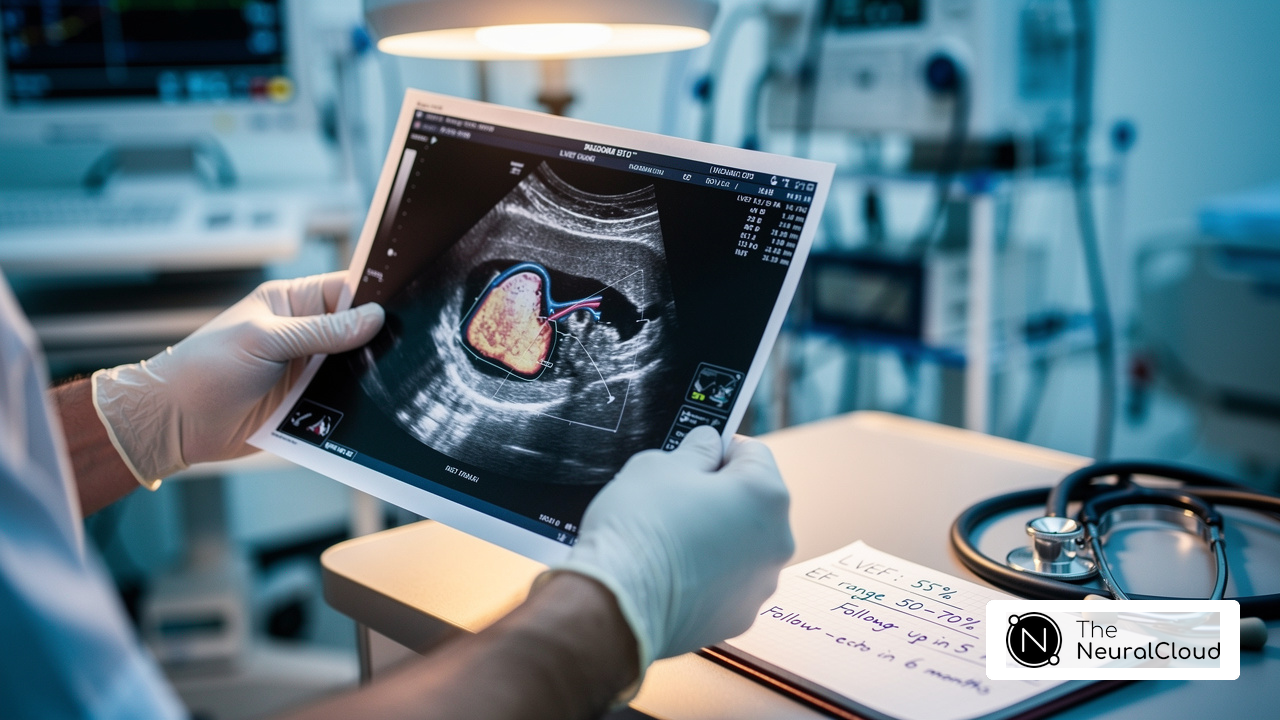
Telemetry automates the collection and transmission of heart data to a monitoring station, allowing healthcare providers to continuously observe heart rhythms. In cardiac diagnostics, remote monitoring is vital for real-time observation, especially for individuals at risk of arrhythmias or other cardiac events. This technology enhances safety by enabling timely interventions, crucial in acute care settings. For example, monitoring systems can alert medical personnel to significant changes in heart rate or rhythm, facilitating prompt evaluation and response.
The integration of remote monitoring into clinical practice has transformed cardiac management, establishing it as an essential tool in modern cardiology. Recent advancements in remote monitoring, particularly in Canada, have improved diagnostic precision and health outcomes. The mobile cardiac monitoring (MCT) market is expected to grow significantly due to the rising incidence of cardiovascular diseases and the demand for off-site monitoring solutions. As medical professionals adopt these technologies, the focus on enhancing patient safety through efficient monitoring systems remains critical.
With Neural Cloud Solutions Inc.'s MaxYield platform, healthcare professionals can utilize advanced noise reduction and automated ECG analysis to enhance monitoring precision. MaxYield delivers beat-by-beat analysis and isolates key features in ECG signals, supporting better clinical decision-making. The platform is also pending FDA Class II SaMD clearance, ensuring compliance with regulatory standards. Experts like Dr. Alan Rabinowitz and Dr. Brett Heilbron note that MaxYield's precision rivals human telemetry interpretation, making it a valuable asset in telemetry systems.
Additionally, Insight360 serves as a customizable visualization tool that transforms MaxYield’s clean ECG data into interactive dashboards and clinical-ready reports. As cardiac diagnostics evolve, leveraging platforms like MaxYield will be essential for enhancing patient outcomes.

Implement Best Practices for Telemetry Data Interpretation
Accurate telemetry interpretation is essential for effective patient care, yet several challenges can hinder this process. To maximize the effectiveness of telemetry data interpretation, healthcare professionals should adhere to several best practices:
- Ensure Proper Equipment Setup: It's vital to regularly maintain and check monitoring equipment to avoid any technical failures. This includes verifying electrode placement and ensuring that monitoring devices are functioning optimally, which is essential for accurate readings.
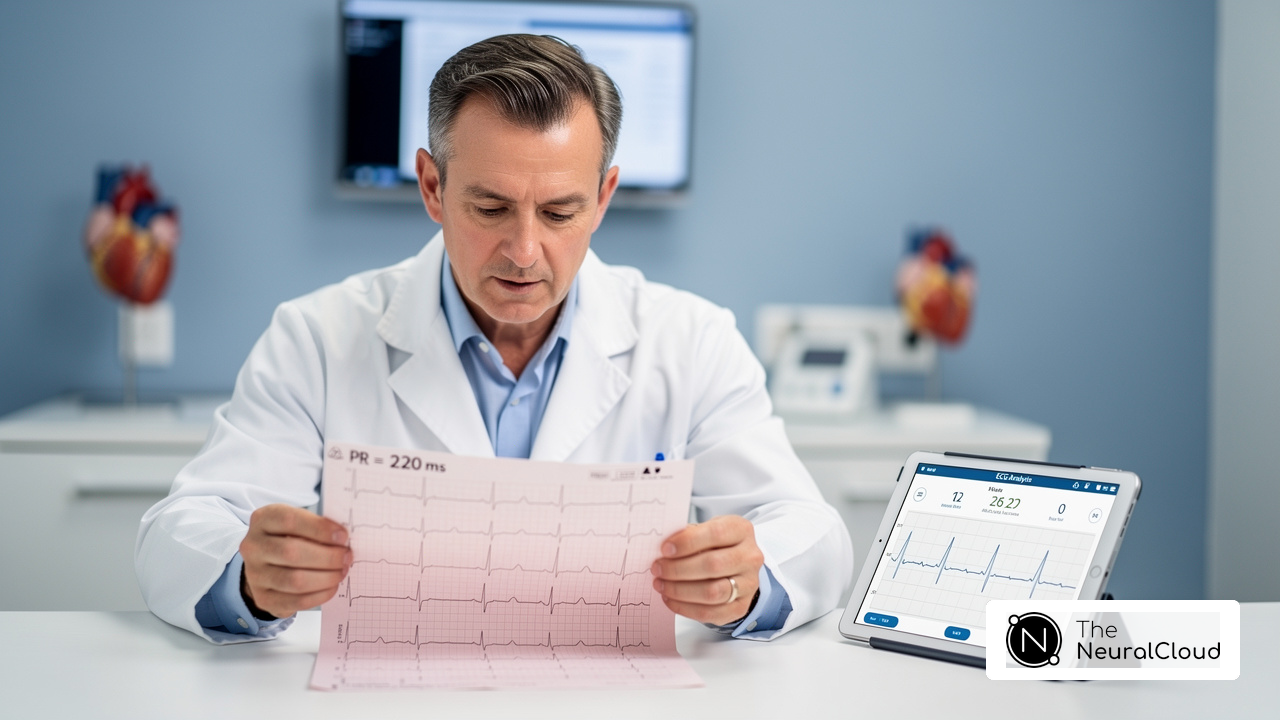
- Standardizing telemetry interpretation protocols is essential for accurate ECG analysis. Training staff in telemetry interpretation to recognize normal versus abnormal rhythms and understand the clinical significance of various arrhythmias can significantly enhance diagnostic accuracy and consistency in patient care.
- Utilize Advanced Algorithms: Using AI-driven algorithms can help spot patterns and anomalies in data streams more effectively. These advanced tools not only enhance diagnostic accuracy but also alleviate the cognitive load on healthcare providers, allowing them to focus on critical decision-making.
- Continuous Education and Training: It's important to regularly update training programs to keep staff in the loop about the latest advancements in monitoring and ECG interpretation. This continuous education guarantees that all team members are prepared to make informed choices based on monitoring information, ultimately enhancing outcomes for individuals.
- Collaborative Review: Encouraging a team approach where cardiologists, nurses, and monitoring technicians collaborate on analyzing data leads to more comprehensive evaluations. This teamwork fosters better communication and enhances the overall quality of patient care.
Ultimately, these best practices not only enhance diagnostic accuracy but also contribute to improved patient safety and care quality.

Leverage Advanced Technologies for Enhanced ECG Analysis
Integrating advanced technologies into data transmission and telemetry interpretation can significantly enhance diagnostic capabilities. Traditional ECG analysis often struggles with accuracy and timely detection of critical conditions, highlighting the need for advanced telemetry interpretation integration. Here are key technologies to consider:
- Artificial Intelligence (AI) algorithms can quickly analyze vast amounts of ECG information, enabling effective telemetry interpretation by identifying patterns that may be missed by human analysis. For instance, AI has demonstrated a significant impact on STEMI detection, with studies showing that AI-enhanced models can reduce false positive activation rates from 42% to 8%, while increasing sensitivity from 71% to 92%. This capability is crucial for timely interventions in acute care settings.
- Wearable Technology: Devices such as smartwatches and portable ECG monitors enable continuous monitoring outside of clinical settings. In Canada, the adoption of wearable technology for cardiac monitoring is increasing, providing medical professionals with real-time information that can be incorporated into monitoring systems. With this continuous stream of information, healthcare professionals can achieve better telemetry interpretation of a patient's cardiac health, allowing for proactive management of conditions.
- Cloud Computing: Utilizing cloud-based platforms for information storage and analysis enables medical providers to access monitoring information from anywhere, enhancing remote observation and consultations. This is especially advantageous for overseeing individuals with chronic conditions, as it facilitates timely interventions based on current information.
- Information Visualization Tools: Advanced visualization instruments can convert intricate sensor information into user-friendly dashboards, facilitating easier telemetry interpretation and action for medical providers. These tools can highlight trends and anomalies, thereby enhancing decision-making processes and improving outcomes for individuals through effective telemetry interpretation.
- Interoperability Solutions: Ensuring that monitoring systems can interact with other medical technologies is crucial for smooth information integration. This interoperability allows for a holistic approach to patient care, where all relevant data is accessible on one platform, ultimately improving the efficiency and effectiveness of cardiac diagnostics through telemetry interpretation.
By adopting these technologies, healthcare professionals can significantly enhance diagnostic accuracy and patient outcomes.

Overcome Challenges in Telemetry Implementation
Implementing telemetry systems in healthcare presents a range of challenges that must be effectively managed to ensure optimal patient care:
- Staff Training and Engagement: Ensuring that all staff members are adequately trained in using monitoring systems is crucial. When training is well-organized, it really helps staff become more skilled at telemetry interpretation, which can lead to better patient outcomes. Regular training sessions and hands-on workshops significantly enhance staff confidence and competence.
- Technical Limitations: Technical issues like equipment malfunctions or connectivity problems can really get in the way of how well monitoring systems work. Establishing a robust technical support system and routine maintenance schedules is essential to mitigate these issues and ensure continuous operation.
- Information Overload: The amount of information produced by telemetry systems can be overwhelming for medical professionals. Implementing filtering algorithms and prioritization protocols allows staff to focus on the most critical information, enhancing decision-making processes and patient care. MaxYield™ automates repetitive tasks and processes more information in less time, significantly reducing the cognitive load on healthcare providers. Insight360 transforms MaxYield’s clean ECG data into interactive dashboards, providing a comprehensive view of data management.
- Cost Considerations: The cost of advanced monitoring systems can be a real hurdle for some facilities. Exploring partnerships with technology providers or seeking grants can help alleviate these costs, making it easier for medical organizations to adopt necessary technologies.
- Regulatory Compliance: Adherence to medical regulations and standards is crucial for the effective deployment of monitoring systems. Frequent evaluations and revisions to procedures assist in upholding compliance and enhancing overall monitoring practices, ensuring that the safety of individuals is prioritized. Neural Cloud Solutions Inc. is committed to maintaining FDA Class II SaMD clearance-pending status and providing audit-ready documentation supporting GxP inspections.
By strategically addressing these challenges, healthcare providers can significantly improve the effectiveness of telemetry interpretation, ultimately enhancing patient outcomes.

Conclusion
In the realm of cardiac diagnostics, the complexities of ECG analysis present significant challenges that demand innovative solutions. Automating heart data collection and transmission allows healthcare providers to monitor rhythms and respond to critical changes in real-time. The integration of advanced technologies, such as AI-driven algorithms and cloud computing, enhances the precision of telemetry interpretation, making it an indispensable tool in modern cardiology.
This article has explored essential best practices for effective telemetry interpretation, emphasizing the importance of:
- Proper equipment setup
- Standardized protocols
- Advanced algorithms
Fostering a collaborative review process among healthcare professionals and ensuring continuous education and training are crucial for keeping staff updated on the latest advancements. These practices ultimately lead to improved diagnostic accuracy and enhanced patient care quality.
As the landscape of cardiac diagnostics continues to evolve, embracing these best practices and advanced technologies is vital for overcoming challenges in telemetry implementation. By prioritizing effective telemetry interpretation, healthcare providers can significantly enhance patient outcomes and ensure that individuals receive the highest standard of care. The future of cardiac monitoring hinges on the commitment to excellence in telemetry interpretation and the adoption of cutting-edge technologies.
Frequently Asked Questions
What is telemetry in the context of cardiac diagnostics?
Telemetry automates the collection and transmission of heart data to a monitoring station, allowing healthcare providers to continuously observe heart rhythms.
Why is remote monitoring important in cardiac diagnostics?
Remote monitoring is vital for real-time observation, especially for individuals at risk of arrhythmias or other cardiac events, enhancing safety by enabling timely interventions in acute care settings.
How does telemetry improve patient safety?
Telemetry systems can alert medical personnel to significant changes in heart rate or rhythm, facilitating prompt evaluation and response, which is crucial for patient safety.
What recent advancements have been made in remote monitoring in Canada?
Recent advancements have improved diagnostic precision and health outcomes, with the mobile cardiac monitoring (MCT) market expected to grow due to the rising incidence of cardiovascular diseases and demand for off-site monitoring solutions.
How does Neural Cloud Solutions Inc.'s MaxYield platform enhance cardiac monitoring?
MaxYield utilizes advanced noise reduction and automated ECG analysis to enhance monitoring precision, delivering beat-by-beat analysis and isolating key features in ECG signals to support better clinical decision-making.
What is the regulatory status of the MaxYield platform?
The MaxYield platform is pending FDA Class II SaMD clearance, ensuring compliance with regulatory standards.
How does Insight360 complement the MaxYield platform?
Insight360 serves as a customizable visualization tool that transforms MaxYield’s clean ECG data into interactive dashboards and clinical-ready reports.
What do experts say about the precision of MaxYield?
Experts like Dr. Alan Rabinowitz and Dr. Brett Heilbron note that MaxYield's precision rivals human telemetry interpretation, making it a valuable asset in telemetry systems.
List of Sources
- Define Telemetry and Its Role in Cardiac Diagnostics
- Philips Urgent Medical Device Correction: Mobile Cardiac Telemetry (MCT) or Event Diagnostic Service Processing - HRS (https://hrsonline.org/resource/philips-mct-event-diagnostic-service-medical-correction)
- Mobile Cardiac Telemetry System Market | Global Market Analysis Report - 2035 (https://futuremarketinsights.com/reports/mobile-cardiac-telemetry-systems-market)
- Philips Unveils Smart Telemetry Platform for Continuous Cardiac Monitoring (https://dicardiology.com/content/philips-unveils-smart-telemetry-platform-continuous-cardiac-monitoring)
- Canada Mobile Cardiac Telemetry (Mct) Market Size, Trends, Growth Report 2032 (https://databridgemarketresearch.com/reports/canada-mobile-cardiac-telemetry-mct-market?srsltid=AfmBOortGXNEFBG0S_KYg6yOdUrniWudfRFU6IptHeYbn0qvlzMKQ2t4)
- Medtronic Announces Canadian Launch of Miniature Cardiac Monitor, Reveal LINQ™ ICM (https://tctmd.com/news/medtronic-announces-canadian-launch-miniature-cardiac-monitor-reveal-linqtm-icm)
- Implement Best Practices for Telemetry Data Interpretation
- Too much of a good thing: Optimizing cardiac telemetry monitoring (https://vizientinc.com/insights/blogs/2024/too-much-of-a-good-thing-optimizing-cardiac-telemetry-monitoring)
- Optimizing telemetry use: current opportunities and future perspectives (https://clinicalview.gehealthcare.com/webinar/optimizing-telemetry-use-current-opportunities-and-future-perspectives)
- AHA Telemetry Guidelines Improve Telemetry Utilization in the Inpatient Setting | AJMC (https://ajmc.com/view/aha-telemetry-guidelines-improve-telemetry-utilization-in-the-inpatient-setting)
- Leverage Advanced Technologies for Enhanced ECG Analysis
- MedTech Breakthrough Names AI-powered Hyperkalemia Detection Software 'Best New ECG Technology Solution' (https://dicardiology.com/content/medtech-breakthrough-names-ai-powered-hyperkalemia-detection-software-best-new-ecg)
- AI-Based ECG Analysis Significantly Improves STEMI Detection, Reduces False Activations - American College of Cardiology (https://acc.org/latest-in-cardiology/articles/2025/10/24/16/56/tues-554pm-ai-tct-2025)
- Three New Studies Show Viz.ai’s Cardio Suite Speeds Detection of Cardiac Disease and Improves Patient Follow-Up (https://viz.ai/news/three-new-studies-show-viz-ais-cardio-suite-speeds-detection-of-cardiac-disease-and-improves-patient-follow-up)
- AI could safely replace human analysis of ambulatory ECG - News - PHRI (https://phri.ca/draimartini)
- Overcome Challenges in Telemetry Implementation
- Overcoming the Challenges of Implementing Connected Health Telemetry Initiatives (https://xtalks.com/webinars/overcoming-the-challenges-of-implementing-connected-health-telemetry-initiatives)
- Managing Clinical IT and Telemetry Infrastructure (https://gehealthcare.com/en-us/insights/article/managing-clinical-it-and-telemetry-infrastructure?srsltid=AfmBOopeYkrhgokIEh8KrUevAV5PpnK-JO9cRJ1vfXdy0UfcHyIVGW19)
- 39 Statistics that Prove the Value of Employee Training (https://lorman.com/blog/post/39-statistics-that-prove-the-value-of-employee-training?srsltid=AfmBOoqBPWp7us6EnHBKjT3Chdpxes8r5h4rluyt4iZBxhI9QhLUs-Fq)
- 15 Employee Training Software Statistics For L&D Strategy in 2026 (https://engageli.com/blog/15-employee-training-software-statistics-for-ld-strategy-in-2026)