Introduction
Telemetry measurements are transforming health technology by enabling real-time monitoring of vital signs and supporting quick decision-making in patient care. As healthcare providers increasingly adopt these advanced systems, grasping their integration and benefits is essential for improving patient outcomes and operational efficiency. However, with the rising demand for seamless data transfer and security compliance, healthcare organizations face the challenge of navigating the complexities of telemetry implementation while ensuring patient privacy is protected.
Define Telemetry and Its Role in Health Tech Development
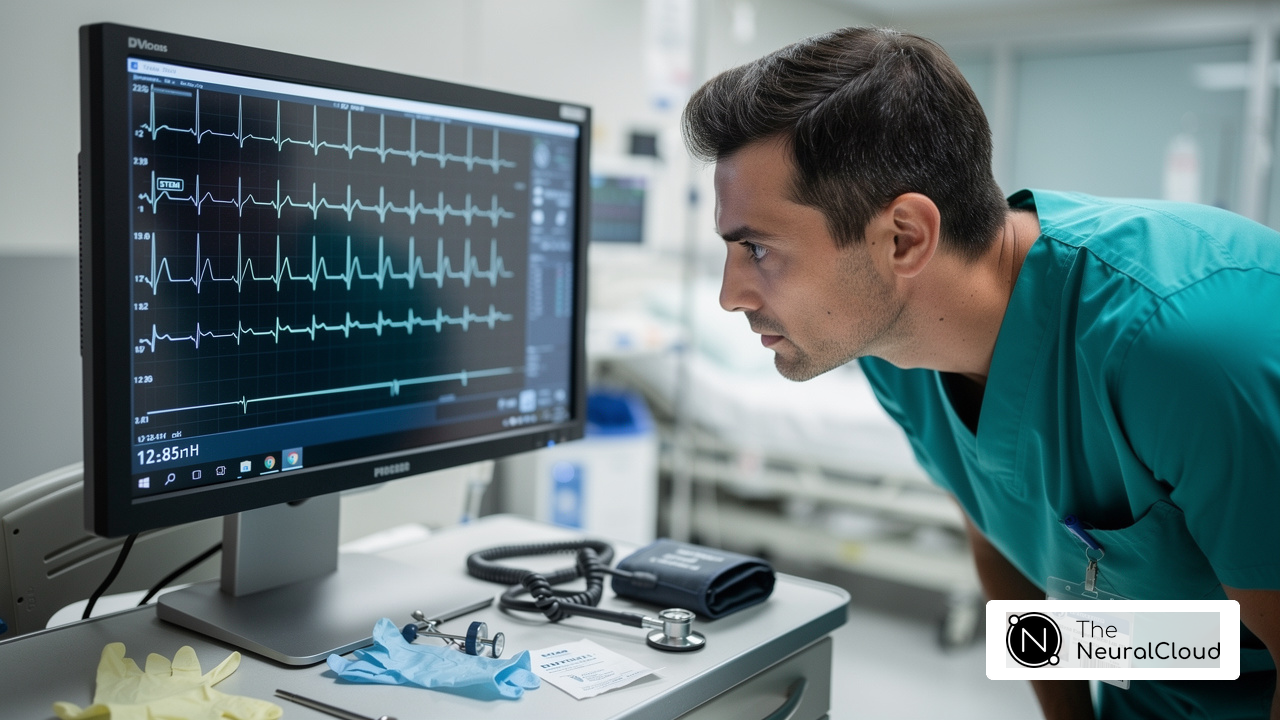
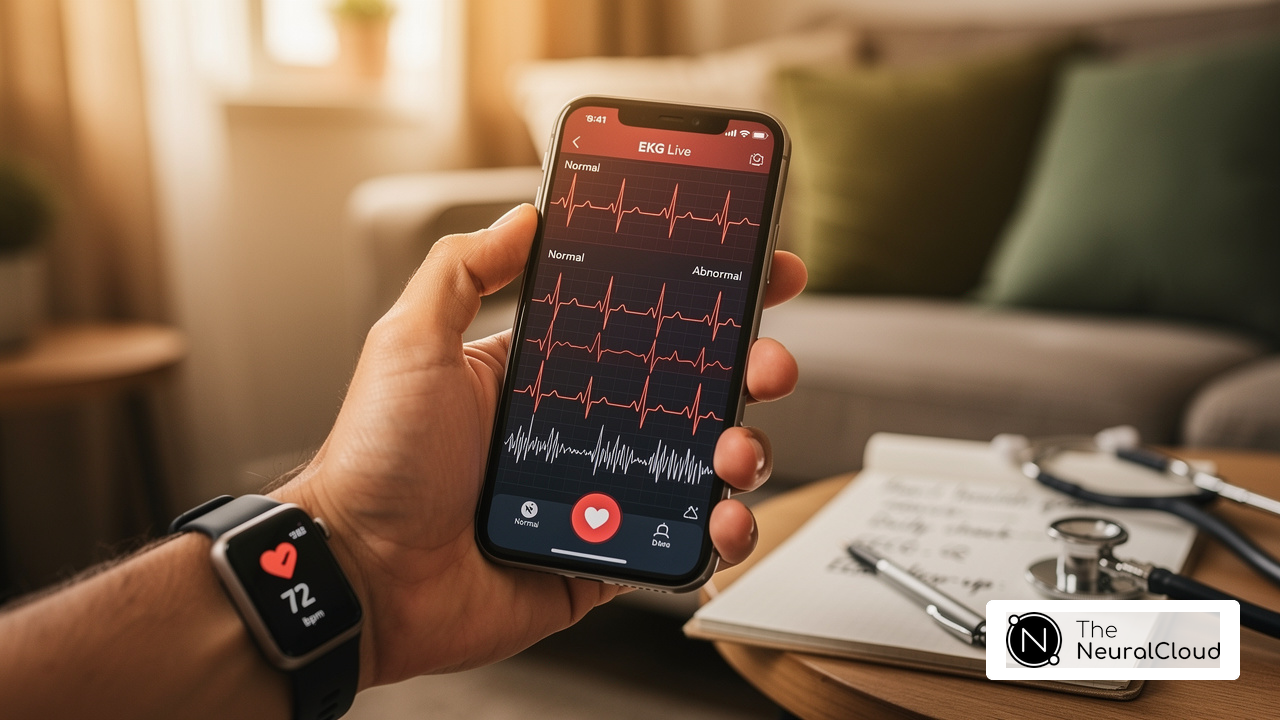
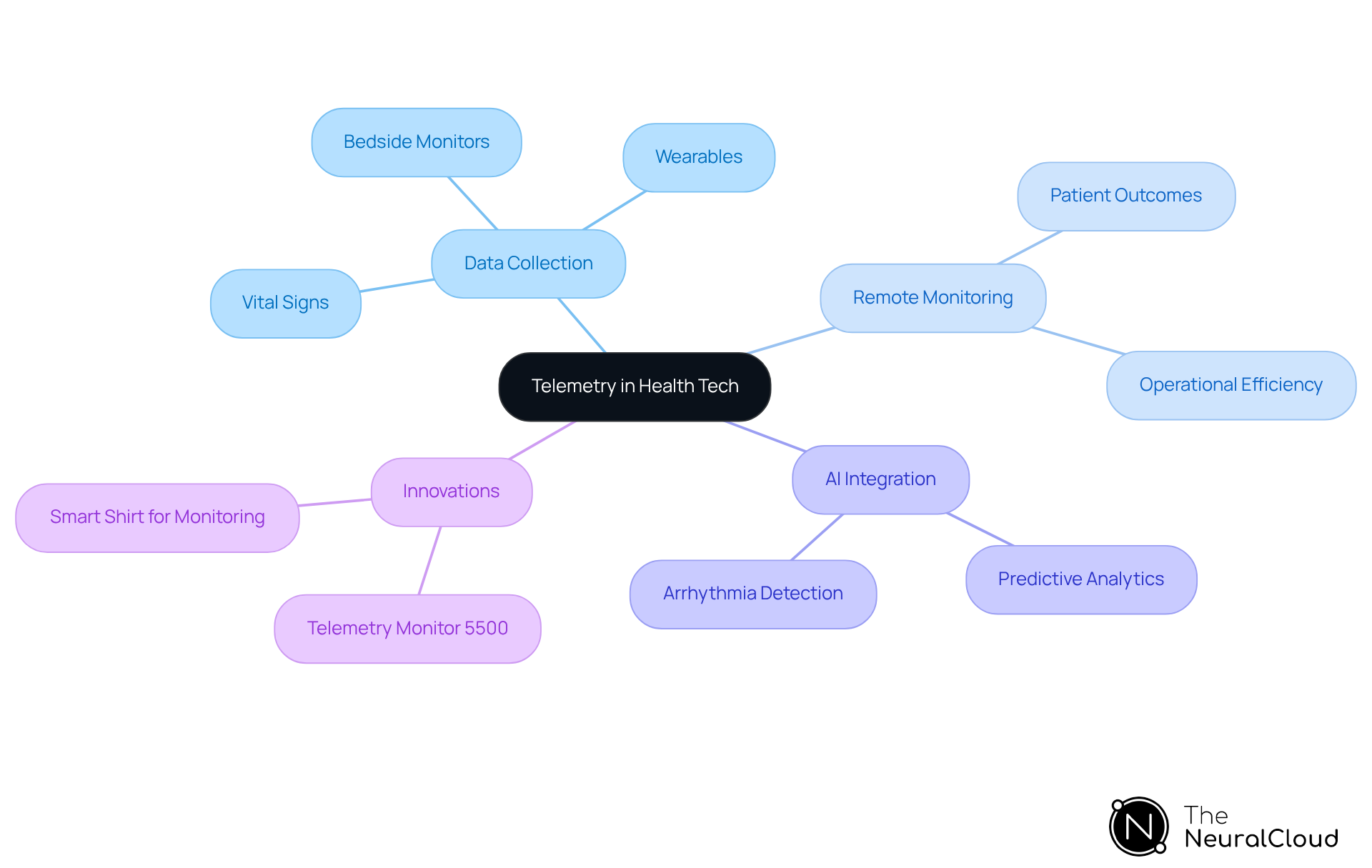
Telemetry involves the automated collection and transmission of data from remote sources to a centralized system for monitoring and analysis. In health tech, telemetry plays a vital role in tracking vital signs, such as heart rate and blood pressure, through various devices like wearables and bedside monitors. This real-time data enables healthcare providers to make quick, informed decisions, ultimately improving patient outcomes and operational efficiency.
In cardiology, telemetry from devices is essential for monitoring patients, enabling clinicians to swiftly identify arrhythmias and other cardiac events. The integration of AI and machine learning into these systems enhances their capabilities, enabling predictive analytics that can foresee potential health issues before they develop. Recent innovations, such as the use of advanced algorithms, exemplify this trend by addressing alarm fatigue and improving mobility while ensuring continuous monitoring.
Understanding telemetry is essential for healthcare professionals looking to implement effective monitoring solutions. It not only streamlines monitoring but also enhances data analysis, leading to better healthcare delivery. By leveraging these technologies, healthcare providers can significantly improve their response to patient needs and optimize care.
Leverage Benefits of Telemetry Measurements for Enhanced Patient Outcomes
offer significant advantages that can greatly enhance healthcare outcomes, especially when combined with advanced technologies such as Neural Cloud Solutions' systems. Continuous monitoring allows for the detection of health issues, enabling healthcare providers to act swiftly. For instance, patients with chronic conditions can be monitored remotely, minimizing the need for frequent hospital visits and facilitating quick responses to any identified abnormalities.
Moreover, these systems enhance individual mobility and comfort, allowing patients to move freely while still under observation. This flexibility leads to increased patient satisfaction and better health outcomes. Research shows that hospitals employing telemetry solutions have seen a 15% reduction in post-operative complications, thanks to improved oversight capabilities.
The integration of Neural Cloud Solutions' technology into monitoring systems further bolsters safety through advanced features, AI-driven predictive analytics, and real-time data processing. MaxYield™ automates ECG analysis, converting noisy recordings into clear insights and enabling healthcare providers to foresee potential health crises before they occur. This proactive strategy not only protects patients but also improves efficiency within healthcare facilities, ensuring care is both efficient and effective. Notably, 67% of monitoring orders were classified as suitable according to AHA Classes I, IIa, or IIb, underscoring the reliability of monitoring practices. Additionally, eliminating nonindicated days could save hospitals around $250,000 annually, providing a financial perspective on the benefits of telemetry solutions.
Key Features of MaxYield™:
- Beat-by-Beat Analysis: Processes 200,000 heartbeats in under 5 minutes.
- Feature Extraction: Isolates and labels key features in every heartbeat.
- Data Scaling: Scales clean signals and clear data across your entire workflow.
By adopting the latest technologies, healthcare providers can enhance their monitoring frameworks, ensuring optimal patient outcomes and streamlined workflows.
Implement Effective Integration Strategies for Telemetry Systems
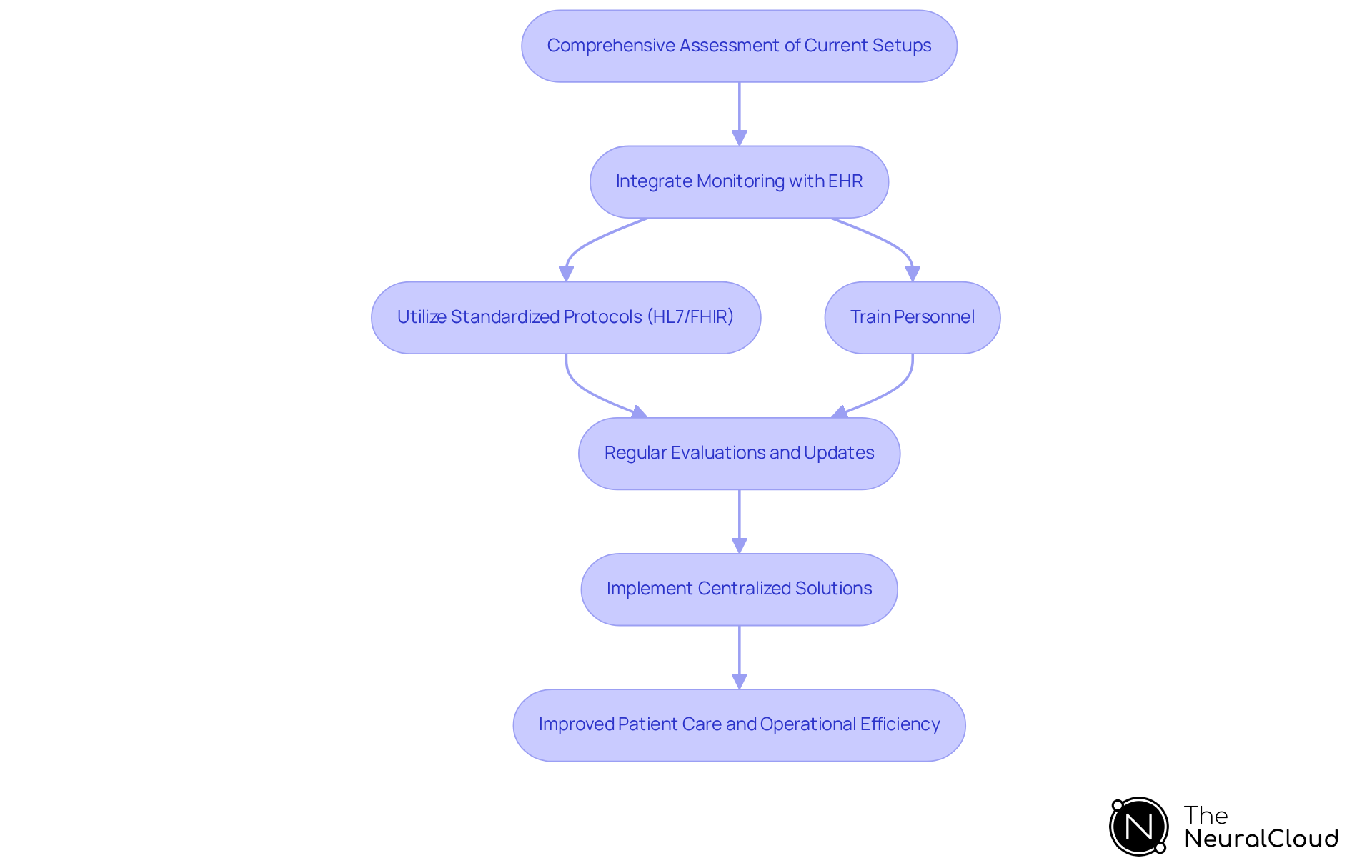
To fully harness the benefits of monitoring technologies, healthcare organizations need to adopt robust integration strategies. This begins with a comprehensive assessment of current setups to pinpoint how data collection can enhance operational efficiency. Integration is essential, as it streamlines workflows and provides clinicians with real-time access to patient details, crucial for timely decision-making.
Utilizing standardized protocols like HL7 or FHIR is vital for facilitating communication between monitoring devices and healthcare networks. Additionally, equipping personnel with the necessary training to analyze and respond to information effectively is key to maximizing the system's capabilities. Regular evaluations and updates of monitoring frameworks are also critical to ensure their ongoing efficiency and safety.
Neural Cloud Solutions' MaxYield™ platform showcases how advanced technology can improve patient monitoring. Its features include:
- Data Clarity: Enhances data clarity by reducing background interference.
- Data Handling: Streamlines data handling for quicker analysis.
- Continuous Learning Model: Adapts the algorithm with each use, boosting diagnostic yield and efficiency over time.
These features translate into significant advantages for healthcare professionals. By providing a cleaner, more accurate interpretation of ECG signals, the MaxYield™ platform enables clinicians to make better-informed decisions, ultimately improving patient outcomes.
A notable case study from a leading hospital highlights the benefits of implementing a monitoring system. This initiative significantly reduced alarm fatigue among staff and improved response times to critical events, emphasizing the importance of strategic integration in healthcare and operational efficiency. Furthermore, with over 80% of healthcare organizations in the U.S. adopting new technologies, the need for effective integration strategies has never been more pressing. Addressing potential clinician resistance to new systems is also crucial for ensuring successful implementation.
Ensure Data Security and Compliance in Telemetry Applications
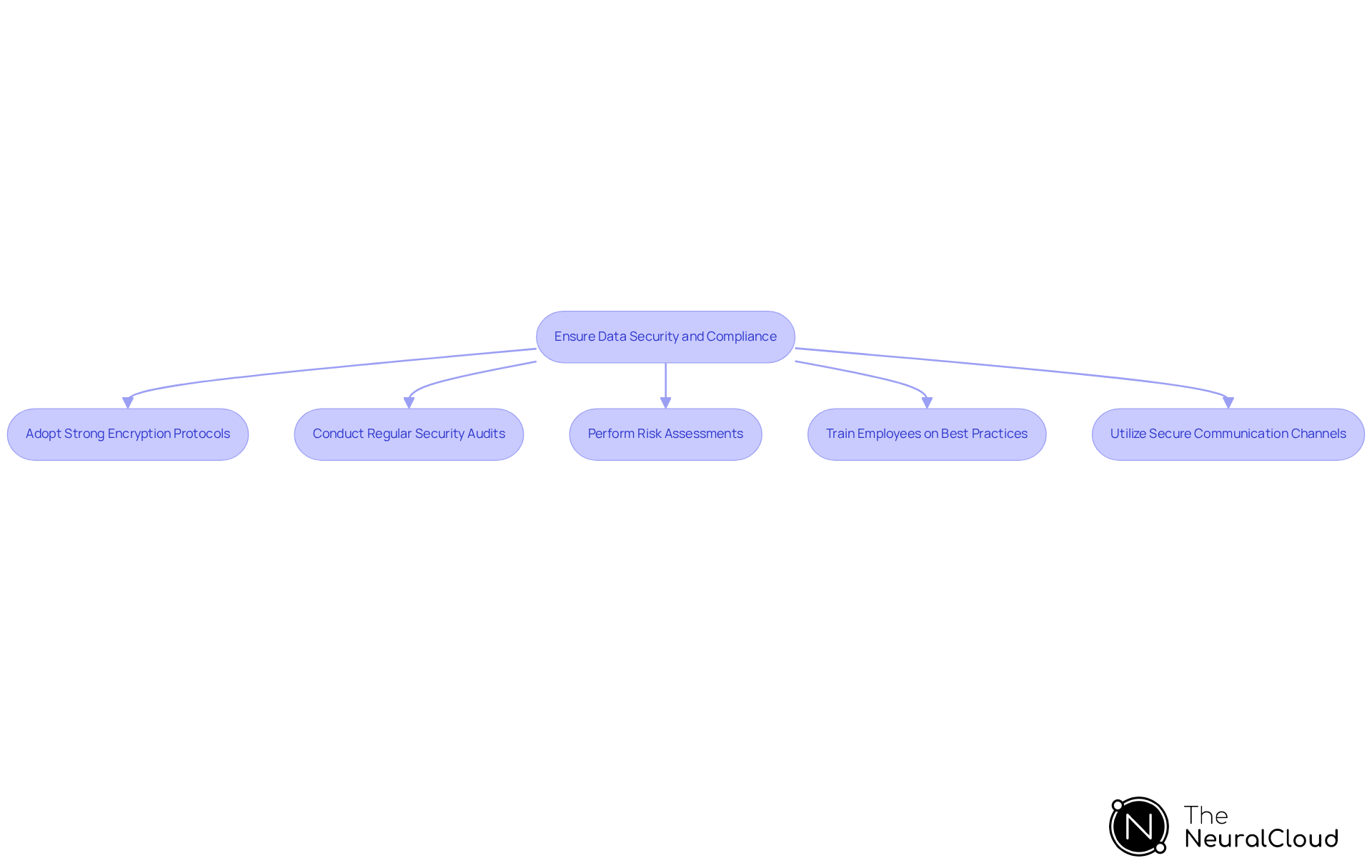
In monitoring applications, data security is vital. Healthcare organizations must adopt strong encryption protocols for both data transmission and storage, effectively shielding sensitive health information from unauthorized access. As of October 3, 2025, the U.S. Department of Health and Human Services reported 364 hacking incidents, impacting over 33 million Americans. This statistic underscores the urgent need for stringent security measures.
Security measures are essential for identifying and addressing vulnerabilities within healthcare systems. Understanding the challenges healthcare organizations face in protecting patient privacy, especially with the growing integration of technologies, is crucial. Additionally, fostering a culture of compliance through employee training on privacy and security best practices is key to maintaining high standards.
Utilizing security tools, such as Virtual Private Networks (VPNs) or secure web protocols, significantly enhances data protection. Furthermore, real-time monitoring of JavaScript activity on websites and apps is critical for tackling current threat vectors in healthcare data security. By prioritizing these measures, healthcare organizations not only protect patient information but also enhance their reputation and trustworthiness among patients and regulatory bodies.
Conclusion
Telemetry measurements are transforming health technology by facilitating the seamless collection and analysis of vital patient data from remote sources. This automated process enhances monitoring capabilities and empowers healthcare providers to make timely, informed decisions, significantly improving patient outcomes and operational efficiency. As advanced technologies like AI and machine learning evolve, the potential for predictive analytics and proactive healthcare management expands, highlighting the critical role of telemetry in modern health tech solutions.
Key insights throughout the article include the advantages of continuous monitoring for chronic conditions, the importance of effective integration strategies with electronic health records, and the necessity of robust data security measures. Platforms like Neural Cloud Solutions' MaxYield™ illustrate how advanced telemetry can enhance workflow efficiency, reduce alarm fatigue, and ultimately lead to better patient care. Furthermore, compliance with regulations such as HIPAA ensures that patient privacy remains a top priority amidst these advancements.
In conclusion, embracing telemetry measurements is no longer just an option; it is a vital necessity for healthcare organizations aiming to enhance patient care and streamline operations. By prioritizing effective integration, ensuring data security, and leveraging the latest technological advancements, healthcare providers can improve patient outcomes and foster trust and reliability within their communities. The future of health technology lies in the hands of those who harness the power of telemetry, making it imperative for organizations to adopt these best practices and stay ahead in the ever-evolving landscape of healthcare.
Frequently Asked Questions
What is telemetry in the context of health technology?
Telemetry refers to the automated collection and transmission of data from remote sources to a centralized system for monitoring and analysis, particularly in health technology for continuous observation of individuals' vital signs.
How does telemetry contribute to patient monitoring?
Telemetry enables real-time monitoring of vital signs, such as heart rate and blood pressure, through devices like wearables and bedside monitors, allowing healthcare providers to make quick, informed decisions that improve patient outcomes and operational efficiency.
What specific role does telemetry play in cardiology?
In cardiology, telemetry measurements are crucial for monitoring ECG signals, helping clinicians quickly identify arrhythmias and other cardiac events.
How do AI and machine learning enhance telemetry systems?
The integration of AI and machine learning into telemetry systems enhances their capabilities by enabling predictive analytics, which can anticipate potential health issues before they arise.
Can you provide an example of recent innovations in telemetry?
The Telemetry Monitor 5500 is an example of recent innovations, addressing alarm fatigue and improving mobility while ensuring continuous monitoring.
Why is understanding telemetry important for healthcare professionals?
Understanding telemetry is essential for healthcare professionals as it streamlines monitoring and enhances data analysis, leading to improved healthcare delivery and better responses to patient needs.
List of Sources
- Define Telemetry and Its Role in Health Tech Development
- bestcare.org (https://bestcare.org/news/leading-way-methodists-13-million-centralized-telemetry-unit-benefits-patients-and-staff)
- medcitynews.com (https://medcitynews.com/2025/11/philips-technology-healthcare)
- Philips launches smart telemetry platform for cardiac monitoring (https://cardiovascularbusiness.com/topics/patient-care/remote-patient-monitoring/philips-launches-smart-telemetry-platform-cardiac-monitoring)
- usa.philips.com (https://usa.philips.com/a-w/about/news/archive/standard/news/press/2025/philips-launches-smart-telemetry-platform-for-cardiac-monitoring-that-provides-continuous-enterprise-wide-connectivity-beyond-the-bedside.html?srsltid=AfmBOopa4KStwfm-OPdqtjG1Z38bQm8GHI8l3g6oIGV3ag2nUlUONUYo)
- openloophealth.com (https://openloophealth.com/blog/recent-digital-health-trends-insight-and-news-october-2025)
- Leverage Benefits of Telemetry Measurements for Enhanced Patient Outcomes
- intuitionlabs.ai (https://intuitionlabs.ai/articles/remote-patient-monitoring-united-states-2025-landscape)
- heartandlung.org (https://heartandlung.org/article/S0147-9563(24)00133-X/fulltext)
- ajmc.com (https://ajmc.com/view/impact-of-cardiac-telemetry-on-patient-safety-and-cost)
- mindray.com (https://mindray.com/na/news-and-events/blog/the-role-of-patient-monitoring-in-preventing-hospital-readmissions)
- irhythm2024rd.q4web.com (https://irhythm2024rd.q4web.com/news/news-details/2025/iRhythm-Presents-New-Real-World-Data-on-Ambulatory-Cardiac-Monitoring-at-HRS-2025-Reinforcing-Clinical-Superiority-of-Zio-Long-Term-Continuous-Monitoring/default.aspx)
- Implement Effective Integration Strategies for Telemetry Systems
- techmagic.co (https://techmagic.co/blog/ehr-and-telehealth-integration)
- Telemetry Solutions for Enhanced Nursing Practices (https://ceufast.com/blog/telemetry-solutions-for-enhanced-nursing-practices)
- healthtechmagazine.net (https://healthtechmagazine.net/article/2025/07/9-ways-modern-cmus-are-rewiring-patient-monitoring-healthcare)
- bizdata360.com (https://bizdata360.com/ehr-integration-ultimate-guide-2025)
- equummedical.com (https://equummedical.com/health-leader-spotlight/3-innovative-approaches-for-hospital-telemetry)
- Ensure Data Security and Compliance in Telemetry Applications
- feroot.com (https://feroot.com/blog/us-healthcare-breach-report-2025-trends)
- aha.org (https://aha.org/news/aha-cyber-intel/2025-10-07-2025-cybersecurity-year-review-part-one-breaches-and-defensive-measures)
- bluesight.com (https://bluesight.com/news/major-healthcare-data-security-trends-in-2025)
- northpennnow.com (https://northpennnow.com/news/2025/nov/06/telemedicine-app-development-services-and-the-rise-of-healthcare-data-security-challenges)
- centraleyes.com (https://centraleyes.com/how-the-new-hipaa-regulations-2025-will-impact-healthcare-compliance)