Introduction
Despite the critical role of the 6 lead ECG in diagnosing heart conditions, many healthcare professionals struggle with its complexities. Let’s explore the essential components and practical setup of the 6 lead ECG, along with the significant benefits it brings to clinical practice. However, the complexities of accurate ECG interpretation and the challenges posed by noise and human error can hinder effective use. How can practitioners ensure they are leveraging this technology to its fullest potential?
Explain the Basics of Electrocardiography
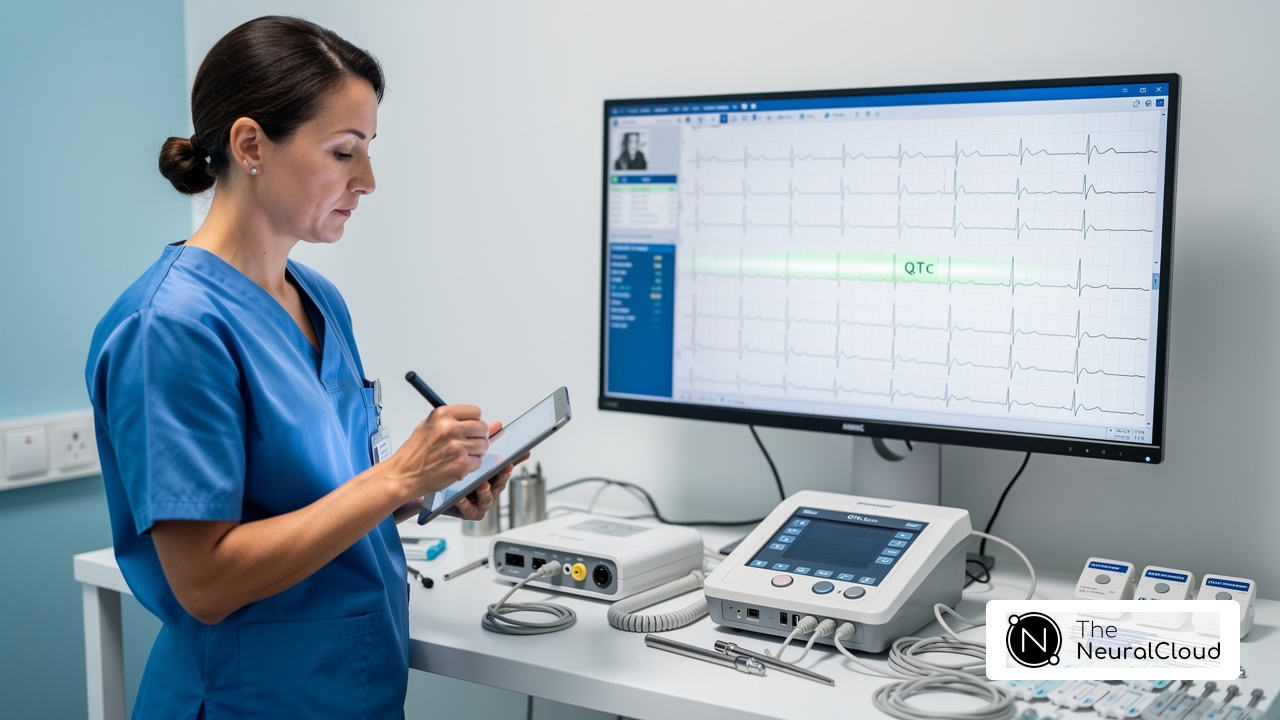
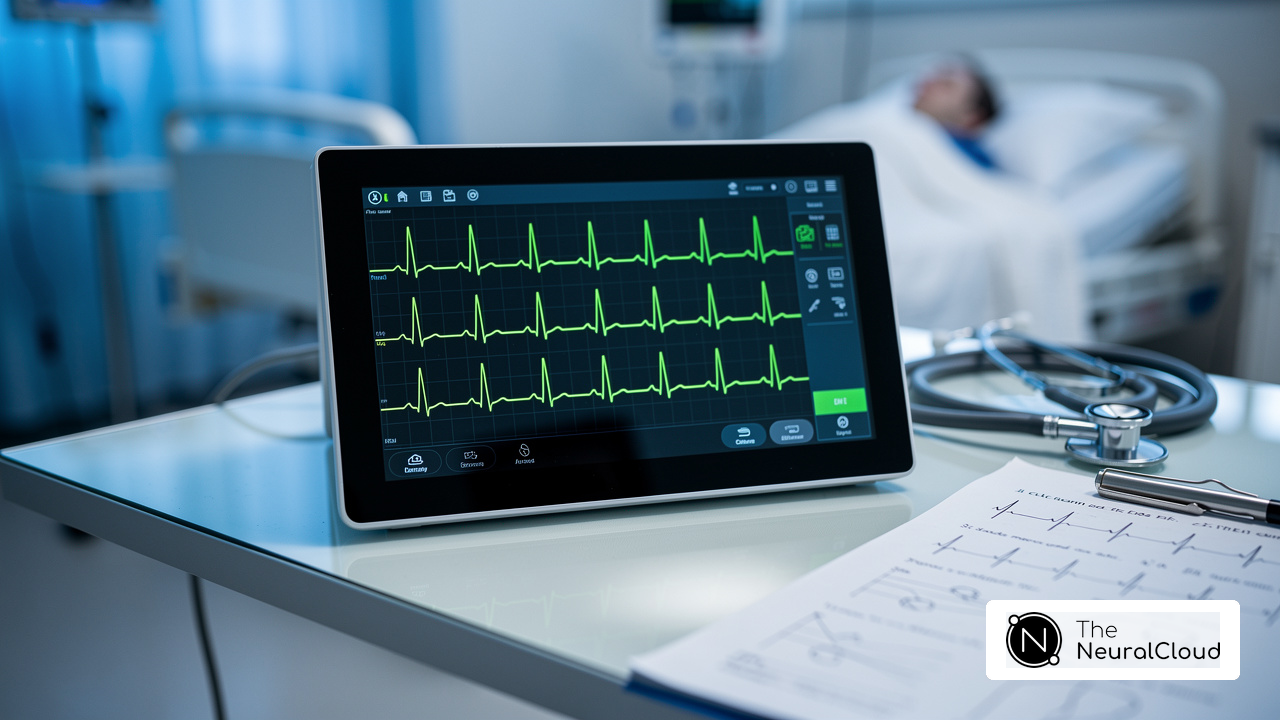
Despite its importance, ECG analysis presents significant challenges that can hinder accurate diagnosis. The normal 6 lead ECG is an essential diagnostic instrument that assesses the heart's activity over time. By placing electrodes on the skin, healthcare professionals can detect the signals generated by the heart during each beat. This normal 6 lead ECG graph provides crucial insights about heart rate, rhythm, and how well the heart is functioning. The key components of an ECG include:
- P Wave: Represents atrial depolarization, indicating the electrical activity associated with the contraction of the atria.
- QRS Complex: Indicates ventricular depolarization, reflecting the impulses that trigger the ventricles to contract.
- T Wave: Reflects ventricular repolarization, showing the recovery phase of the ventricles after contraction.
Understanding these components is essential for accurate interpretation of the normal 6 lead ECG, as they reveal critical information about the heart's electrical activity and potential abnormalities. In clinical settings, the interpretation of the normal 6 lead ECG is vital. Studies show that advanced ECG analysis accurately identifies 58% of patients suspected of having a STEMI. Moreover, AI-driven models like Neural Cloud Solutions are boosting diagnostic accuracy. They reduce false positives to about 8%, a significant improvement over the nearly 42% seen with standard triage methods. This significant improvement underscores the importance of AI in refining diagnostic processes. The system excels in advanced noise reduction and artifact handling, allowing for the isolation of ECG waves even in recordings with high levels of noise and movement artifacts. As electrocardiography evolves, healthcare professionals must effectively use this technology in patient care. Leveraging MaxYield™ can enhance clinical workflows and decision-making.

Identify Key Components of the Normal 6 Lead ECG
Accurate ECG analysis is essential for effective patient monitoring, yet challenges persist in achieving optimal signal quality. The normal 6 lead ECG employs six sensors strategically positioned on the body to record the heart's activity from various perspectives. This configuration includes:
- Lead I: Measures the voltage between the right arm and left arm, providing a lateral view of the heart's activity.
- Lead II: Measures the voltage between the right arm and left leg, commonly utilized for rhythm monitoring due to its alignment with the body's conduction axis.
- Lead III: Measures the voltage between the left arm and left leg, providing further insights into the inferior wall of the heart.
- aVR: An augmented voltage lead that captures activity from the right arm, primarily used for evaluating right-sided cardiac conditions.
- aVL: An augmented voltage lead that measures activity from the left arm, contributing to the overall evaluation of the lateral wall of the heart.
- aVF: An augmented voltage lead that assesses activity from the left leg, offering a view of the lower part of the heart.
Every lead provides a unique view of the heart's electrical activity, making it easier to analyze and diagnose accurately. Current guidelines emphasize the importance of proper lead placement in a normal 6 lead ECG to ensure optimal signal quality and diagnostic accuracy, which is crucial for effective patient monitoring and management. Ensuring proper lead placement not only enhances diagnostic accuracy but also significantly impacts patient outcomes.

Guide on Setting Up and Interpreting the 6 Lead ECG
Setting up a 6 lead ECG can be challenging, but following these steps with Neural Cloud Solutions' MaxYield™ can streamline the process:
- Prepare the Patient: Make sure the patient feels comfortable and relaxed. Explain the procedure to alleviate any anxiety.
- Select the Electrodes: Use high-quality electrodes to ensure good contact and signal quality, which is crucial for the system to perform optimally.
- Position the Electrodes: Place the electrodes as follows:
- Right arm (RA) - Lead I
- Left arm (LA) - Lead II
- Left leg (LL) - Lead III
- Right leg (RL) - Ground
- Chest leads (V1 and V2) - Place on the left side of the chest.
- Connect the Leads: Attach the leads to the ECG machine, ensuring they are securely connected. This setup allows the company to analyze the signals effectively.
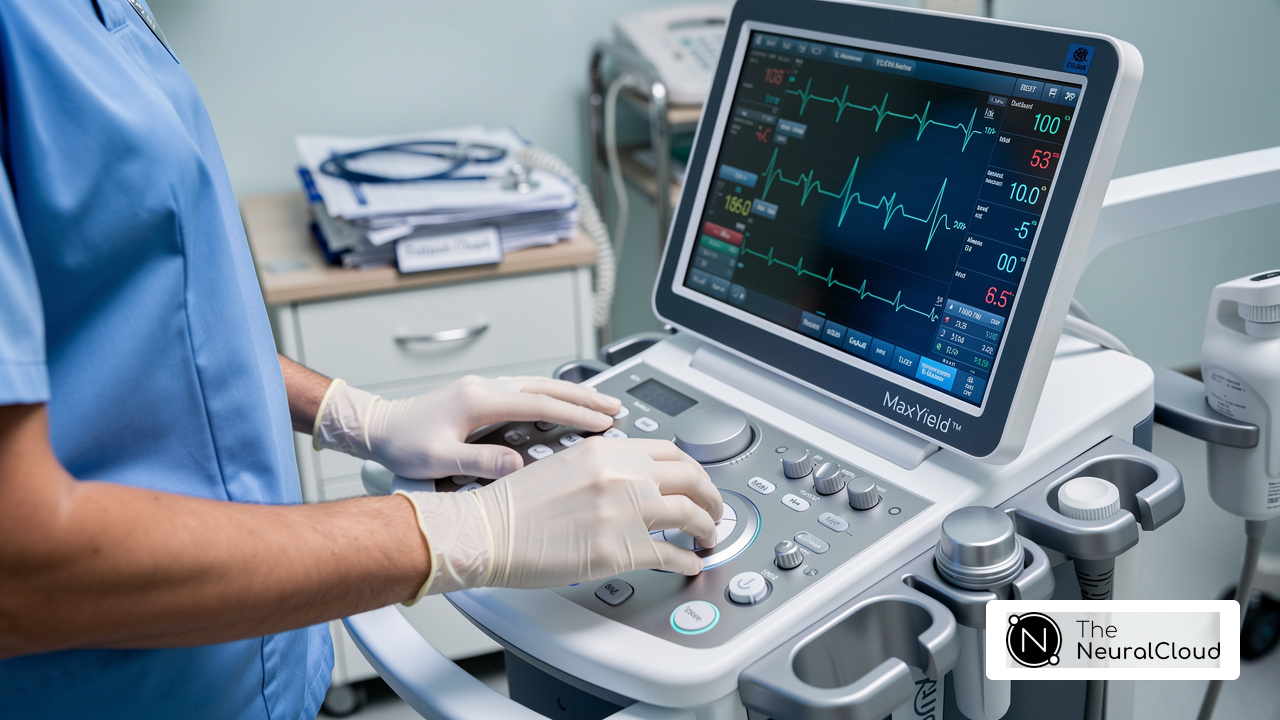
- Start the ECG: Turn on the ECG machine and begin recording. The system will assist in transforming noisy recordings into detailed insights, isolating and labeling key features in every heartbeat.
- Interpret the Results: Analyze the ECG tracing for rate, rhythm, and any abnormalities in the waveforms. With this product, you can anticipate improved accuracy in detecting signs of ischemia, arrhythmias, or other cardiac conditions, due to its advanced noise filtering and wave recognition capabilities.
By implementing these steps with MaxYield™, healthcare professionals can achieve accurate readings from a normal 6 lead ECG, which are crucial for effective patient management.

Integrate Advanced Technologies for Enhanced ECG Analysis
Traditional ECG analysis faces significant challenges, including noise interference and human error, which can compromise patient care. To enhance ECG analysis, consider integrating the following advanced technologies:
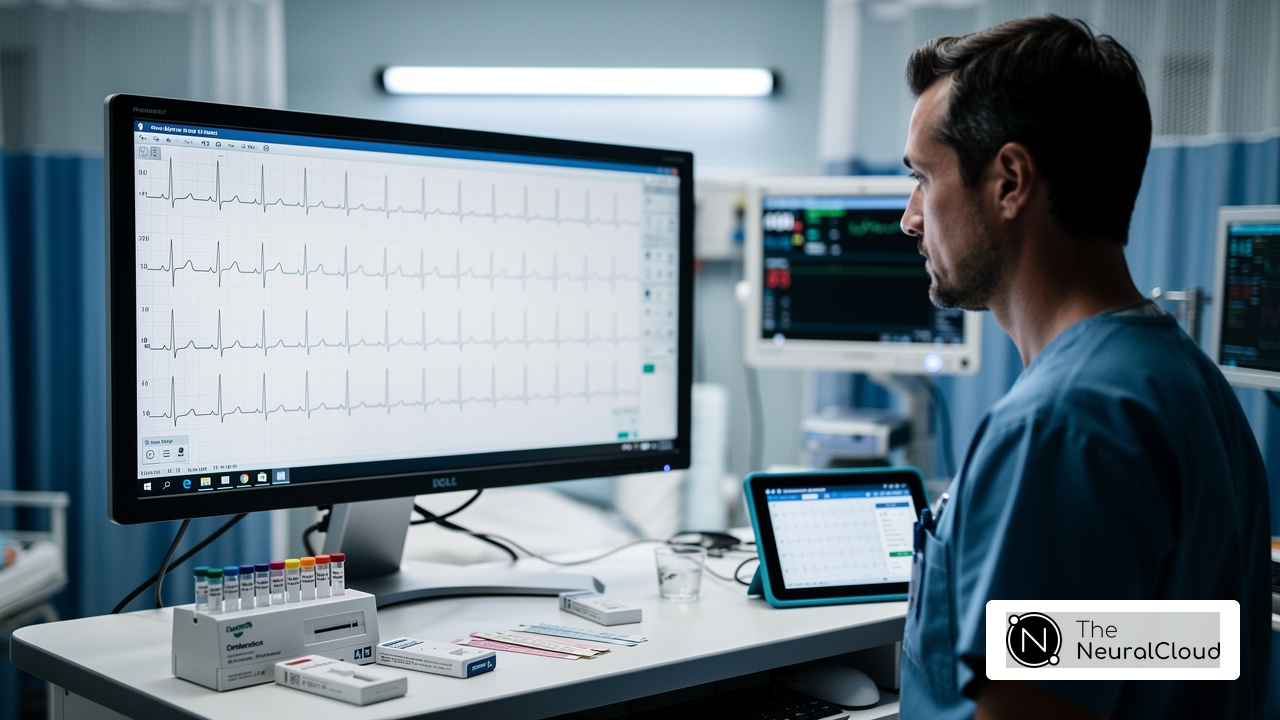
- AI-Powered ECG Interpretation with Neural Cloud Solutions: This platform employs advanced AI algorithms to rapidly and accurately analyze ECG data, identifying critical patterns that may be missed by human interpretation. It excels in isolating ECG waves from noisy recordings, ensuring high diagnostic yield even in challenging conditions. Plus, its continuous learning model evolves with each use, improving accuracy and efficiency over time.
- Cloud-Based Platforms: Implementing cloud solutions for storing and sharing ECG data allows for collaborative analysis and remote consultations. This system integrates seamlessly into existing workflows, enabling efficient data management and accessibility.
- Real-Time Monitoring Devices: Wearable ECG monitors provide continuous data, enabling timely interventions for patients with known cardiac issues. This system takes the data from these devices and enhances the analysis, ensuring healthcare providers can act swiftly based on accurate insights and recover previously obscured sections of recordings.
- Data Visualization Tools: Leveraging software like Insight360 allows users to create customizable dashboards that visualize ECG trends and facilitate easier interpretation. With this software, users can generate detailed reports in CSV format, streamlining the visualization process and enhancing decision-making.
By integrating these advanced technologies, especially the MaxYield™ platform, healthcare providers can boost the accuracy and efficiency of ECG analysis, leading to significantly better patient outcomes and more effective healthcare delivery.

Conclusion
Mastering the normal 6 lead ECG is essential for healthcare professionals striving to enhance diagnostic accuracy and improve patient outcomes. This article explored the fundamental concepts of electrocardiography. It highlighted the unique perspectives each lead provides and outlined practical steps for effective ECG setup and interpretation. By understanding the P wave, QRS complex, and T wave, along with proper lead placement, clinicians can identify cardiac abnormalities more accurately.
Key insights discussed include the significant role of advanced technologies, such as AI-driven analysis and cloud-based platforms, in refining ECG diagnostics. The use of tools like Neural Cloud Solutions' MaxYield™ not only enhances the accuracy of readings but also facilitates real-time monitoring and collaborative data analysis. By effectively integrating these technologies into clinical practice, healthcare providers can overcome traditional challenges associated with ECG interpretation and ensure timely interventions for patients.
It's crucial for healthcare professionals to embrace the normal 6 lead ECG as a key tool in patient care. As the field of electrocardiography continues to evolve, staying informed about advancements and best practices will empower healthcare professionals to deliver superior care. Investing time in mastering these concepts and technologies is not just beneficial - it's imperative for improving patient outcomes in a rapidly changing healthcare landscape.
Frequently Asked Questions
What is electrocardiography (ECG) and why is it important?
Electrocardiography (ECG) is a diagnostic tool that assesses the heart's activity over time by detecting electrical signals generated by the heart during each beat. It is essential for diagnosing heart conditions and understanding heart rate, rhythm, and overall heart function.
What are the key components of a normal 6 lead ECG?
The key components of a normal 6 lead ECG include: - P Wave: Represents atrial depolarization, indicating the electrical activity associated with atrial contraction. - QRS Complex: Indicates ventricular depolarization, reflecting the impulses that trigger ventricular contraction. - T Wave: Reflects ventricular repolarization, showing the recovery phase of the ventricles after contraction.
How does the interpretation of a normal 6 lead ECG impact clinical practice?
The interpretation of a normal 6 lead ECG is vital in clinical settings as it helps identify potential heart abnormalities. Advanced ECG analysis can accurately identify 58% of patients suspected of having a STEMI (ST-Elevation Myocardial Infarction).
What role does AI play in ECG analysis?
AI-driven models, such as Neural Cloud Solutions, enhance diagnostic accuracy in ECG analysis by reducing false positives to about 8%, a significant improvement compared to nearly 42% with standard triage methods. These models excel in noise reduction and artifact handling, allowing for better isolation of ECG waves in challenging recording conditions.
How can healthcare professionals improve their ECG interpretation and patient care?
Healthcare professionals can enhance their ECG interpretation and patient care by leveraging technologies like MaxYield™, which can improve clinical workflows and decision-making in patient management.
List of Sources
- Explain the Basics of Electrocardiography
- Emerging Cardiology Technologies Transforming Senior Heart Care in 2026 (https://allseniors.org/articles/emerging-cardiology-technologies-transforming-senior-heart-care-in-2026)
- expertcardiologist.co.uk (https://expertcardiologist.co.uk/the-role-of-an-ecg-in-diagnosing-heart-conditions)
- New study finds AI model improves heart attack detection (https://health.ucdavis.edu/news/headlines/new-study-finds-ai-model-improves-heart-attack-detection/2025/11)
- Artificial Intelligence and ECG: A New Frontier in Cardiac Diagnostics and Prevention - PMC (https://pmc.ncbi.nlm.nih.gov/articles/PMC12292989)
- 1st synthesized 12-lead ECG to launch in 2026 (https://beckershospitalreview.com/supply-chain/1st-synthesized-12-lead-ecg-to-launch-in-2026)
- Identify Key Components of the Normal 6 Lead ECG
- academic.oup.com (https://academic.oup.com/europace/article/27/Supplement_1/euaf085.043/8141853)
- Six-Lead ECG Device Highly Accurate for Atrial Fibrillation Detection (https://thecardiologyadvisor.com/news/6-lead-ecg-device-highly-accurate-for-atrial-fibrillation-detection)
- intelmarketresearch.com (https://intelmarketresearch.com/six-lead-ecg-recorder-market-40762)
- academic.oup.com (https://academic.oup.com/ehjdh/article/6/3/476/8093453)
- Integrate Advanced Technologies for Enhanced ECG Analysis
- Cardiologs ECG Analysis Platform Receives FDA Clearance (https://dicardiology.com/product/cardiologs-ecg-analysis-platform-receives-fda-clearance)
- usa.philips.com (https://usa.philips.com/a-w/about/news/archive/standard/news/press/2025/philips-launches-ecg-ai-marketplace-to-enhance-early-cardiac-diagnosis.html?srsltid=AfmBOoosqS5Qpj_0EcftKHC5XBscwJJffxLyjz2c1yokul_5hVwk-DLy)
- ECG market keeps evolving thanks to AI, home monitoring and Epic integration (https://signifyresearch.net/2026/02/13/ecg-market-keeps-evolving-thanks-to-ai-home-monitoring-and-epic-integration)
- AI-Powered ECG Analysis Offers Promising Path for Early Detection of Chronic Obstructive Pulmonary Disease, Say Mount Sinai Researchers (https://mountsinai.org/about/newsroom/2026/ai-powered-ecg-analysis-offers-promising-path-for-early-detection-of-chronic-obstructive-pulmonary-disease-say-mount-sinai-researchers)