Introduction
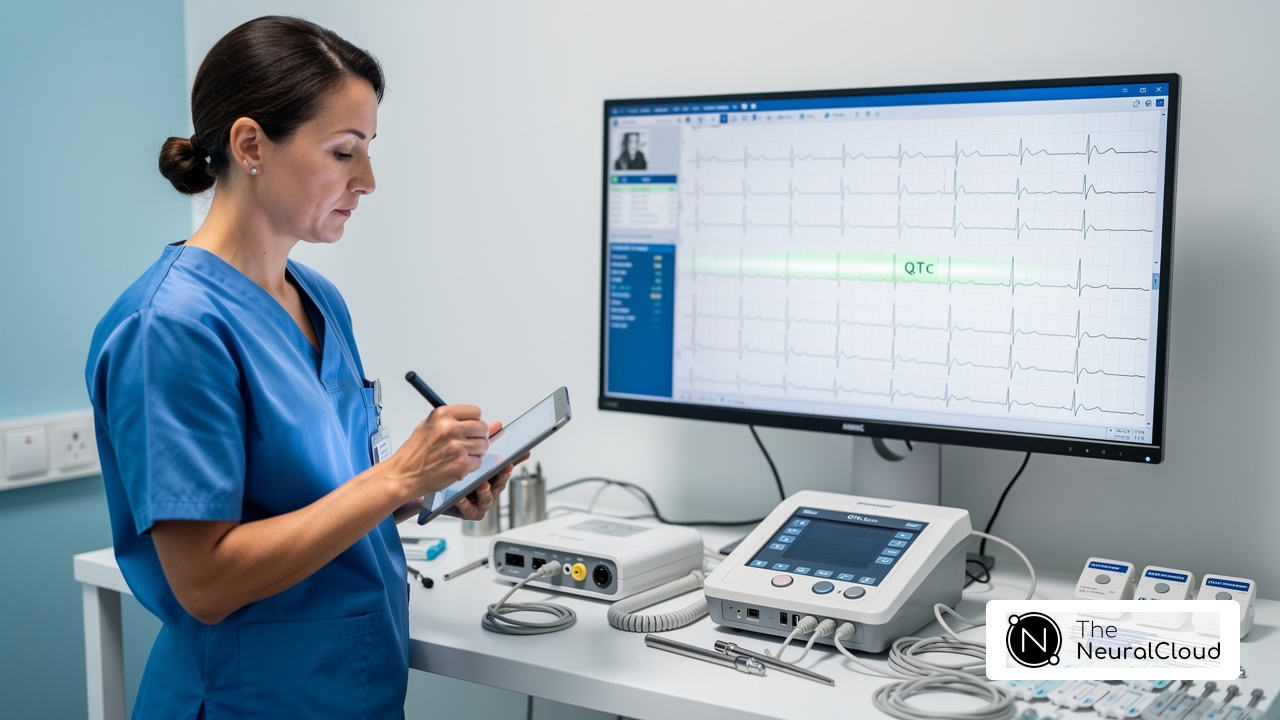
Despite its potential, the posterior view of the heart is often overlooked in ECG analysis, limiting diagnostic accuracy. By exploring the anatomical features visible from this perspective, healthcare professionals can enhance their diagnostic capabilities. This leads to improved patient outcomes. Clinicians often struggle to incorporate new perspectives into their established routines. How can they effectively master this vital view to elevate their ECG solutions?
Explore Heart Anatomy: The Importance of the Posterior View
The posterior view of the heart, which is often overlooked in ECG analysis, holds critical insights for diagnosing various cardiac conditions. Anatomically, the heart resembles a trapezoid, with distinct features visible from the posterior view of the heart, such as the left atrium, left ventricle, and major coronary vessels. Recognizing these structures helps identify abnormalities that are not visible from the posterior view of the heart. For instance, the left atrium's position directly behind the right atrium can significantly influence the interpretation of arrhythmias and other cardiac events when viewed from the posterior view of the heart.
Recent studies indicate that isolated rear myocardial infarction (IPMI) is increasingly acknowledged, with a prevalence rate of 3-7% among acute myocardial infarction cases. This highlights the importance of including additional leads, such as V7-V9, to improve diagnostic accuracy. In Canada, case studies have shown that using rear leads can enhance the identification of ST-segment elevation in patients presenting with atypical symptoms, ultimately resulting in better treatment outcomes.
By mastering the posterior view of the heart, healthcare professionals can enhance their diagnostic abilities, leading to more precise evaluations and better patient outcomes. Experts emphasize that awareness of the anatomical features visible from the posterior view of the heart can significantly impact clinical decision-making, ensuring timely and effective interventions for patients with cardiac conditions.

Visualize the Posterior View: Key Structures and Their Functions
Accurate ECG analysis and diagnosis depend on understanding the posterior view of the heart. Several key structures come into focus:
- Left Atrium: Positioned at the back of the heart, it receives oxygenated blood from the lungs. Its size and shape can indicate various pathologies, such as left atrial enlargement, which is often detectable through specific ECG changes. Studies indicate that left atrial enlargement is an independent predictor of cardiovascular outcomes, particularly in older adults, highlighting its clinical significance.
- Left Ventricle: This chamber is responsible for pumping oxygenated blood to the body and is crucial for assessing cardiac output. Abnormalities in left ventricular function can lead to significant ECG findings, including changes that may suggest ischemic conditions. Approximately 15% to 21% of acute myocardial infarctions are attributed to left ventricular dysfunction, underscoring the importance of thorough analysis in this area.
- Coronary Vessels: The rear view reveals the left circumflex artery and the right coronary artery, which supply blood to the heart muscle. Understanding their anatomy is crucial for diagnosing issues such as myocardial infarction, especially in the case of PMI. The triad of horizontal or flat ST-segment depression, prominent positive QRS complexes in V1 or V2, and upright T waves demonstrates a positive predictive value for acute PMI approaching 95%.
Visualizing these structures helps clinicians interpret ECG results more effectively and spot potential issues when considering the posterior view of the heart, ultimately improving diagnostic accuracy and patient outcomes.

Integrate Posterior View Insights: Enhancing ECG Analysis Workflows
To effectively integrate insights from the posterior view into ECG analysis workflows, consider the following steps:
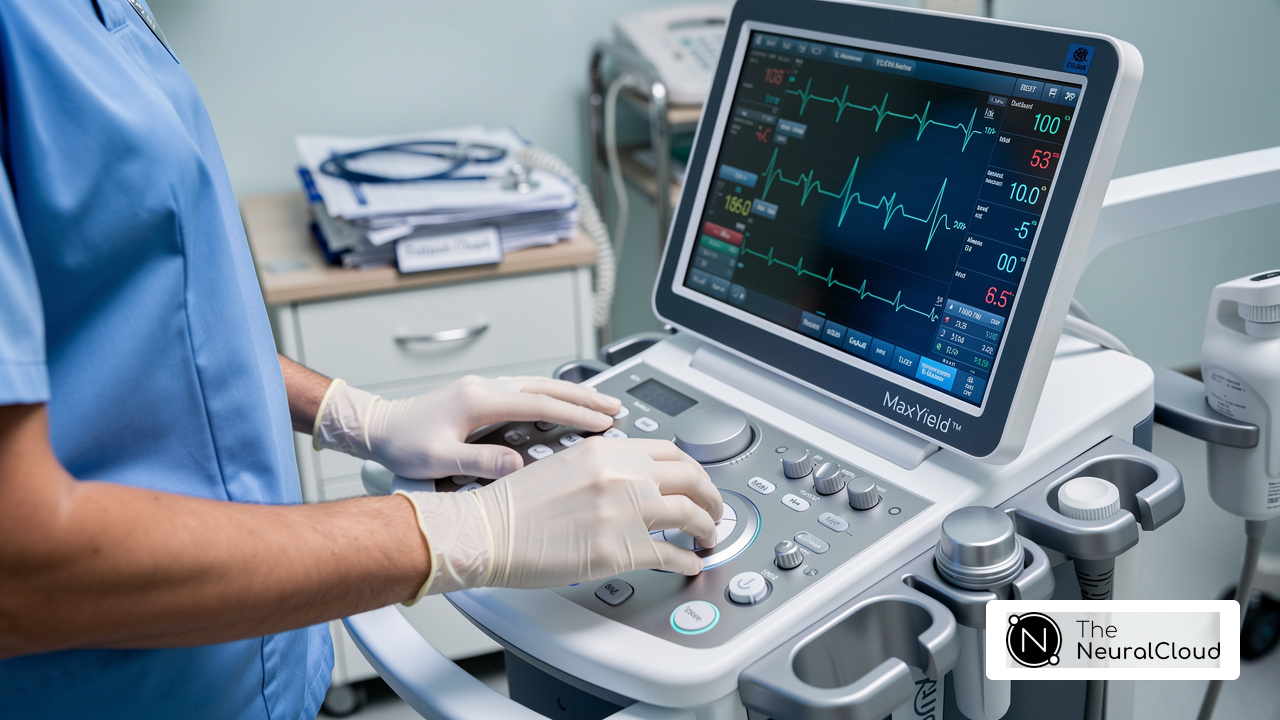
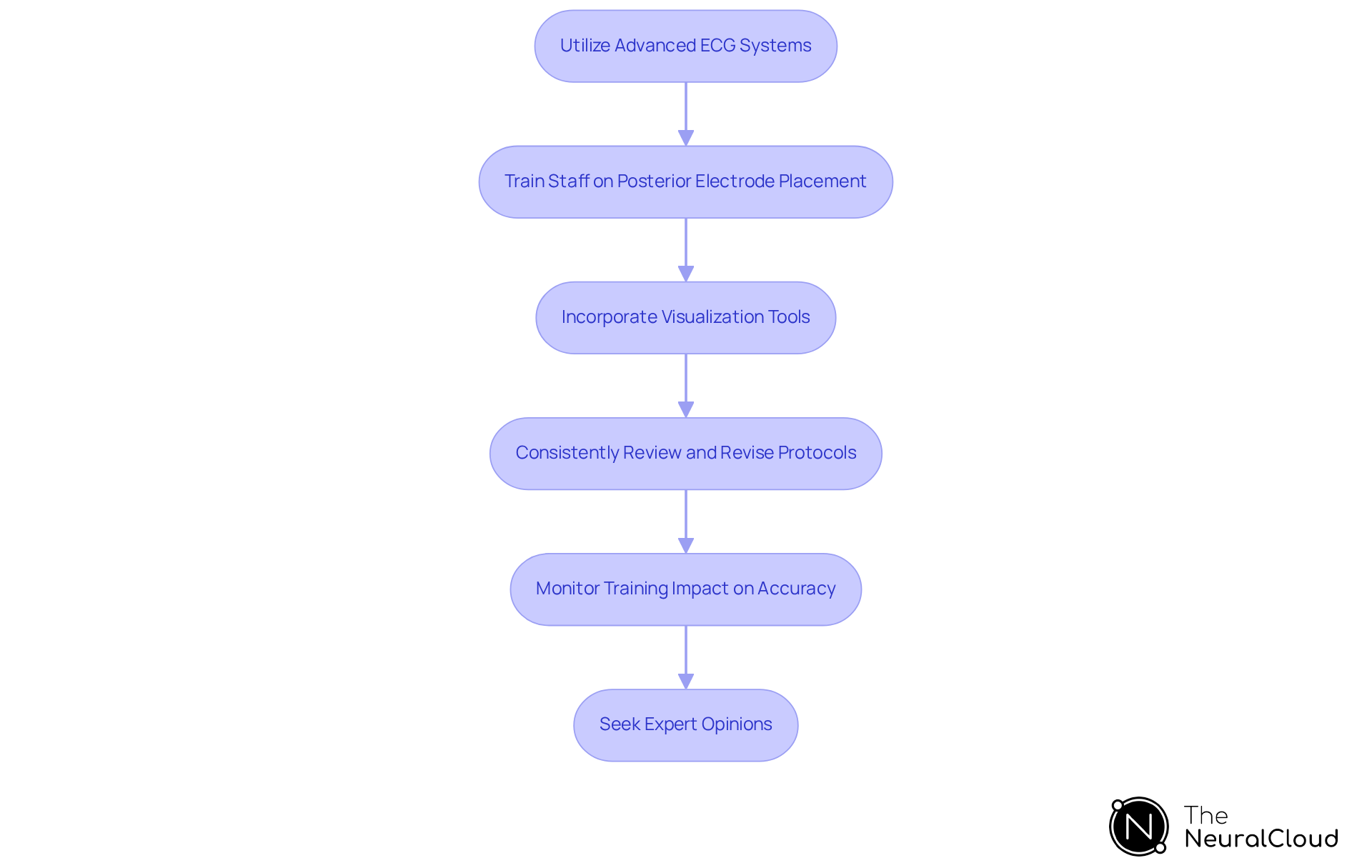
- Utilize Advanced ECG Systems: Implement systems like MaxYield that can process and analyze ECG data with an emphasis on back electrodes (V7, V8, V9). MaxYield quickly identifies P, QRS, and T Wave onsets and offsets, improving the detection of abnormalities that standard 12-lead ECGs might miss. This ensures a more comprehensive cardiac assessment and allows for the analysis of more data in less time, enabling users to work with clear data sets and clean signals.
- Train Staff on Posterior Electrode Placement: Ensure that healthcare professionals receive thorough training in the correct positioning of posterior electrodes to capture accurate data. This training should include understanding anatomical landmarks and the clinical importance of each electrode, which is essential for enhancing diagnostic accuracy. Research shows that proper training boosts diagnostic accuracy significantly, which is vital for timely and effective patient care.
- Incorporate Visualization Tools: Utilize visualization tools like Insight360 to develop dashboards that highlight back-end data. These tools facilitate better trend analysis and reporting, making it easier to identify patterns over time and enhancing clinical decision-making. The ability to visualize trends can significantly impact the speed and accuracy of ECG data analysis, transforming MaxYield’s clean ECG data into interactive dashboards and clinical-ready reports.
- Consistently Review and Revise Protocols: As new research emphasizes the significance of the posterior view of the heart, it is crucial to consistently revise clinical protocols to include these discoveries. This practice ensures that workflows remain current and effective in diagnosing cardiac conditions, ultimately improving patient outcomes. Engaging with experts in the field can provide valuable insights on best practices and emerging trends in cardiac diagnostics.
- Monitor Training Impact on Accuracy: Evaluate the effectiveness of training programs by analyzing statistics related to ECG electrode placement accuracy. For instance, the average time from ECG flag to diagnostic confirmation has been reduced to just 37 days, showcasing the impact of advanced ECG systems like MaxYield on clinical workflows.
- Seek Expert Opinions: Engage with specialists in the field to gather insights on advanced ECG systems for rear leads. Their perspectives can provide authoritative support for the claims made about the effectiveness of training and advanced systems in improving diagnostic accuracy, further enhancing the quality of care provided.
Overcome Challenges: Implementing the Posterior View in Health Tech Solutions
Implementing the posterior view in health tech solutions poses significant challenges that require strategic solutions:
- Resistance to Change: Many healthcare professionals are used to traditional ECG methods, which can create resistance to adopting new approaches. Offering comprehensive training sessions that highlight the benefits of rear views can help gain acceptance among healthcare professionals, backed by clinical evidence showing enhanced diagnostic accuracy.
- Technical Limitations: Ensuring that current ECG systems can incorporate back electrodes is essential. This may necessitate software updates or hardware modifications. Collaborating with technology providers can help ensure compatibility and streamline the integration process.
- Data Interpretation Skills: Analyzing ECG data from the back requires specialized training. Creating educational materials and workshops centered on the subtleties of lead interpretation can improve the abilities of healthcare professionals, resulting in more precise evaluations.
- Clinical Workflow Integration: Incorporating rear analysis into existing workflows without disrupting current practices is essential. A phased approach, piloting the integration in select departments, allows for adjustments based on feedback, ensuring a smoother transition.
By proactively addressing these challenges, healthcare organizations can successfully implement insights related to the posterior view of the heart. This shift not only enhances diagnostic accuracy but also improves patient outcomes.

Conclusion
Many healthcare professionals overlook the posterior view of the heart, missing critical insights that can enhance ECG analysis. This often-overlooked perspective provides essential information about the heart's anatomy, enabling healthcare professionals to diagnose and interpret various cardiac conditions more effectively. Recognizing the structural nuances from this view helps clinicians make timely and accurate decisions.
The significance of key cardiac structures, such as the left atrium, left ventricle, and major coronary vessels, plays a vital role in ECG interpretation. Clinicians can enhance diagnostic accuracy by incorporating additional leads like V7-V9 and using advanced ECG systems, especially for isolated posterior myocardial infarction. Training healthcare professionals in proper electrode placement and integrating visualization tools into clinical workflows are crucial steps in maximizing the benefits of the posterior view.
By integrating the posterior view into practice, clinicians can significantly improve diagnostic accuracy and patient outcomes. Embracing this perspective not only addresses existing challenges in cardiac diagnostics but also paves the way for enhanced patient care. By fostering a deeper understanding of heart anatomy and investing in the necessary training and technology, healthcare organizations can significantly enhance their diagnostic capabilities. This proactive approach empowers clinicians to identify and address critical cardiac issues, ultimately improving health outcomes for patients across Canada.
Frequently Asked Questions
What is the significance of the posterior view of the heart in ECG analysis?
The posterior view of the heart is crucial for diagnosing various cardiac conditions, as it reveals important anatomical features such as the left atrium, left ventricle, and major coronary vessels that may not be visible in other views.
How does the position of the left atrium affect cardiac event interpretation?
The left atrium's position directly behind the right atrium can significantly influence the interpretation of arrhythmias and other cardiac events when viewed from the posterior perspective.
What is isolated rear myocardial infarction (IPMI), and how prevalent is it?
Isolated rear myocardial infarction (IPMI) is increasingly recognized, with a prevalence rate of 3-7% among acute myocardial infarction cases.
Why are additional leads like V7-V9 important in diagnosing cardiac conditions?
Including additional leads such as V7-V9 improves diagnostic accuracy, particularly in identifying ST-segment elevation in patients with atypical symptoms, leading to better treatment outcomes.
How have case studies in Canada demonstrated the benefits of using rear leads?
Case studies in Canada have shown that using rear leads can enhance the identification of ST-segment elevation, ultimately resulting in improved treatment outcomes for patients presenting with atypical symptoms.
What impact does mastering the posterior view of the heart have on healthcare professionals?
Mastering the posterior view enhances healthcare professionals' diagnostic abilities, leading to more precise evaluations and better patient outcomes.
How can awareness of anatomical features from the posterior view influence clinical decision-making?
Awareness of these features can significantly impact clinical decision-making, ensuring timely and effective interventions for patients with cardiac conditions.
List of Sources
- Explore Heart Anatomy: The Importance of the Posterior View
- New study finds AI model improves heart attack detection (https://health.ucdavis.edu/news/headlines/new-study-finds-ai-model-improves-heart-attack-detection/2025/11)
- Checking your browser - reCAPTCHA (https://pmc.ncbi.nlm.nih.gov/articles/PMC9420295)
- Heart Disease Prevalence - Health, United States (https://cdc.gov/nchs/hus/topics/heart-disease-prevalence.htm)
- Cardiovascular Diseases and Cardiac Surgery News - Medical Professionals - Mayo Clinic (https://mayoclinic.org/medical-professionals/cardiovascular-diseases/news)
- pinterest.com (https://pinterest.com/ideas/cardiology-quotes-of-the-day/961464148547)
- Visualize the Posterior View: Key Structures and Their Functions
- pmc.ncbi.nlm.nih.gov (https://pmc.ncbi.nlm.nih.gov/articles/PMC9977197)
- Posterior Myocardial Infarction - StatPearls - NCBI Bookshelf (https://ncbi.nlm.nih.gov/books/NBK553168)
- hrsonline.org (https://hrsonline.org/news/applewatch-detect-leftventriculardysfunction)
- cmaj.ca (https://cmaj.ca/content/183/10/e657)
- medicalxpress.com (https://medicalxpress.com/news/2025-07-hidden-geometry-heart-revolutionize-ecg.html)
- Integrate Posterior View Insights: Enhancing ECG Analysis Workflows
- ECG market keeps evolving thanks to AI, home monitoring and Epic integration (https://signifyresearch.net/2026/02/13/ecg-market-keeps-evolving-thanks-to-ai-home-monitoring-and-epic-integration)
- gehealthcare.com (https://gehealthcare.com/en-us/insights/article/turning-data-chaos-into-clinical-clarity?srsltid=AfmBOooSonMi4ZXCxYgiFsnuqAK6FHn-7058RQk-2rmgJx4Ir0FeD5MO)
- heartsciences.com (https://heartsciences.com/heartsciences-announces-major-upgrade-to-user-features-of-myovista-insights-platform-with-commercial-launch-version-1-1)
- businesswire.com (https://businesswire.com/news/home/20251104915763/en/New-Data-Show-Viz.ais-AI-Enabled-ECG-Screening-Increases-Detection-and-Accelerates-Diagnosis-of-Hypertrophic-Cardiomyopathy)
- HeartBeam Teams Up With HeartNexus to Deliver Cardiologist-Level ECG Insights Anytime, Anywhere (https://ir.heartbeam.com/news-events/press-releases/detail/103/heartbeam-teams-up-with-heartnexus-to-deliver)
- Overcome Challenges: Implementing the Posterior View in Health Tech Solutions
- digitalscientists.com (https://digitalscientists.com/blog/implementing-new-technology-in-healthcare)
- cmeseminars.com (https://cmeseminars.com/how-to-overcome-resistance-to-change-in-healthcare-settings)
- sciencedirect.com (https://sciencedirect.com/science/article/abs/pii/S0146280623004061)
- medcitynews.com (https://medcitynews.com/2024/09/what-challenges-does-implementing-new-tech-at-a-hospital-pose)
- A Guide to Overcoming Resistance to Change For New Technology (https://relaypro.com/blog/a-guide-to-overcoming-resistance-to-change-when-implementing-new-technology)