Introduction
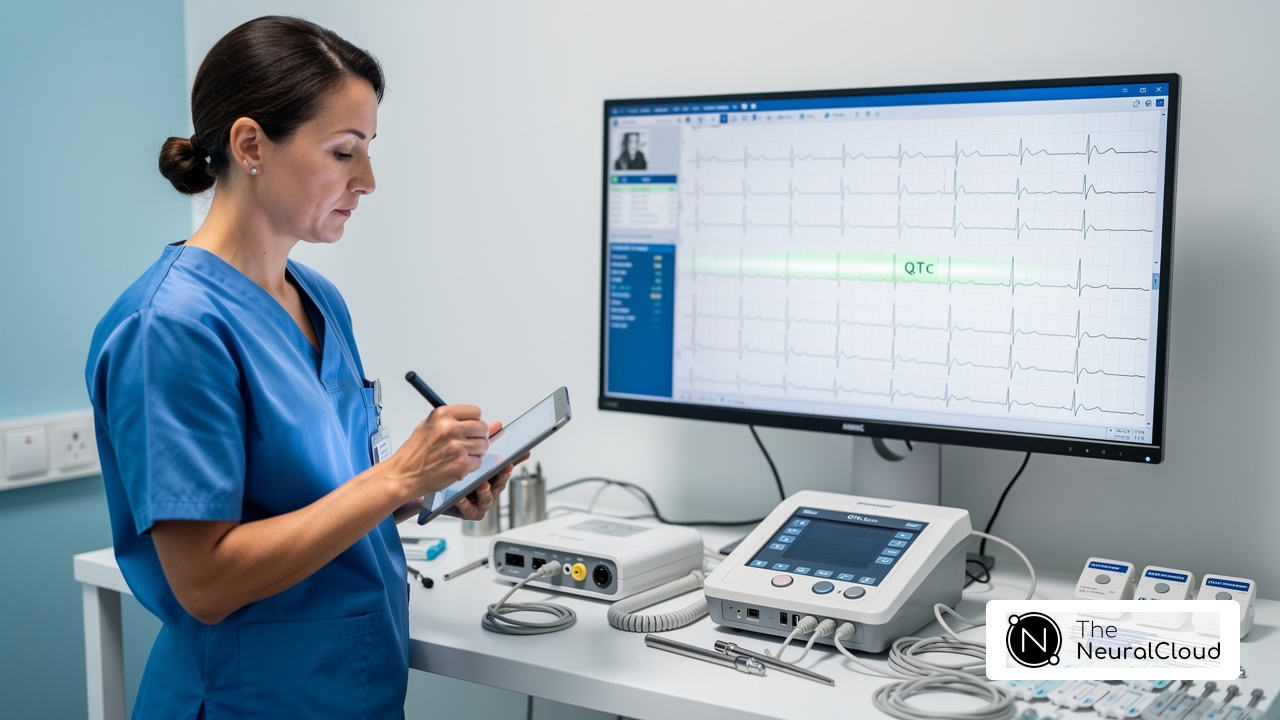
Understanding the nuances of ECG interpretation can be challenging for healthcare professionals, particularly when identifying critical patterns that may signal life-threatening conditions. One such pattern, the precordial swirl, has become a crucial indicator of potential left anterior descending artery occlusion, especially during acute myocardial infarctions. Recognizing the precordial swirl is significant, as it holds predictive value in diagnosing these serious conditions.
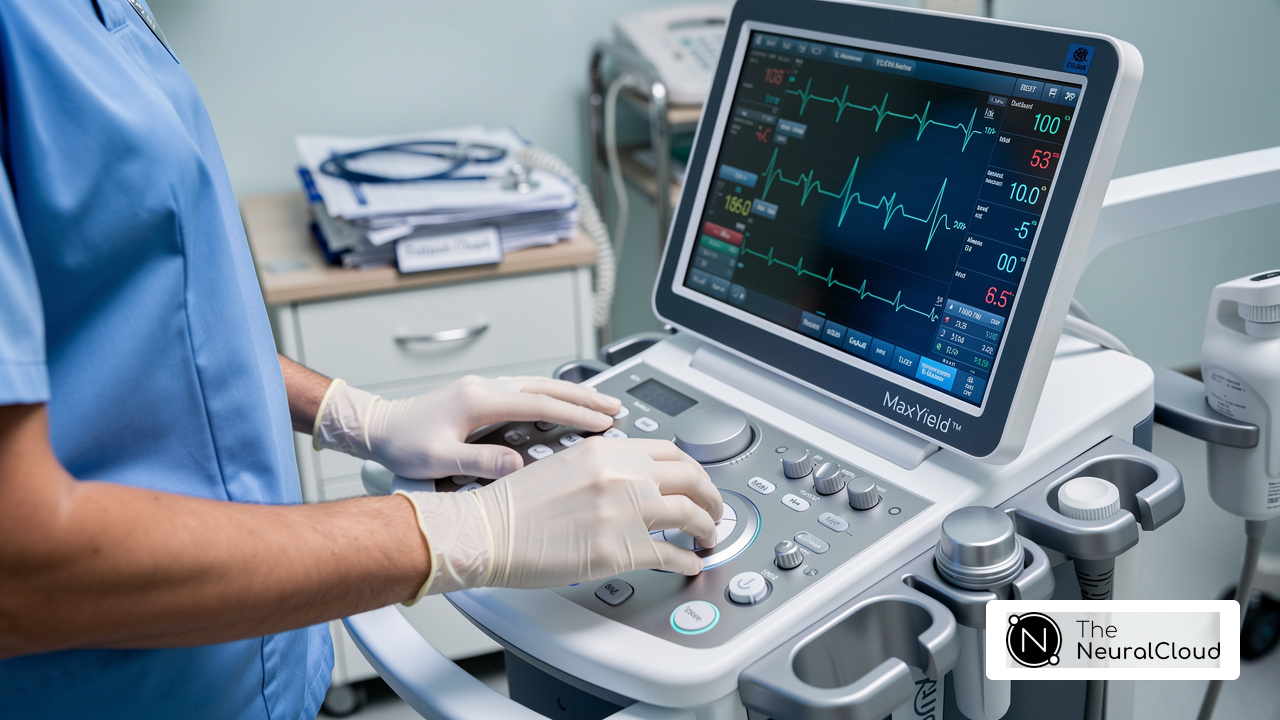
The MaxYield™ platform enhances ECG analysis by integrating advanced technologies that improve diagnostic accuracy. This platform offers features such as real-time data processing and comprehensive pattern recognition, which streamline the analysis process for clinicians. By utilizing these features, healthcare professionals can more effectively identify critical patterns, ultimately leading to better patient outcomes.
Clinicians can leverage the insights gained from the MaxYield™ platform to enhance their ECG analysis processes. The platform not only simplifies the interpretation of complex data but also provides actionable insights that can be directly applied in clinical settings. This results in a more efficient workflow and improved decision-making in patient care.
Define the Precordial Swirl: Understanding Its Significance in ECG Interpretation
The precordial swirl is an emerging ECG feature that signals potential left anterior descending (LAD) artery occlusion, especially in cases of acute myocardial infarction. This pattern shows distinct changes in the ST segment and T waves across the precordial leads, particularly V1 and V2, where precordial swirl may indicate ST elevation alongside reciprocal ST depression in leads V5 and V6. Recognizing the precordial swirl pattern is vital for clinicians, as it facilitates early detection of critical cardiac events, enabling prompt intervention and improving patient outcomes.
Recent studies reveal that the precordial swirl motion pattern has a positive predictive value (PPV) of 42% for occlusive myocardial infarction (MI) and a specificity of 98%. It effectively identifies critical LAD blockages that standard STEMI criteria often miss, underscoring the importance of the precordial swirl in enhancing diagnostic accuracy. The significance of precordial swirl in ECG interpretation is profound, marking a crucial advancement in identifying high-risk heart attacks and ultimately improving patient care.
With the integration of Neural Cloud Solutions' MaxYield™ platform, analyzing these patterns becomes even more efficient. This system employs advanced noise filtering and wave recognition to transform noisy recordings into clear insights, allowing clinicians to confidently identify precordial swirl and other significant cardiac events. Its beat-by-beat analysis capability processes 200,000 heartbeats in under 5 minutes, while also recovering previously obscured sections of recordings.
This automated approach not only boosts the precision of ECG interpretation but also streamlines the workflow, enhancing care for individuals. By leveraging the MaxYield™ platform, healthcare professionals can improve their diagnostic capabilities, ultimately leading to better patient outcomes.

Identify the Precordial Swirl: Key ECG Characteristics and Patterns
To identify the precordial swirl, clinicians should focus on key ECG characteristics, utilizing the MaxYield™ platform for enhanced analysis:
- ST Segment Changes: Clinicians should look for ST elevation in leads V1 and V2, which indicates transmural ischemia. This elevation often comes with reciprocal ST depression in lateral leads, particularly V5 and V6, showing a specificity of 92% for occlusion myocardial infarction (MI). Notably, studies reveal that 70% of occlusion MI patients identified by current STEMI criteria were missed when using the precordial swirl sign. This underscores the importance of recognizing this pattern in clinical practice. The MaxYield™ system can rapidly analyze these segments, providing detailed insights that support timely diagnosis.
- T Wave Morphology: Hyperacute T waves in the affected leads can signal acute myocardial ischemia, a critical indicator for early detection of occlusive events. Recent studies highlight that hyperacute T waves on ECG are valuable for identifying acute coronary occlusion. The MaxYield™ platform enhances this process by automating the labeling of T wave changes, ensuring that clinicians do not overlook these vital signs.
- QRS Complex: A narrow QRS complex suggests normal conduction without left ventricular hypertrophy (LVH), which is essential for accurate interpretation. The MaxYield™ tool aids in distinguishing these patterns even in noisy recordings, ensuring clarity in analysis.
- Reciprocal Changes: Clinicians should pay attention to reciprocal ST depression in V5 and V6, as these changes support the diagnosis of the precordial swirl. With this technology, clinicians can efficiently isolate these critical features from complex ECG data, enhancing diagnostic accuracy.
Identifying these patterns is essential for prompt diagnosis and intervention in individuals with suspected acute coronary syndromes. Research shows that many individuals with LAD occlusion were overlooked by current STEMI criteria. Effectively identifying these ECG features, supported by advanced tools like MaxYield™, can significantly enhance clinical decision-making and improve patient outcomes.

Leverage Advanced Technology: Enhancing ECG Analysis with AI and Automation
ECG analysis presents several challenges, particularly in accurately identifying patterns like precordial motion. The MaxYield™ platform addresses these issues through advanced AI and automation, significantly enhancing diagnostic capabilities for healthcare professionals.
One of the standout features of the MaxYield™ platform is its AI algorithms, which excel at recognizing the pattern of the precordial swirl. This capability streamlines the interpretation process and boosts diagnostic accuracy. In clinical studies, AI models have demonstrated detection accuracies of 96-97% for irregular heart rhythms, highlighting their reliability in practice.
- Real-Time Analysis: The platform offers beat-by-beat analysis, processing insights on 200,000 heartbeats in under five minutes. This real-time feedback on ECG readings allows clinicians to detect potential abnormalities as they arise, facilitating prompt interventions. Continuous monitoring is crucial, as it keeps healthcare providers informed of significant changes in patient conditions.
- Data Integration: Another key feature is the system's ability to aggregate data from various ECG devices. This ensures that clinicians have access to comprehensive patient histories and trends, supporting informed decision-making, especially in complex cases where multiple factors must be considered.
- Continuous Learning: The AI-driven automation continuously learns from new data, enhancing its accuracy over time and adapting to emerging patterns in ECG interpretation. This adaptability is essential for maintaining high diagnostic standards as clinical practices evolve.
- Noise Filtering and Wave Highlighting: The platform employs advanced noise filtering techniques and highlights essential wave features - P, QRS, and T waves - improving the clarity of ECG signals. This ensures that healthcare professionals can rely on clean signals for accurate analysis.
By leveraging these advanced technologies, healthcare professionals can significantly enhance their diagnostic capabilities, ultimately leading to improved outcomes for patients.

Apply Your Knowledge: Clinical Implications of the Precordial Swirl in Patient Care
Recognizing the precordial swirl has significant clinical implications, especially when employing advanced technologies such as MaxYield™ from Neural Cloud Solutions.
Challenges in ECG Analysis: ECG analysis can often be complicated by lengthy and noisy recordings, making it difficult for healthcare professionals to identify critical patterns. This is where MaxYield™ comes into play, transforming these recordings into clean, crisp signals that enhance diagnostic accuracy.
Features of MaxYield™:
- Timely Intervention: Identifying the precordial motion can lead to quicker interventions, such as angioplasty or thrombolysis, which are crucial in managing acute myocardial infarction. Research indicates that prompt identification of this motion can significantly reduce the time to intervention, with findings showing that 83% of individuals with precordial motion had left anterior descending (LAD) culprit lesions.
- Risk Stratification: Understanding the precordial swirl allows clinicians to categorize individuals based on their risk for severe cardiac incidents. The precordial swirl pattern boasts a positive predictive value (PPV) of 42%, sensitivity of 11%, and specificity of 92% for occlusion myocardial infarction (MI). With advanced noise filtering and unique wave recognition, clinicians can more accurately identify this pattern, ensuring high-risk individuals receive timely attention.
- Enhanced Communication: Familiarity with this ECG pattern fosters better communication among healthcare teams. When all members recognize the potential seriousness linked to the precordial motion, it promotes a collaborative approach to patient care. MaxYield™ aids this process by providing clear and precise ECG waveforms, enhancing overall treatment efficacy and potentially improving patient outcomes.
Integrating the precordial swirl into training and education programs for healthcare professionals can enhance ECG interpretation skills. Improved training leads to better diagnostic accuracy, ultimately resulting in better outcomes for patients, especially in acute myocardial infarction scenarios. The system's continuous learning model further enhances this by evolving its algorithms with each use, ensuring healthcare providers have access to the most accurate tools for ECG analysis.
By applying this knowledge in clinical settings, healthcare providers can enhance their diagnostic accuracy and improve patient care, particularly in acute myocardial infarction scenarios, all while leveraging the innovative capabilities of MaxYield™.

Conclusion
Recognizing the precordial swirl in ECG analysis marks a significant advancement in diagnosing acute myocardial infarction, especially regarding left anterior descending artery occlusions. This emerging pattern, defined by specific ST segment and T wave changes, enhances diagnostic accuracy and facilitates timely interventions, ultimately improving patient outcomes.
The article highlights key characteristics of the precordial swirl, including:
- ST segment elevations in leads V1 and V2
- Reciprocal changes in V5 and V6
- Hyperacute T waves
These features are essential for identifying occlusive events. The MaxYield™ platform integrates these elements, offering advanced noise filtering, real-time analysis, and AI-driven insights that empower clinicians to make informed decisions swiftly.
Embracing the precordial swirl as a vital component of ECG interpretation not only enhances individual diagnostic capabilities but also fosters a collaborative healthcare environment. By prioritizing training on this crucial pattern and leveraging advanced technologies, healthcare professionals can significantly improve their response to acute cardiac events, ensuring that high-risk patients receive the urgent care they need.
The importance of the precordial swirl cannot be overstated; it represents a substantial leap forward in cardiac care. This underscores the need for continuous learning and adaptation in clinical practice, ensuring that healthcare providers remain at the forefront of effective patient care.
Frequently Asked Questions
What is the precordial swirl in ECG interpretation?
The precordial swirl is an emerging ECG feature that indicates potential left anterior descending (LAD) artery occlusion, particularly in cases of acute myocardial infarction. It is characterized by distinct changes in the ST segment and T waves in the precordial leads, especially V1 and V2.
How does the precordial swirl manifest on an ECG?
The precordial swirl pattern may show ST elevation in leads V1 and V2, along with reciprocal ST depression in leads V5 and V6.
Why is recognizing the precordial swirl important for clinicians?
Recognizing the precordial swirl is crucial for early detection of critical cardiac events, allowing for prompt intervention and improving patient outcomes.
What are the predictive values associated with the precordial swirl?
Recent studies indicate that the precordial swirl has a positive predictive value (PPV) of 42% for occlusive myocardial infarction (MI) and a specificity of 98%, making it effective in identifying critical LAD blockages that may be missed by standard STEMI criteria.
How does the precordial swirl improve diagnostic accuracy?
The precordial swirl enhances diagnostic accuracy by identifying high-risk heart attacks that may not be detected through standard ECG criteria, thereby improving patient care.
What technology aids in analyzing the precordial swirl?
The MaxYield™ platform from Neural Cloud Solutions aids in analyzing precordial swirl patterns by employing advanced noise filtering and wave recognition, transforming noisy recordings into clear insights.
What are the capabilities of the MaxYield™ platform?
The MaxYield™ platform can process 200,000 heartbeats in under 5 minutes and recover previously obscured sections of recordings, enhancing the precision of ECG interpretation and streamlining clinician workflow.
How does the MaxYield™ platform benefit healthcare professionals?
By leveraging the MaxYield™ platform, healthcare professionals can improve their diagnostic capabilities, leading to better patient outcomes through more accurate identification of significant cardiac events.
List of Sources
- Define the Precordial Swirl: Understanding Its Significance in ECG Interpretation
- powerfulmedical.com (https://powerfulmedical.com/research/precordial-swirl-sign-a-new-ecg-pattern-of-left-anterior-descending-artery-occlusion-myocardial-infarction)
- pubmed.ncbi.nlm.nih.gov (https://pubmed.ncbi.nlm.nih.gov/40319770)
- finance.yahoo.com (https://finance.yahoo.com/news/heartbeam-announces-first-patient-enrollments-120000934.html)
- AI outperforms conventional diagnosis for certain types of heart attacks (https://escardio.org/news/press/press-releases/acvc-press)
- nyulangone.org (https://nyulangone.org/news/nyu-langone-heart-cardiologists-present-latest-clinical-findings-research-acc2026)
- Identify the Precordial Swirl: Key ECG Characteristics and Patterns
- pubmed.ncbi.nlm.nih.gov (https://pubmed.ncbi.nlm.nih.gov/40319770)
- nyulangone.org (https://nyulangone.org/news/nyu-langone-heart-cardiologists-present-latest-clinical-findings-research-acc2026)
- powerfulmedical.com (https://powerfulmedical.com/research/precordial-swirl-sign-a-new-ecg-pattern-of-left-anterior-descending-artery-occlusion-myocardial-infarction)
- linkedin.com (https://linkedin.com/posts/dr-okema_the-precordial-swirl-sign-its-activity-7345877191873781761-ITtc)
- Leverage Advanced Technology: Enhancing ECG Analysis with AI and Automation
- AI-Powered ECG Analysis Offers Promising Path for Early Detection of Chronic Obstructive Pulmonary Disease, Say Mount Sinai Researchers (https://mountsinai.org/about/newsroom/2026/ai-powered-ecg-analysis-offers-promising-path-for-early-detection-of-chronic-obstructive-pulmonary-disease-say-mount-sinai-researchers)
- AI-based ECG interpretation outperforms standard diagnosis of occlusive myocardial infarction (https://news-medical.net/news/20260323/AI-based-ECG-interpretation-outperforms-standard-diagnosis-of-occlusive-myocardial-infarction.aspx)
- Investigating the Efficacy of AI-Powered Innovations in ECG Analysis and Continuous Heart Monitoring: A Comprehensive Narrative Review - PMC (https://pmc.ncbi.nlm.nih.gov/articles/PMC12419789)
- ECG market keeps evolving thanks to AI, home monitoring and Epic integration (https://signifyresearch.net/2026/02/13/ecg-market-keeps-evolving-thanks-to-ai-home-monitoring-and-epic-integration)
- New AI approach set to revolutionize ECG data interpretation in heart disease diagnosis (https://news-medical.net/news/20250219/New-AI-approach-set-to-revolutionize-ECG-data-interpretation-in-heart-disease-diagnosis.aspx)
- Apply Your Knowledge: Clinical Implications of the Precordial Swirl in Patient Care
- pubmed.ncbi.nlm.nih.gov (https://pubmed.ncbi.nlm.nih.gov/40319770)
- join.hcplive.com (https://join.hcplive.com/view/7-cardiology-headlines-you-missed-in-march-2026)
- nyulangone.org (https://nyulangone.org/news/nyu-langone-heart-cardiologists-present-latest-clinical-findings-research-acc2026)
- hcplive.com (https://hcplive.com/view/q1-2026-recap-cardiology-news-and-updates)
- medcentral.com (https://medcentral.com/cardiology/late-breaking-clinical-trials-that-could-shape-practice-acc-2026)