Introduction
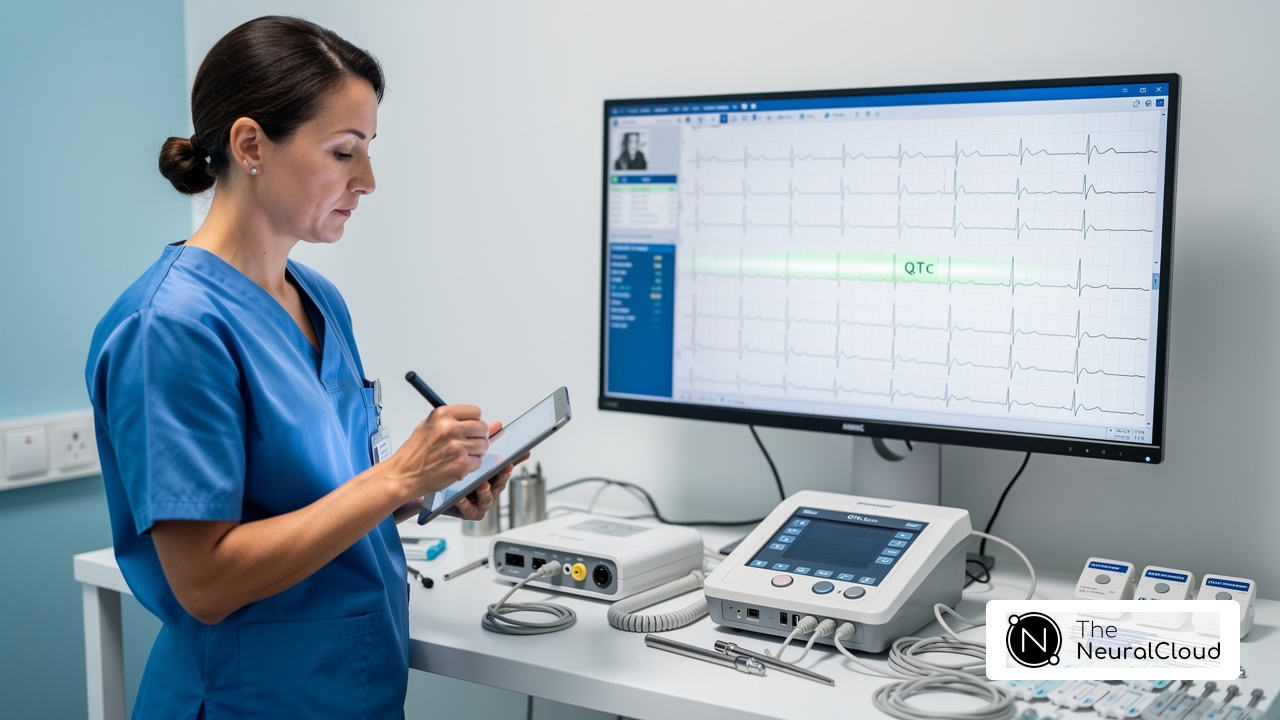
Accurate diagnosis of myocardial infarction remains a daunting challenge, as even minor variations in ECG readings can lead to critical consequences for patient outcomes. By grasping key ECG manifestations like ST-segment elevation and T-wave inversions, healthcare professionals can make timely decisions that truly save lives. Yet, as ECG data grows more complex and advanced diagnostic tools emerge, clinicians face the challenge of effectively integrating these technologies into their workflows to enhance diagnostic accuracy and patient care.
Define Myocardial Infarction and Its ECG Manifestations
Accurately diagnosing myocardial infarction can be challenging due to the subtle variations that indicate an infarct on ECG readings, which require expert interpretation. Myocardial infarction (MI), commonly referred to as a heart attack, occurs when blood flow to a portion of the heart is obstructed, resulting in damage or death of heart muscle cells. The ECG manifestations of MI are critical for accurate diagnosis and include several key changes:
- ST-segment elevation: This change indicates acute injury to the heart muscle and is often observed in ST-Elevation Myocardial Infarction (STEMI), a life-threatening condition requiring immediate intervention.
- T-wave inversions: These suggest ischemia and may indicate a previous MI, highlighting the importance of historical ECG data in patient assessment.
- Pathological Q waves: These develop over time and signify necrosis of heart tissue, serving as a marker for past myocardial damage.
Spotting these ECG variations is vital for ensuring timely intervention and care for patients experiencing an infarct on ECG. Recent studies highlight the importance of these ECG variations, with AI algorithms showing high precision in identifying such abnormalities. For instance, AI-based ECG interpretation has shown a sensitivity of 77% in ruling out occlusive MI, underscoring the potential of technology in enhancing diagnostic precision.
Furthermore, cardiologists stress the importance of understanding ECG waveforms - P waves, QRS complexes, and T waves - as they provide critical insights into cardiac health. Advanced ECG analysis tools, like those from Neural Cloud Solutions, can really boost how we detect and manage myocardial infarction. As the prevalence of myocardial infarction continues to rise, leveraging advanced diagnostic tools is essential for improving patient care and outcomes.

Identify Key ECG Changes in Myocardial Infarction
Recognizing key ECG changes, such as an infarct on ECG, is crucial for timely intervention in cases of myocardial infarction. Key ECG changes associated with myocardial infarction include:
- Hyperacute T waves: These are often the earliest indicators of a myocardial infarction (MI), manifesting as tall and peaked T waves in the leads corresponding to the affected myocardial area. Recent studies highlight their significance in early detection, as they can appear within minutes of ischemic onset.
- ST-segment elevation: This alteration is a defining characteristic of ST-Elevation Myocardial Infarction (STEMI), where the ST segment rises above the baseline in two or more contiguous leads. Current research underscores the importance of ST-segment elevation as a hallmark of STEMI, emphasizing its role in identifying an infarct on ECG to guide urgent treatment decisions.
- T-wave inversions: These may develop in leads corresponding to the ischemic area, indicating ongoing myocardial damage. The prevalence of T-wave inversions in both STEMI and Non-ST-Elevation Myocardial Infarction (NSTEMI) cases is significant, as they can signal the need for immediate intervention.
- Pathological Q waves: These typically develop over hours to days and signify irreversible myocardial necrosis. They are usually observed in leads that reflect the area of the infarct on ECG, which provides critical information for diagnosing the extent of myocardial damage.
Recognizing these alterations swiftly is crucial for accurate diagnosis and treatment; delays in recognizing these changes can lead to critical consequences for patient care. Utilizing advanced algorithms can significantly enhance the speed and accuracy of MI detection, ultimately improving patient outcomes.

Utilize Advanced Tools for Enhanced ECG Analysis
ECG analysis often faces challenges such as noisy signals and the need for rapid interpretation, which can hinder accurate diagnoses. To enhance ECG analysis, consider the following advanced tools:
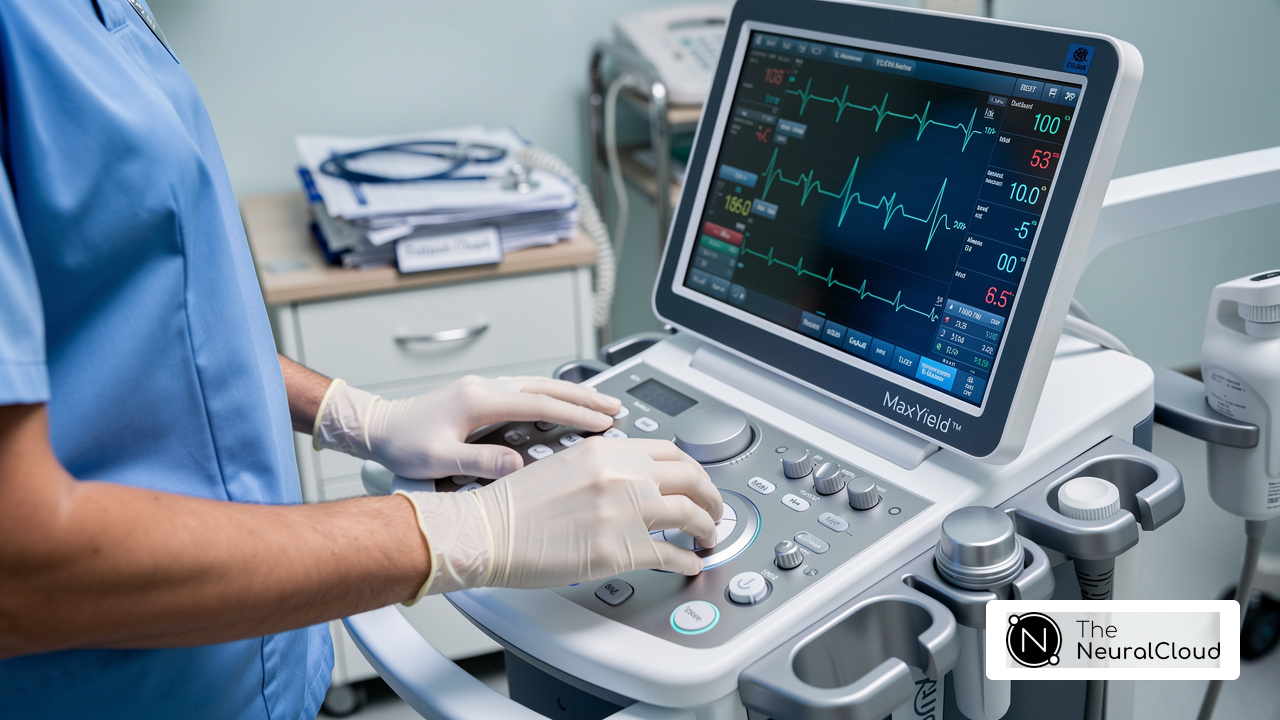
- MaxYield: MaxYield is an AI-driven tool that cleans up noisy ECG signals, giving you high-quality data that makes interpretation much more accurate. It rapidly analyzes 200,000 heartbeats in less than 5 minutes and uses patented signal mapping algorithms to understand cardiac physiology at the waveform level, resulting in clearer signals and reduced noise. Additionally, it is currently pending FDA Class II SaMD clearance and provides audit-ready documentation for compliance.
- Insight360: This visualization tool converts raw ECG information into customizable dashboards and reports, facilitating improved trend evaluation and informed clinical decision-making. By utilizing MaxYield’s outputs, Insight360 enables users to visualize trends and export clinical-ready visualizations, enhancing the speed and precision of ECG analysis.
- Machine Learning Algorithms: These algorithms help identify patterns and anomalies in ECG information, enhancing diagnostic accuracy and minimizing false positives. AI models have demonstrated high sensitivity and specificity rates, consistently exceeding 90% for detecting various cardiac conditions, including atrial fibrillation and left ventricular hypertrophy.
- Cloud-Based Solutions: These solutions enable real-time access to ECG information, facilitating remote monitoring and quicker clinical responses. The integration of ECG tracking in electronic health records allows healthcare providers to assess cardiac conditions promptly, enhancing patient care.
By adopting these advanced tools, healthcare professionals can significantly improve diagnostic accuracy and patient outcomes in cardiac care. For personalized walkthroughs or free trials of MaxYield and Insight360, contact Neural Cloud Solutions Inc.

Integrate ECG Analysis into Clinical Workflows
Integrating ECG analysis into clinical workflows presents unique challenges that require strategic solutions. To effectively enhance ECG evaluation processes, healthcare facilities should consider the following steps:
- Assess Current Workflows: Identify areas for enhancement in ECG information collection, interpretation, and reporting. Current workflows often struggle with integrating ECG data effectively, which may lead to potential misinterpretations, particularly concerning infarct on ECG, and delays in patient care.
- Implement Advanced Tools: Introduce AI-driven solutions, such as MaxYield™ and Insight360, to enhance information processing and visualization. MaxYield™ quickly identifies the start and end points of P, QRS, and T waves, along with time intervals, offering detailed analysis that clarifies noisy recordings. Insight360 can then take this clean ECG information and create interactive dashboards and clinical-ready reports. Notably, MaxYield™ is pending FDA Class II SaMD clearance, ensuring compliance with regulatory standards.
- Train Staff: Provide comprehensive training programs for healthcare professionals on utilizing new technologies and interpreting advanced ECG data effectively. Healthcare leaders emphasize that ongoing training is key to successfully using ECG tools, helping staff make the most of these advancements.
- Establish Protocols: Develop standardized protocols for ECG interpretation and reporting. This consistency is essential for upholding precision throughout the team and guaranteeing that all clinicians are unified in their method to ECG evaluation.
- Monitor Outcomes: Regularly evaluate the impact of integrated tools on diagnostic accuracy and patient outcomes. Without regular evaluations, healthcare facilities risk falling behind in diagnostic accuracy and patient care standards. Ongoing monitoring enables prompt modifications to workflows and training programs, ensuring that the incorporation of ECG evaluation stays effective and adaptable to clinical needs.
By prioritizing effective integration, healthcare facilities can significantly enhance their diagnostic capabilities and patient outcomes. Emphasizing user-centric design in ECG analysis tools will further enhance usability and adoption, ultimately benefiting both clinicians and patients. For personalized walkthroughs or free trials of MaxYield™ and Insight360, contact Neural Cloud Solutions today.

Conclusion
ECG interpretation presents significant challenges that can hinder timely diagnosis and treatment of myocardial infarction. This article highlights the critical importance of recognizing specific ECG manifestations such as:
- ST-segment elevation
- T-wave inversions
- Pathological Q waves
Recognizing these variations helps healthcare professionals respond more effectively, ultimately improving patient care.
Key insights discussed include the role of advanced tools like MaxYield and Insight360, which leverage AI technology to enhance ECG analysis. These tools not only improve the accuracy of diagnoses but also streamline clinical workflows, allowing for quicker and more effective responses in emergency situations. The integration of these technologies into clinical practice is vital, as it addresses the complexities associated with ECG interpretation and fosters a more efficient healthcare environment.
By prioritizing advanced training and technology adoption, healthcare professionals can significantly enhance patient outcomes in cases of myocardial infarction. As the prevalence of myocardial infarction continues to rise, embracing advanced diagnostic tools and integrating them into clinical workflows will be crucial for improving patient care.
Frequently Asked Questions
What is the importance of ECG analysis in understanding heart activity?
Accurate ECG analysis is essential for interpreting heart activity data, as it captures the heart's electrical activity and provides insights into heart rhythm and function.
What are the main components of the ECG waveform?
The ECG waveform comprises P waves, QRS complexes, and T waves, each representing distinct phases of the cardiac cycle, which are vital for accurate interpretation of an infarct on ECG.
What is myocardial damage and how does it occur?
Myocardial damage occurs when blood flow to a section of the heart is blocked, resulting in tissue damage.
How does ischemia affect the ECG?
Ischemia induces changes in the ECG, such as ST-segment elevation or depression, which are critical indicators in diagnosing myocardial infarction (MI).
Why is timely recognition of an infarct on ECG important?
Timely recognition of an infarct on ECG can drastically improve patient outcomes, making it crucial for healthcare providers to master ECG fundamentals.
How can developers enhance diagnostic accuracy in ECG analysis?
By mastering ECG fundamentals and understanding the pathophysiology of myocardial damage, developers can significantly enhance diagnostic accuracy, leading to improved patient care.
List of Sources
- Define Myocardial Infarction and Its ECG Manifestations
- pmc.ncbi.nlm.nih.gov (https://pmc.ncbi.nlm.nih.gov/articles/PMC10145690)
- Announcing the AI-ECG TIMI Study: A Multi-Center Validation (https://powerfulmedical.com/blog/announcing-the-ai-ecg-timi-study-a-multi-center-validation)
- pmc.ncbi.nlm.nih.gov (https://pmc.ncbi.nlm.nih.gov/articles/PMC10122825)
- New study finds AI model improves heart attack detection (https://health.ucdavis.edu/news/headlines/new-study-finds-ai-model-improves-heart-attack-detection/2025/11)
- Artificial intelligence may speed heart attack diagnosis and treatment (https://newsroom.heart.org/news/artificial-intelligence-may-speed-heart-attack-diagnosis-and-treatment)
- AI-based ECG interpretation outperforms standard diagnosis of occlusive myocardial infarction (https://news-medical.net/news/20260323/AI-based-ECG-interpretation-outperforms-standard-diagnosis-of-occlusive-myocardial-infarction.aspx)
- AI outperforms conventional diagnosis for certain types of heart attacks (https://escardio.org/news/press/press-releases/acvc-press)
- Identify Key ECG Changes in Myocardial Infarction
- North American COVID-19 ST-Elevation Myocardial Infarction (STEMI) Research Reveals Impact on Minority Populations, High Mortality and Atypical Symptoms | Minneapolis Heart Institute Foundation (https://mplsheart.org/news/north-american-covid-19-st-elevation-myocardial-infarction-stemi-research-reveals-impact)
- STEMI: ST-segment Elevation Myocardial Infarction - The Cardiology Advisor (https://thecardiologyadvisor.com/ddi/stemi-st-elevation-myocardial-infarction)
- AI-based ECG interpretation outperforms standard diagnosis of occlusive myocardial infarction (https://news-medical.net/news/20260323/AI-based-ECG-interpretation-outperforms-standard-diagnosis-of-occlusive-myocardial-infarction.aspx)
- New study finds AI model improves heart attack detection (https://health.ucdavis.edu/news/headlines/new-study-finds-ai-model-improves-heart-attack-detection/2025/11)
- Utilize Advanced Tools for Enhanced ECG Analysis
- pmc.ncbi.nlm.nih.gov (https://pmc.ncbi.nlm.nih.gov/articles/PMC10145690)
- Artificial intelligence in ECG diagnostics - where are we now? (https://escardio.org/communities/councils/cardiology-practice/education/cardiopractice/artificial-intelligence-in-ecg-diagnostics-where-are-we-now)
- How AI is impacting electrocardiography and ECG interpretation for a more accurate diagnosis of cardiovascular diseases (https://tempus.com/resources/content/articles/ai-revolution-electrocardiography-ecg-ai-insights)
- AI Screening for Atrial Fibrillation Shows 90% Accuracy at HRS (https://mddionline.com/cardiovascular/ai-powered-atrial-fibrillation-detection-how-machine-learning-is-transforming-cardiac-care-through-ecg-analysis)
- The latest innovations in ECG technology and analysis - Norav Medical (https://noravmedical.com/advancements-in-ecg-technology-exploring-the-latest-innovations-in-ecg-analysis)
- AccurKardia wins FDA clearance for next-generation ECG analysis system | Medical Economics (https://medicaleconomics.com/view/accurkardia-wins-fda-clearance-for-next-generation-ecg-analysis-system)
- Integrate ECG Analysis into Clinical Workflows
- AI and ECG Interpretation: The next era of cardiology starts here (https://clinicalview.gehealthcare.com/article/ai-and-ecg-interpretation-next-era-cardiology-starts-here)
- Investigating the Efficacy of AI-Powered Innovations in ECG Analysis and Continuous Heart Monitoring: A Comprehensive Narrative Review - PMC (https://pmc.ncbi.nlm.nih.gov/articles/PMC12419789)
- AccurKardia wins FDA clearance for next-generation ECG analysis system | Medical Economics (https://medicaleconomics.com/view/accurkardia-wins-fda-clearance-for-next-generation-ecg-analysis-system)