Introduction
Misinterpretation of ST elevation on an ECG can lead to critical delays in treatment, making accurate analysis essential for healthcare professionals. This tutorial delves into the significance of recognizing a 1mm ST elevation, exploring its diagnostic criteria and the implications for timely intervention in clinical practice.
However, with various conditions that can mimic ST elevation, how can clinicians ensure accurate interpretation and avoid misdiagnosis? This article provides essential insights and advanced tools to enhance ECG analysis.
With the right tools and insights, clinicians can significantly enhance their diagnostic accuracy, ultimately leading to better patient care.
Define ST Elevation and Its Clinical Importance
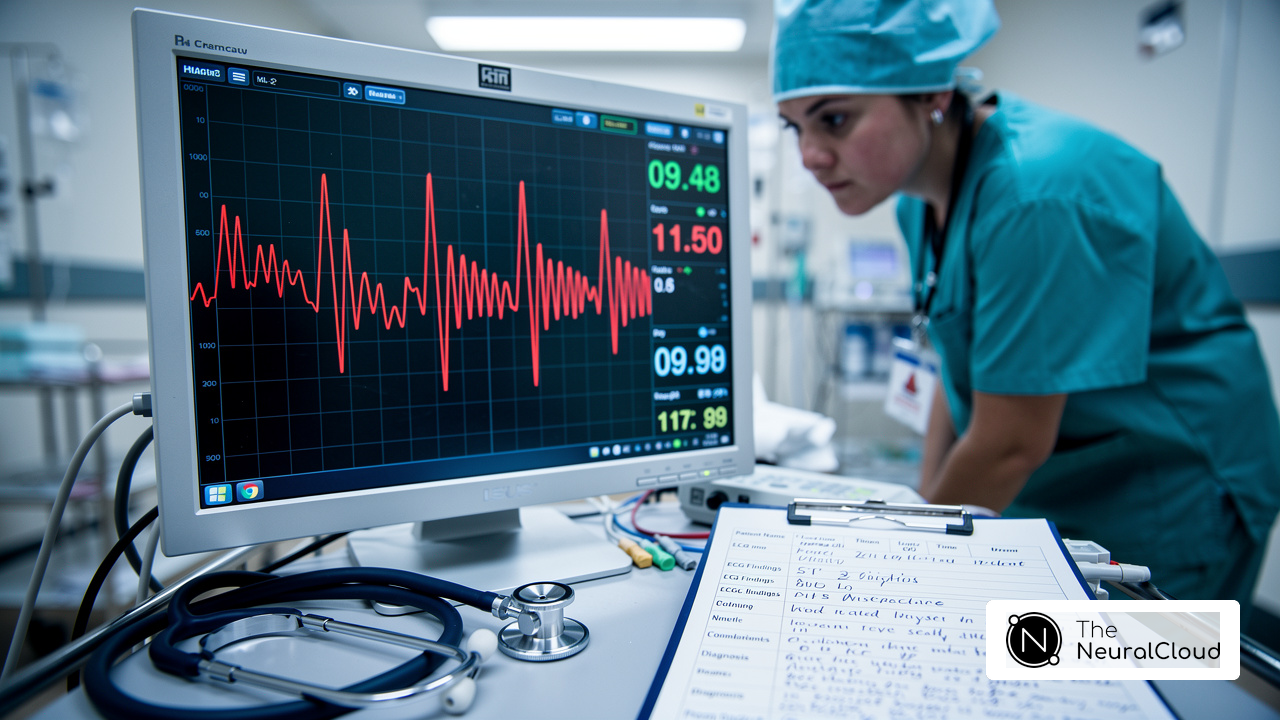
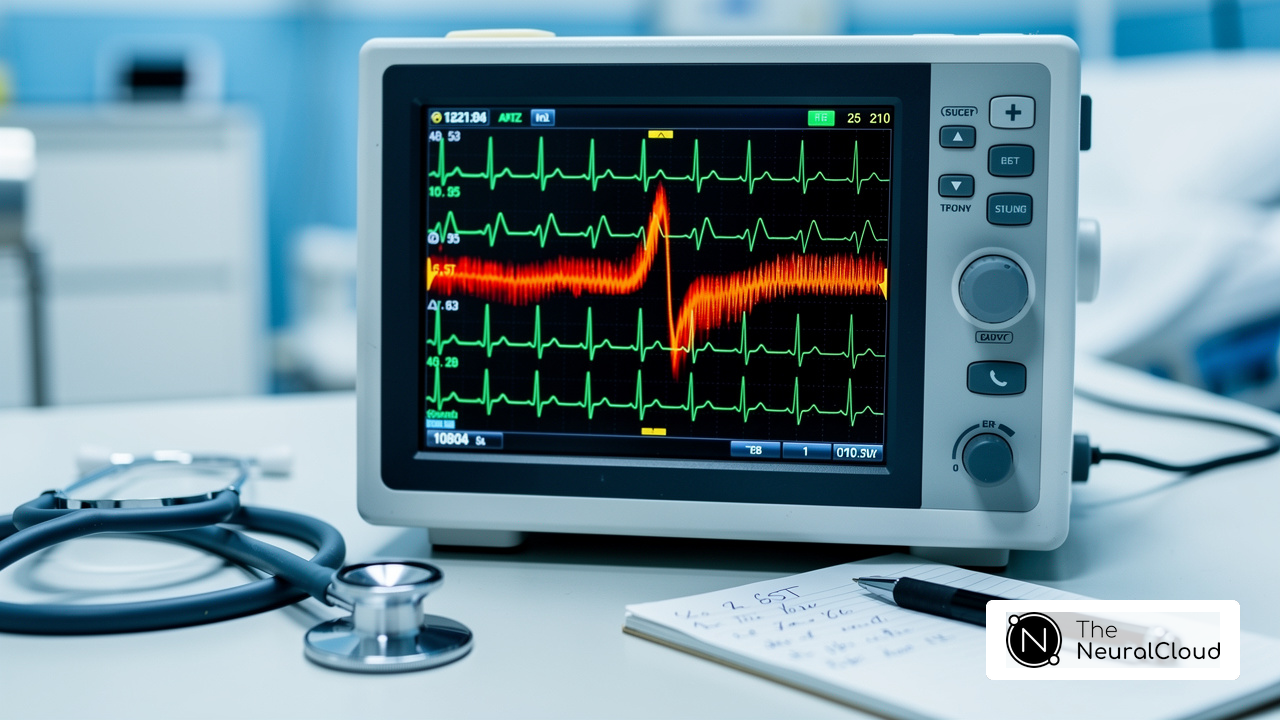
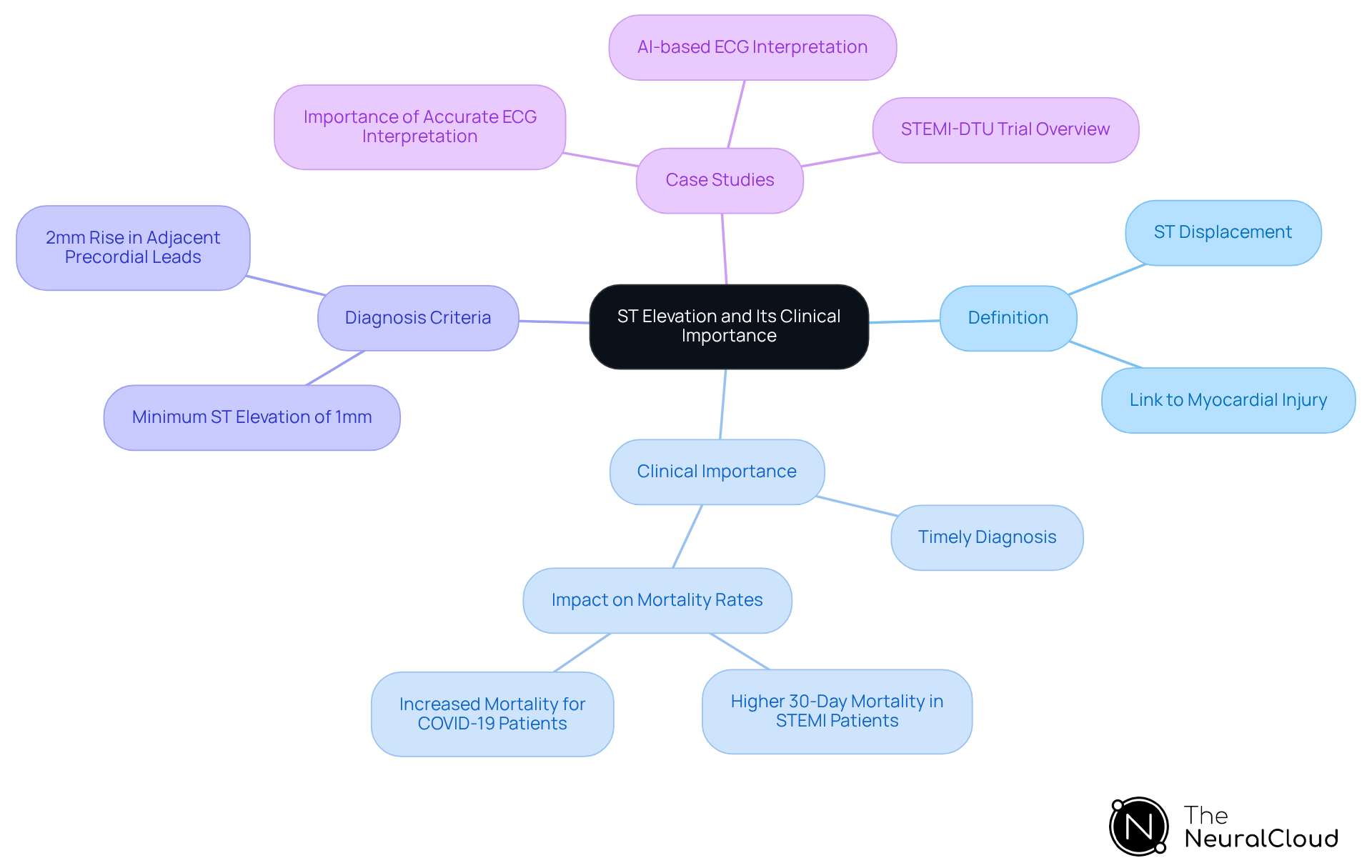
ST displacement is a critical marker on an ECG, indicating potential myocardial injury or ischemia. This rise is most commonly linked to ST-Elevation Myocardial Infarction (STEMI), which signifies a blocked coronary artery that can cause significant harm to the heart muscle. Recognizing ST rise is vital. It can lead to immediate medical action that saves lives. The height is typically measured from the J point, with a standard diagnostic criterion requiring at least ST elevation 1mm in two contiguous leads.
The importance of ST rise is immense. Healthcare professionals must prioritize identifying this marker, as timely diagnosis and intervention can drastically enhance outcomes for individuals. Recent studies emphasize that individuals with STEMI who lack modifiable risk factors encounter a greater 30-day mortality rate, highlighting the urgency of addressing ST changes promptly. Furthermore, ongoing clinical vigilance is necessary for individuals who survive STEMI, particularly those with COVID-19, as they exhibit a significantly higher one-year mortality rate compared to those without the virus.
Case studies highlight how crucial accurate ECG interpretation is. For example, specific criteria for diagnosing STEMI include:
- A minimum of ST elevation 1mm increase in two or more contiguous limb leads
- At least 2 mm rise in adjacent precordial leads
Prompt identification and appropriate care, such as reperfusion therapy, are essential for enhancing patient outcomes. Sophisticated algorithms and technologies, such as those provided by Neural Cloud Solutions, can greatly enhance diagnostic precision, ensuring that healthcare professionals can respond quickly and effectively to ST changes.
Identify Criteria for 1mm ST Elevation on ECG
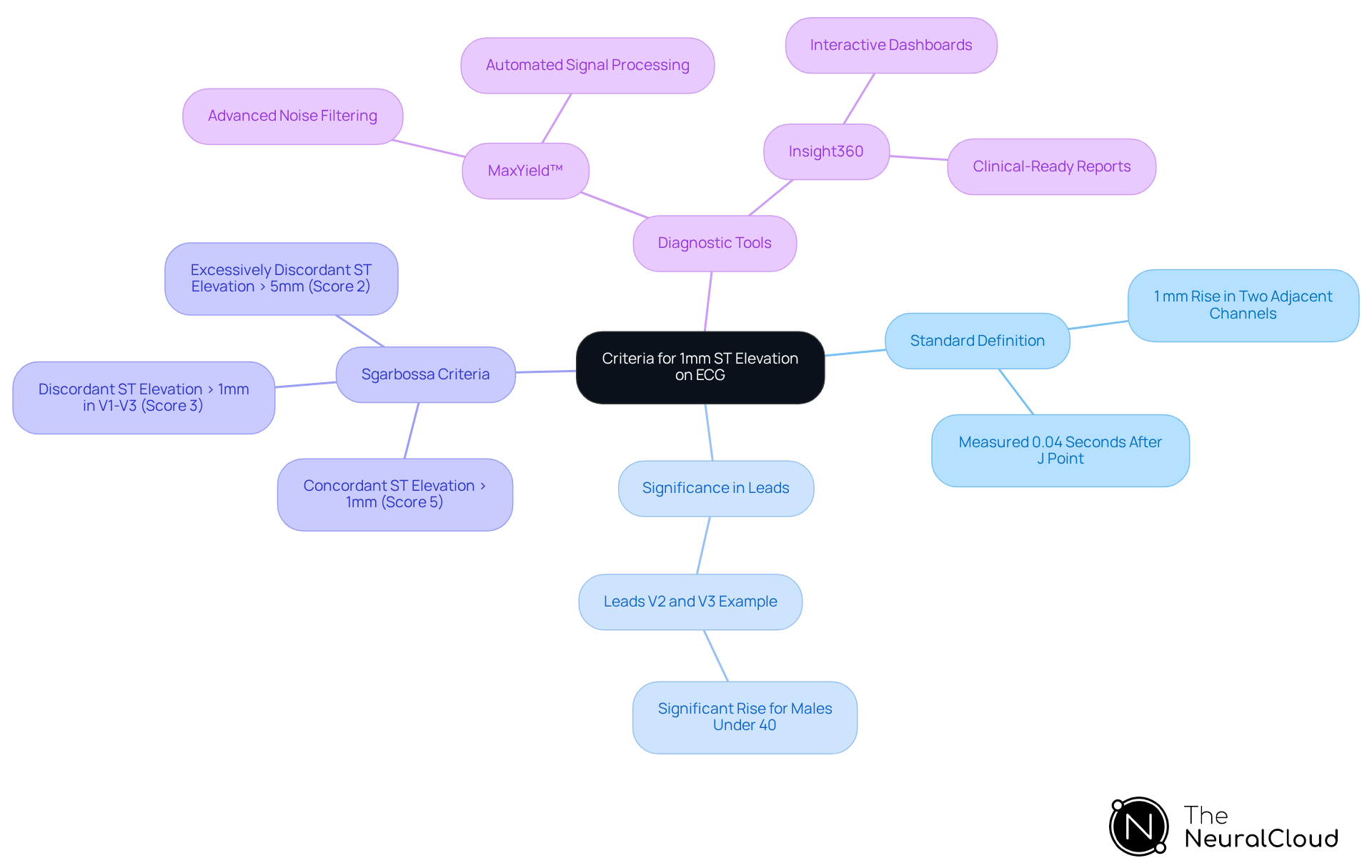
Accurate diagnosis of ST rise is crucial for timely intervention in myocardial infarction cases. To diagnose ST rise correctly, clinicians must adhere to established criteria. The standard definition specifies a rise of at least 1 mm in the ST elevation 1 mm segment in two adjacent channels, measured 0.04 seconds after the J point. This measurement is essential for distinguishing significant ST rise, which indicates myocardial infarction, from benign variations.
For instance, in leads V2 and V3, a rise of 2 mm or greater is often considered significant in males under 40. Delays in treatment can occur when clinicians misinterpret ST rise criteria, highlighting the need for healthcare professionals to understand these guidelines.
Moreover, the Sgarbossa criteria enhance the diagnostic process, particularly in individuals with left bundle branch block (LBBB), by evaluating specific ST segment alterations:
- excessively discordant ST increases greater than 5 mm score 2,
- while concordant ST elevation 1 mm greater than 1 mm in leads with a positive QRS scores 5.
Understanding these criteria is vital for ensuring timely intervention and improving patient outcomes, as every minute of delay in STEMI treatment can lead to increased myocardial damage.
Neural Cloud Solutions' MaxYield™ platform addresses these challenges by providing advanced noise filtering and automated signal processing, including P, QRS, and T Wave highlighting, ensuring that clinicians receive clean, actionable data. Additionally, the Insight360 tool transforms MaxYield’s data into interactive dashboards and clinical-ready reports, further enhancing workflow efficiency.
Expert endorsements from Dr. Alan Rabinowitz, Dr. Brett Heilbron, and Dr. Marc W. Deyell emphasize MaxYield’s precision rivaling human interpretation and its noise reduction benefits, reinforcing the platform's value in clinical settings. With MaxYield™, clinicians can enhance their diagnostic accuracy, ultimately saving lives.
Explore Differential Diagnoses for ST Elevation
While ST elevation 1mm is often linked to myocardial infarction, various other conditions can mimic these ECG changes, necessitating careful interpretation. Notable differential diagnoses include:
- Early repolarization
- Pericarditis
- Myocarditis
- Left ventricular hypertrophy (LVH)
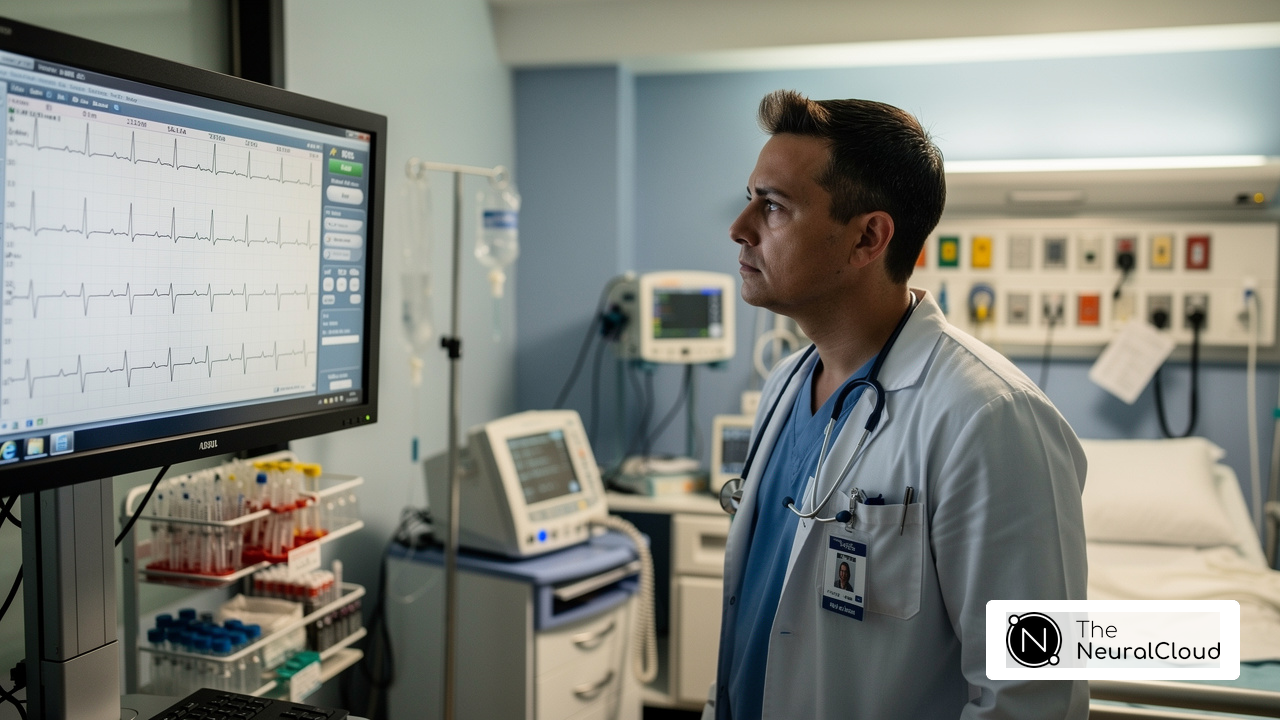
Each condition exhibits distinct ECG characteristics that aid in differentiation. For example, early repolarization usually appears with a concave ST segment, whereas pericarditis frequently displays widespread ST rise across several channels, accompanied by PR segment depression. Myocarditis may manifest with diffuse T wave inversions and localized ST segment changes, while LVH is characterized by high-voltage QRS complexes and ST segment alterations predominantly in anterior leads. Clinicians must grasp these variations to avoid misdiagnosis and provide the right management.
In a case study of a 26-year-old male, acute ST-elevation 1mm myocardial infarction (STEMI) was initially suspected, but further evaluation revealed myocarditis, highlighting the need for thorough ECG analysis. Furthermore, the TIMI risk score, which evaluates factors like age, diabetes, and heart rate, can assist clinicians in assessing the risk linked to ST changes and customizing interventions accordingly. Accurate ECG analysis can significantly improve patient outcomes and reduce unnecessary interventions. Significantly, around 38% of individuals arriving at the hospital with acute coronary syndrome (ACS) have a STEMI, which often presents with ST elevation 1mm, emphasizing the prevalence of this condition and the essential need for precise diagnosis. Moreover, the Sgarbossa criteria should be taken into account for individuals with preexisting left bundle branch block (LBBB) to distinguish ST rise causes effectively. Misdiagnosis can lead to inappropriate treatment of individuals presenting with chest discomfort and an ST elevation 1mm, underscoring the importance of accurate ECG analysis. Neural Cloud Solutions' MaxYield™ platform enhances this process by providing advanced noise filtering and automated signal processing, ensuring that clinicians can analyze ECG data with greater accuracy and efficiency. By incorporating MaxYield™ into their workflow, health tech developers can enhance ECG analysis, minimize physiological variability, and effectively tackle signal artifacts, ultimately improving outcomes for individuals.

Utilize Advanced Technologies for Enhanced ECG Interpretation
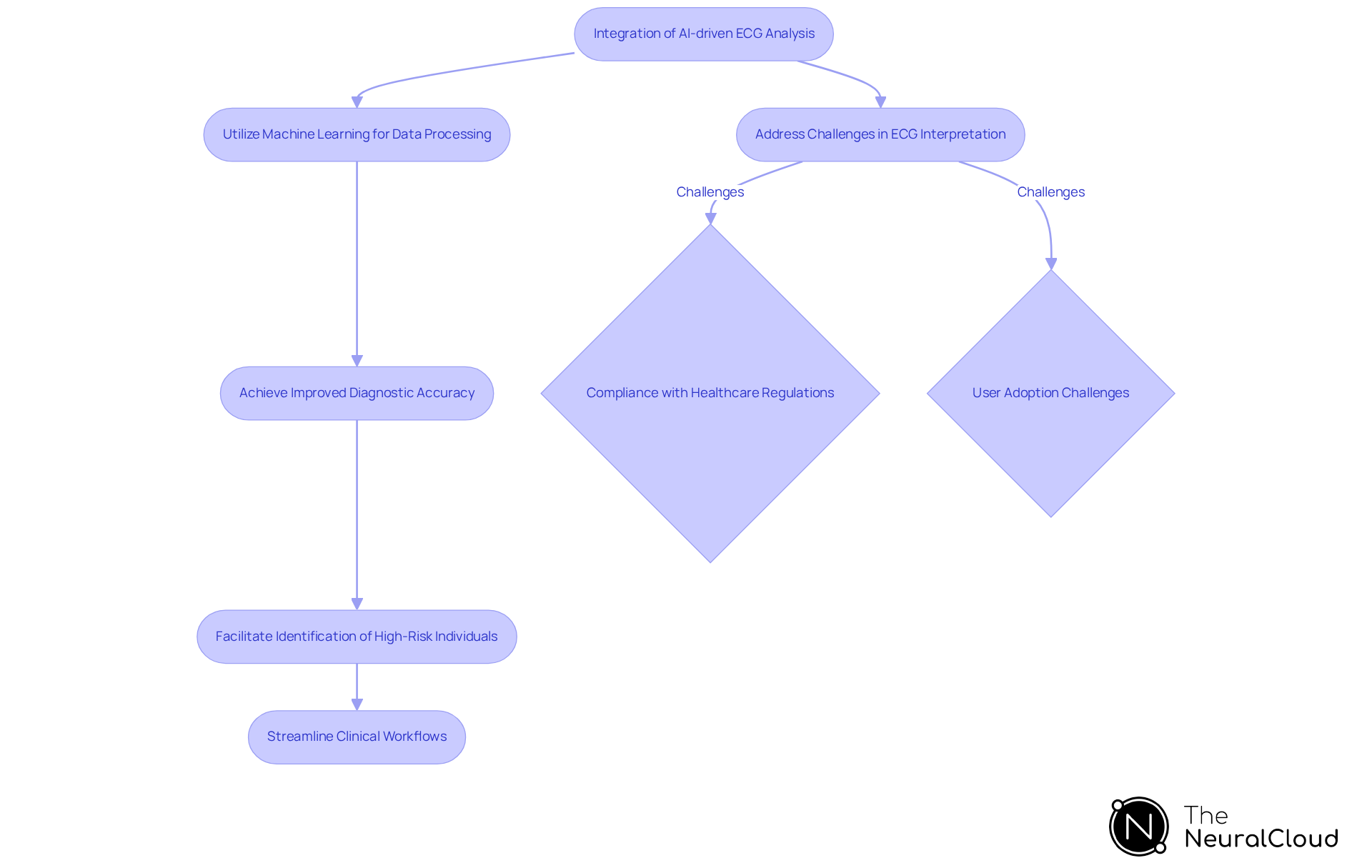
The integration of AI-driven ECG analysis tools addresses significant challenges in interpreting ECG abnormalities, particularly ST rise. These advanced technologies use machine learning algorithms to process large datasets. This leads to improved diagnostic accuracy and faster interpretation times. MaxYield™ does a great job of isolating and cleaning noisy signals. This results in clearer ECG readings that help support informed clinical decisions. Its device-agnostic nature allows seamless integration via API, SDK, or CDK, making it adaptable to various clinical environments.
Recent studies involving over 208,000 ECGs from COPD cases indicate that AI-enhanced ECG analysis can achieve an area-under-the-curve (AUC) of 0.80 in internal testing and 0.82 in external validation, underscoring its effectiveness in real-world applications. Moreover, MaxYield™ facilitates the identification of high-risk individuals, enabling timely interventions that can significantly enhance outcomes. The hybrid approach of combining traditional interpretation with AI outputs is gaining traction, as it allows for better signal detection and reduces the likelihood of misinterpretation.
Integrating MaxYield™ into clinical workflows can be challenging. It involves compliance with healthcare regulations, including its pending FDA Class II SaMD clearance, and ensuring user adoption. However, when healthcare professionals adopt these technologies, they can streamline workflows and improve diagnostic accuracy. This ultimately leads to more effective care for individuals with st elevation 1mm and other cardiac conditions. Additionally, Insight360 transforms MaxYield’s clean ECG data into interactive dashboards, providing a comprehensive view of patient data. With its ability to automate repetitive tasks and deliver a clean, "neuralized" signal, MaxYield™ transforms the ECG analysis landscape, making it an invaluable tool for health tech developers.
Conclusion
Interpreting ST elevation on an ECG is essential for healthcare professionals, as it indicates potential myocardial injury or ischemia. Accurately identifying a 1mm ST elevation in two contiguous leads significantly impacts patient outcomes, particularly in cases of ST-Elevation Myocardial Infarction (STEMI). Quick diagnosis and intervention are crucial, as they can lead to life-saving treatments and improved prognoses for patients.
Key insights include:
- Definition and clinical significance of ST elevation
- Criteria for diagnosing a 1mm elevation
- Differential diagnoses that may mimic these changes
Advanced technologies, such as Neural Cloud Solutions' MaxYield™ platform, enhance ECG interpretation through improved signal clarity and diagnostic precision. The integration of AI-driven tools streamlines the analysis process and supports clinicians in making informed decisions, ultimately leading to better patient care.
In conclusion, mastering the nuances of ST elevation interpretation is paramount for clinicians, especially in the context of rising cardiac conditions. Embracing advanced technologies and adhering to established diagnostic criteria can significantly reduce the risk of misdiagnosis and improve treatment outcomes. As cardiac care evolves, leveraging innovative tools will empower healthcare professionals to tackle the complexities of ST elevation effectively.
Frequently Asked Questions
What is ST elevation and why is it clinically important?
ST elevation is a critical marker on an ECG that indicates potential myocardial injury or ischemia, most commonly associated with ST-Elevation Myocardial Infarction (STEMI). Recognizing ST elevation is vital as it can lead to immediate medical action that saves lives.
How is ST elevation measured on an ECG?
The height of ST elevation is typically measured from the J point, with a standard diagnostic criterion requiring at least 1mm of ST elevation in two contiguous leads.
What are the implications of ST elevation for patient outcomes?
Timely diagnosis and intervention for ST elevation can drastically enhance outcomes for individuals. Studies show that individuals with STEMI who lack modifiable risk factors have a greater 30-day mortality rate, emphasizing the urgency of addressing ST changes promptly.
What specific criteria are used to diagnose STEMI?
The criteria for diagnosing STEMI include a minimum of 1mm ST elevation in two or more contiguous limb leads and at least a 2mm rise in adjacent precordial leads.
Why is ongoing clinical vigilance necessary for individuals who survive STEMI?
Ongoing clinical vigilance is necessary because individuals who survive STEMI, particularly those with COVID-19, exhibit a significantly higher one-year mortality rate compared to those without the virus.
How can technology assist in the identification of ST elevation?
Sophisticated algorithms and technologies, such as those provided by Neural Cloud Solutions, can enhance diagnostic precision, ensuring that healthcare professionals can respond quickly and effectively to ST changes.
List of Sources
- Define ST Elevation and Its Clinical Importance
- Higher 30-Day Mortality in STEMI Patients Without Modifiable Risk Factors (https://thecardiologyadvisor.com/news/cardiovascular-risk-factors-stemi-outcomes)
- Researchers Find COVID-19, Severe Heart Attack Increase Mortality by 25% after One Year (https://dicardiology.com/content/researchers-find-covid-19-severe-heart-attack-increase-mortality-25-after-one-year)
- theneuralcloud.com (https://theneuralcloud.com/post/understanding-st-elevation-key-insights-for-ecg-analysis)
- New ST-elevation myocardial infarction protocol trial data provide deeper insight into patient outcomes (https://medicalxpress.com/news/2026-04-st-elevation-myocardial-infarction-protocol.html)
- AI-based ECG interpretation outperforms standard diagnosis of occlusive myocardial infarction (https://news-medical.net/news/20260323/AI-based-ECG-interpretation-outperforms-standard-diagnosis-of-occlusive-myocardial-infarction.aspx)
- Identify Criteria for 1mm ST Elevation on ECG
- STEMI: ST-segment Elevation Myocardial Infarction - The Cardiology Advisor (https://thecardiologyadvisor.com/ddi/stemi-st-elevation-myocardial-infarction)
- STEMI ECG Criteria: ST-Elevation Thresholds (https://powerfulmedical.com/blog/stemi-ecg-criteria)
- STEMI - Electrocardiogram - M3 Curriculum | SAEM (https://saem.org/about-saem/academies-interest-groups-affiliates2/cdem/for-students/online-education/m3-curriculum/group-electrocardiogram-(ecg)-rhythm-recognition/stemi)
- Acute ST-Segment Elevation Myocardial Infarction (STEMI) - StatPearls - NCBI Bookshelf (https://ncbi.nlm.nih.gov/books/NBK532281)
- Explore Differential Diagnoses for ST Elevation
- STEMI Mimics: ECG Impostors of Heart Attack (https://powerfulmedical.com/blog/stemi-mimics)
- Is This a True STEMI ECG? Typical and Atypical Findings (https://hmpgloballearningnetwork.com/site/cathlab/articles/true-stemi-ecg-typical-atypical-findings)
- Acute ST-Segment Elevation Myocardial Infarction (STEMI) - StatPearls - NCBI Bookshelf (https://ncbi.nlm.nih.gov/books/NBK532281)
- Differential Diagnoses: hyperkalemia as a cause of ST segment elevation mimicking STEMI – ECG Weekly (https://ecgweekly.com/weekly-workout/differential-diagnoses-hyperkalemia-as-a-cause-of-st-segment-elevation-mimicking-stemi)
- Utilize Advanced Technologies for Enhanced ECG Interpretation
- AI Turns ECGs into Powerful Heart Disease Screening Tool (https://insideprecisionmedicine.com/topics/informatics/ai-turns-ecgs-into-powerful-heart-disease-screening-tool)
- AI-Powered ECG Analysis Offers Promising Path for Early Detection of Chronic Obstructive Pulmonary Disease, Say Mount Sinai Researchers (https://mountsinai.org/about/newsroom/2026/ai-powered-ecg-analysis-offers-promising-path-for-early-detection-of-chronic-obstructive-pulmonary-disease-say-mount-sinai-researchers)
- AI and ECG Interpretation: The next era of cardiology starts here (https://clinicalview.gehealthcare.com/article/ai-and-ecg-interpretation-next-era-cardiology-starts-here)
- AI-Based ECG Analysis Significantly Improves STEMI Detection, Reduces False Activations - American College of Cardiology (https://acc.org/latest-in-cardiology/articles/2025/10/24/16/56/tues-554pm-ai-tct-2025)
- ECG market keeps evolving thanks to AI, home monitoring and Epic integration (https://cardiovascularbusiness.com/topics/cardiac-imaging/electrocardiography-ecg/ecg-market-keeps-evolving-thanks-ai-home-monitoring-and-epic-integration)