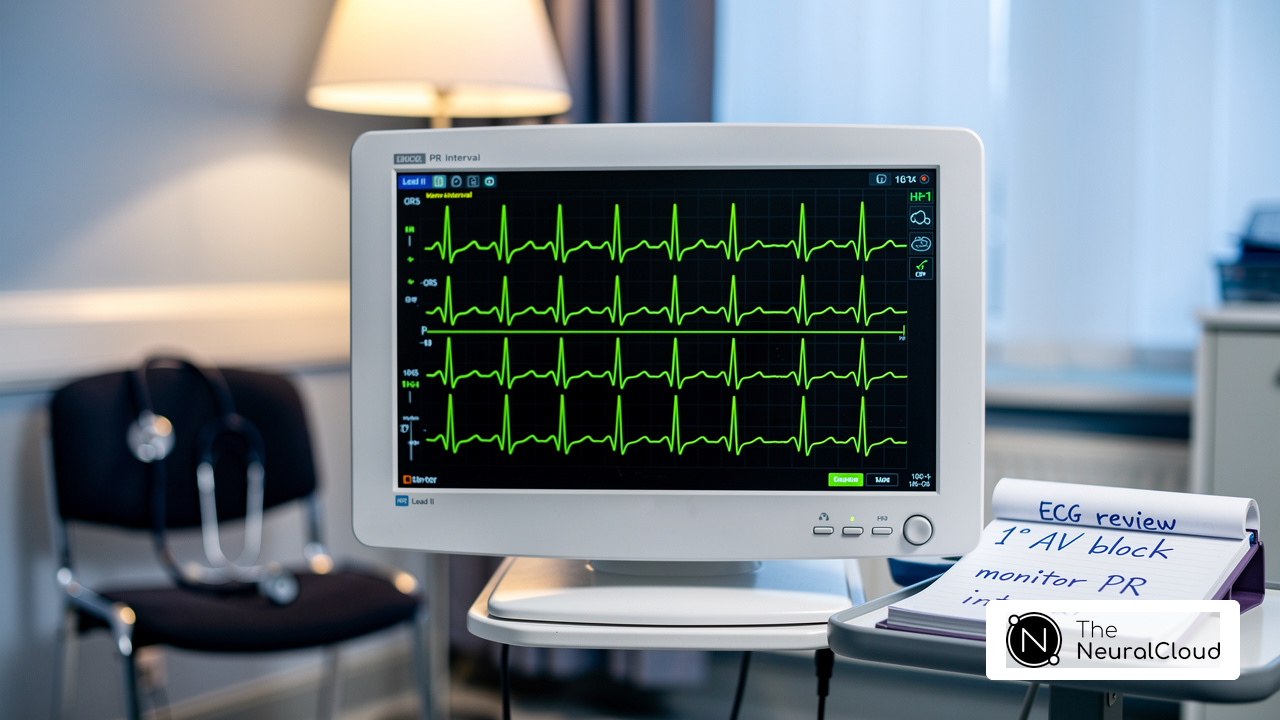
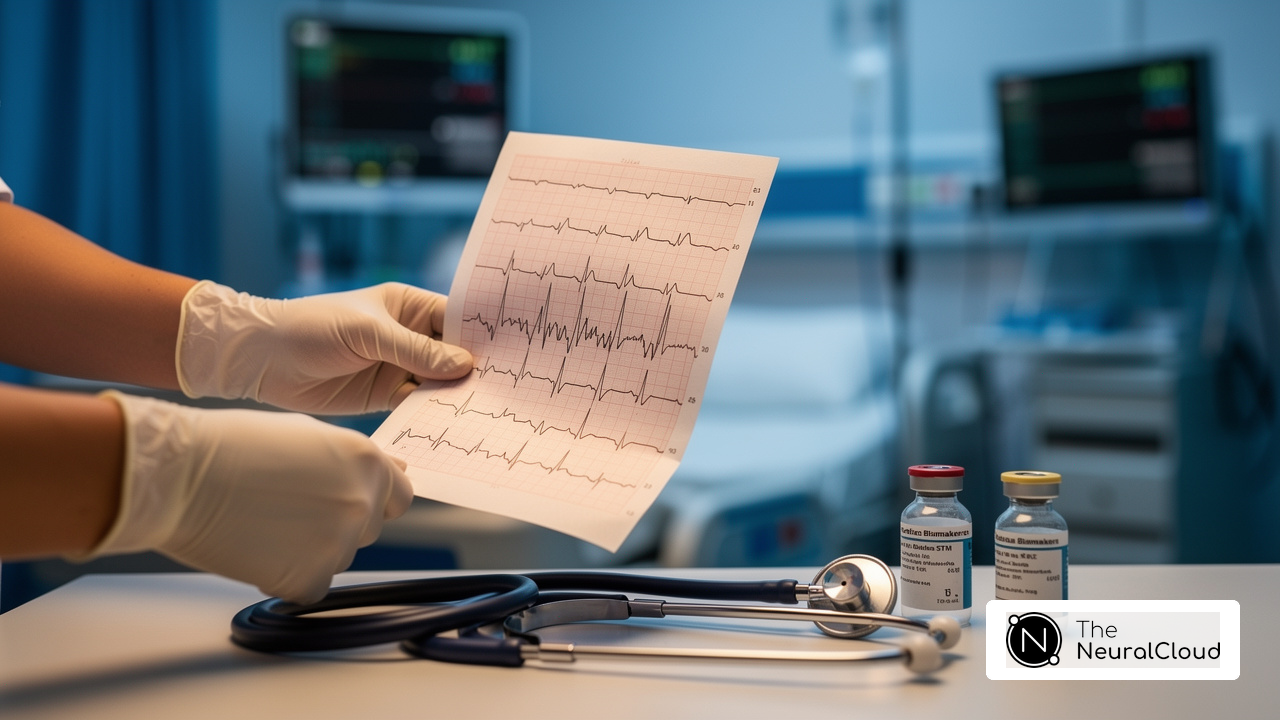
Introduction
In emergency medicine, the stakes are high when it comes to accurately interpreting ECGs, especially for diagnosing ST-Elevation Myocardial Infarction (STEMI). With the potential for misdiagnosis looming large, developers face a unique opportunity to enhance diagnostic precision through advanced technology. Yet, the real question is: how can we effectively tell STEMI apart from its mimics to ensure patients get the timely care they need? Let’s explore some key insights and innovative strategies that can help developers tackle the complexities of STEMI mimics in ECG interpretation.
Define STEMI and Its Mimics: Key Concepts in ECG Interpretation
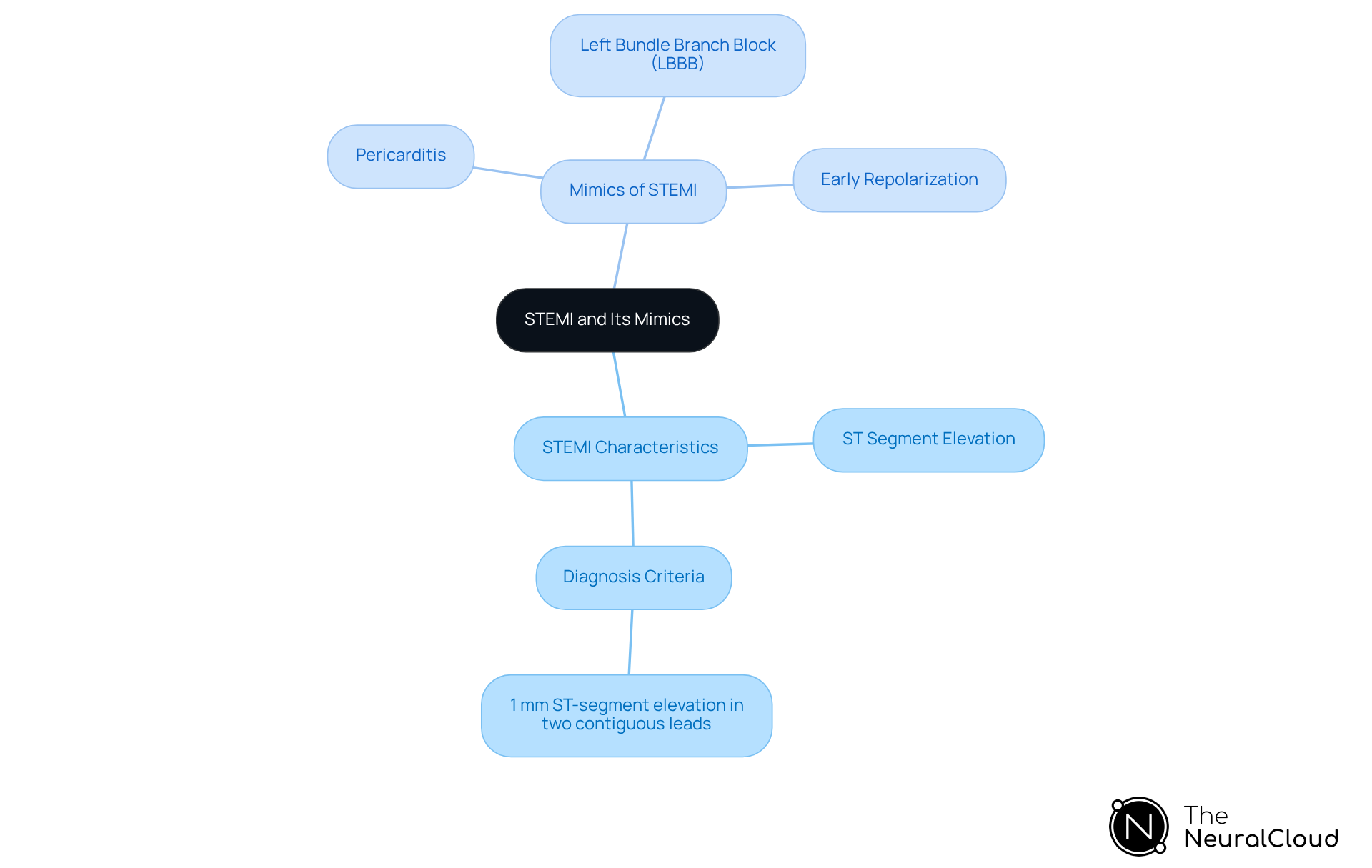
Accurate diagnosis of ST-Elevation Myocardial Infarction remains a significant challenge in clinical practice. This condition is characterized by a notable rise of the ST segment on an ECG, indicating an acute coronary artery blockage. It is diagnosed when there is at least 1 mm of ST-segment elevation in two contiguous leads. Several conditions can be ST-Elevation Myocardial Infarction (STEMI) mimics on ECG, which may result in misdiagnosis. Common conditions that STEMI mimics on ECG include:
- Pericarditis
- Left bundle branch block (LBBB)
- Early repolarization
Understanding these definitions is crucial for developers aiming to create algorithms that can accurately differentiate between heart attacks and their imitations, thereby improving diagnostic precision and patient outcomes.
In Canada, accurately diagnosing this type of heart attack is challenging. Statistics reveal that 58% of activations are confirmed cases, while 42% are imitations, including those with negative biomarkers. This underscores the need for robust AI-driven solutions that can effectively identify subtle occlusion patterns often overlooked by traditional methods. MaxYield™, with its hospital-grade ECG accuracy derived from consumer-grade devices, is well-positioned to tackle these challenges. Its advanced capabilities enable beat-by-beat analysis, transforming noisy recordings into detailed insights. Additionally, Insight360 serves as a customizable visualization tool, converting MaxYield’s clean ECG data into interactive dashboards and clinical-ready reports.
Experts agree that AI-augmented systems are essential for improving decision-making in emergencies, particularly in recognizing intricate ECG patterns that may not fit traditional criteria. As Dr. Alan Rabinowitz noted, "MaxYield’s precision rivals human interpretation, significantly reducing noise and enhancing workflow efficiency." Furthermore, regulatory compliance details, such as FDA Class II SaMD clearance-pending status, reinforce the credibility of MaxYield. The incorporation of AI resources in clinical practice is viewed as a vital step toward improving care for individuals and ensuring timely treatment. As Ivan Rokos, MD, mentioned, "this is the future," emphasizing the critical role AI tools will play in enhancing outcomes for patients experiencing heart attacks.
Identify Common STEMI Mimics: Clinical Features and Diagnostic Pitfalls
Misdiagnosis in ECG analysis can lead to serious consequences, making it essential to recognize common stemi mimics ecg. These conditions can often present similarly to myocardial infarction, complicating the diagnostic process for healthcare professionals as they evaluate stemi mimics ecg. Here are some key conditions to consider:
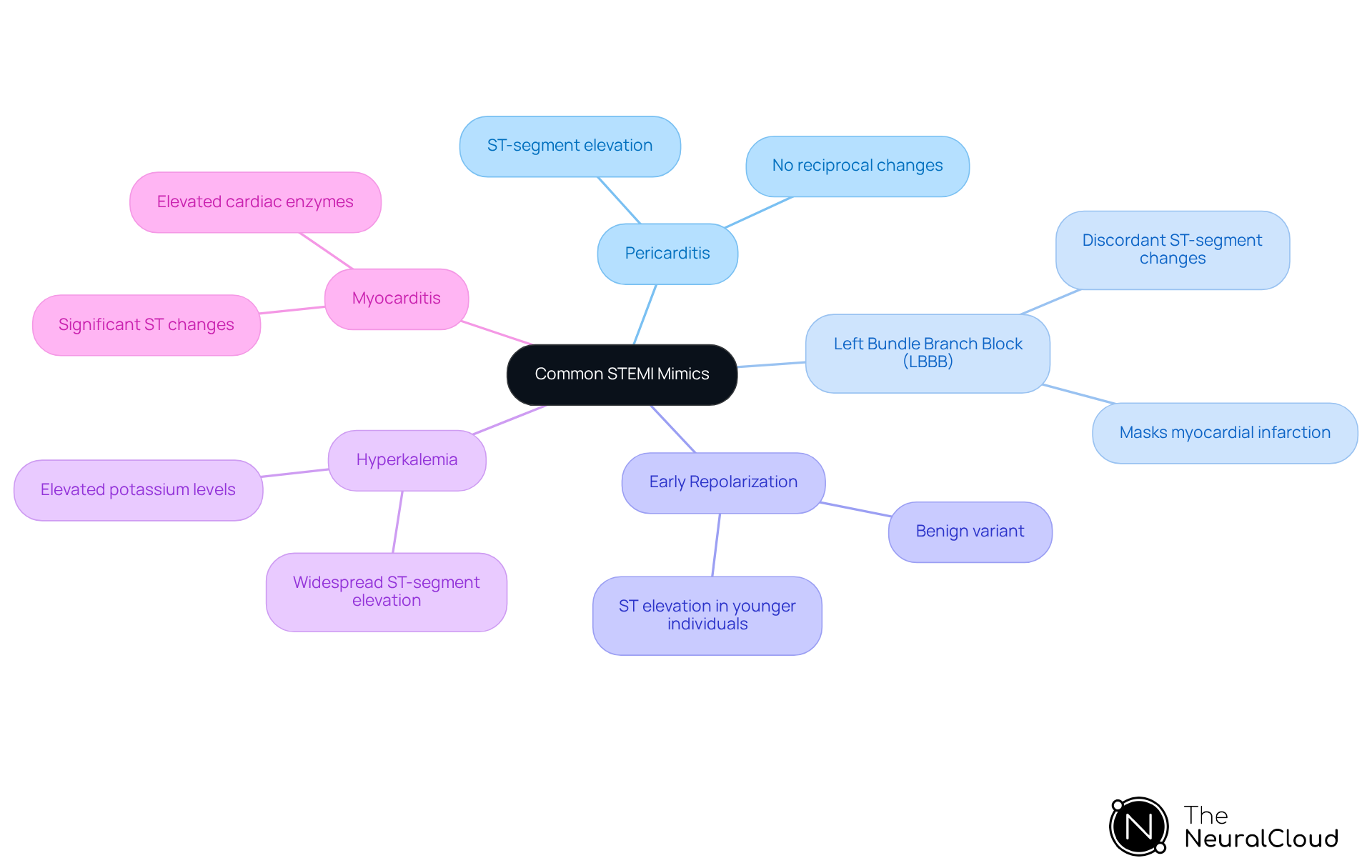
- Pericarditis: This condition frequently shows ST-segment elevation in various leads but usually does not exhibit reciprocal changes, which are essential for differentiating it from a myocardial infarction.
- Left Bundle Branch Block (LBBB) can mask the diagnosis of myocardial infarction due to stemi mimics ecg, which complicates the analysis of ECG results.
- Early Repolarization: Frequently observed in younger individuals, this benign variant is characterized by ST elevation that does not indicate underlying pathology.
- Hyperkalemia: Elevated potassium levels can lead to widespread ST-segment elevation, which can present as stemi mimics ecg.
- Myocarditis: This condition may present with significant ST changes and elevated cardiac enzymes, further complicating the diagnostic process.
It's crucial for developers to create instruments that accurately identify these conditions, as misdiagnosis can have serious implications. Accurate identification of these conditions is crucial for effective treatment and improved patient safety. By understanding these mimics, healthcare professionals can enhance their diagnostic accuracy and ultimately improve patient care.
Utilize Advanced Diagnostic Tools: Enhancing Accuracy in ECG Analysis
Traditional ECG analysis often struggles with accuracy and efficiency, leading to potential misdiagnoses. Advanced diagnostic instruments, particularly AI-driven algorithms and machine learning models, are revolutionizing ECG analysis by significantly enhancing accuracy. These tools can:
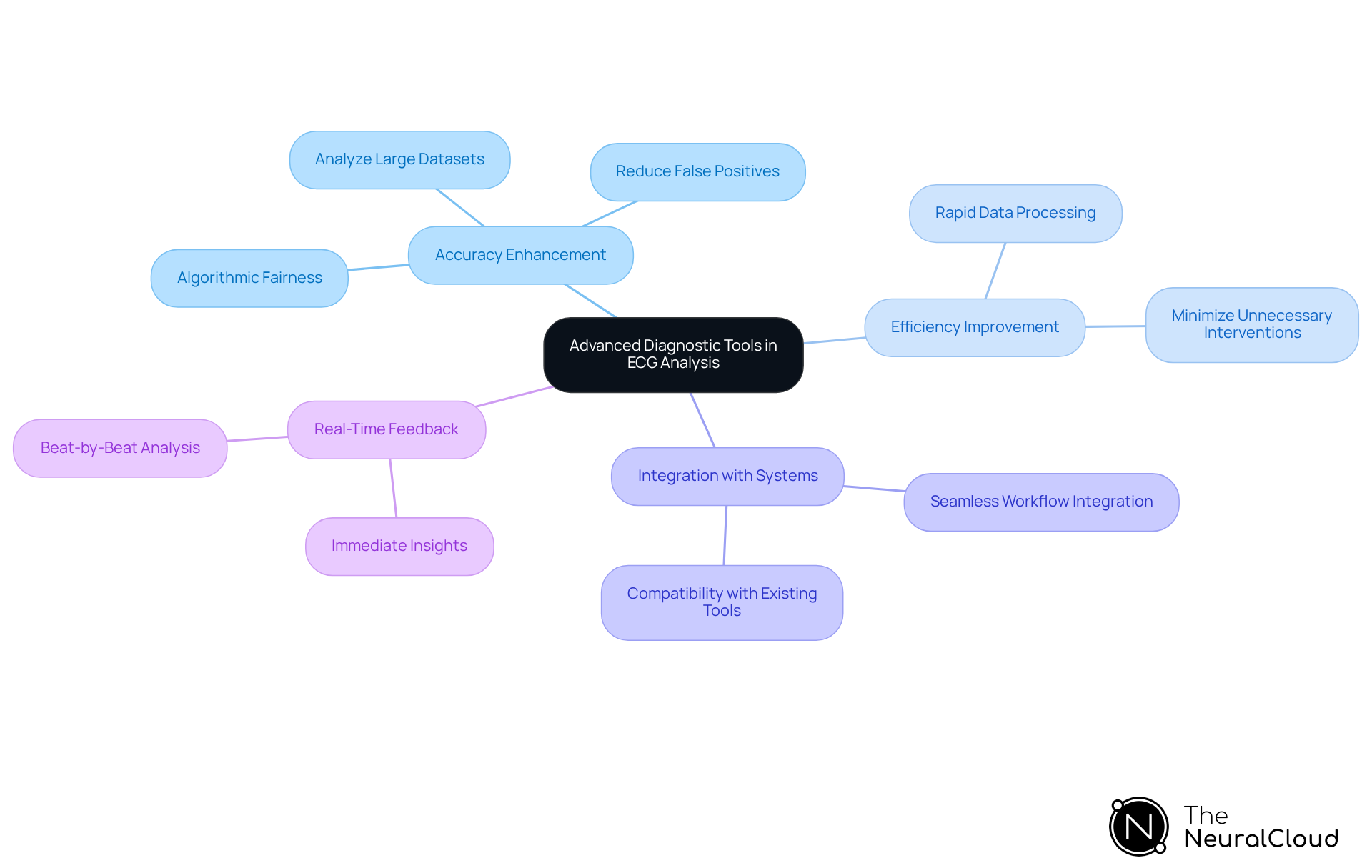
- Analyze Large Datasets: AI excels at processing extensive ECG data rapidly, uncovering patterns that human interpreters might overlook.
- Reduce False Positives: By learning from historical cases, AI enhances the specificity of STEMI detection, which helps in identifying stemi mimics ecg, minimizing unnecessary interventions and improving safety for individuals.
- Integrate with Existing Systems: Solutions like MaxYield seamlessly integrate into current workflows, providing enhanced ECG analysis without disrupting established practices. With MaxYield™, ECG signals are mapped through noise, allowing for the isolation and labeling of key features in each heartbeat, turning noisy recordings into clear insights.
- Provide Real-Time Feedback: Advanced systems deliver immediate insights during evaluations, facilitating quicker decision-making and improving clinical outcomes. MaxYield™ delivers beat-by-beat analysis, outputting an analysis of 200,000 heartbeats in less than 5 minutes, helping clinicians identify cardiac events with confidence.
Moreover, MaxYield™ is currently pending FDA Class II SaMD clearance, ensuring compliance with regulatory standards. For instance, the AI-enhanced ECG model EchoNext has demonstrated significant improvements in detecting structural heart disease, showcasing the potential of AI in enhancing diagnostic accuracy. Specialists such as Dr. Alan Rabinowitz and Dr. Brett Heilbron highlight that MaxYield™'s accuracy competes with human analysis, especially in minimizing noise, guaranteeing individuals receive suitable care without delay. Furthermore, addressing algorithmic fairness and the need for disaggregated reporting of AI model effectiveness by sex, race, and age is crucial for equitable healthcare delivery. By prioritizing algorithmic fairness and comprehensive reporting, we can ensure that advanced diagnostic tools like MaxYield™ benefit all patients equitably.
Integrate Technology into Practice: Overcoming Challenges in ECG Workflows
Integrating advanced ECG technology into clinical practice poses significant challenges that must be addressed for successful implementation. These challenges include:
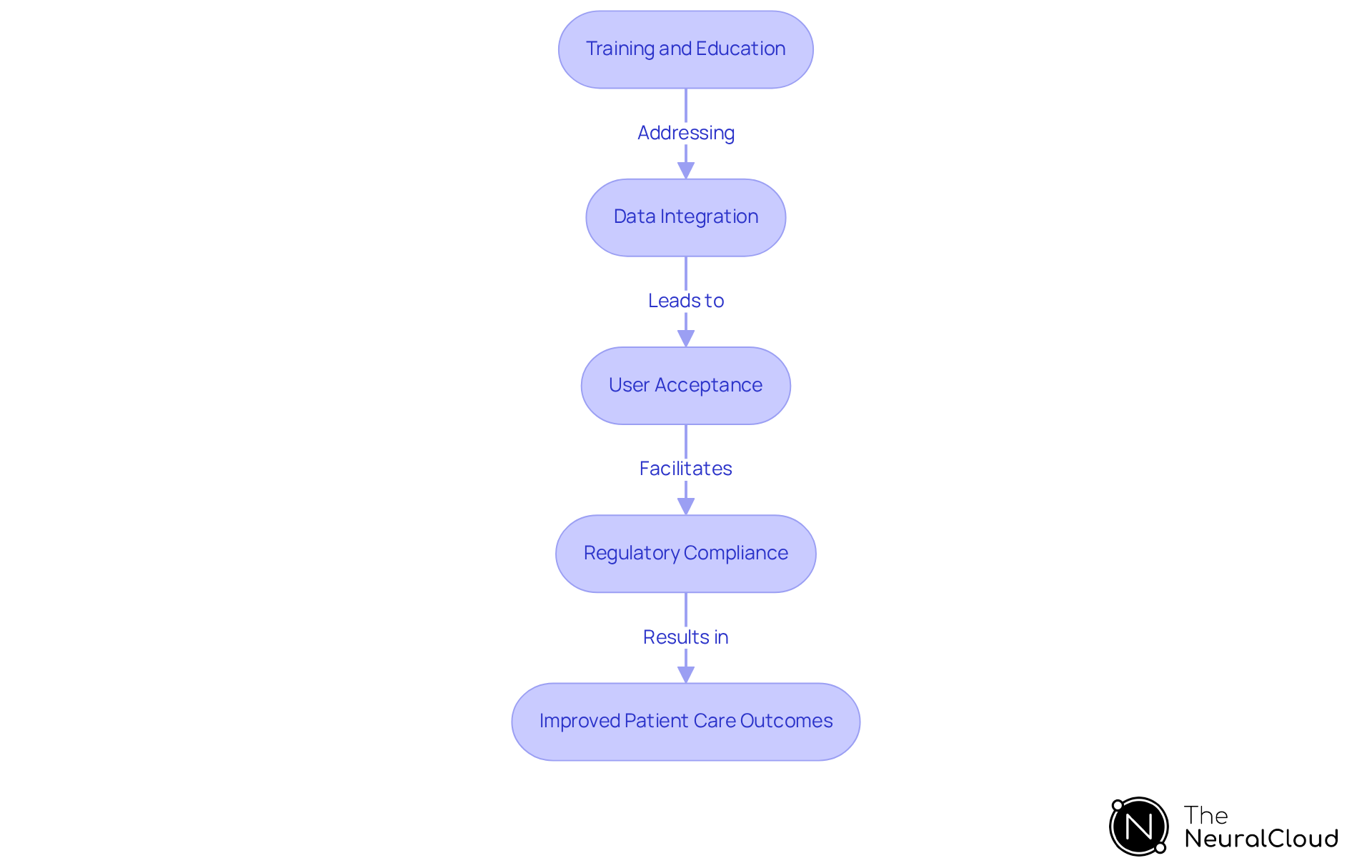
- Training and Education: Ensuring that healthcare professionals are adequately trained to use new technologies is critical. Research shows that students typically need about 112 minutes of training to become competent in interpreting ECG rhythm strips. Additionally, the American College of Cardiology recommends a minimum of 500 supervised interpretations to effectively learn how to interpret 12-lead ECGs.
- Data Integration: Seamless integration with existing electronic health records (EHR) and other systems is necessary to streamline workflows. Integrating ECG insights with patient records can significantly enhance clinical decision-making, allowing for timely and informed actions based on high-risk ECG findings.
- User Acceptance: Gaining buy-in from clinicians is essential; resources must be user-friendly and demonstrate clear benefits. A significant challenge is that 54% of participants in a pretraining assessment scored below the median accuracy for ECG interpretation, highlighting the need for intuitive interfaces that facilitate user adoption.
- Regulatory Compliance: Developers must ensure that their tools meet all regulatory standards for medical devices. With over 200 FDA-cleared AI algorithms in cardiology, maintaining compliance while innovating is crucial for market acceptance.
Addressing these challenges allows developers to create solutions that enhance ECG workflow efficiency. This, in turn, leads to improved patient care outcomes. Case studies have shown that structured training programs can lead to higher satisfaction and competency among healthcare professionals, emphasizing the importance of ongoing education in the successful integration of advanced ECG technologies.
Conclusion
Accurate ECG interpretation is essential for effective patient care, especially in the context of ST-Elevation Myocardial Infarction (STEMI). The complexities surrounding STEMI and its mimics necessitate a thorough understanding of the conditions that can lead to misdiagnosis. By leveraging advanced diagnostic tools and AI-driven solutions, developers can significantly enhance the accuracy of ECG analysis, ultimately improving patient outcomes.
Key insights from the article highlight the importance of recognizing common STEMI mimics such as:
- pericarditis
- left bundle branch block
- early repolarization
These conditions can complicate the diagnostic process, making it essential for healthcare professionals to utilize advanced technologies like MaxYield™ and Insight360. These tools not only streamline ECG interpretation but also provide real-time feedback, reducing the likelihood of false positives and ensuring timely treatment for patients.
Integrating advanced ECG technology often faces hurdles such as training and user acceptance. Yet, tackling these challenges is crucial for making advanced ECG solutions work effectively. By prioritizing education and ensuring compliance with regulatory standards, the healthcare community can harness the full potential of these innovations. By embracing these advancements, the healthcare community can significantly improve diagnostic accuracy and patient care across Canada.
Frequently Asked Questions
What is ST-Elevation Myocardial Infarction (STEMI)?
ST-Elevation Myocardial Infarction (STEMI) is a type of heart attack characterized by a significant rise in the ST segment on an ECG, indicating an acute blockage in a coronary artery. It is diagnosed when there is at least 1 mm of ST-segment elevation in two contiguous leads.
What are some common conditions that can mimic STEMI on an ECG?
Common conditions that can mimic STEMI on an ECG include pericarditis, left bundle branch block (LBBB), and early repolarization.
Why is accurate diagnosis of STEMI challenging in Canada?
Accurate diagnosis of STEMI is challenging in Canada because statistics show that 58% of activations are confirmed cases, while 42% are imitations, including those with negative biomarkers. This highlights the need for improved diagnostic tools.
How can AI-driven solutions improve the diagnosis of STEMI?
AI-driven solutions can improve the diagnosis of STEMI by effectively identifying subtle occlusion patterns that are often overlooked by traditional methods. These solutions enhance diagnostic precision and patient outcomes.
What is MaxYield™ and how does it contribute to ECG analysis?
MaxYield™ is a system that provides hospital-grade ECG accuracy derived from consumer-grade devices. It enables beat-by-beat analysis, transforming noisy recordings into detailed insights, which aids in the accurate diagnosis of heart conditions.
What role does Insight360 play in ECG data visualization?
Insight360 serves as a customizable visualization tool that converts MaxYield’s clean ECG data into interactive dashboards and clinical-ready reports, facilitating better interpretation and decision-making.
What is the significance of AI-augmented systems in emergency decision-making?
AI-augmented systems are essential for improving decision-making in emergencies by recognizing intricate ECG patterns that may not fit traditional criteria, thereby enhancing workflow efficiency and patient care.
What is the regulatory status of MaxYield?
MaxYield has a pending FDA Class II Software as a Medical Device (SaMD) clearance status, which reinforces its credibility and reliability in clinical practice.
How do experts view the future of AI tools in clinical practice?
Experts believe that the incorporation of AI tools in clinical practice is vital for improving care and ensuring timely treatment for individuals experiencing heart attacks, with a strong emphasis on their potential to enhance patient outcomes.
List of Sources
- Define STEMI and Its Mimics: Key Concepts in ECG Interpretation
- AI-Based ECG Analysis Significantly Improves STEMI Detection, Reduces False Activations - American College of Cardiology (https://acc.org/latest-in-cardiology/articles/2025/10/24/16/56/tues-554pm-ai-tct-2025)
- AI-ECG Finds STEMI Faster, Cuts False-Positive Cath Lab Activations (https://tctmd.com/news/ai-ecg-finds-stemi-faster-cuts-false-positive-cath-lab-activations)
- The Queen of Hearts Returns: AI vs Physicians in STEMI-Equivalent and STEMI-Mimic ECGs - REBEL EM - Emergency Medicine Blog (https://rebelem.com/queen-of-hearts-returns-ai-vs-physicians-stemi-equivalent-stemi-mimic-ecgs)
- AI Model May Reduce False-Positive STEMI Alerts in ED - The Cardiology Advisor (https://thecardiologyadvisor.com/reports/ai-model-may-reduce-false-positive-stemi-alerts-in-ed)
- Identify Common STEMI Mimics: Clinical Features and Diagnostic Pitfalls
- STEMI Mimics: ECG Impostors of Heart Attack (https://powerfulmedical.com/blog/stemi-mimics)
- Discerning STEMI Mimics in the Field (https://jems.com/patient-care/emergency-medical-care/discerning-stemi-mimics-field)
- ST-segment elevation myocardial infarction mimics: The differential diagnosis of nonacute coronary syndrome causes of ST-segment/T-wave abnormalities in the chest pain patient - PMC (https://pmc.ncbi.nlm.nih.gov/articles/PMC11573177)
- STEMI MIMICS (https://resus.com.au/stemi-mimics)
- Utilize Advanced Diagnostic Tools: Enhancing Accuracy in ECG Analysis
- New AI Tool Beats Standard Approaches for Detecting Heart Attacks (https://upmc.com/media/news/062923-ecg-model-heart-attacks)
- Supercharging the ECG: AI set to Revolutionize the Diagnostic Cardiology Market (https://dicardiology.com/article/supercharging-ecg-ai-set-revolutionize-diagnostic-cardiology-market)
- Artificial Intelligence and ECG: A New Frontier in Cardiac Diagnostics and Prevention - PMC (https://pmc.ncbi.nlm.nih.gov/articles/PMC12292989)
- AI-Based ECG Analysis Significantly Improves STEMI Detection, Reduces False Activations - American College of Cardiology (https://acc.org/latest-in-cardiology/articles/2025/10/24/16/56/tues-554pm-ai-tct-2025)
- AI-powered ECG model outperforms doctors in detecting hidden heart disease (https://news-medical.net/news/20250721/AI-powered-ECG-model-outperforms-doctors-in-detecting-hidden-heart-disease.aspx)
- Integrate Technology into Practice: Overcoming Challenges in ECG Workflows
- ECG market keeps evolving thanks to AI, home monitoring and Epic integration (https://cardiovascularbusiness.com/topics/cardiac-imaging/electrocardiography-ecg/ecg-market-keeps-evolving-thanks-ai-home-monitoring-and-epic-integration)
- The ECG - How can we fix the training gap for medical students and trainees? (https://gehealthcare.com/en-us/insights/article/the-ecg-how-can-we-fix-the-training-gap-for-medical-students-and-trainees?srsltid=AfmBOoqCtFn-SAq-x6GepO3Vk092mO54qvBYGp4biaA3HI-hD_wvdREj)
- AI and ECG Interpretation: The next era of cardiology starts here (https://clinicalview.gehealthcare.com/article/ai-and-ecg-interpretation-next-era-cardiology-starts-here)
- Barriers and facilitators to utilizing digital health technologies by healthcare professionals - npj Digital Medicine (https://nature.com/articles/s41746-023-00899-4)
- Why integrated ECG should be the next strategic move for cardiology’s leadership (https://gehealthcare.com/en-us/insights/article/turning-data-chaos-into-clinical-clarity?srsltid=AfmBOoq_LyVDvAhyMRNHrwTc_cRgXTjNLweJxgqQ_57RLy1sCH8gpq4_)