Introduction
Understanding the complexities of Occlusion Myocardial Infarction (OMI) is increasingly vital in today's health technology landscape. As diagnostic tools advance, the definition of OMI highlights the urgent need for precision in identifying this critical condition, which can significantly affect patient outcomes. Traditional diagnostic criteria often lead to inaccuracies, raising the question: how can health tech developers utilize new technologies to improve detection and streamline clinical workflows? This article explores essential insights surrounding OMI, examining its implications for health tech innovation and the potential of AI-driven solutions.
Define Omi: Understanding Its Role in Health Technology
The article describes a serious condition known as OMI, which is characterized by the acute blockage of a coronary artery and can lead to significant myocardial damage if not addressed promptly. For health tech developers, the definition of OMI is crucial to understand, as it highlights the need for tools that can accurately identify this urgent condition. The definition shifts the focus from traditional ST-segment elevation (STEMI) criteria to a more refined understanding of myocardial infarction, which is essential for developing technologies that improve patient outcomes.
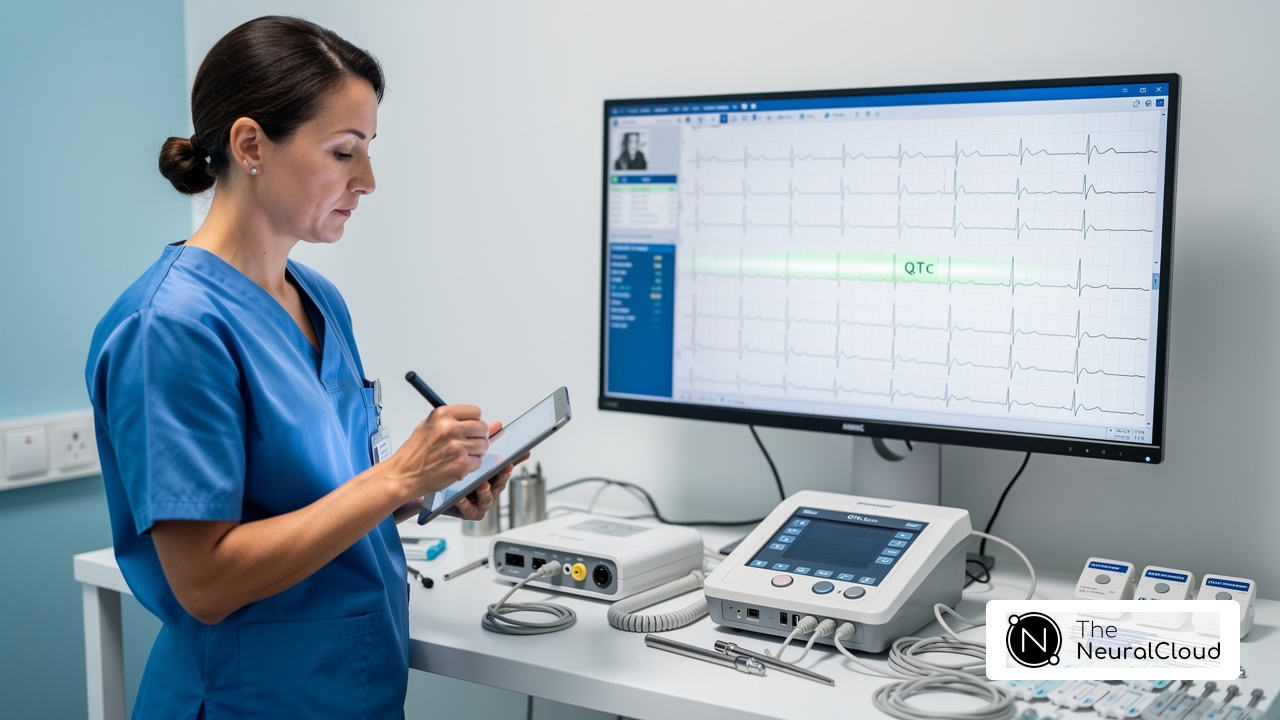
Key differences between OMI and STEMI criteria include the diagnostic criteria, which emphasizes that traditional methods often lead to high rates of false positives and negatives, thus compromising patient care. Recent advancements in technology, particularly through AI and machine learning, have shown promise in improving diagnostic accuracy. For instance, research indicates that ECG signs reportedly double the sensitivity of STEMI criteria while maintaining high specificity, allowing for more accurate identification of patients requiring urgent intervention.
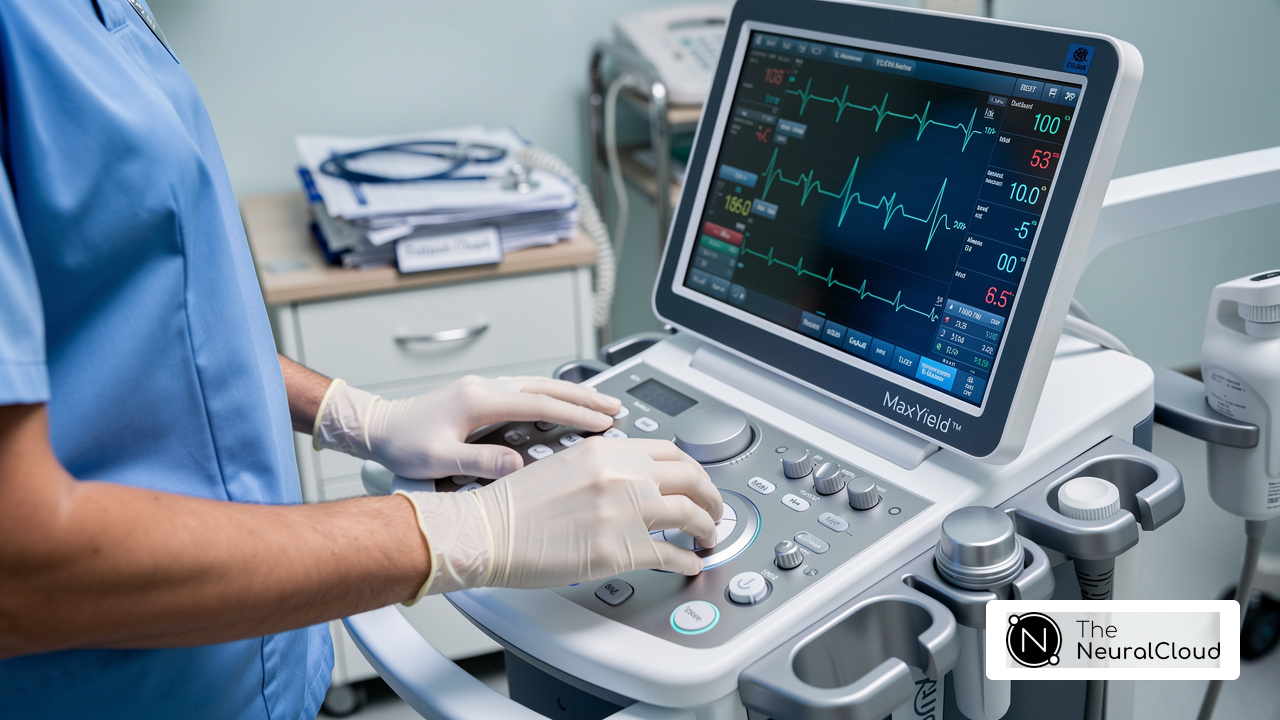
The integration of innovative solutions, such as MaxYield™, is revolutionizing cardiac care. MaxYield™ effectively maps ECG signals through noise, isolating and labeling critical features in each heartbeat, which significantly enhances the accuracy for detection. Its advanced noise filtering and automated analysis capabilities directly address the challenges of diagnosing OMI according to the latest guidelines, streamlining clinical workflows and enabling health tech developers to create solutions that support rapid and precise diagnostics.
Real-world applications illustrate how AI can substantially decrease treatment time and enhance survival rates. Cardiologists emphasize the importance of these advanced tools, noting that they not only improve diagnostic capabilities but also support confident clinical decisions, ultimately leading to better outcomes for patients. As the healthcare industry evolves, understanding the implications of OMI and its implications for health technology will be vital in shaping future innovations.

Integrate Omi: Technical Setup for Health Tech Developers
To effectively integrate Omi into health tech applications, developers should follow these essential steps:
- Understand the Omi definition: It's crucial to familiarize yourself with the Omi framework. This includes patient data and comprehensive medical histories, which are foundational for accurate analysis.
- Choose the Right Algorithms: Selecting algorithms tailored for Omi integration is vital. Machine learning models, especially those trained on extensive datasets of cardiac events, significantly improve detection accuracy. For example, the Omi model has shown double the sensitivity in identifying severe heart attacks compared to traditional methods.
- Set Up Data Pipelines: Establish robust data pipelines that can handle data from various sources, such as wearable devices and hospital information systems. This setup ensures timely access to critical client information, enhancing the overall efficiency of the application.
- Implement Interoperability Standards: Adhering to interoperability standards is essential for facilitating seamless data exchange between different medical systems. This adherence not only streamlines the integration process but also enhances collaboration among healthcare providers.
- Test and Validate: Testing and validation of your application are necessary to ensure compliance with clinical standards. This step confirms the application's effectiveness in providing accurate results, which aligns with the Omi definition and is crucial for building trust among medical professionals and ensuring optimal patient outcomes.
Apply Omi: Real-World Applications and Case Studies
Real-world applications of OMI in health technology highlight significant advancements in patient care.
Challenges in ECG interpretation: Traditional methods of ECG interpretation often lead to delays in diagnosing conditions like arrhythmias. These delays can result in critical health risks for patients. To address these challenges, solutions are being developed that leverage artificial intelligence.
MaxYield™ Features: One such solution is Neural Cloud Solutions' MaxYield™. This platform enhances ECG interpretation by utilizing machine learning. It transforms lengthy and noisy ECG recordings into clean, crisp signals, allowing for faster and more accurate diagnoses. Additionally, the Continuous Learning Model evolves with each use, significantly improving accuracy by more than four-fold.
Advantages for Healthcare Professionals: The benefits of MaxYield™ extend beyond improved accuracy. By streamlining the interpretation process, healthcare professionals can make informed clinical decisions more quickly. This not only enhances patient outcomes but also addresses workflow inefficiencies. Furthermore, the platform supports proactive management through its integration with telemedicine services, allowing for monitoring at risk for cardiac events.
Conclusion: Overall, the MaxYield™ platform exemplifies how advanced AI technology can revolutionize healthcare, ultimately leading to better management of acute cardiac events and improved compliance with healthcare regulations.
Overcome Challenges: Best Practices for Implementing Omi
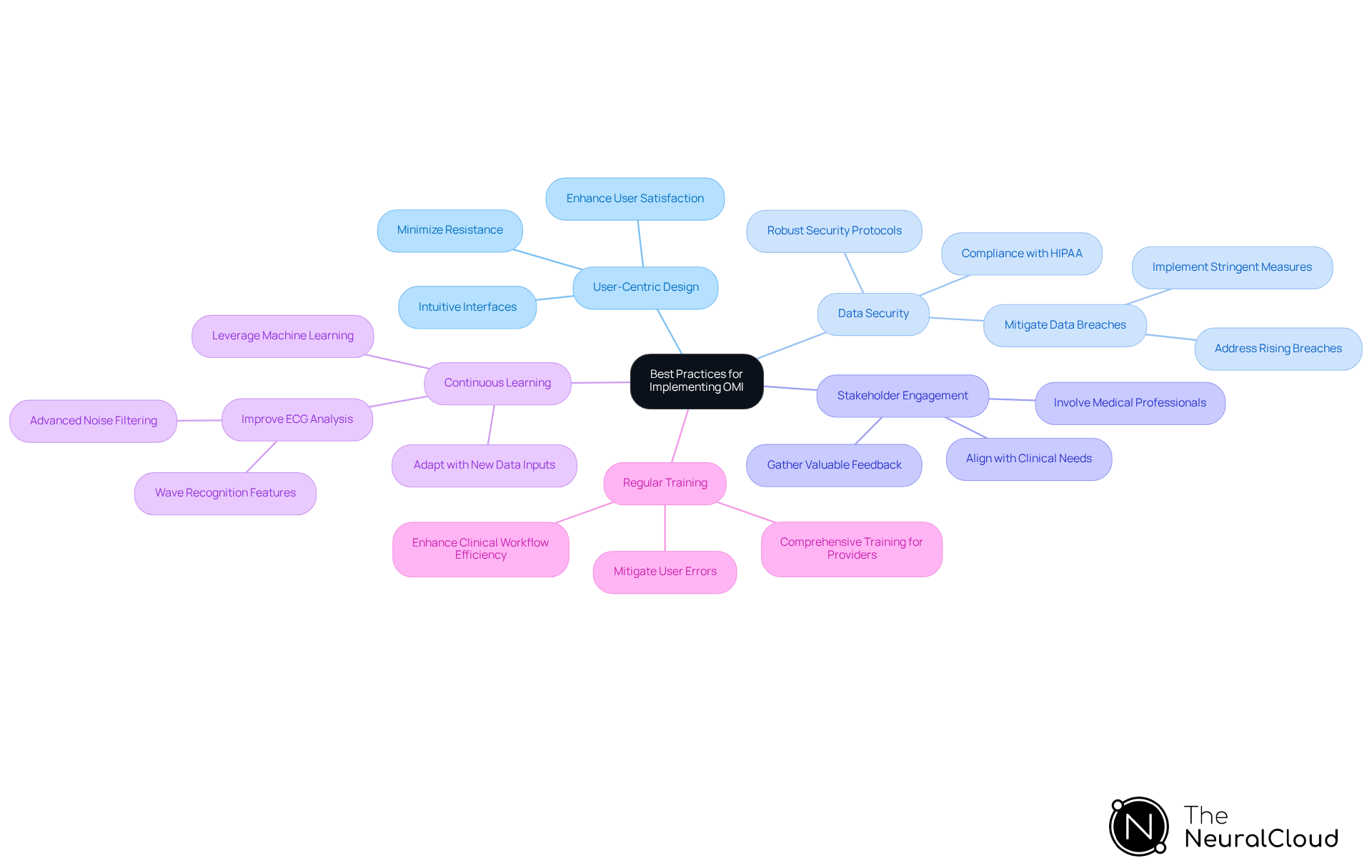
To effectively implement OMI in health tech applications, it's essential to follow best practices that enhance user experience and ensure security.
- Focus on User-Centric Design: Prioritize intuitive and tailored interfaces for users. This approach facilitates seamless adoption of new technologies, minimizing resistance and enhancing overall satisfaction.
- Prioritize Security: Establish robust security protocols to protect sensitive patient information, ensuring compliance with regulations like HIPAA. With breaches significantly rising, over 32% of documented breaches from 2015 to 2022 occurred in this sector, it's crucial to implement stringent measures to safeguard personal health information.
- Engage Stakeholders Early: Involve stakeholders throughout the development process to gather valuable feedback. This collaboration ensures that the application aligns with clinical needs, ultimately enhancing usability and effectiveness.
- Continuous Learning and Adaptation: Leverage machine learning models, such as Neural Cloud Solutions' technology, which adapt and improve with new data inputs. This approach enhances the accuracy of applications and addresses challenges in ECG analysis, such as signal noise. By employing advanced noise filtering and wave recognition features similar to those provided by MaxYield™, developers can significantly improve ECG analysis, ensuring the application remains relevant in a rapidly evolving medical landscape.
- Conduct Regular Training: Provide comprehensive training for medical providers to ensure they understand the technology's capabilities and limitations. Regular training sessions can help mitigate user errors and enhance overall efficiency in clinical workflows.
By adhering to these best practices, developers can create effective, secure, and user-friendly applications that meet the demands of modern healthcare environments.
Conclusion
Understanding the definition of Occlusion Myocardial Infarction (OMI) is crucial for health tech developers. It highlights the pressing need for advanced diagnostic tools that can accurately identify OMI. This understanding goes beyond traditional STEMI criteria, stressing the importance of precise detection to prevent significant myocardial damage and enhance patient care.
The article explores various facets of OMI, including:
- How it differs from STEMI
- The impact of AI and machine learning on improving diagnostic accuracy
- The practical steps developers should take to incorporate OMI detection into their applications
By prioritizing user-centric design, data security, and ongoing learning, health tech developers can create effective tools that streamline clinical workflows and significantly enhance patient outcomes.
Integrating OMI into health technology presents not just a technical challenge but also a crucial advancement in cardiac care that can save lives. As the healthcare landscape evolves, adopting these innovations and best practices will empower developers to make a meaningful impact in diagnosing and managing acute cardiac events, ensuring patients receive timely and effective treatment.
Frequently Asked Questions
What does OMI stand for in health technology?
OMI stands for Occlusion Myocardial Infarction, which is a serious condition characterized by the acute blockage of a coronary artery.
Why is the OMI definition important for health tech developers?
The OMI definition is crucial for health tech developers as it highlights the need for advanced diagnostic tools that can accurately identify this urgent condition, shifting the focus from traditional STEMI criteria to a more refined understanding of myocardial infarction.
How does the OMI definition differ from traditional STEMI criteria?
The OMI definition emphasizes that traditional STEMI markers often lead to high rates of false positives and negatives, compromising patient care. It provides a more accurate framework for identifying patients who need urgent intervention.
What advancements have been made in ECG analysis related to OMI?
Recent advancements in ECG analysis, particularly through AI and machine learning, have improved the OMI definition for detection, reportedly doubling the sensitivity of STEMI criteria while maintaining high specificity.
How does Neural Cloud Solutions' MaxYield™ contribute to OMI detection?
MaxYield™ maps ECG signals through noise, isolating and labeling critical features in each heartbeat, which enhances the OMI definition for detection and streamlines clinical workflows.
What are the benefits of using AI-driven diagnostic tools in cardiac care?
AI-driven diagnostic tools can substantially decrease treatment time and enhance survival rates, improve diagnostic capabilities, and support confident clinical decisions, leading to better patient outcomes.
Why is understanding the OMI definition vital for future health technology innovations?
Understanding the OMI definition and its implications is vital for shaping future innovations in health technology, as it informs the development of tools that improve diagnostic accuracy and clinical outcomes.
List of Sources
- Define Omi: Understanding Its Role in Health Technology
- prnewswire.com (https://prnewswire.com/news-releases/outcomes-matter-innovations-omi-and-regional-cancer-care-associates-rcca-announce-co-development-agreement-to-enhance-quality-and-reduce-cancer-care-costs-through-omi-technology-302346247.html)
- linkedin.com (https://linkedin.com/posts/powerful-medical_pmcardio-powerfulmedical-eurecoveryplan-activity-7343988606522265600-_Dt2)
- pmc.ncbi.nlm.nih.gov (https://pmc.ncbi.nlm.nih.gov/articles/PMC12244362)
- powerfulmedical.com (https://powerfulmedical.com/blog/powerful-medical-receives-40-million-non-dilutive-grant-to-accelerate-early-diagnosis-of-cardiovascular-diseases-with-ai)
- habcentral.habcommunity.com (https://habcentral.habcommunity.com/article/diagnosis-of-occlusion-myocardial-infarction?article_title=Diagnosis%20of%20occlusion%20myocardial%20infarction.&article_id=7085142)
- Integrate Omi: Technical Setup for Health Tech Developers
- powerfulmedical.com (https://powerfulmedical.com/blog/pmcardio-featured-on-this-week-in-cardiology-the-shift-from-stemi-nstemi-to-omi)
- clinicaltrials.gov (https://clinicaltrials.gov/study/NCT06767709)
- pmc.ncbi.nlm.nih.gov (https://pmc.ncbi.nlm.nih.gov/articles/PMC12028524)
- linkedin.com (https://linkedin.com/posts/powerful-medical_pmcardio-powerfulmedical-eurecoveryplan-activity-7343988606522265600-_Dt2)
- Apply Omi: Real-World Applications and Case Studies
- AI Model May Reduce False-Positive STEMI Alerts in ED - The Cardiology Advisor (https://thecardiologyadvisor.com/reports/ai-model-may-reduce-false-positive-stemi-alerts-in-ed)
- healthmanagement.org (https://healthmanagement.org/c/healthmanagement/News/platform-advances-ai-driven-ecg-analysis)
- sciencedirect.com (https://sciencedirect.com/science/article/pii/S1936879825026007)
- AI-Powered ECG Analysis Offers Promising Path for Early Detection of Chronic Obstructive Pulmonary Disease, Say Mount Sinai Researchers (https://mountsinai.org/about/newsroom/2026/ai-powered-ecg-analysis-offers-promising-path-for-early-detection-of-chronic-obstructive-pulmonary-disease-say-mount-sinai-researchers)
- jacc.org (https://jacc.org/doi/10.1016/j.jcin.2025.10.018)
- Overcome Challenges: Best Practices for Implementing Omi
- usnews.com (https://usnews.com/news/health-news/articles/2025-12-04/us-health-department-unveils-strategy-to-expand-its-adoption-of-ai-technology)
- healthcareitnews.com (https://healthcareitnews.com/news/digital-health-2023-cloud-human-centered-design-and-getting-back-basics)
- Healthcare Data Breach Statistics (https://hipaajournal.com/healthcare-data-breach-statistics)