Introduction
The landscape of cardiac monitoring is evolving rapidly, with technologies such as photoplethysmography (PPG) and electrocardiography (ECG) leading the way. Each method provides unique insights into heart health, yet they operate on fundamentally different principles and serve distinct purposes in clinical practice. As healthcare professionals navigate the complexities of these technologies, a crucial question arises: how do PPG and ECG compare in terms of effectiveness, accuracy, and application in patient care?
This article explores the key differences and shared features of PPG and ECG, shedding light on their roles in modern healthcare. Understanding these technologies is essential for improving patient monitoring and diagnosis. By examining their features, advantages, and benefits, we can better appreciate how they contribute to enhanced cardiac care.
Understand PPG and ECG: Fundamental Concepts and Technologies
PPG ECG and electrocardiography (ECG) are two essential technologies in cardiac assessment, each characterized by distinct methodologies and applications.
Photoplethysmography (PPG) is an optical technique that measures changes in blood volume within the microvascular bed of tissue. By using a light source and a photodetector placed on the skin's surface, PPG detects variations in light absorption caused by pulsatile blood flow. This method is widely utilized in wearable devices for continuous pulse monitoring and is particularly effective in assessing peripheral circulation. The U.S. PPG sensors market, valued at USD 0.5 billion in 2024, is expected to grow to USD 1.2 billion by 2033, reflecting a compound annual growth rate (CAGR) of 11.8% from 2026 to 2033, driven by the rising adoption of health monitoring wearables.
Electrocardiography (ECG), in contrast, records the electrical activity of the heart through electrodes placed on the skin. It offers a comprehensive view of the heart's rhythm and electrical conduction, making it vital for diagnosing various cardiac conditions. ECG is regarded as the gold standard for cardiac assessment due to its high accuracy in detecting arrhythmias and other heart abnormalities. Recent advancements in ECG technology, such as the development of cable-free synthesized 12-lead ECG systems, are improving ECG capabilities in both clinical and home environments.
While both PPG ECG and ECG technologies are crucial in healthcare, their operational principles and clinical applications differ significantly. PPG is particularly effective for continuous monitoring in wearable devices, whereas ECG is essential for thorough cardiac evaluations. The ongoing evolution of these technologies is set to further enhance their effectiveness in patient care.

Compare Key Differences: PPG vs. ECG in Cardiac Monitoring
When comparing PPG and ECG, several key differences emerge that impact their use in cardiac monitoring:
-
Measurement Mechanism:
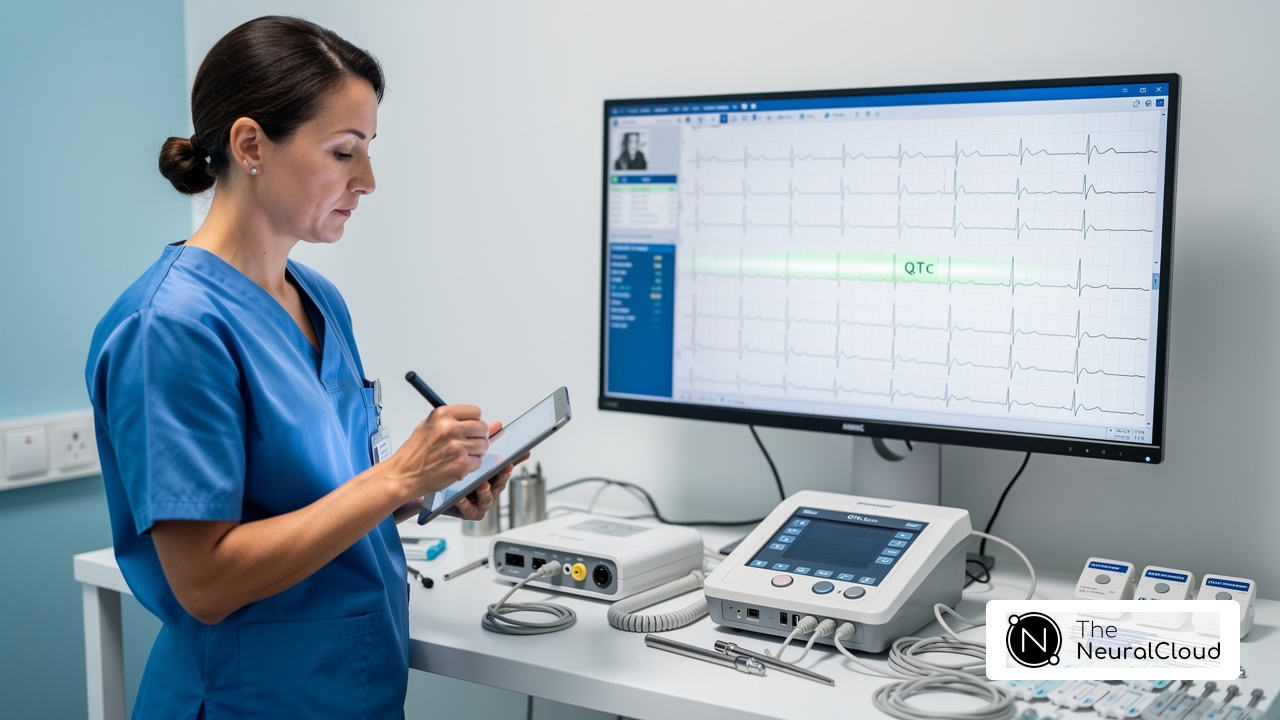
- PPG measures blood volume changes using light absorption, making it non-invasive and suitable for continuous monitoring in various settings, including home care and fitness tracking. This method utilizes a light source and photodetector placed on the skin's surface, allowing for easy integration into wearable devices.
- ECG captures the electrical signals produced by the organ through electrodes placed on the skin. This requirement for multiple electrodes makes ECG more suitable for clinical environments where precise readings are critical.
-
Accuracy:
- ECG is recognized for its high diagnostic accuracy, particularly in detecting arrhythmias and other cardiac conditions. It is frequently used in urgent and medical environments for prompt evaluation, achieving a correlation of 99.3% with PPG in identifying rhythms.
- PPG, while effective for pulse rate assessment, is generally less precise than ECG for diagnosing particular cardiac conditions and often necessitates verification through ECG, especially in instances of atrial fibrillation.
-
Clinical Applications:
- ECG is essential for diagnosing heart diseases, monitoring patients post-surgery, and assessing heart health in various clinical scenarios. Its ability to provide detailed insights into cardiac activity makes it indispensable in acute care settings.
- PPG is increasingly used in wearable devices for fitness and lifestyle tracking, providing valuable data on heart rate variability and peripheral circulation. Its convenience enables spot-check and long-term continuous observation, making it popular among consumers.
-
User Experience:
- PPG devices are often more user-friendly and can be integrated into everyday wearables, making them accessible for continuous monitoring. This ease of use encourages regular health tracking among users.
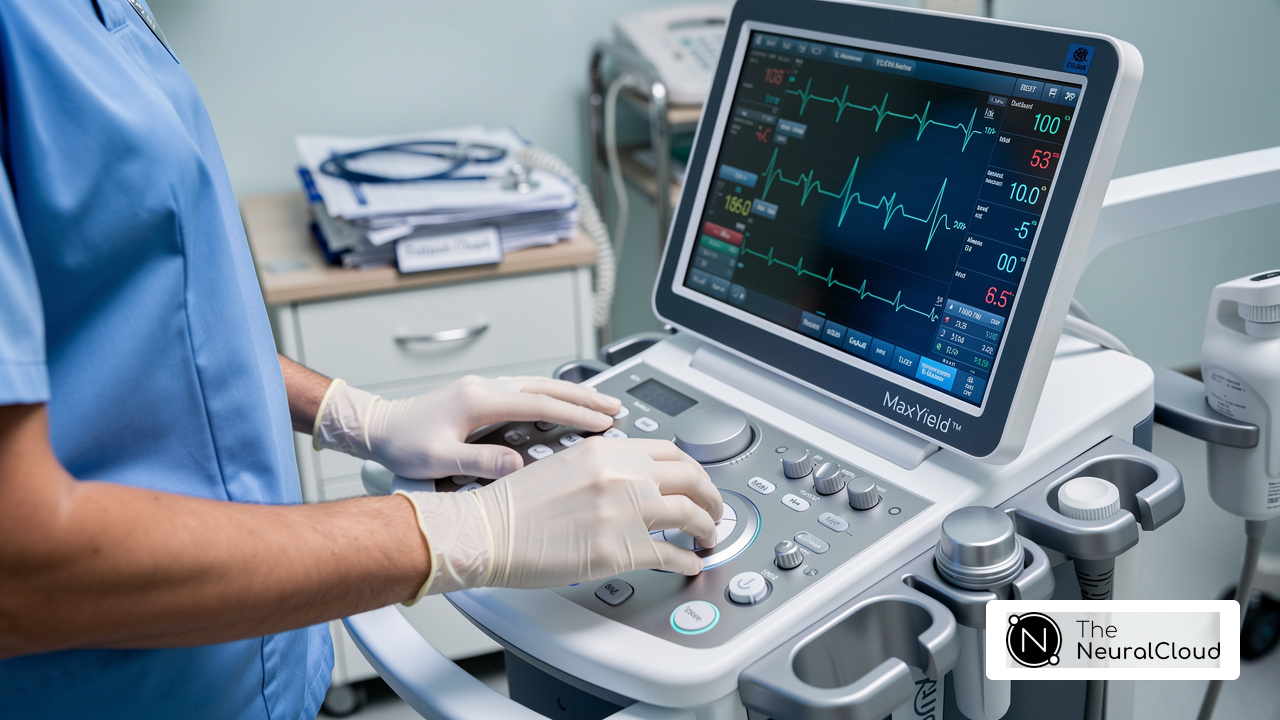
- ECG devices, while more complex, provide detailed insights necessary for clinical decision-making but may require trained personnel for accurate application and interpretation. However, with the advancements offered by Neural Cloud Solutions' MaxYield™, the complexity of ECG analysis can be mitigated, allowing for faster processing without compromising quality. This integration supports healthcare providers in overcoming inefficiencies and physiological variability, ultimately enhancing patient care.

Explore Commonalities: Shared Features of PPG and ECG
Despite their differences, PPG and ECG technologies share several key features that underscore their importance in cardiac monitoring:
- Pulse Rate Measurement: Both technologies effectively gauge pulse rate, providing essential information for assessing cardiovascular health. ECG offers accurate beat-to-beat analysis, while PPG provides ongoing pulse monitoring, making each significant in different clinical situations. Studies indicate that smartwatches equipped with both PPG and ECG functions detect atrial fibrillation significantly more often than standard care, identifying many asymptomatic cases.
- Non-Invasiveness: Both PPG and ECG are non-invasive methods, although ECG typically requires electrode placement. This non-invasive nature enhances patient comfort and ease of use, making both methods appealing in clinical settings. For instance, wearable gadgets like smartwatches and fitness bands utilize PPG technology to track pulse rates without the need for adhesive leads or cumbersome monitors.
- Data Utilization: Both technologies generate valuable information that can be analyzed for various cardiac metrics, including pulse rate variability (HRV). HRV is crucial for understanding autonomic nervous system function and overall cardiovascular health, providing insights vital for patient management. Health tech developers note that integrating AI and machine learning into these technologies allows for more sophisticated data analysis, leading to clearer trends and actionable insights. Neural Cloud Solutions' MaxYield™ enhances this process by employing advanced noise filtering and distinct wave recognition, ensuring that critical data is accurately identified and labeled, even in challenging recording conditions.
- Integration with Technology: PPG and ECG can be seamlessly integrated into digital health platforms and wearable devices, enabling remote observation and data collection. This integration not only boosts patient engagement but also supports continuous health tracking, increasingly vital in modern healthcare environments. A recent study found that sharing real-time health data collected by wearables with medical professionals improves consultations and personalized treatment plans. With MaxYield™, automating data processing further streamlines workflows, allowing for more efficient analysis and cost reduction in ECG applications.

Assess Clinical Guidelines: Effectiveness of PPG and ECG in Practice
Clinical guidelines are essential in assessing the effectiveness of PPG ECG technologies in clinical practice.
- ECG Guidelines: The American Heart Association (AHA) and other professional organizations endorse ECG as the gold standard for diagnosing arrhythmias, myocardial infarction, and various cardiac conditions. In emergency settings and for patients with known cardiac issues, ECG provides immediate and actionable insights, making it a critical tool in healthcare.
- PPG Guidelines: Although PPG is not yet viewed as a diagnostic tool on par with ECG, its value in monitoring heart rate and rhythm in non-clinical settings is increasingly recognized. Guidelines recommend using PPG ECG for fitness tracking and preliminary assessments, with follow-up ECGs advised to confirm any abnormalities detected.
- Integration in Clinical Practice: Many healthcare providers are adopting a hybrid approach, utilizing both PPG ECG technology and ECG to enhance patient monitoring. For example, PPG can facilitate continuous monitoring in outpatient settings, while ECG is reserved for more detailed assessments in clinical environments, ensuring comprehensive patient care.
- Future Directions: As technology evolves, the integration of AI and machine learning into both PPG and ECG is anticipated to enhance diagnostic accuracy and improve patient outcomes. Ongoing research and clinical trials will continue to refine the guidelines surrounding these technologies, ensuring they meet the changing needs of healthcare professionals and patients alike.

Conclusion
Photoplethysmography (PPG) and electrocardiography (ECG) are two pivotal technologies in cardiac monitoring, each with distinct methodologies and applications. PPG excels in continuous, non-invasive monitoring through wearable devices, making it accessible for everyday health tracking. In contrast, ECG is recognized as the gold standard for detailed cardiac assessments in clinical settings, offering high diagnostic accuracy crucial for detecting serious cardiac conditions. Understanding these distinctions is essential for effective patient care and monitoring strategies.
The article outlines several key differences between PPG and ECG, including their measurement mechanisms, accuracy levels, and clinical applications. PPG's ease of use and accessibility contribute to its popularity among consumers, while ECG's precision is vital in acute care environments. Both technologies share important features, such as pulse rate measurement and non-invasive data collection, enhancing their relevance in modern healthcare.
As the landscape of cardiac monitoring evolves, integrating both PPG and ECG technologies presents a comprehensive approach to patient care. Embracing a hybrid model that leverages the strengths of each method can significantly improve monitoring efficiency and patient outcomes. Continuous advancements in AI and machine learning are set to refine these technologies further, ensuring they remain at the forefront of cardiac health management. Engaging with these innovations is essential for healthcare professionals looking to enhance their diagnostic capabilities and improve patient monitoring practices.
Frequently Asked Questions
What is Photoplethysmography (PPG)?
Photoplethysmography (PPG) is an optical technique that measures changes in blood volume within the microvascular bed of tissue. It uses a light source and a photodetector placed on the skin's surface to detect variations in light absorption caused by pulsatile blood flow.
What are the applications of PPG?
PPG is widely utilized in wearable devices for continuous pulse monitoring and is particularly effective in assessing peripheral circulation.
What is the projected market growth for PPG sensors?
The U.S. PPG sensors market, valued at USD 0.5 billion in 2024, is expected to grow to USD 1.2 billion by 2033, reflecting a compound annual growth rate (CAGR) of 11.8% from 2026 to 2033.
What is Electrocardiography (ECG)?
Electrocardiography (ECG) records the electrical activity of the heart through electrodes placed on the skin. It provides a comprehensive view of the heart's rhythm and electrical conduction.
Why is ECG considered the gold standard for cardiac assessment?
ECG is regarded as the gold standard due to its high accuracy in detecting arrhythmias and other heart abnormalities, making it vital for diagnosing various cardiac conditions.
What recent advancements have been made in ECG technology?
Recent advancements include the development of cable-free synthesized 12-lead ECG systems, which are enhancing ECG capabilities in both clinical and home environments.
How do PPG and ECG technologies differ?
PPG is particularly effective for continuous monitoring in wearable devices, while ECG is essential for thorough cardiac evaluations. Their operational principles and clinical applications differ significantly.
What is the future outlook for PPG and ECG technologies?
The ongoing evolution of both PPG and ECG technologies is expected to further enhance their effectiveness in patient care.
List of Sources
- Understand PPG and ECG: Fundamental Concepts and Technologies
- HeartBeam to Attend JP Morgan 2026 Annual Healthcare Conference (https://ir.heartbeam.com/news-events/press-releases/detail/108/heartbeam-to-attend-jp-morgan-2026-annual-healthcare)
- FDA clears 12-lead, cable-free home ECG monitoring system (https://cardiovascularbusiness.com/topics/cardiac-imaging/electrocardiography-ecg/fda-clears-12-lead-cable-free-home-ecg-monitoring-system)
- eurekalert.org (https://eurekalert.org/news-releases/1116323)
- linkedin.com (https://linkedin.com/pulse/united-states-photoplethysmography-sensors-market-size-udvee)
- Compare Key Differences: PPG vs. ECG in Cardiac Monitoring
- eurekalert.org (https://eurekalert.org/news-releases/1113132)
- pluxbiosignals.com (https://pluxbiosignals.com/blogs/informative/ecg-vs-ppg-sensors-key-differences-and-how-to-choose-the-right-one?srsltid=AfmBOop4cbYxRqH51YKY6EIbkON1_Q0AapOcoIRJSMJr1PDv5EQpxauI)
- academy.fibricheck.com (https://academy.fibricheck.com/hc/en-be/articles/6383416554396-Chapter-4-The-differences-and-similarities-between-ECG-and-PPG)
- myzone.org (https://myzone.org/blog/ecg-or-ppg)
- mdpi.com (https://mdpi.com/1424-8220/25/18/5745)
- Explore Commonalities: Shared Features of PPG and ECG
- Smartwatches Help Detect Hidden Dangerous Heart Rhythm Problems, Clinical Trial Finds (https://usnews.com/news/health-news/articles/2026-01-23/smartwatches-help-detect-hidden-dangerous-heart-rhythm-problems-clinical-trial-finds)
- Smartwatch use enhances detection of heart arrhythmias, increasing quality of care (https://medicalxpress.com/news/2026-01-smartwatch-heart-arrhythmias-quality.html)
- smartdatainc.com (https://smartdatainc.com/knowledge-hub/why-wearable-health-tech-is-booming-in-2026)
- pmc.ncbi.nlm.nih.gov (https://pmc.ncbi.nlm.nih.gov/articles/PMC12473955)