Introduction
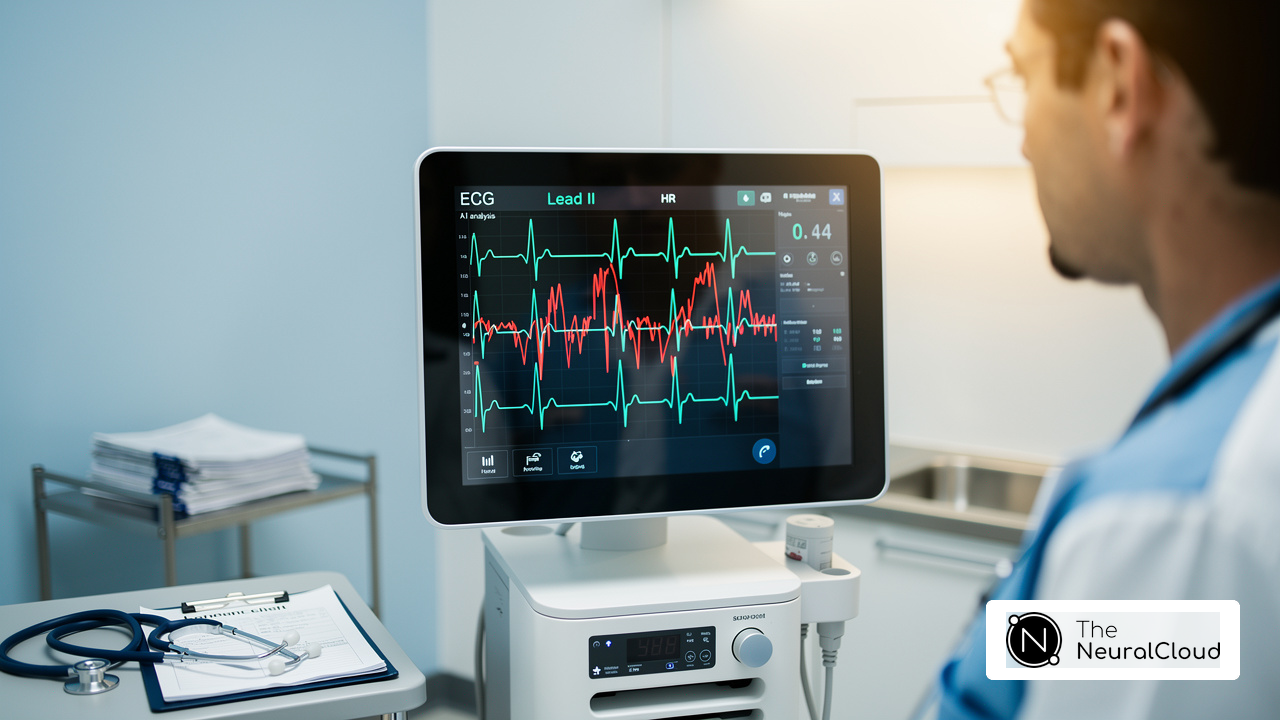
Interpreting ECGs accurately is a challenge that healthcare professionals must navigate to ensure optimal patient outcomes. The concept of contiguous leads, which refers to electrodes positioned anatomically adjacent to one another, plays a pivotal role in interpreting cardiac function and identifying conditions such as myocardial infarction. This article explores how clinicians can leverage these connections to enhance their diagnostic capabilities. It delves into the importance of contiguous leads in ECG interpretation, providing insights and practical steps for navigating cardiac assessments in Canada.
Define Contiguous Leads in ECG Analysis
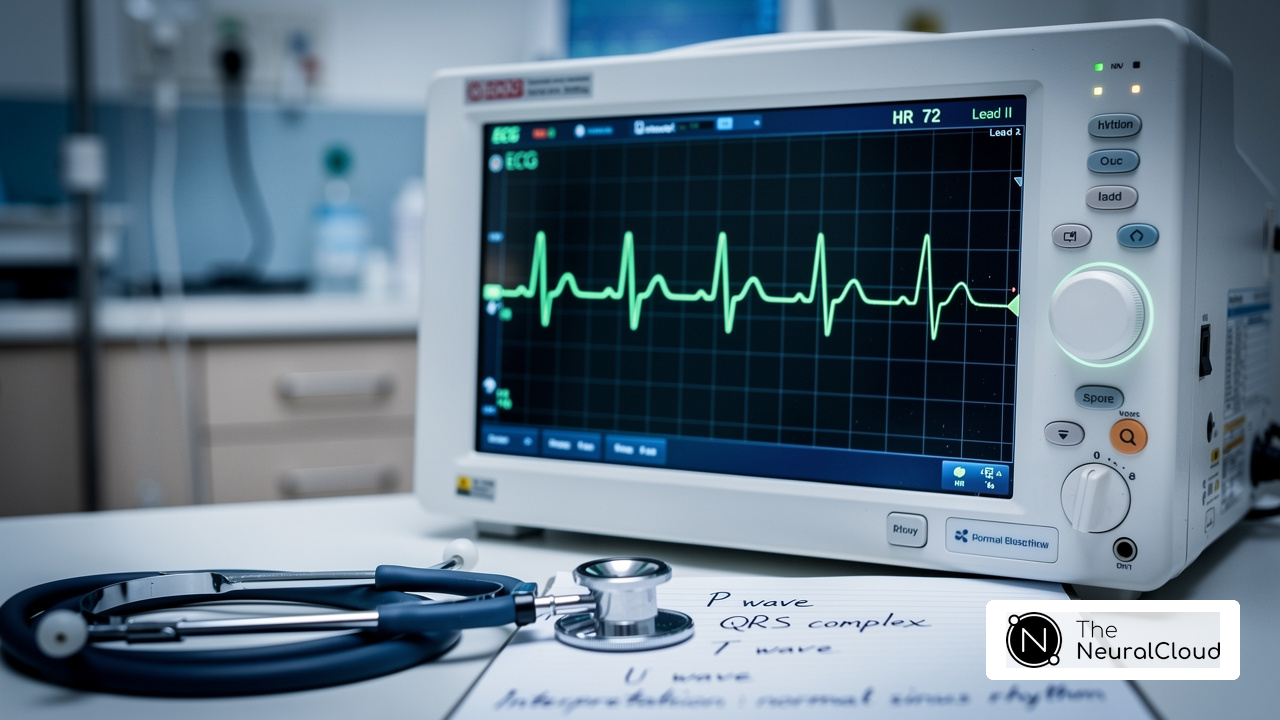
Understanding the contiguous leads meaning in ECG analysis is vital for accurate cardiac assessments. The term contiguous leads meaning is defined as a set of electrodes that are anatomically adjacent, offering overlapping views of specific heart regions. For instance, electrodes II, III, and aVF observe the inferior wall of the heart together. This setup is crucial for healthcare professionals, as it enables a thorough evaluation of the heart's electrical function, particularly in identifying issues like heart attacks.
Understanding how these electrodes connect is key to identifying ischemia or infarction. Changes in these readings can indicate issues in the corresponding myocardial regions. Adjacent connections play a crucial role in enhancing the precision of cardiac diagnoses. In Canada, studies show that using adjacent pairings like V2 and V3 or V4 and V5 helps assess anterior wall ischemia or infarction. This approach enhances diagnostic results.
Moreover, the clinical categorization of myocardial infarction, which encompasses types based on underlying causes, emphasizes the importance of precise electrode interpretation in effective patient management. By combining insights from adjacent sources with other diagnostic tools, healthcare professionals can significantly improve the precision of diagnosing cardiac diseases. Ultimately, a deeper comprehension of these connections can transform diagnostic accuracy and patient care in cardiology.

Apply Contiguous Leads in ECG Interpretation
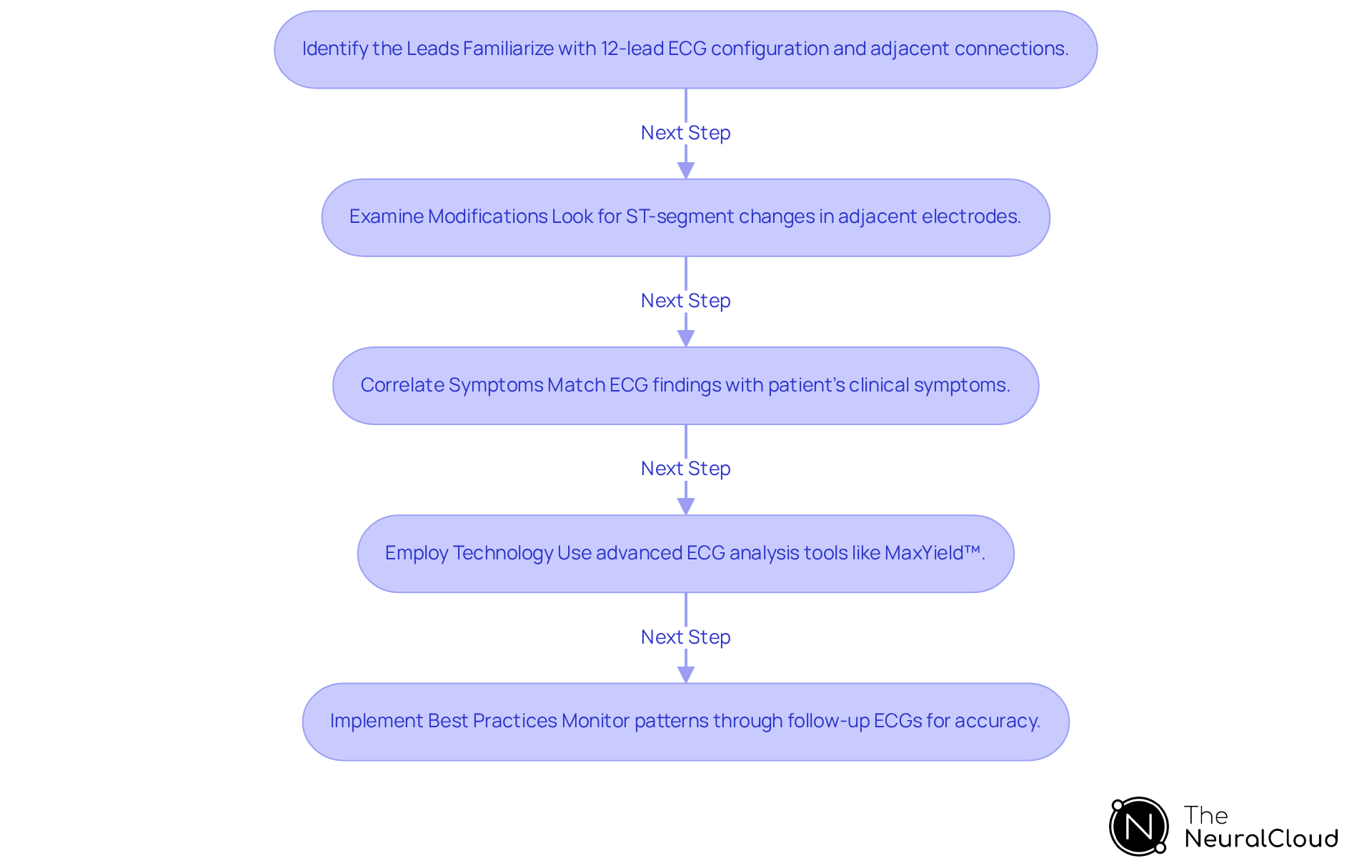
Interpreting ECGs accurately is crucial, yet it presents significant challenges for healthcare professionals. To effectively apply contiguous leads in ECG interpretation, follow these steps:
- Identify the Leads: Familiarize yourself with the standard 12-lead ECG configuration. Identify which connections are adjacent based on their anatomical positions. For instance, V1 and V2 are adjacent and observe the septal wall, while II, III, and aVF concentrate on the inferior wall.
- Examine Modifications: Search for ST-segment elevations or depressions in these adjacent electrodes. New ST-segment elevation at the J point in two adjacent channels, such as II, III, and aVF, may suggest an inferior wall myocardial infarction, which is essential for prompt intervention.
- Correlate Symptoms: Always correlate the ECG findings with the patient's clinical symptoms. If a patient arrives with chest pain persisting for over 30 minutes and the adjacent electrodes display significant changes, the contiguous leads meaning could confirm a diagnosis of acute coronary syndrome (ACS). Identifying patterns across groups of contiguous leads meaning can assist in recognizing potentially life-threatening cardiac events quickly.
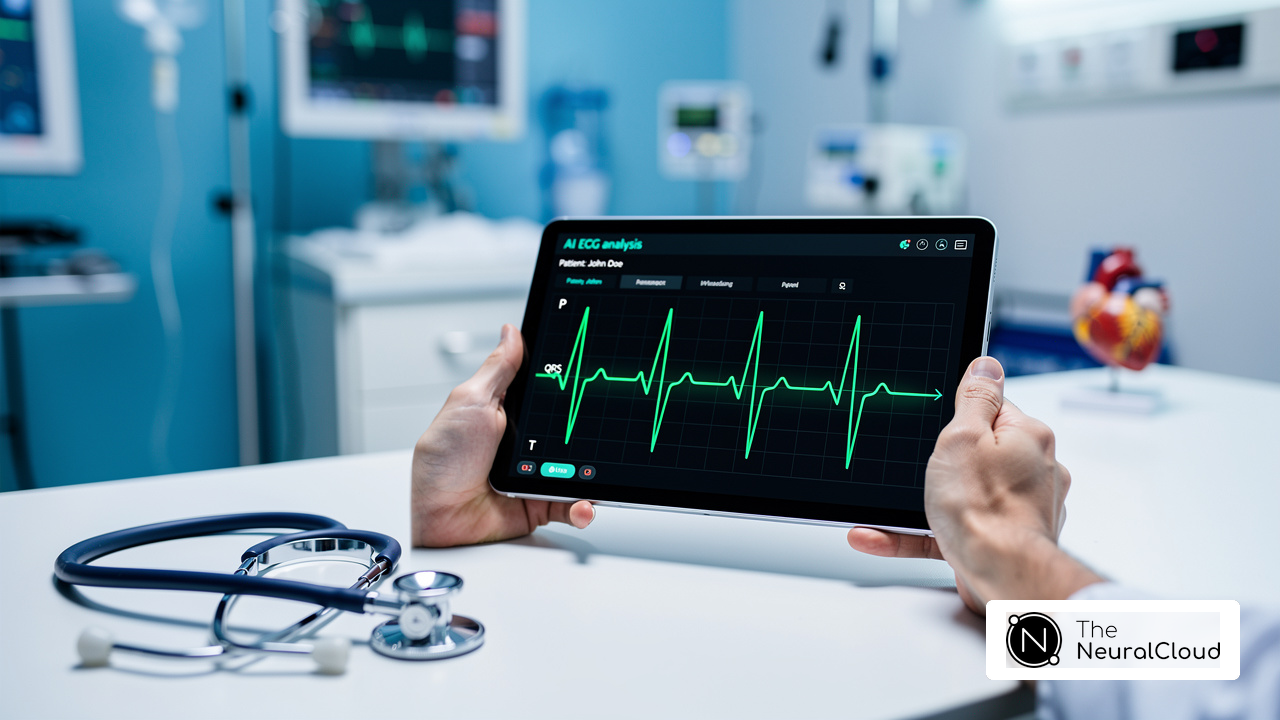
- Employ Technology: Utilize sophisticated ECG analysis instruments, like those offered by Neural Cloud Solutions Inc., to improve the interpretation of adjacent electrodes. MaxYield™ isolates noise and enhances signal clarity. This makes it easier to spot critical changes. Its patented signal mapping algorithms significantly reduce noise, allowing for clearer analysis of the ECG data. According to Dr. Alan Rabinowitz, MaxYield™ matches human interpretation in precision, making it an invaluable tool for healthcare professionals. Additionally, MaxYield™ is device-agnostic, integrating seamlessly with various ECG devices without requiring hardware changes.
- Implement Best Practices: Regularly monitor continuous patterns through follow-up ECGs, especially in high-suspicion cases of ACS. Studies indicate that repeating ECGs every 20-30 minutes can capture transient changes, improving diagnostic accuracy and timely intervention.
The term 'contiguous leads meaning' refers to the interpretation of leads that are connected without interruption. Examine case studies that illustrate the contiguous leads meaning in diagnosing conditions such as myocardial infarction. For example, a study found that 11% of patients diagnosed with STEMI had an initial non-diagnostic ECG, underscoring the need for follow-up ECGs in the diagnostic process.
By mastering adjacent indicator analysis, healthcare professionals can boost their diagnostic skills and improve patient outcomes in cardiovascular care. With MaxYield™, the integration of wearable technology and automated labeling not only streamlines the analysis process but also reduces costs, making it a transformative solution for healthcare providers.
Recognize the Importance of Contiguous Leads in Diagnosis
Diagnosing cardiac conditions, particularly ischemia, presents significant challenges that can impact patient outcomes. Contiguous connections are essential in this process, and their significance can be outlined as follows:
- Enhanced Detection of Ischemia: Changes observed in contiguous leads can indicate ischemia in specific myocardial territories. For example, ST-segment changes in adjacent electrodes often signal an impending heart attack, highlighting the need for prompt medical attention.
- Enhanced Diagnostic Precision: Examining adjacent electrodes together reduces the chance of misdiagnosis. If two adjacent electrodes show ST elevation, it strengthens the case for diagnosing a myocardial infarction, highlighting the importance of contiguous leads meaning for enabling timely intervention. MaxYield™ helps by quickly isolating ECG waves from noisy recordings, ensuring that important data isn’t missed.
- Guiding Treatment Decisions: Understanding the connection between adjacent electrodes is crucial for identifying appropriate treatment pathways. If adjacent signals indicate inferior wall ischemia, clinicians may choose targeted interventions like angioplasty, improving patient outcomes. MaxYield™ supports this by providing clear, actionable insights from noisy recordings, allowing for better-informed clinical decisions.
- Clinical Guidelines: Many clinical guidelines highlight how crucial continuous wire analysis is for diagnosing conditions like STEMI. Specifically, the presence of ST elevation in two or more contiguous leads meaning is necessary to confirm the diagnosis, reinforcing the importance of this method in clinical practice. The continuous learning model of MaxYield™ further enhances adherence to these guidelines by evolving with each use to maximize diagnostic yield.
- Statistics on Ischemia Diagnosis: Studies show that ECG specificity for diagnosing myocardial infarction is between 95% and 97%, but its sensitivity is around 30%. Additionally, about 70% of fatal AMI cases are linked to blockages caused by atherosclerotic plaques, underscoring the critical need for precise diagnosis and the role of adjacent electrodes in preventing such outcomes. Expert endorsements from Dr. Alan Rabinowitz, Dr. Brett Heilbron, and Dr. Marc W. Deyell emphasize that MaxYield™ rivals human interpretation in precision and significantly reduces noise, enhancing the overall diagnostic process. Furthermore, MaxYield™ is compliant with FDA Class II SaMD clearance-pending status, ensuring regulatory adherence. Insight360 transforms MaxYield’s clean ECG data into interactive dashboards and clinical-ready reports, further supporting clinicians in their decision-making processes. By leveraging MaxYield™, healthcare professionals can enhance diagnostic accuracy and improve patient care, ultimately transforming the approach to ECG analysis.

Leverage Advanced Technologies for ECG Analysis
In the realm of ECG analysis, healthcare professionals face significant challenges that can impact patient outcomes. To effectively leverage advanced technologies for ECG analysis, consider the following strategies:
- AI-Powered Tools: Consider using AI-driven platforms such as MaxYield, which enhance ECG data processing by isolating and cleaning noisy signals. These tools significantly improve the accuracy of detecting changes in nearby cases, aiding in better clinical decisions.
- Automated Reporting: Implement systems that automatically generate reports based on ECG results, specifically emphasizing changes in adjacent electrodes. This automation not only saves time but also minimizes human error in interpretation, leading to more reliable outcomes.
- Visualization Software: Utilize sophisticated visualization tools such as Insight360 to develop customizable dashboards that monitor trends and changes in adjacent prospects over time. This capability aids in tracking patient progress and supports informed clinical decision-making.
- Continuous Monitoring Devices: Integrate wearable ECG devices that provide continuous heart activity monitoring. These devices can alert clinicians to important changes in adjacent signals, allowing prompt actions that can be vital for patient care.
- Training and Education: Ensure healthcare professionals receive comprehensive training on these advanced technologies. Regular workshops and training sessions can enhance their skills in interpreting ECGs, particularly regarding contiguous leads meaning, ultimately improving diagnostic accuracy and patient outcomes.
Investing in these advanced technologies not only enhances diagnostic accuracy but also transforms patient care.

Conclusion
Many healthcare professionals struggle with accurately interpreting ECGs due to the complexity of cardiac conditions. Understanding the significance of contiguous leads in ECG analysis is crucial for enhancing diagnostic accuracy and improving patient outcomes. By recognizing how these adjacent electrodes work together, healthcare professionals can better assess cardiac conditions, particularly in identifying ischemia and myocardial infarction. The integration of contiguous leads into ECG interpretation not only aids in accurate diagnosis but also informs timely treatment decisions, ultimately benefiting patient care.
This article has explored key insights into how contiguous leads enhance ECG interpretation and improve patient outcomes. We discussed the definition of contiguous leads, their role in detecting ischemia, and the importance of advanced technologies like MaxYield™ and Insight360 in refining ECG analysis. The steps for effectively applying contiguous leads in ECG interpretation were outlined, emphasizing the need for continuous monitoring and the correlation of findings with clinical symptoms. Furthermore, we highlighted the critical nature of these leads in adhering to clinical guidelines and improving diagnostic precision.
In conclusion, by mastering the use of contiguous leads, clinicians can make more informed decisions that directly impact patient care. As technology continues to evolve, embracing advanced tools and methodologies will empower healthcare professionals to enhance their diagnostic capabilities. Embracing these advanced methodologies will not only enhance diagnostic accuracy but also redefine patient care in cardiology.
Frequently Asked Questions
What are contiguous leads in ECG analysis?
Contiguous leads in ECG analysis refer to a set of electrodes that are anatomically adjacent, providing overlapping views of specific heart regions, which is essential for accurate cardiac assessments.
Why are contiguous leads important for healthcare professionals?
Contiguous leads are important because they enable a thorough evaluation of the heart's electrical function, particularly in identifying issues like heart attacks and enhancing the precision of cardiac diagnoses.
Can you provide an example of contiguous leads in ECG analysis?
An example of contiguous leads is electrodes II, III, and aVF, which collectively observe the inferior wall of the heart.
How do contiguous leads help in identifying cardiac issues?
Changes in the readings from contiguous leads can indicate problems in the corresponding myocardial regions, aiding in the identification of ischemia or infarction.
What specific pairings of electrodes are used in Canada to assess anterior wall ischemia or infarction?
In Canada, adjacent pairings like V2 and V3 or V4 and V5 are used to assess anterior wall ischemia or infarction, enhancing diagnostic results.
How does the clinical categorization of myocardial infarction relate to contiguous leads?
The clinical categorization of myocardial infarction emphasizes the importance of precise electrode interpretation, which is crucial for effective patient management and accurate diagnosis.
How can healthcare professionals improve diagnostic accuracy using contiguous leads?
By combining insights from contiguous leads with other diagnostic tools, healthcare professionals can significantly enhance the precision of diagnosing cardiac diseases, ultimately improving patient care in cardiology.
List of Sources
- Define Contiguous Leads in ECG Analysis
- Contiguous Leads on ECG: A Comprehensive Guide (https://cme4life.com/contiguous-leads-on-ecg-a-comprehensive-guide)
- Unstable Angina/Non-ST Elevation Myocardial Infarction (UA-NSTEMI) Diagnosis : Emergency Care BC (https://emergencycarebc.ca/clinical_resource/clinical-summary/unstable-angina-non-st-elevation-myocardial-infarction-ua-nstemi-diagnosis)
- Apply Contiguous Leads in ECG Interpretation
- 2017 ESC Guidelines for the management of acute myocardial infarction in patients presenting with ST-segment elevation: The Task Force for the management of acute myocardial infarction in patients presenting with ST-segment elevation of the European Society of Cardiology (ESC) (https://academic.oup.com/eurheartj/article/39/2/119/4095042)
- Unstable Angina/Non-ST Elevation Myocardial Infarction (UA-NSTEMI) Diagnosis : Emergency Care BC (https://emergencycarebc.ca/clinical_resource/clinical-summary/unstable-angina-non-st-elevation-myocardial-infarction-ua-nstemi-diagnosis)
- Contiguous Leads on ECG: A Comprehensive Guide (https://cme4life.com/contiguous-leads-on-ecg-a-comprehensive-guide)
- ST-segment Elevation Myocardial Infarction: Challenges in Diagnosis (https://uscjournal.com/articles/st-segment-elevation-myocardial-infarction-challenges-diagnosis?language_content_entity=en)
- Recognize the Importance of Contiguous Leads in Diagnosis
- News: AI has potential to improve diagnostic accuracy, earlier detection of cardiac conditions, analysis finds | ACDIS (https://acdis.org/articles/news-ai-has-potential-improve-diagnostic-accuracy-earlier-detection-cardiac-conditions)
- Acute Myocardial Infarction - StatPearls - NCBI Bookshelf (https://ncbi.nlm.nih.gov/books/NBK459269)
- AI-ECG Finds STEMI Faster, Cuts False-Positive Cath Lab Activations (https://tctmd.com/news/ai-ecg-finds-stemi-faster-cuts-false-positive-cath-lab-activations)
- ST-segment Elevation Myocardial Infarction: Challenges in Diagnosis (https://uscjournal.com/articles/st-segment-elevation-myocardial-infarction-challenges-diagnosis?language_content_entity=en)
- Leverage Advanced Technologies for ECG Analysis
- Advances in Cardiac ECG Monitoring Technologies (https://dicardiology.com/channel/advances-cardiac-ecg-monitoring-technologies)
- The Use of Artificial Intelligence in ECG Interpretation in the Outpatient Setting: A Scoping Review (https://cureus.com/articles/405923-the-use-of-artificial-intelligence-in-ecg-interpretation-in-the-outpatient-setting-a-scoping-review)
- The latest innovations in ECG technology and analysis - Norav Medical (https://noravmedical.com/advancements-in-ecg-technology-exploring-the-latest-innovations-in-ecg-analysis)
- Research study makes heart screening faster, more accessible using AI (https://hospitalnews.com/research-study-makes-heart-screening-faster-more-accessible-using-ai)
- Diagnostic and Prognostic Electrocardiogram-Based Models for Rapid Clinical Applications (https://onlinecjc.ca/article/S0828-282X(24)00523-3/abstract)