Introduction
Navigating the complexities of electrocardiograms (EKGs) presents significant challenges for health tech developers focused on improving cardiac care. As the need for effective monitoring solutions rises, especially with Canada’s aging population, the importance of understanding EKG abnormalities is growing.
How can developers leverage advanced technologies to not only identify these abnormalities but also improve patient outcomes? In a healthcare landscape where timely intervention is crucial, the ability to accurately interpret EKGs can make all the difference in patient outcomes.
Define EKG and Its Role in Cardiac Health
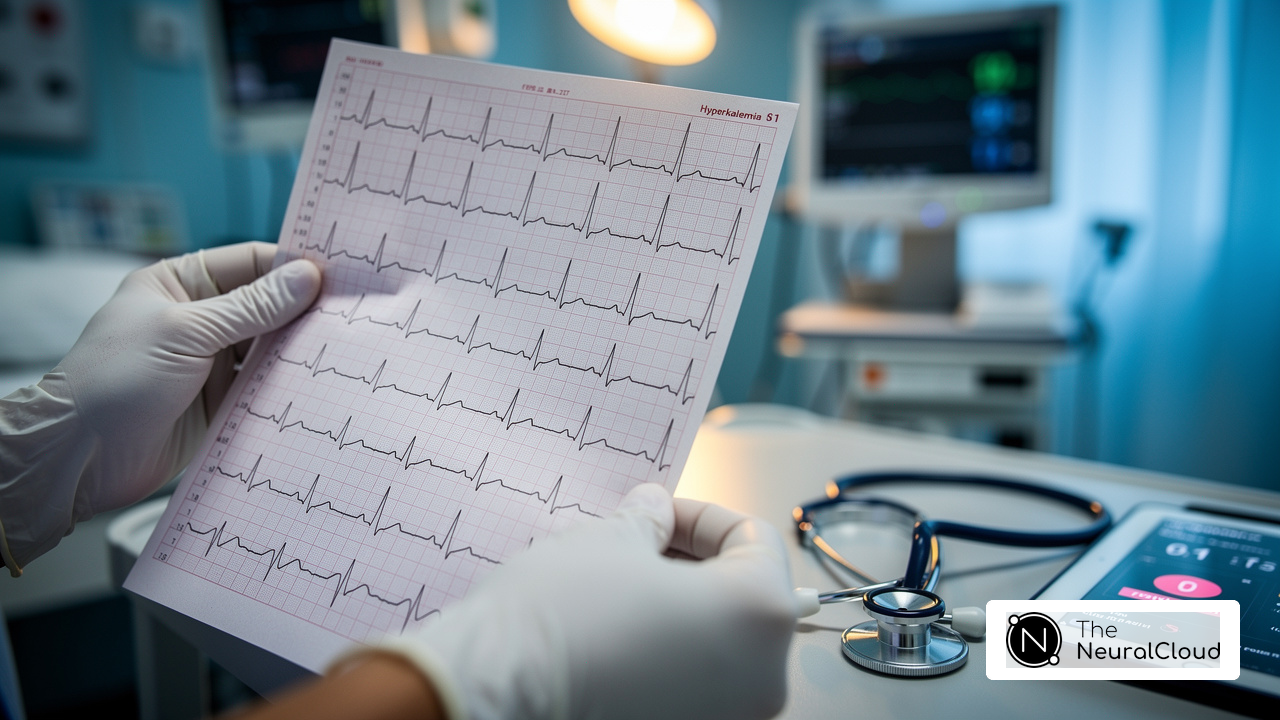
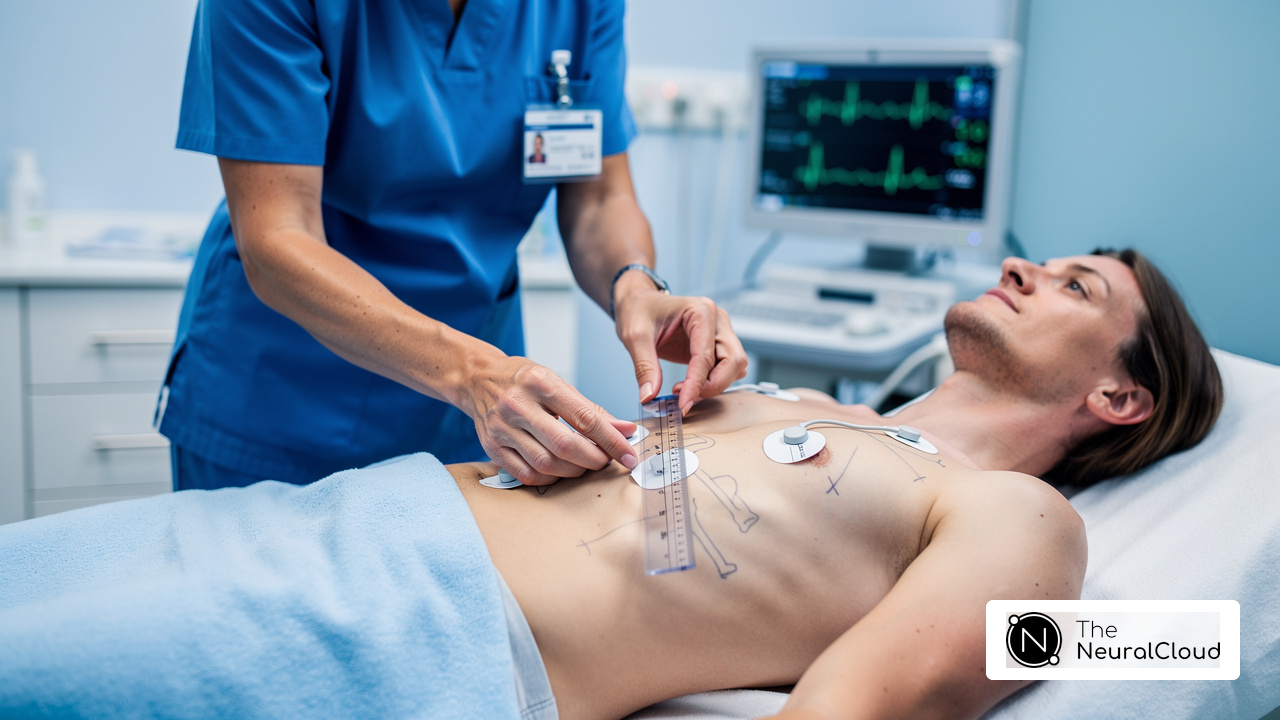
Despite its importance, many individuals face challenges in accessing timely ECG analysis, which is crucial for effective cardiac care. An electrocardiogram (EKG or ECG) is a non-invasive test that captures the heart's electrical activity over time by placing electrodes on the skin. This process detects electrical signals from heartbeats. The result is a graph that provides critical insights into heart rhythm, rate, and overall cardiac function. EKGs play a pivotal role in diagnosing various cardiac conditions, including arrhythmias, myocardial infarctions, and other heart diseases, particularly when an EKG abnormality is detected. Health tech developers need to grasp how EKGs impact cardiac health, as this understanding directly influences the design and functionality of devices that analyze and interpret EKG data.
In Canada, the integration of EKG technology is increasingly vital, especially as the aging population demands more diagnostic services. The age-standardized number of newly diagnosed cases of cardiovascular disease per 100,000 population highlights the urgency for effective monitoring solutions. Innovative technologies, such as remote ECG devices, are being developed to democratize access to cardiac care, allowing for continuous monitoring of individuals and timely interventions. As the population ages, the demand for timely and effective cardiac monitoring solutions becomes more critical.
Recent statistics indicate that disconnected care results in up to $101 billion in unnecessary healthcare spending annually, underscoring the importance of efficient EKG utilization. Moreover, wearable ECG devices, priced between $89 and $500, offer both opportunities and challenges in broadening access to cardiac monitoring, especially for individuals with low income.
Case studies reveal geographic disparities in ECG access, with urban populations having significantly better access compared to rural areas. Many individuals in rural areas struggle to access essential ECG services, leading to delayed diagnoses and treatment. This disparity highlights the necessity for medical technology developers to create solutions that bridge these gaps, ensuring equitable access to cardiac diagnostics across diverse populations. As EKG technology advances, developers must stay informed about current trends and innovations to enhance outcomes and optimize healthcare delivery.

Identify Common EKG Abnormalities and Their Implications
Understanding common EKG abnormalities is essential for effective cardiovascular care, as these EKG abnormalities can indicate serious health risks. Common EKG abnormalities include:
-
Arrhythmias: These irregular heartbeats can signal underlying heart issues, necessitating monitoring or intervention. Monitoring arrhythmias is critical, as they can lead to sudden cardiac events that are often fatal.
-
ST Segment Elevation: Often indicative of myocardial infarction, this abnormality suggests that the heart muscle is not receiving adequate oxygen. In Canada, awareness campaigns aim to improve recognition of symptoms associated with this condition, as timely intervention can significantly reduce mortality rates.
-
QT Interval Prolongation: This condition can precipitate serious arrhythmias and is frequently caused by medications or electrolyte imbalances. Understanding its implications is crucial, as those with prolonged QT intervals are at a heightened risk for life-threatening arrhythmias.
-
Bundle Branch Blocks: These abnormalities indicate a delay in the heart's electrical conduction system, potentially affecting overall heart function. In a study analyzing ECG data from seniors, it was found that those with major ECG abnormalities, including bundle branch blocks, had a 51% increased risk of heart problems.
Interestingly, studies show that over 20% of participants in various medical assessments have at least one EKG abnormality, highlighting the need for effective detection tools. For medical technology developers, understanding these conditions is crucial for creating algorithms and tools that can precisely identify and analyze EKG readings, ultimately improving outcomes in cardiovascular care.
With Neural Cloud Solutions Inc.'s MaxYield™ platform, developers can leverage advanced noise filtering and artifact handling to enhance the clarity and efficiency of ECG analysis. MaxYield™ features advanced noise filtering and artifact handling, which enhance ECG clarity. Its automated labeling capabilities ensure accurate identification of critical data, even in challenging recordings. Regulatory compliance details, including FDA Class II SaMD clearance-pending status, further bolster the credibility of MaxYield™.
Experts like Dr. Alan Rabinowitz, Dr. Brett Heilbron, and Dr. Marc W. Deyell emphasize that MaxYield™ rivals human interpretation in precision, making it an invaluable tool for addressing the challenges posed by physiological variability and signal artifacts. By leveraging advanced platforms like MaxYield™, healthcare professionals can transform ECG analysis and enhance patient safety and care quality.

Outline Next Steps After Abnormal EKG Results
After receiving abnormal EKG results, patients often face a series of critical steps that can significantly impact their health outcomes:
-
Consultation with a Cardiologist: Engaging a specialist is crucial for a comprehensive interpretation of the results and to determine if further testing is necessary. As noted by healthcare providers, "An electrocardiogram is a low-risk test" that requires professional evaluation to understand its implications fully. Dr. Alan Rabinowitz points out that using MaxYield™ can significantly improve the accuracy of these interpretations, matching the quality of human analysis.
-
Additional Diagnostic Tests: Patients may undergo echocardiograms, stress tests, or Holter monitoring to gather more detailed information about their heart's condition. These tests can help clarify the underlying issues indicated by the EKG abnormality. MaxYield™ streamlines the process by delivering automated and accurate ECG analysis, which helps reduce the workload for healthcare professionals.
-
Lifestyle Modifications: Recommendations may include dietary changes, exercise adjustments, or medication reviews to enhance heart health. Addressing factors such as electrolyte imbalances, which can lead to abnormal readings, is essential for overall well-being. MaxYield™ aids in identifying these factors through its advanced AI-driven automation, ensuring that clinicians can make informed recommendations.
-
Monitoring and Follow-Up: Regular follow-ups are essential to track individual progress and modify treatment plans as needed. Statistics show that nearly 30% of individuals miss out on proper follow-up after an EKG abnormality, revealing a significant gap in patient management. MaxYield™ improves monitoring by converting lengthy and noisy ECG recordings into clear signals, which boosts follow-up efficiency.
In Canada, adherence to these steps is supported by guidelines from the Canadian Cardiovascular Society, which emphasizes the importance of timely follow-up care. Case studies show that effective follow-up procedures can result in improved wellness outcomes, reinforcing the need for medical technology developers to create tools like MaxYield™ that facilitate these processes and support clinicians in providing optimal care. Furthermore, with FDA Class II SaMD clearance-pending status, MaxYield™ is positioned to meet regulatory compliance, ensuring audit-ready documentation that supports GxP inspections.

Explore Advanced Technologies for EKG Analysis
Despite the rapid evolution of cardiac diagnostics, ECG analysis still faces significant challenges that can impact patient care. Recent advancements in EKG analysis are transforming cardiac diagnostics through innovative technologies:
-
Artificial Intelligence (AI) algorithms have shown impressive accuracy in analyzing EKG data, effectively spotting EKG abnormalities that might be missed by human interpretation. Not only does this tech speed up the analysis, but it also boosts diagnostic accuracy. Studies indicate that AI can outperform traditional clinical tests in identifying high-risk patients for sudden cardiac death, flagging a group with a 7% annual risk compared to 4.6% identified by standard methods. The AI model's validation using additional EKG data from hospitals in San Diego and Taipei further supports its reliability. Neural Cloud Solutions Inc.'s MaxYield platform exemplifies this advancement, offering automated beat-by-beat analysis that rapidly labels P, QRS, and T wave onsets and offsets, significantly improving diagnostic precision. Additionally, MaxYield is pending FDA Class II SaMD clearance, ensuring compliance with regulatory standards.
-
Wearable Technology: The integration of EKG monitoring features into devices such as smartwatches enables ongoing heart condition tracking. These devices can provide immediate alerts for any EKG abnormality, empowering users to take proactive measures regarding their cardiac condition. MaxYield makes sure the data you get is clear and ready to use, thanks to its advanced noise filtering and artifact handling features.
-
Cloud-Based Solutions: Cloud platforms facilitate the storage and sharing of EKG data, promoting collaboration among healthcare providers. This interconnectedness enhances care management and ensures that critical data is readily accessible for timely decision-making. MaxYield's integration into cloud solutions allows for seamless data processing and sharing, enhancing clinical workflows. Moreover, the Insight360 tool converts MaxYield’s clean ECG data into interactive dashboards and clinical-ready reports, offering a comprehensive perspective on individual well-being.
-
Telemedicine Integration: The rise of remote monitoring and consultation services enhances accessibility to care. Patients can receive timely interventions without the need for in-person visits, which is particularly beneficial in rural areas where healthcare resources may be limited. The efficiency of MaxYield in processing ECG data supports telemedicine by providing clinicians with rapid insights into individual heart conditions.
For health tech developers, harnessing these advanced technologies presents an opportunity to create innovative solutions that not only enhance patient care but also streamline clinical workflows, ultimately contributing to improved health outcomes. Additionally, fostering public trust in AI adoption through transparency regarding data usage and safeguards is essential for successful integration into healthcare. Experts like Dr. Alan Rabinowitz, Dr. Brett Heilbron, and Dr. Marc W. Deyell emphasize that MaxYield’s precision rivals human interpretation, making it a vital tool in modern cardiac diagnostics. As these technologies continue to evolve, they promise to redefine the landscape of cardiac care, making timely and accurate diagnoses more achievable than ever before.

Conclusion
For health tech developers, grasping the complexities of EKG abnormalities is vital to advancing cardiac care. By recognizing the critical role that electrocardiograms play in diagnosing heart conditions, developers can create innovative solutions that improve patient outcomes. Advanced technologies like AI and wearable devices are changing how EKG data is analyzed. This transformation makes timely and accurate diagnoses more accessible.
Key insights from the article highlight the importance of understanding common EKG abnormalities, such as:
- Arrhythmias
- ST segment elevation
These can indicate serious health risks. Effective follow-up procedures and lifestyle modifications after abnormal results are essential. Platforms like Neural Cloud Solutions Inc.'s MaxYield™ streamline these processes, ensuring that patients receive the care they need. Furthermore, disparities in access to EKG services across Canada present challenges that must be addressed to ensure equitable cardiac care for all populations.
As the landscape of cardiac diagnostics continues to evolve, embracing advanced technologies and fostering collaboration among healthcare providers will be crucial. Developers should tap into innovations like MaxYield™ to make EKG analysis clearer and more efficient. By prioritizing the integration of these technologies, the healthcare community can ensure that timely interventions and effective patient management become the standard, paving the way for a healthier future. The future of cardiac diagnostics hinges on the effective integration of technology and collaboration among healthcare professionals.
Frequently Asked Questions
What is an EKG and what role does it play in cardiac health?
An electrocardiogram (EKG or ECG) is a non-invasive test that captures the heart's electrical activity over time by placing electrodes on the skin. It provides critical insights into heart rhythm, rate, and overall cardiac function, playing a pivotal role in diagnosing various cardiac conditions such as arrhythmias and myocardial infarctions.
Why is timely ECG analysis important for cardiac care?
Timely ECG analysis is crucial for effective cardiac care as it allows for the early detection of abnormalities, which can lead to prompt diagnosis and treatment of heart diseases, ultimately improving patient outcomes.
How is EKG technology being integrated into healthcare in Canada?
In Canada, the integration of EKG technology is increasingly vital due to the aging population's demand for more diagnostic services. Innovative technologies, such as remote ECG devices, are being developed to democratize access to cardiac care and enable continuous monitoring.
What are the financial implications of disconnected care related to EKG utilization?
Disconnected care results in up to $101 billion in unnecessary healthcare spending annually, highlighting the importance of efficient EKG utilization to improve healthcare delivery and reduce costs.
What challenges do wearable ECG devices present?
Wearable ECG devices, priced between $89 and $500, offer opportunities for broader access to cardiac monitoring but also pose challenges, particularly for individuals with low income who may struggle to afford these devices.
Are there geographic disparities in access to ECG services in Canada?
Yes, there are significant geographic disparities in ECG access, with urban populations having better access compared to rural areas. This disparity can lead to delayed diagnoses and treatment for individuals in rural regions.
What should medical technology developers consider regarding EKG technology?
Medical technology developers need to understand how EKGs impact cardiac health, stay informed about current trends and innovations, and create solutions that bridge access gaps to ensure equitable cardiac diagnostics across diverse populations.
List of Sources
- Define EKG and Its Role in Cardiac Health
- Bridging health disparities and ECG: Reimagining cardiac healthcare (https://gehealthcare.com/en-ca/insights/article/bridging-health-disparities-and-ecg-reimagining-cardiac-healthcare?srsltid=AfmBOopJI_rCuyODLybID_7sjrB68Chdaw2UIS4by6uMd01V9w7E7P8J)
- What’s an EKG? (https://my.clevelandclinic.org/health/diagnostics/16953-electrocardiogram-ekg)
- Canada (https://world-heart-federation.org/world-heart-observatory/countries/canada)
- Electrocardiogram (ECG or EKG) - Mayo Clinic (https://mayoclinic.org/tests-procedures/ekg/about/pac-20384983)
- Identify Common EKG Abnormalities and Their Implications
- What the latest heart disease and stroke numbers mean for your health (https://heart.org/en/news/2026/01/21/what-the-latest-heart-disease-and-stroke-numbers-mean-for-your-health)
- ECG test may signal heart attack risk in elderly | CBC News (https://cbc.ca/news/health/ecg-test-may-signal-heart-attack-risk-in-elderly-1.1210492)
- Millions live with undiagnosed heart rhythm disorders – World Heart Rhythm Week 2026 calls for urgent action (https://news-medical.net/news/20260601/Millions-live-with-undiagnosed-heart-rhythm-disorders-e28093-World-Heart-Rhythm-Week-2026-calls-for-urgent-action.aspx)
- Global Surge in Heart Rhythm Disorders Sparks Call to Action (https://dicardiology.com/content/global-surge-heart-rhythm-disorders-sparks-call-action)
- Outline Next Steps After Abnormal EKG Results
- Interpreting Abnormal EKG Tests | EKG Results | The Heart House and Vascular Care (https://hearthousenj.com/treatment-options/cardiac-imaging-testing-diagnostics/abnormal-ekg)
- Abnormal EKG: Results, causes, and next steps (https://medicalnewstoday.com/articles/324922)
- Abnormal EKG? Don’t Ignore a Racing Heart: Urgent Next Steps | Ubie Doctor's Note (https://ubiehealth.com/doctors-note/abnormal-ekg-heart-racing-causes-approved-steps-5941e5)
- What’s an EKG? (https://my.clevelandclinic.org/health/diagnostics/16953-electrocardiogram-ekg)
- Explore Advanced Technologies for EKG Analysis
- With AI, researchers discover new way to detect sudden cardiac death risk - Berkeley News (https://news.berkeley.edu/2026/06/24/with-ai-researchers-discover-new-way-to-detect-sudden-cardiac-death-risk)
- AI in Canadian health care: From pilots to real-world implementation (https://blg.com/en/insights/2026/07/ai-in-canadian-health-care-from-pilots-to-real-world-implementation)
- AI in Canadian Healthcare 2026: Canada’s Health AI Update (https://techforum.ca/articles/ai-in-canadian-healthcare-2026)