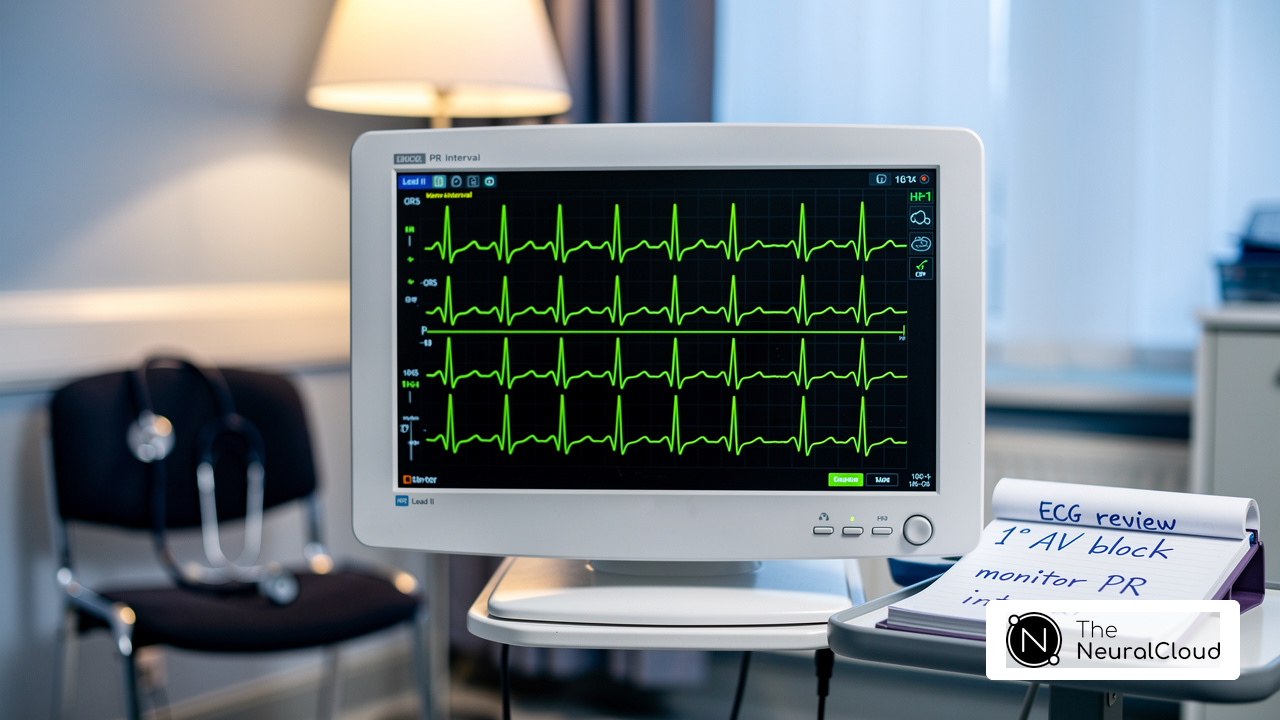
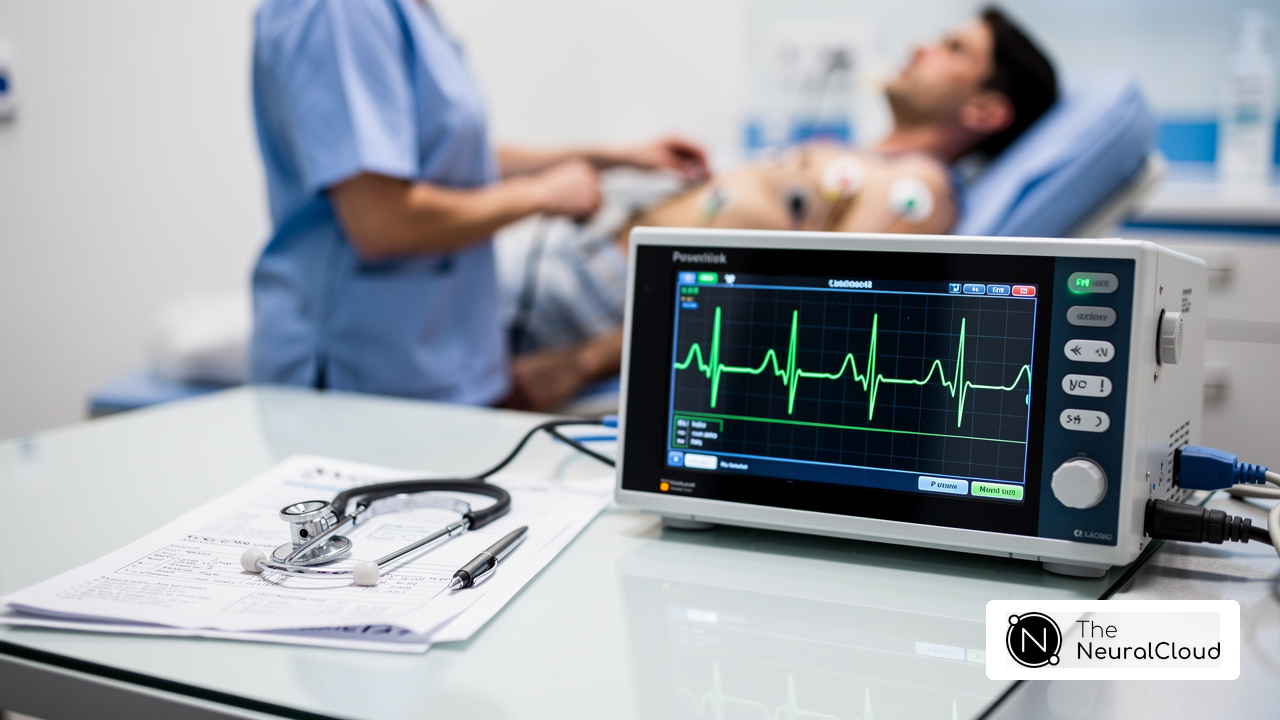
Introduction
The rise of electrocardiogram (ECG) apps for Android signifies a significant shift in how individuals manage their heart health, making cardiac monitoring more accessible than ever. These innovative applications enable users to record and analyze their heart's electrical activity, providing real-time insights that can lead to proactive health management. However, as technology evolves, questions arise regarding the reliability and integration of these tools in clinical settings. Can they truly replace traditional monitoring methods, or do they merely serve as supplementary aids?
Exploring the features, benefits, and challenges of ECG apps reveals a complex landscape that is reshaping patient care and health outcomes. Key features of these apps include:
- User-friendly interfaces
- The ability to track heart rhythms over time
- Integration with other health monitoring tools
The advantages of using ECG apps extend beyond convenience; they empower users to take charge of their heart health, potentially leading to earlier detection of issues and improved communication with healthcare providers.
Despite their benefits, challenges remain. Questions about data accuracy, privacy concerns, and the need for clinical validation are critical to consider. As we delve deeper into the world of ECG apps, it becomes clear that while they offer valuable tools for heart health management, they should complement, rather than replace, traditional monitoring methods.
Defining Electrocardiogram Apps for Android
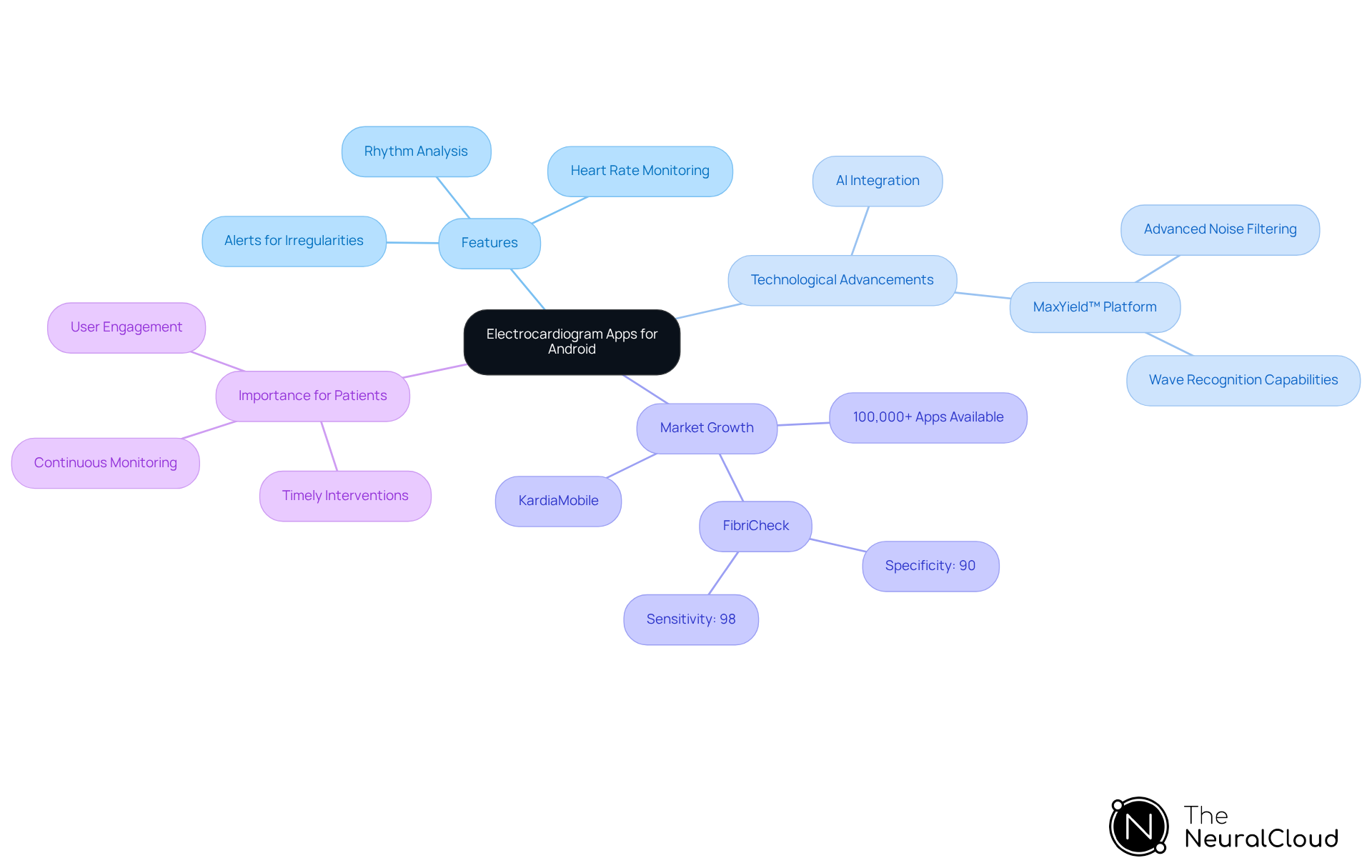
The development of electrocardiogram apps represents a significant advancement in mobile health technology. These applications enable users to record, analyze, and interpret the heart's electrical activity directly from their smartphones. By leveraging integrated sensors in wearable devices or smartphones, they capture ECG signals, providing valuable insights. Features such as rhythm analysis, data visualization, and alerts for irregularities empower users to take proactive measures in managing their heart conditions. The integration of artificial intelligence (AI) enhances these applications, allowing for more accurate interpretations and personalized feedback tailored to individual health needs.
Neural Cloud Solutions' app exemplifies this advancement with its innovative design and distinct wave recognition capabilities. MaxYield™ identifies and labels essential information even in recordings with high levels of noise and artifact. It rapidly isolates ECG waves from recordings affected by baseline wander, movement, and muscle artifact. This innovative solution transforms noisy recordings into detailed insights, delivering beat-by-beat analysis of 200,000 heartbeats in under 5 minutes. By incorporating MaxYield™ into the app, developers can enhance the effectiveness of cardiac analysis, ensuring that significant ECG information is highlighted and readily available.
As of 2025, the market for ECG apps has expanded dramatically, with over 100,000 available, many focusing on user-friendly interfaces. Real-world examples include the FibriCheck app, which has demonstrated a sensitivity of 98% and specificity of 90% in detecting atrial fibrillation (AF) through single-lead ECG data. Additionally, the KardiaMobile app by AliveCor is widely recognized for its effectiveness in monitoring AF, utilizing a finger pad sensor connected to a mobile device.
Cardiologists emphasize the importance of these mobile ECG applications, noting that they facilitate timely interventions. The capability of these applications to utilize smartphone technology, combined with the advanced features of Neural Cloud Solutions' MaxYield™, not only enhances user engagement but also ensures that essential cardiac data is easily accessible. This ultimately transforms how individuals manage their heart health.
Context and Importance of ECG Apps in Healthcare
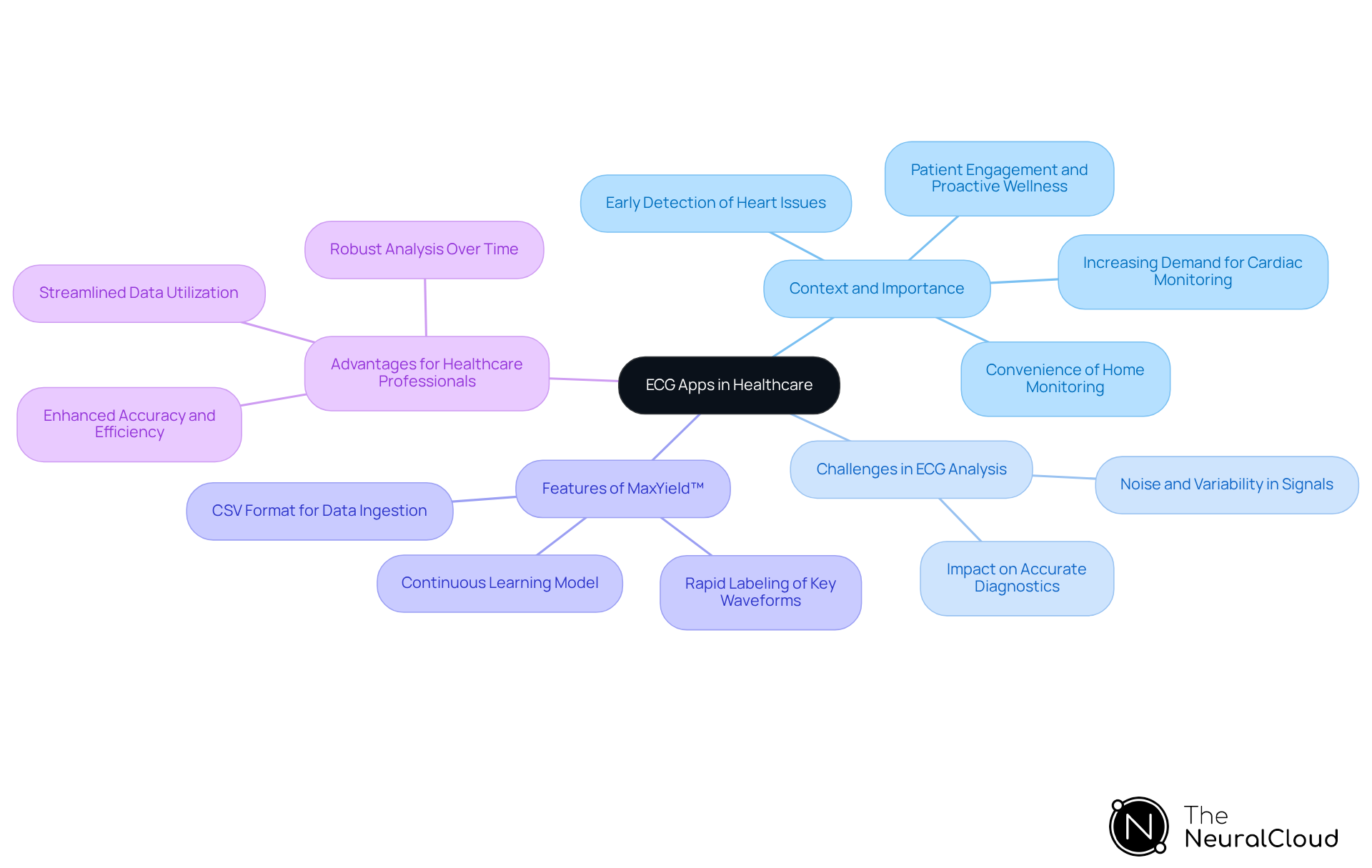
The growth of ECG apps in the medical field addresses the increasing demand for accessible and effective healthcare solutions. With heart disease and related conditions on the rise, using an ECG app provides a convenient way for individuals to monitor their heart health from home. They enable remote monitoring, allowing healthcare professionals to intervene promptly. Furthermore, ECG applications boost patient engagement by empowering users to monitor their heart health over time, promoting a proactive approach to wellness.
Challenges in ECG Monitoring
Despite the benefits, ECG apps face several challenges, which can hinder accurate diagnostics. Innovative solutions like Neural Cloud Solutions' technology address these issues by rapidly labeling P, QRS, and T wave onsets, offsets, and time-series intervals. This beat-by-beat tabulation in CSV format allows for seamless integration into existing workflows, enabling users to analyze more information in less time with clear data sets and clean signals.
Features of MaxYield™
- Rapid Labeling: Quickly identifies key waveforms in ECG data.
- CSV Format: Simplifies data analysis.
- Advanced Algorithms: Improves accuracy and efficiency with each use.
Advantages for Healthcare Professionals
The CSV format is particularly significant as it streamlines data utilization, making it easier for medical providers to leverage the information effectively. Additionally, the technology employed by Neural Cloud Solutions enhances the accuracy and efficiency of ECG diagnostics, evolving with each use to maximize diagnostic yield. This model ensures that the analysis remains robust over time, addressing challenges such as noise and variability in ECG signals.
As the medical field embraces digital transformation, the integration of ECG apps, supported by advanced technologies like those from Neural Cloud Solutions, signifies a major advancement in patient-centered care.
Evolution of ECG Monitoring Technology
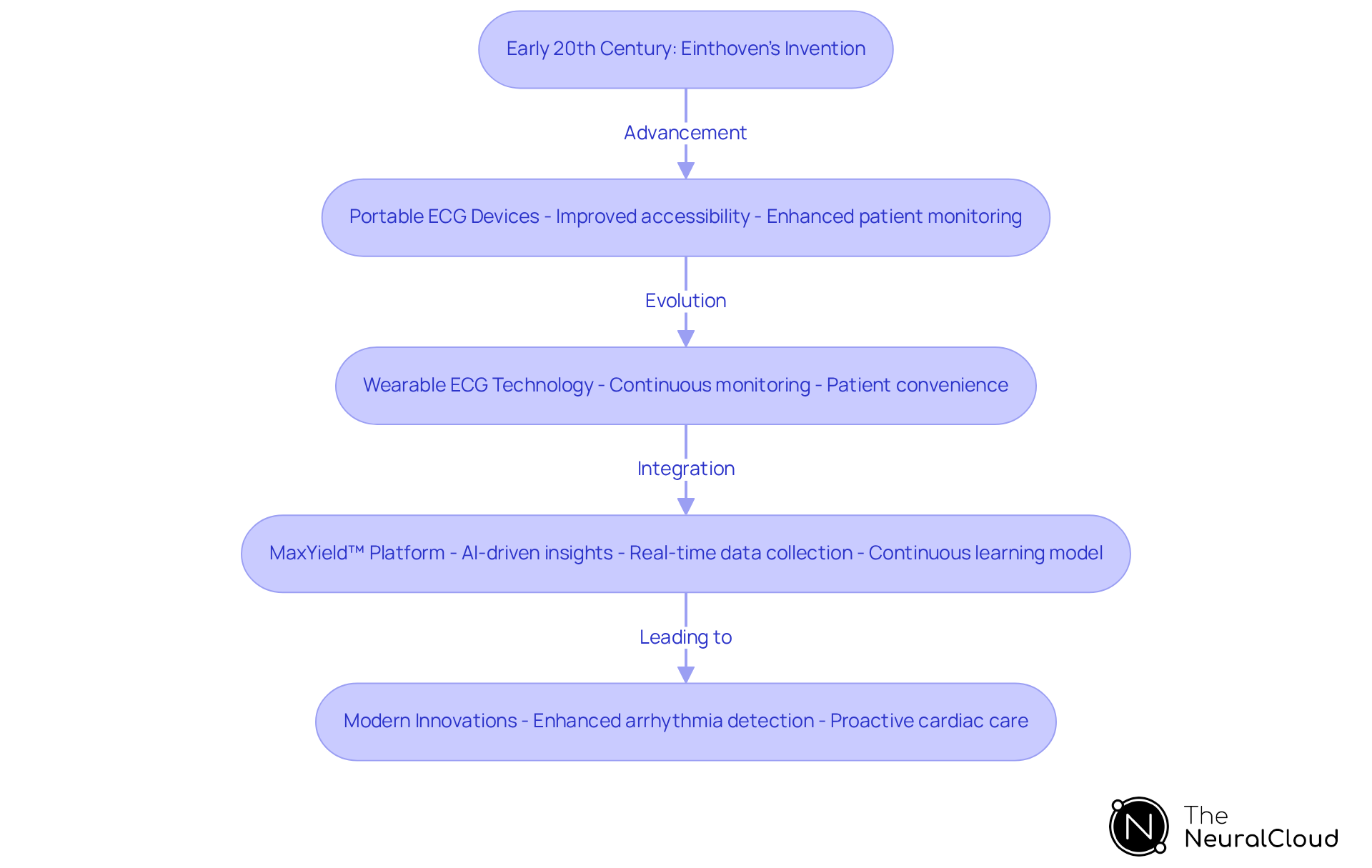
The evolution of ECG monitoring technology began in the early 20th century with Willem Einthoven's invention of the first electrocardiograph, laying the groundwork for modern cardiac monitoring. Over the years, significant advancements have led to the emergence of portable and wearable devices, such as the Holter monitor, greatly improving accessibility for both patients and healthcare providers. However, challenges remain in implementation, particularly with physiological variability and signal artifacts that can complicate accurate readings.
The MaxYield platform addresses these challenges by integrating sophisticated algorithms and artificial intelligence. This platform automates manual tasks and filters out noise, enhancing the accuracy of readings. Key features of MaxYield™ include:
- Continuous Learning Model: Adapts with each use to maximize diagnostic yield.
- Real-time Analysis: Enables immediate analysis and response.
- Enhanced Reporting: Improves efficiency and overall diagnostic capabilities.
These features provide significant advantages for healthcare professionals. By streamlining the process, MaxYield™ allows for quicker decision-making and improved patient outcomes. The ECG market, valued at USD 4.13 billion in 2024, is projected to grow to USD 8.89 billion by 2032, reflecting a compound annual growth rate (CAGR) of 10.1% from 2025 to 2032. Innovations like the ZioPatch, which utilizes AI for enhanced monitoring, are driving this growth alongside the increasing demand for remote patient monitoring.
Case studies from regions like Japan and Europe illustrate how the integration of advanced technologies, including Neural Cloud Solutions' platform, into wearable devices is fostering market growth and improving patient outcomes. As the healthcare landscape continues to evolve, advancements in ECG technology signify a shift towards more proactive and personalized cardiac care.
Key Features and Functionalities of ECG Apps
The field is revolutionizing cardiac monitoring by providing a range of advanced features that enhance user experience and improve health outcomes. However, traditional ECG analysis often faces challenges such as accuracy and accessibility. The solution from Neural Cloud Solutions addresses these issues effectively.
Key Features of MaxYield™:
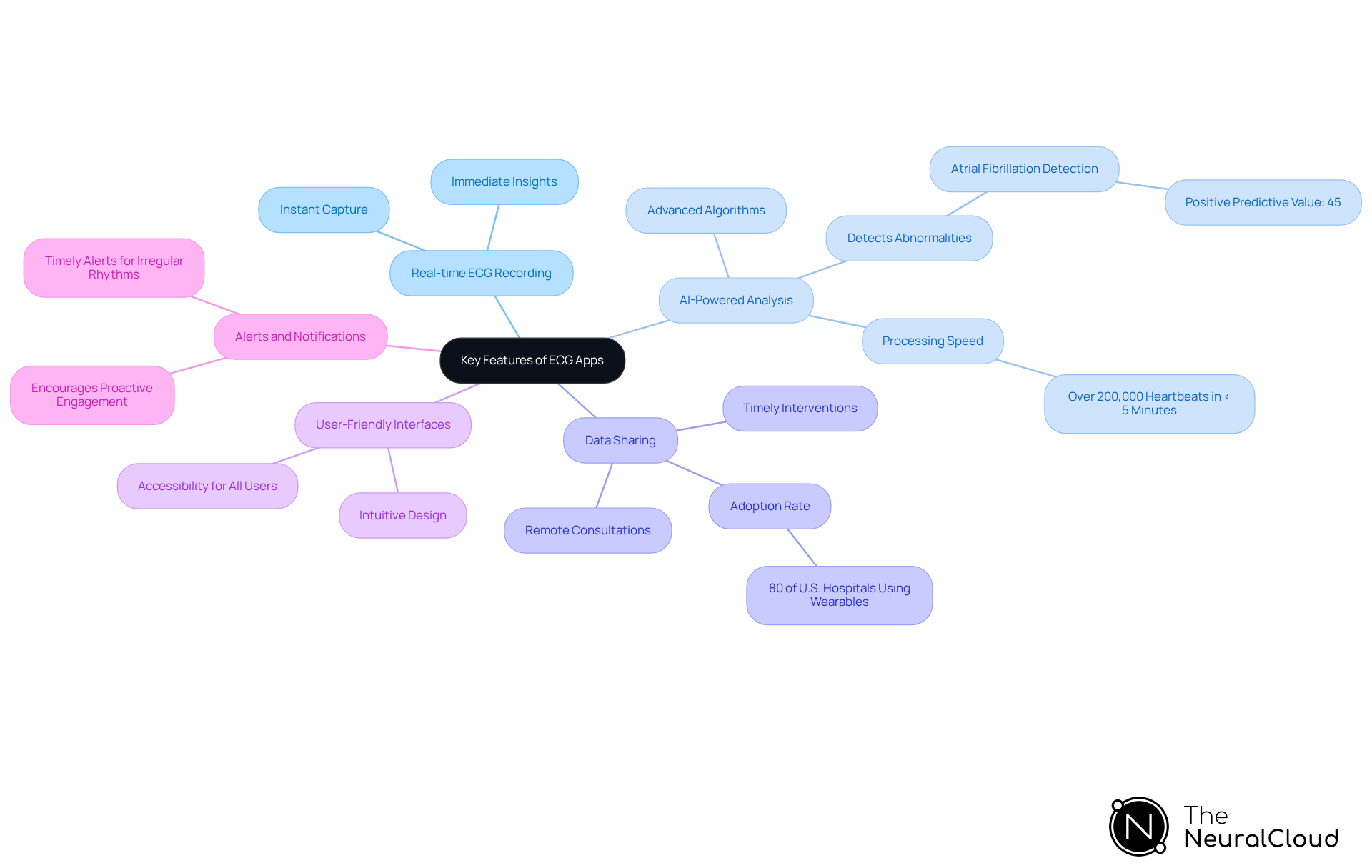
- Instant Capture: Users can instantly capture their heart's electrical activity, providing immediate insights into their cardiac health.
- AI Interpretation: Utilizing advanced AI algorithms, these applications interpret ECG data to detect abnormalities. This significantly improves diagnostic accuracy, with a positive predictive value of approximately 45% for detecting atrial fibrillation. The platform exemplifies this capability by offering an analysis tool that provides automated, scalable analysis, processing over 200,000 heartbeats in under five minutes, and is device-agnostic, capturing ECG recordings from any 1-lead or 3-lead device with ease.
- Data Sharing: Seamless sharing of ECG readings with medical providers facilitates remote consultations, ensuring timely interventions and improved patient management. With 80% of hospitals in the U.S. adopting telehealth solutions, this feature is increasingly vital.
- User-Friendly Interfaces: Designed for accessibility, most ECG apps feature intuitive interfaces that cater to users with varying levels of technical expertise, promoting widespread adoption.
- Alerts and Notifications: Users receive timely alerts, encouraging proactive engagement with medical professionals when necessary.
These features collectively empower users to take charge of their cardiac health, which aligns with the growing trend of integrating AI capabilities into health applications, such as the MaxYield™ app. The integration of AI not only streamlines the analysis process but also improves the overall quality of ECG data, enabling medical providers to make informed decisions swiftly. As noted by Bryn Mumma, a professor of emergency medicine at UC Davis Health, "These results demonstrate the potential of AI in healthcare." Furthermore, the U.S. medical IT market is projected to reach USD 566.5 billion by 2034, underscoring the increasing importance of scalable ECG applications like MaxYield™. Its innovative method for ECG analysis, featuring real-time monitoring, positions it as a transformative solution for medical professionals.
Challenges in Implementing ECG Apps in Healthcare
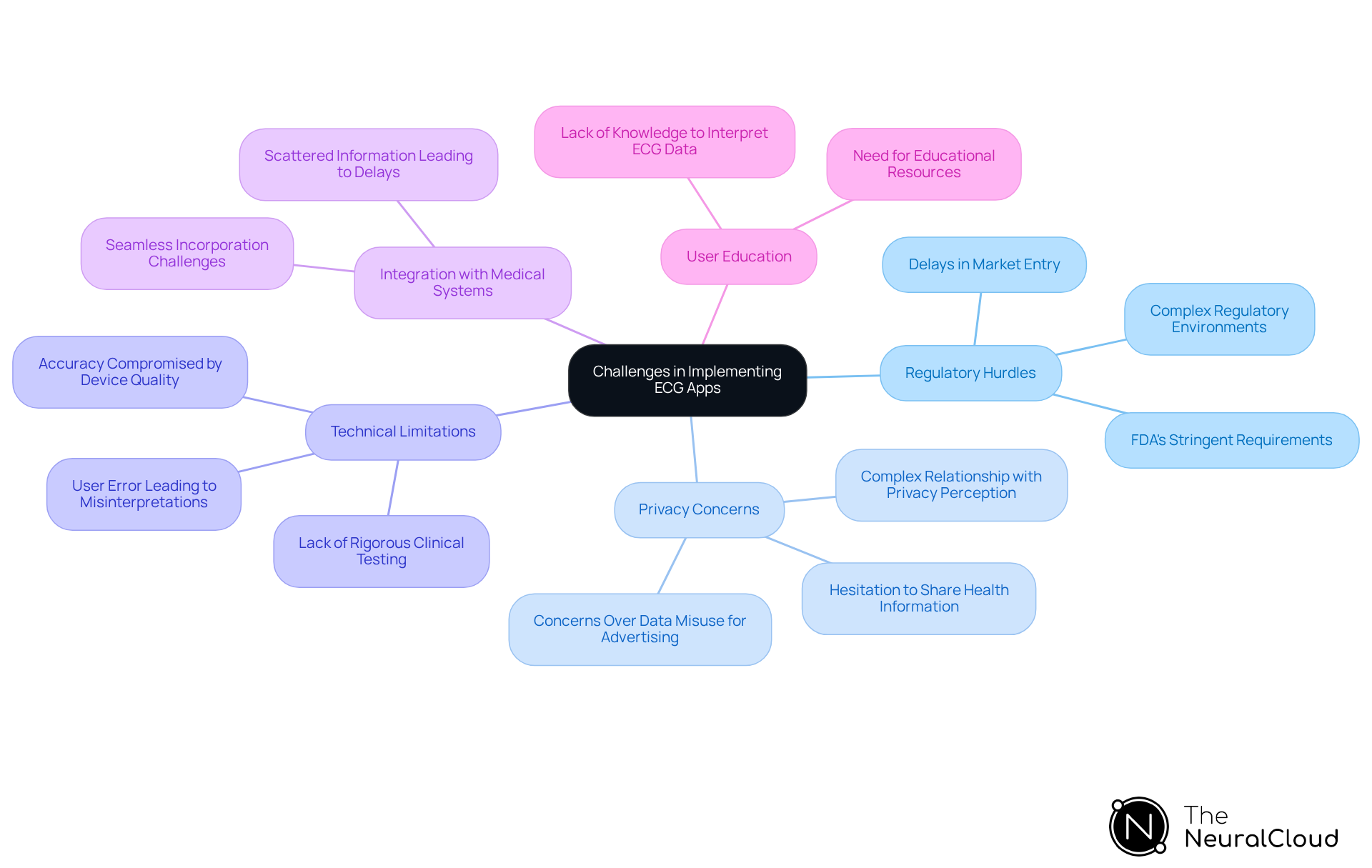
Despite the benefits of ECG applications, several challenges obstruct their extensive acceptance in healthcare. Key issues include:
- Regulatory compliance: ECG apps must navigate complex regulatory environments to comply with medical device standards, which can delay their market entry and limit innovation. The FDA's stringent requirements for clinical testing and validation pose significant barriers, particularly for new entrants in the market.
- Privacy concerns: Users often hesitate to share sensitive health information due to privacy issues, which can significantly limit the effectiveness of remote monitoring. A study showed that many participants expressed greater concern about their personal information being used for advertising rather than health information misuse, indicating a complex relationship between type of information and privacy perception.
- Technical limitations: The accuracy of ECG readings can be compromised by factors such as device quality and user error, leading to potential misinterpretations. While the integration of AI and machine learning in ECG software has shown promise in enhancing diagnostic accuracy, many devices still lack rigorous clinical testing.
- Integration with medical systems: Ensuring seamless incorporation of ECG application information with existing medical systems remains a challenge. This integration is vital for improving the overall efficiency of patient care, as scattered information can result in delays in diagnosis and treatment.
- User education: Many users lack the necessary knowledge to interpret ECG data correctly, underscoring the need for educational resources to accompany these applications. Without proper guidance, users may misinterpret results, which could lead to unnecessary anxiety or missed opportunities for timely medical intervention.
Addressing these challenges is essential for maximizing the potential of ECG apps and ensuring that it serves as an effective tool for both patients and healthcare providers.
Features and Benefits
The solution by Neural Cloud Solutions addresses these challenges head-on, offering a robust solution for ECG analysis.
-
Feature: Quick labeling of P, QRS, and T wave onsets and offsets.
- Advantage: This feature enhances the clarity of ECG signals, reducing the likelihood of misinterpretation.
- Benefit: Healthcare professionals can make more accurate diagnoses, leading to better patient outcomes.
Feature: Advanced algorithms for intricate signal processing.
- Advantage: These models improve the accuracy of ECG readings.
- Benefit: Streamlined information flow enhances the overall efficiency of patient care.
By leveraging the latest technology, healthcare providers can overcome the existing barriers in ECG analysis, ultimately improving diagnosis and patient care.
Conclusion
The rise of electrocardiogram apps for Android signifies a significant shift in cardiac health monitoring. These apps allow users to conveniently and effectively track their heart's electrical activity. By empowering individuals to take charge of their health, these applications also facilitate timely interventions through advanced features and AI-driven insights, enhancing patient engagement and outcomes.
In exploring ECG apps, several key points emerge, particularly regarding the capabilities of platforms like MaxYield™. This platform addresses challenges such as noise and signal variability, which are critical in ECG analysis. Its features include:
- Real-time data collection
- User-friendly interfaces
- Seamless data sharing with healthcare professionals
These elements underscore the potential of MaxYield™ to revolutionize cardiac care, making it a valuable tool in the healthcare landscape.
Moreover, the increasing demand for mobile health solutions highlights the need for continuous innovation in this field. The journey of ECG apps reflects a broader trend towards personalized and proactive healthcare. However, addressing challenges such as regulatory hurdles, privacy concerns, and user education is essential to maximize the potential of these technologies.
Ultimately, embracing the advantages of electrocardiogram apps, particularly those like MaxYield™, can lead to improved patient outcomes and a more engaged approach to heart health management. As the healthcare landscape evolves, these tools will play a crucial role in shaping the future of cardiac care.
Frequently Asked Questions
What is an electrocardiogram (ECG) app for Android?
An electrocardiogram app for Android is a mobile health application that allows users to record, analyze, and interpret the heart's electrical activity using their smartphones or wearable devices.
How do ECG apps capture heart activity?
ECG apps capture heart activity by leveraging integrated sensors in smartphones or wearable devices to record ECG signals, providing real-time insights into cardiac health.
What features do ECG apps typically offer?
ECG apps typically offer features such as rhythm analysis, heart rate monitoring, and alerts for irregularities, empowering users to manage their heart conditions proactively.
How does artificial intelligence enhance ECG apps?
Artificial intelligence enhances ECG apps by allowing for more accurate interpretations and personalized feedback tailored to individual health needs.
What is the MaxYield™ platform, and how does it improve ECG analysis?
The MaxYield™ platform by Neural Cloud Solutions improves ECG analysis by providing advanced noise filtering and distinct wave recognition capabilities, rapidly isolating and labeling essential ECG information even in noisy recordings.
What are the market trends for ECG software as of 2025?
As of 2025, the market for ECG software has expanded significantly, with over 100,000 mobile health applications available, many focusing on cardiac monitoring.
Can you provide examples of popular ECG apps?
Examples of popular ECG apps include FibriCheck, which has shown a sensitivity of 98% and specificity of 90% in detecting atrial fibrillation, and KardiaMobile by AliveCor, known for its effectiveness in monitoring atrial fibrillation using a finger pad sensor.
What role do ECG apps play in patient engagement and healthcare?
ECG apps boost patient engagement by allowing individuals to monitor their heart health from home, promoting a proactive approach to wellness and enabling early detection of potential issues for timely intervention by healthcare professionals.
What challenges do ECG apps face in analysis?
ECG analysis faces challenges such as noise and variability in signals, which can hinder accurate diagnostics. Solutions like the MaxYield™ platform help address these issues.
What advantages does the MaxYield™ platform offer to healthcare professionals?
The MaxYield™ platform offers advantages such as rapid labeling of key waveforms, data presented in CSV format for easier integration into workflows, and a continuous learning model that enhances accuracy and efficiency over time.
List of Sources
- Defining Electrocardiogram Apps for Android
- Checking your browser - reCAPTCHA (https://pmc.ncbi.nlm.nih.gov/articles/PMC6396075)
- themindstudios.com (https://themindstudios.com/blog/heart-monitoring-app-development)
- theneuralcloud.com (https://theneuralcloud.com/post/10-essential-ecg-apps-for-android-enhance-cardiac-monitoring-today)
- medicalxpress.com (https://medicalxpress.com/news/2025-11-ai-heart-gel-free-ecg.html)
- Context and Importance of ECG Apps in Healthcare
- Cardiovascular diseases (CVDs) (https://who.int/news-room/fact-sheets/detail/cardiovascular-diseases-(cvds))
- The Future of Cardiac Safety: How Wearable ECGs Enhance Patient Monitoring in Drug Trials | Applied Clinical Trials Online (https://appliedclinicaltrialsonline.com/view/future-cardiac-safety-wearable-ecg-enhance-patient-monitoring)
- 2025 Heart Disease and Stroke Statistics: A Report of US and Global Data From the American Heart Association | Circulation (https://ahajournals.org/doi/10.1161/CIR.0000000000001303)
- pmc.ncbi.nlm.nih.gov (https://pmc.ncbi.nlm.nih.gov/articles/PMC8734924)
- tctmd.com (https://tctmd.com/news/aha-stats-show-cv-health-americans-remains-dire)
- Evolution of ECG Monitoring Technology
- Mobile ECG Devices Market Size, Share | Forecast [2026-2034] (https://fortunebusinessinsights.com/mobile-ecg-devices-market-109626)
- Evolution of ECG Technology: From Analog to Digital - Norav Medical (https://noravmedical.com/evolution-of-ecg-technology-from-analog-to-digital)
- snsinsider.com (https://snsinsider.com/reports/mobile-ecg-devices-market-7183)
- Key Features and Functionalities of ECG Apps
- statnews.com (https://statnews.com/2018/09/13/heres-the-data-behind-the-new-apple-watch-ekg-app)
- theneuralcloud.com (https://theneuralcloud.com/post/10-essential-ecg-apps-for-android-enhance-cardiac-monitoring-today)
- New study finds AI model improves heart attack detection (https://health.ucdavis.edu/news/headlines/new-study-finds-ai-model-improves-heart-attack-detection/2025/11)
- Challenges in Implementing ECG Apps in Healthcare
- intuitionlabs.ai (https://intuitionlabs.ai/articles/ai-medical-devices-regulation-2025)
- technavio.com (https://technavio.com/report/diagnostic-electrocardiograph-ecg-market-analysis)
- pmc.ncbi.nlm.nih.gov (https://pmc.ncbi.nlm.nih.gov/articles/PMC9237761)
- coblentzlaw.com (https://coblentzlaw.com/news/updates-to-u-s-health-data-privacy-and-wearable-tech)
- neurologyadvisor.com (https://neurologyadvisor.com/features/new-health-apps-may-pose-challenges-to-patient-privacy)