Introduction
Understanding hyperkalemia is crucial for health technology developers due to its significant clinical risks, especially among vulnerable populations such as those with chronic kidney disease. Elevated potassium levels are associated with severe cardiac complications and increased mortality rates. This highlights the urgent need for innovative diagnostic tools and effective management strategies.
How can technology effectively bridge the gap between assessing the severity of hyperkalemia and enhancing patient outcomes? In a healthcare landscape that demands timely interventions, the development of advanced solutions is essential. By focusing on the features and advantages of new technologies, we can better address the challenges posed by hyperkalemia and improve overall patient care.
Define Hyperkalemia and Its Clinical Importance
Hyperkalemia is characterized by an elevated potassium level, typically exceeding 5.0 mEq/L. This condition presents significant health risks, as it can lead to severe cardiac complications, including arrhythmias and cardiac arrest. Notably, patients with increased potassium concentrations face a 32% higher risk of major adverse cardiovascular events compared to those with normal levels. Additionally, the likelihood of arrhythmia is 59% greater in individuals with elevated potassium levels, underscoring the critical need for careful monitoring of these concentrations.
For health tech developers, understanding elevated potassium levels is essential for creating diagnostic tools and treatment guidelines that effectively monitor and manage these levels, especially in high-risk populations such as those with chronic kidney disease or heart failure. Research indicates that the prevalence of hyperkalemia can reach 40% to 50% among individuals with chronic kidney disease, highlighting the urgent need for innovative solutions in this field.
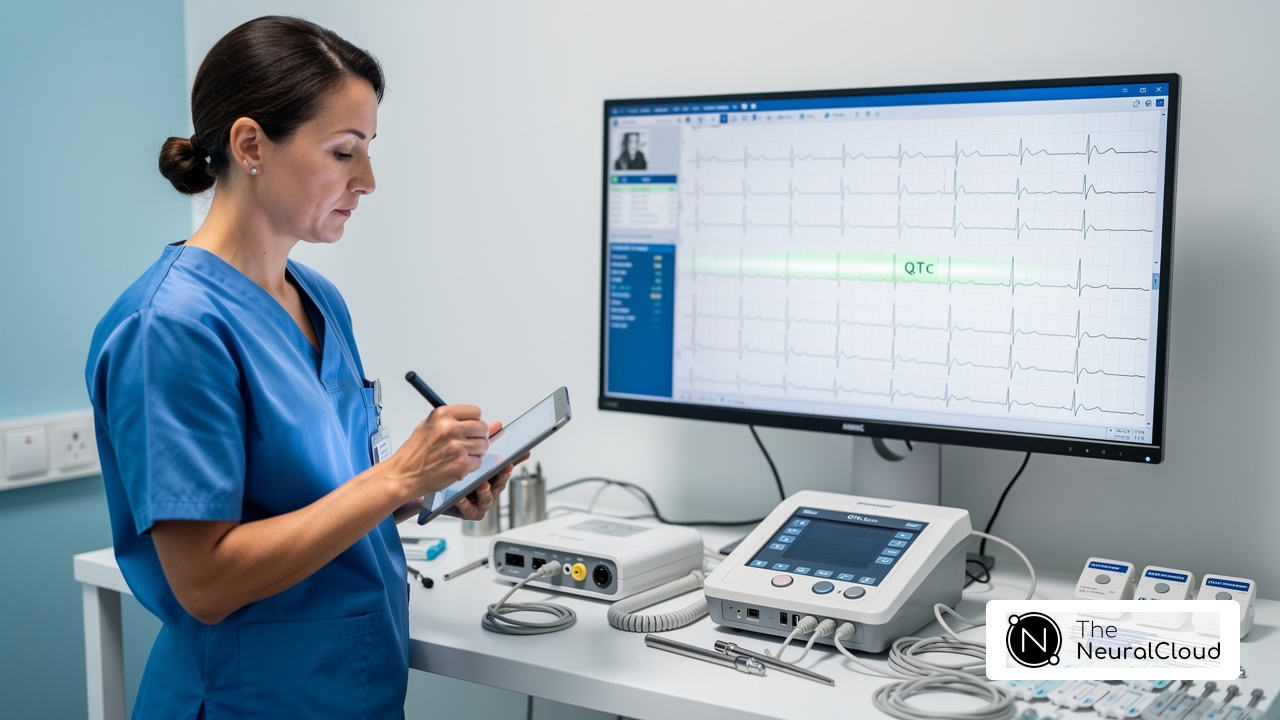
The platform from Neural Cloud Solutions offers a robust solution for enhancing patient monitoring. By integrating wearable technology, developers can automate labeling and data extraction, significantly improving the efficiency of clinical workflows. This integration not only streamlines processes but also reduces operational costs while addressing challenges like physiological variability and signal artifacts. For example, the system automates labor-intensive tasks, allowing technicians to concentrate on critical decision-making, thereby boosting productivity.
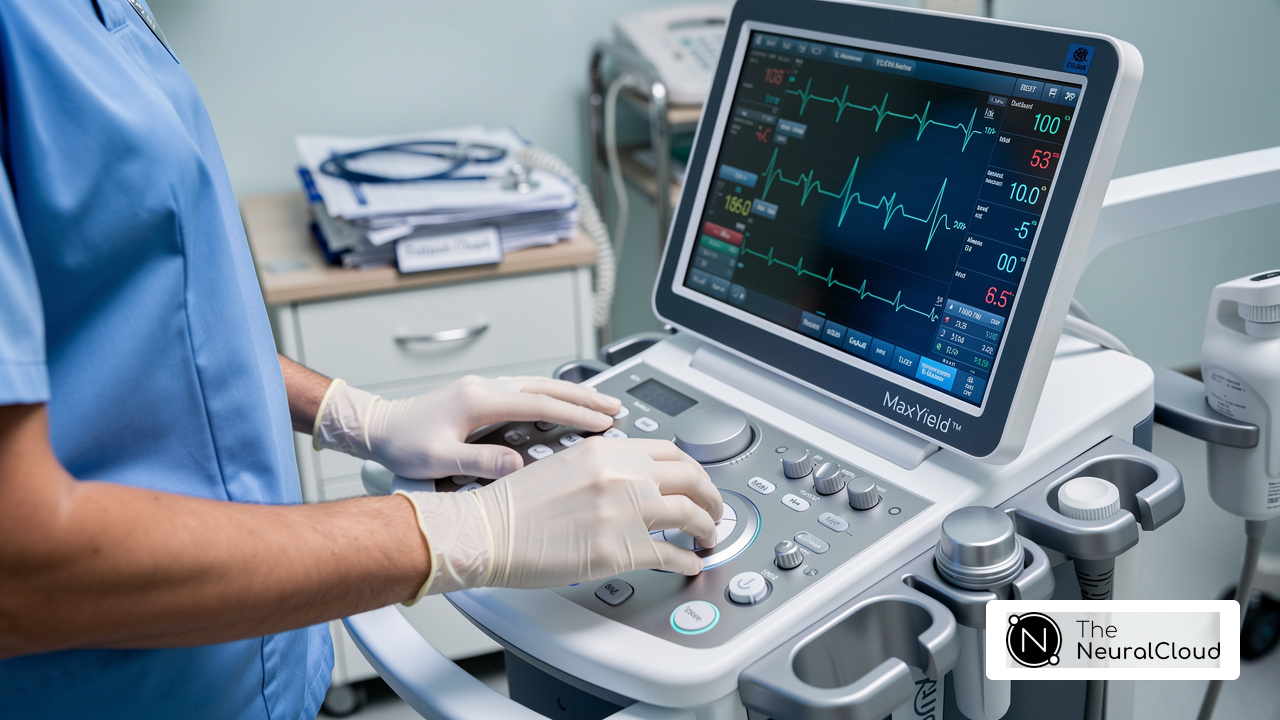
Case studies further emphasize the importance of effectively managing potassium levels to address patient safety. Research on patiromer, a potassium binder, revealed substantial reductions in serum potassium levels, with 92% of participants achieving normal levels within 48 hours of treatment. These findings reinforce the necessity for health tech solutions that enable timely interventions and enhance patient outcomes. As cardiac care continues to evolve, the integration of advanced monitoring technologies like MaxYield™ will be crucial in tackling the challenges associated with hyperkalemia.

Explore Pathophysiology and Causes of Hyperkalemia Severity
Hyperkalemia results from a complex interplay of factors, primarily marked by decreased renal potassium excretion, excessive dietary potassium intake, and the movement of potassium from intracellular to extracellular spaces. Chronic kidney disease is a significant contributor, with studies showing that individuals with CKD experience increased potassium levels. This condition is especially common among those with heart disease, where the incidence can rise to 19.1 events per 100 person-years in patients with a urinary albumin-creatinine ratio (UACR) exceeding 3,500.
Other factors that contribute to hyperkalemia include:
- Adrenal insufficiency
Certain medications, often prescribed for hypertension, can lead to increased potassium levels. Nephrologists emphasize the need for regular monitoring, particularly in elderly patients and individuals with diabetes mellitus or heart failure. As specialists note, "The risk factors include age, diabetes, and renal impairment, necessitating careful assessments of potassium levels to enhance care for individuals."
For health technology developers, understanding these mechanisms is crucial for creating tools that can effectively assess risk factors and predict hyperkalemia. Real-world applications of such tools can significantly improve patient management strategies, ensuring timely interventions and better outcomes for those at risk.

Assess Clinical Implications and Risks of Hyperkalemia Severity
Elevated mineral severity poses significant clinical challenges, particularly in patients. Increased concentrations of potassium can lead to life-threatening conditions, such as ventricular fibrillation and asystole, highlighting the importance of monitoring. Individuals with chronic kidney disease are particularly vulnerable, and research indicates that those with serum potassium levels exceeding 5.5 meq/L face a markedly increased risk of mortality related to hyperkalemia. For instance, patients with CKD stage 3b have a 61% higher risk of experiencing hospitalized arrhythmias compared to those without chronic kidney disease.
The mortality rate for individuals with potassium levels above 6.5 meq/L is alarmingly high, highlighting the severity of hyperkalemia and its strong correlation with adverse cardiovascular outcomes. Healthcare professionals stress the importance of proactive management strategies, as timely interventions can significantly reduce these risks. A comprehensive follow-up strategy for patients with hyperkalemia is essential to prevent unnecessary emergency department visits and hospitalizations.
The health tech industry offers innovative solutions to enhance patient safety and outcomes. By integrating wearable technology with advanced data analytics, it enables healthcare providers to monitor electrolyte concentrations effectively. Key features of the technology include:
- Data extraction, which addresses challenges like physiological variability and signal artifacts.
This technology not only facilitates prompt clinical responses but also plays a crucial role in managing complications associated with elevated electrolyte levels.
In summary, the health tech industry provides healthcare professionals with the tools necessary to improve patient safety and outcomes. By leveraging technology to track electrolyte levels and automate critical processes, it enhances the overall quality of care. The benefits of adopting such a system are clear:
- Improved patient outcomes
- Reduced hospital visits
- A more efficient healthcare delivery model.
Implement Diagnostic and Management Strategies for Hyperkalemia
Effectively managing elevated potassium levels involves a comprehensive approach that addresses patient needs through integrated diagnostic strategies and management plans. Regular monitoring of serum mineral levels is crucial, as fluctuations can lead to serious cardiac complications. Incorporating technology allows for the swift identification of cardiac changes associated with elevated potassium levels, providing essential insights for healthcare professionals.
Management strategies encompass:
- The use of binders
- Pharmacological treatments like insulin and calcium gluconate to effectively address hyperkalemia
For instance, binders such as patiromer have demonstrated significant effectiveness in lowering potassium levels, making them a vital component in managing hyperkalemia.
For health tech developers, creating platforms that support real-time monitoring of electrolyte levels is essential. These technologies can enable timely interventions, improving care and outcomes for patients. The rise of wearable devices for continuous electrolyte monitoring exemplifies this trend, empowering patients to manage their condition proactively. As the healthcare landscape evolves, the need for innovative solutions that streamline and enhance patient care will continue to grow, emphasizing the pivotal role of technology in addressing hyperkalemia.
Conclusion
Understanding hyperkalemia and its severity is crucial for healthcare professionals and health tech developers alike. Elevated potassium levels pose significant risks, especially for vulnerable populations such as those with chronic kidney disease and heart failure. This highlights the need for innovative solutions to improve patient outcomes. The MaxYield™ platform exemplifies how effective monitoring and management strategies can enhance care delivery and mitigate the dangers of hyperkalemia.
Key insights from this article emphasize the multifaceted nature of hyperkalemia, including its pathophysiology, clinical implications, and the importance of timely interventions. The prevalence of hyperkalemia in specific populations, the significant risks it poses, and promising results from recent studies on treatment options underscore the urgent need for advancements in health technology. Additionally, developing diagnostic tools for real-time monitoring empowers healthcare providers and patients to manage this condition proactively.
As health technology continues to evolve, the need for innovative solutions in managing hyperkalemia becomes increasingly clear. Prioritizing the creation of platforms that facilitate continuous monitoring and personalized treatment plans can significantly reduce the risks associated with elevated potassium levels. Embracing these advancements will enhance patient safety and outcomes, revolutionizing the approach to managing hyperkalemia in the years to come.
Frequently Asked Questions
What is hyperkalemia?
Hyperkalemia is a condition characterized by an elevated serum electrolyte concentration, typically exceeding 5.0 mEq/L.
Why is hyperkalemia clinically important?
Hyperkalemia presents significant clinical risks, as its severity can lead to serious cardiac complications, including arrhythmias and cardiac arrest. Patients with elevated mineral concentrations have a 32% higher risk of major adverse cardiovascular events and a 59% greater likelihood of arrhythmia compared to those with normal levels.
Who is at higher risk for hyperkalemia?
High-risk populations for hyperkalemia include individuals with chronic kidney disease (CKD) or heart failure. Research indicates that the prevalence of hyperkalemia can reach 40% to 50% among individuals with advanced CKD.
What role do health technology developers play in managing hyperkalemia?
Health technology developers are essential for creating diagnostic tools and treatment guidelines that effectively monitor and manage elevated mineral levels, particularly in high-risk populations.
How does the MaxYield™ platform assist in managing hyperkalemia?
The MaxYield™ platform from Neural Cloud Solutions enhances ECG analysis by integrating wearable technology, automating labeling and data extraction, which improves efficiency and reduces operational costs while addressing challenges like physiological variability and signal artifacts.
What are the benefits of using patiromer in treating hyperkalemia?
Research on patiromer, a potassium binder, showed substantial reductions in serum potassium levels, with 92% of participants achieving normal levels within 48 hours of treatment, highlighting its effectiveness in managing hyperkalemia.
Why is timely intervention important in hyperkalemia management?
Timely interventions are crucial for enhancing patient outcomes and effectively managing potassium levels to address the severity of hyperkalemia, as indicated by recent studies and case analyses.
List of Sources
- Define Hyperkalemia and Its Clinical Importance
- Challenges and Recommendations for Treating Hyperkalemia in Adults | Docwire News (https://docwirenews.com/post/treating-hyperkalemia-adults)
- Hyperkalemia and the Risks of Adverse Cardiovascular Outcomes in Patients With Chronic Kidney Disease | Journal of the American Heart Association (https://ahajournals.org/doi/10.1161/JAHA.124.035256)
- De Novo Hyperkalemia Increases Risks for Death, Hospitalizations (https://renalandurologynews.com/news/hyperkalemia-ups-risk-mortality-cardiovascular-events-hospitalizations-icu)
- New Treatment for Hyperkalemia Shows Promise (https://cardiometabolichealth.org/new-treatment-hyperkalemia-shows-promise)
- kidney.org (https://kidney.org/press-room/new-study-shows-hyperkalemia-drug-may-help-kidney-patients-stay-treatment-hypertension)
- Explore Pathophysiology and Causes of Hyperkalemia Severity
- Investigators: Monitor Potassium Levels After Acute Hyperkalemia Episodes (https://renalandurologynews.com/news/serum-potassium-trajectory-after-acute-hyperkalemia-predict-death)
- sciencedirect.com (https://sciencedirect.com/science/article/pii/S2590059524000906)
- Checking your browser - reCAPTCHA (https://pmc.ncbi.nlm.nih.gov/articles/PMC10824579)
- Hyperkalemia Linked With Kidney Function Decline, Adverse Outcomes in CKD (https://renalandurologynews.com/news/elevated-potassium-ckd-progression-cardiovascular-events-mortality)
- kidney.org (https://kidney.org/press-room/lancet-publishes-study-showing-hyperkalemia-drug-may-help-kidney-patients-stay)
- Assess Clinical Implications and Risks of Hyperkalemia Severity
- Kidney Patients Issue National Health Alert on High Potassium (https://aakp.org/kidney-patients-issue-national-health-alert-on-high-potassium)
- nysora.com (https://nysora.com/education-news/hyperkalemia-management-time-for-a-re-evaluation)
- Challenges and Recommendations for Treating Hyperkalemia in Adults | Docwire News (https://docwirenews.com/post/treating-hyperkalemia-adults)
- Hyperkalemia and the Risks of Adverse Cardiovascular Outcomes in Patients With Chronic Kidney Disease | Journal of the American Heart Association (https://ahajournals.org/doi/10.1161/JAHA.124.035256)
- pmc.ncbi.nlm.nih.gov (https://pmc.ncbi.nlm.nih.gov/articles/PMC5661285)
- Implement Diagnostic and Management Strategies for Hyperkalemia
- kidneyresearchuk.org (https://kidneyresearchuk.org/2024/02/02/kidney-patients-help-trial-worlds-first-blood-potassium-self-testing-device)
- pmc.ncbi.nlm.nih.gov (https://pmc.ncbi.nlm.nih.gov/articles/PMC12032525)
- sosv.com (https://sosv.com/protonintel-the-first-ever-continuous-k-monitoring)
- bctechnology.com (https://bctechnology.com/news/2025/1/20/Proton-Intelligence-Closes-6.95-Million-Seed-Financing-to-Initiate-Trials-for-First-Ever-Continuous-Potassium-Monitoring-(CKM)-Platform.cfm)
- Hyperkalemia Treatment & Management: Approach Considerations, Initial Emergency Management, Pharmacologic Therapy and Dialysis (https://emedicine.medscape.com/article/240903-treatment)