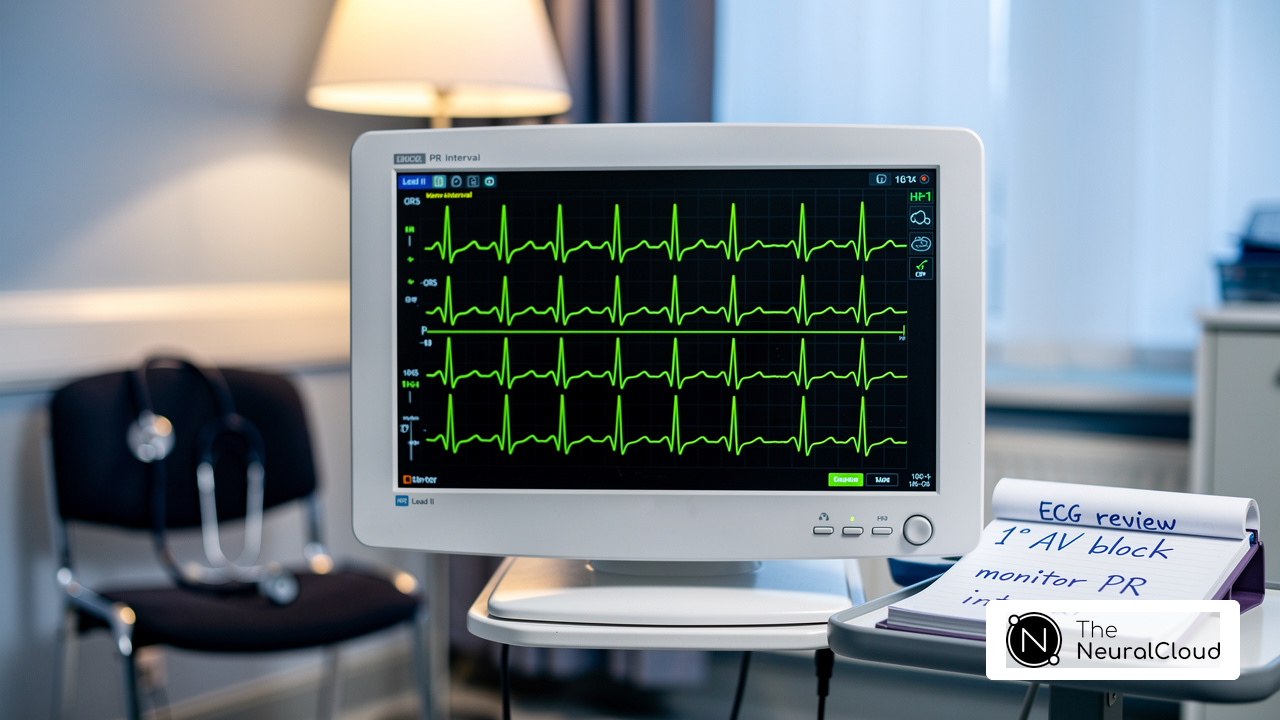
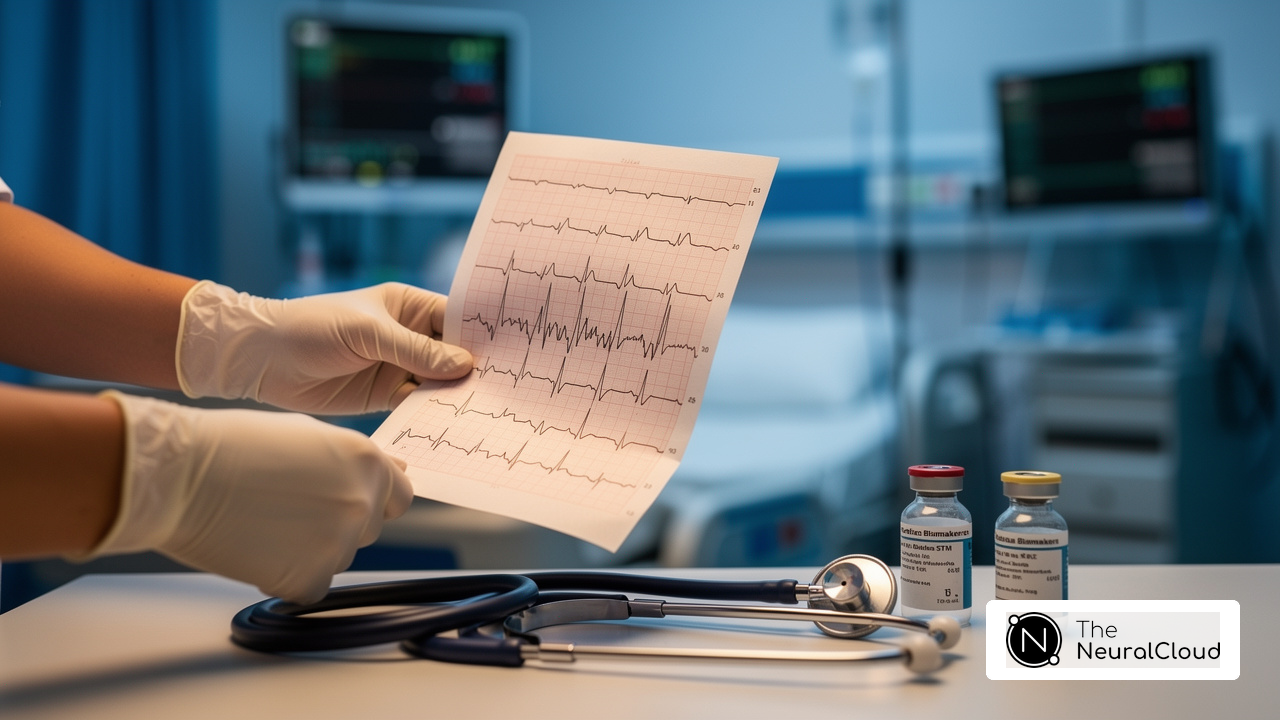
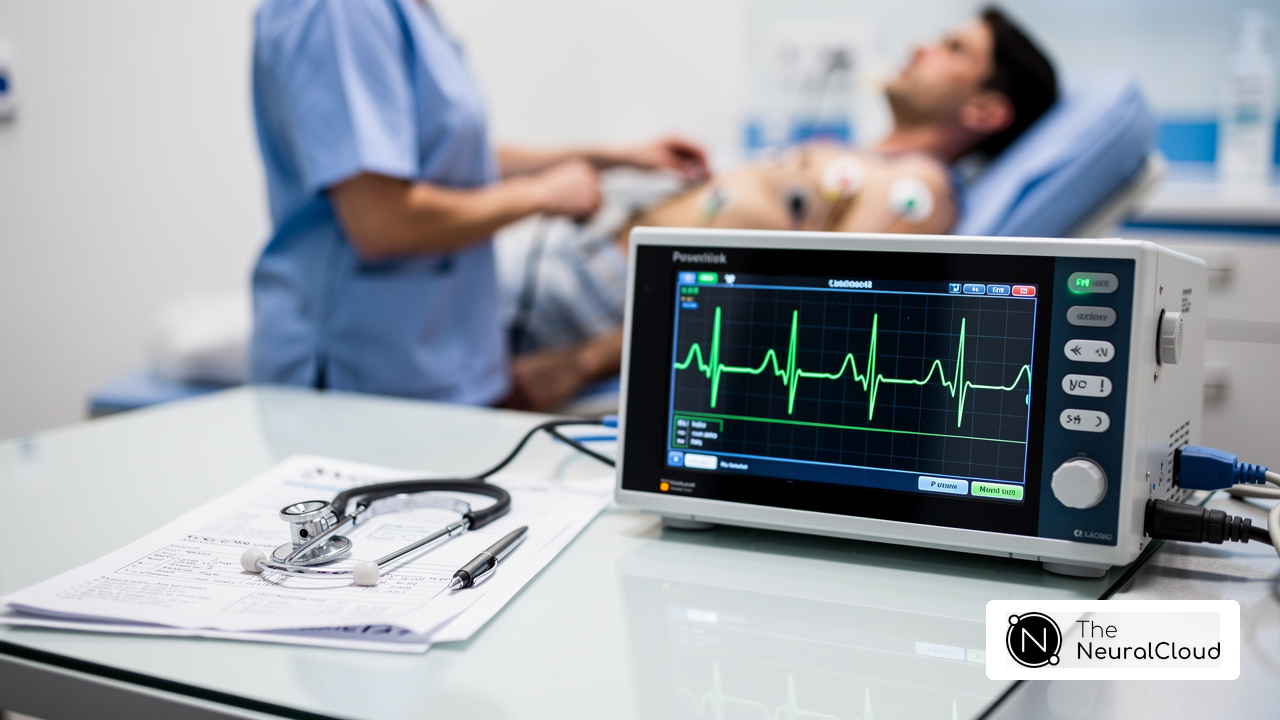
Introduction
Left ventricular systolic dysfunction (LVSD) poses a significant challenge in cardiovascular health, greatly increasing the risk of heart failure and other adverse events. As the prevalence of this condition evolves, health technology developers have a unique opportunity to innovate diagnostic and treatment solutions that can improve patient outcomes. However, the complexities of LVSD's pathophysiology and the necessity for precise monitoring raise an important question: how can developers create effective tools that meet these urgent healthcare needs?
Understanding the intricacies of LVSD is crucial for developing effective interventions. The condition's impact on heart function requires advanced monitoring techniques and innovative diagnostic tools. By addressing these challenges, developers can enhance the accuracy of LVSD assessments and ultimately improve patient care.
The MaxYield™ platform exemplifies a potential solution, offering features designed to streamline ECG analysis. This platform not only simplifies the diagnostic process but also enhances the precision of heart function evaluations. By leveraging advanced algorithms, MaxYield™ provides healthcare professionals with clearer insights into patient conditions, facilitating timely and informed decision-making.
In summary, the ongoing evolution of LVSD presents both challenges and opportunities for health technology developers. By focusing on innovative solutions like the MaxYield™ platform, the healthcare community can significantly improve patient outcomes and address the pressing needs associated with this critical condition.
Define Left Ventricular Systolic Dysfunction and Its Importance
LV systolic dysfunction is a condition where the heart's left ventricle struggles to pump blood effectively due to weakened contractions. This dysfunction is often indicated by a reduced ejection fraction (EF), which measures the percentage of blood the ventricle expels with each heartbeat. LV systolic dysfunction presents significant challenges to health, as it greatly increases the risk of serious cardiovascular events and mortality. Recent studies show that the prevalence has decreased from 3.38% between 1985-1994 to 2.2% in 2005-2014. However, it remains a critical factor in patient outcomes, with those affected facing a two to four-fold increase in the risk of adverse events compared to individuals with normal ejection fractions.
The impact of LV systolic dysfunction extends beyond individual health, affecting broader healthcare trends. For instance, the incidence of heart failure with preserved ejection fraction (HFpEF) has risen by 15% over the past decade, indicating a shift in phenotypes. This shift underscores the need for health technology innovators to create advanced diagnostic tools that can accurately assess and identify LV systolic dysfunction early. Neural Cloud Solutions' MaxYield™ platform exemplifies such innovation, employing advanced algorithms and unique wave recognition based on in-depth analysis. By automating the identification of P-Waves and QRS-onsets, MaxYield™ effectively addresses challenges like physiological variability and signal artifacts, ultimately enhancing diagnostic accuracy.
Case studies indicate that advancements in treatment options, such as the use of novel therapies, offer new, low-risk interventions for those experiencing cardiac failure symptoms. Cardiologists have noted that the consistent prognosis for asymptomatic LV systolic dysfunction and stable outcomes for HFmrEF and HFpEF highlight significant unmet needs in healthcare. As Ramachandran S. Vasan pointed out, the unchanged outlook for LV systolic dysfunction in the absence of clinical cardiac failure highlights the necessity for strategies that enhance the application of guidelines-based care for this condition. Understanding LV systolic dysfunction is crucial for developing innovative solutions, like those from Neural Cloud Solutions, which can enhance patient outcomes and optimize resource allocation in clinical settings.

Explore the Pathophysiology of LV Systolic Dysfunction
of LV is crucial for understanding heart health. This condition arises from a complex interplay of structural and functional changes within the heart. Key contributors include:
- Ischemia
- Hypertension
These factors can lead to heart failure and arrhythmias. Additionally, hypertension often accompanies LV dysfunction, which worsens the situation by increasing afterload and elevating myocardial oxygen demand.
For developers, grasping these underlying mechanisms is essential. By understanding how these factors interact, they can design technologies that effectively monitor heart health. Innovations like predictive analytics can significantly enhance the ability to forecast heart failure progression. This capability allows for timely interventions, ultimately improving patient outcomes and quality of care.
Assess LV Systolic Dysfunction: Diagnostic Techniques and Tools
involves various diagnostic methods, with echocardiography. This method provides real-time imaging of the heart's structure and function, allowing for precise measurement of ejection fraction and other critical parameters. Recent studies indicate that echocardiography achieves high accuracy rates in identifying LV systolic dysfunction, with advancements in imaging technology further enhancing its reliability. For example, a model at Lake Regional Hospital achieved an AUROC of 0.90, demonstrating the effectiveness of these advancements.
Cardiac MRI provides insights into myocardial tissue characteristics, which are crucial for comprehensive assessments. Additionally, it is associated with LV systolic dysfunction. However, it often faces challenges such as physiological variability and signal artifacts. Neural Cloud Solutions' technology addresses these issues by employing algorithms and automation, enabling rapid isolation of ECG waves even in recordings with high noise levels.
The features of the technology include:
- Signal Enhancement: Enhances signal clarity by reducing artifacts.
- Automation: Streamlines the analysis process, saving time for healthcare professionals.
- Rapid Isolation of ECG Waves: Improves diagnostic yield by accurately identifying relevant signals.
These features translate into significant advantages for healthcare professionals. By integrating MaxYield™ with existing diagnostic tools, practitioners can improve diagnostic accuracy. This ultimately leads to enhanced care for individuals, as the occurrence of LV systolic dysfunction has declined from 3.38% in the first decade to 2.2% in the last decade, reflecting improved diagnostic capabilities. The technology not only enhances diagnostics but also supports healthcare providers in delivering better patient outcomes.
Implement Treatment Strategies for LV Systolic Dysfunction
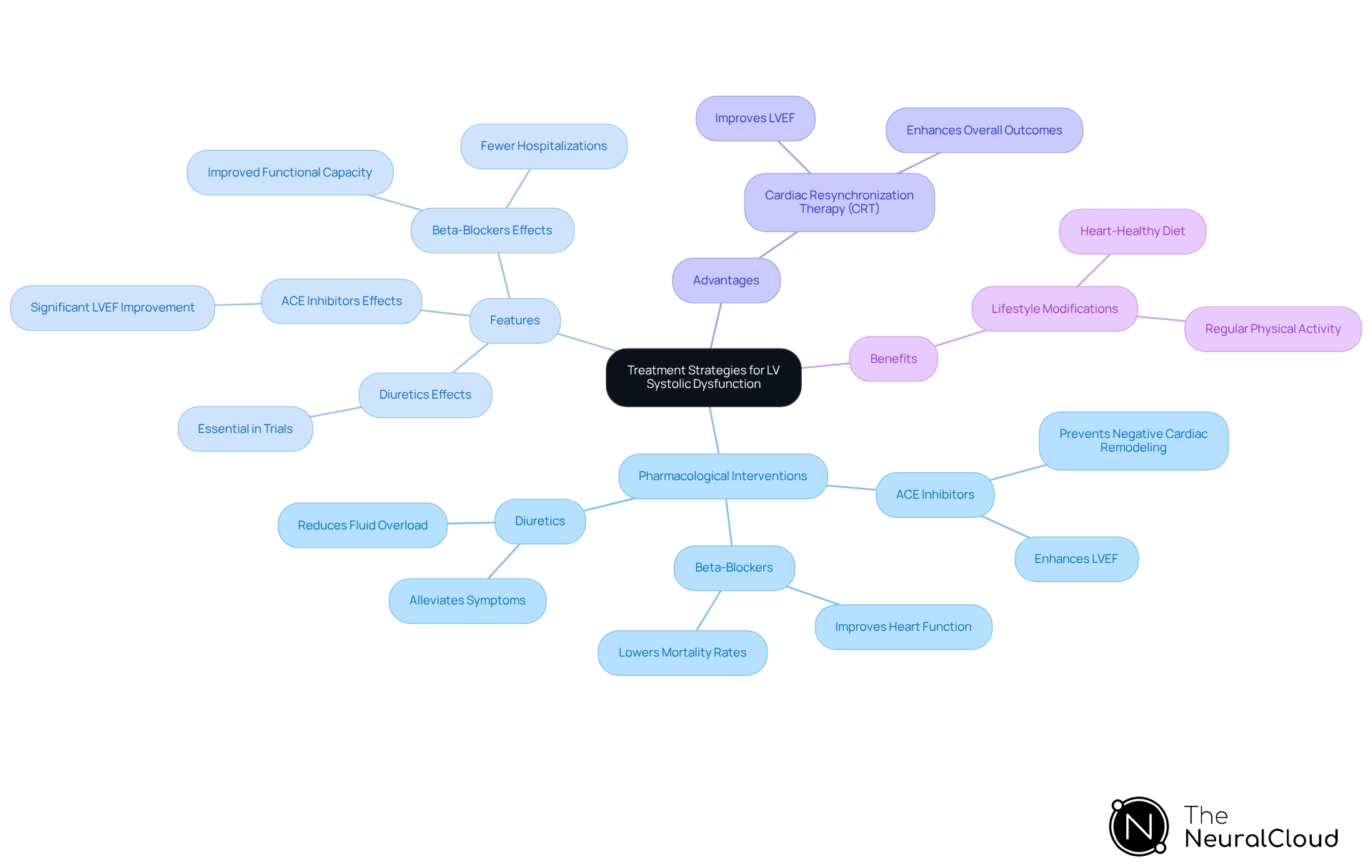
Effective treatment strategies for LV systolic dysfunction involve a combination of medications. These include ACE inhibitors, beta-blockers, and diuretics, all aimed at improving heart function and alleviating symptoms.
- Features: ACE inhibitors have been shown to prevent negative cardiac remodeling. Research indicates they can significantly enhance left ventricular ejection fraction, which is often around 46% in individuals with LV systolic dysfunction. Beta-blockers contribute to better heart function and lower mortality rates. Case studies reveal that patients on these medications experience improved quality of life and fewer hospitalizations.
- Advantages: Cardiac resynchronization therapy is a crucial option for certain patients, particularly those with significant electrical conduction delays. Recent studies demonstrate that CRT can lead to substantial improvements in LVEF and overall outcomes, with some patients showing increases in LVEF from 35% to over 50% post-treatment.
- Benefits: Beyond pharmacological treatments, lifestyle modifications, such as adopting a heart-healthy diet and engaging in regular physical activity, are vital for the comprehensive management of LV systolic dysfunction. These changes not only support medicinal treatments but also empower individuals to take an active role in their health.
For health tech developers, the challenge is to create systems that seamlessly incorporate these treatment strategies into client management systems. Such systems can enhance compliance with prescribed therapies and provide healthcare professionals with essential data to tailor treatment plans to individual needs. By leveraging technology to support both pharmacological and device-based therapies, developers can significantly improve patient outcomes in managing LV systolic dysfunction.
Conclusion
Left ventricular systolic dysfunction (LVSD) is a significant health issue, marked by the left ventricle's inability to pump blood effectively. This condition increases the risk of heart failure and other cardiovascular complications, underscoring the urgent need for innovative health technologies that enable early diagnosis and effective management. As the prevalence of LVSD continues to rise, health tech developers must focus on creating solutions that improve patient outcomes and streamline clinical practices.
The article has examined various aspects of LV systolic dysfunction, including its pathophysiology, diagnostic methods, and treatment options. Key factors contributing to LVSD, such as ischemia and hypertension, require a thorough understanding to guide the development of advanced monitoring tools. Diagnostic techniques like echocardiography and the cutting-edge MaxYield™ platform are essential for enhancing assessment accuracy. Evidence-based treatments, including pharmacological therapies and lifestyle changes, are crucial for effectively managing this condition.
Addressing LV systolic dysfunction goes beyond improving individual health; it calls for health tech developers to harness their expertise in crafting integrated solutions that benefit both patients and healthcare professionals. By concentrating on the latest advancements in diagnostics and treatment strategies, the healthcare community can work towards alleviating the burden of LVSD, ultimately promoting a healthier future for everyone.
Frequently Asked Questions
What is left ventricular systolic dysfunction (LVSD)?
Left ventricular systolic dysfunction (LVSD) is a condition where the heart's left ventricle struggles to pump blood effectively due to weakened contractions, often indicated by a reduced ejection fraction (EF).
Why is left ventricular systolic dysfunction important?
LVSD is important because it significantly increases the risk of heart failure, cardiovascular events, and mortality, with affected individuals facing a two to four-fold increase in the risk of adverse events compared to those with normal ejection fractions.
How has the prevalence of LVSD changed over time?
The prevalence of LVSD has decreased from 3.38% between 1985-1994 to 2.2% in 2005-2014, although it remains a critical factor in patient outcomes.
What is the trend regarding heart failure with preserved ejection fraction (HFpEF)?
The incidence of heart failure with preserved ejection fraction (HFpEF) has risen by 15% over the past decade, indicating a shift in heart failure phenotypes.
What role do advanced diagnostic tools play in addressing LVSD?
Advanced diagnostic tools, such as Neural Cloud Solutions' MaxYield™ platform, are essential for accurately assessing cardiac function and identifying LV systolic dysfunction early, improving diagnostic accuracy.
What innovations does the MaxYield™ platform offer?
The MaxYield™ platform employs advanced noise filtering and unique wave recognition based on Gold Standard Methodologies in ECG signal processing, automating the identification of P-Waves and QRS-onsets to enhance diagnostic accuracy.
What advancements in treatment options are available for cardiac failure symptoms?
Advancements such as the Alleviant System offer new, low-risk interventions for individuals experiencing cardiac failure symptoms.
What unmet needs exist in the management of LV systolic dysfunction?
There are significant unmet needs in healthcare regarding the consistent prognosis for asymptomatic LV systolic dysfunction and stable outcomes for HFmrEF and HFpEF, highlighting the necessity for strategies that enhance guidelines-based care.
How can understanding LV systolic dysfunction benefit healthcare?
Understanding LV systolic dysfunction is crucial for developing effective healthcare technologies that can enhance patient outcomes and optimize resource allocation in clinical settings.
List of Sources
- Define Left Ventricular Systolic Dysfunction and Its Importance
- Clinical trial offers first-of-its-kind heart failure treatment (https://health.ucdavis.edu/news/headlines/clinical-trial-offers-first-of-its-kind-heart-failure-treatment/2026/02)
- pmc.ncbi.nlm.nih.gov (https://pmc.ncbi.nlm.nih.gov/articles/PMC10053177)
- pmc.ncbi.nlm.nih.gov (https://pmc.ncbi.nlm.nih.gov/articles/PMC5756128)
- jacc.org (https://jacc.org/doi/10.1016/j.jcmg.2017.08.007)
- Explore the Pathophysiology of LV Systolic Dysfunction
- Clinical trial offers first-of-its-kind heart failure treatment (https://health.ucdavis.edu/news/headlines/clinical-trial-offers-first-of-its-kind-heart-failure-treatment/2026/02)
- Heart Failure Management: Current Approaches and Future Directions (https://thecardiologyadvisor.com/features/heart-failure-management-2026)
- New Joint Scientific Statement on Ejection Fraction Released by Leading Heart Failure Organisations (https://escardio.org/news/press/press-releases/new-joint-scientific-statement-on-ejection-fraction-released-by-leading-heart-failure-organisations)
- Miami Valves 2026 Showcases Latest in Valvular and Structural Heart Disease - InventUM (https://news.med.miami.edu/miami-valves-2026-showcases-latest-in-valvular-and-structural-heart-disease)
- Assess LV Systolic Dysfunction: Diagnostic Techniques and Tools
- pmc.ncbi.nlm.nih.gov (https://pmc.ncbi.nlm.nih.gov/articles/PMC5756128)
- jacc.org (https://jacc.org/doi/10.1016/j.jcmg.2017.08.007)
- acc.org (https://acc.org/Latest-in-Cardiology/ten-points-to-remember/2020/10/13/19/09/Assessing-Left-Ventricular-Systolic-Function)
- pubmed.ncbi.nlm.nih.gov (https://pubmed.ncbi.nlm.nih.gov/37489538)
- How New Tools Are Transforming the Evaluation of Left Ventricular Systolic Function | Xyla Services (https://xylaservices.com/professionals/news/how-new-tools-are-transforming-the-evaluation-of-left-ventricular-systolic-function)
- Implement Treatment Strategies for LV Systolic Dysfunction
- Clinical case studies in heart failure management - PMC (https://pmc.ncbi.nlm.nih.gov/articles/PMC2014219)
- ecrjournal.com (https://ecrjournal.com/articles/treatment-acute-heart-failure-what-we-have-learned-date-and-how-put-it-practice?language_content_entity=en)
- Left Ventricular Systolic Dysfunction (LVSD): The Basics and AI (https://powerfulmedical.com/blog/left-ventricular-systolic-dysfunction-lvsd)