Introduction
Clinicians must understand the nuances of peaked T waves in hyperkalemia to interpret ECGs accurately. As potassium levels rise, the heart's electrical activity undergoes significant changes, leading to distinctive ECG features that can signal life-threatening conditions.
We will explore the mechanisms behind these changes, the clinical implications of peaked T waves, and the advanced tools available to enhance diagnostic accuracy. This knowledge is essential for improving patient outcomes and managing the risks of elevated potassium levels effectively.
Explain the Mechanisms Behind Peaked T Waves in Hyperkalemia
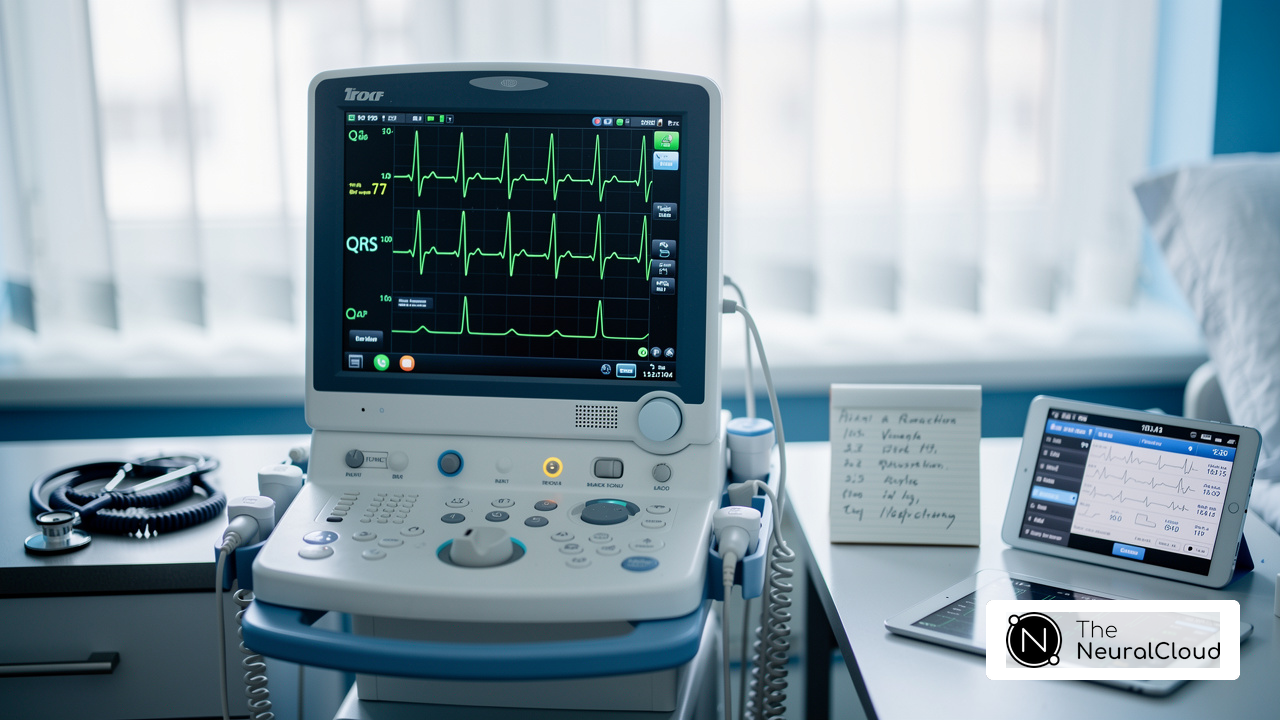
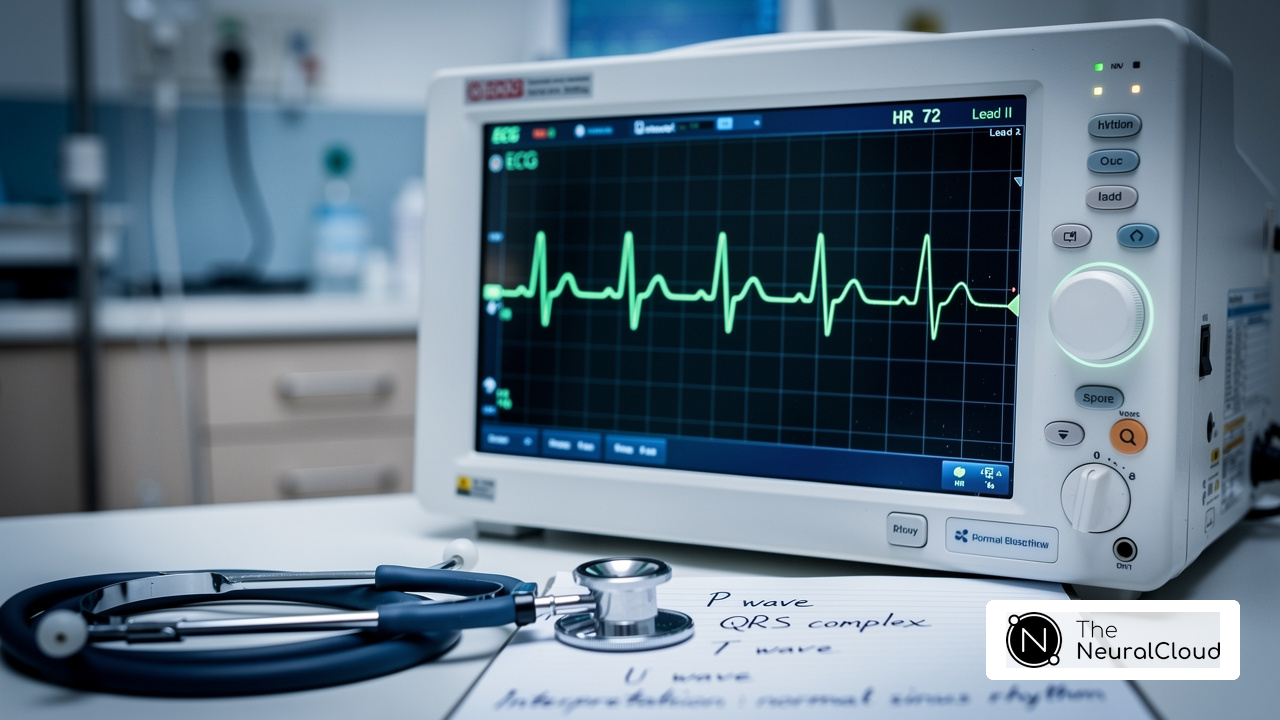
Clinicians face significant challenges in ECG analysis, particularly when interpreting peaked T wave hyperkalemia. Peaked T wave hyperkalemia is a hallmark indicated by peaked T deflections, primarily resulting from changes in cardiac action potentials due to elevated serum mineral levels. When potassium levels rise above 5.5 mEq/L, the resting membrane potential becomes less negative. This change lowers the threshold for depolarization, speeding up repolarization and causing T peaks to become taller and more pointed. As potassium levels continue to rise, the T deflections may become so pronounced that they can be mistaken for QRS complexes, complicating ECG analysis. Understanding these mechanisms is essential for clinicians to effectively identify and respond to the symptoms of elevated potassium levels.
Neural Cloud Solutions Inc. enhances this understanding through its MaxYield™ platform, which integrates seamlessly with wearable technology to automate ECG labeling and data extraction. This not only streamlines processes but also significantly reduces operational costs by minimizing the time spent on labor-intensive tasks like data tabulation. With MaxYield™, technicians can process cases faster without compromising quality, allowing them to focus on tasks that require human expertise and decision-making. MaxYield™ consistently delivers clean signals, enhancing productivity and accuracy while tackling challenges like physiological variability and signal artifacts in ECG analysis.
Moreover, the Insight360 tool transforms MaxYield’s clean ECG data into interactive dashboards and clinical-ready reports, further enhancing the analytical capabilities of healthcare professionals. Experts like Dr. Alan Rabinowitz, Dr. Brett Heilbron, and Dr. Marc W. Deyell endorse MaxYield™ for its precision, rivaling human interpretation and its ability to reduce noise in ECG readings. This positions it as an invaluable tool for clinicians, researchers, and diagnostic testing facilities across Canada, especially in cities like Toronto and Calgary, where accurate ECG analysis is crucial. Comprehending the mechanisms behind peaked T wave hyperkalemia, along with the enhanced features of MaxYield™, enables healthcare professionals to manage elevated potassium levels more efficiently. Additionally, the platform is currently pending FDA Class II SaMD clearance, ensuring compliance with regulatory standards.

Identify ECG Features of Hyperkalemia: Peaked T Waves and Beyond
As potassium levels rise, the ECG signs evolve, presenting unique challenges for healthcare professionals. As potassium concentrations rise, the ECG signs develop, with peaked T wave hyperkalemia being one of the earliest and most distinctive indicators. These T signals are tall, narrow, and symmetric, typically most prominent in the precordial leads (V2-V3). As hyperkalemia advances, you may observe the following ECG changes:
- Flattened P waves: As potassium levels increase, P waves may become less distinct or may disappear altogether, indicating significant conduction disturbances.
- Prolonged PR interval: This indicates delayed conduction through the atrioventricular (AV) node, with intervals extending beyond 200 milliseconds as electrolyte levels increase.
- Widened QRS complex: An expanded QRS complex may occur, particularly at potassium levels exceeding 6.5 mEq/L, potentially leading to a sine pattern in severe cases.
- Loss of P deflections: In advanced high potassium levels, P deflections may completely disappear, further indicating severe conduction disturbances.
Recognizing these ECG characteristics is crucial for timely diagnosis and treatment of elevated potassium levels. For example, in a case study concerning a patient with a serum level of 9.3 mEq/L, the ECG exhibited notable peaked T wave hyperkalemia along with a widened QRS complex, highlighting the necessity for prompt intervention. Additionally, statistics reveal that 66% of patients with mild potassium elevation (6.5-7 mmol/L) exhibit ECG abnormalities, while 50.4% of ECGs from patients with critical potassium elevation showed changes such as tall T waves and prolonged PR intervals, emphasizing the importance of continuous monitoring in at-risk populations. The nature of these ECG changes serves as a more reliable predictor of outcomes than serum potassium levels alone, highlighting the critical role of accurate ECG interpretation in emergency settings. As Dr. Alan Rabinowitz observes, precise diagnosis is crucial before starting potentially harmful treatments, emphasizing the importance of identifying ECG changes in elevated potassium levels. Thus, leveraging MaxYield's advanced AI-driven ECG analysis can significantly enhance diagnostic accuracy and patient care.

Discuss Clinical Significance and Management of Peaked T Waves in Hyperkalemia
Peaked T wave hyperkalemia is indicated by peaked T waves in elevated potassium levels, which signifies a serious condition that demands prompt medical intervention. The clinical significance of these changes includes:
- Risk of Arrhythmias: Research shows that a notable number of patients with elevated potassium levels experience arrhythmias, including life-threatening conditions like ventricular fibrillation and asystole. With hyperkalemia prevalence reported at 6.3% among adults, the urgency for vigilant monitoring and management cannot be overstated.
- Immediate Management: Treatment focuses on stabilizing the cardiac membrane and reducing serum electrolyte levels. Initial interventions include administering calcium gluconate or calcium chloride to protect the myocardium, followed by insulin and glucose to facilitate the intracellular shift of potassium. Other options include diuretics, sodium bicarbonate, and dialysis in severe cases. A case study of a 90-year-old female patient with life-threatening high potassium levels treated successfully without dialysis exemplifies effective management strategies in practice.
- Monitoring: Keeping a close eye on ECG changes is crucial for assessing treatment effectiveness and patient safety. Comprehending the clinical implications of peaked T wave hyperkalemia enables healthcare providers to respond quickly and efficiently in managing elevated potassium levels. Expert opinions from organizations like Emergency Care BC emphasize the importance of immediate intervention and monitoring in these cases.
By combining these statistics and case studies, healthcare professionals can better understand the urgency and complexity of managing elevated potassium levels, ultimately enhancing patient outcomes. Understanding these critical factors can significantly improve patient care and outcomes in cases of hyperkalemia.

Utilize Advanced ECG Analysis Tools for Enhanced Interpretation
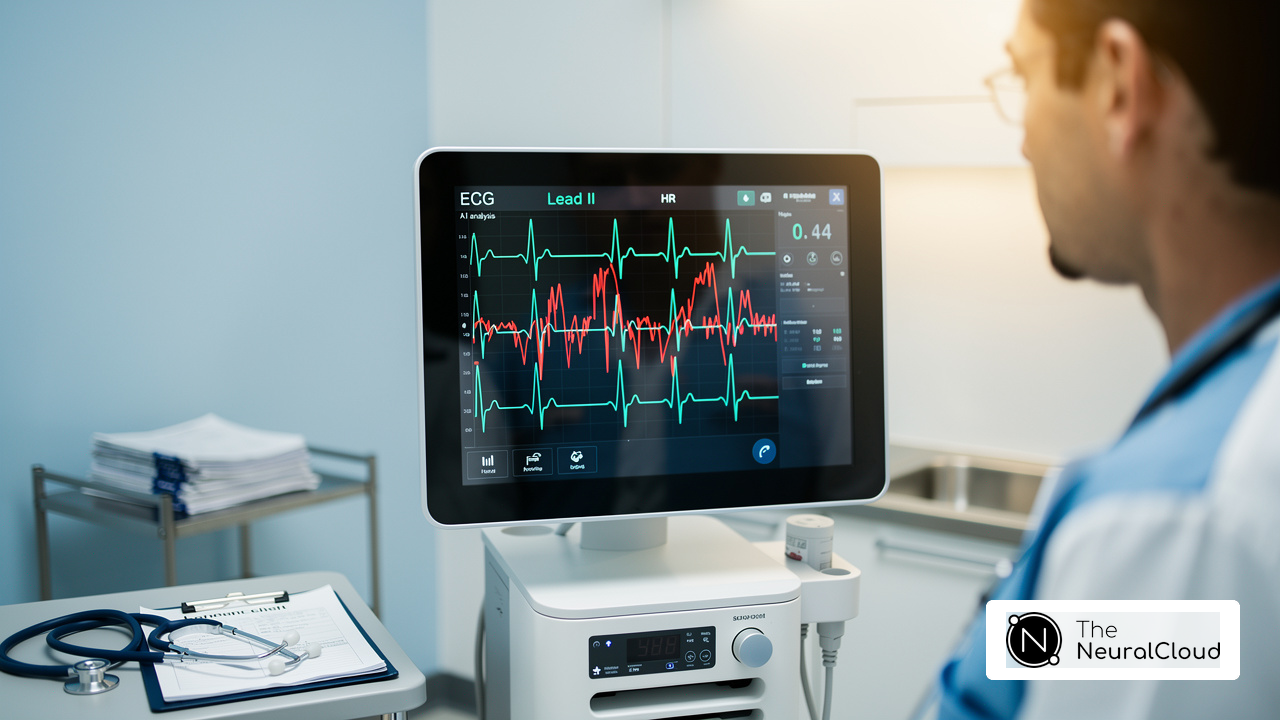
Clinicians face significant challenges in accurately interpreting ECGs, particularly in cases of elevated potassium levels. Advanced ECG analysis tools from Neural Cloud Solutions Inc. leverage AI and machine learning to enhance this interpretation. These tools offer several key advantages:
- Automated Detection: MaxYield™ employs advanced AI algorithms that swiftly identify peaked T waves and other ECG abnormalities, expediting the diagnostic process and enabling timely interventions. In fact, studies have shown that 67.7% of patients with peaked T wave hyperkalemia exhibit these critical ECG changes.
- Integration with Existing Workflows: Solutions like MaxYield™ seamlessly integrate with a variety of ECG devices, delivering comprehensive analyses without necessitating extensive hardware modifications. This integration is essential, particularly given that the occurrence of elevated potassium levels is reported at 0.9% in emergency department groups and 3.3% in intensive care units.
- Visualization and Reporting: Advanced visualization tools, such as Insight360, empower clinicians to create customizable dashboards and reports, enhancing the understanding and communication of ECG findings among healthcare teams. This capability is vital for effective patient management and timely decision-making.
- Continuous Learning: Machine learning models within MaxYield™ evolve over time, adapting to new data and improving diagnostic accuracy. The AI-ECG has demonstrated excellent discrimination with an area under the curve (AUC) of 0.88, achieving negative predictive values (NPVs) exceeding 99%. This capability ensures that healthcare providers can make informed decisions rapidly, ultimately enhancing patient care in managing peaked T wave hyperkalemia.
By leveraging these advanced tools, clinicians can improve their diagnostic capabilities and patient outcomes in cases of peaked T wave hyperkalemia. The integration of MaxYield™ not only enhances diagnostic accuracy but also plays a critical role in preventing life-threatening complications associated with hyperkalemia.

Conclusion
Recognizing the clinical implications of peaked T waves in hyperkalemia is essential for effective patient management. Elevated potassium levels can lead to significant ECG changes, particularly the characteristic peaked T waves, which serve as a vital indicator of potential cardiac complications. Understanding the underlying pathophysiology helps clinicians identify and manage this serious condition more effectively, improving patient outcomes.
The article highlights the importance of recognizing ECG features associated with hyperkalemia, including:
- Flattened P waves
- Prolonged PR intervals
- Widened QRS complexes
These changes underscore the urgency for timely intervention, as they can lead to life-threatening arrhythmias. Advanced tools like MaxYield™ from Neural Cloud Solutions Inc. enhance the diagnostic process by automating ECG analysis and providing clinicians with actionable insights, thereby streamlining patient care in settings across Canada, including Toronto and Calgary.
Given the seriousness of hyperkalemia and its ECG signs, healthcare providers must use advanced technologies and maintain vigilant monitoring practices. By integrating tools like MaxYield™ into clinical workflows, professionals can enhance their diagnostic accuracy and ensure prompt treatment, ultimately safeguarding patient health against the risks associated with elevated potassium levels. Embracing advanced diagnostic tools is not just beneficial; it is essential for ensuring patient safety in the face of hyperkalemia.
Frequently Asked Questions
What is peaked T wave hyperkalemia?
Peaked T wave hyperkalemia is characterized by peaked T deflections on an ECG, primarily caused by changes in cardiac action potentials due to elevated serum potassium levels.
What causes the changes in T wave morphology in hyperkalemia?
When potassium levels rise above 5.5 mEq/L, the resting membrane potential becomes less negative, lowering the threshold for depolarization, which speeds up repolarization and results in taller and more pointed T peaks.
How can elevated potassium levels affect ECG interpretation?
As potassium levels continue to rise, T deflections may become so pronounced that they can be mistaken for QRS complexes, complicating ECG analysis for clinicians.
How does Neural Cloud Solutions Inc. assist in ECG analysis?
Neural Cloud Solutions Inc. enhances ECG analysis through its MaxYield™ platform, which automates ECG labeling and data extraction, streamlining processes and reducing operational costs.
What are the benefits of using the MaxYield™ platform?
MaxYield™ allows technicians to process cases faster without compromising quality, delivering clean signals and enhancing productivity and accuracy while addressing challenges like physiological variability and signal artifacts.
What additional features does the Insight360 tool provide?
The Insight360 tool transforms clean ECG data from MaxYield™ into interactive dashboards and clinical-ready reports, enhancing the analytical capabilities of healthcare professionals.
Who endorses the MaxYield™ platform?
Experts such as Dr. Alan Rabinowitz, Dr. Brett Heilbron, and Dr. Marc W. Deyell endorse MaxYield™ for its precision and ability to reduce noise in ECG readings.
Why is understanding peaked T wave hyperkalemia important for clinicians?
Understanding the mechanisms behind peaked T wave hyperkalemia enables healthcare professionals to effectively identify and manage symptoms of elevated potassium levels, which is crucial for patient care.
Is the MaxYield™ platform compliant with regulatory standards?
Yes, the MaxYield™ platform is currently pending FDA Class II SaMD clearance, ensuring compliance with regulatory standards.
List of Sources
- Explain the Mechanisms Behind Peaked T Waves in Hyperkalemia
- Hyperkalemia-Peaked T waves and ECG Recognition - Medcram Blog (https://blog.medcram.com/cme-courses/hyperkalemia-peaked-t-waves-and-ecg-recognition)
- Hyperkalemia ECG Changes: Peaked T Waves (https://powerfulmedical.com/blog/hyperkalemia-ecg-critical-changes)
- Why T Waves Peak in Hyperkalemia (https://ecglectures.com/blog/peaked-t-waves-in-hyperkalemia)
- EKG- Disorders of T Waves (https://cancertherapyadvisor.com/home/decision-support-in-medicine/hospital-medicine/ekg-disorders-of-t-waves)
- ECG frequency changes in potassium disorders: a narrative review - PMC (https://pmc.ncbi.nlm.nih.gov/articles/PMC9301030)
- Identify ECG Features of Hyperkalemia: Peaked T Waves and Beyond
- Hyperkalaemia (https://litfl.com/hyperkalaemia-ecg-library)
- Hyperkalemia (https://emcrit.org/ibcc/k)
- ECG frequency changes in potassium disorders: a narrative review - PMC (https://pmc.ncbi.nlm.nih.gov/articles/PMC9301030)
- Hyperkalemia ECG Review (https://healio.com/cardiology/learn-the-heart/ecg-review/ecg-topic-reviews-and-criteria/hyperkalemia-review)
- Hyperkalemia ECG Changes: Peaked T Waves (https://powerfulmedical.com/blog/hyperkalemia-ecg-critical-changes)
- Discuss Clinical Significance and Management of Peaked T Waves in Hyperkalemia
- Hyperkalemia in Chronic Kidney Disease Increases Adverse Cardiovascular Events (https://thecardiologyadvisor.com/news/hyperkalemia-in-chronic-kidney-disease-increases-adverse-cardiovascular-events)
- Hyperkalemia Treatment & Management: Approach Considerations, Initial Emergency Management, Pharmacologic Therapy and Dialysis (https://emedicine.medscape.com/article/240903-treatment)
- Nondialysis Management of Severe Hyperkalemia With ECG Changes | Docwire News (https://docwirenews.com/post/nondialysis-management-of-severe-hyperkalemia-with-ecg-changes)
- Hyperkalemia – Diagnosis and Treatment : Emergency Care BC (https://emergencycarebc.ca/clinical_resource/clinical-summary/hyperkalemia-diagnosis-and-treatment)
- Hyperkalemia: Background, Pathophysiology, Etiology (https://emedicine.medscape.com/article/240903-overview)
- Utilize Advanced ECG Analysis Tools for Enhanced Interpretation
- AI-Enhanced Detection of Hyperkalemia: A Validation Study | Nephrology Times (https://docwirenews.com/post/ai-enhanced-detection-of-hyperkalemia-a-validation-study)
- MedTech Breakthrough Names AI-powered Hyperkalemia Detection Software 'Best New ECG Technology Solution' (https://dicardiology.com/content/medtech-breakthrough-names-ai-powered-hyperkalemia-detection-software-best-new-ecg)
- pmc.ncbi.nlm.nih.gov (https://pmc.ncbi.nlm.nih.gov/articles/PMC10145690)
- theneuralcloud.com (https://theneuralcloud.com/post/master-ecg-for-hyperkalemia-key-changes-and-analysis-techniques)