Introduction
Navigating the complexities of cardiac care requires a solid understanding of second-degree heart blocks, which can lead to serious complications if overlooked. These intermittent disruptions in electrical impulses from the atria to the ventricles can lead to severe complications without proper management. Readers will explore the symptoms, causes, and treatment strategies associated with second-degree heart blocks, gaining insights into effective patient management. Understanding these differences is crucial for effective treatment and patient safety. However, with two distinct types - Mobitz I and Mobitz II - how can clinicians differentiate between them and determine the best course of action?
Define Second-Degree Heart Block: Types and Classifications
Understanding second degree heart blocks is crucial for effective cardiac care. This condition is characterized by intermittent failure of electrical impulses from the atria to the ventricles and is primarily classified into two types:
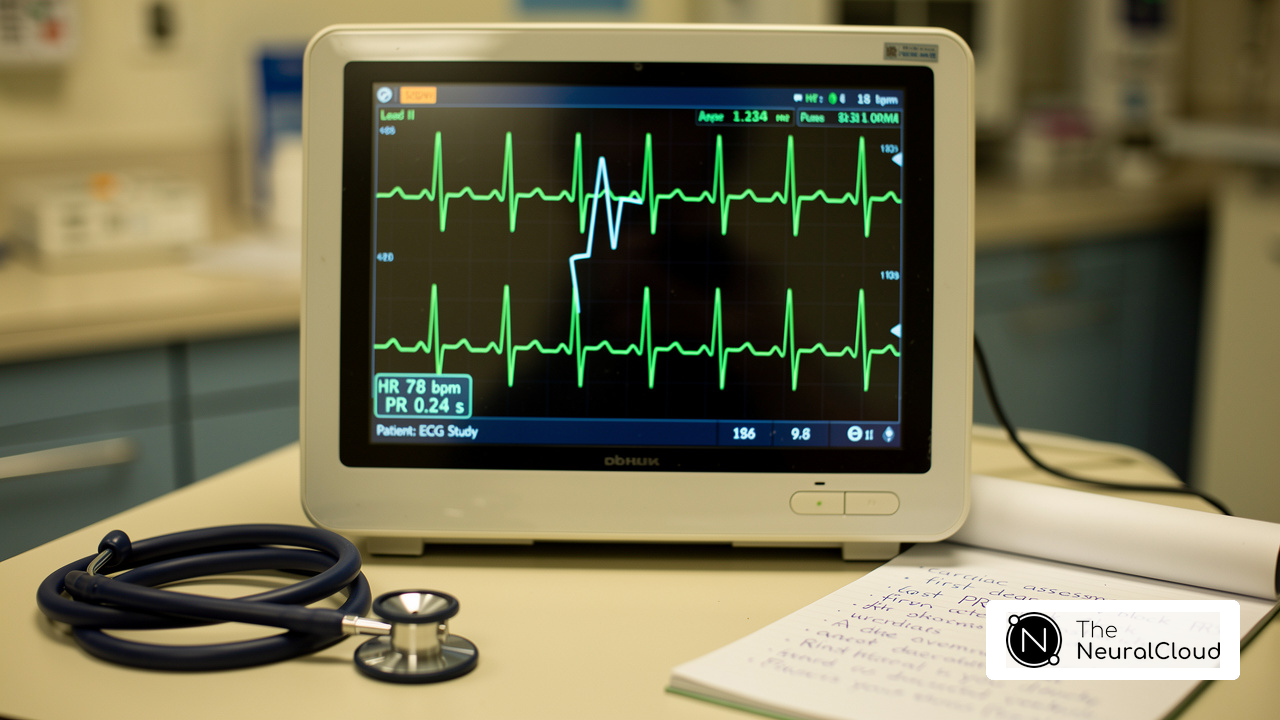
- Mobitz I (Wenckebach): This variant showcases a progressive lengthening of the PR interval until a QRS complex is omitted. Frequently regarded as benign, second degree heart blocks of the Mobitz Class I type may not need treatment, but monitoring is crucial to ensure it does not advance.
- Mobitz Type II: In contrast, Mobitz Type II features a steady PR interval, but it can lead to dropped QRS complexes, which complicates management. Second degree heart blocks are more severe and present a greater risk of advancing to total cardiac failure, requiring closer observation and possible intervention, such as pacemaker insertion.
Patients with second degree heart blocks might experience symptoms such as weakness, dizziness, or fatigue, which can lead to serious complications. Statistics indicate that second degree heart blocks are prevalent in Canada, with many patients requiring careful management due to the associated risks. Recommendations for symptomatic or hemodynamically unstable patients include the use of drugs/fluids and temporary transcutaneous pacing until a reversible cause is identified or a permanent pacemaker is placed.
MaxYield™ from Neural Cloud Solutions Inc. offers several key features that enhance monitoring and management:
- Hospital-grade ECG accuracy from consumer-grade devices
- Beat-by-beat analysis for detailed insights
- Reliable algorithms that reduce error variance
As Dr. Alan Rabinowitz notes, "MaxYield’s precision rivals human interpretation, making it an invaluable tool for clinicians." By leveraging advanced technologies like MaxYield™, healthcare professionals can enhance patient outcomes significantly. Comprehending these categories and management approaches is essential for healthcare practitioners to guarantee prompt and efficient care for patients showing signs of cardiac obstruction.

Identify Symptoms of Second-Degree Heart Block: Clinical Manifestations
Recognizing the symptoms of second degree heart blocks is vital for timely intervention and effective patient care. Patients may exhibit a range of symptoms, which can vary in severity:
- Lightheadedness or Dizziness: Often resulting from insufficient blood flow to the brain, this symptom can indicate the heart's compromised function.
- Fainting (Syncope): This occurs when the heart's rhythm becomes irregular, leading to temporary loss of consciousness, a critical sign that requires immediate attention.
- Fatigue: Patients may experience unusual tiredness due to the heart's inefficiency in pumping blood effectively, impacting daily activities.
- Shortness of Breath: This symptom can appear during physical activity or even while at rest, depending on the severity of the cardiac obstruction, and may suggest deteriorating cardiac function.
- Palpitations: Patients might feel an irregular heartbeat or the sensation of skipped beats, which can be distressing and warrants further evaluation.
It's essential to recognize these symptoms quickly to ensure timely diagnosis and treatment. Failure to address these symptoms can lead to serious health risks, including sudden cardiac arrest. Second degree heart blocks can develop later in life due to aging electrical pathways or underlying cardiovascular conditions. Diagnostic techniques like an electrocardiogram (ECG) are essential for evaluating cardiac function and verifying the diagnosis.
MaxYield automates ECG labeling and data extraction, which enhances diagnostic efficiency and accuracy, allowing healthcare professionals to focus on patient care. By reducing operational costs and addressing challenges such as physiological variability and signal artifacts, MaxYield empowers healthcare professionals to make critical decisions. Canadian healthcare professionals, particularly in cities like Toronto and Calgary, emphasize the importance of monitoring these clinical manifestations and collaborating with an interprofessional team to ensure appropriate interventions are implemented, supported by the advanced capabilities of MaxYield. Furthermore, the platform is pending FDA Class II SaMD clearance, ensuring compliance with regulatory standards. Expert endorsements from Dr. Alan Rabinowitz, Dr. Brett Heilbron, and Dr. Marc W. Deyell highlight MaxYield’s precision rivaling human interpretation and its effectiveness in noise reduction. By leveraging advanced technology like MaxYield, healthcare professionals can significantly enhance their diagnostic capabilities and patient management strategies.

Explore Causes of Second-Degree Heart Block: Physiological Mechanisms
Second-degree heart block can stem from a variety of physiological mechanisms that impact cardiac conduction, including:
- Aging: The natural degeneration of the conduction system increases the incidence of heart block, particularly in older populations.
- Ischemic Heart Disease: Conditions such as coronary artery disease impair blood flow to the cardiac muscle, negatively affecting electrical conduction.
- Medications: Certain drugs, notably beta-blockers and calcium channel blockers, can slow conduction through the AV node, leading to blockages.
- Electrolyte Imbalances: Abnormal levels of potassium or calcium disrupt normal electrical activity in the heart, contributing to conduction issues.
- Structural Cardiac Disease: Conditions such as cardiomyopathy or prior myocardial infarction can harm the conduction pathways, raising the risk of cardiac interruption.
It's crucial for healthcare providers to grasp these causes so they can effectively tailor treatment plans and tackle modifiable risk factors. In Canada, second degree heart blocks are often associated with underlying cardiac illness or injury. Many individuals, however, remain unaware of the serious implications of this condition. This underscores the importance of proactive education and awareness initiatives to prevent serious complications. It's also important to recognize that type II atrioventricular conduction disturbance can progress to more serious forms, which need prompt intervention and management.

Assess Diagnosis of Second-Degree Heart Block: Testing and Evaluation
Diagnosing second degree heart blocks can be complex, requiring multiple evaluations to ensure accuracy. Key evaluations include:
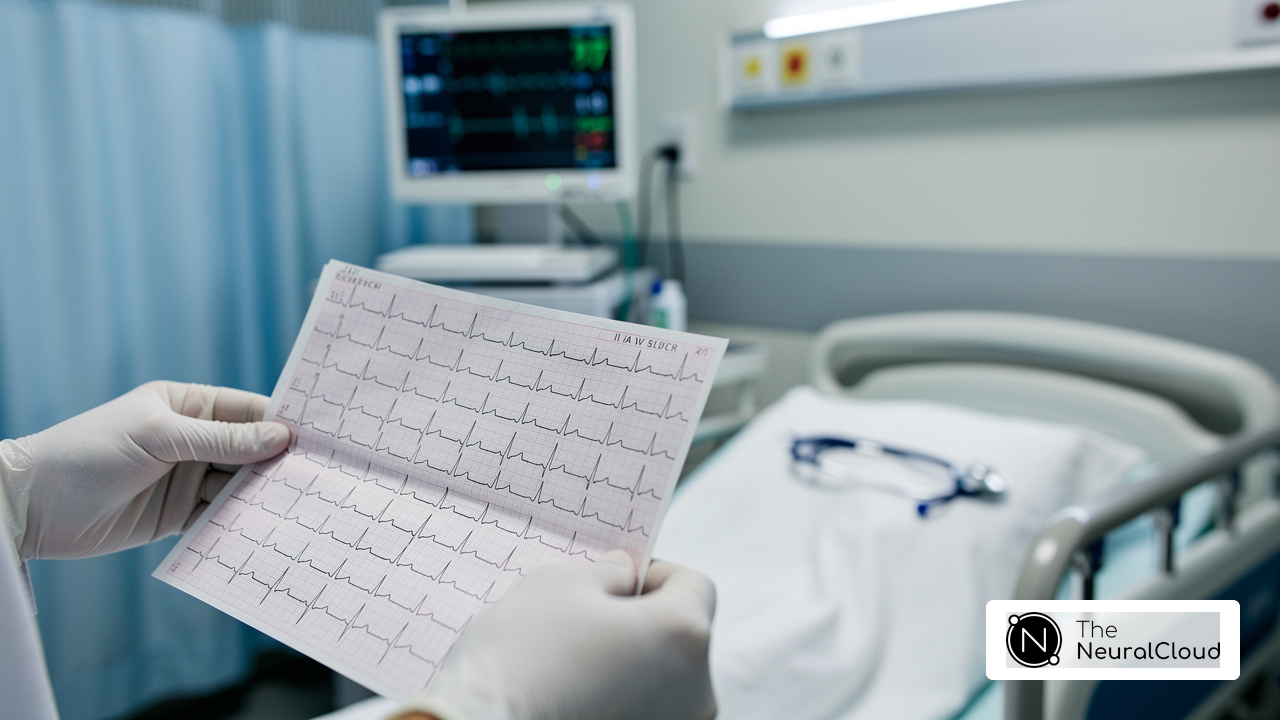
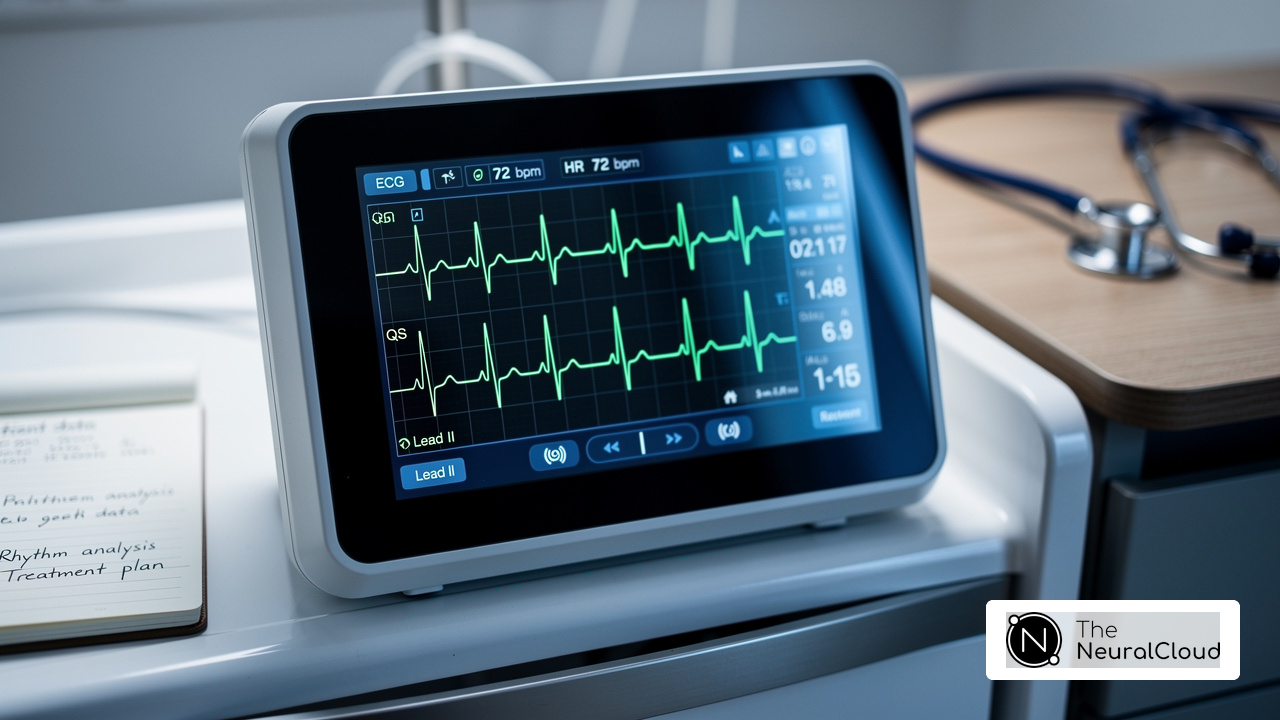
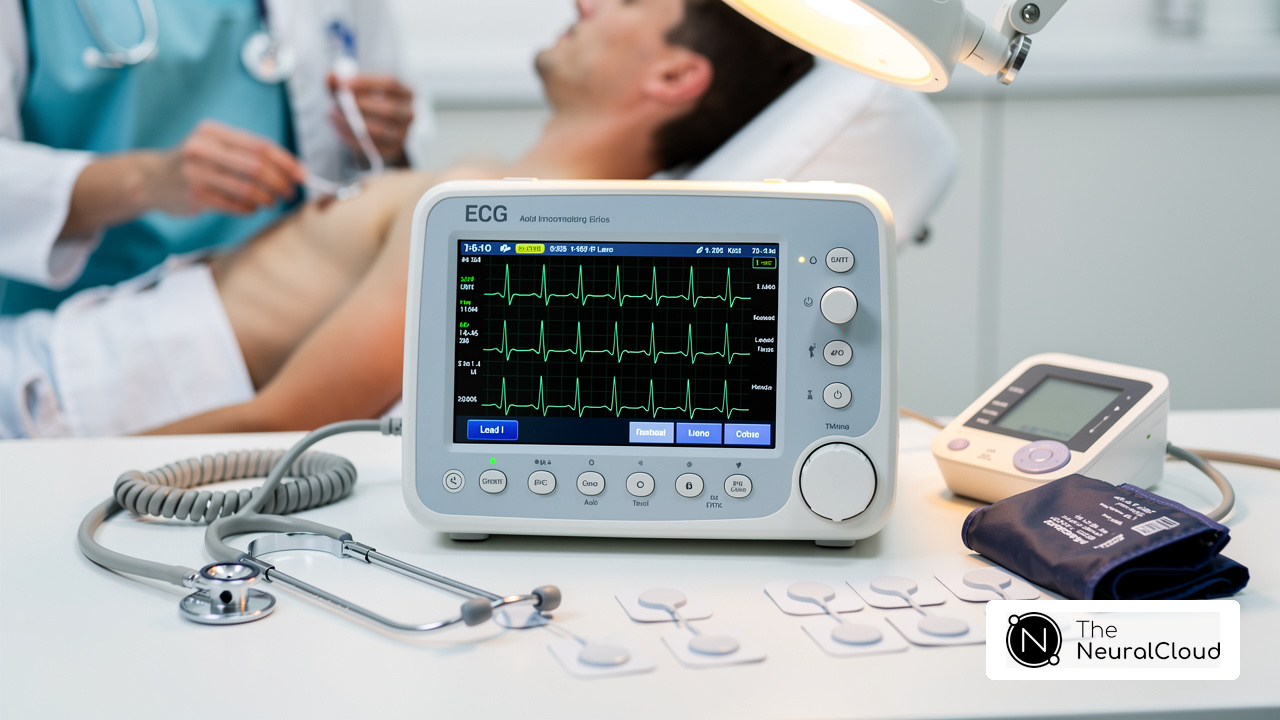
- Electrocardiogram (ECG): The primary tool for identifying cardiac obstruction, an ECG displays distinctive patterns associated with second degree heart blocks, specifically Mobitz Type I and Type II. With MaxYield™, healthcare professionals can leverage advanced noise filtering and distinct wave recognition to enhance the clarity of ECG readings, even in recordings with significant noise and artifacts.
- Holter Monitoring: This continuous ECG observation over 24-48 hours captures intermittent cardiac interruption episodes that may not be evident during a standard ECG. MaxYield™ can recover previously obscured sections of lengthy Holter recordings, ensuring critical data is not lost.
- Electrophysiological Studies: In certain cases, invasive testing may be necessary to evaluate the conduction system's function and identify the obstruction's location.
- Blood Tests: Assessing electrolyte levels and cardiac biomarkers can help determine underlying reasons for the cardiac obstruction.
Accurate diagnosis is essential for determining the urgency and type of treatment required. Utilizing MaxYield™ not only enhances diagnostic accuracy but also empowers healthcare professionals to make informed treatment decisions that can significantly impact patient care.

Implement Treatment Strategies for Second-Degree Heart Block: Management Options
Understanding the treatment options for second degree heart blocks is crucial for effective patient management. Treatment for this condition varies based on its type and severity:
-
Mobitz Type I: Often requires no treatment unless symptoms are present. Regular monitoring may suffice, allowing healthcare providers to track any changes in the patient's condition.
-
Mobitz Type II: Without timely intervention, second degree heart blocks, such as Mobitz Type II, can lead to serious complications, including complete heart block. Therefore, intervention is typically necessary in cases of second degree heart blocks. Treatment options include:
- Pacemaker Insertion: A permanent pacemaker is frequently recommended for symptomatic patients to maintain a regular heart rhythm, significantly reducing the risk of complications. Remarkably, 85% of patients experience an improved quality of life within just three months after receiving a pacemaker, showcasing the intervention's effectiveness.
- Medications: In acute situations, medications such as atropine may be administered to temporarily increase pulse rate, providing immediate relief from symptoms.
- Lifestyle Modifications: Addressing risk factors through medication adjustments and managing underlying conditions can help mitigate symptoms and improve overall heart health.
Notably, infection rates following pacemaker implantation are quite low, at just 1.2% within 30 days and 0.5% at one year. By implementing these tailored strategies, healthcare professionals can significantly enhance patient outcomes and quality of life in managing second degree heart blocks.

Conclusion
Recognizing the nuances of second degree heart blocks is vital for delivering effective cardiac care. These conditions can significantly impact patient health, and understanding the differences between Mobitz Type I and Type II allows healthcare professionals to tailor their monitoring and treatment strategies for optimal outcomes. Untreated second degree heart blocks can escalate into life-threatening conditions, making timely intervention critical.
Throughout the article, we explored key insights regarding the symptoms, causes, and treatment options for second degree heart blocks. Symptoms such as dizziness, fatigue, and syncope highlight the need for prompt recognition and intervention. The physiological mechanisms behind these blocks, including aging and ischemic heart disease, underscore the complexity of this condition. Furthermore, advanced diagnostic tools like MaxYield™ enhance the accuracy of evaluations and improve patient management strategies.
In light of the significant implications of second degree heart blocks, it is crucial for healthcare professionals to remain vigilant and proactive in their approach. By utilizing advanced diagnostic tools, healthcare professionals can significantly enhance patient outcomes and reduce risks associated with these heart blocks. Continuous education and awareness initiatives will empower both healthcare providers and patients, ensuring that the risks associated with second degree heart blocks are effectively managed and mitigated. By prioritizing education and collaboration, healthcare professionals can transform the management of second degree heart blocks, ultimately saving lives.
Frequently Asked Questions
What is second-degree heart block?
Second-degree heart block is a condition characterized by intermittent failure of electrical impulses from the atria to the ventricles, leading to missed heartbeats.
What are the two types of second-degree heart block?
The two types are Mobitz I (Wenckebach), which features a progressive lengthening of the PR interval until a QRS complex is omitted, and Mobitz Type II, which has a steady PR interval but can lead to dropped QRS complexes.
How is Mobitz I typically managed?
Mobitz I is often regarded as benign and may not require treatment, but monitoring is essential to ensure it does not progress.
What are the management considerations for Mobitz Type II?
Mobitz Type II is more severe and poses a greater risk of advancing to total cardiac failure, requiring closer observation and possible interventions, such as pacemaker insertion.
What symptoms might patients with second-degree heart block experience?
Patients may experience lightheadedness, dizziness, fainting (syncope), fatigue, shortness of breath, and palpitations.
Why is it important to recognize symptoms of second-degree heart block?
Timely recognition of symptoms is crucial for prompt diagnosis and treatment, as failure to address them can lead to serious health risks, including sudden cardiac arrest.
What diagnostic techniques are used to evaluate second-degree heart block?
An electrocardiogram (ECG) is essential for evaluating cardiac function and confirming the diagnosis of second-degree heart block.
How does MaxYield™ from Neural Cloud Solutions Inc. enhance the management of second-degree heart block?
MaxYield™ offers hospital-grade ECG accuracy, beat-by-beat analysis, and reliable algorithms that reduce error variance, improving monitoring and management of cardiac conditions.
What is the significance of expert endorsements for MaxYield™?
Experts like Dr. Alan Rabinowitz highlight that MaxYield’s precision rivals human interpretation, making it a valuable tool for clinicians in enhancing patient outcomes.
What is the regulatory status of MaxYield™?
MaxYield™ is pending FDA Class II SaMD clearance, ensuring compliance with regulatory standards for medical devices.
List of Sources
- Define Second-Degree Heart Block: Types and Classifications
- Atrioventricular Blocks – First, Second and Third Degree : Emergency Care BC (https://emergencycarebc.ca/clinical_resource/clinical-summary/atrioventricular-blocks-first-second-and-third-degree)
- Do You Know the Symptoms of Heart Block? (https://my.clevelandclinic.org/health/diseases/17056-heart-block)
- Nationwide trends and disparities in deaths from second- or third-degree atrioventricular block (1999–2022): A 24-year retrospective analysis of CDC WONDER data - PMC (https://pmc.ncbi.nlm.nih.gov/articles/PMC12681512)
- Second-Degree Atrioventricular Block: Practice Essentials, Background, Pathophysiology (https://emedicine.medscape.com/article/161919-overview)
- Identify Symptoms of Second-Degree Heart Block: Clinical Manifestations
- Do You Know the Symptoms of Heart Block? (https://my.clevelandclinic.org/health/diseases/17056-heart-block)
- Heart block | NHS inform (https://nhsinform.scot/illnesses-and-conditions/cardiovascular-disease/heart-disease/heart-block)
- Heart failure in Canada complex incurable and on the rise (https://heartandstroke.ca/what-we-do/media-centre/news-releases/heart-failure-in-canada-complex-incurable-and-on-the-rise)
- Second-Degree Heart Block: Symptoms, Causes, Treatment, Outlook (https://healthline.com/health/heart-attack/second-degree-heart-block)
- Second-Degree Atrioventricular Block - StatPearls - NCBI Bookshelf (https://ncbi.nlm.nih.gov/books/NBK482359)
- Explore Causes of Second-Degree Heart Block: Physiological Mechanisms
- Atrioventricular Blocks – First, Second and Third Degree : Emergency Care BC (https://emergencycarebc.ca/clinical_resource/clinical-summary/atrioventricular-blocks-first-second-and-third-degree)
- Second-Degree Atrioventricular Block - StatPearls - NCBI Bookshelf (https://ncbi.nlm.nih.gov/books/NBK482359)
- Second-Degree Heart Block: Symptoms, Causes, Treatment, Outlook (https://healthline.com/health/heart-attack/second-degree-heart-block)
- Understanding Second-Degree Heart Block | UMass Memorial Health (https://ummhealth.org/health-library/understanding-second-degree-heart-block)
- Heart failure in Canada complex incurable and on the rise (https://heartandstroke.ca/what-we-do/media-centre/news-releases/heart-failure-in-canada-complex-incurable-and-on-the-rise)
- Assess Diagnosis of Second-Degree Heart Block: Testing and Evaluation
- Do You Know the Symptoms of Heart Block? (https://my.clevelandclinic.org/health/diseases/17056-heart-block)
- Second-Degree Atrioventricular Block: Practice Essentials, Background, Pathophysiology (https://emedicine.medscape.com/article/161919-overview)
- Atrioventricular (AV) Block - The Cardiology Advisor (https://thecardiologyadvisor.com/ddi/av-block-first-second-third-degree)
- Second-Degree Heart Block: Symptoms, Causes, Treatment, Outlook (https://healthline.com/health/heart-attack/second-degree-heart-block)
- Heart block (https://heartandstroke.ca/heart-disease/conditions/heart-block)
- Implement Treatment Strategies for Second-Degree Heart Block: Management Options
- Medtronic Receives Health Canada Licence for Micra™ Av, the World’s Smallest Pacemaker Which Can Now Treat Av Block (https://canadanews.medtronic.com/2020-12-21-Medtronic-Receives-Health-Canada-Licence-for-Micra-TM-Av-the-Worlds-Smallest-Pacemaker-Which-Can-Now-Treat-Av-Block)
- 110+ Pacemaker Statistics | 2026 ZipDo Report (https://zipdo.co/pacemaker-statistics)
- Pacemaker: 2026 Verified Stats (https://worldmetrics.org/pacemaker-statistics)
- 40+ Pacemaker Statistics | Verified 2026 (https://gitnux.org/pacemaker-statistics)