Introduction
Understanding the complexities of ST-Elevation Myocardial Infarction (STEMI) is essential for improving cardiac care, especially as health technology evolves. By exploring the different types of STEMI and their distinct clinical presentations, health tech developers can identify opportunities to innovate diagnostic and treatment solutions that significantly enhance patient outcomes. Rising mortality rates associated with delayed interventions raise a critical question: how can technology be leveraged to improve the speed and accuracy of STEMI diagnosis and management in clinical environments?
The challenges in ECG analysis are multifaceted, often leading to misdiagnoses or delayed treatments. The MaxYield™ platform addresses these issues by offering advanced features that streamline ECG interpretation. This platform enhances the accuracy of readings, allowing healthcare professionals to make informed decisions swiftly.
The advantages of using MaxYield™ are clear. It not only improves diagnostic efficiency but also contributes to better patient outcomes by reducing the time to treatment. With its user-friendly interface and robust analytical capabilities, healthcare providers can trust that they are equipped with the best tools to manage STEMI cases effectively.
Define STEMI: Understanding the Basics of ST-Elevation Myocardial Infarction
ST-Elevation Myocardial Infarction (STEMI) is one of the critical types of heart attack, characterized by a complete blockage of one or more coronary arteries, leading to significant tissue damage. This condition can be identified through specific changes in the electrocardiogram (ECG), particularly the ST-segment elevation seen in contiguous leads. Recognizing and addressing different types of STEMI promptly is crucial; delays can lead to irreversible heart damage, underscoring the necessity for quick diagnosis and care.
Key characteristics of STEMI include their connection to risk factors, which are common causes of arterial blockage. Recent studies indicate that patients who experience longer delays in care often face higher mortality rates, highlighting the importance of timely intervention. For example, the DanGer Shock trial demonstrated that extended times from symptom onset to treatment correlate with reduced survival benefits, especially in patients suffering from STEMI and cardiogenic shock. In contrast, prehospital activation of catheterization labs has been associated with improved outcomes, showcasing the positive impact of prompt medical response.
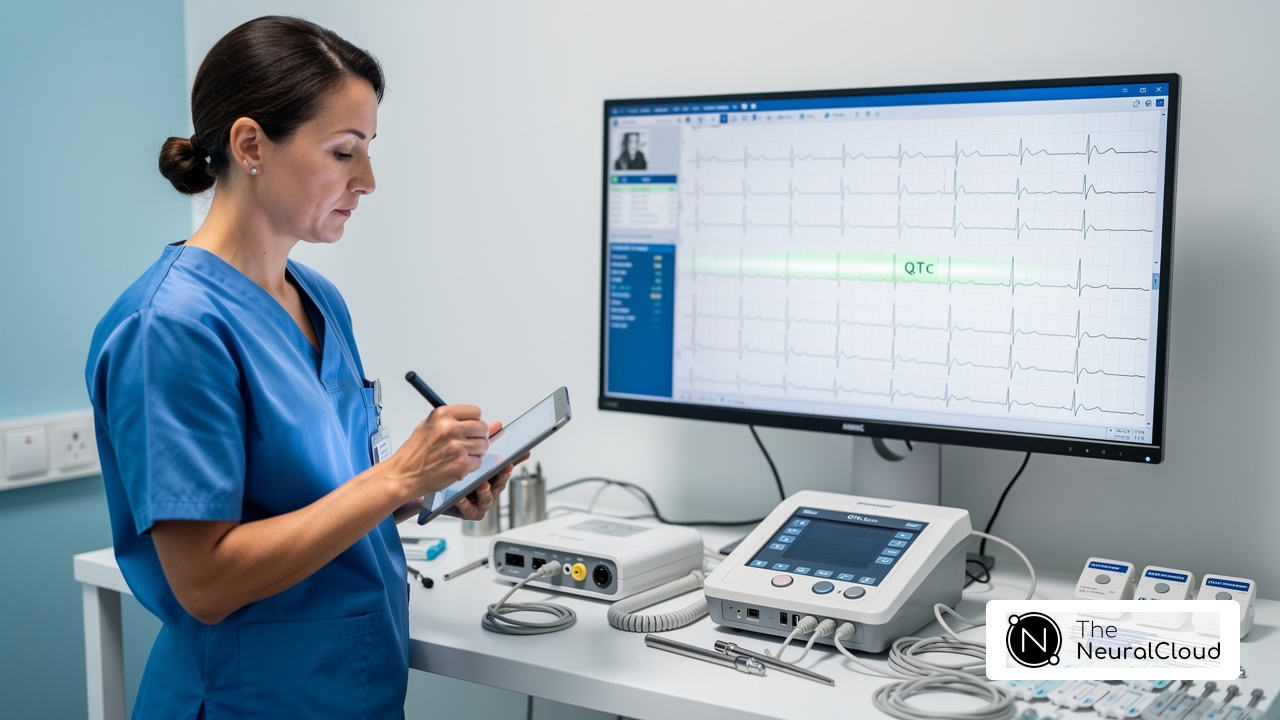
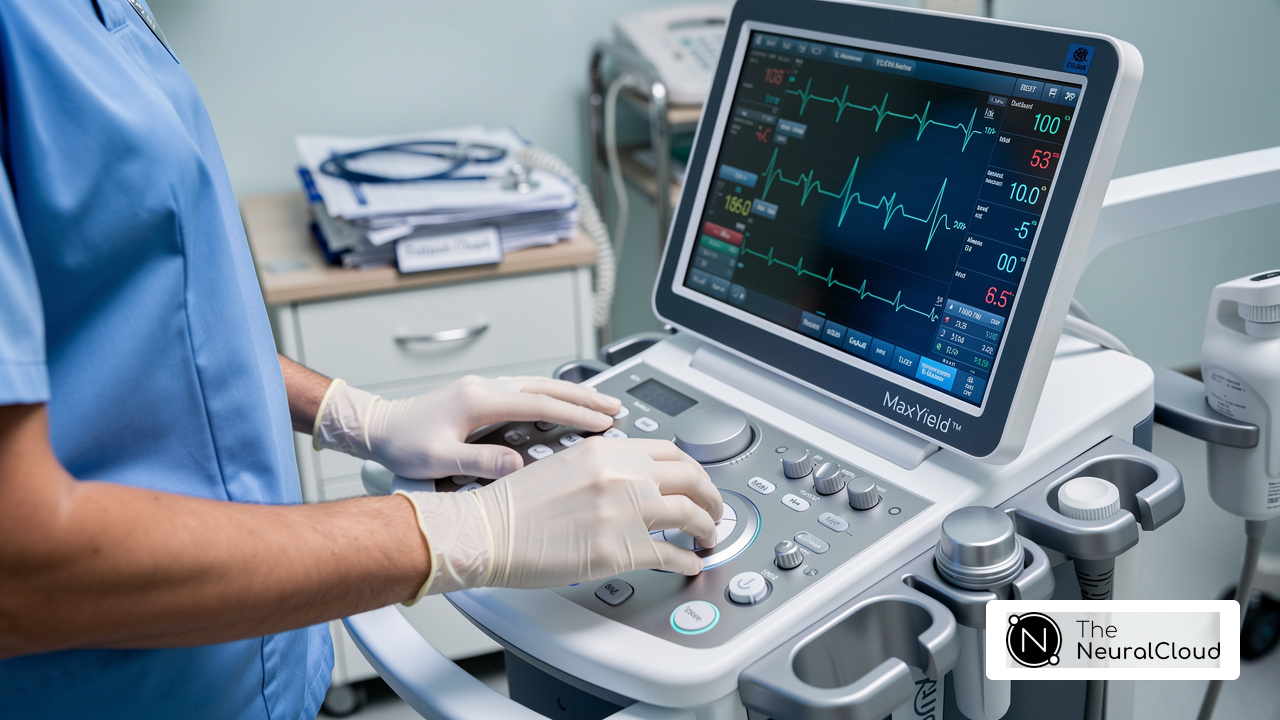
For health tech developers, grasping the nuances of STEMI is vital for creating innovative solutions that enhance cardiac care. The MaxYield™ platform exemplifies this innovation by utilizing advanced algorithms. It enables early identification of heart attacks through real-time analysis and noise reduction. MaxYield™ effectively maps ECG signals, isolating and labeling key features in every heartbeat, which aids in the rapid identification of cardiac events.
Features of MaxYield™:
- Automated Analysis: Streamlines ECG analysis by automatically identifying critical features.
- Noise Reduction: Enhances signal clarity, allowing for more accurate interpretations.
- Real-Time Mapping: Provides immediate feedback on cardiac events, facilitating quicker responses.
Advantages for Healthcare Professionals: By employing MaxYield™, healthcare professionals can significantly improve their diagnostic capabilities. The platform not only enhances the accuracy of ECG analysis but also reduces the time required for interpretation, ultimately leading to better patient outcomes. Ongoing research into the mechanisms and management of heart attacks will further inform the development of effective diagnostic tools and therapeutic strategies.

Explore Types of STEMI: Clinical Presentations and Classifications
Acute myocardial infarction can be classified into various STEMI types based on the affected coronary artery and clinical presentation, with each type presenting unique challenges and implications for treatment. The primary classifications include:
- Anterior STEMI: This type involves the left anterior descending artery and is characterized by ST elevation in leads V1-V4. Patients typically experience significant chest pain and are at risk for severe complications, including heart failure and arrhythmias. The capabilities of the MaxYield™ system can help isolate ECG signals in these cases, enhancing diagnostic accuracy.
- Inferior STEMI: Affecting the right coronary artery, this classification shows ST elevation in leads II, III, and aVF. Symptoms may include bradycardia and hypotension, complicating management. The MaxYield™ system enhances clarity in these recordings, allowing for better monitoring and treatment.
- Lateral STEMI: Involving the left circumflex artery, this type is identified by ST elevation in leads I, aVL, V5, and V6. Patients may present with atypical symptoms, making diagnosis more challenging. The distinct wave recognition feature of the MaxYield™ system aids in accurately identifying these cases, ensuring effective treatment.
- Non-STEMI: Often overlooked, this condition presents with ST depression in anterior leads and requires meticulous ECG interpretation to avoid misdiagnosis. The continuous learning model of the MaxYield™ system enhances its capability to identify such subtle changes over time.
Understanding these STEMI types is crucial for developers who aim to create effective treatment protocols. For instance, advancements in technology, such as those provided by Neural Cloud Solutions' platform, have demonstrated potential in enhancing diagnostic precision for different forms of heart attacks. The system employs AI algorithms and distinct wave recognition to enhance clarity and efficiency in ECG analysis, achieving a sensitivity of 77%, specificity of 99%, and a negative predictive value of 98%. Moreover, the rising mortality rates linked to delays—ranging from 36% for the shortest delay quartile to 62% for the longest—highlight the urgency of precise and prompt diagnosis and treatment. The findings from the study presented at the ESC Acute CardioVascular Care 2026 congress further emphasize the superior accuracy of AI-based ECG interpretation compared to conventional methods, reinforcing the need for integration of advanced diagnostic tools like MaxYield™ in clinical settings.

Diagnose STEMI: Key Tests and Diagnostic Criteria
The diagnosis of different STEMI types is a critical process that combines clinical evaluation with several diagnostic tests. One of the main challenges in ECG analysis is the presence of noise and artifacts that can obscure important data.
- Electrocardiogram (ECG): The cornerstone of STEMI diagnosis, the ECG identifies ST-segment elevation in specific leads, which indicates myocardial infarction. Current guidelines emphasize the importance of rapid assessment to identify STEMI types and facilitate timely treatment. With Neural Cloud Solutions' MaxYield™, healthcare professionals can leverage advanced and adaptive algorithms to enhance the accuracy of ECG readings, even in recordings with significant noise. This capability allows for the rapid isolation of critical ECG waves, streamlining the diagnostic process and significantly reducing treatment delays associated with higher mortality rates.
- Blood tests measuring troponin levels are vital for confirming myocardial injury. Increased troponin levels are a powerful sign of harm to the heart muscle. Research shows that the precision of diagnosing this specific type of heart attack improves significantly when these biomarkers are utilized alongside ECG results. For instance, the odds ratio for improved diagnostic accuracy with troponin levels is notable, emphasizing their critical role in the diagnostic process.
- Coronary angiography: This invasive procedure visualizes coronary arteries to detect blockages. It is essential for assessing the need for interventions such as percutaneous coronary intervention (PCI), particularly in patients presenting with STEMI types. The timing of this procedure is crucial, as delays can worsen outcomes. The DanGer Shock trial found that longer delays in care correlated with increased mortality.
- Patient symptoms: Patients often report symptoms such as chest pain and shortness of breath, which are crucial for guiding the diagnostic process. Recognizing these symptoms early can lead to quicker triage and treatment. Specific NSTEMI electrocardiogram patterns, referred to as 'ST-elevation myocardial infarction equivalents', suggest high-risk characteristics that may require urgent action even though they do not fulfill conventional criteria for such conditions.
Developers should focus on creating technologies that streamline these diagnostic processes. Integrating AI-driven solutions like MaxYield™ can enhance diagnostic efficiency, improve the identification of STEMI types, and ultimately lead to better patient outcomes.

Treat STEMI: Overview of Management Strategies and Interventions
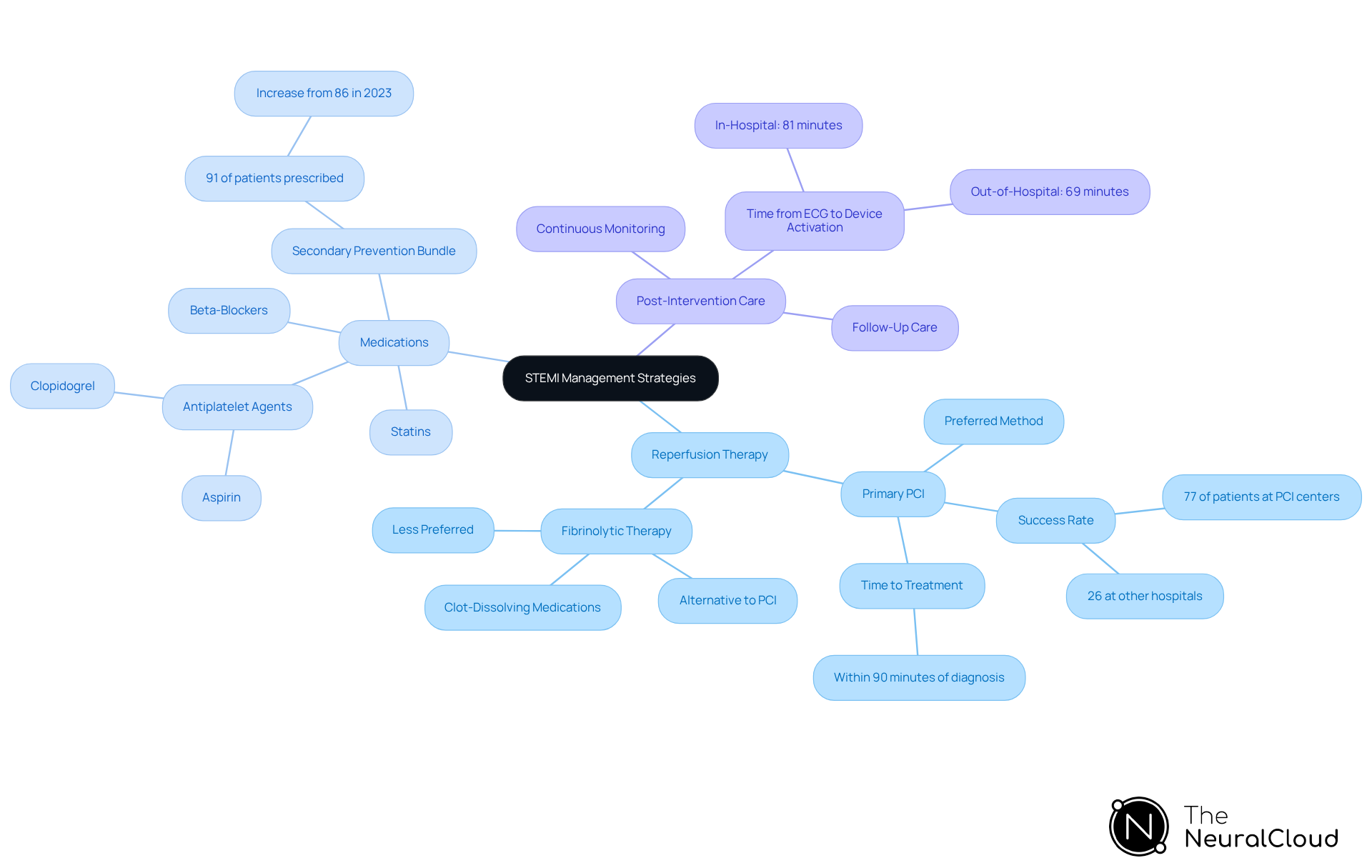
Management of ST-segment-elevation myocardial infarction (STEMI) involves several critical interventions essential for improving outcomes:
-
Reperfusion Therapy: This cornerstone of treatment includes:
- Percutaneous Coronary Intervention: The preferred method for restoring blood flow, ideally performed within 90 minutes of diagnosis. Recent data shows that 77% of patients presenting directly to a primary PCI center undergo this procedure, significantly enhancing survival rates compared to only 26% for those presenting to other hospitals' emergency departments.
- Thrombolysis: An alternative utilized when PCI is unavailable, involving clot-dissolving medications to restore blood flow. While effective, it is generally less preferred compared to PCI due to varying success rates.
-
Medications: Patients typically receive a combination of antiplatelet agents (such as aspirin and clopidogrel), beta-blockers, and statins. These medications are crucial for managing symptoms and preventing further complications. Studies indicate that 91% of patients were prescribed an appropriate secondary prevention medication bundle, an increase from 86% in 2023.
-
Post-Intervention Care: Follow-up strategies are vital for managing recovery and preventing recurrence. The median duration from symptom onset to device activation is crucial, with a significant difference between in-hospital (81 minutes) and out-of-hospital heart attack patients (69 minutes), highlighting the necessity for prompt intervention.
To enhance these treatment strategies, developers should consider integrating technologies like 'telemedicine'. This platform offers innovative ECG signal analysis through artificial intelligence and wave recognition.
Features of telemedicine:
- Algorithms for clearer ECG signals.
- Advanced wave recognition to improve diagnostic accuracy.
- Swift data processing for timely decision-making.
Advantages for Healthcare Professionals:
- Enhanced clinical workflows through efficient data analysis.
- Identification of new digital biomarkers for better patient outcomes. Real-time monitoring capabilities are crucial for improving interventions related to different STEMI types.
By leveraging these features, health tech solutions can significantly enhance the efficiency and effectiveness of STEMI management.
Conclusion
Understanding the various types of ST-Elevation Myocardial Infarction (STEMI) is crucial for health tech developers focused on advancing cardiac care. This article emphasizes the urgent need for prompt diagnosis and intervention, as delays can have serious consequences for patients. By utilizing advanced technologies like the MaxYield™ platform, developers can significantly improve the accuracy and efficiency of STEMI diagnosis and treatment.
Challenges in ECG Analysis
ECG analysis presents several challenges, including the need for rapid interpretation and the potential for human error. These challenges can hinder timely decision-making in critical situations. The MaxYield™ platform addresses these issues by offering features that enhance ECG analysis, ensuring that healthcare professionals can make informed decisions quickly.
Features of the MaxYield™ Platform
The MaxYield™ platform incorporates advanced algorithms that streamline ECG interpretation. Key features include:
- Automated Analysis: Reduces the time required for ECG interpretation.
- Real-Time Feedback: Provides immediate insights to clinicians during patient assessment.
- User-Friendly Interface: Ensures ease of use for healthcare professionals, regardless of their technical expertise.
Advantages for Healthcare Professionals
By leveraging the MaxYield™ platform, healthcare professionals can experience significant benefits:
- Improved Diagnostic Accuracy: Enhanced algorithms lead to more precise readings.
- Faster Decision-Making: Real-time feedback allows for quicker interventions.
- Better Patient Outcomes: Timely and accurate diagnoses correlate with improved patient care.
Ultimately, advancements in understanding and managing STEMI not only enhance patient care but also foster innovative health tech solutions. Embracing these technologies can lead to superior diagnostic capabilities and treatment strategies, ultimately saving lives and improving the quality of cardiac care. For health tech developers, the message is clear: prioritize the integration of advanced diagnostic tools to address the urgent needs of STEMI management and enhance patient outcomes in the dynamic field of cardiac healthcare.
Frequently Asked Questions
What is STEMI?
ST-Elevation Myocardial Infarction (STEMI) is a critical type of heart attack caused by a complete blockage of one or more coronary arteries, resulting in significant myocardial ischemia. It is identified by specific changes in the electrocardiogram (ECG), particularly ST-segment elevation in contiguous leads.
Why is timely intervention important in STEMI cases?
Timely intervention is crucial because delays can lead to irreversible heart damage and higher mortality rates. Studies, such as the DanGer Shock trial, show that longer delays from symptom onset to treatment correlate with reduced survival benefits.
What are common causes of STEMI?
Common causes of STEMI include atherosclerosis and plaque rupture, which result in arterial blockage.
How does prehospital activation of catheterization labs impact patient outcomes?
Prehospital activation of catheterization labs has been associated with improved survival rates, highlighting the positive effects of prompt medical response in STEMI cases.
What is the MaxYield™ platform, and how does it assist in cardiac care?
The MaxYield™ platform is an innovative tool that utilizes advanced ECG technology for early identification of heart attacks. It features automated labeling, noise reduction, and real-time mapping to enhance ECG analysis and facilitate quicker responses to cardiac events.
What are the features of MaxYield™?
The features of MaxYield™ include: - Automated Labeling: Automatically identifies critical features in ECG analysis. - Noise Reduction: Enhances signal clarity for more accurate interpretations. - Real-Time Mapping: Provides immediate feedback on cardiac events.
How does MaxYield™ benefit healthcare professionals?
By using MaxYield™, healthcare professionals can improve their diagnostic capabilities, enhance the accuracy of ECG analysis, and reduce the time needed for interpretation, ultimately leading to better patient outcomes.
List of Sources
- Define STEMI: Understanding the Basics of ST-Elevation Myocardial Infarction
- drugs.com (https://drugs.com/news/2011-2022-saw-increase-stemi-mortality-young-adults-129013.html)
- tctmd.com (https://tctmd.com/news/delays-stemi-cardiogenic-shock-care-come-cost-danger-shock)
- escardio.org (https://escardio.org/news/press/press-releases/New-data-presented-to-guide-the-treatment-of-patients-with-multivessel-coronary-artery-disease)
- Higher 30-Day Mortality in STEMI Patients Without Modifiable Risk Factors (https://thecardiologyadvisor.com/news/cardiovascular-risk-factors-stemi-outcomes)
- In-Hospital STEMI Patients Face Reperfusion Delays and Worse Outcomes (https://tctmd.com/news/hospital-stemi-patients-face-reperfusion-delays-and-worse-outcomes)
- Explore Types of STEMI: Clinical Presentations and Classifications
- AI outperforms conventional diagnosis for certain types of heart attacks (https://medicalxpress.com/news/2026-03-ai-outperforms-conventional-diagnosis-heart.html)
- medicalindependent.ie (https://medicalindependent.ie/nursing-in-practice-ireland/nipi-news/report-identifies-areas-for-continued-improvement-in-stemi-management)
- AI-ECG Finds STEMI Faster, Cuts False-Positive Cath Lab Activations (https://tctmd.com/news/ai-ecg-finds-stemi-faster-cuts-false-positive-cath-lab-activations)
- tctmd.com (https://tctmd.com/news/delays-stemi-cardiogenic-shock-care-come-cost-danger-shock)
- pmc.ncbi.nlm.nih.gov (https://pmc.ncbi.nlm.nih.gov/articles/PMC10111456)
- Diagnose STEMI: Key Tests and Diagnostic Criteria
- PMcardio Reports Positive RCT Results and Late-Breaking Clinical Science for STEMI Detection (https://powerfulmedical.com/blog/pmcardio-reports-positive-rct-results-and-late-breaking-clinical-science-for-stemi-detection)
- sciencedirect.com (https://sciencedirect.com/science/article/pii/S1050173825001409)
- tctmd.com (https://tctmd.com/news/delays-stemi-cardiogenic-shock-care-come-cost-danger-shock)
- mdpi.com (https://mdpi.com/2077-0383/14/9/2957)
- Treat STEMI: Overview of Management Strategies and Interventions
- medicalindependent.ie (https://medicalindependent.ie/nursing-in-practice-ireland/nipi-news/report-identifies-areas-for-continued-improvement-in-stemi-management)
- In-Hospital STEMI Patients Face Reperfusion Delays and Worse Outcomes (https://tctmd.com/news/hospital-stemi-patients-face-reperfusion-delays-and-worse-outcomes)
- about.hse.ie (https://about.hse.ie/news/hse-action-plan-will-further-improve-treatment-and-survival-following-major-heart-attack)
- Five-Year Survival in Patients With ST-Segment–Elevation Myocardial Infarction According to Modalities of Reperfusion Therapy | Circulation (https://ahajournals.org/doi/10.1161/circulationaha.113.005874)
- thehindu.com (https://thehindu.com/news/cities/chennai/mmc-study-compares-two-treatment-strategies-for-stemi-in-resource-limited-settings/article70712605.ece)