Introduction
Recognizing ST-segment Elevation Myocardial Infarction (STEMI) symptoms is crucial for timely intervention and can significantly impact patient survival rates. The rising incidence of heart attacks, especially during the COVID-19 pandemic, highlights a critical gap in timely diagnosis and intervention. In this article, we’ll explore the critical symptoms of STEMI and their timely recognition, along with how advanced technologies like MaxYield™ can improve patient outcomes in Canadian healthcare settings. By harnessing advanced technologies like MaxYield™, developers can create solutions that not only detect STEMI symptoms but also enable swift medical responses, ultimately saving lives.
Define STEMI and Its Clinical Importance
ST-segment Elevation Myocardial Infarction poses a serious challenge in cardiac care due to its potential for rapid deterioration and high mortality rates. This condition is alarming because of its high morbidity and mortality rates. Timely recognition and intervention are crucial to prevent extensive heart muscle damage. Recent studies suggest that individuals with a heart attack who also have COVID-19 experience a shocking 67% increased one-year mortality rate compared to those without the virus. This emphasizes the urgent need for effective diagnostic tools and treatment protocols.
The clinical significance of acute myocardial infarction extends beyond immediate treatment. It highlights the necessity for health tech developers to create solutions that facilitate rapid diagnosis and intervention. For example, the NACMI registry, which encompasses over 2,300 individuals with heart attacks, has offered significant insights into long-term results. It indicates that 86% of fatalities among COVID-19 and heart attack individuals took place during their initial hospital stay. This shows just how vital prompt reperfusion techniques, like primary percutaneous coronary intervention (PCI), are for effective treatment.
Comprehending the pathophysiology of acute myocardial infarction is essential for advancing cardiovascular care. It guides the creation of innovative technologies that can enhance patient outcomes and optimize healthcare delivery. As cardiovascular treatment evolves, integrating advanced AI-driven solutions from companies like Neural Cloud Solutions can significantly change how we diagnose and manage acute myocardial infarction.

Identify Key Symptoms of STEMI
Recognizing the key symptoms of STEMI is crucial for timely intervention and improved patient outcomes. Key symptoms include:
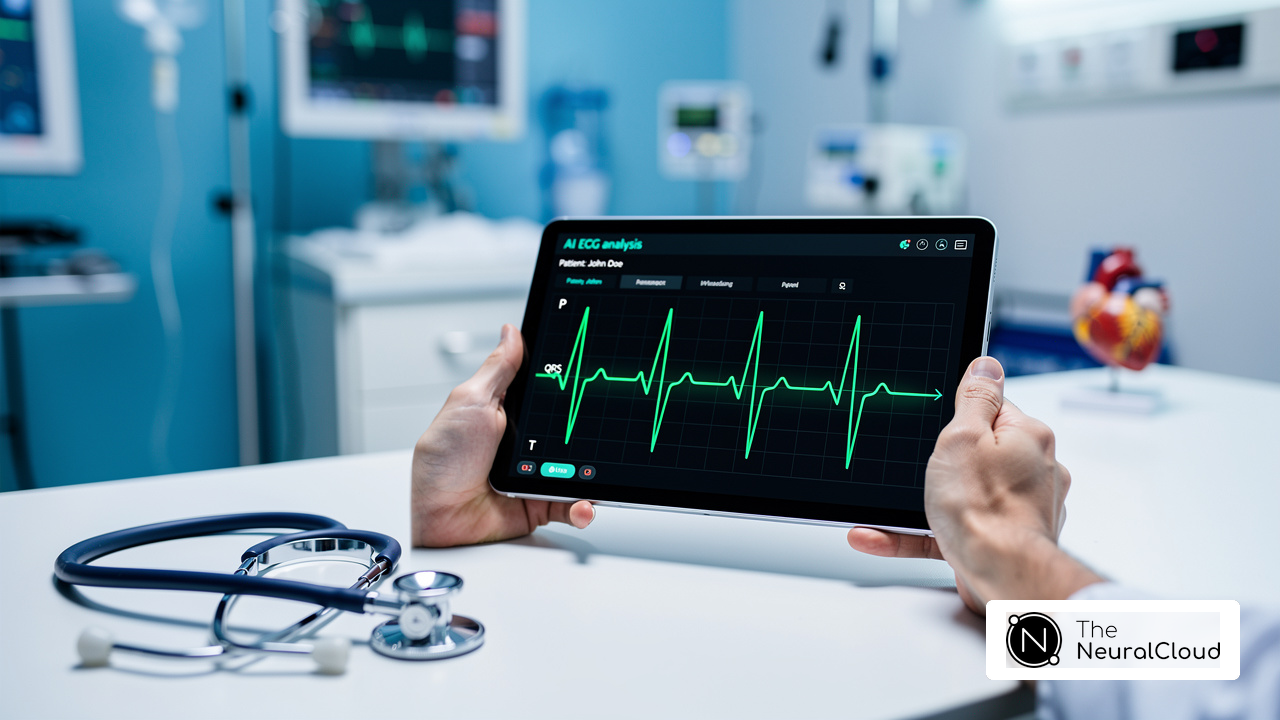
- Chest Pain or Discomfort: Often described as pressure, squeezing, or aching, this sensation typically occurs in the center or left side of the chest. It's essential for health tech developers to identify this sign, as it's one of the most prevalent indicators of a heart attack. MaxYield™ can aid in recognizing these indicators through its advanced ECG analysis, offering detailed insights that support clinical decision-making.
Radiating pain is one of the symptoms of STEMI, as it may extend to the shoulders, arms, back, neck, jaw, or stomach, which can vary among patients. Understanding this indication can assist in creating assessment tools that notify healthcare professionals of possible STEMI instances. With MaxYield™, developers can leverage automated labeling to enhance recognition precision.
Shortness of breath is one of the symptoms of STEMI and may appear with or without associated chest discomfort, emphasizing the necessity for thorough observation in assessment applications. MaxYield™'s capability to filter noise and isolate essential data ensures that such indicators are captured effectively, even in challenging recording conditions.
Other symptoms of STEMI can include cold sweat, nausea, vomiting, dizziness, or lightheadedness, which are important to recognize as symptoms of STEMI. Identifying the symptoms of STEMI is crucial for ensuring that diagnostic tools accurately capture the complete range of heart attack presentations. With MaxYield™, you can improve the clarity of ECG data, making it easier to spot these symptoms.
Did you know that around 38 percent of people with acute coronary syndrome end up being diagnosed with ST elevation myocardial infarction? This highlights the essential need for prompt recognition and intervention. Plus, complications like cardiogenic shock and severe heart failure can really impact recovery for patients. Expert opinions from Dr. Alan Rabinowitz, Dr. Brett Heilbron, and Dr. Marc W. Deyell emphasize that swift identification of the symptoms of STEMI can enhance outcomes, particularly in the context of Canadian healthcare, where timely access to treatment is vital. Furthermore, continuous focus from care teams is crucial for patients who survive a heart attack, especially those with COVID-19, as they face elevated mortality rates. By incorporating these insights into their technologies, health tech developers can improve the effectiveness of their assessment solutions and contribute to better cardiovascular care. MaxYield™'s continuous learning model further enhances ECG analysis accuracy and efficiency, making it an invaluable tool in the battle against heart attacks. Regulatory compliance details, including FDA Class II SaMD clearance-pending status, support the credibility of MaxYield™ in clinical applications.

Evaluate Symptoms Using Diagnostic Tools
Timely diagnosis of STEMI is critical, yet traditional ECG analysis often faces challenges that can delay patient care. To evaluate symptoms of STEMI, several diagnostic tools are employed:
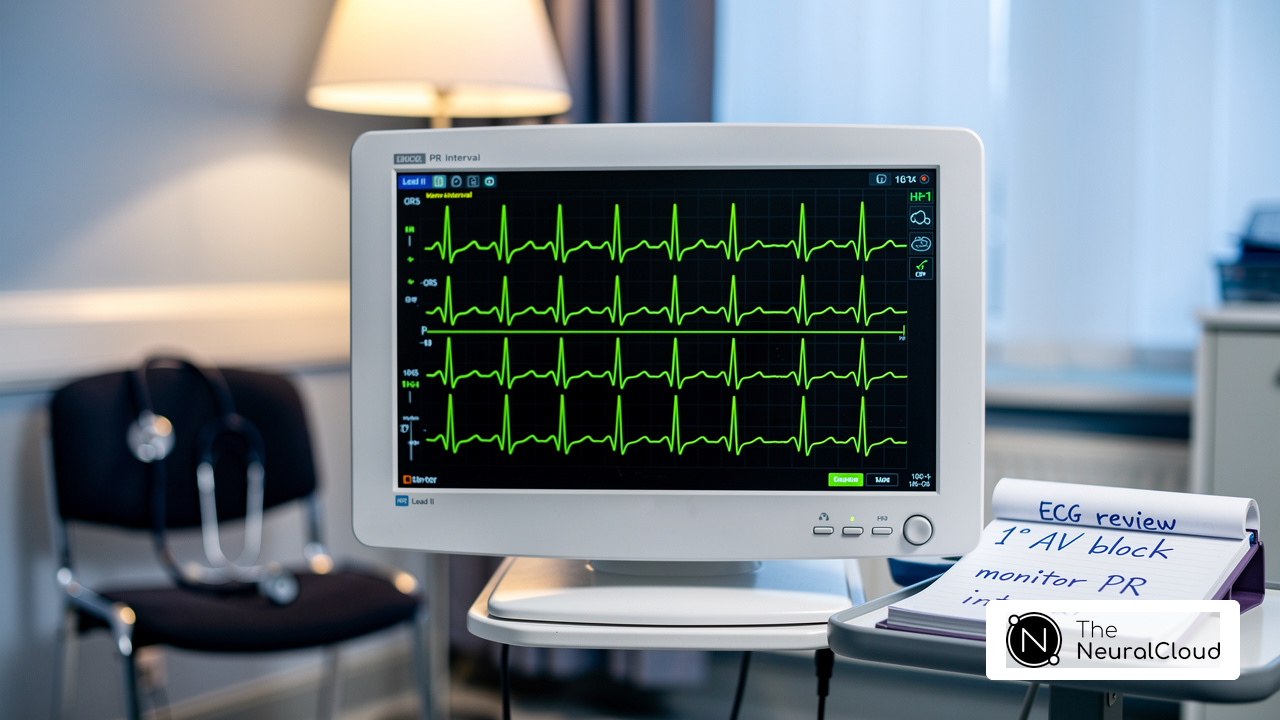
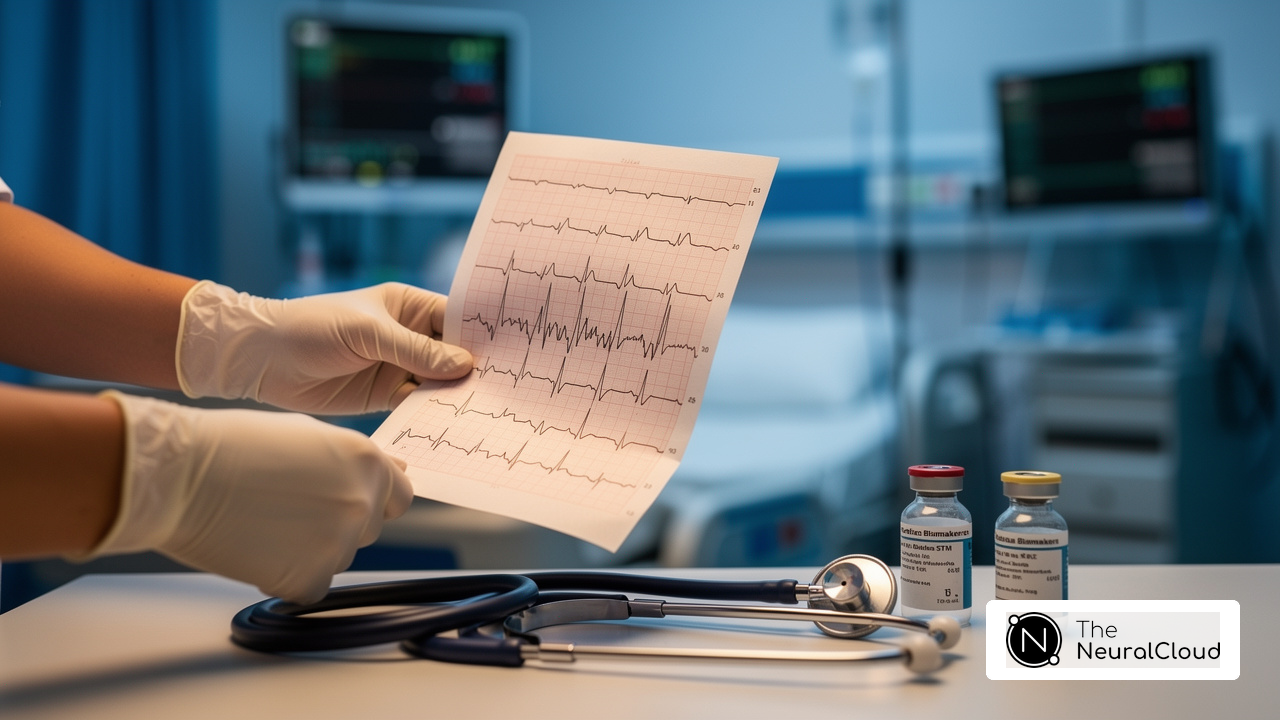
- Electrocardiogram (ECG): The primary tool for diagnosing STEMI, an ECG will show ST-segment elevation in at least two contiguous leads, indicating myocardial injury. This elevation is crucial for timely intervention, as it directly correlates with the severity of the heart attack. Neural Cloud Solutions Inc.'s MaxYield platform transforms how we analyze ECGs, thanks to its cutting-edge noise reduction and artifact handling features. Notably, the AI model known as 'Queen of Hearts' boasts an impressive accuracy of 92.1% and a sensitivity of 95.4% in detecting STEMI, making it a powerful ally in the evaluation process. Additionally, MaxYield is currently pending FDA Class II SaMD clearance, ensuring compliance with regulatory standards.
- Cardiac Biomarkers: Blood tests measuring cardiac enzymes, such as troponin, are crucial for confirming myocardial infarction. Elevated troponin levels indicate heart muscle damage and are essential for corroborating ECG findings, providing a more comprehensive view of the patient's condition.
- Coronary Angiography: This invasive procedure allows for direct visualization of coronary arteries and can confirm blockages. It is often used when non-invasive tests suggest significant coronary artery disease. It's crucial for health tech developers to focus on creating tools that streamline these evaluation processes, allowing for faster and more accurate assessments.
Recent studies emphasize the effectiveness of these diagnostic tools in Canada, especially in cities such as Toronto and Calgary, where advancements in ECG technology, particularly through AI-driven analysis like MaxYield, have enhanced the speed and precision of heart attack detection. For example, the incorporation of AI has demonstrated a reduction in false positives and an enhancement in triage precision, which is especially crucial in emergency situations where delays exceeding 90 minutes greatly elevate the risk of mortality for individuals with ST elevation myocardial infarction. Tackling the issues created by false positives in cath lab activations for suspected heart attacks is essential for improving outcomes for individuals. Experts like Dr. Alan Rabinowitz, Dr. Brett Heilbron, and Dr. Marc W. Deyell highlight that MaxYield’s precision is on par with human interpretation, proving to be an essential tool in today’s cardiac care. By integrating advanced tools like MaxYield, healthcare professionals can significantly improve patient outcomes in emergency situations.

Implement Timely Treatment Strategies for STEMI
Timely treatment strategies for the symptoms of STEMI are critical, as delays in addressing these symptoms can significantly impact patient survival rates. These strategies include several key components:
- Reperfusion Therapy: This is the cornerstone of STEMI treatment, achieved through either percutaneous coronary intervention (PCI) or thrombolytic therapy. The primary goal is to restore blood flow to the affected area of the heart as quickly as possible. Research shows that getting reperfusion therapy done quickly can really lower mortality rates, with evidence indicating that reperfusion within 12 hours of the symptoms of STEMI leads to better survival outcomes.
- Medications: Administering antiplatelet agents, such as aspirin and clopidogrel, along with anticoagulants, is crucial to prevent further clotting. The routine use of glycoprotein IIb/IIIa inhibitors (GPIs) has been linked to a notable reduction in all-cause mortality at 30 days and 6 months, as well as decreases in recurrent myocardial infarction and repeat revascularization. However, it’s important to balance these benefits with the increased risk of bleeding events.
- Post-Intervention Care: After the first treatment, patients need close monitoring and management of risk factors to avoid future heart issues. A structured approach to post-treatment care, including individual education and adherence to medication regimens, is vital. Quality enhancement initiatives in hospitals have shown that establishing dedicated teams and standardized protocols can improve post-intervention results, leading to a 25% decrease in readmissions for heart attack patients.
Health tech developers should focus on creating solutions that facilitate rapid treatment initiation and improve post-treatment monitoring. By incorporating advanced technologies such as Neural Cloud Solutions' MaxYield™, which automates ECG analysis and enhances workflow efficiency through sophisticated noise filtering and wave recognition, developers can assist in optimizing the management of heart attack cases. MaxYield™ delivers beat-by-beat analysis, outputting insights from 200,000 heartbeats in under 5 minutes, allowing for timely clinical decisions. Expert endorsements from Dr. Alan Rabinowitz, Dr. Brett Heilbron, and Dr. Marc W. Deyell emphasize that MaxYield™'s precision rivals human interpretation, making it an invaluable tool in the fight against STEMI. The integration of advanced technologies like MaxYield™ not only streamlines ECG analysis but also plays a pivotal role in enhancing the overall quality of care for patients experiencing symptoms of STEMI.

Conclusion
For health tech developers, recognizing STEMI symptoms is crucial to improving patient care. The urgency of timely diagnosis and intervention is critical because they directly affect survival rates and long-term outcomes. By leveraging advanced technologies like MaxYield™ from Neural Cloud Solutions Inc., developers can create tools that facilitate rapid recognition and treatment of STEMI, ultimately improving the quality of cardiovascular care.
The article highlights several key aspects of STEMI, including its clinical significance, common symptoms, and the importance of diagnostic tools. Symptoms such as chest pain, shortness of breath, and atypical presentations, particularly in women, underscore the need for comprehensive assessment tools. Furthermore, the role of ECG analysis and cardiac biomarkers in diagnosing STEMI is crucial, as is the implementation of timely treatment strategies like reperfusion therapy and post-intervention care. The insights from experts emphasize the necessity for continuous innovation in health technology to effectively address the challenges posed by STEMI.
In conclusion, the fight against STEMI requires a multifaceted approach that combines timely recognition, accurate diagnosis, and swift treatment. Health tech developers are encouraged to prioritize the integration of advanced solutions like MaxYield™ to enhance the detection and management of STEMI symptoms. By doing so, they can significantly contribute to improving patient outcomes and reducing the mortality rates associated with this critical condition. It's essential to advance cardiovascular care through innovative technology to improve patient health and well-being across Canada.
Frequently Asked Questions
What is STEMI and why is it clinically important?
ST-segment Elevation Myocardial Infarction (STEMI) is a serious cardiac condition characterized by rapid deterioration and high mortality rates. Timely recognition and intervention are crucial to prevent extensive heart muscle damage.
How does COVID-19 impact individuals experiencing a heart attack?
Recent studies indicate that individuals with a heart attack who also have COVID-19 face a 67% increased one-year mortality rate compared to those without the virus, highlighting the urgent need for effective diagnostic tools and treatment protocols.
What insights have been gained from the NACMI registry regarding heart attacks?
The NACMI registry, which includes over 2,300 individuals with heart attacks, shows that 86% of fatalities among those with both COVID-19 and heart attacks occurred during their initial hospital stay, emphasizing the importance of prompt reperfusion techniques like primary percutaneous coronary intervention (PCI).
Why is understanding the pathophysiology of acute myocardial infarction important?
Understanding the pathophysiology of acute myocardial infarction is essential for advancing cardiovascular care, as it guides the development of innovative technologies that can enhance patient outcomes and optimize healthcare delivery.
How can advanced AI-driven solutions impact the management of acute myocardial infarction?
Integrating advanced AI-driven solutions from companies like Neural Cloud Solutions can significantly change the diagnosis and management of acute myocardial infarction, improving patient outcomes and healthcare delivery.
List of Sources
- Define STEMI and Its Clinical Importance
- COVID-19 and Severe Heart Attack Increase Mortality by 25% After One Year, More than Double Pre-Pandemic Rates | SCAI (https://scai.org/media-center/news-and-articles/covid-19-and-severe-heart-attack-increase-mortality-25-after-one)
- STEMI Program (https://ottawaheart.ca/patients-and-visitors/centres-and-programs/stemi-program)
- COVID-19 patients with STEMI show higher one-year mortality rates (https://news-medical.net/news/20260424/COVID-19-patients-with-STEMI-show-higher-one-year-mortality-rates.aspx)
- COVID-19 Amplifies 1-Year STEMI Mortality Following Hospitalization | HCPLive (https://hcplive.com/view/covid-19-amplifies-1-year-stemi-mortality-following-hospitalization)
- Study reinforces need for greater coordination in heart attack care (https://newsroom.heart.org/news/study-reinforces-need-for-greater-coordination-in-heart-attack-care)
- Identify Key Symptoms of STEMI
- STEMI Heart Attack Care & Treatment | Riverside Health (https://riversideonline.com/en/medical-services/heart-and-vascular/stemi-network/stemi)
- COVID-19 and Severe Heart Attack Increase Mortality by 25% After One Year, More than Double Pre-Pandemic Rates | SCAI (https://scai.org/media-center/news-and-articles/covid-19-and-severe-heart-attack-increase-mortality-25-after-one)
- Comparative Analysis of Patients With STEMI and COVID-19 Between Canada and the United States - PMC (https://pmc.ncbi.nlm.nih.gov/articles/PMC10284462)
- STEMI: ST-segment Elevation Myocardial Infarction - The Cardiology Advisor (https://thecardiologyadvisor.com/ddi/stemi-st-elevation-myocardial-infarction)
- ST-segment elevation myocardial infarction (STEMI) (https://ukhealthcare.uky.edu/gill-heart-vascular-institute/conditions/interventional-cardiology/ST-segment-elevation-myocardial-infarction)
- Evaluate Symptoms Using Diagnostic Tools
- New study finds AI model improves heart attack detection (https://health.ucdavis.edu/news/headlines/new-study-finds-ai-model-improves-heart-attack-detection/2025/11)
- Queen of Hearts: AI ECG for STEMI & OMI (https://powerfulmedical.com/pmcardio-stemi)
- Balancing Innovation and Reality: Evaluating AI's Role in STEMI Diagnosis - REBEL EM - Emergency Medicine Blog (https://rebelem.com/balancing-innovation-and-reality-evaluating-ais-role-in-stemi-diagnosis)
- FDA Clears First AI-ECG Model for Acute MI Detection (https://tctmd.com/news/fda-clears-first-ai-ecg-model-acute-mi-detection)
- Artificial intelligence may speed heart attack diagnosis and treatment (https://newsroom.heart.org/news/artificial-intelligence-may-speed-heart-attack-diagnosis-and-treatment)
- Implement Timely Treatment Strategies for STEMI
- Strategies for Optimizing Care for STEMI Patients - Endovascular Today (https://evtoday.com/articles/2017-jan/strategies-for-optimizing-care-for-stemi-patients)
- 2019 Canadian Cardiovascular Society/Canadian Association of Interventional Cardiology Guidelines on the Acute Management of ST-Elevation Myocardial Infarction: Focused Update on Regionalization and Reperfusion (https://sciencedirect.com/science/article/abs/pii/S0828282X18313217)
- In-Hospital STEMI Patients Face Reperfusion Delays and Worse Outcomes (https://tctmd.com/news/hospital-stemi-patients-face-reperfusion-delays-and-worse-outcomes)