Introduction
Systolic dysfunction presents significant challenges in cardiovascular health, impacting the heart's ability to pump blood effectively. This condition, characterized by a reduced ejection fraction, poses serious risks, including heart failure, which affects millions globally, including a notable percentage of the Canadian population.
Recognizing systolic dysfunction can be challenging for healthcare professionals due to its subtle signs and symptoms. Improved recognition and management of systolic dysfunction can significantly enhance patient care and outcomes.
Define Systolic Dysfunction: A Comprehensive Overview
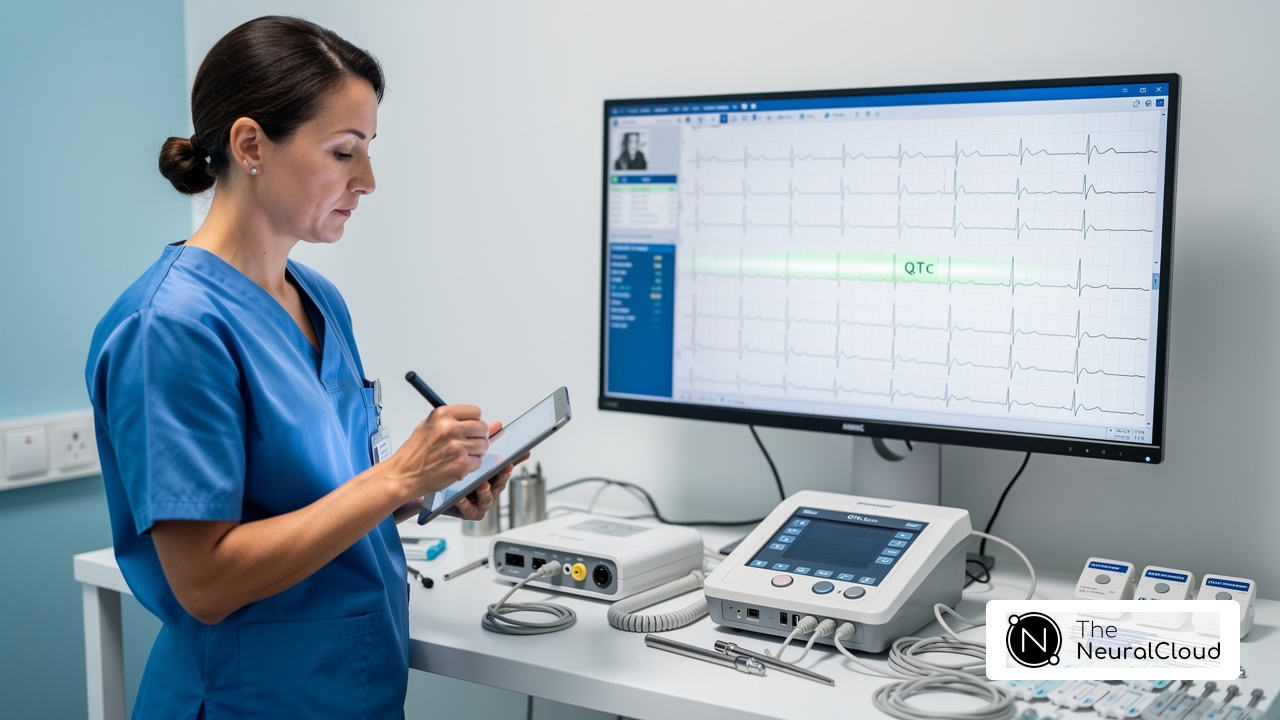
Systolic impairment presents significant challenges in cardiac health management, primarily affecting the left ventricle's ability to pump blood effectively. This condition is characterized by a reduced ejection fraction (EF), which measures the percentage of blood expelled from the ventricle with each heartbeat. In healthy individuals, the EF typically ranges from 55% to 70%. However, in those with impaired pumping ability, this value drops below 50%, indicating suboptimal cardiac function. Such impairment can lead to severe complications, including cardiac failure, where the heart cannot meet the body's demands for blood and oxygen.
In Canada, around 2% of the population is impacted by cardiac failure, with common causes including:
- Coronary artery disease
- Hypertension
- Previous myocardial infarctions
This makes it a critical focus in cardiology. Recent guidelines emphasize that without early detection and management, the systolic dysfunction definition can lead to severe complications. Regular follow-ups and echocardiograms are essential for monitoring left ventricular function and guiding treatment choices, especially in individuals displaying symptoms of heart failure.
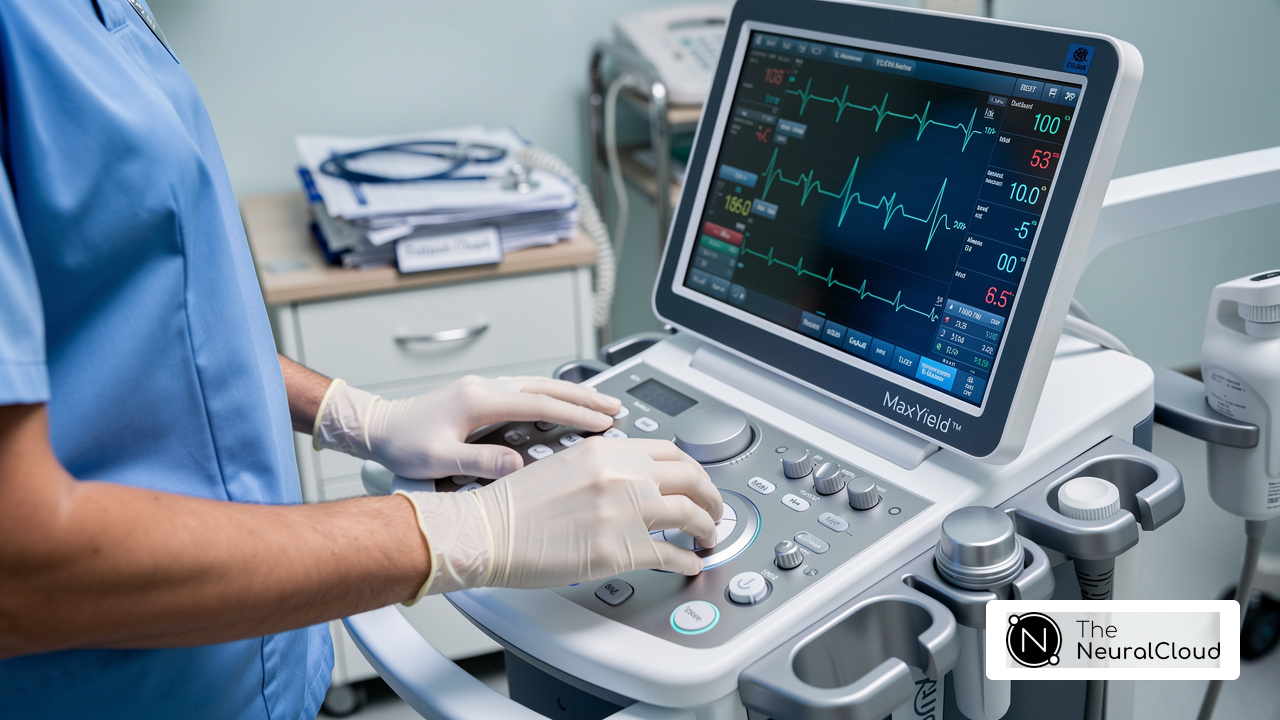
In this context, Neural Cloud Solutions Inc.'s MaxYield platform plays a transformative role in digital health by ensuring clean PPG data and hospital-grade accuracy from consumer-grade devices. This capability allows for continuous monitoring of individuals at home. It reduces the strain on healthcare systems and increases confidence in remote care. With MaxYield's advanced algorithms, healthcare providers can depend on consistent, clean data across all connected devices, facilitating better management of patients with elevated blood pressure issues and improving overall outcomes. Furthermore, MaxYield is pending FDA Class II SaMD clearance, ensuring compliance with regulatory standards. Expert endorsements from Dr. Alan Rabinowitz, Dr. Brett Heilbron, and Dr. Marc W. Deyell highlight MaxYield’s precision and noise reduction benefits, further establishing its credibility. Additionally, the integration of Insight360 transforms MaxYield’s data into interactive dashboards and clinical-ready reports, enhancing usability for healthcare professionals. By leveraging advanced technology like MaxYield, healthcare professionals can enhance patient care and outcomes in the face of these challenges.

Contextualize Systolic Dysfunction: Importance in Heart Health
The systolic dysfunction definition illustrates a significant challenge in the global heart failure epidemic, impacting nearly 64 million adults worldwide. Its prevalence is particularly pronounced among aging populations and individuals with risk factors such as obesity and diabetes. In Canada, significant gaps in care exist, as indicated by the Heart & Stroke Heart Failure Resources and Services Inventory, with 27% of hospitals lacking access to essential diagnostic procedures like natriuretic peptide testing, vital for early detection. This lack of access leads to delays in diagnosing and managing heart function issues, which can worsen patient outcomes, highlighting the necessity for enhanced healthcare infrastructure.
Experts emphasize that early identification of heart function impairment, which aligns with the systolic dysfunction definition, is crucial, as prompt intervention can greatly improve patient outcomes and quality of life. Dr. Fonarow states, "The earlier we identify risk, the more effectively we can intervene and prevent onset or progression." Updated guidelines stress that heart failure, as outlined in the systolic dysfunction definition, is a dynamic condition, allowing for the possibility of improvement or stabilization through appropriate management strategies, including lifestyle modifications, pharmacotherapy, and advanced interventions such as device therapy.
Case studies indicate that systematic screening for heart function issues in high-risk groups can lead to improved identification and treatment rates. For instance:
- A study found that 22.1% of patients with prior myocardial infarction had clear heart function impairment.
- 16% of hospitals do not follow published heart failure care guidelines, complicating management efforts.
Furthermore, the economic burden of high blood pressure impairment is significant, leading to more hospitalizations and healthcare expenses, along with an elevated risk of illness and death. As noted by Dr. Shah, "Heart failure does not affect all communities equally," indicating disparities in care that must be addressed. Consequently, thorough management strategies that emphasize early detection and intervention are crucial for enhancing cardiovascular health outcomes and minimizing the overall effect of cardiac failure on the healthcare system.

Explore the Origins of Systolic Dysfunction: Historical Development
Understanding heart muscle impairment has evolved significantly over the past century. Early insights from ancient Egyptian, Greek, and Roman physicians laid the groundwork for our understanding of heart failure. However, it wasn't until the 20th century that cardiology saw major advancements. The introduction of echocardiography in the 1970s marked a pivotal moment, enhancing our ability to visualize cardiac function and leading to a clearer understanding of heart failure and its implications for patient care.
Research, like the Framingham Heart Study that began in 1948, has shown a strong connection between elevated blood pressure and various cardiovascular diseases. This research has paved the way for targeted therapies and provided essential insights into the occurrence and prevalence of cardiac failure, influencing treatment approaches worldwide. In Canada, the development of protocols for diagnosing and managing heart failure has further improved clinical practice, enabling healthcare providers to deliver more effective care. The ACC/AHA guidelines emphasize the importance of managing risk factors and lifestyle changes in treating cardiac failure, which is crucial for current practices in diagnosing and managing left ventricular impairment.
Regional case studies have also influenced the historical evolution of understanding heart function impairment. These studies provide a nuanced perspective on the condition. Additionally, the universal definition of heart failure proposed in 2021 aims to standardize the understanding and treatment of heart failure, enhancing diagnostic clarity. As cardiology advances, incorporating new diagnostic tools and treatment methods is crucial for improving outcomes in heart failure.

Identify Key Characteristics: Symptoms and Signs of Systolic Dysfunction
Heart function impairment presents a variety of symptoms that can severely impact daily living. Common symptoms include:
- Shortness of breath, especially during physical activity or when lying down (orthopnea).
- Fatigue, often worsened by exertion.
- Fluid retention leading to swelling in the legs and ankles (edema).
- A rapid or irregular heartbeat.
- Persistent coughing, particularly when lying flat.
- Confusion or difficulty concentrating due to reduced blood flow to the brain.
Identifying these signs is crucial for healthcare professionals, as early recognition can lead to timely assessment and intervention, ultimately enhancing outcomes in managing heart failure. According to the National Heart, Lung, and Blood Institute, the systolic dysfunction definition indicates that individuals typically have an ejection fraction (EF) below 40%. This indicates a significant reduction in the heart's pumping efficiency. Studies indicate that about 50-60% of individuals with heart failure survive five years after diagnosis. This underscores the critical need for early recognition and management of symptoms. Addressing common risk factors, including coronary artery disease and hypertension, is vital for improving patient outcomes.

Conclusion
Systolic dysfunction is a pressing concern in cardiac health, as it significantly hampers the heart's ability to pump blood efficiently. This condition, marked by a reduced ejection fraction, poses serious risks, including heart failure, which can greatly affect the quality of life for those impacted. It's crucial for healthcare professionals to grasp the nuances of systolic dysfunction, as early detection and intervention can lead to improved patient outcomes and a better quality of life.
Throughout this article, we've explored key insights into systolic dysfunction, including its definition, prevalence in Canada, and the importance of early diagnosis. We highlighted the role of advanced technologies, such as Neural Cloud Solutions Inc.'s MaxYield platform, in facilitating continuous monitoring and enhancing patient care. Additionally, we examined the historical context of systolic dysfunction, showcasing how advancements in cardiology have shaped current practices and improved our understanding of this condition. The symptoms and signs associated with systolic dysfunction were also detailed, emphasizing the need for healthcare providers to recognize these indicators promptly.
Given the significant impact of systolic dysfunction on heart health, it is imperative for clinicians, researchers, and diagnostic facilities to prioritize early detection and effective management strategies. By leveraging innovative solutions and adhering to updated guidelines, we can transform the landscape of cardiac care and significantly enhance patient outcomes. Addressing this challenge not only improves individual health but also strengthens the overall healthcare system, paving the way for a healthier future.
Frequently Asked Questions
What is systolic dysfunction?
Systolic dysfunction is a condition characterized by the left ventricle's impaired ability to pump blood effectively, leading to a reduced ejection fraction (EF) below 50%. This can result in severe complications, including cardiac failure.
What is the normal range for ejection fraction (EF)?
In healthy individuals, the ejection fraction typically ranges from 55% to 70%. A drop below 50% indicates suboptimal cardiac function.
What are the common causes of cardiac failure in Canada?
Common causes of cardiac failure in Canada include coronary artery disease, hypertension, and previous myocardial infarctions.
How prevalent is cardiac failure in the Canadian population?
Approximately 2% of the Canadian population is affected by cardiac failure.
Why is early detection and management of systolic dysfunction important?
Early detection and management are crucial because without them, systolic dysfunction can lead to severe complications, including worsening heart failure.
What role do echocardiograms play in managing systolic dysfunction?
Echocardiograms are essential for monitoring left ventricular function and guiding treatment choices, especially in individuals showing symptoms of heart failure.
How does Neural Cloud Solutions Inc.'s MaxYield platform contribute to managing systolic dysfunction?
MaxYield ensures clean PPG data and hospital-grade accuracy from consumer-grade devices, allowing for continuous home monitoring, reducing healthcare system strain, and increasing confidence in remote care.
What are the benefits of using MaxYield for healthcare providers?
MaxYield provides consistent, clean data across connected devices, facilitating better management of patients with elevated blood pressure issues and improving overall patient outcomes.
What is the regulatory status of MaxYield?
MaxYield is pending FDA Class II SaMD clearance, ensuring compliance with regulatory standards.
Who endorses the MaxYield platform, and what do they highlight?
Experts such as Dr. Alan Rabinowitz, Dr. Brett Heilbron, and Dr. Marc W. Deyell endorse MaxYield, highlighting its precision and noise reduction benefits.
How does Insight360 enhance the functionality of MaxYield?
Insight360 transforms MaxYield’s data into interactive dashboards and clinical-ready reports, improving usability for healthcare professionals.
List of Sources
- Define Systolic Dysfunction: A Comprehensive Overview
- Heart Failure - Diagnosis and Management (https://www2.gov.bc.ca/gov/content/health/practitioner-professional-resources/bc-guidelines/heart-failure-chronic)
- Systolic Heart Failure: What Is It? (https://webmd.com/heart-disease/heart-failure/what-is-systolic-heart-failure)
- Systolic Heart Failure (https://ukhealthcare.uky.edu/gill-heart-vascular-institute/conditions/heart-failure/systolic-heart-failure)
- Health Canada grants priority review for Novartis' heart failure medicine LCZ696 (https://newswire.ca/news-releases/health-canada-grants-priority-review-for-novartis-heart-failure-medicine-lcz696-517350211.html)
- Systolic Heart Failure: Symptoms, Causes and Treatment (https://my.clevelandclinic.org/health/diseases/23276-systolic-heart-failure)
- Contextualize Systolic Dysfunction: Importance in Heart Health
- Heart Failure: New Definition Will Improve Diagnosis, Transform Care (https://healthline.com/health-news/new-heart-failure-definition-will-improve-diagnosis-treatment)
- Heart Association highlights 2025’s major research findings (https://heart.org/en/around-the-aha/heart-association-highlights-2025s-major-research-findings)
- Heart failure in Canada complex incurable and on the rise (https://heartandstroke.ca/what-we-do/media-centre/news-releases/heart-failure-in-canada-complex-incurable-and-on-the-rise)
- Prevalence of left ventricular systolic dysfunction and heart failure in high risk patients: community based epidemiological study - PMC (https://pmc.ncbi.nlm.nih.gov/articles/PMC133457)
- Explore the Origins of Systolic Dysfunction: Historical Development
- Top heart and brain research for 2025 found new ways to treat old problems (https://newsroom.heart.org/news/top-heart-and-brain-research-for-2025-found-new-ways-to-treat-old-problems)
- History of Heart Failure Definition - PMC (https://pmc.ncbi.nlm.nih.gov/articles/PMC11959578)
- History of Heart Failure Definition (https://cfrjournal.com/articles/history-heart-failure-definition?language_content_entity=en)
- 5 advances in heart health that are saving lives (https://aamc.org/news/5-advances-heart-health-are-saving-lives)
- Asymptomatic Left Ventricle Systolic Dysfunction (https://ecrjournal.com/articles/asymptomatic-left-ventricle-systolic-dysfunction?language_content_entity=en)
- Identify Key Characteristics: Symptoms and Signs of Systolic Dysfunction
- Systolic Heart Failure: Symptoms, Causes and Treatment (https://my.clevelandclinic.org/health/diseases/23276-systolic-heart-failure)
- Systolic Heart Failure (https://ukhealthcare.uky.edu/gill-heart-vascular-institute/conditions/heart-failure/systolic-heart-failure)
- Systolic Heart Failure (https://hopkinsmedicine.org/health/conditions-and-diseases/systolic-heart-failure)
- Systolic heart failure: Symptoms, causes, and more (https://medicalnewstoday.com/articles/systolic-heart-failure)