Introduction
In the evolving landscape of cardiac care, EKG interpreters face significant challenges in accurately diagnosing heart conditions. As healthcare technology evolves, the need for skilled professionals who can accurately interpret complex data is increasingly important. With challenges like misinterpretation and the need for ongoing education, EKG interpreters must find ways to enhance their diagnostic precision and improve patient outcomes. This article explores the key responsibilities, historical changes, and the impact of technology on EKG interpreters in today's healthcare landscape.
Define EKG Interpreter: Role in Cardiac Analysis
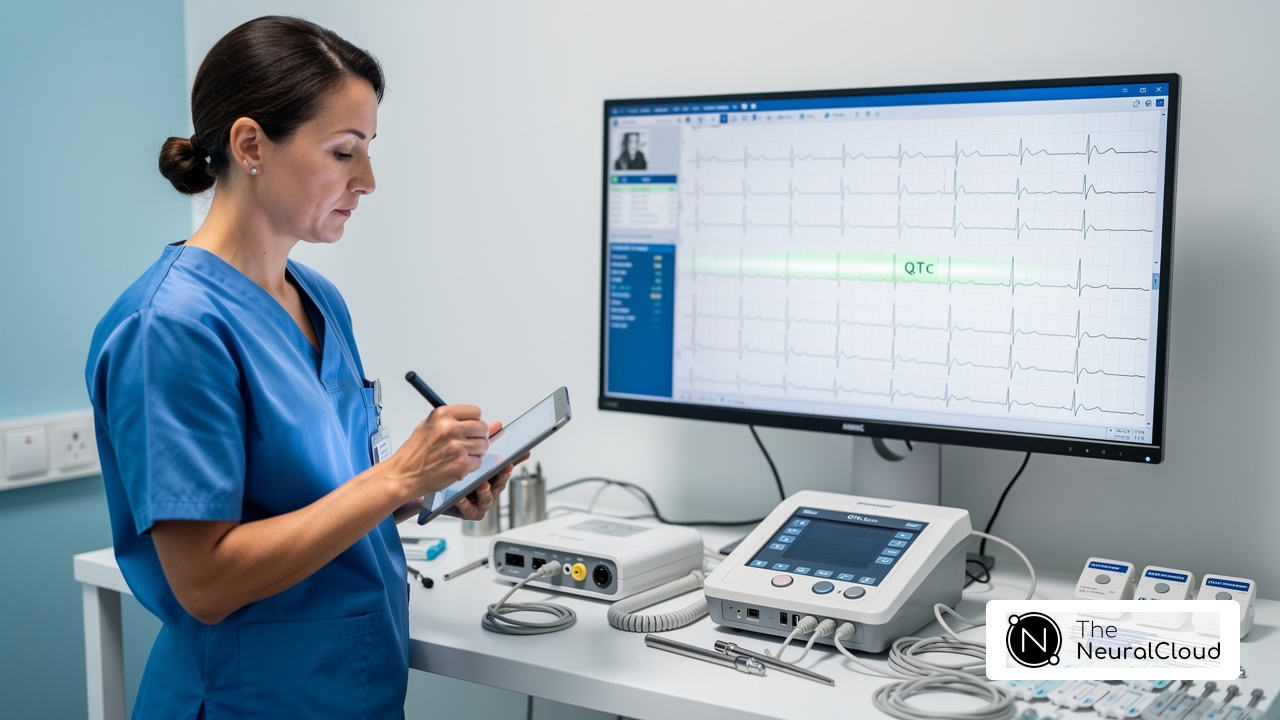
The role of EKG analysts is crucial in the accurate interpretation of electrocardiograms, yet many face challenges in achieving diagnostic precision. An EKG analyst is a specialized medical professional responsible for examining electrocardiograms (ECGs or EKGs), which illustrate the heart's electrical activity. They focus on identifying and interpreting waveforms, intervals, and segments in ECGs to diagnose cardiac conditions such as arrhythmias and myocardial infarctions. EKG analysts must possess a profound understanding of cardiac physiology and the ability to differentiate between normal and abnormal patterns, ensuring accurate evaluations that inform clinical decisions. This role is vital in both emergency and routine healthcare environments, where timely and accurate understanding can significantly improve patient outcomes.
By 2026, the importance of EKG analysts will be clear, as precise ECG analysis enhances diagnostic accuracy. AI-assisted techniques are projected to achieve a sensitivity of 77% and a specificity of 99%. In contrast, research shows that human analysis of ECGs accurately detects occlusive myocardial infarction in merely 42% of instances, highlighting the necessity for proficient analysts. Currently, about 30% of healthcare professionals are trained as EKG analysts, reflecting their growing importance in patient care:
- Enhanced diagnostic accuracy
- Improved patient outcomes
- Increased recognition of their role
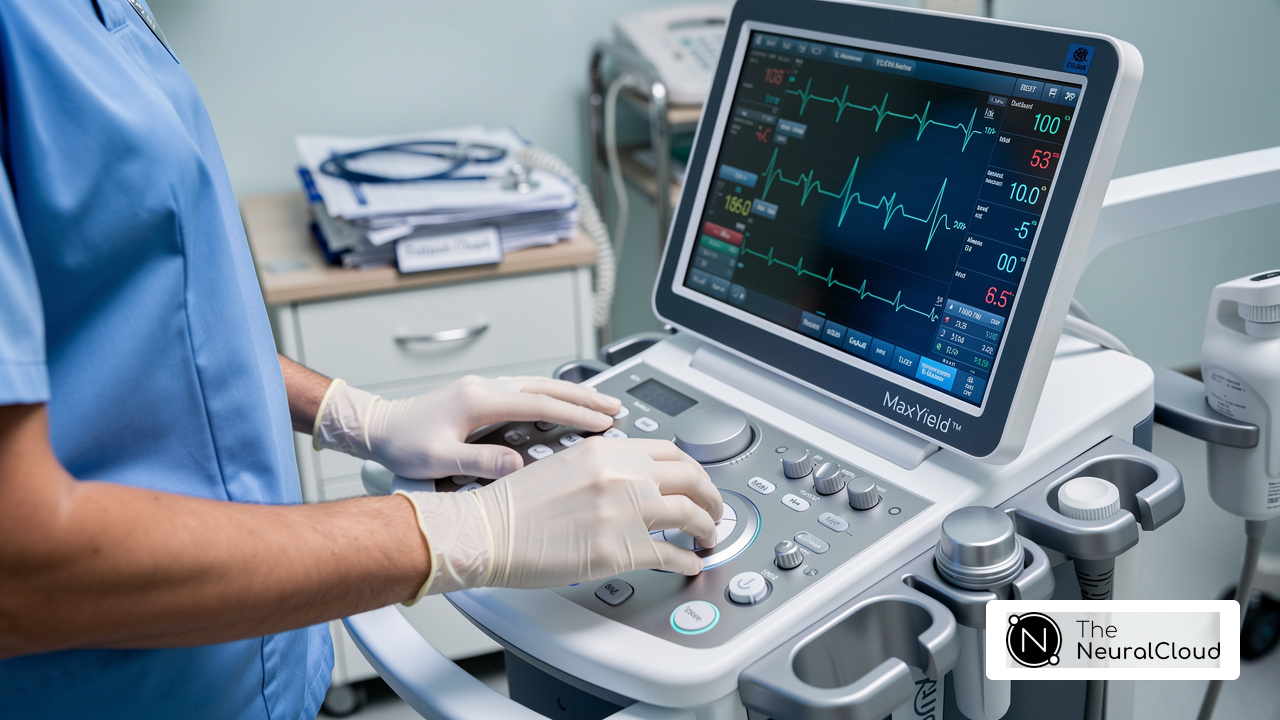
With the integration of advanced platforms like Neural Cloud Solutions' MaxYield™, EKG interpreters can leverage automated noise filtering and adaptive algorithms to enhance their analysis. MaxYield™ rapidly isolates and labels critical data, transforming noisy recordings into detailed insights, which supports confident clinical decision-making. Cardiologists have observed that effective EKG analysis, supported by innovative AI solutions, is essential for timely interventions that can drastically change patient outcomes, particularly in acute settings. As healthcare evolves, the integration of advanced platforms like MaxYield™ will be pivotal in enhancing the capabilities of the EKG interpreter, ultimately improving patient care.

Trace the Evolution of EKG Interpretation: Historical Context
The evolution of EKG analysis has faced numerous challenges, from manual readings to the need for automation in modern healthcare. It began in the early 20th century with Willem Einthoven's invention of the first practical electrocardiograph in 1903. This groundbreaking device enabled the recording of the heart's electrical signals and laid the foundation for modern cardiology.
Over the decades, significant advancements have transformed EKG analysis. The shift from manual readings to sophisticated automated systems leveraging artificial intelligence and machine learning has been remarkable. When computerized analysis emerged in the 1960s, it truly changed the game, boosting diagnostic accuracy and efficiency like never before.
For instance, the CSE Project, initiated in the late 1970s, established common standards for quantitative electrocardiography. This initiative resulted in databases that continue to influence automated ECG analysis today.
Recent innovations, like Neural Cloud Solutions' MaxYield™ platform, are revolutionizing the field. This platform automates ECG signal clarity and processing, enabling rapid analysis of over 200,000 heartbeats in less than five minutes. MaxYield™ delivers detailed outputs, including P-wave, QRS complex, and T-wave onsets and offsets.
These advancements underscore the critical role of technology in improving the accuracy and efficiency of the EKG interpreter. With MaxYield™, healthcare professionals can expect a transformative shift in how they utilize an EKG interpreter to interpret ECG data, ultimately leading to better patient outcomes.

Outline Responsibilities and Skills of an EKG Interpreter
Despite advancements in technology, the role of the EKG interpreter remains crucial in cardiac care as they still face challenges in accurately interpreting complex data. The responsibilities of an EKG interpreter include:
- Conducting EKG tests
- Analyzing the resulting data
- Effectively communicating findings to healthcare providers
Essential skills for this role include:
- A solid understanding of cardiac anatomy and physiology
- Proficiency in recognizing EKG waveforms
- The ability to work as an EKG interpreter to interpret complex data accurately
MaxYield™ enhances the analysis process by providing automated, beat-by-beat insights that improve diagnostic accuracy. It uses advanced noise filtering and wave recognition techniques. These features streamline workflows and tackle challenges like physiological variability and signal artifacts. Continuous education and training are essential because the field is constantly evolving with new technologies and methods; attending conferences and earning certifications are key components of this ongoing education.
Effective communication skills are crucial for an EKG interpreter, enabling them to convey their findings clearly, which is essential for ensuring appropriate patient management. Furthermore, the demand for EKG technicians is projected to grow by 4% from 2024 to 2034, highlighting the increasing need for skilled professionals in this area. Case studies show that organized training methods can enhance EKG analysis skills, fostering confidence and proficiency among medical professionals.
As EKG interpreters work with complex data and collaborate with healthcare professionals, their role is crucial for providing top-notch cardiac care. Moreover, incorporating Gold Standard Methodologies within the MaxYield™ platform improves the precision and effectiveness of EKG analysis, ensuring that technicians are equipped with the best practices in the field. With the right tools and training, EKG technicians can significantly enhance patient outcomes in cardiac care.

Highlight the Importance of EKG Interpretation in Healthcare
While EKG analysis is crucial for cardiac care, many challenges still hinder its effectiveness in urgent situations. Accurate EKG analysis helps doctors identify dangerous arrhythmias, evaluate heart muscle oxygen levels, and monitor how well treatments are working. In critical care settings, timely analysis can significantly impact patient survival, enabling swift interventions during emergencies. Recent technological advancements, especially with platforms like Neural Cloud Solutions' MaxYield™, improve the precision and efficiency of EKG analysis. This ultimately leads to better patient outcomes.
The integration of AI in the work of an EKG interpreter not only enhances workflows but also reduces human error, highlighting the importance of trained professionals in interpreting these results. As healthcare progresses, the role of an EKG interpreter will be crucial for quickly and accurately managing patients and achieving better treatment results. As technology continues to advance, the integration of AI in EKG analysis will be pivotal in shaping the future of cardiac care.

Conclusion
In a rapidly evolving healthcare landscape, the role of EKG interpreters is more crucial than ever, as their expertise directly impacts cardiac diagnoses and patient outcomes. By skillfully analyzing electrocardiograms, these professionals provide healthcare providers with the insights needed to make informed decisions in both routine and emergency settings. With the help of new technologies, EKG interpreters can analyze complex data more effectively, transforming cardiac care for the better.
Throughout this article, we have explored various facets of EKG interpretation, including the historical evolution of the field, the responsibilities and skills required of EKG interpreters, and the impact of innovative tools like MaxYield™. These elements highlight how EKG analysts are essential not only for identifying heart conditions but also for integrating new technologies that improve diagnostic accuracy and efficiency. The statistics on sensitivity and specificity underscore the importance of continuous training and education in this rapidly evolving field.
As healthcare advances, integrating AI and automated systems will significantly enhance EKG interpreters' capabilities. It is vital for healthcare organizations to invest in training and resources for these professionals to ensure they remain at the forefront of cardiac care. This investment can lead to better patient outcomes and reduce the risks tied to misinterpreting EKG data. The future of cardiac care hinges on the collaboration between skilled EKG interpreters and cutting-edge technology, ultimately leading to better health for all patients.
Frequently Asked Questions
What is the role of an EKG analyst?
An EKG analyst is a specialized medical professional responsible for examining electrocardiograms (ECGs or EKGs) to identify and interpret waveforms, intervals, and segments in order to diagnose cardiac conditions such as arrhythmias and myocardial infarctions.
Why is the work of EKG analysts important?
The work of EKG analysts is crucial for accurate interpretation of ECGs, which significantly improves diagnostic accuracy and patient outcomes in both emergency and routine healthcare environments.
What skills are necessary for EKG analysts?
EKG analysts must possess a profound understanding of cardiac physiology and the ability to differentiate between normal and abnormal patterns in ECGs to ensure accurate evaluations.
What is the projected impact of AI on EKG analysis by 2026?
By 2026, AI-assisted techniques are expected to achieve a sensitivity of 77% and a specificity of 99% in ECG analysis, enhancing diagnostic accuracy compared to human analysis, which currently detects occlusive myocardial infarction accurately in only 42% of instances.
What percentage of healthcare professionals are currently trained as EKG analysts?
Currently, about 30% of healthcare professionals are trained as EKG analysts, reflecting their growing importance in patient care.
How do advanced platforms like MaxYield™ assist EKG analysts?
Platforms like Neural Cloud Solutions' MaxYield™ provide automated noise filtering and adaptive algorithms that enhance EKG analysis by isolating and labeling critical data, transforming noisy recordings into detailed insights for confident clinical decision-making.
What benefits do effective EKG analysis and AI solutions provide in healthcare?
Effective EKG analysis, supported by AI solutions, is essential for timely interventions that can drastically improve patient outcomes, particularly in acute settings.
List of Sources
- Define EKG Interpreter: Role in Cardiac Analysis
- ndtv.com (https://ndtv.com/health/ai-based-ecg-analysis-shows-higher-accuracy-in-identifying-occlusive-heart-attack-study-finds-11244104)
- Accuracy of Physicians’ Electrocardiogram Interpretation (https://jamanetwork.com/journals/jamainternalmedicine/fullarticle/2771093)
- AI ECG Better Detects Severe Heart Attacks in Emergency Setting - American College of Cardiology (https://acc.org/about-acc/press-releases/2025/10/28/18/55/ai-ecg-better-detects-severe-heart-attacks-in-emergency-setting)
- Artificial Intelligence and ECG: A New Frontier in Cardiac Diagnostics and Prevention - PMC (https://pmc.ncbi.nlm.nih.gov/articles/PMC12292989)
- gehealthcare.com (https://gehealthcare.com/en-us/insights/article/ai-and-ecg-interpretation-insights-and-trends-for-todays-cardiologists?srsltid=AfmBOophPjdJHkchbhSIVDBfx8H1hzQbsS4-nUqD2HPvt5Y-WF-lVsUz)
- Trace the Evolution of EKG Interpretation: Historical Context
- fibonaccimd.com (https://fibonaccimd.com/post/the-history-of-the-electrocardiogram)
- mdpi.com (https://mdpi.com/2673-3846/2/4/34)
- gehealthcare.com (https://gehealthcare.com/en-my/insights/article/exploring-the-history-of-the-ecg-and-its-influence-on-modern-medicine?srsltid=AfmBOooEye2Qq4pM-uTUghAYJmItHmx9hfCWND_Rfj0HNV9TkOopi1Gn)
- ECG market keeps evolving thanks to AI, home monitoring and Epic integration (https://cardiovascularbusiness.com/topics/cardiac-imaging/electrocardiography-ecg/ecg-market-keeps-evolving-thanks-ai-home-monitoring-and-epic-integration)
- Outline Responsibilities and Skills of an EKG Interpreter
- Mastering EKG Training: Essential Skills for Healthcare Providers (https://americanmedicalcompliance.com/general/mastering-ekg-training-essential-skills-for-healthcare-providers)
- ziprecruiter.com (https://ziprecruiter.com/e/What-are-the-key-skills-and-qualifications-needed-to-thrive-in-the-Ekg-Interpretation-position-and-why-are-they-important)
- healthtechacademy.org (https://healthtechacademy.org/blog/ekg-technician/what-skills-do-ekg-technicians-need)
- research.com (https://research.com/careers/how-to-become-an-ekg-technician)
- Highlight the Importance of EKG Interpretation in Healthcare
- cardiovascularservices.mayoclinic.com (https://cardiovascularservices.mayoclinic.com/2024/01/02/the-importance-of-ecg-interpretation-in-medical-practice)
- AI outperforms conventional diagnosis for certain types of heart attacks (https://escardio.org/news/press/press-releases/acvc-press)
- tricog.com (https://tricog.com/the-importance-of-ecg-interpretation-in-critical-care-settings?srsltid=AfmBOooNFoi8lhAeV4xAFgLhDX91y8ZATvIXxx4wvNaGXJ97KkdwY6pm)
- AI ECG Better Detects Severe Heart Attacks in Emergency Setting - American College of Cardiology (https://acc.org/about-acc/press-releases/2025/10/28/18/55/ai-ecg-better-detects-severe-heart-attacks-in-emergency-setting)