Introduction
The rise of artificial intelligence doctors marks a significant change in the healthcare landscape, where technology increasingly supports human expertise. These digital physicians aim to improve diagnostic accuracy and streamline patient care, potentially transforming how medical professionals work. However, as AI becomes more integrated into clinical settings, important questions emerge about the balance between technology and human oversight. Can AI genuinely replace the nuanced understanding of a human doctor, or will it simply act as an advanced tool to enhance their capabilities?
This shift brings both challenges and opportunities. On one hand, AI can analyze vast amounts of data quickly, identifying patterns that may elude human practitioners. On the other hand, the subtleties of patient interaction and the art of medicine remain deeply human. As we explore the role of AI in healthcare, it’s crucial to consider how these technologies can complement rather than replace the invaluable insights that human doctors provide.
Define Artificial Intelligence Doctor
An AI doctor, also referred to as an AI doctor or digital physician, is a sophisticated computer-based system created to execute tasks usually handled by human doctors. These tasks include:
- Diagnosing illnesses
- Suggesting treatments
- Overseeing patient care
AI doctors utilize algorithms, drawing from extensive datasets to analyze medical information. This analysis provides insights that assist in making informed decisions.
By 2026, it is expected that nearly 40% of healthcare providers will adopt AI technologies, marking a significant shift towards digital solutions in medicine. Unlike their human counterparts, AI doctors can process and analyze data at remarkable speeds, offering support in clinical settings. Their primary role is not to replace human clinicians but to enhance their capabilities, increasing efficiency in patient care.
Successful implementations of AI doctors in clinical environments have shown their potential to improve diagnostic accuracy. This ultimately leads to better patient outcomes, demonstrating the value of integrating AI into healthcare. As these technologies continue to evolve, they promise to transform healthcare, making it more efficient and effective.

Context and Importance in Healthcare
The integration of artificial intelligence into medical systems is fundamentally transforming the practice of medicine, particularly in cardiology. As the sector faces increasing demands for efficiency, accuracy, and accessibility, solutions like Neural Cloud Solutions' tools are becoming essential. These systems help diagnose conditions, improve patient care, and alleviate the pressures that often overwhelm medical providers.
Challenges in Healthcare
Artificial intelligence presents several challenges, including the need for precise interpretation and the management of large volumes of data. Traditional methods can be time-consuming and prone to errors, which can hinder patient outcomes. This is where AI technology steps in.
Features of AI Doctors
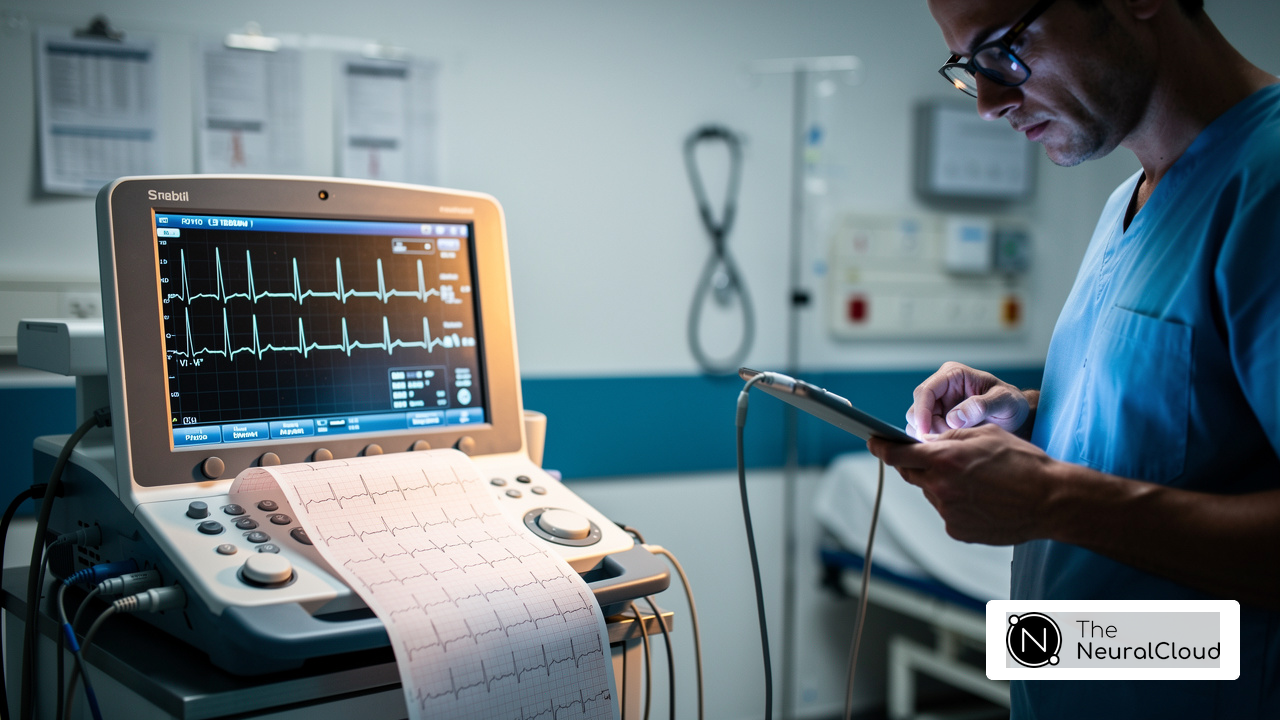
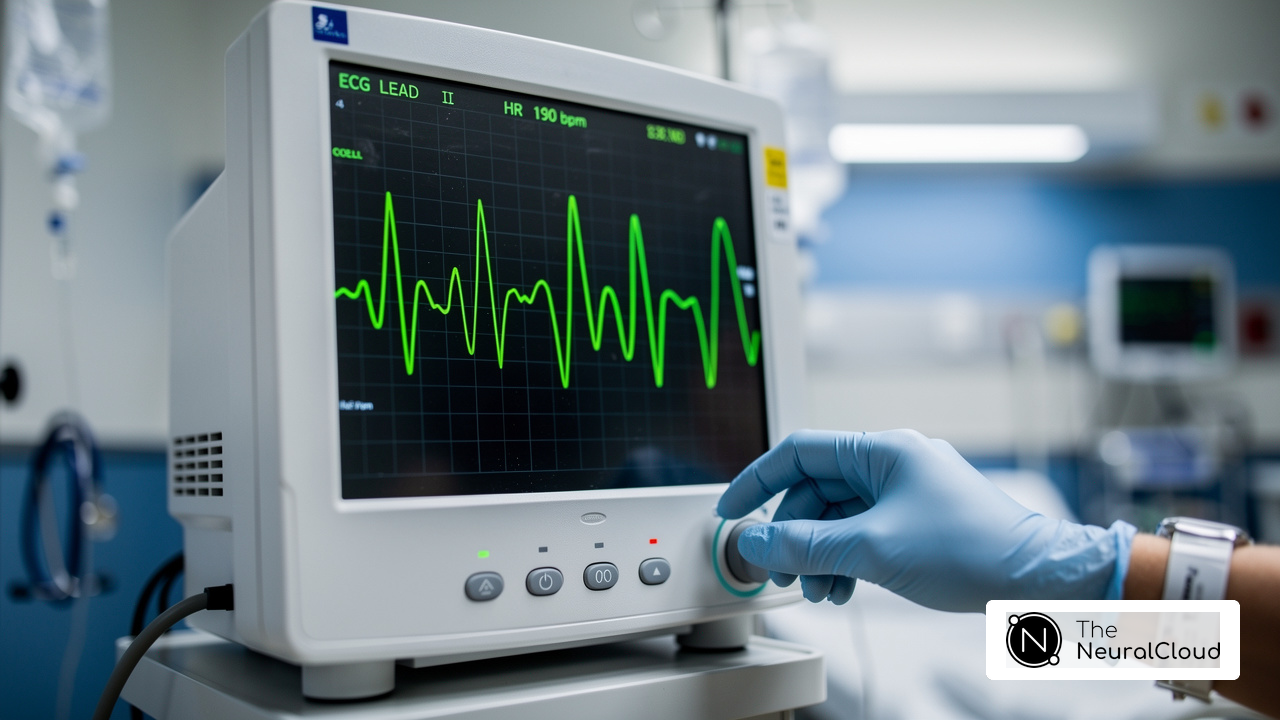
AI employs advanced noise filtering and highlights P, QRS, and T Waves, streamlining ECG workflows and automating repetitive tasks. This capability allows for the processing of greater amounts of information in shorter periods, significantly enhancing diagnostic efficiency. Additionally, AI algorithms can analyze extensive volumes of patient data to uncover patterns that may elude human clinicians.
Advantages for Healthcare Professionals
The benefits of using AI tools are substantial. By improving the accuracy of diagnoses, healthcare professionals can make more informed decisions, leading to better treatment outcomes. Studies indicate that the artificial intelligence doctor, through AI-supported diagnostic tools, can enhance clinical decision-making, making its role in medicine increasingly vital. Furthermore, with over 1,000 AI-enabled tools receiving FDA authorization, trust in artificial intelligence is on the rise.
However, it is crucial to remain aware of potential risks, such as AI 'hallucinations' and the necessity for human review of AI-generated outputs. This awareness ensures the safe and effective integration of these systems into clinical practice.

Origins and Evolution of AI Doctors
The concept of AI doctors traces back to the mid-20th century, starting with early explorations into medical computing. Over the decades, machine learning, natural language processing, and analytics have driven the evolution of the artificial intelligence doctor. The availability of large datasets and enhanced computational power has allowed AI systems to learn from vast amounts of medical information, improving their diagnostic accuracy.
Key milestones include:
- The creation of expert systems in the 1980s, which laid the groundwork for AI applications in healthcare.
- The advent of machine learning algorithms to analyze complex and individual patient data with remarkable accuracy.
Currently, artificial intelligence doctors are being seamlessly integrated into healthcare systems, showcasing their potential to enhance patient care and outcomes.
For example, a study found that over 1 million Americans die each year from complications related to manageable conditions, highlighting the urgent need for better diagnostic tools. Additionally, more than 70% of individuals expressed comfort with AI assistance in mammogram analysis, reflecting the growing acceptance of technology in healthcare. As AI continues to advance, the artificial intelligence doctor is expected to augment the capabilities of medical professionals, allowing them to focus more on the socio-economic and psychological aspects of patient care.

Key Characteristics and Functionalities
AI doctors possess several key characteristics that significantly enhance their functionality within healthcare environments:
- AI physicians can quickly analyze extensive health records, identifying patterns and irregularities that may signal health issues. This rapid processing is crucial in clinical settings, where it can greatly impact patient outcomes.
- By utilizing advanced algorithms, AI systems often achieve diagnostic precision that rivals or even surpasses that of human clinicians, especially in specialized tasks like image analysis. Recent studies show that the accuracy of AI models can vary from 25% to 97.8%, highlighting their potential in clinical diagnostics. However, many studies also exhibit a high risk of bias, which may affect the reliability of these accuracy rates.
- Many AI doctors are designed with adaptive learning capabilities, enabling them to improve as they process new data. This continuous enhancement is vital for maintaining high standards of care in a rapidly changing medical landscape.
- Integration with existing systems: AI systems can seamlessly fit into existing healthcare infrastructures, enhancing overall efficiency. This integration is essential for minimizing disruptions in care and maximizing resource utilization. Nonetheless, challenges related to information privacy, ethics, and clinician acceptance remain significant barriers to the widespread adoption of AI in clinical environments.
- Equipped with natural language processing capabilities, some AI medical professionals can effectively communicate with patients, gathering essential information and providing support. This functionality not only enhances user engagement but also aids in collecting precise health data.
These characteristics not only enhance the capabilities of AI doctors but also lead to improved outcomes for individuals, establishing the artificial intelligence doctor as an invaluable asset in modern medicine. Experts in the field note that the evolution of AI in clinical diagnostics continues to advance, underscoring the importance of cautious implementation to ensure ethical standards and patient safety.

Conclusion
The integration of artificial intelligence doctors into healthcare marks a significant advancement in medical practice. These AI-driven systems are designed not to replace human clinicians but to enhance their capabilities, improving diagnostic accuracy and streamlining patient care. As the healthcare landscape evolves, the role of AI doctors is becoming increasingly vital, promising to boost both efficiency and patient outcomes.
Key insights discussed throughout the article include:
- The definition and functionalities of AI doctors
- Their historical development
- Their substantial impact on various medical fields, particularly in cardiology
The advantages of AI technologies, such as enhanced diagnostic precision and the ability to process vast amounts of data swiftly, underscore their potential to revolutionize patient care. Moreover, the ongoing evolution of AI systems, along with the growing acceptance of these technologies among healthcare professionals and patients, highlights their importance in modern medicine.
As the healthcare sector continues to adopt digital solutions, the significance of artificial intelligence doctors cannot be overstated. They represent a crucial step toward more efficient and effective healthcare delivery, allowing medical professionals to concentrate on the holistic aspects of patient care. Emphasizing the integration of AI in clinical settings is essential, not only for improving treatment outcomes but also for ensuring that the future of healthcare remains innovative and patient-centered.
Frequently Asked Questions
What is an artificial intelligence doctor?
An artificial intelligence doctor, also known as an AI doctor or digital physician, is a computer-based system designed to perform tasks typically carried out by human doctors, such as diagnosing illnesses, suggesting treatments, and overseeing patient care.
How do AI doctors analyze medical information?
AI doctors utilize advanced algorithms and machine learning techniques, drawing from extensive datasets to analyze medical information and provide insights that assist healthcare professionals in making informed decisions.
What is the expected trend for AI integration in healthcare by 2026?
By 2026, it is anticipated that nearly 40% of healthcare providers will integrate AI technology into their practices, indicating a significant shift towards digital solutions in medicine.
How do AI doctors compare to human clinicians in terms of data processing?
Unlike human clinicians, artificial intelligence doctors can process and analyze data at remarkable speeds, offering real-time support in clinical settings.
What is the primary role of AI doctors in healthcare?
The primary role of AI doctors is not to replace human clinicians but to enhance their capabilities, improving diagnostic accuracy and increasing efficiency in patient care.
What benefits have been observed from implementing AI doctors in clinical environments?
Successful implementations of AI doctors have shown potential to streamline workflows and reduce diagnostic times, ultimately leading to better patient outcomes.
How might AI technology transform the medical practice landscape?
As AI technologies continue to evolve, they promise to transform the landscape of medical practice by making healthcare more efficient and effective.
List of Sources
- Define Artificial Intelligence Doctor
- medicine.stanford.edu (https://medicine.stanford.edu/news/current-news/standard-news/clinical-ai-has-boomed.html)
- latimes.com (https://latimes.com/doctors-scientists/innovations/news/story/health-ai-act-h-r-5045-explained)
- Top healthcare AI trends in 2026 (https://healthcaredive.com/news/top-healthcare-ai-artificial-intelligence-trends-2026/809493)
- facs.org (https://facs.org/for-medical-professionals/news-publications/news-and-articles/bulletin/2026/january-2026-volume-111-issue-1/ai-avalanche-is-forcing-healthcare-to-reimagine-future-of-surgery)
- advamed.org (https://advamed.org/2026/01/30/the-insight-series-ai-digital-health)
- Context and Importance in Healthcare
- abcnews.go.com (https://abcnews.go.com/Health/doctors-increasingly-ai-scribes-positive-light-hiccups-persist/story?id=129566848)
- riskandinsurance.com (https://riskandinsurance.com/ten-health-care-trends-set-to-reshape-u-s-medicine-through-2026)
- medicine.stanford.edu (https://medicine.stanford.edu/news/current-news/standard-news/clinical-ai-has-boomed.html)
- healthtechmagazine.net (https://healthtechmagazine.net/article/2026/01/tech-trends-healthcare-it-leaders-get-real-state-ai-2026)
- Origins and Evolution of AI Doctors
- beckershospitalreview.com (https://beckershospitalreview.com/healthcare-information-technology/innovation/5-key-quotes-about-how-ai-will-transform-healthcare)
- “AI Will Be as Common in Healthcare as the Stethoscope.” (https://gsb.stanford.edu/insights/ai-will-be-common-healthcare-stethoscope)
- lifearchitect.ai (https://lifearchitect.ai/quotes)
- Key Characteristics and Functionalities
- pmc.ncbi.nlm.nih.gov (https://pmc.ncbi.nlm.nih.gov/articles/PMC12047852)
- thehealthinnovationnetwork.co.uk (https://thehealthinnovationnetwork.co.uk/case_studies/ai-spirometry-for-lung-conditions-diagnosis)