Introduction
Understanding the QRS complex is essential for healthcare professionals, as it serves as a key indicator of cardiac health. A widening QRS complex, lasting 120 milliseconds or more, can indicate serious conditions like ventricular tachycardia or bundle branch block. If not addressed promptly, these issues can lead to severe consequences. Clinicians face challenges in accurately diagnosing and managing these conditions. Advanced technologies, such as the MaxYield™ platform, can significantly enhance their efforts, ultimately improving patient outcomes.
The MaxYield™ platform offers features that streamline ECG analysis, making it easier for healthcare professionals to interpret complex data. By providing clear visual representations and detailed insights, the platform helps clinicians identify abnormalities more efficiently. This not only saves time but also reduces the risk of misdiagnosis.
The advantages of using MaxYield™ extend beyond just improved accuracy. With its user-friendly interface and advanced algorithms, healthcare professionals can make informed decisions quickly. This leads to better patient care and outcomes, as timely interventions can be implemented based on accurate ECG readings. Incorporating such technology into clinical practice can transform the way cardiac health is monitored and managed.
Define the QRS Complex and Its Clinical Importance
The QRS wave is a key component of the electrocardiogram (ECG), representing the electrical depolarization of the ventricles. It consists of three distinct waves: the Q wave, R wave, and S wave. In healthy individuals, the duration of the QRS complex typically ranges from 70 to 100 milliseconds. However, a widening QRS complex, which is defined as a duration of 120 milliseconds or more, can indicate various underlying cardiac conditions, such as ventricular tachycardia (VT) or bundle branch block (BBB).
The clinical significance of the QRS complex is underscored by its association with negative outcomes. For instance, a widening QRS complex has been linked to increased morbidity and increased mortality in individuals with heart failure. Recent studies reveal that approximately 11.5% of participants in a long-term study developed a widening QRS complex, highlighting its prevalence among cardiac patients. Thus, monitoring the QRS complex is crucial for healthcare professionals, as it provides vital insights into the heart's electrical activity and potential abnormalities that may necessitate intervention.
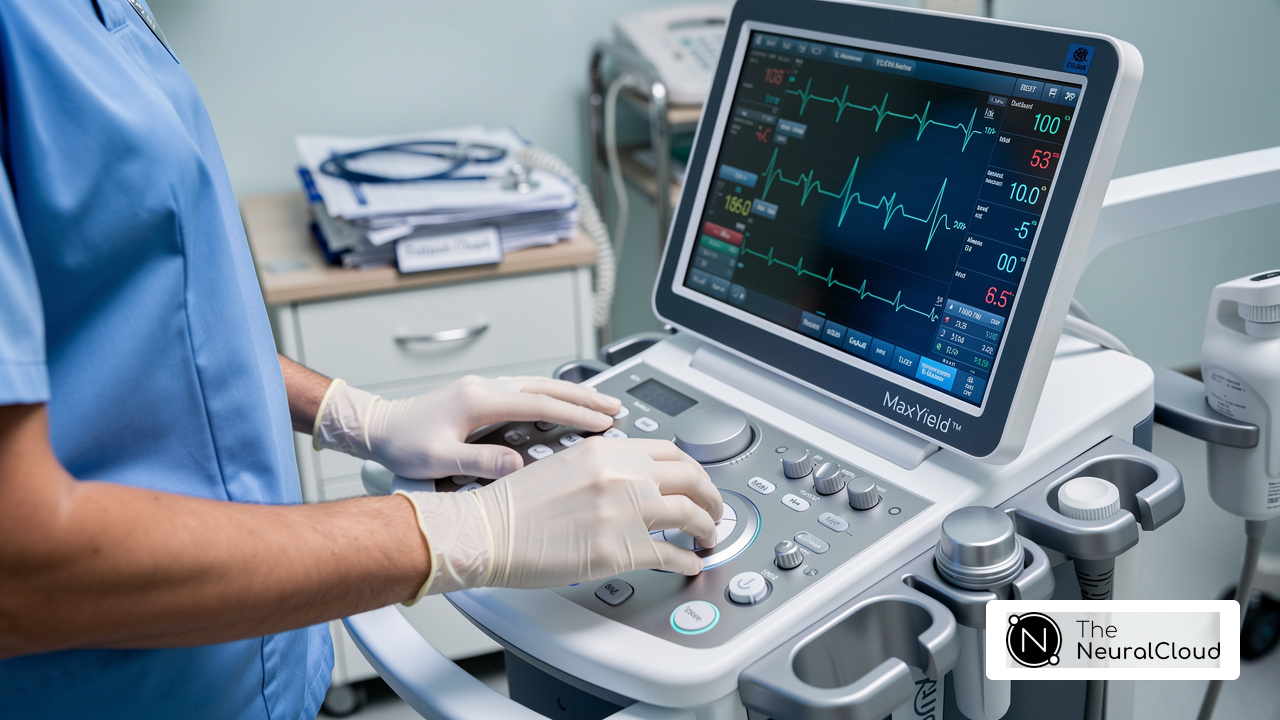
The MaxYield™ tool, offered by Neural Cloud Solutions, enhances ECG analysis by utilizing advanced noise filtering and diagnostic capabilities. This platform effectively isolates and identifies critical ECG data, even in recordings with significant noise and artifacts. As a result, it improves the accuracy of interpretation, supporting confident clinical decision-making.
Key features of the MaxYield™ tool include:
- Advanced noise filtering to enhance data clarity.
- Automated reporting for efficient analysis.
- The ability to analyze 200,000 heartbeats in under 5 minutes.
- An evolving algorithm that improves diagnostic yield with each use.
These features translate into significant advantages for healthcare providers. By leveraging the MaxYield™ tool, professionals can enhance their analysis of the QRS complex, leading to better patient outcomes and more informed clinical decisions.

Identify Causes of Widening QRS Complexes
Widening of the QRS complex can result from several factors, each carrying significant clinical implications:
- Ventricular tachycardia: This rapid heart rhythm originates from the ventricles and is characterized by a QRS duration exceeding 120 milliseconds. VT accounts for around 80% of cases, particularly in individuals with existing cardiovascular disease. The probability increases to 90% in those with a history of myocardial infarction or congestive heart failure.
- Bundle branch block: This condition occurs when electrical conduction through the right or left bundle branch is delayed, leading to a wider QRS waveform. Differentiating between right and left bundle branch blocks is essential, as they can indicate different underlying cardiac issues.
Electrolyte imbalances, including conditions like hyperkalemia (high potassium) or hypomagnesemia (low magnesium), can disrupt cardiac conduction, leading to a widening QRS complex. Monitoring these imbalances is crucial, especially in individuals with pre-existing heart conditions.
- Medication effects: Certain medications, particularly antiarrhythmics, can prolong the QRS duration. Understanding the pharmacological effects on cardiac conduction is vital for managing patients on these drugs.
- Structural heart disease: Conditions like cardiomyopathy or ischemic heart disease can also contribute to a widening QRS complex. The presence of structural heart disease is a key risk factor for developing ventricular tachycardia, which can lead to serious complications, including sudden cardiac death.
Identifying these factors is crucial for effective diagnosis and management of individuals presenting with expanding QRS patterns. Prompt intervention can significantly influence outcomes. Additionally, utilizing diagnostic tools, such as those offered by Neural Cloud Solutions, enhances the accuracy and efficiency of diagnosing these conditions, ultimately improving patient care.

Evaluate Diagnostic Techniques for Widening QRS Complexes
Evaluating a diagnostic process poses several challenges for clinicians. Traditional methods of diagnosis can be time-consuming and may not provide the clarity needed for accurate diagnosis. Innovative solutions like Neural Cloud Solutions' technology address these issues by enhancing the efficiency and effectiveness of ECG assessments.
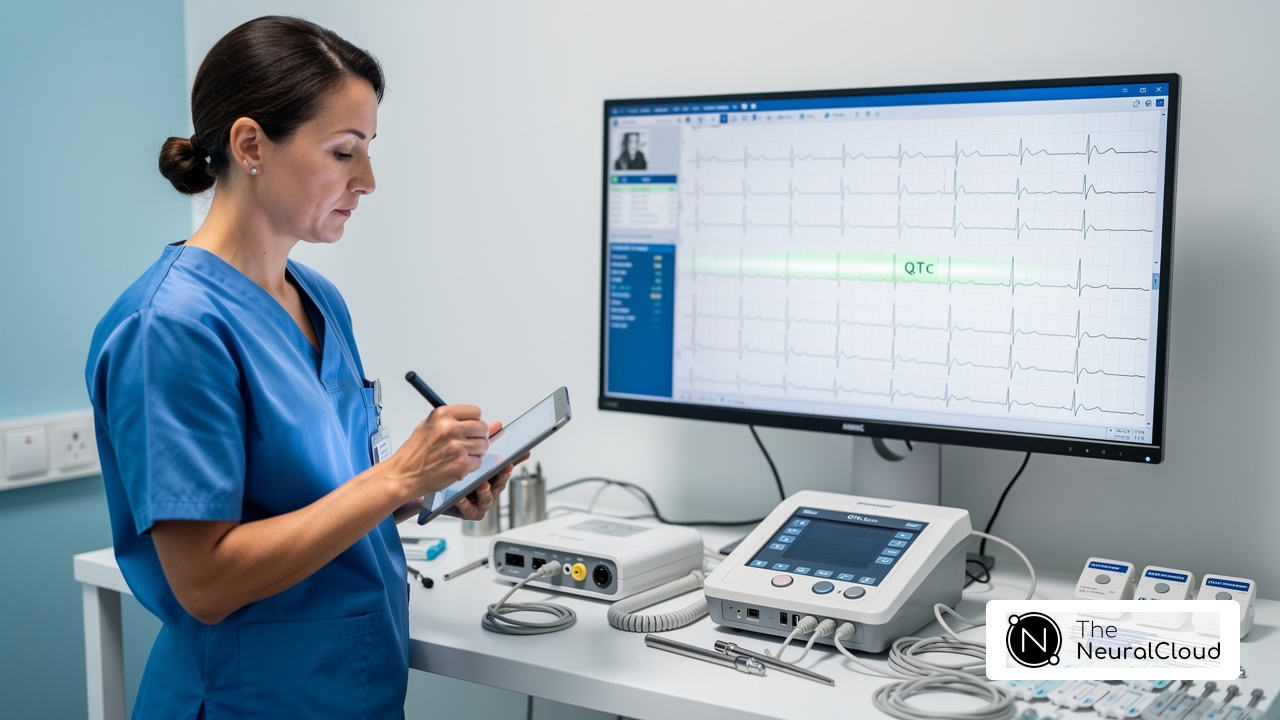
ECG is the primary tool for assessing QRS duration and morphology. It offers a comprehensive view of the heart's electrical activity. MaxYield™ improves this process by rapidly labeling P, QRS, and T Wave onsets, offsets, and time-series intervals. This allows for faster beat-by-beat tabulation in CSV format, facilitating seamless integration into existing workflows.
Holter monitoring provides continuous ECG monitoring over 24-48 hours, helping to identify intermittent instances of arrhythmias and correlate them with symptoms. With MaxYield™, users can analyze data more quickly, benefiting from clear data sets and clean signals that enhance diagnostic accuracy.
Electrophysiology studies are invasive procedures that determine the exact mechanism of arrhythmias and assess conduction pathways. Neural Cloud's neural network models support these studies by extracting key features from signals recorded from sensors, providing actionable insights that can guide treatment decisions.
Echocardiography is useful for assessing structural heart disease that may contribute to QRS broadening. The integration of advanced imaging techniques enhances the clarity and accuracy of echocardiographic findings, ensuring that clinicians have the best information available.
Laboratory Tests evaluating electrolyte imbalances can assist in pinpointing reversible causes of QRS expansion. By applying algorithms across various industries, including healthcare, Neural Cloud Solutions aids in processing signal inputs beyond just ECGs.
These diagnostic methods, combined with the features of MaxYield™, are crucial for the precise evaluation and management of individuals with a widening QRS complex. The platform not only streamlines the analysis process but also empowers healthcare professionals with the insights needed for informed decision-making.

Implement Management Strategies for Widening QRS Complexes
The management of a widening QRS complex relies on the underlying cause and the patient's hemodynamic stability.
- Immediate Treatment: For unstable patients, cardioversion is often necessary, especially in life-threatening arrhythmias like ventricular tachycardia. The success rate of direct current cardioversion (DCCV) is impressive, ranging from 85% to 95%, making it a critical intervention in acute settings. In stable individuals, pharmacological options, including antiarrhythmic medications, may be considered to restore normal rhythm.
- Electrolyte Correction: Addressing electrolyte imbalances, particularly hyperkalemia, is vital. This may involve administering calcium, insulin, or sodium bicarbonate to stabilize cardiac function and reduce the risk of further complications.
- Medication Review: A thorough assessment of the individual's current medications is essential, as certain drugs can contribute to the widening QRS complex. Modifying these medications can enhance the individual's condition and help prevent recurrence.
- Long-term Management: For patients experiencing recurrent wide QRS complexes, implantable devices may be indicated, particularly in cases of structural heart disease. Continuous monitoring and follow-up are crucial to ensure effective management and prevent complications. The recurrence rate of arrhythmias can exceed 50% within six months if not aggressively managed. The mortality rate is approximately 1.4%, highlighting the importance of follow-up care. Additionally, the risk of sudden cardiac death can be as high as 75%, underscoring the need for continuous monitoring. A multidisciplinary approach involving cardiology and electrophysiology is recommended to optimize treatment outcomes.

Conclusion
The widening QRS complex is a vital indicator of underlying cardiac conditions, warranting careful attention from healthcare professionals. Recognizing its significance not only aids in accurate diagnosis but also enhances patient management strategies, ultimately leading to better outcomes in cardiac care.
This article explored key causes of a widening QRS complex, including:
- Ventricular tachycardia
- Bundle branch blocks
- Electrolyte imbalances
- The effects of certain medications
Essential diagnostic techniques such as the 12-lead ECG, Holter monitoring, and electrophysiological studies were emphasized as crucial tools for identifying underlying issues. Furthermore, management strategies were discussed, highlighting the importance of immediate interventions, electrolyte correction, medication review, and long-term follow-up to ensure optimal patient care.
Given the complexities surrounding the widening QRS complex, it is imperative for healthcare providers to remain vigilant and informed. Utilizing advanced diagnostic tools like MaxYield™ can significantly enhance the precision of ECG interpretations, facilitating timely interventions. By prioritizing thorough assessments and tailored management strategies, clinicians can greatly influence patient outcomes and mitigate the risks associated with this critical cardiac marker.
MaxYield™ Features and Benefits:
- Enhanced ECG Analysis: Improves accuracy in interpreting complex ECG data.
- Timely Interventions: Facilitates quicker decision-making for patient care.
- User-Friendly Interface: Accessible for both technical and non-technical users.
- Comprehensive Reporting: Provides detailed insights for better management strategies.
In conclusion, by leveraging the capabilities of MaxYield™, healthcare professionals can navigate the challenges of ECG analysis more effectively, ensuring that they deliver the highest standard of care to their patients.
Frequently Asked Questions
What is the QRS complex in an electrocardiogram (ECG)?
The QRS complex represents the electrical depolarization of the ventricles and consists of three distinct waves: the Q wave, R wave, and S wave.
What is the normal duration of the QRS complex?
In healthy individuals, the duration of the QRS complex typically ranges from 70 to 100 milliseconds.
What does a widened QRS complex indicate?
A widened QRS complex, defined as a duration of 120 milliseconds or more, can indicate various underlying cardiac conditions, such as ventricular tachycardia (VT) or bundle branch block (BBB).
Why is the QRS pattern clinically significant?
The QRS pattern is clinically significant because prolonged QRS duration has been linked to left ventricular dysfunction and increased mortality in individuals with heart failure.
What percentage of participants in a long-term study developed a prolonged QRS duration?
Approximately 11.5% of participants in a long-term study developed a prolonged QRS duration, highlighting its prevalence among cardiac patients.
How does MaxYield™ enhance ECG analysis?
MaxYield™ enhances ECG analysis by utilizing advanced noise filtering and automated labeling capabilities, which improve the accuracy of QRS pattern interpretation.
What are the key features of MaxYield™?
Key features of MaxYield™ include advanced noise filtering, automated labeling for efficient analysis, the ability to analyze 200,000 heartbeats in under 5 minutes, and an evolving algorithm that improves diagnostic yield with each use.
What advantages does MaxYield™ provide to healthcare providers?
By leveraging MaxYield™, healthcare providers can enhance their analysis of the QRS pattern, leading to better patient outcomes and more informed clinical decisions.
List of Sources
- Define the QRS Complex and Its Clinical Importance
- Clinical trial offers first-of-its-kind heart failure treatment (https://health.ucdavis.edu/news/headlines/clinical-trial-offers-first-of-its-kind-heart-failure-treatment/2026/02)
- Differential Diagnosis of Wide QRS Complex Tachycardias (https://cancertherapyadvisor.com/home/decision-support-in-medicine/cardiology/differential-diagnosis-of-wide-qrs-complex-tachycardias)
- Incremental changes in QRS duration as predictor for cardiovascular disease: a 21-year follow-up of a randomly selected general population - Scientific Reports (https://nature.com/articles/s41598-021-93024-y)
- nyulangone.org (https://nyulangone.org/news/nyu-langone-heart-cardiologists-present-latest-clinical-findings-research-acc2026)
- pmc.ncbi.nlm.nih.gov (https://pmc.ncbi.nlm.nih.gov/articles/PMC3542388)
- Identify Causes of Widening QRS Complexes
- thecardiologyadvisor.com (https://thecardiologyadvisor.com/ddi/wide-complex-tachycardia)
- my.clevelandclinic.org (https://my.clevelandclinic.org/health/diseases/wide-complex-tachycardia)
- Checking your browser - reCAPTCHA (https://ncbi.nlm.nih.gov/books/NBK559054)
- Exploring Potential New Treatment for Ventricular Tachycardia (https://cedars-sinai.org/newsroom/exploring-potential-new-treatment-for-ventricular-tachycardia)
- Evaluate Diagnostic Techniques for Widening QRS Complexes
- Checking your browser - reCAPTCHA (https://ncbi.nlm.nih.gov/books/NBK559054)
- Implement Management Strategies for Widening QRS Complexes
- nchstats.com (https://nchstats.com/cardioversion-mortality-rate)