Introduction
Navigating the complexities of ECG analysis requires a deep understanding of anterior T wave abnormalities, which can indicate serious cardiac issues. These irregularities may indicate serious cardiac conditions that require attention. Their unclear nature can complicate diagnosis and treatment, making it essential for clinicians to differentiate between benign variations and those that signal urgent medical concerns.
As clinicians explore the importance of these abnormalities, they must consider the implications for patient care. Understanding these findings is crucial for patient care, and advanced technologies can enhance diagnostic accuracy in this vital area of cardiology.
Define Anterior T Wave Abnormality: Key Characteristics and Clinical Relevance
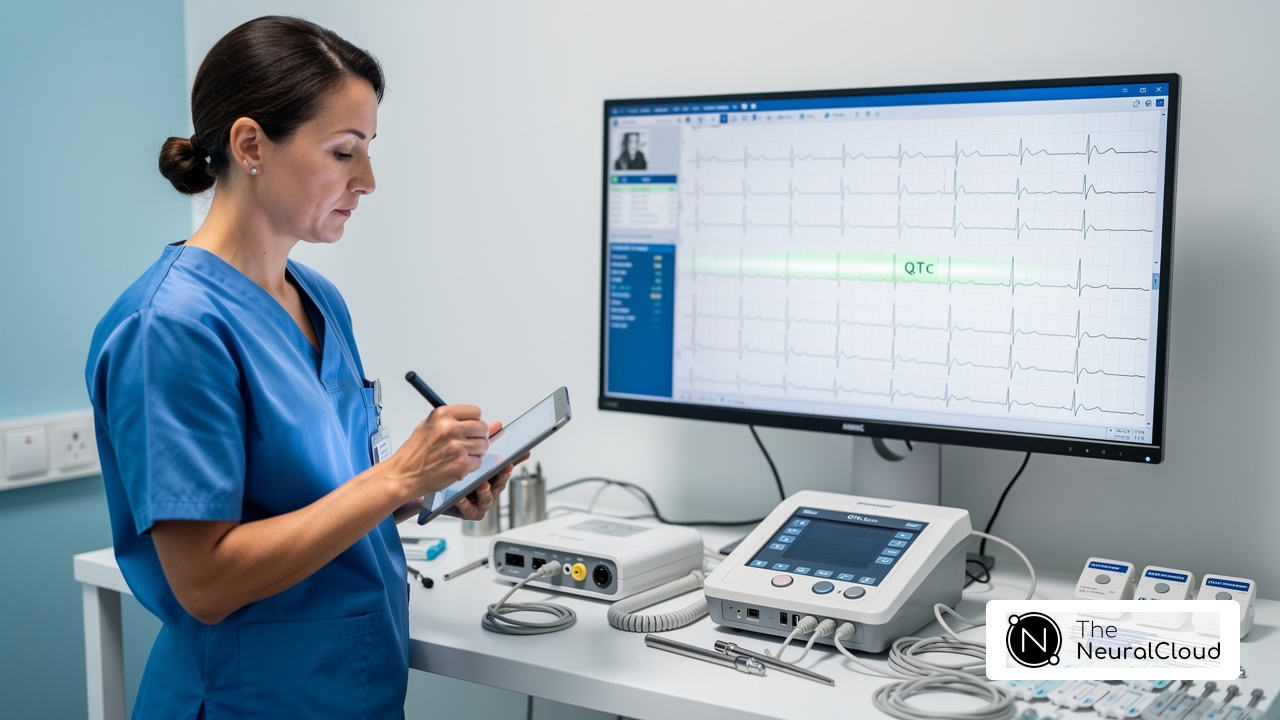
Anterior T Wave Abnormality presents significant challenges in ECG analysis, as deviations in T morphology can indicate serious cardiac conditions. These irregularities may manifest as T shape inversions, flattening, or hyperacute forms. Clinically, they are significant because they can signal underlying issues such as myocardial ischemia, left ventricular hypertrophy, or other structural heart diseases. The presence of these irregularities necessitates further examination, as they can act as indicators for severe conditions, including acute coronary syndromes.
Recent studies suggest that T wave irregularities (TWA) are common in about 1.3% of the general population, with variations among different ethnic groups in Canada. For example, the prevalence is noted to be 1.7% among Black individuals and 1.1% among White individuals. In the context of diabetes, TWA has been linked to increased risks of all-cause mortality (hazard ratio 1.45), cardiovascular mortality (hazard ratio 1.93), congestive heart failure (hazard ratio 2.04), and major coronary heart disease (hazard ratio 1.40).
Grasping the characteristics of anterior T wave abnormality is nonspecific and crucial for timely diagnosis and management of potential cardiac issues. Case studies have shown that the presence of TWA can provide incremental value in predicting major cardiovascular events, particularly in patients with diabetes. This highlights the importance of including TWA evaluation in regular ECG interpretation, as it may enhance cardiovascular risk assessment and improve patient outcomes.
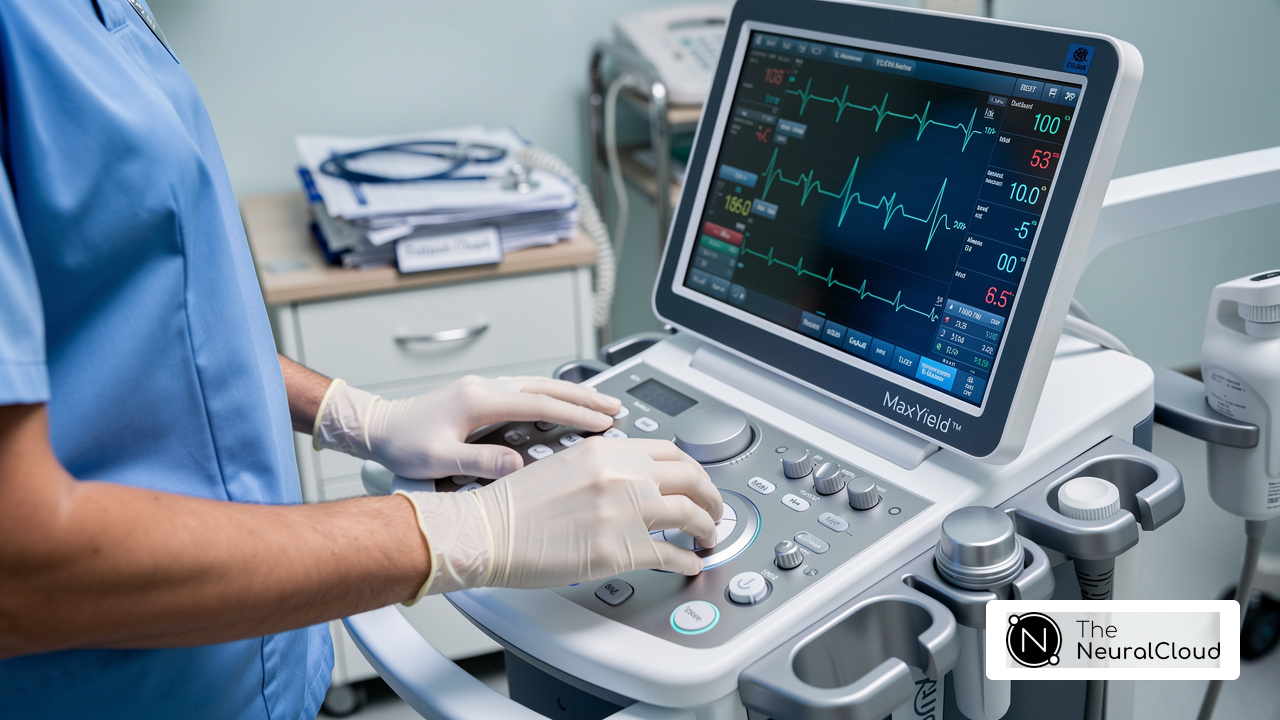
With the integration of MaxYield, a device-agnostic ECG intelligence layer from Neural Cloud Solutions Inc., clinicians can achieve hospital-grade ECG accuracy from consumer devices. MaxYield features advanced noise filtering and unique signal recognition capabilities. These enhancements improve the analysis of T signal irregularities, ensuring critical data is accurately identified, even in challenging recording conditions. Furthermore, MaxYield is currently pending FDA Class II SaMD clearance, underscoring its commitment to regulatory compliance and quality assurance. Expert endorsements from Dr. Alan Rabinowitz, Dr. Brett Heilbron, and Dr. Marc W. Deyell emphasize that MaxYield’s precision rivals human interpretation, making it an invaluable tool in the cardiology field. Thus, the fact that an anterior T wave abnormality is nonspecific remains a critical focus in cardiology, warranting attention from health tech developers and medical professionals alike. The integration of MaxYield into ECG analysis not only enhances diagnostic accuracy but also empowers healthcare professionals to make informed decisions that can save lives.

Explore Clinical Context: Causes and Implications of Anterior T Wave Abnormality
In ECG analysis, the presence of anterior T wave irregularities highlights that anterior T wave abnormality is nonspecific and influenced by various underlying conditions. These irregularities can arise from factors such as ischemic heart disease, electrolyte imbalances, and structural heart issues. Conditions like acute myocardial infarction, hypertrophic cardiomyopathy, and pulmonary embolism are known to induce T changes in the anterior leads. The presence of an anterior T wave abnormality is nonspecific and can indicate serious cardiac events, necessitating timely medical intervention. For example, T inversions linked to chest pain may suggest acute coronary syndrome, which requires immediate assessment and treatment.
It's essential for healthcare providers to recognize these contexts, as it helps them make better decisions for patient care. In Canada, particularly in urban areas like Toronto and Calgary, research has shown that T signal irregularities are prevalent among various patient groups. This highlights the necessity for careful ECG analysis and the incorporation of advanced diagnostic instruments like MaxYield™. This advanced ECG intelligence layer, compatible with various devices and awaiting FDA Class II SaMD clearance, enhances accuracy and efficiency in cardiac assessments, ensuring that healthcare professionals are equipped with the best tools for patient care.

Trace the Evolution: Historical Perspectives on Anterior T Wave Abnormality
The interpretation of T abnormalities has transformed significantly since the early 20th century, reflecting ongoing advancements in cardiac care. Initially, the focus was primarily on T morphology, lacking a comprehensive understanding of its clinical implications. Over the decades, improvements in cardiac imaging and electrophysiology have provided deeper insights into the pathophysiological mechanisms behind T changes. Research increasingly links anterior T wave abnormality as nonspecific to specific cardiac conditions, refining diagnostic criteria and treatment protocols. For instance, isolated T-wave abnormality has been identified as the strongest predictor of myocardial edema, with an odds ratio of 23.84. Its prevalence in edema-positive subjects was significantly higher at 41.1% compared to 6.7% in edema-negative subjects. This evolution underscores the ongoing need for research and education in cardiology, which directly influences current practices and patient care.
Furthermore, the integration of AI and machine learning technologies for T wave inversion detection represents a significant advancement in the field, offering new avenues for improving diagnostic accuracy. Neural Cloud Solutions Inc. utilizes its Continuous Learning Model via MaxYield™, which improves ECG evaluation efficiency by automating labeling and lowering expenses. This innovative method tackles challenges in ECG evaluation, such as physiological variability and signal artifacts, ensuring that the data captured is both clean and reliable. The Continuous Learning Model evolves with each use, continuously improving its accuracy and efficiency.
However, health tech developers face challenges in integrating these advancements into existing healthcare systems, necessitating collaboration with healthcare professionals to ensure effective implementation. As Neural Cloud Solutions Inc. seeks FDA clearance, the future of ECG analysis stands poised for a significant leap forward.

Examine Diagnostic Techniques: Role of Advanced ECG Analysis in Identifying Abnormalities
Although accurate identification of anterior t wave abnormality is nonspecific, it remains a challenge in ECG analysis, but advanced techniques are changing the landscape. Advanced ECG analysis techniques are crucial for accurately identifying that an anterior t wave abnormality is nonspecific, which significantly enhances both precision and efficiency. AI-driven algorithms and machine learning models have revolutionized how we detect subtle changes in T shape morphology. Traditional methods often miss these critical alterations. For example, Neural Cloud Solutions Inc.'s MaxYield technology employs patented signal mapping algorithms to effectively isolate and clean noisy ECG signals, resulting in clearer visualizations of T wave abnormalities. This innovation boosts diagnostic precision and speeds up the evaluation process, helping healthcare providers make quicker clinical decisions.
Moreover, advanced visualization tools like Insight360 further enhance the interpretation of complex ECG data. By providing customizable dashboards and detailed reports, these tools assist clinicians in making informed decisions based on thorough data evaluation. The integration of such advanced techniques into routine clinical practice marks a significant leap forward in cardiology, ultimately leading to improved patient outcomes. This advancement not only enhances diagnostic accuracy but also contributes to better patient care.
In Canada, studies indicate that AI-driven ECG evaluation achieves a remarkable sensitivity of 92%. This significantly outperforms traditional methods. Case studies highlight the effectiveness of these technologies in real-world settings, demonstrating their potential to reduce false-positive rates and improve diagnostic confidence. Expert opinions highlight the transformative role of AI in ECG analysis, especially in detecting T wave abnormalities, noting that an anterior t wave abnormality is nonspecific and can be critical for timely intervention in patients at risk of acute coronary syndromes. Additionally, MaxYield serves as a device-agnostic ECG intelligence layer. It integrates seamlessly through API, SDK, or CDK, ensuring compatibility without hardware changes. Furthermore, it is important to note that MaxYield is currently pending FDA Class II SaMD clearance, reinforcing its commitment to regulatory compliance and quality assurance. As MaxYield continues to evolve, its potential to redefine ECG analysis and improve patient care becomes increasingly evident.

Conclusion
Healthcare professionals face significant challenges in accurately interpreting ECG readings, particularly when it comes to nonspecific irregularities like anterior T wave abnormalities. Understanding these irregularities is crucial, as they can indicate serious underlying conditions that require prompt medical intervention. Recognizing the nonspecific nature of anterior T wave abnormalities helps healthcare professionals navigate ECG analysis complexities, ultimately improving patient outcomes.
Throughout this article, we have explored the clinical relevance of anterior T wave abnormalities, including their prevalence among different populations in Canada and their association with increased cardiovascular risks, particularly in diabetic patients. The evolution of diagnostic techniques, especially the integration of advanced technologies like MaxYield from Neural Cloud Solutions Inc., has been highlighted as a game-changer in enhancing the accuracy and efficiency of ECG evaluations. These advancements not only improve diagnostic precision but also empower clinicians to make informed decisions that can significantly impact patient care.
Given these findings, healthcare providers must stay alert to the implications of anterior T wave abnormalities. Advanced ECG analysis tools from Neural Cloud Solutions Inc. are transforming cardiology, making it easier for clinicians to provide accurate diagnoses. By embracing these innovations, clinicians can enhance their diagnostic capabilities, ultimately leading to better management of cardiovascular health. As cardiac care evolves, ongoing research and development will be vital in ensuring patients receive optimal outcomes.
Frequently Asked Questions
What is Anterior T Wave Abnormality?
Anterior T Wave Abnormality refers to deviations in the T wave morphology on an ECG, which can indicate serious cardiac conditions. These irregularities may include T shape inversions, flattening, or hyperacute forms.
Why are Anterior T Wave Abnormalities clinically significant?
They can signal underlying issues such as myocardial ischemia, left ventricular hypertrophy, or other structural heart diseases. Their presence necessitates further examination as they may indicate severe conditions, including acute coronary syndromes.
How common are T wave irregularities in the general population?
T wave irregularities are common in about 1.3% of the general population, with variations among different ethnic groups in Canada. For instance, the prevalence is 1.7% among Black individuals and 1.1% among White individuals.
What is the link between T wave abnormalities and diabetes?
T wave abnormalities have been associated with increased risks of all-cause mortality, cardiovascular mortality, congestive heart failure, and major coronary heart disease in individuals with diabetes.
How can T wave abnormalities impact cardiovascular risk assessment?
The presence of T wave abnormalities can provide incremental value in predicting major cardiovascular events, particularly in patients with diabetes, highlighting the importance of including TWA evaluation in regular ECG interpretation.
What role does MaxYield play in ECG analysis?
MaxYield, developed by Neural Cloud Solutions Inc., is a device-agnostic ECG intelligence layer that enhances ECG accuracy from consumer devices. It features advanced noise filtering and unique signal recognition capabilities to improve the analysis of T signal irregularities.
What is the current status of MaxYield regarding regulatory compliance?
MaxYield is currently pending FDA Class II SaMD clearance, demonstrating its commitment to regulatory compliance and quality assurance.
How does MaxYield compare to human interpretation in ECG analysis?
Expert endorsements suggest that MaxYield’s precision rivals human interpretation, making it a valuable tool in the cardiology field for enhancing diagnostic accuracy and empowering healthcare professionals.
List of Sources
- Define Anterior T Wave Abnormality: Key Characteristics and Clinical Relevance
- Association of T-wave abnormalities with major cardiovascular events in diabetes: the ACCORD trial - Diabetologia (https://link.springer.com/article/10.1007/s00125-020-05337-8)
- New clues from heart rhythm test could prevent sudden death in under 35s | City St George's, University of London (https://citystgeorges.ac.uk/news-and-events/news/2025/july/new-clues-from-heart-rhythm-test-could-prevent-sudden-death-in-under-35s)
- Anterior T-wave inversion was observed nearly nine times more frequently in Black football players, researchers say - British Cardiovascular Society (https://britishcardiovascularsociety.org.uk/update/anterior-t-wave-inversion-was-observed-nearly-nine-times-more-frequently-in-black-football-players-researchers-say)
- Explore Clinical Context: Causes and Implications of Anterior T Wave Abnormality
- EKG- Disorders of T Waves (https://cancertherapyadvisor.com/home/decision-support-in-medicine/hospital-medicine/ekg-disorders-of-t-waves)
- Clinical implications of transient and persistent T-Wave inversion after STEMI (https://academic.oup.com/eurjhf/article/28/Supplement_2/xuag193.1054/8721215)
- T Wave Inversion: A Screening Tool for Rapidly Differentiating Acute Coronary Syndrome and Pulmonary Embolism (https://cureus.com/articles/273981-t-wave-inversion-a-screening-tool-for-rapidly-differentiating-acute-coronary-syndrome-and-pulmonary-embolism)
- Trace the Evolution: Historical Perspectives on Anterior T Wave Abnormality
- Getting to grips with T wave inversion's synergy in cardiology future designs (https://eureka.patsnap.com/report-getting-to-grips-with-t-wave-inversion-s-synergy-in-cardiology-future-designs)
- The correlation between T-wave abnormalities and adverse cardiovascular events and echocardiographic changes in hypertensive patients (https://tandfonline.com/doi/full/10.1080/10641963.2023.2185252)
- T‐Wave Abnormality as Electrocardiographic Signature of Myocardial Edema in Non‐ST‐Elevation Acute Coronary Syndromes - PMC (https://pmc.ncbi.nlm.nih.gov/articles/PMC5850236)
- GE Announces Three Advances in Sudden Cardiac Arrest Diagnostics (https://dicardiology.com/content/ge-announces-three-advances-sudden-cardiac-arrest-diagnostics)
- Impending Danger: Evolution of Hyperacute T Waves to Cardiac Arrest (https://cureus.com/articles/432103-impending-danger-evolution-of-hyperacute-t-waves-to-cardiac-arrest)
- Examine Diagnostic Techniques: Role of Advanced ECG Analysis in Identifying Abnormalities
- AI-ECG Finds STEMI Faster, Cuts False-Positive Cath Lab Activations (https://tctmd.com/news/ai-ecg-finds-stemi-faster-cuts-false-positive-cath-lab-activations)
- Queen of Hearts: AI ECG for STEMI & OMI (https://powerfulmedical.com/pmcardio-stemi)
- AI Shows Promise in Detecting Type 1 MI and Need for Revascularization (https://tctmd.com/news/ai-shows-promise-detecting-type-1-mi-and-need-revascularization)
- With AI, researchers discover new way to detect sudden cardiac death risk - Berkeley News (https://news.berkeley.edu/2026/06/24/with-ai-researchers-discover-new-way-to-detect-sudden-cardiac-death-risk)