Introduction
Understanding the complexities of electrocardiogram (ECG) results is essential for effective cardiac care. These readings are pivotal in diagnosing various heart conditions. However, several factors can impact the accuracy of these results, including physiological conditions, technical setups, and lifestyle choices. As healthcare professionals navigate these challenges, innovative platforms like MaxYield™ emerge as a valuable solution, enhancing diagnostic precision and efficiency.
MaxYield™ offers a range of features designed to improve ECG analysis. It integrates advanced algorithms that analyze ECG data with high accuracy, reducing the likelihood of misinterpretation. Additionally, the platform provides real-time feedback, allowing healthcare professionals to make informed decisions quickly. These features not only streamline the diagnostic process but also empower clinicians to deliver better patient care.
The advantages of using MaxYield™ extend beyond just improved accuracy. By enhancing the efficiency of ECG interpretation, healthcare professionals can save time and resources, ultimately leading to better patient outcomes. The platform's user-friendly interface ensures that both technical and non-technical users can navigate it with ease, making it an accessible tool in various clinical settings.
In conclusion, as the landscape of ECG interpretation evolves, advancements in technology like MaxYield™ play a crucial role in reshaping how healthcare professionals approach cardiac care. By addressing the challenges inherent in ECG analysis, this platform not only improves diagnostic capabilities but also enhances the overall quality of patient care.
Define ECG Results and Their Clinical Importance
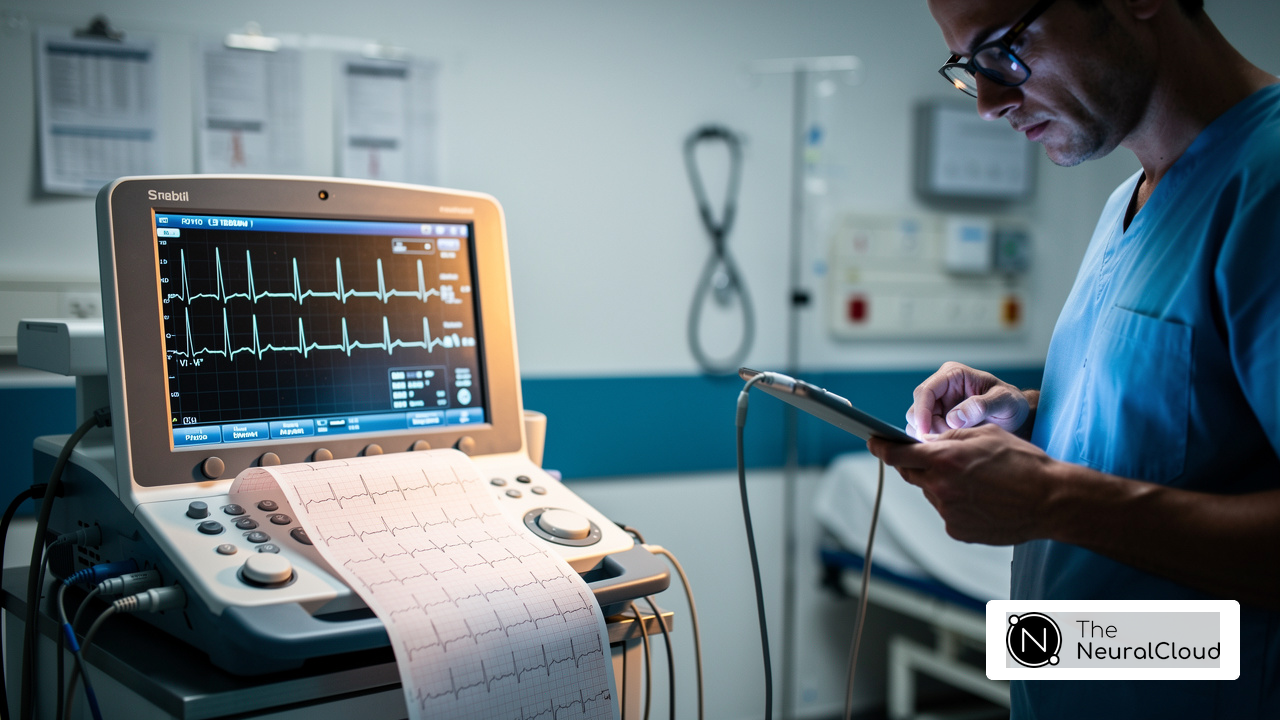
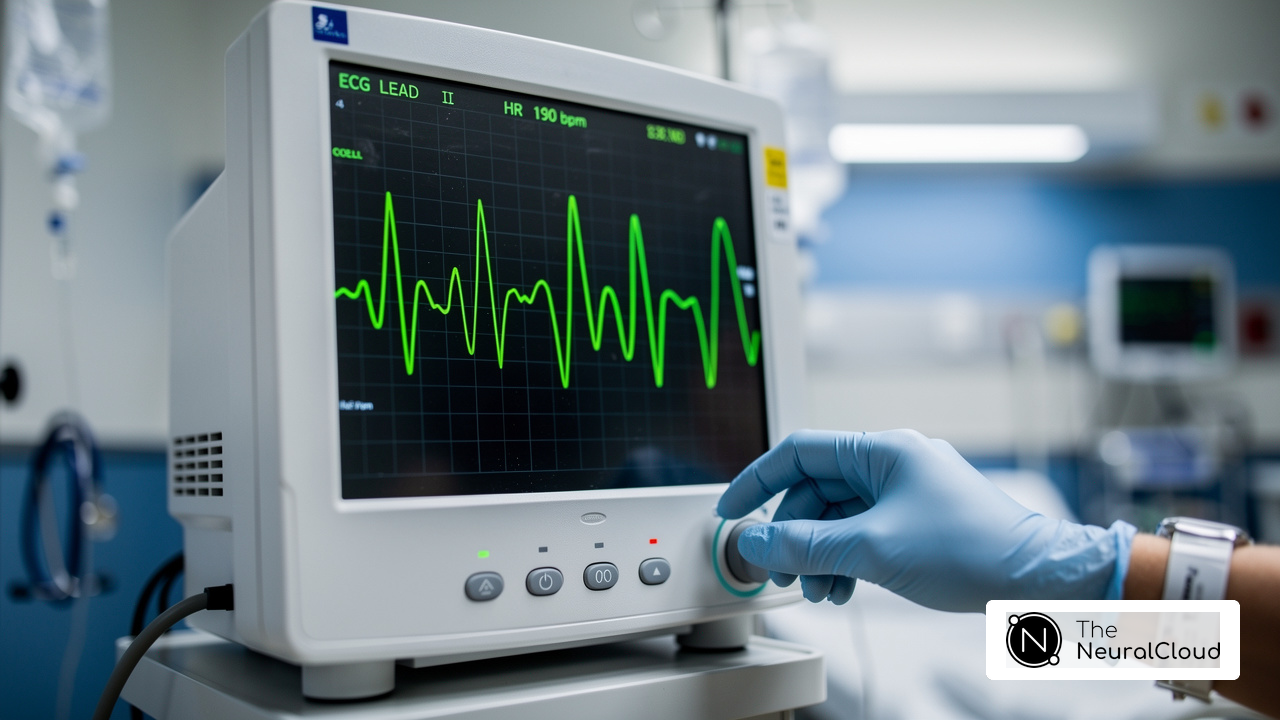
Electrocardiogram (ECG) results capture the heart's electrical activity over time through electrodes placed on the skin. This process serves as a cornerstone for diagnosing a range of cardiac conditions, including arrhythmias, ischemia, and structural diseases of the heart. However, traditional methods can be challenging due to factors that can affect ECG results, such as that obscure noise.
The technology addresses these challenges with advanced features that enhance analysis. Its system excels in noise filtering and distinct wave recognition, allowing for the rapid isolation of ECG waves, even in recordings with high levels of interference. For example, it can analyze 200,000 heartbeats in less than 5 minutes, transforming noisy recordings into detailed insights that support confident clinical decisions. This efficiency not only saves time but also improves diagnostic accuracy.
The benefits of using MaxYield™ extend to healthcare professionals who rely on precise ECG interpretations for patient management. The algorithm continuously evolves with each use, enhancing its performance. Studies indicate that AI models can achieve an area under the curve (AUC) of 0.82 in external validation and 0.75 in the UK cohort, underscoring their potential in enhancing diagnostic capabilities. With approximately 70% of cardiac conditions diagnosable through ECG, this platform becomes an essential tool.
Real-world examples illustrate the profound impact of ECG interpretation on patient management. For instance, a patient exhibited electrical alternans on her ECG, indicating a large pericardial effusion that necessitated immediate intervention. This case highlights how prompt action based on ECG findings can significantly enhance patient outcomes. Understanding these results is essential for cardiologists, healthcare technicians, and researchers, as these findings form the foundation for additional diagnostic testing and therapeutic interventions.
Identify Factors Influencing ECG Results: Physiological, Technical, and Lifestyle Aspects
There are various factors, categorized into physiological, technical, and lifestyle aspects, that represent key influences on ECG results. Physiologically, conditions such as electrolyte imbalances, heart disease, and structural abnormalities can significantly affect readings. For instance, both hyperkalemia and hypokalemia can lead to distinct changes in the ECG waveform, complicating diagnosis and treatment. Additionally, structural heart changes can further impact ECG readings, making it essential for clinicians to consider these factors during interpretation.
Neural Cloud Solutions' technology employs advanced noise filtering and distinct wave recognition, which helps isolate ECG waves from recordings affected by baseline wander and artifacts. This enhancement in diagnostic yield allows healthcare professionals to make more accurate assessments, ultimately improving patient outcomes.
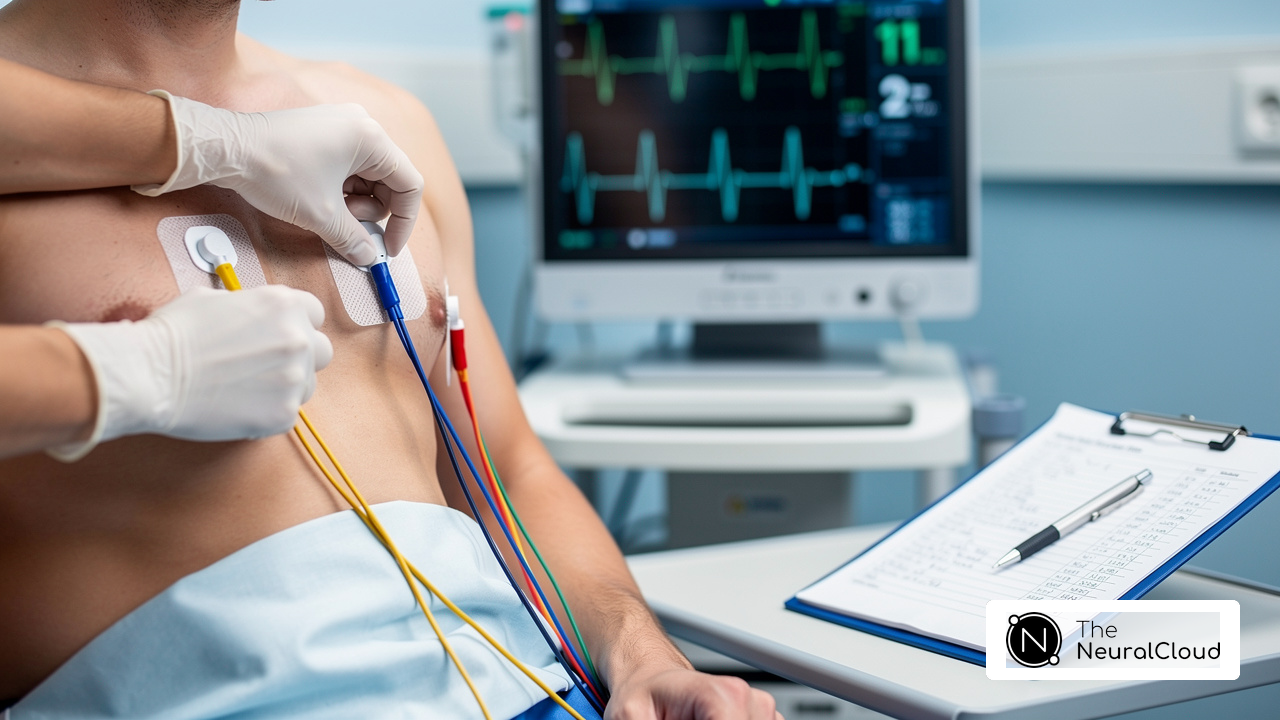
On the technical side, the precision of ECG findings depends on proper electrode placement, lead quality, and equipment calibration. Inadequate setup can lead to misinterpretation of cardiac activity. For example, precordial electrode misplacement is a common issue that can distort ECG readings, emphasizing the need for meticulous attention to detail during setup. Furthermore, the quality of the ECG machine and the selection of compatible electrodes are critical; using electrodes that are not suited for the specific ECG device can result in resistance variations and inaccurate readings.
Lifestyle factors also contribute to ECG variability. Stress and physical exertion can induce transient changes in cardiac rhythm, while substance use, such as caffeine and nicotine, can elevate pulse rate and alter QT intervals. Consistent exercise, on the other hand, is recognized to boost cardiovascular fitness and enhance the efficiency of the cardiac system, resulting in typical fluctuations in ECG readings. It is vital for healthcare professionals to understand these lifestyle influences, alongside the capabilities of MaxYield™, in order to accurately interpret ECG results and provide appropriate patient care.

Examine Specific Conditions and Behaviors Impacting ECG Readings
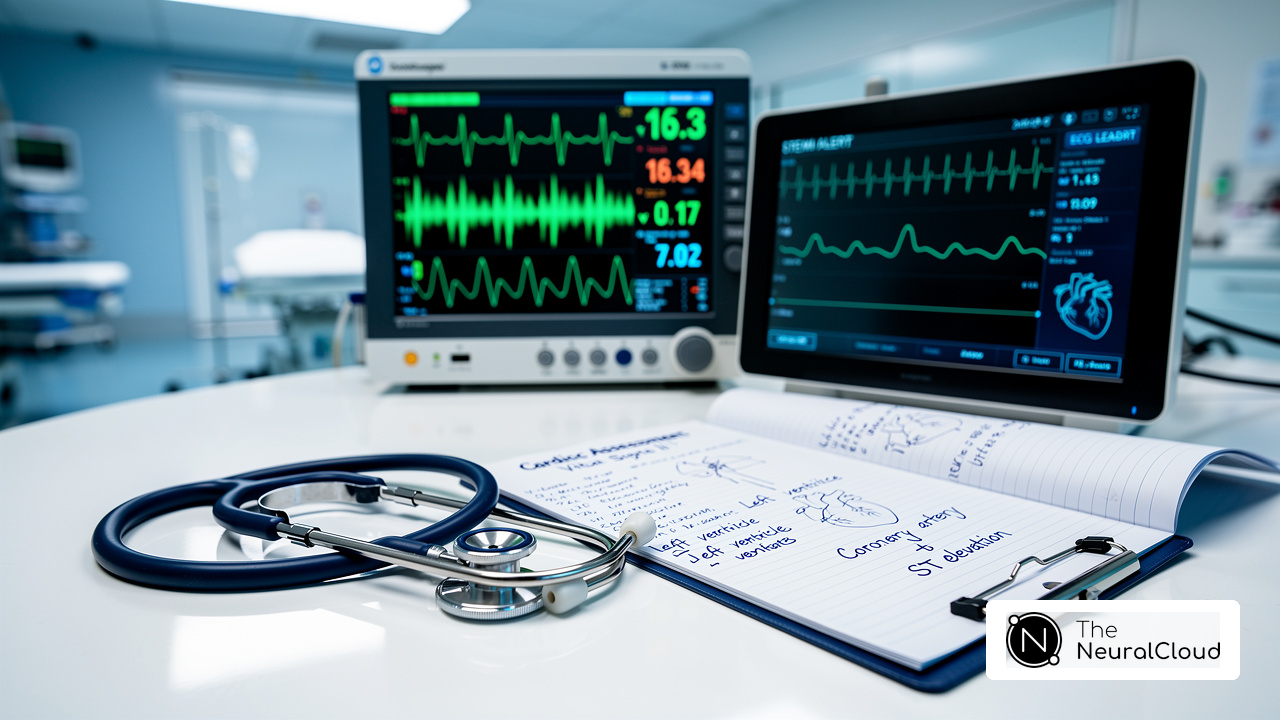
faces several challenges. Certain medical conditions and lifestyle behaviors are factors that illustrate variability in ECG results. For instance, arrhythmias like atrial fibrillation lead to irregular heart rhythms. Ischemic cardiac disease often shows ST-segment changes, indicating reduced blood flow to the heart muscle. Moreover, statistics show that individuals over 40 frequently include ECGs in routine physical exams, underscoring the importance of early detection.
Lifestyle factors are among the key elements of ECG variability. Smoking and excessive alcohol intake are linked to abnormal heart rhythms, illustrating the impact of lifestyle choices, as nicotine can increase pulse rate and alter results, while alcohol may prolong P waves and QT intervals. Additionally, chronic stress has been shown to trigger arrhythmias and other rhythm disturbances, and obesity is associated with structural changes in the heart, illustrating the need for lifestyle management. It is vital for healthcare providers to understand these factors in order to accurately diagnose and manage patients, ultimately improving heart health outcomes.
The MaxYield™ platform addresses these challenges by enhancing the efficiency of ECG analysis. It automates the labeling process and utilizes advanced algorithms to transform lengthy and noisy ECG recordings into clean, clear signals. This innovation tackles issues such as physiological variability and signal artifacts, improving overall accuracy.
Features of MaxYield™:
- Automation of the labeling process
- Advanced algorithms for signal clarity
Advantages for Healthcare Professionals:
- Supports accurate diagnoses
- Improves patient outcomes
- Reduces operational costs
- Enhances productivity
By integrating the MaxYield™ platform, healthcare providers can deliver more precise diagnoses and better patient care, ultimately leading to improved heart health outcomes.

Explore Technological Innovations Enhancing ECG Analysis Accuracy
Recent technological advancements have significantly improved ECG analysis. However, challenges remain in interpreting ECG data, particularly in detecting abnormalities without generating false positives. This is where the MaxYield™ platform comes into play, offering a robust solution to these issues.
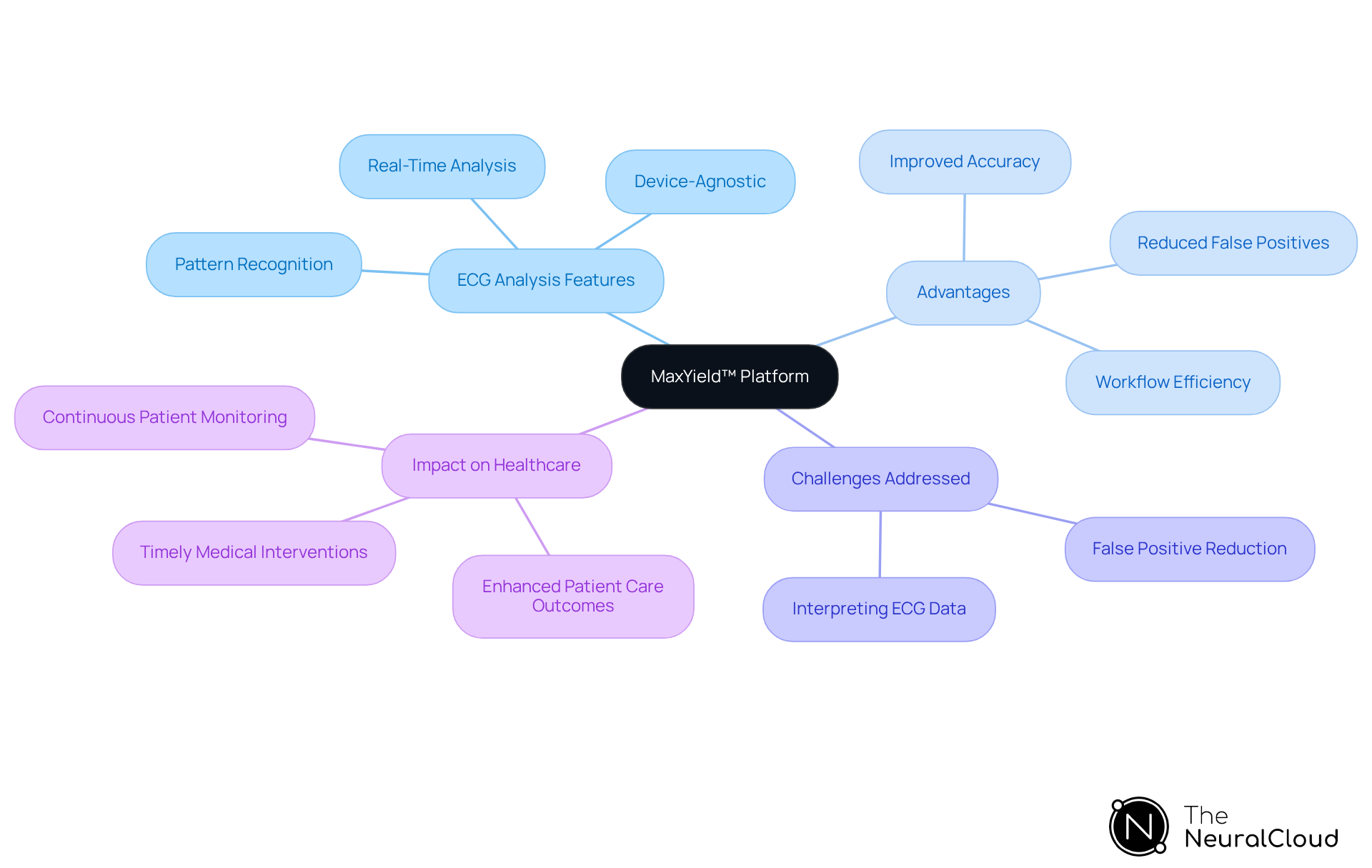
MaxYield™ is a device-agnostic platform that captures ECG recordings from various devices, providing detailed analysis of onsets, offsets, and time-series intervals for each heartbeat. Its sophisticated algorithms analyze ECG signals in real-time, identifying patterns that may elude human interpreters. This capability not only improves the precision of abnormality detection but also enhances diagnostic confidence, ensuring more reliable results.
The advantages of using MaxYield™ extend beyond accuracy. By processing data from 200,000 heartbeats in under five minutes, it significantly enhances workflow efficiency for healthcare professionals. This rapid analysis allows for timely interventions, ultimately improving patient outcomes. Furthermore, the rise of telemedicine complements this technology, facilitating remote monitoring and yielding critical data.
In summary, MaxYield™ transforms ECG analysis by increasing efficiency and maximizing diagnostic yield. Its ability to deliver precise, real-time insights empowers healthcare professionals to make informed decisions, enhancing patient care and outcomes.
Conclusion
Understanding the factors that influence ECG results is crucial for accurate diagnosis and effective patient management. The interplay of physiological, technical, and lifestyle elements can significantly impact the interpretation of ECG data. Therefore, healthcare providers must be aware of these variables. Advancements in technology, particularly through platforms like MaxYield™, have revolutionized ECG analysis, enabling more precise and timely assessments.
Key insights from the discussion highlight how physiological conditions, such as electrolyte imbalances and structural heart changes, can alter ECG readings. Additionally, technical aspects like electrode placement and equipment quality play a vital role in ensuring accurate results. Lifestyle factors, including stress, substance use, and exercise, further contribute to variability in ECG findings. The integration of innovative technologies enhances diagnostic accuracy and streamlines the analysis process, ultimately improving patient care outcomes.
As the field of ECG interpretation continues to evolve, embracing these innovations and understanding the multifaceted influences on ECG results will empower healthcare professionals to make informed decisions. By prioritizing accurate ECG analysis, clinicians can enhance diagnostic capabilities, leading to better management of cardiac conditions and improved health outcomes for patients.
Features of MaxYield™:
- Advanced algorithms for precise ECG interpretation
- User-friendly interface for quick access to data
- Real-time monitoring capabilities
Advantages for Healthcare Professionals:
- Improved diagnostic accuracy
- Streamlined analysis process
- Enhanced patient care outcomes
By leveraging the MaxYield™ platform, healthcare providers can navigate the complexities of ECG analysis with confidence, ensuring that they deliver the best possible care to their patients.
Frequently Asked Questions
What is an electrocardiogram (ECG) and what does it measure?
An electrocardiogram (ECG) measures the electrical activity of the heart over time using electrodes placed on the skin.
Why are ECG results clinically important?
ECG results are crucial for diagnosing a range of cardiac conditions, including arrhythmias, ischemia, and structural diseases of the heart.
What challenges are associated with traditional ECG analysis?
Traditional ECG analysis can be challenging due to noise and artifacts that may obscure critical information in the recordings.
How does the MaxYield™ platform improve ECG analysis?
The MaxYield™ platform enhances ECG analysis with AI-driven technology that excels in noise filtering and wave recognition, allowing for rapid isolation of ECG waves even in noisy recordings.
What is the efficiency of the MaxYield™ platform in analyzing ECG data?
The MaxYield™ platform can analyze 200,000 heartbeats in less than 5 minutes, providing detailed insights that support confident clinical decisions.
How does the MaxYield™ platform benefit healthcare professionals?
It provides precise ECG interpretations that are essential for patient management and continuously evolves its algorithm with each use to enhance diagnostic yield over time.
What do studies indicate about the diagnostic capabilities of AI models used in ECG analysis?
Studies indicate that AI models can achieve an area under the curve (AUC) of 0.82 in external validation and 0.75 in the UK cohort, highlighting their potential in improving diagnostic capabilities.
What percentage of cardiac conditions can be diagnosed through ECG?
Approximately 70% of cardiac conditions are diagnosable through ECG.
Can you provide an example of how ECG interpretation can impact patient management?
Yes, a 70-year-old woman with lung cancer showed electrical alternans on her ECG, indicating a large pericardial effusion that required immediate intervention, demonstrating how timely ECG findings can enhance patient outcomes.
Why is it important for cardiologists and healthcare technicians to understand factors affecting ECG results?
Understanding factors that can affect ECG results is essential as these findings form the foundation for additional diagnostic testing and therapeutic interventions.
List of Sources
- Define ECG Results and Their Clinical Importance
- ECG Case Studies | Interpretation & Answers | Geeky Medics (https://geekymedics.com/ecg-case-studies)
- AI-Powered ECG Analysis Offers Promising Path for Early Detection of Chronic Obstructive Pulmonary Disease, Say Mount Sinai Researchers (https://mountsinai.org/about/newsroom/2026/ai-powered-ecg-analysis-offers-promising-path-for-early-detection-of-chronic-obstructive-pulmonary-disease-say-mount-sinai-researchers)
- Memorable Cardiology Quotes | TheKnowHow Blog (https://theknowhow.ae/memorable-cardiology-quotes-heart)
- reliasacademy.com (https://reliasacademy.com/rls/store/courses/ecg-interpretation-case-studies/_/A-product-c1481430)
- parade.com (https://parade.com/1187612/michelle-parkerton/quotes-about-heart-disease)
- Identify Factors Influencing ECG Results: Physiological, Technical, and Lifestyle Aspects
- gauze.md (https://gauze.md/blog/what-can-affect-ecg-results)
- pmc.ncbi.nlm.nih.gov (https://pmc.ncbi.nlm.nih.gov/articles/PMC7488680)
- hillrom.com (https://hillrom.com/en/knowledge/article/three-factors-that-could-be-impacting-your-ecg-interpretation)
- Examine Specific Conditions and Behaviors Impacting ECG Readings
- ECG Case Studies | Interpretation & Answers | Geeky Medics (https://geekymedics.com/ecg-case-studies)
- Interpreting Abnormal EKG Tests | EKG Results | The Heart House and Vascular Care (https://hearthousenj.com/treatment-options/cardiac-imaging-testing-diagnostics/abnormal-ekg)
- gauze.md (https://gauze.md/blog/what-can-affect-ecg-results)
- merckmanuals.com (https://merckmanuals.com/home/heart-and-blood-vessel-disorders/diagnosis-of-heart-and-blood-vessel-disorders/electrocardiography)
- Explore Technological Innovations Enhancing ECG Analysis Accuracy
- AI-Powered ECG Analysis Offers Promising Path for Early Detection of Chronic Obstructive Pulmonary Disease, Say Mount Sinai Researchers (https://mountsinai.org/about/newsroom/2026/ai-powered-ecg-analysis-offers-promising-path-for-early-detection-of-chronic-obstructive-pulmonary-disease-say-mount-sinai-researchers)
- healthexec.com (https://healthexec.com/topics/artificial-intelligence/9-notable-quotes-1-big-day-epicenter-ai-healthcare)
- klara.com (https://klara.com/blog/12-best-quotes-on-the-future-of-healthcare)
- AccurKardia wins FDA clearance for next-generation ECG analysis system | Medical Economics (https://medicaleconomics.com/view/accurkardia-wins-fda-clearance-for-next-generation-ecg-analysis-system)
- 30 Quotes About the Future of Healthcare: Expert Takes (https://deliberatedirections.com/quotes-future-of-healthcare)